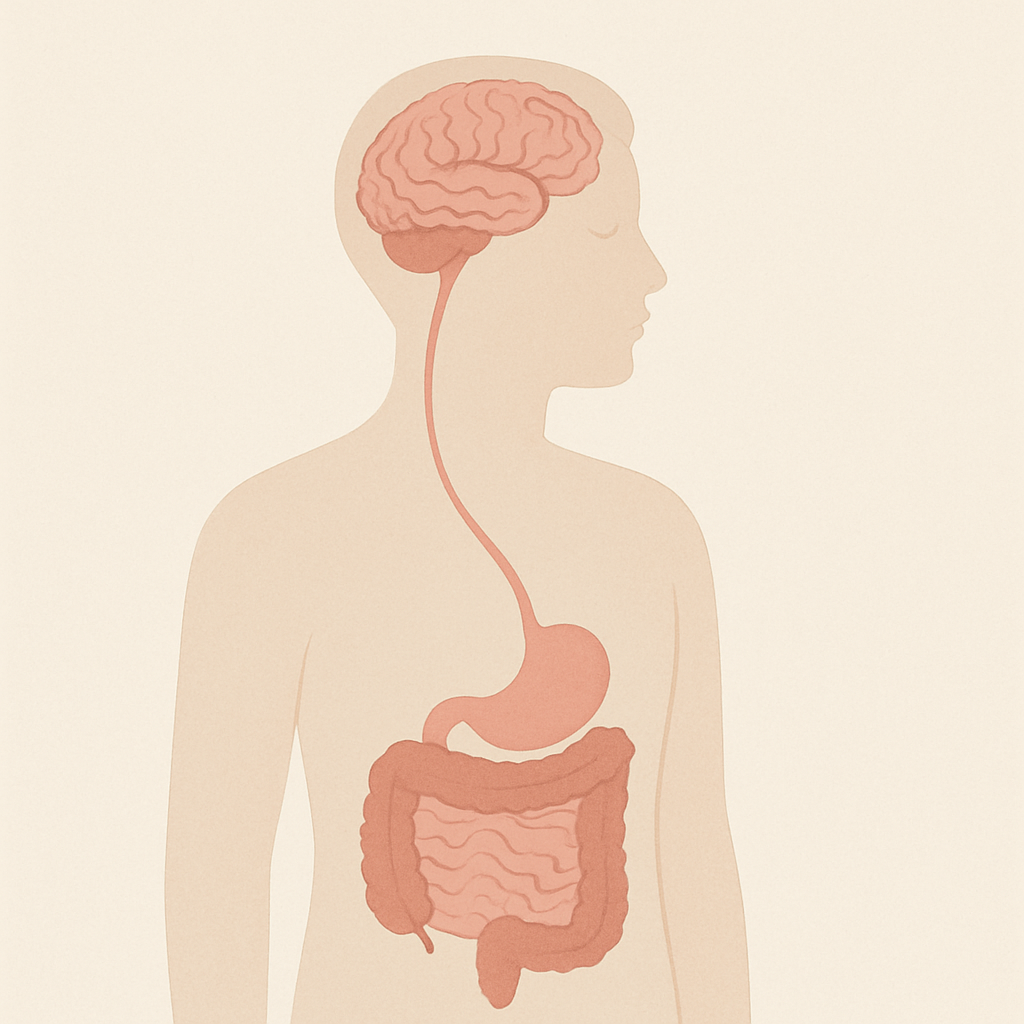
Digestive Biomarkers
Explore the role of digestive biomarkers in gut health, their mechanisms, evidence, practical applications, and relevant biomarkers.

Digestive biomarkers are measurable indicators that reflect the health and functionality of the digestive system, offering insights into gut health and overall wellness. By analyzing these biomarkers, individuals can gain a better understanding of their digestive processes and identify potential imbalances or issues. This page explores the mechanisms, evidence, practical applications, and relevant biomarkers associated with digestive health.
What It Is
Digestive biomarkers are specific indicators found in bodily fluids, such as blood, urine, or stool, that provide valuable information about the status of the digestive system. These biomarkers can reflect various aspects of gut health, including inflammation, nutrient absorption, and microbial balance. By measuring these biomarkers, healthcare practitioners and researchers can assess digestive function and identify potential disorders or imbalances.
In recent years, the study of digestive biomarkers has gained traction within the field of gut health science. This growing interest is due to the recognition of the gut's crucial role in overall health, immunity, and disease prevention. Assessing digestive biomarkers can help guide personalized dietary and lifestyle interventions aimed at optimizing gut health.
Mechanism / How It Works
Digestive biomarkers work by providing measurable data related to the digestive processes occurring within the body. They can indicate the presence of specific metabolites, inflammatory markers, or microbial byproducts that reflect the gut's condition. For example, the presence of certain short-chain fatty acids (SCFAs) in the stool can signal healthy gut microbiota activity, while elevated levels of inflammatory markers like C-reactive protein (CRP) may indicate gut inflammation.
These biomarkers are typically assessed through laboratory tests, where samples are analyzed quantitatively and qualitatively. The results can reveal insights into digestive efficiency, gut permeability, and the overall balance of gut flora, enabling healthcare providers to make informed decisions about treatment and management strategies.
Evidence Summary
The evidence surrounding digestive biomarkers is evolving. Preliminary studies have shown promising results regarding their utility in assessing gut health. For instance, research has indicated that specific biomarkers, such as lactulose and mannitol, can measure intestinal permeability, which is associated with various gastrointestinal disorders.
However, clinical evidence remains mixed. While some biomarkers have demonstrated consistent correlations with gut health indicators, others lack robust validation. Furthermore, the interpretation of biomarker levels can be influenced by various factors, including diet, lifestyle, and existing health conditions. Therefore, while digestive biomarkers hold potential, further research is necessary to solidify their roles in clinical practice and to understand the full spectrum of their implications.
Practical Application
Integrating digestive biomarkers into daily health routines involves several practical steps. Individuals interested in monitoring their gut health can consider working with healthcare professionals to undergo biomarker testing. Based on the results, personalized protocols can be developed, focusing on dietary changes, supplementation, and lifestyle modifications.
Common pitfalls in this process include over-reliance on biomarker results without considering holistic health factors. It's essential to engage in a comprehensive evaluation of overall health, including mental well-being, physical activity, and dietary habits, as these components play a significant role in gut health.
Relevant Biomarkers & Tracking
Several key biomarkers can be tracked to assess digestive health effectively. These include:
- Calprotectin: A marker of intestinal inflammation often used to assess conditions like inflammatory bowel disease (IBD).
- Lactulose and Mannitol: Sugars used in tests to evaluate intestinal permeability.
- Short-Chain Fatty Acids (SCFAs): Metabolites produced by gut bacteria, reflecting microbial activity and fiber fermentation.
- Gut Microbiota Composition: The diversity and abundance of various microbial species in the gut.
Tracking these biomarkers over time can help individuals and their healthcare providers understand changes in gut health and adjust interventions accordingly.
Body Systems Supported
The digestive system is interconnected with several other body systems, including:
- Immune System: A healthy gut supports immune function by preventing the entry of pathogens and producing immune-modulating compounds.
- Nervous System: The gut-brain axis highlights the relationship between gut health and mental well-being, affecting mood and cognitive function.
- Endocrine System: The gut plays a role in hormone production and regulation, influencing metabolism and appetite.
Addressing digestive health through biomarkers can thus have a ripple effect on overall bodily functions.
Common Goals
When utilizing digestive biomarkers, individuals often aim for common goals such as:
- Improving digestive efficiency and nutrient absorption.
- Reducing inflammation and managing gastrointestinal disorders.
- Enhancing gut microbiota diversity and balance.
- Promoting overall health and well-being through informed dietary choices.
Safety, Contraindications & Edge Cases
While the assessment of digestive biomarkers is generally safe, certain considerations must be taken into account. Individuals with existing health conditions should consult healthcare professionals before undergoing testing or making significant changes to their diet or supplementation. Additionally, factors such as age, medications, and genetic predispositions can influence biomarker levels, and these should be considered in any assessment.
Pairs Well With
Digestive biomarkers complement various ancient and natural health practices, including:
- Probiotics: Supplementing with beneficial bacteria can enhance gut health and improve biomarker outcomes.
- Fermented Foods: Foods like yogurt, kimchi, and sauerkraut support microbial diversity.
- Traditional Herbal Remedies: Herbs like ginger and peppermint can aid digestion and support gastrointestinal health.
FAQs (5)
- What are digestive biomarkers? Digestive biomarkers are measurable indicators that provide insights into the health and functionality of the digestive system.
- How can I test for digestive biomarkers? Testing typically involves laboratory analysis of blood, urine, or stool samples, often conducted under the guidance of a healthcare professional.
- What do elevated inflammatory biomarkers indicate? Elevated inflammatory biomarkers may suggest the presence of gut inflammation or disorders such as IBD.
- Are digestive biomarkers useful for everyone? While they can benefit many, individuals should consult healthcare professionals to determine if testing is appropriate for their specific health needs.
- How can I improve my digestive biomarkers? Improving gut health through a balanced diet, regular exercise, adequate hydration, and possibly probiotics can positively influence digestive biomarkers.
Frequently asked
What are digestive biomarkers?
Digestive biomarkers are measurable indicators that provide insights into the health and functionality of the digestive system.
How can I test for digestive biomarkers?
Testing typically involves laboratory analysis of blood, urine, or stool samples, often conducted under the guidance of a healthcare professional.
What do elevated inflammatory biomarkers indicate?
Elevated inflammatory biomarkers may suggest the presence of gut inflammation or disorders such as IBD.
Are digestive biomarkers useful for everyone?
While they can benefit many, individuals should consult healthcare professionals to determine if testing is appropriate for their specific health needs.
How can I improve my digestive biomarkers?
Improving gut health through a balanced diet, regular exercise, adequate hydration, and possibly probiotics can positively influence digestive biomarkers.