Functional Gastroenterology
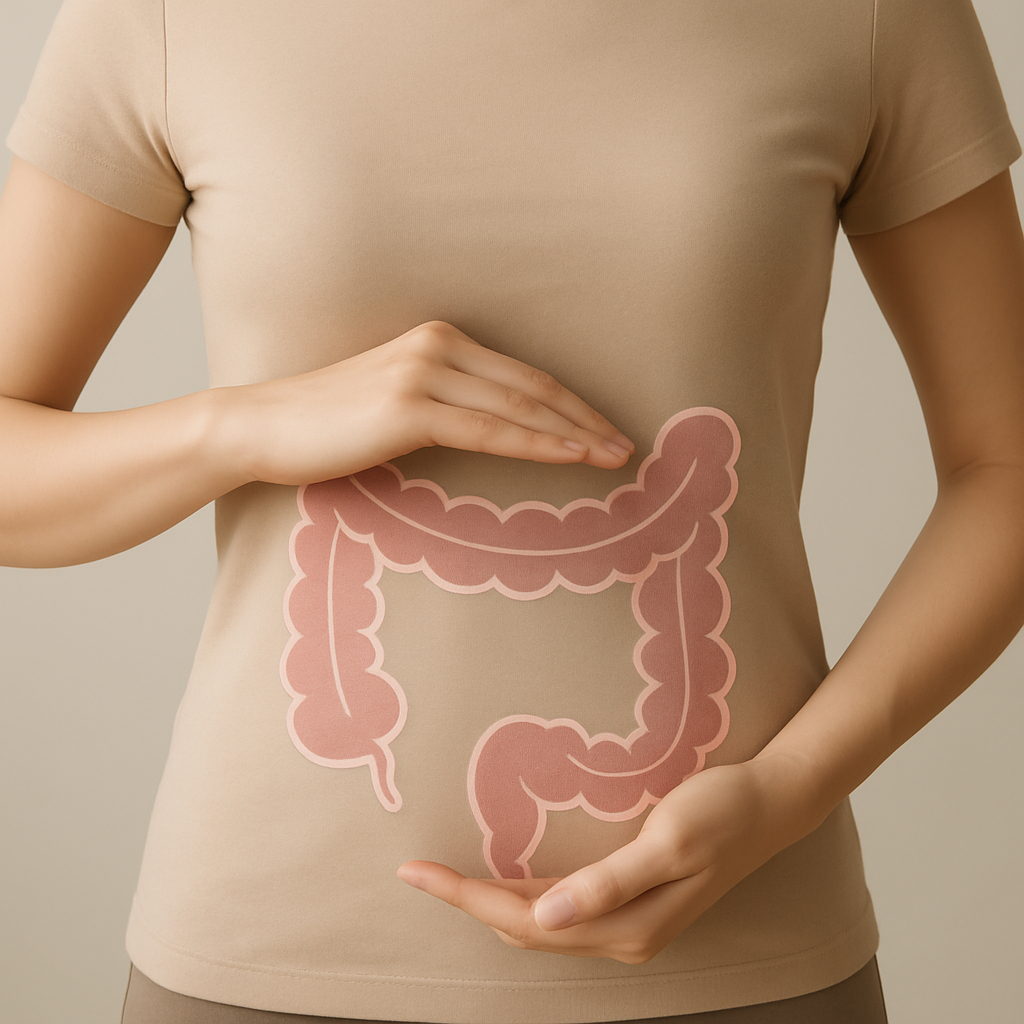
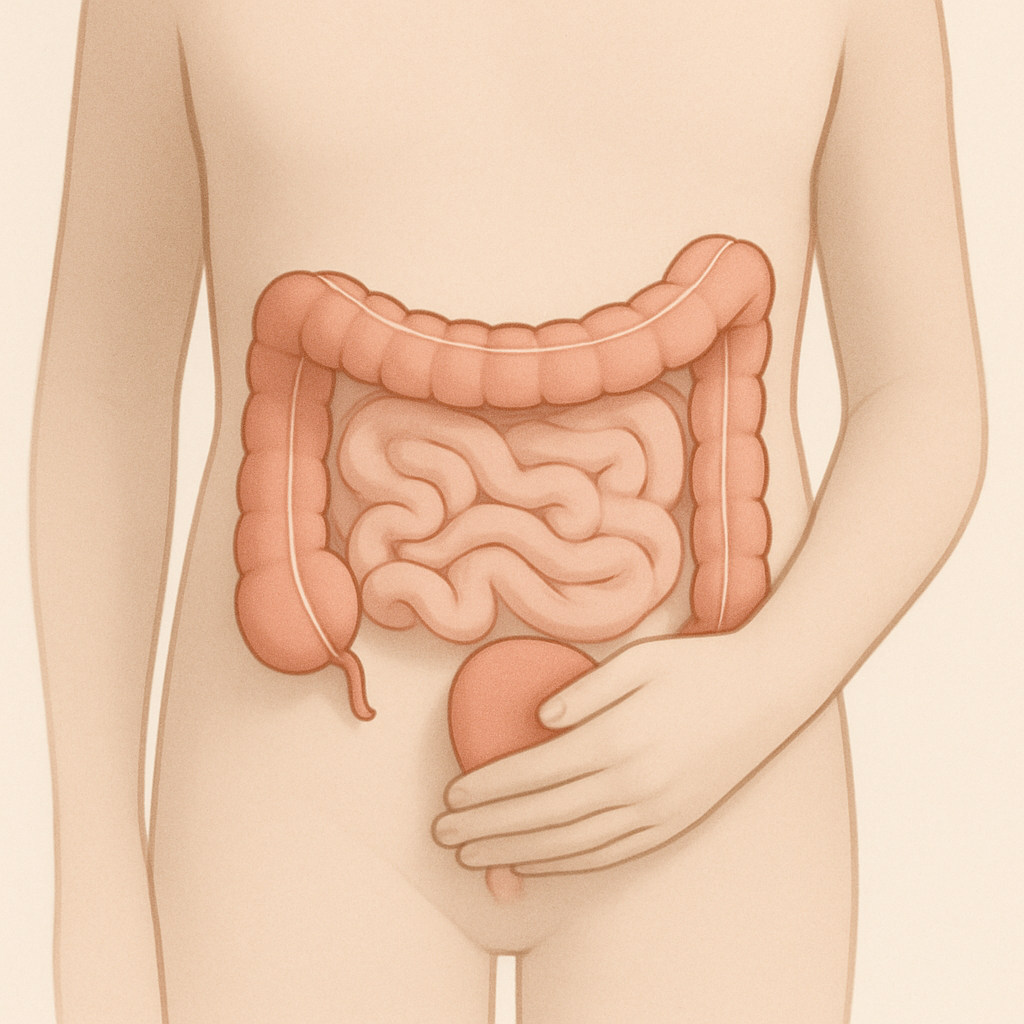
Functional Gastroenterology focuses on the holistic health of the gut, considering diet, lifestyle, and individual biochemistry.

Explore the principles of Functional Gastroenterology, a holistic approach to gut health that emphasizes the interconnectedness of the body’s systems.
What It Is
Functional Gastroenterology is an integrative approach to digestive health that seeks to identify and address the root causes of gastrointestinal disorders. Unlike traditional gastroenterology, which often focuses on symptom management, functional gastroenterology emphasizes the complex interactions between various body systems, diet, lifestyle, and individual biochemistry. Practitioners aim to understand how these factors contribute to digestive issues, ultimately fostering a more comprehensive healing process.
This paradigm encourages a personalized approach to treatment, using tailored interventions that may include dietary modifications, supplements, and lifestyle changes. By addressing underlying imbalances and dysfunctions, functional gastroenterology strives to restore optimal gut health and improve overall well-being.
Mechanism / How It Works
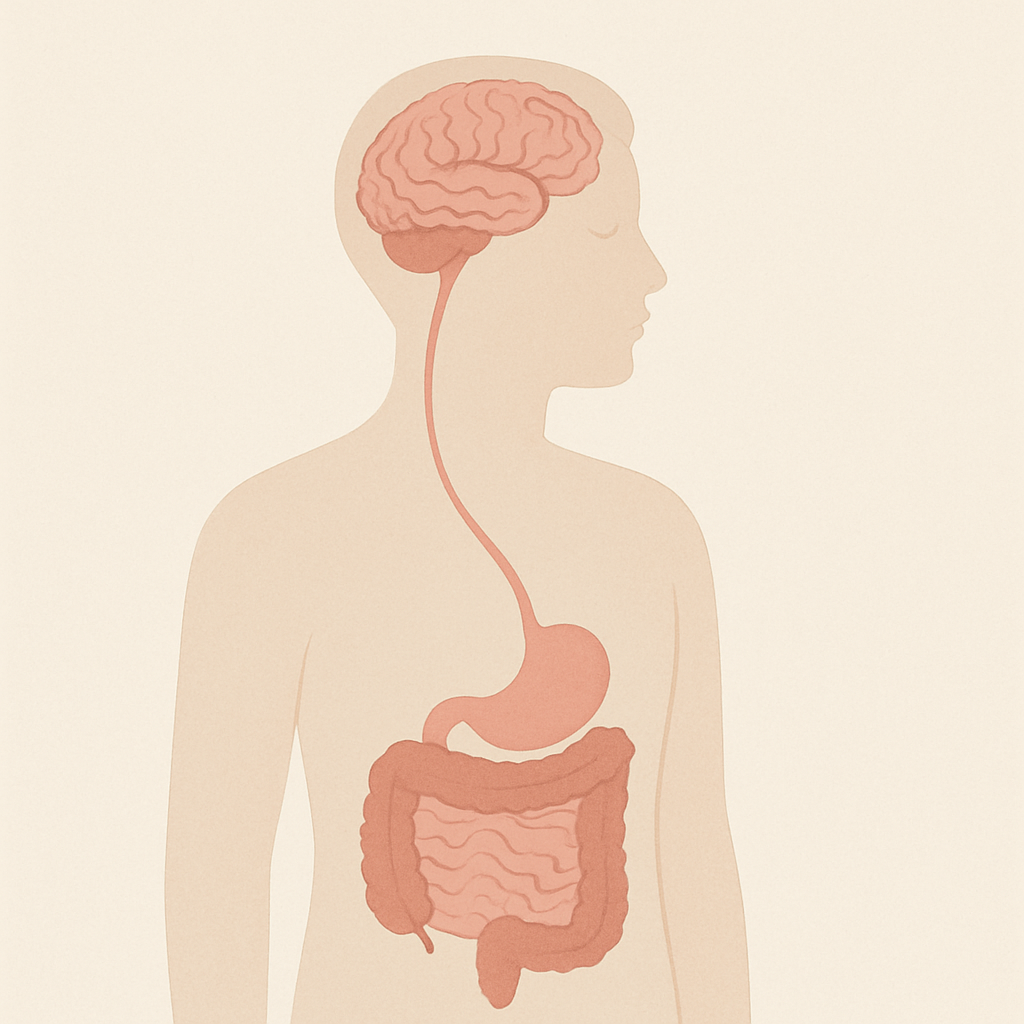
The mechanisms behind functional gastroenterology involve a multifaceted understanding of the gastrointestinal system and its relationship with other bodily systems. This approach often uses a systems biology perspective, recognizing that the gut is not an isolated entity but rather part of an interconnected network involving the immune system, nervous system, and hormonal regulation.
Functional practitioners may utilize various diagnostic tools, such as comprehensive stool analysis, food sensitivity testing, and microbiome profiling, to gather information about an individual's gut health. Treatment protocols typically focus on restoring gut microbiota balance, improving digestive function, and reducing inflammation through dietary choices, lifestyle adjustments, and supplementation. This holistic view allows for a more nuanced understanding of how factors like stress, environment, and genetics can influence digestive health.
Evidence Summary
The evidence for functional gastroenterology is evolving, with a growing body of research supporting its principles. Preliminary studies suggest that dietary interventions, such as the elimination of processed foods and the incorporation of fermented foods, can positively impact gut health and overall wellness. However, clinical evidence remains limited, and more rigorous studies are necessary to establish the efficacy of specific functional interventions.
Conflicting evidence exists regarding certain supplements and dietary strategies, which may work well for some individuals but not for others. This variability underscores the importance of personalized approaches in functional gastroenterology. While anecdotal and preliminary data are promising, caution is advised when interpreting these findings, as more extensive clinical trials are needed to validate the effectiveness of various protocols.
Practical Application
Practicing functional gastroenterology involves several steps that can be integrated into daily life. Key protocols may include:
- Conducting a thorough personal health assessment, including diet, lifestyle, and family history.
- Implementing an elimination diet to identify potential food sensitivities.
- Incorporating prebiotic and probiotic foods to support gut microbiota.
- Adopting stress management techniques such as mindfulness or yoga.
- Staying hydrated and maintaining regular physical activity.
Common pitfalls to avoid include overlooking the importance of individual variability in responses to dietary changes and supplements. It is essential to remain flexible and willing to adjust protocols based on personal feedback and health outcomes.
Relevant Biomarkers & Tracking
Monitoring specific biomarkers can provide valuable insights into gut health. Relevant biomarkers include:
- Gut microbiome composition, assessed through stool tests.
- Markers of inflammation, such as C-reactive protein (CRP) and calprotectin.
- Food sensitivity tests to identify reactive foods.
- Nutritional status indicators, including vitamin and mineral levels.
Tracking symptoms and dietary changes through journals or apps can also help individuals identify patterns and make informed decisions about their health.
Body Systems Supported
Functional gastroenterology not only targets the digestive system but also supports several other body systems, including:
- The immune system, through gut-associated lymphoid tissue (GALT).
- The endocrine system, particularly in relation to hormones that regulate digestion and metabolism.
- The nervous system, given the gut-brain connection and the impact of stress on digestive function.
This holistic support highlights the interdependence of bodily systems and the importance of addressing gut health to promote overall well-being.
Common Goals
Individuals seeking functional gastroenterology interventions typically aim to achieve several key goals:
- Relieving gastrointestinal symptoms such as bloating, gas, and discomfort.
- Restoring balance to gut microbiota.
- Improving nutrient absorption and overall digestion.
- Enhancing immune function and reducing inflammation.
- Promoting long-term health and preventing future gastrointestinal issues.
Safety, Contraindications & Edge Cases
While functional gastroenterology is generally considered safe, there are specific contraindications and edge cases to be aware of. Individuals with severe gastrointestinal disorders, such as inflammatory bowel disease (IBD) or advanced gastrointestinal cancers, should consult with healthcare professionals before initiating any functional protocols. Additionally, those with specific allergies or intolerances must exercise caution when implementing dietary changes.
It is also important to ensure that any supplements used are of high quality and appropriate for individual health needs, as not all supplements are suitable for everyone.
Pairs Well With
Functional gastroenterology can be complemented by practices from other wellness paradigms, including:
- Traditional Chinese Medicine, which emphasizes the balance of yin and yang and the role of diet in health.
- Ayurveda, which offers insights into digestive health through the understanding of doshas and dietary choices.
- Integrative nutrition, which focuses on whole foods and their healing properties.
Incorporating elements from these ancient practices can enrich the functional gastroenterology approach, providing a more comprehensive framework for supporting gut health.
FAQs (5)
- What is the difference between functional gastroenterology and traditional gastroenterology? Functional gastroenterology focuses on the root causes of digestive issues, while traditional gastroenterology often emphasizes symptom management.
- How long does it take to see results from functional gastroenterology protocols? Results can vary significantly depending on individual circumstances, but many people notice improvements within a few weeks to months.
- Are dietary changes necessary for functional gastroenterology? Yes, dietary changes are often a cornerstone of functional gastroenterology, as they can significantly impact gut health.
- Can functional gastroenterology help with conditions like IBS or gluten sensitivity? Many individuals with IBS or gluten sensitivity report improvements through functional gastroenterology approaches, but results can vary.
- Is functional gastroenterology suitable for everyone? While many can benefit from this approach, individuals with severe gastrointestinal conditions should consult a healthcare professional before making changes.
Frequently asked
What is the difference between functional gastroenterology and traditional gastroenterology?
Functional gastroenterology focuses on the root causes of digestive issues, while traditional gastroenterology often emphasizes symptom management.
How long does it take to see results from functional gastroenterology protocols?
Results can vary significantly depending on individual circumstances, but many people notice improvements within a few weeks to months.
Are dietary changes necessary for functional gastroenterology?
Yes, dietary changes are often a cornerstone of functional gastroenterology, as they can significantly impact gut health.
Can functional gastroenterology help with conditions like IBS or gluten sensitivity?
Many individuals with IBS or gluten sensitivity report improvements through functional gastroenterology approaches, but results can vary.
Is functional gastroenterology suitable for everyone?
While many can benefit from this approach, individuals with severe gastrointestinal conditions should consult a healthcare professional before making changes.