Inflammation Digestion
Learn about the impact of inflammation on digestion, its mechanisms, and practical integration strategies for optimal gut health.

Explore the connection between inflammation and digestion, understand the underlying mechanisms, and learn practical applications for improved gut health.
What It Is
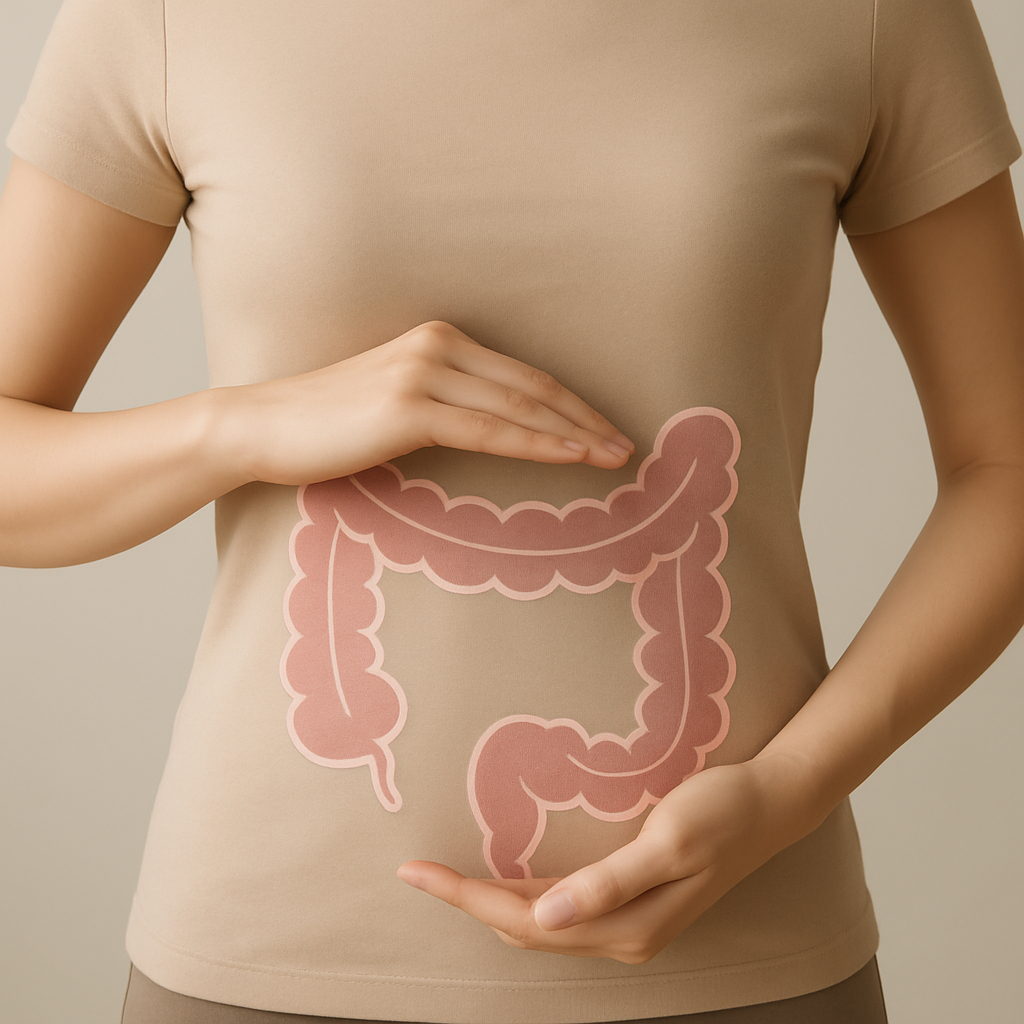
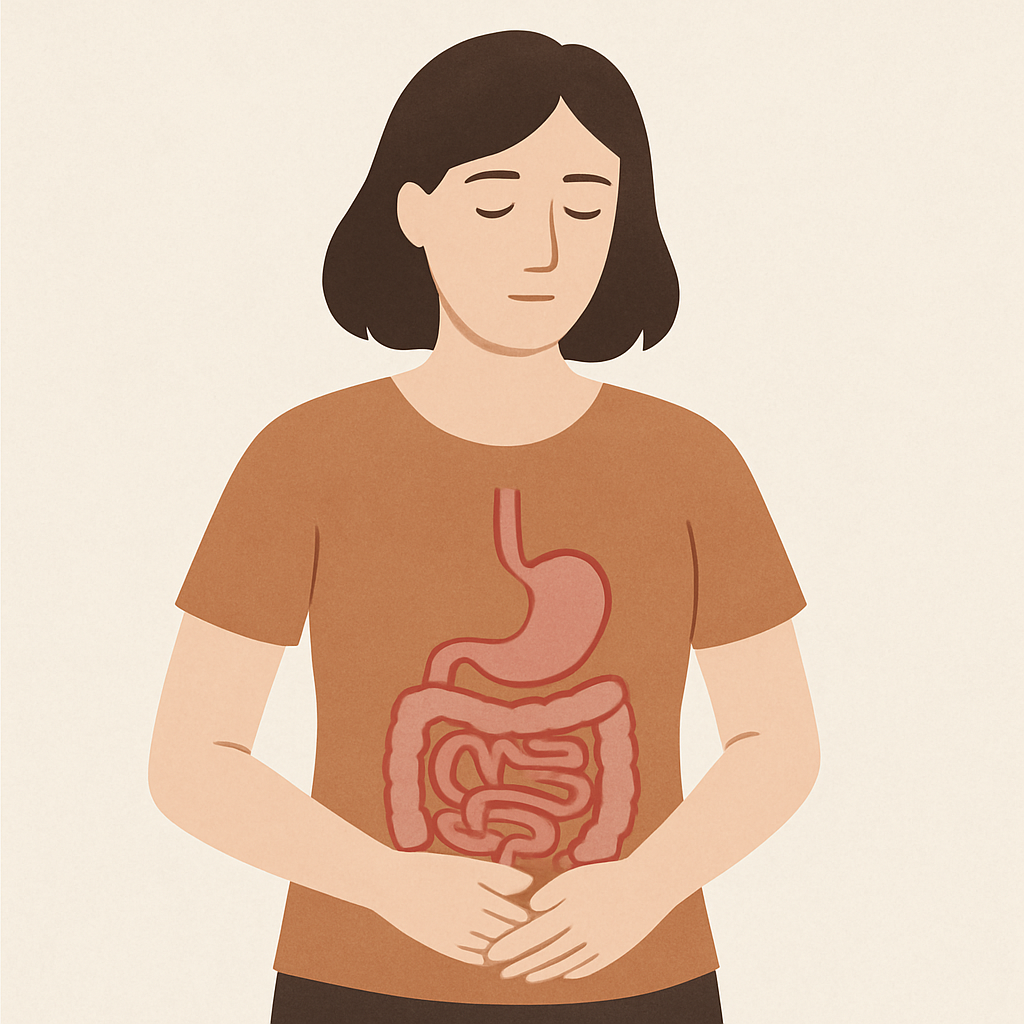
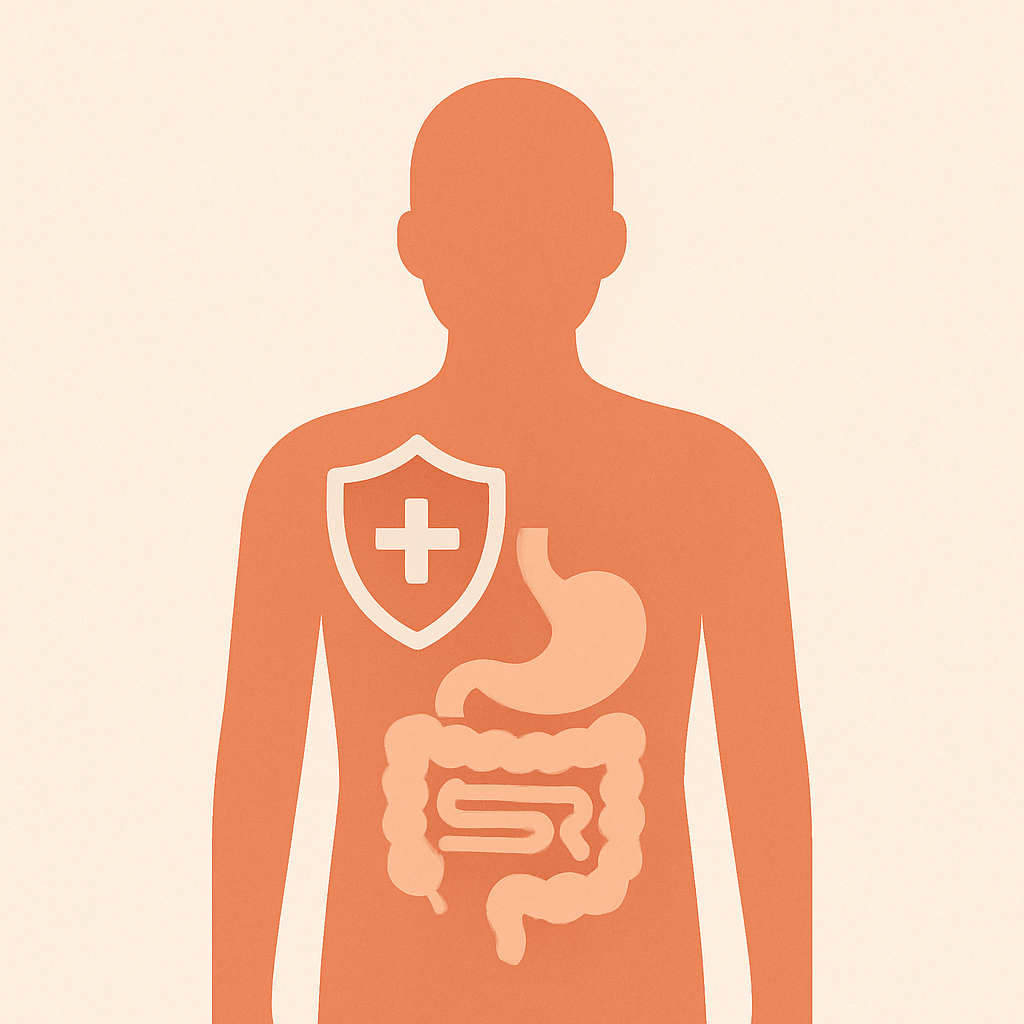
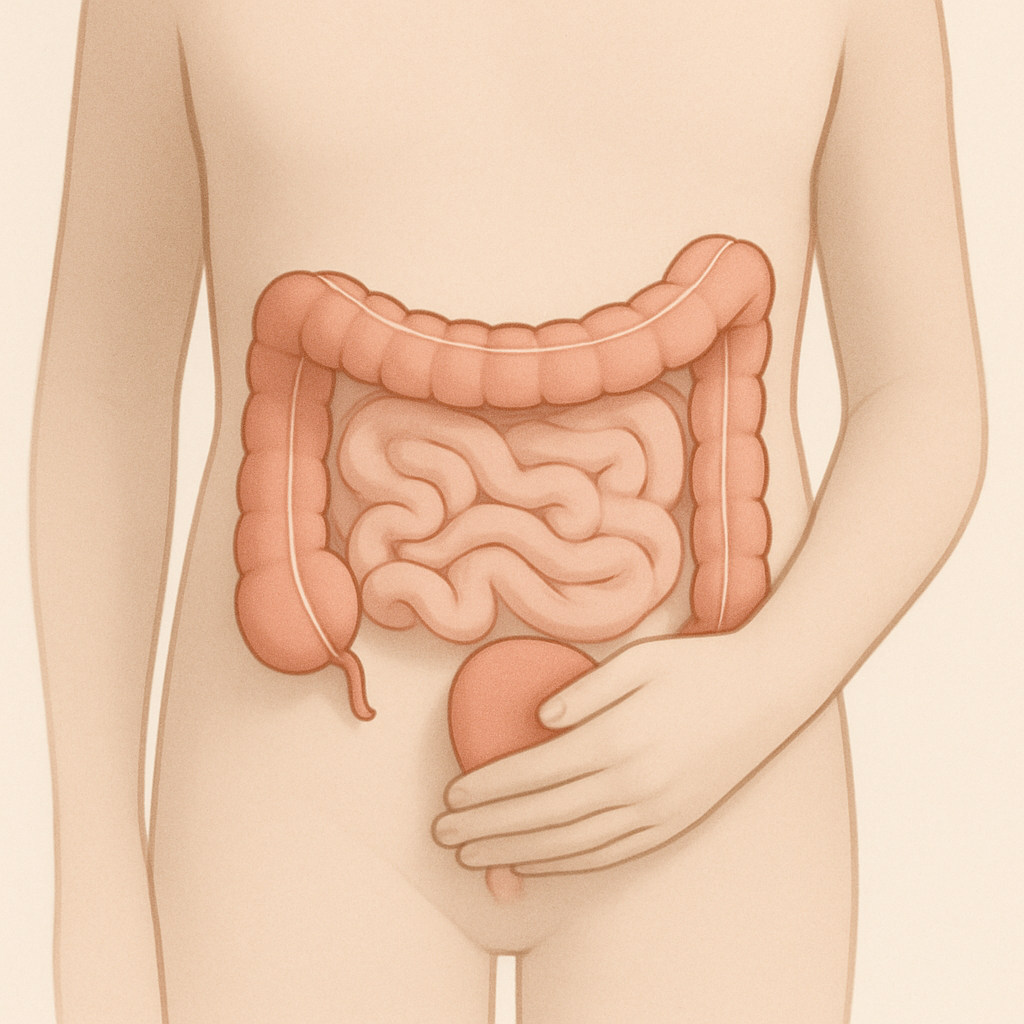
Inflammation is a natural response of the immune system to harmful stimuli, such as pathogens or irritants. In the context of digestion, inflammation can manifest in various ways, affecting the gastrointestinal (GI) tract and overall gut health. When inflammation occurs, it can lead to a range of digestive issues, including bloating, discomfort, and irregular bowel movements.
Chronic inflammation, as opposed to acute inflammation, can result in more severe conditions such as inflammatory bowel disease (IBD) or irritable bowel syndrome (IBS). This ongoing inflammation can disrupt the balance of gut microbiota, leading to further complications in digestion and nutrient absorption.
Mechanism / How It Works
The mechanisms behind inflammation in digestion involve a complex interplay between the immune system, gut microbiota, and the gut lining. When the gut is exposed to harmful agents, immune cells release inflammatory cytokines, which can increase permeability of the gut lining. This condition, often referred to as 'leaky gut,' allows toxins and undigested food particles to enter the bloodstream, triggering further immune responses.
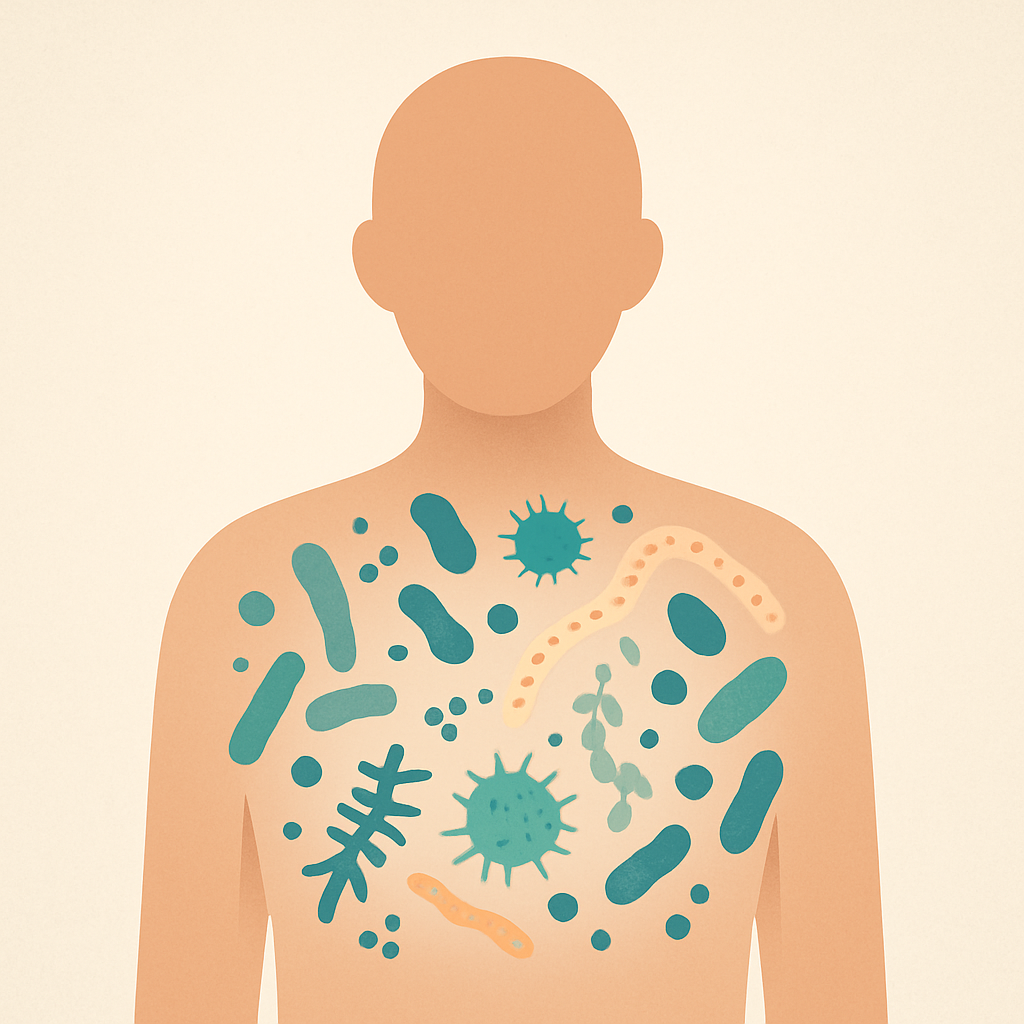
Additionally, dysbiosis, or an imbalance in gut bacteria, can perpetuate inflammatory responses. Certain gut bacteria produce short-chain fatty acids, which are essential for maintaining gut health. When these beneficial bacteria are diminished, inflammation can exacerbate, leading to digestive discomfort and a cycle of poor gut health.
Evidence Summary
Research on inflammation and digestion is ongoing, with varying results. Preliminary studies have shown that diets high in processed foods and low in fiber can lead to increased inflammation in the gut. Clinical trials have demonstrated that anti-inflammatory diets, such as the Mediterranean diet, may help reduce symptoms of digestive disorders.
However, there are conflicting results regarding the efficacy of specific supplements and interventions aimed at reducing inflammation. While some studies suggest that probiotics can help restore gut health and mitigate inflammation, others indicate that not all probiotic strains are effective for everyone. More research is needed to establish standardized protocols for managing inflammation in digestion.
Practical Application
To manage inflammation and improve digestion, individuals can incorporate several practical strategies into their daily routines:
- Dietary Changes: Emphasize whole foods, including fruits, vegetables, lean proteins, and healthy fats. Consider an anti-inflammatory diet rich in omega-3 fatty acids.
- Hydration: Drink plenty of water to support digestion and help flush out toxins.
- Mindful Eating: Pay attention to portion sizes and eat slowly to promote better digestion.
- Regular Exercise: Engage in moderate physical activity to support gut motility and overall health.
- Stress Management: Techniques such as meditation and yoga can help lower stress levels, which may contribute to inflammation.
Common pitfalls to avoid include excessive consumption of sugar and refined carbohydrates, which can exacerbate inflammation, and neglecting the importance of fiber in the diet.
Relevant Biomarkers & Tracking
Tracking inflammation and digestive health can be facilitated through various biomarkers and methods:
- C-Reactive Protein (CRP): A blood test that measures inflammation levels in the body.
- Fecal Calprotectin: A stool test that can indicate inflammation in the intestines, helpful in assessing conditions like IBD.
- Gut Microbiome Analysis: Testing the diversity and composition of gut bacteria can provide insights into digestive health.
Keeping a food diary can also help identify triggers that may contribute to inflammation and digestive discomfort.
Body Systems Supported
The relationship between inflammation and digestion extends beyond the gut. Other body systems supported by managing inflammation include:
- Immune System: A well-functioning gut supports overall immune health, reducing systemic inflammation.
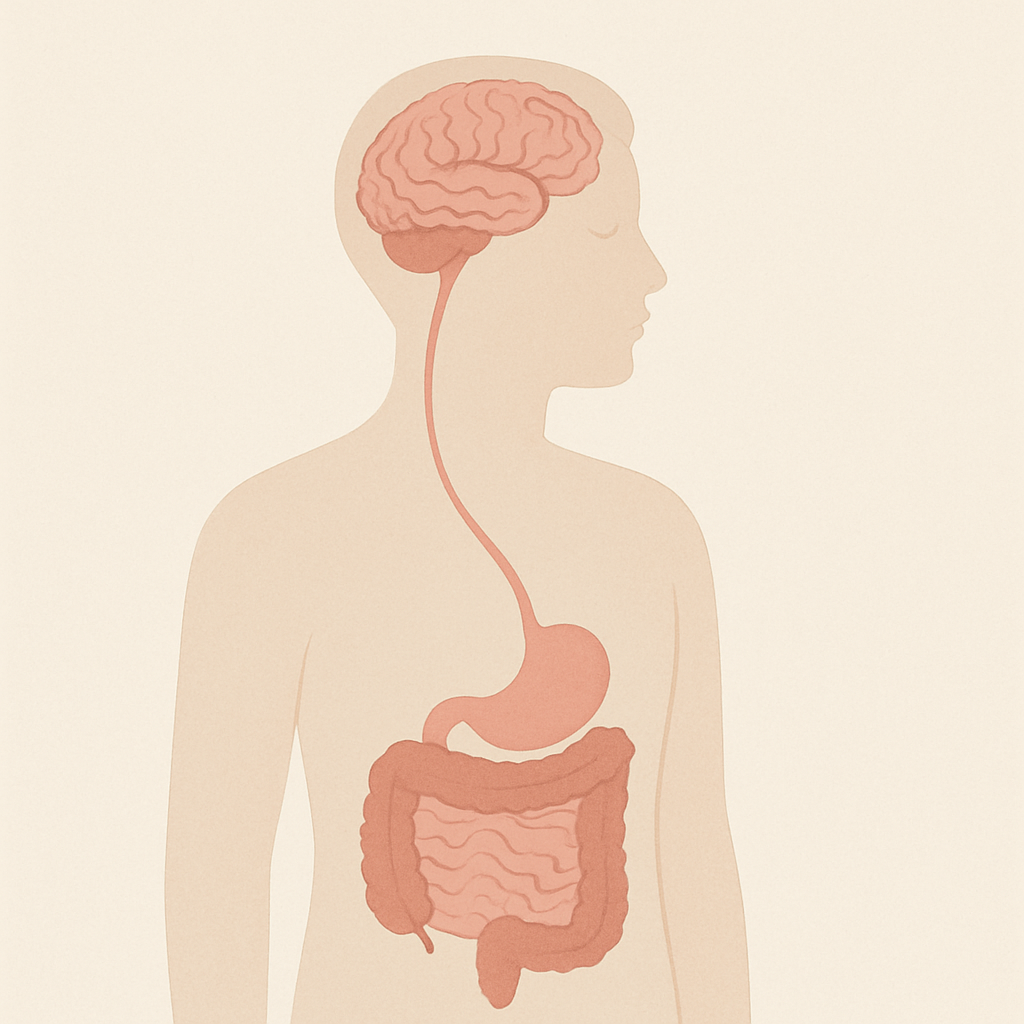
- Nervous System: Gut health influences the gut-brain axis, connecting digestive health with mental well-being.
- Endocrine System: Balancing inflammation can help regulate hormones related to stress and digestion.
Common Goals
Common goals for managing inflammation related to digestion may include:
- Reducing digestive discomfort and symptoms.
- Improving gut microbiome diversity.
- Enhancing nutrient absorption and overall digestive efficiency.
- Minimizing systemic inflammation in the body.
Safety, Contraindications & Edge Cases
While many approaches to managing inflammation and digestion are generally safe, there are important considerations:
- Individuals with specific health conditions should consult healthcare providers before making significant dietary changes.
- Some supplements may interact with medications or may not be appropriate for everyone.
- Monitoring for adverse reactions when starting new dietary or supplement regimens is essential.
Pairs Well With
To enhance gut health and manage inflammation, consider integrating practices from various wellness traditions:
- Ayurveda: Incorporate Ayurvedic herbs such as turmeric and ginger, known for their anti-inflammatory properties.
- Traditional Chinese Medicine: Explore the benefits of foods and teas that promote digestive health and balance.
- Holistic Nutrition: Focus on personalized dietary plans that consider food sensitivities and overall wellness.
FAQs (5)
- What are the signs of inflammation in digestion? Common signs include bloating, gas, diarrhea, and abdominal pain.
- Can diet really reduce inflammation? Yes, a balanced diet rich in whole foods can significantly impact inflammation levels.
- Are probiotics effective for everyone? Probiotics may benefit some individuals, but not all strains work for everyone.
- How can I track my inflammation levels? Biomarkers such as CRP and fecal calprotectin can help monitor inflammation.
- Is chronic inflammation reversible? With lifestyle changes and appropriate interventions, chronic inflammation can often be managed and improved.
Frequently asked
What are the signs of inflammation in digestion?
Common signs include bloating, gas, diarrhea, and abdominal pain.
Can diet really reduce inflammation?
Yes, a balanced diet rich in whole foods can significantly impact inflammation levels.
Are probiotics effective for everyone?
Probiotics may benefit some individuals, but not all strains work for everyone.
How can I track my inflammation levels?
Biomarkers such as CRP and fecal calprotectin can help monitor inflammation.
Is chronic inflammation reversible?
With lifestyle changes and appropriate interventions, chronic inflammation can often be managed and improved.