Digestive Health
Dive into digestive health as a crucial aspect of gut health science, exploring its mechanisms, practical applications, and safety considerations.

Explore the essential elements of digestive health within the broader context of gut health science. Discover its mechanisms, evidence, practical applications, biomarkers, supported body systems, common goals, safety considerations, and complementary approaches.
What It Is
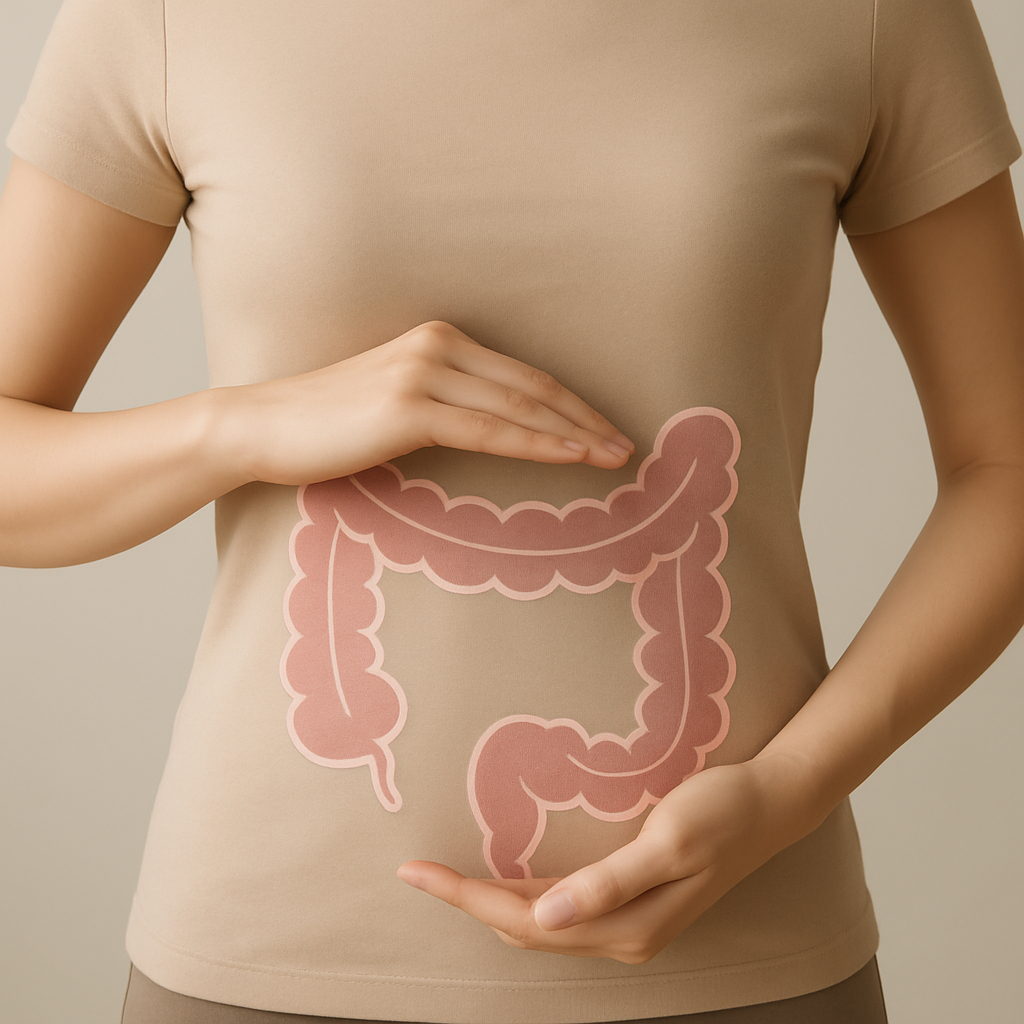
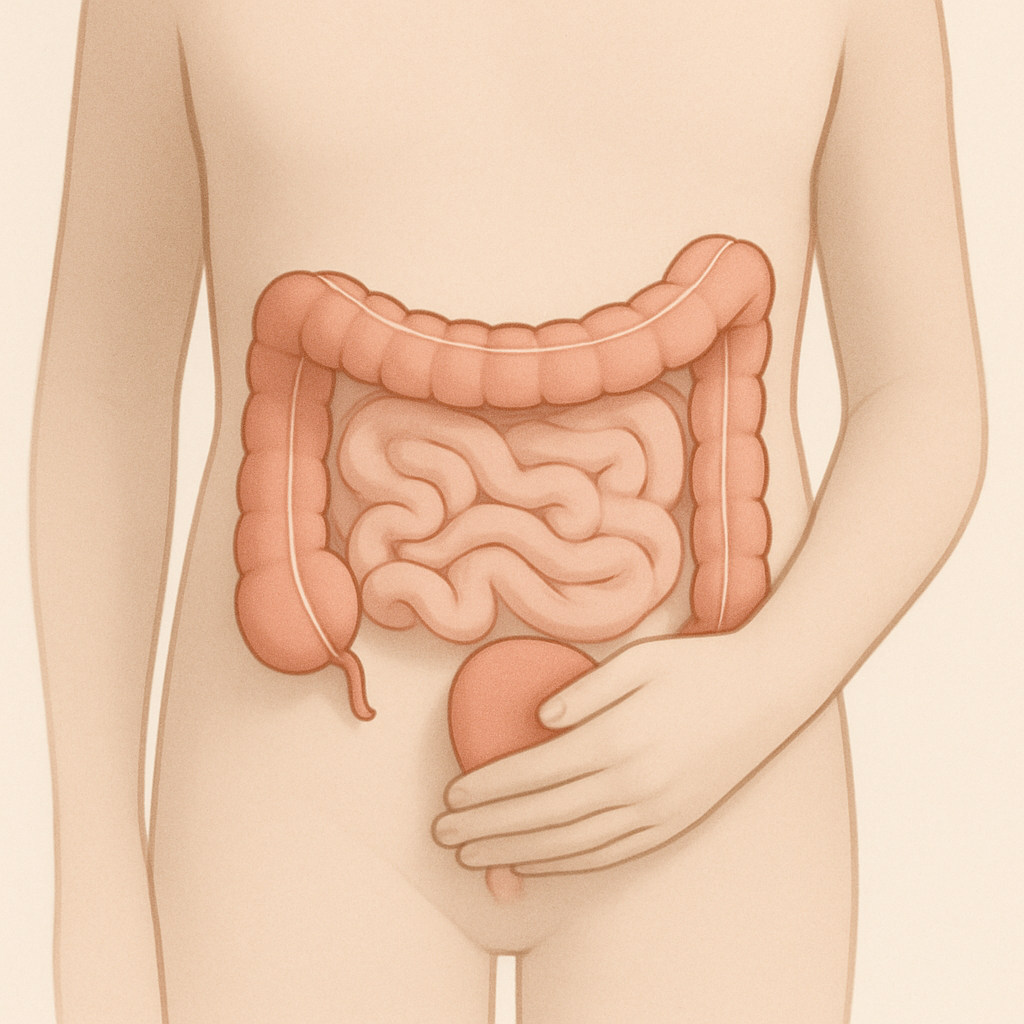
Digestive health refers to the proper functioning of the gastrointestinal (GI) tract, which plays a crucial role in breaking down food, absorbing nutrients, and eliminating waste. This complex system includes various organs such as the stomach, intestines, liver, and pancreas, each contributing to the overall process of digestion. Optimal digestive health is vital for maintaining overall well-being, as it directly influences nutrient absorption, immune function, and even mental health.
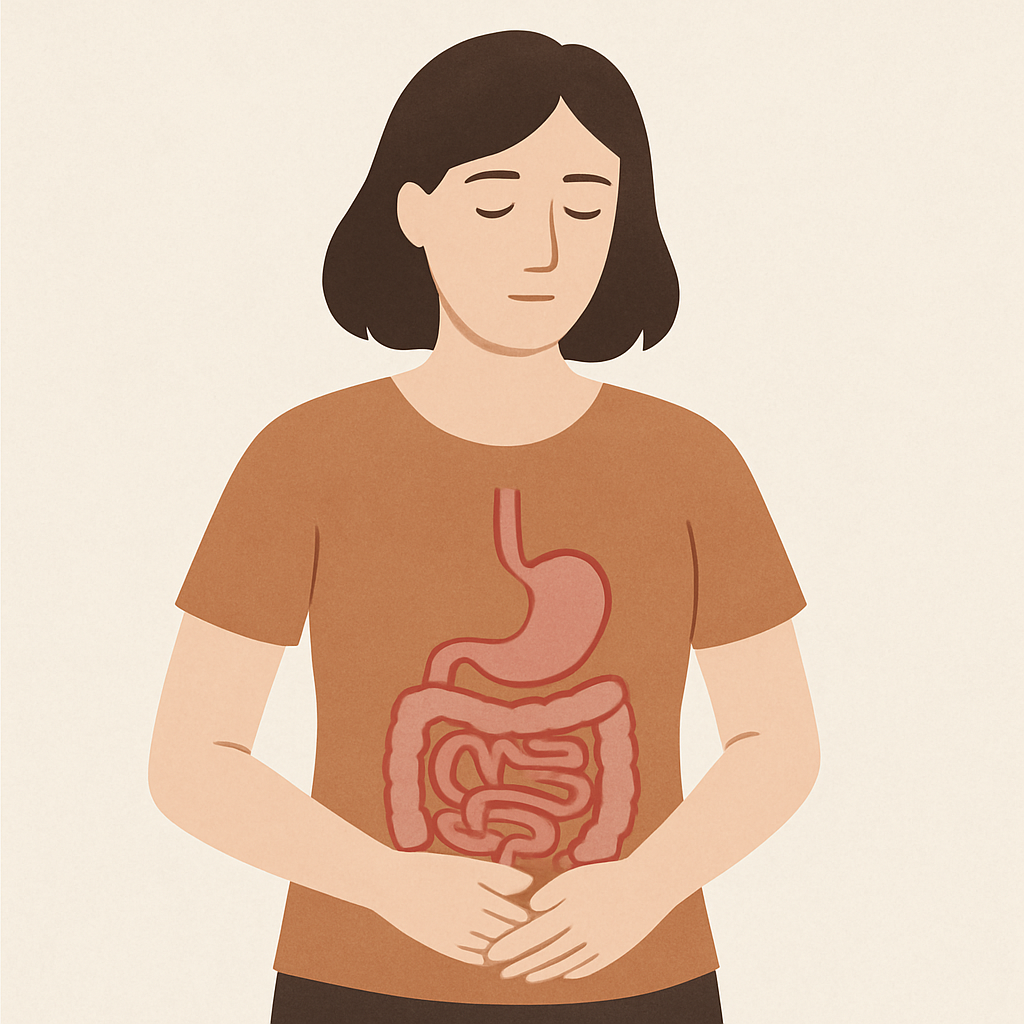
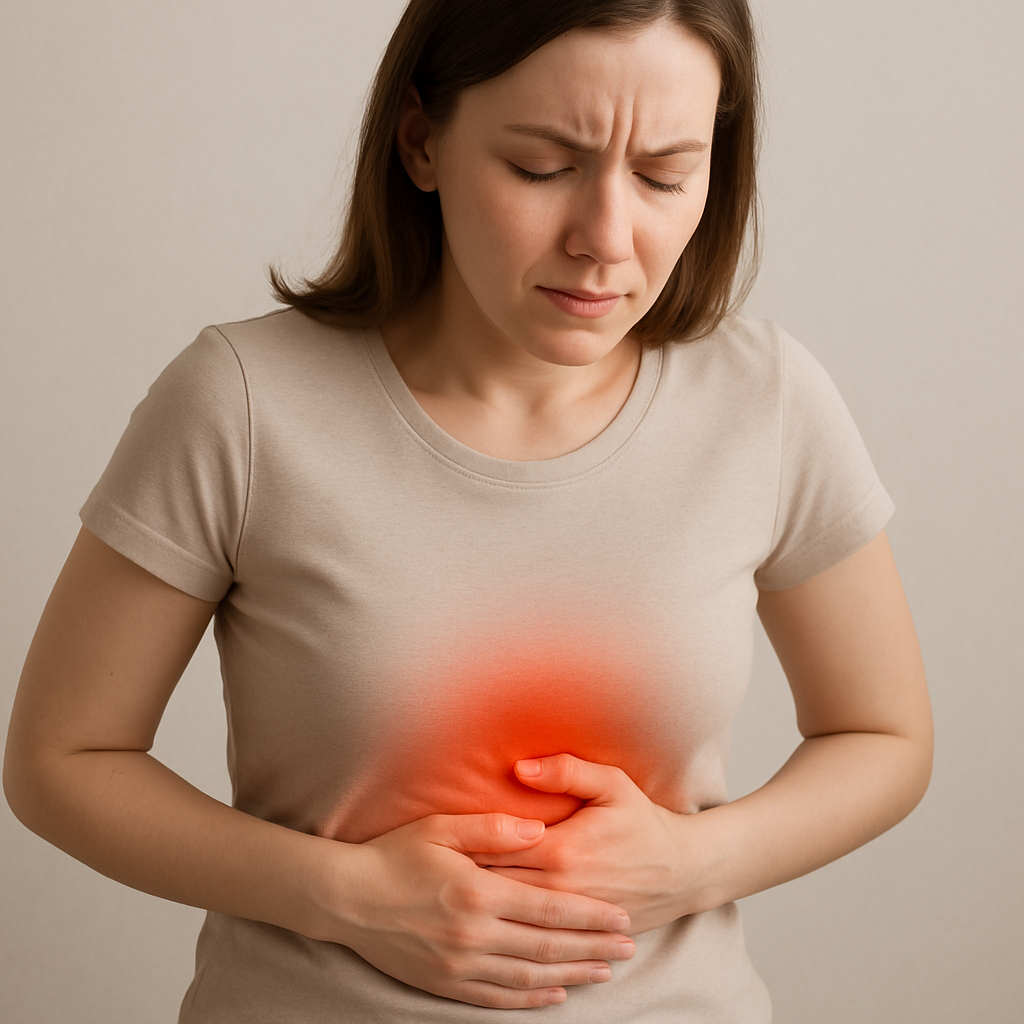
When digestive health is compromised, individuals may experience a wide range of issues, including bloating, gas, constipation, diarrhea, and more severe conditions like irritable bowel syndrome (IBS) or inflammatory bowel disease (IBD). Addressing digestive health concerns often involves lifestyle and dietary changes, as well as understanding the interplay between gut microbiota and overall health.
Mechanism / How It Works
The digestive system operates through a series of coordinated mechanical and chemical processes. Firstly, mechanical digestion begins in the mouth, where food is chewed and mixed with saliva. Once swallowed, the food travels down the esophagus to the stomach, where gastric acids and enzymes further break it down into a semi-liquid form called chyme.
Next, chyme moves into the small intestine, where the majority of nutrient absorption occurs. Here, digestive enzymes from the pancreas and bile from the liver facilitate the breakdown of carbohydrates, proteins, and fats. The walls of the small intestine, lined with tiny villi, then absorb the nutrients into the bloodstream. Finally, undigested food and waste products proceed to the large intestine, where water is reabsorbed, and the remaining material is formed into stool for elimination.
Evidence Summary
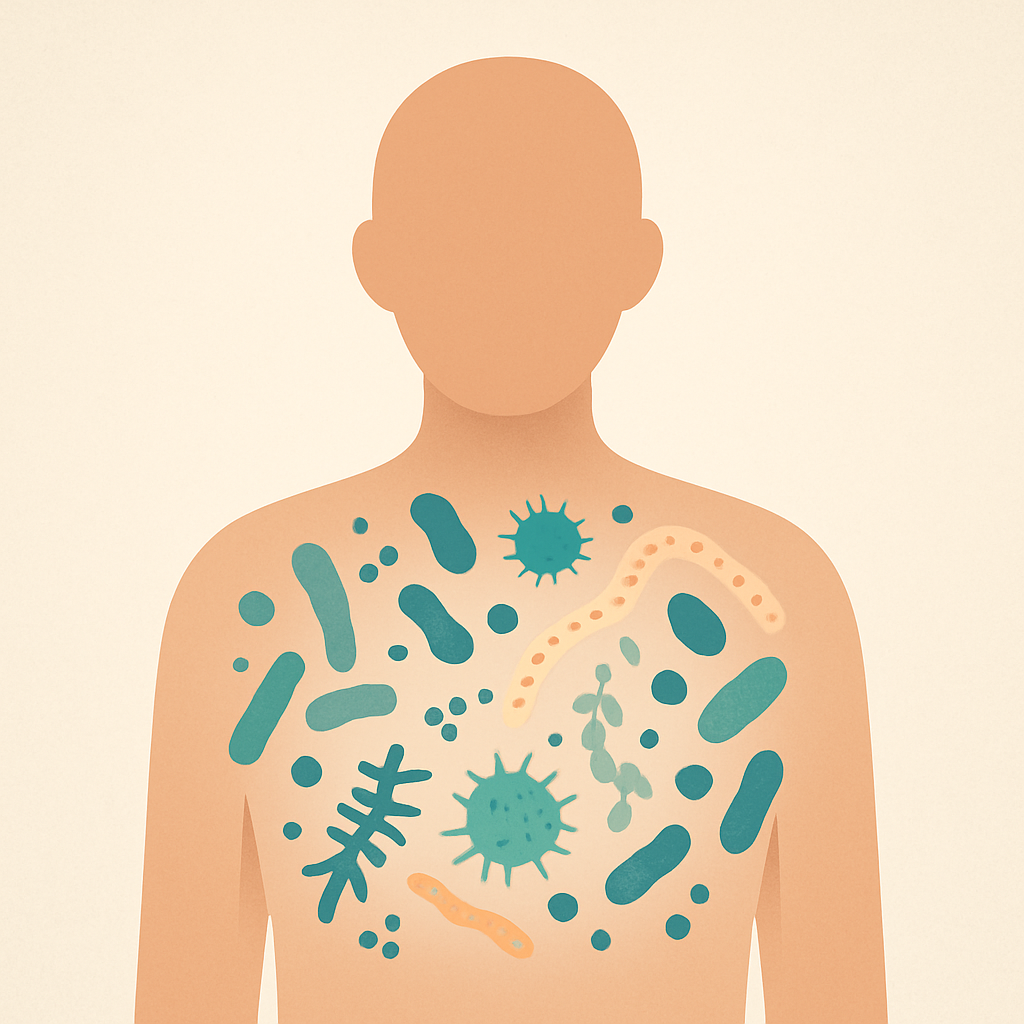
Research on digestive health is extensive but still evolving. Preliminary studies suggest that a balanced diet rich in fiber, probiotics, and prebiotics can significantly enhance digestive health by promoting a diverse gut microbiome. Clinical trials have shown that probiotics may alleviate symptoms of IBS and improve gut health in certain populations.
However, evidence remains conflicting in some areas. While probiotics are beneficial for some individuals, others may not experience any improvements. This variability highlights the need for personalized approaches to digestive health. Further research is necessary to fully understand the long-term effects of dietary interventions and the role of specific gut bacteria.
Practical Application
To enhance digestive health, individuals can adopt several practical strategies:
- Incorporate Fiber: Aim for a diet high in fruits, vegetables, whole grains, and legumes.
- Stay Hydrated: Drink plenty of water to aid digestion and prevent constipation.
- Probiotics and Prebiotics: Include fermented foods like yogurt, kefir, and sauerkraut, as well as prebiotic-rich foods like garlic and onions.
- Mindful Eating: Eat slowly, chew thoroughly, and listen to your body's hunger cues.
- Regular Exercise: Engage in physical activity to stimulate digestion and overall gut function.
Common pitfalls include excessive consumption of processed foods, neglecting hydration, and ignoring personal food intolerances. Keeping a food diary can help identify triggers that lead to digestive discomfort.
Relevant Biomarkers & Tracking
Tracking digestive health can involve monitoring several biomarkers, including:
- Stool consistency and frequency
- Symptom diaries for bloating, gas, and discomfort
- Blood tests for nutrient deficiencies, such as vitamin B12 and iron
- Hydration levels
- Gut microbiome analysis through advanced testing methods
Regularly assessing these factors can provide insights into one's digestive health and guide dietary and lifestyle adjustments.
Body Systems Supported
Digestive health is closely linked to several body systems, including:
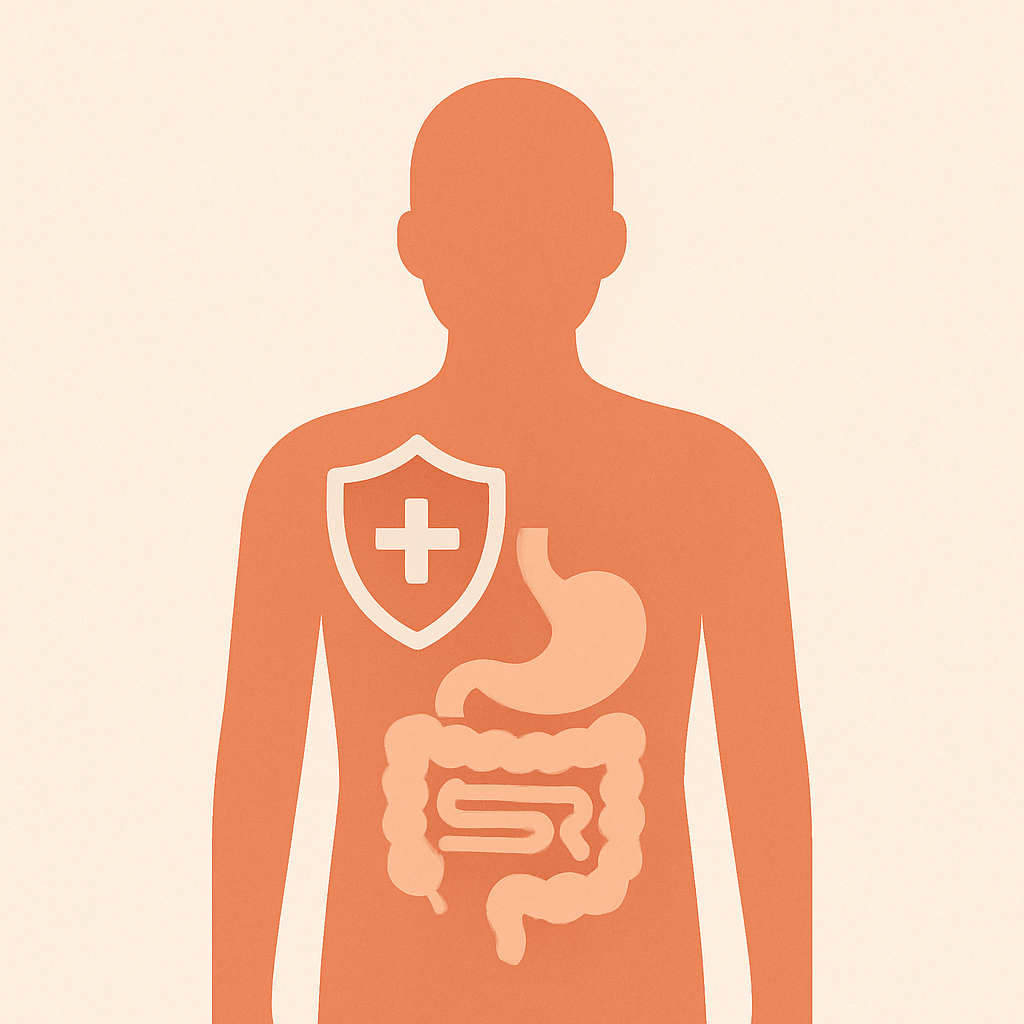
- Immune System: A healthy gut contributes to a robust immune response.
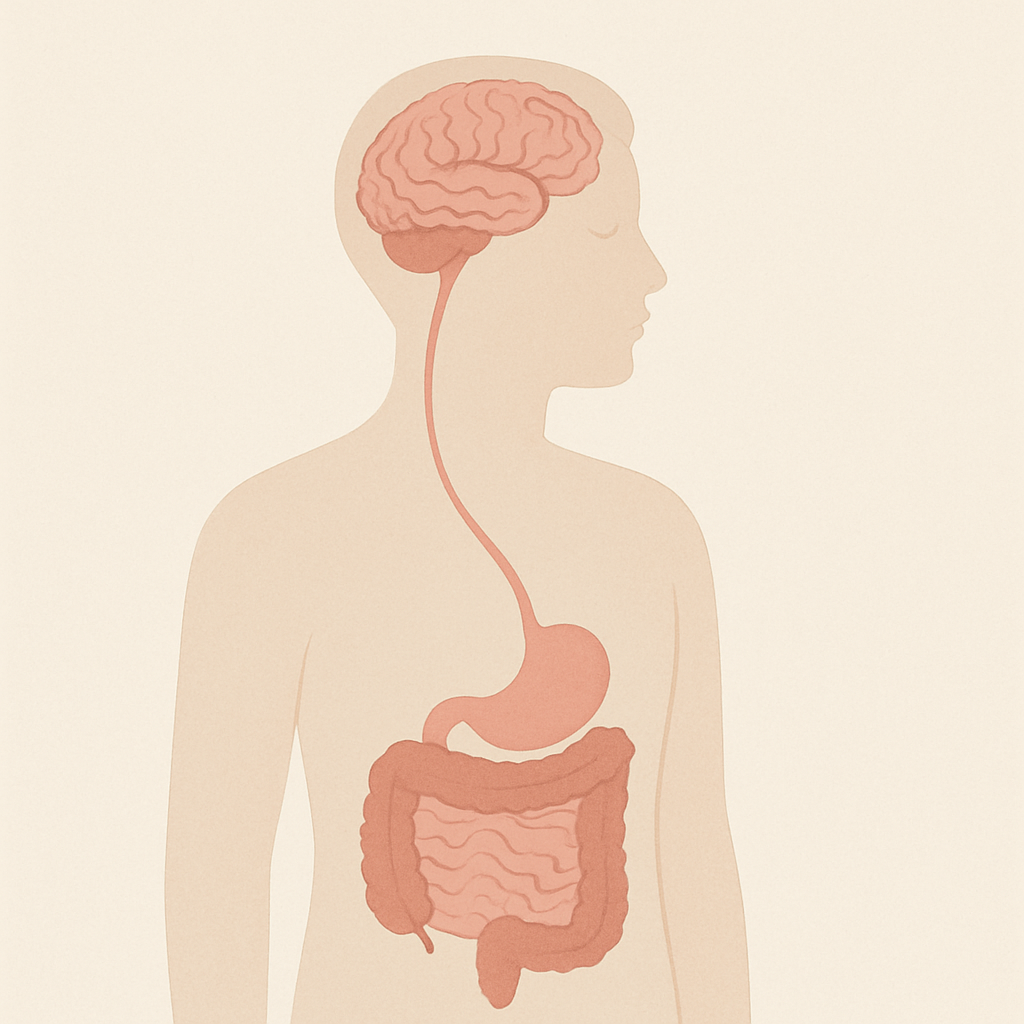
- Nervous System: The gut-brain axis plays a significant role in mental health and emotional well-being.
- Endocrine System: Digestive health influences hormone regulation, impacting metabolism and appetite.
These interconnected systems highlight the importance of maintaining digestive health for overall wellness.
Common Goals
Individuals often pursue several key goals related to digestive health:
- Reduce gastrointestinal discomfort and symptoms.
- Improve nutrient absorption and overall energy levels.
- Enhance gut microbiome diversity.
- Support immune function and reduce inflammation.
- Achieve and maintain a healthy weight.
Setting specific, measurable, achievable, relevant, and time-bound (SMART) goals can help individuals stay motivated in their journey toward better digestive health.
Safety, Contraindications & Edge Cases
While many dietary and lifestyle changes promote digestive health, individuals should consider potential contraindications. For instance, those with specific conditions like celiac disease or severe food allergies must avoid certain foods. Additionally, excessive use of probiotics can lead to gastrointestinal disturbances in some individuals.
Consulting with a healthcare provider or a registered dietitian is recommended before making significant changes, particularly for those with existing health conditions or those taking medications that may interact with dietary supplements.
Pairs Well With
Digestive health strategies can be enhanced by integrating ancient and natural counterparts, such as:
- Ayurveda: Focuses on individualized dietary practices and herbal remedies to balance digestion.
- Traditional Chinese Medicine: Emphasizes the importance of food energetics and balance in maintaining digestive health.
- Fermentation: Traditional fermentation methods enhance the availability of nutrients and promote gut health.
Exploring these complementary approaches can offer valuable insights and enhance overall digestive wellness.
FAQs (5)
- Q: What are the most common signs of poor digestive health?
A: Common signs include bloating, gas, constipation, diarrhea, and abdominal pain. - Q: How can I improve my gut microbiome?
A: Incorporate a diverse diet rich in fiber, fermented foods, and prebiotics. - Q: Are probiotics safe for everyone?
A: While generally safe, individuals with certain health conditions should consult a healthcare provider before use. - Q: How much fiber should I consume daily?
A: Aim for at least 25 grams of fiber per day for women and 38 grams for men, adjusting based on individual needs. - Q: Can stress affect my digestive health?
A: Yes, stress can significantly impact digestion and may exacerbate symptoms of digestive disorders.
Frequently asked
What are the most common signs of poor digestive health?
Common signs include bloating, gas, constipation, diarrhea, and abdominal pain.
How can I improve my gut microbiome?
Incorporate a diverse diet rich in fiber, fermented foods, and prebiotics.
Are probiotics safe for everyone?
While generally safe, individuals with certain health conditions should consult a healthcare provider before use.
How much fiber should I consume daily?
Aim for at least 25 grams of fiber per day for women and 38 grams for men, adjusting based on individual needs.
Can stress affect my digestive health?
Yes, stress can significantly impact digestion and may exacerbate symptoms of digestive disorders.