Wellness Apps
Discover how wellness apps are transforming health and wellness, their mechanisms, practical uses, and safety considerations.
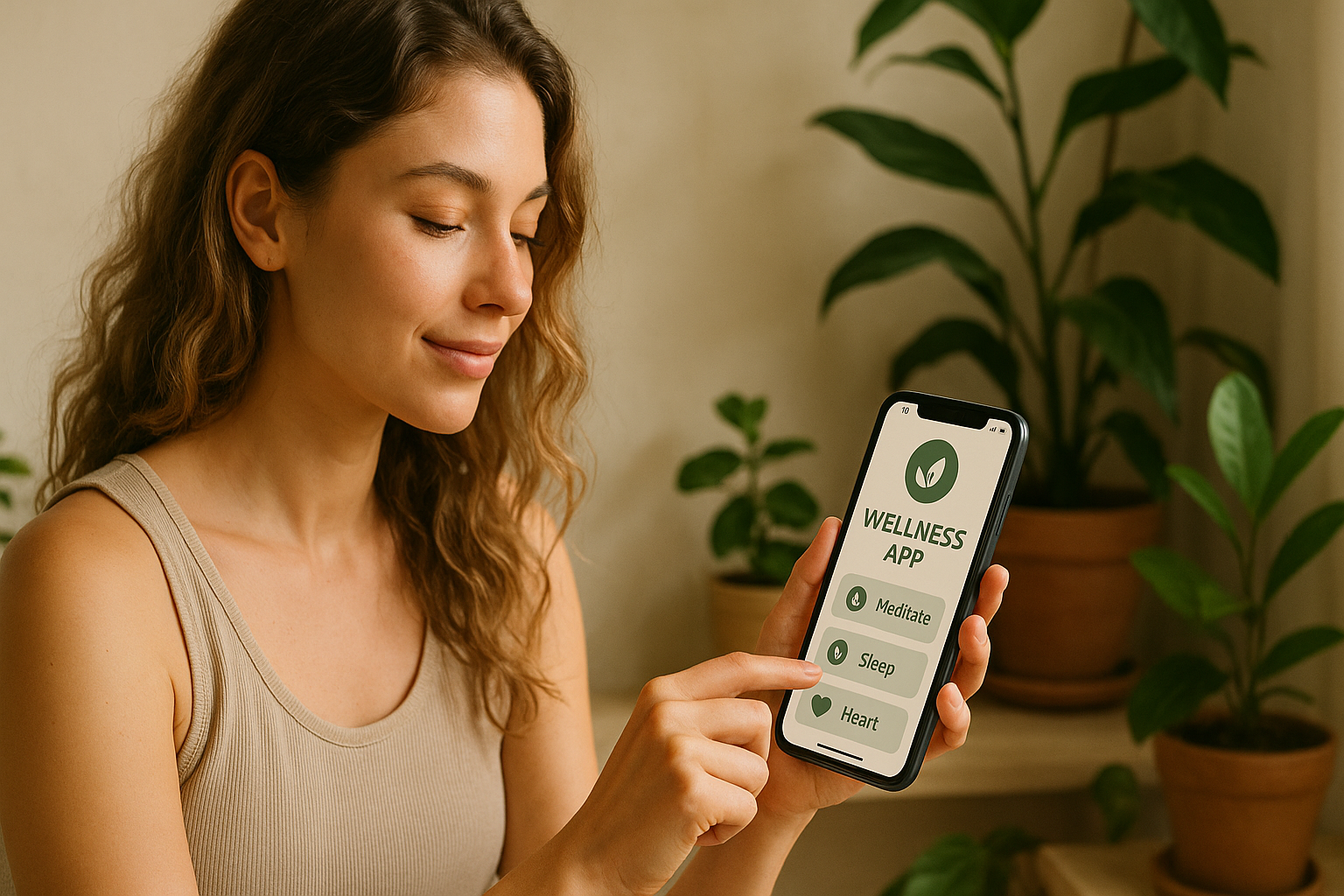
Explore the rising trend of wellness apps that harness technology to support mental and physical wellbeing. Learn about their mechanisms, evidence, practical applications, and how they can be integrated into daily life.
What It Is
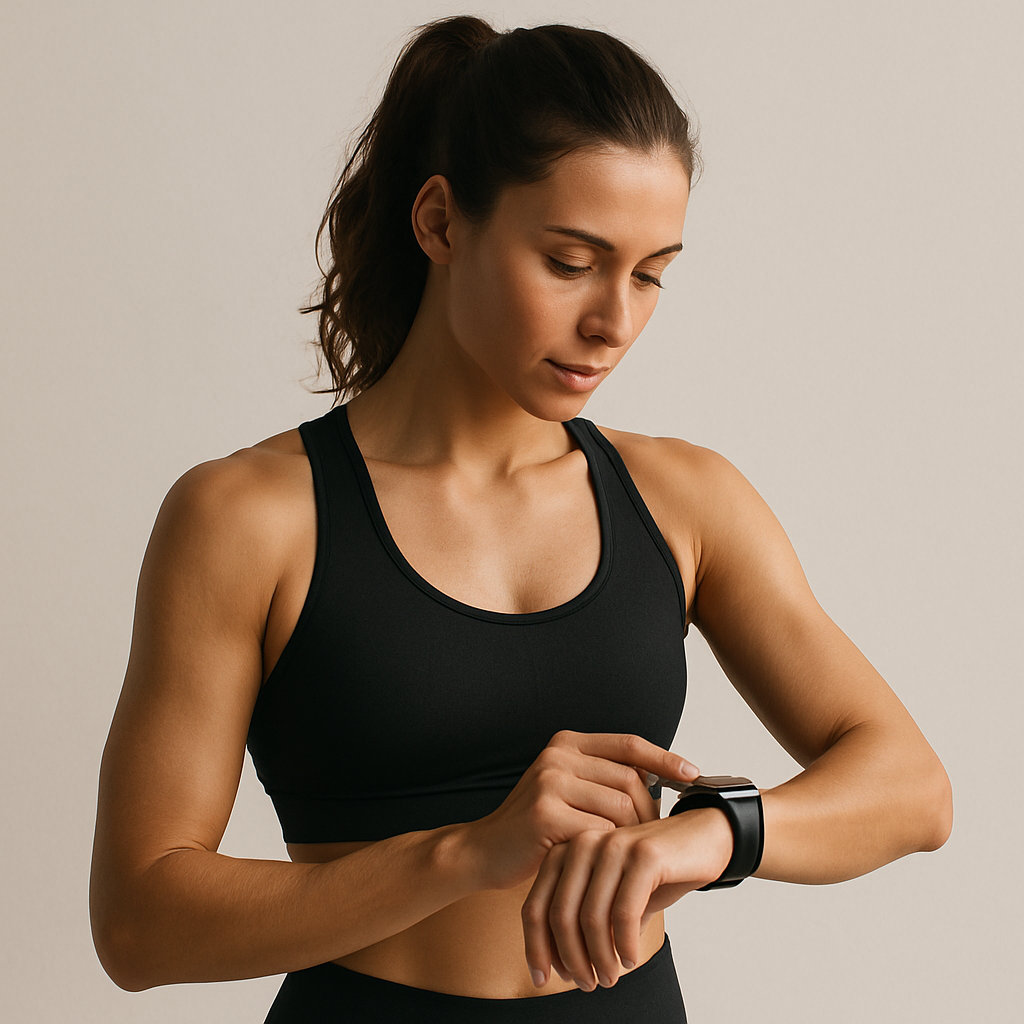
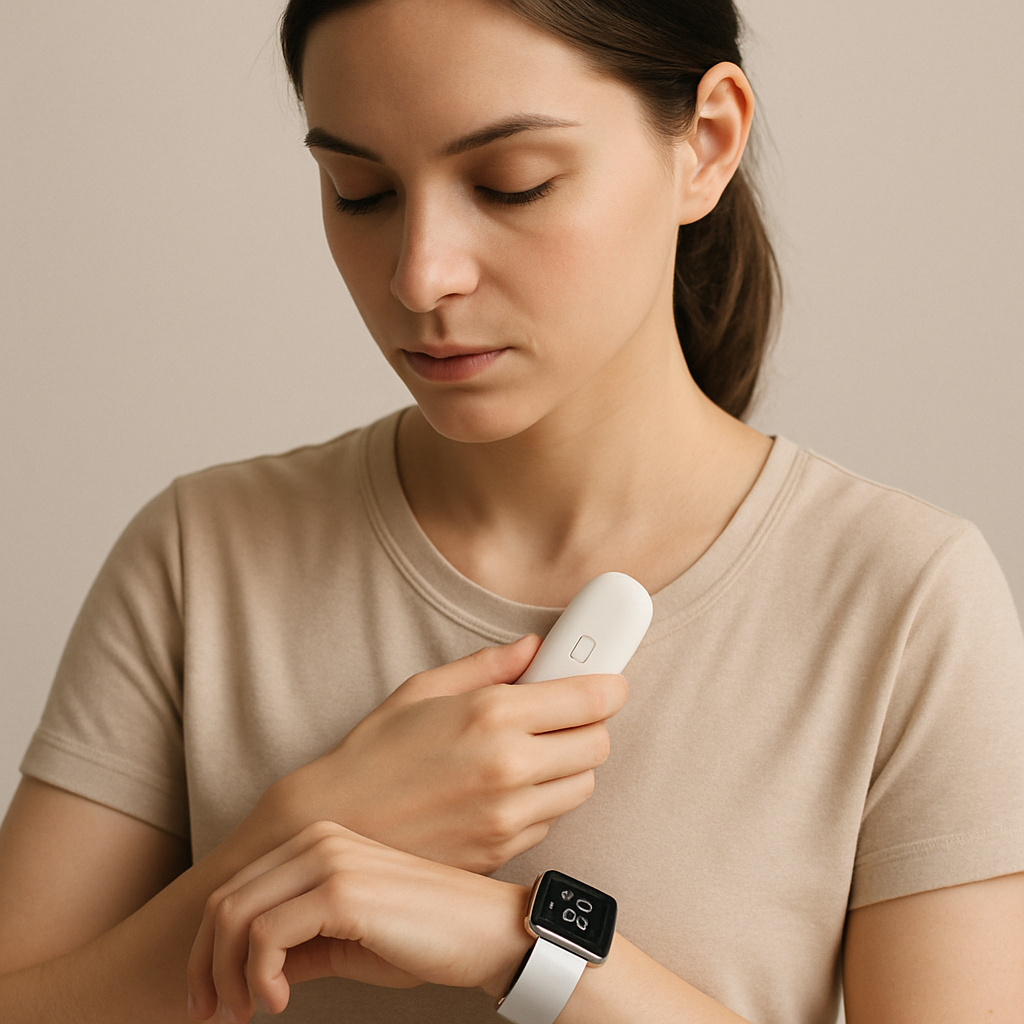
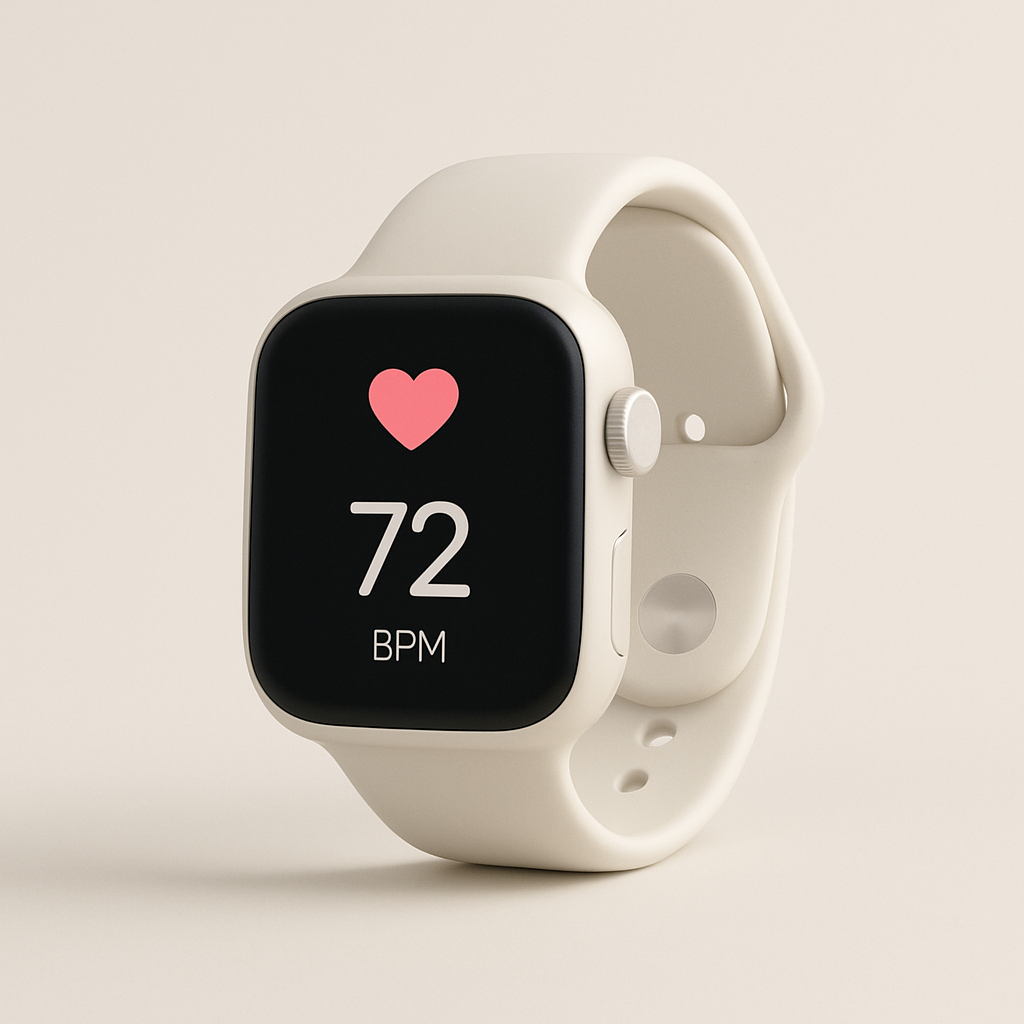
Wellness apps are digital tools designed to promote health and wellbeing through various features such as tracking, guided activities, and educational resources. They encompass a wide range of functionalities, including meditation guides, fitness trackers, nutrition planners, and mental health support. These applications leverage technology to help users set and achieve personal wellness goals, making health management more accessible and personalized.
Typically available on smartphones and tablets, wellness apps can range from simple habit trackers to comprehensive platforms that integrate multiple aspects of health. Their primary aim is to encourage users to take an active role in their wellness journey, providing them with the resources and support needed to make informed decisions about their health.
Mechanism / How It Works
Wellness apps function through various interactive features designed to engage users and facilitate behavior change. Most apps allow users to input personal data, such as physical activity levels, dietary choices, mood states, and sleep patterns. This data collection helps users identify trends and make adjustments to improve their overall wellbeing.
Many wellness apps also utilize gamification techniques, offering rewards and challenges that motivate users to maintain healthy habits. Notifications and reminders can prompt users to engage with the app regularly, reinforcing the importance of consistency in achieving wellness goals. Additionally, some apps incorporate community features, enabling users to connect with peers for support and accountability.
Evidence Summary
The body of evidence regarding the efficacy of wellness apps is growing, yet it remains mixed. Preliminary studies suggest that wellness apps can positively impact users' health behaviors, such as increasing physical activity and improving mental health outcomes. For instance, some research indicates that meditation apps may help reduce symptoms of anxiety and stress.
However, clinical evidence is still limited, and not all apps have undergone rigorous testing. Conflicting results exist, with some users reporting minimal benefits or feeling overwhelmed by the information presented. More comprehensive studies are needed to determine the long-term impacts of these apps on health outcomes and to establish standardized metrics for evaluating their effectiveness.
Practical Application
To integrate wellness apps into daily life, users should start by identifying specific health goals, such as increasing physical activity or improving sleep quality. Following this, selecting an app that aligns with those objectives can enhance the experience. Users are encouraged to engage with the app consistently, setting reminders and tracking progress to maintain motivation.
Common pitfalls include becoming overly reliant on the app or experiencing app fatigue, where users may feel overwhelmed by notifications and features. To mitigate these issues, it's advisable to limit app usage to a specific time each day and to focus on a few key features rather than trying to use all functionalities at once.
Relevant Biomarkers & Tracking
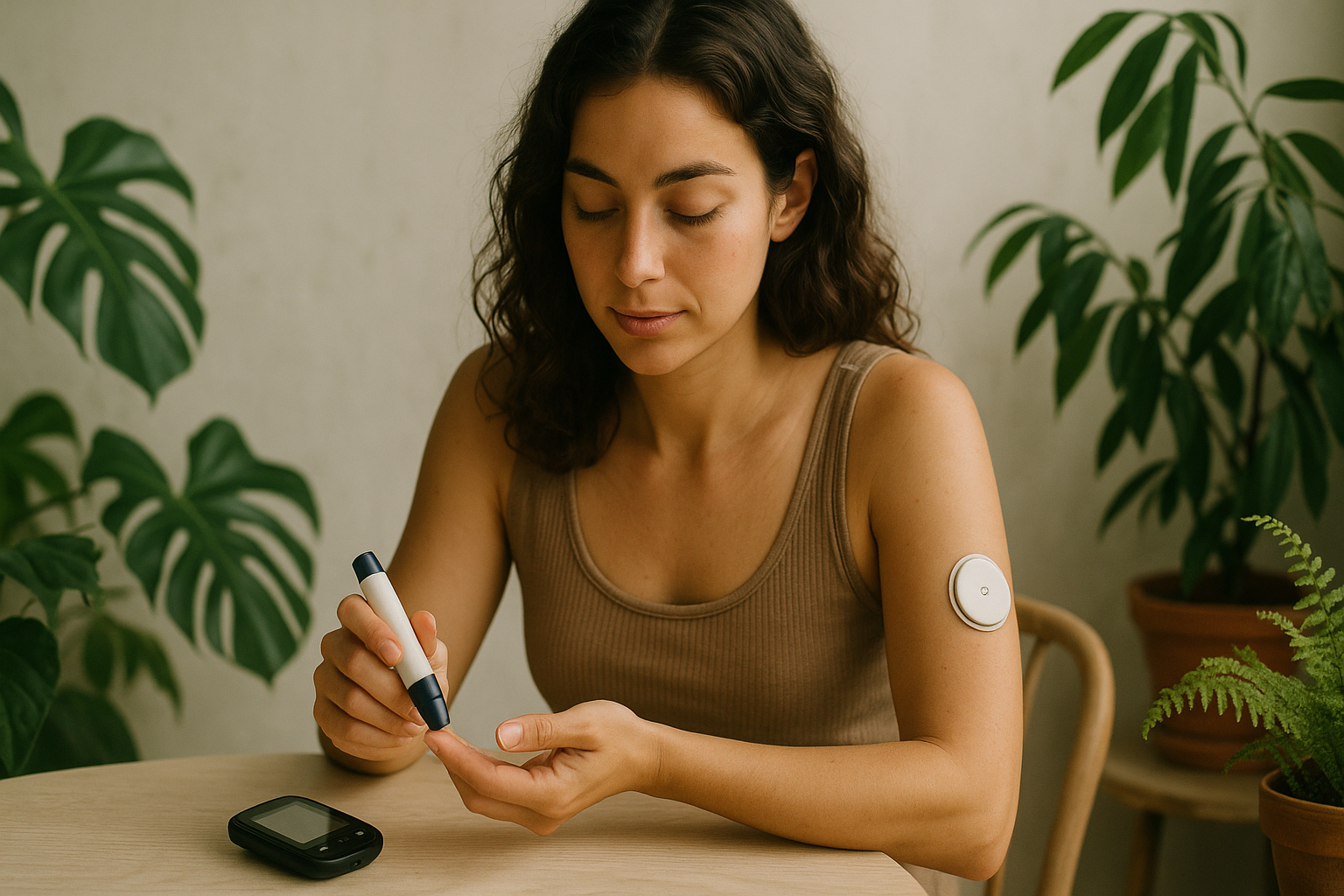
Many wellness apps allow users to track biomarkers relevant to their health goals, including:
- Physical Activity: Steps taken, distance traveled, calories burned.
- Nutrition: Caloric intake, macronutrient balance, hydration levels.
- Sleep Quality: Duration, sleep cycles, disturbances.
- Mental Health: Mood tracking, stress levels, mindfulness engagement.
By monitoring these biomarkers, users can gain insights into their health patterns and make informed decisions about their wellness practices.
Body Systems Supported
Wellness apps can support various body systems, including:
- Musculoskeletal System: Fitness and exercise apps help strengthen muscles and improve mobility.
- Nervous System: Meditation and mindfulness apps promote relaxation and decrease stress levels.
- Digestive System: Nutrition apps assist in making healthier food choices that support gut health.
- Endocrine System: Tracking apps can help manage weight and blood sugar levels through dietary choices.
Common Goals
Users typically turn to wellness apps for several common goals, such as:
- Improving physical fitness and activity levels.
- Enhancing mental health and reducing stress.
- Managing weight and dietary habits.
- Tracking and improving sleep quality.
- Building mindfulness and resilience.
Safety, Contraindications & Edge Cases
While wellness apps can be beneficial, it's important to recognize potential safety considerations. Users with specific health conditions should consult healthcare professionals before starting any new wellness regimen guided by an app. For example, individuals with a history of eating disorders may find calorie-tracking apps triggering.
In cases where users experience anxiety or stress related to tracking or performance, it may be advisable to step back from app usage or seek support from a mental health professional. Additionally, reliance on app data over professional medical advice can be a concern, so users should always prioritize in-person consultations for serious health issues.
Pairs Well With
Wellness apps can complement various ancient or natural practices, enhancing overall effectiveness. These may include:
- Meditation and Mindfulness: Apps featuring guided meditations can enhance traditional mindfulness practices.
- Yoga: Fitness apps that include yoga routines can support physical and mental health.
- Nutritional Guidance: Combining app usage with whole food diets or consulting a nutritionist can optimize dietary choices.
- Exercise Classes: Many users find that pairing app-based fitness tracking with in-person classes enhances motivation and accountability.
FAQs (5)
- Q: Are wellness apps effective for everyone?
- A: Effectiveness can vary based on individual preferences and needs. Some users may find them beneficial, while others may not.
- Q: Do I need to pay for wellness apps?
- A: Many wellness apps offer free versions with basic features, but premium features may require a subscription or one-time purchase.
- Q: Can wellness apps replace professional medical advice?
- A: No, wellness apps should complement professional advice but not replace it, especially for serious health conditions.
- Q: How do I choose the right wellness app?
- A: Identify your health goals and look for apps that specifically address those needs, checking user reviews for additional insights.
- Q: Can I use multiple wellness apps at the same time?
- A: Yes, many users benefit from using multiple apps to cover different aspects of health and wellness, but be mindful of potential overwhelm.
Frequently asked
Are wellness apps effective for everyone?
Effectiveness can vary based on individual preferences and needs. Some users may find them beneficial, while others may not.
Do I need to pay for wellness apps?
Many wellness apps offer free versions with basic features, but premium features may require a subscription or one-time purchase.
Can wellness apps replace professional medical advice?
No, wellness apps should complement professional advice but not replace it, especially for serious health conditions.
How do I choose the right wellness app?
Identify your health goals and look for apps that specifically address those needs, checking user reviews for additional insights.
Can I use multiple wellness apps at the same time?
Yes, many users benefit from using multiple apps to cover different aspects of health and wellness, but be mindful of potential overwhelm.