Recovery Technology
Explore recovery technology within wellness technology, focusing on its mechanisms, evidence, practical applications, and safety.

Discover the world of recovery technology, an innovative facet of modern wellness that enhances physical and mental recovery through various technological interventions. This page explores the mechanisms, evidence, practical applications, biomarkers, and more associated with recovery technology.
What It Is
Recovery technology is an emerging field within wellness technology that utilizes various tools and devices to enhance the recovery process for individuals engaged in physical activities, sports, or rehabilitation. This technology aims to accelerate healing, improve performance, and enhance overall well-being by leveraging advancements in science and engineering.
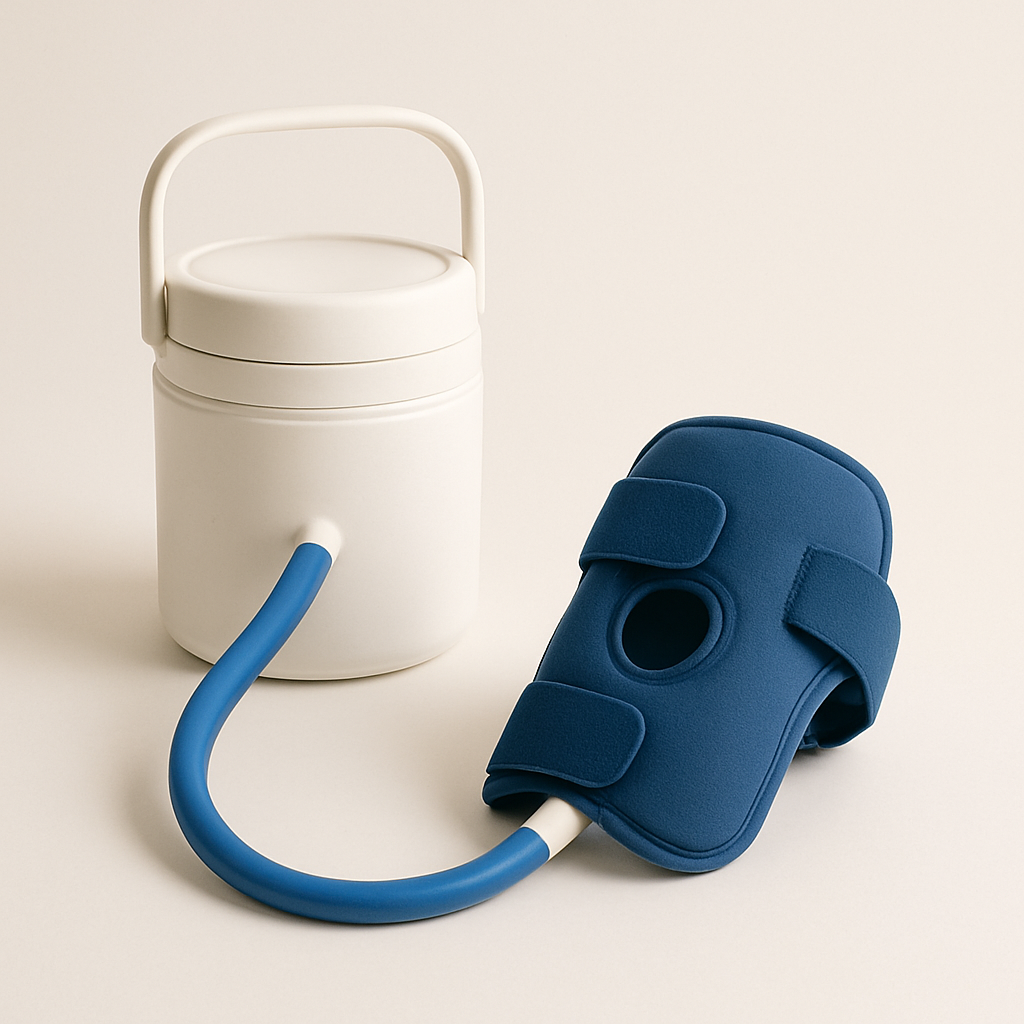
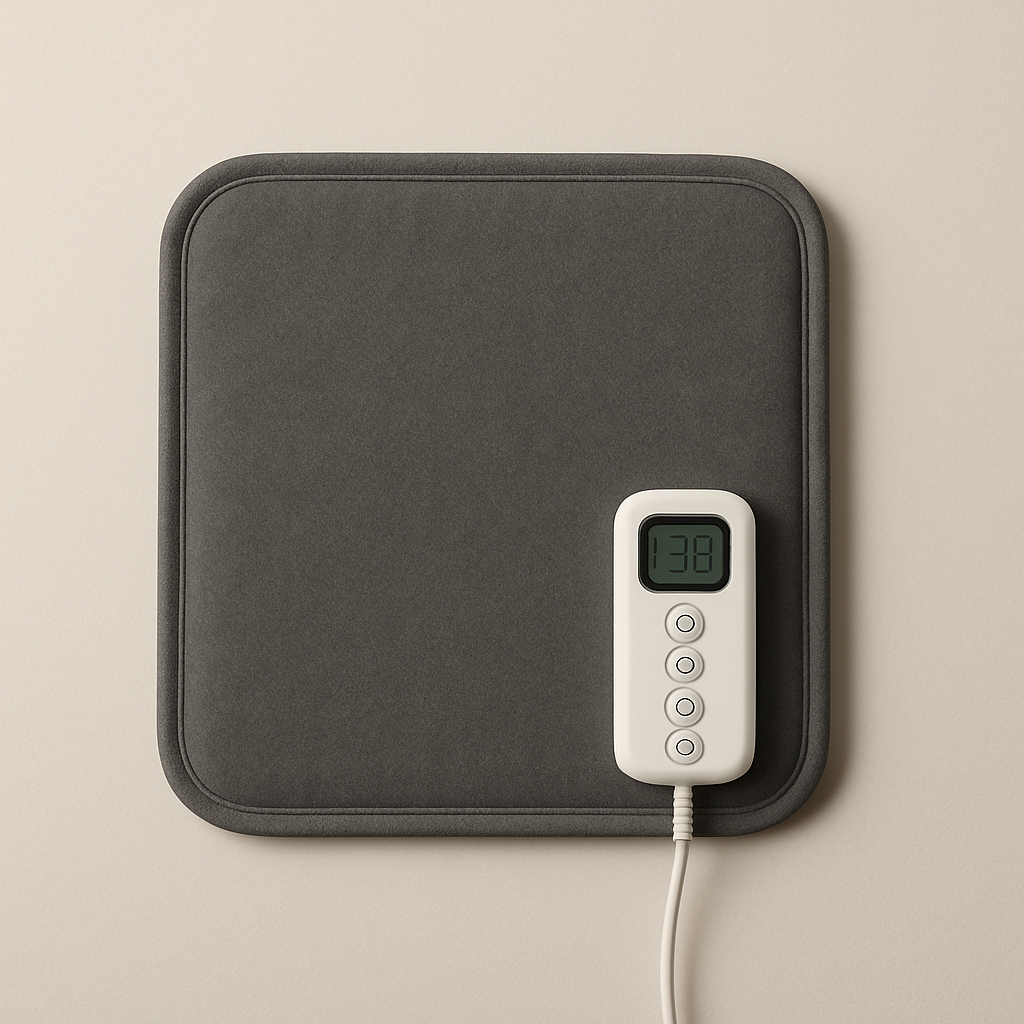
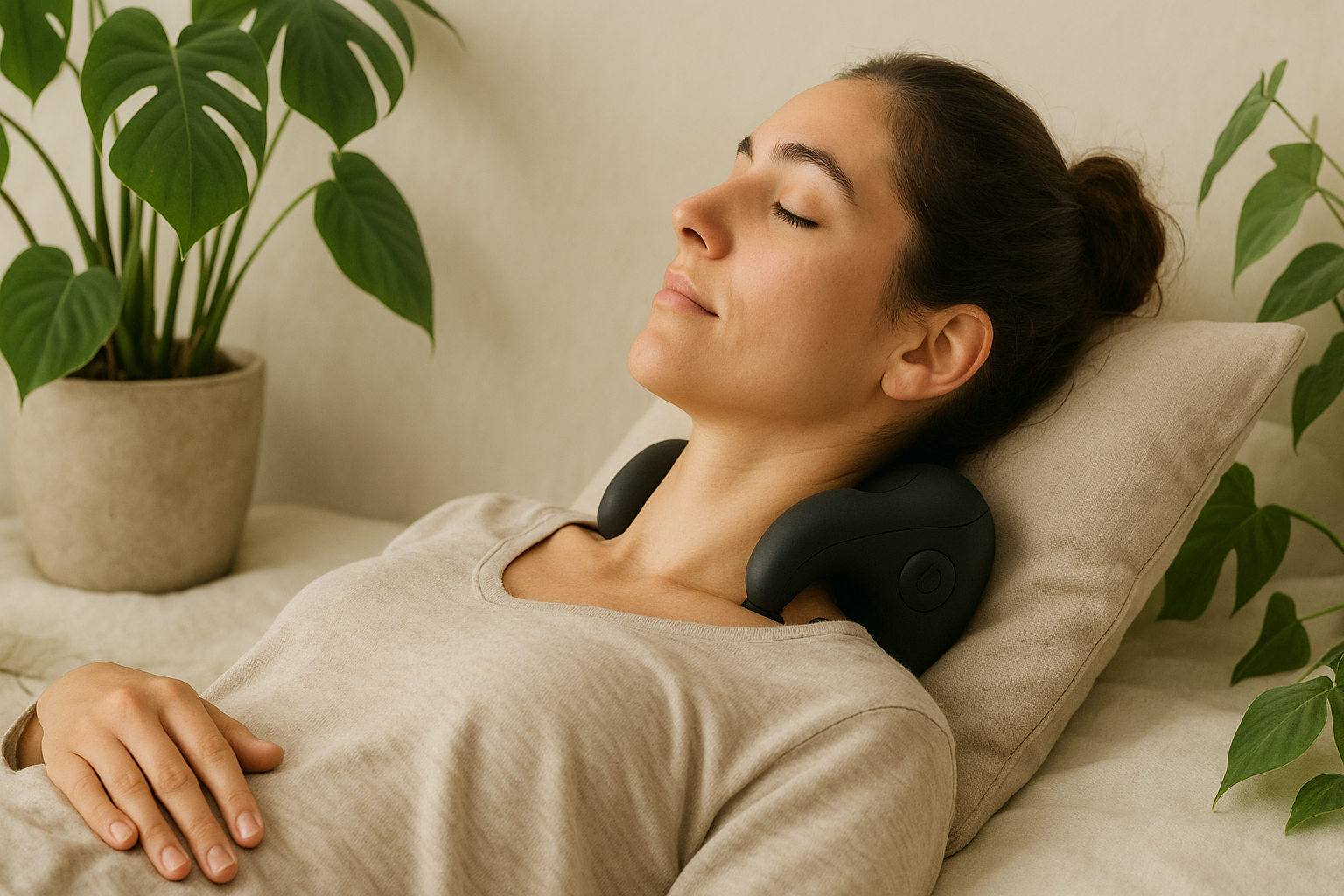
Common forms of recovery technology include tools such as compression devices, infrared therapy, electrical stimulation units, and cryotherapy chambers. These technologies are designed to promote muscle recovery, reduce inflammation, and improve circulation, offering users a modern approach to supporting their physical health and recovery needs.
Mechanism / How It Works
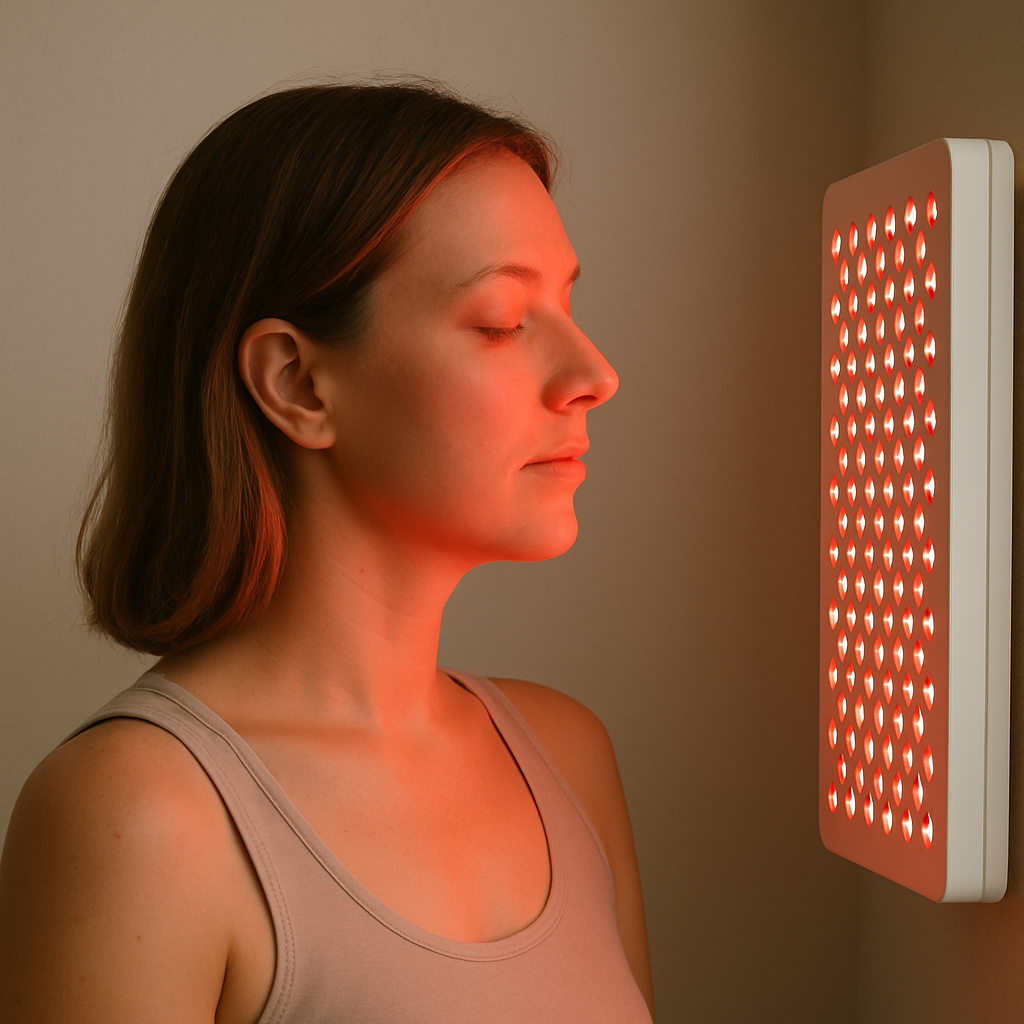
Recovery technology operates through various mechanisms depending on the specific device or method used. For instance, compression therapy involves applying pressure to limbs to enhance blood flow and reduce swelling. Infrared therapy utilizes infrared light to penetrate the skin, promoting tissue healing and reducing pain.
Electrical stimulation devices work by sending electrical impulses to muscles, encouraging contractions that can help improve strength and reduce muscle soreness. Cryotherapy, on the other hand, involves exposing the body to extremely cold temperatures to reduce inflammation and accelerate recovery processes. These mechanisms work synergistically to facilitate faster recovery times and improved physical performance.
Evidence Summary
The scientific evidence surrounding recovery technology is varied. Some techniques, such as compression therapy and electrical stimulation, have garnered substantial research support, demonstrating efficacy in reducing muscle soreness and speeding recovery. Studies indicate that these methods may enhance blood circulation and reduce inflammatory markers following intense exercise.
However, other modalities, such as cryotherapy and infrared therapy, show mixed results, with some studies supporting their benefits while others find minimal effects. Ongoing research is necessary to establish definitive conclusions and guidelines for the use of these technologies in recovery protocols.
Practical Application
- Incorporate recovery sessions into your weekly routine, allowing adequate time between intense workouts.
- Use compression devices or electrical stimulation after exercise to enhance recovery.
- Consider scheduling regular cryotherapy sessions as part of your recovery strategy.
- Stay informed about the latest research to ensure you are using evidence-based practices.
Common pitfalls include over-reliance on recovery technology without a balanced approach that includes rest, nutrition, and hydration.
Relevant Biomarkers & Tracking
Tracking recovery progress can be enhanced by monitoring specific biomarkers. These may include:
- Muscle soreness levels, often assessed through subjective scales.
- Inflammatory markers, such as C-reactive protein (CRP), which can be measured through blood tests.
- Heart rate variability (HRV), an indicator of recovery and stress levels.
- Sleep quality metrics, which can impact recovery efficiency.
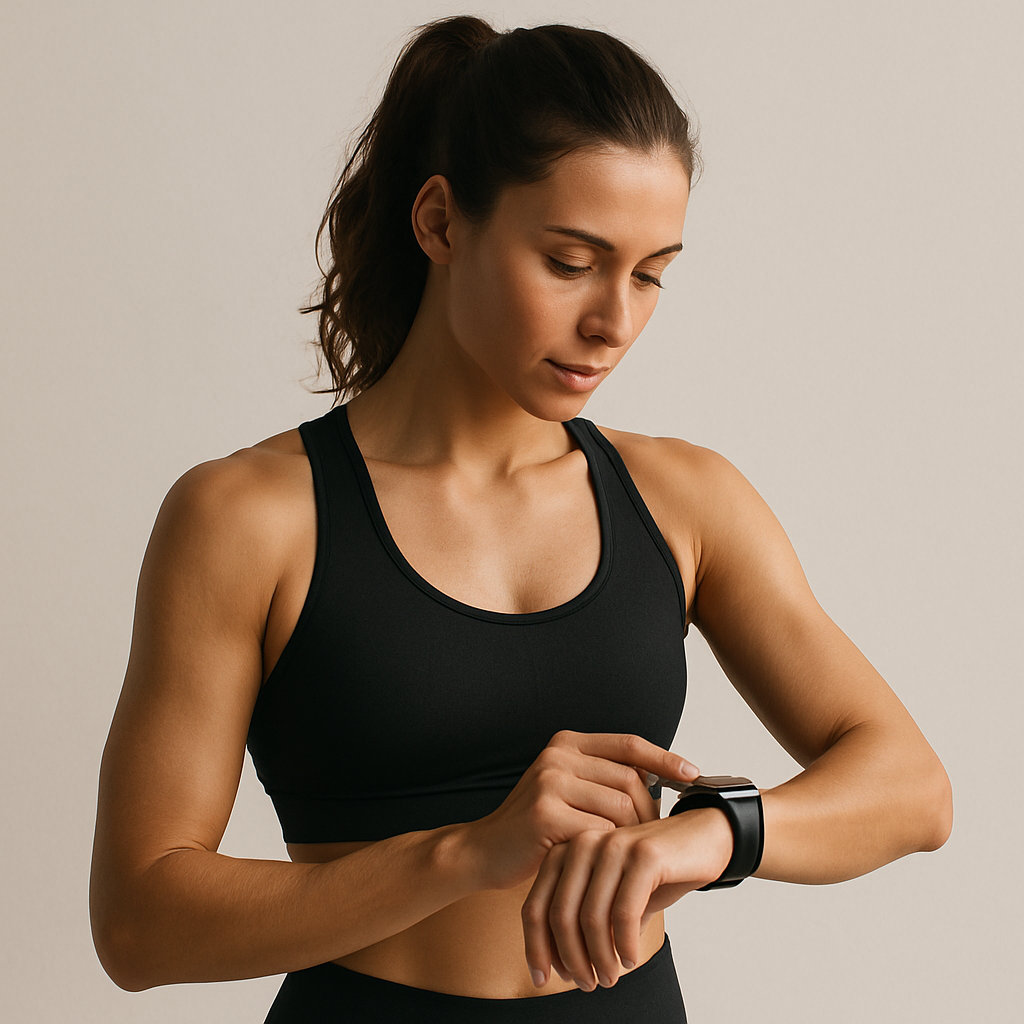
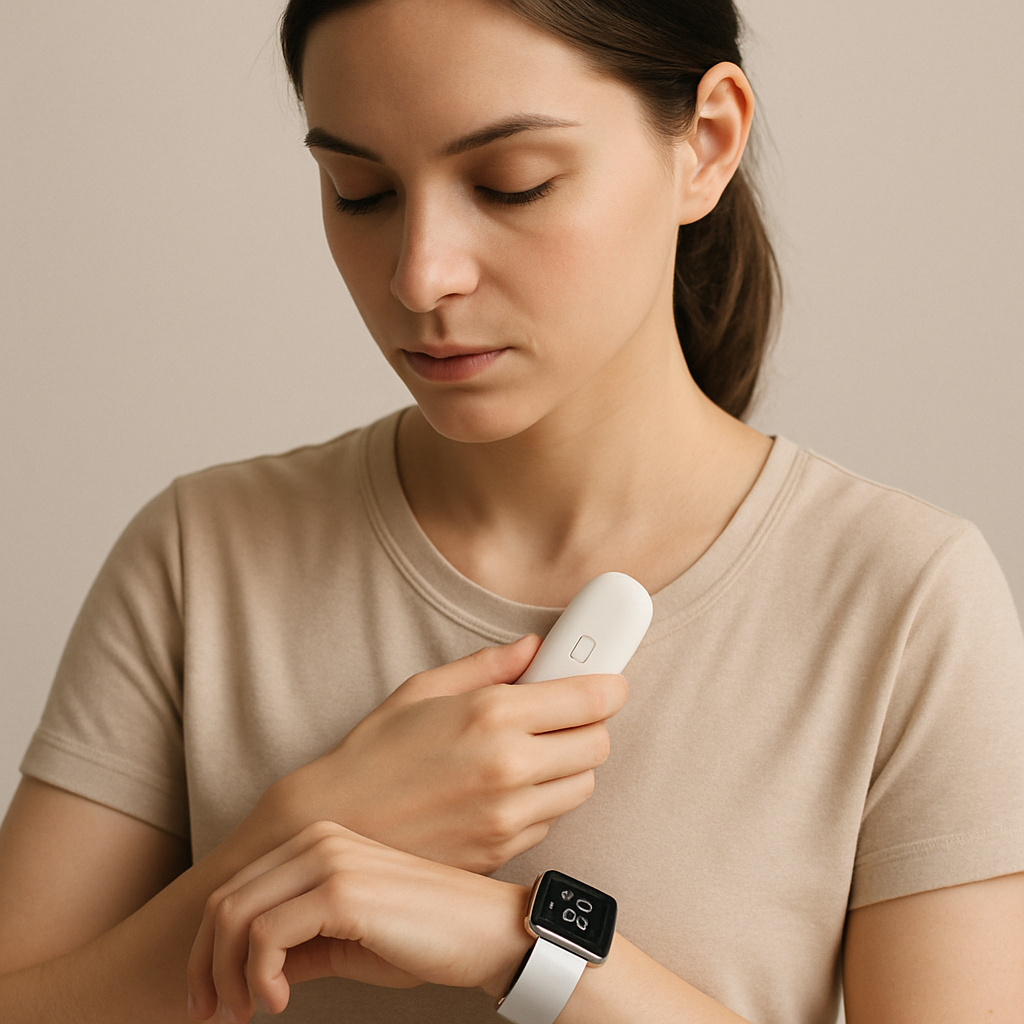
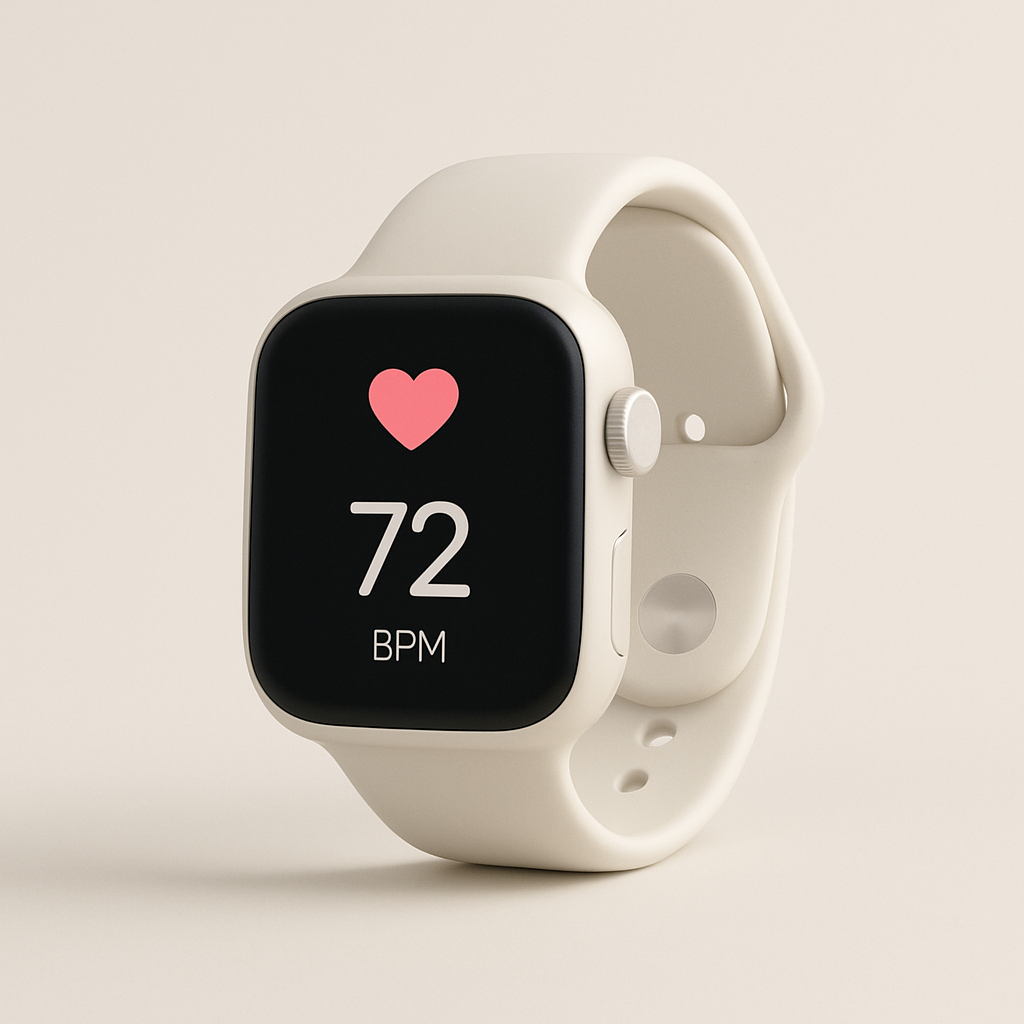
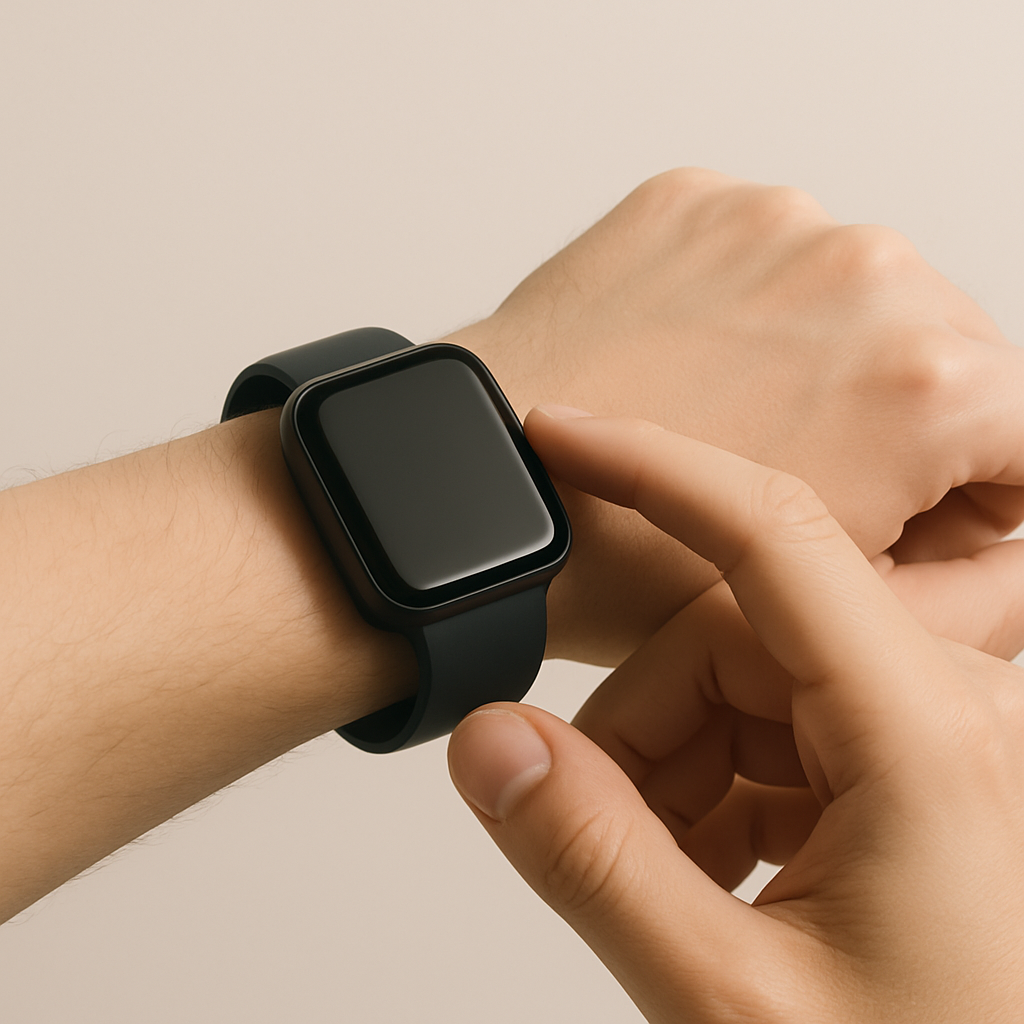
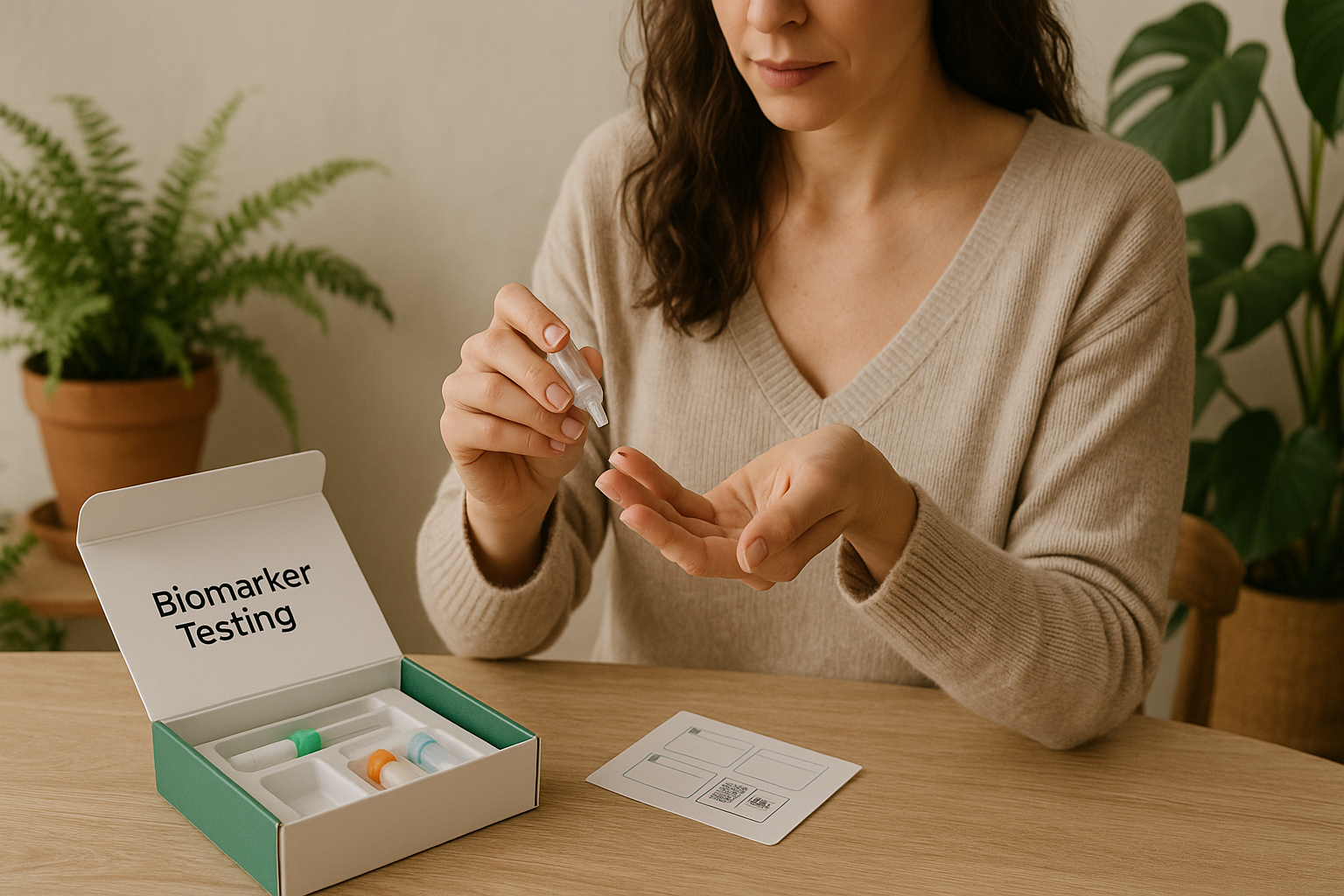
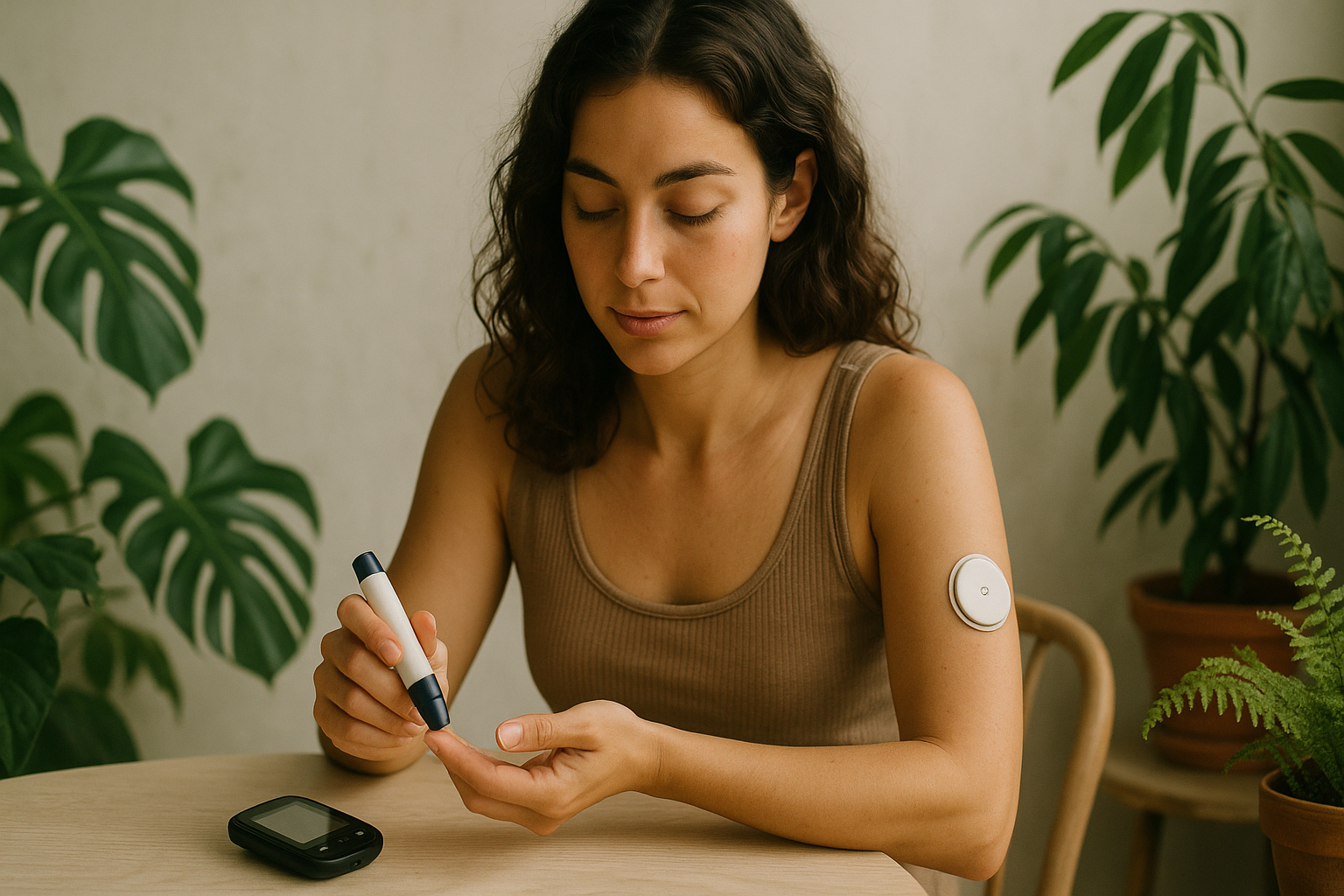
Utilizing wearable technology can aid in tracking these biomarkers and optimizing recovery strategies.
Body Systems Supported
Recovery technology primarily supports the following body systems:
- Musculoskeletal System: Aids in muscle recovery, reduces soreness, and enhances joint function.
- Circulatory System: Improves blood flow and oxygen delivery to tissues, promoting healing.
- Nervous System: Supports nerve recovery and reduces pain perception through various modalities.
Common Goals
The goals of utilizing recovery technology typically include:
- Reducing muscle soreness and fatigue.
- Accelerating recovery time between workouts or injuries.
- Enhancing overall physical performance.
- Improving circulation and reducing inflammation.
Safety, Contraindications & Edge Cases
While recovery technology is generally safe for most individuals, certain contraindications exist. For instance, individuals with pacemakers should avoid electrical stimulation devices, and those with certain skin conditions should use caution with cryotherapy. It is essential to consult with a healthcare provider before starting any recovery technology, especially for those with underlying health conditions or injuries.
Pairs Well With
Recovery technology complements various ancient or natural wellness practices, including:
- Massage Therapy: Enhances muscle relaxation and recovery.
- Yoga: Promotes flexibility and mental relaxation while aiding recovery.
- Herbal Remedies: Certain herbs may support inflammation reduction and recovery.
FAQs (5)
- What is recovery technology? Recovery technology refers to tools and devices designed to enhance the recovery process for physical activities and rehabilitation.
- How does compression therapy work? Compression therapy applies pressure to limbs to improve blood flow and reduce swelling.
- Is cryotherapy safe for everyone? No, individuals with certain medical conditions should consult a healthcare provider before using cryotherapy.
- Can recovery technology improve athletic performance? Yes, by facilitating faster recovery, it can enhance overall athletic performance.
- What should I consider when integrating recovery technology into my routine? Ensure you incorporate it alongside proper nutrition, hydration, and rest for optimal results.
Frequently asked
What is recovery technology?
Recovery technology refers to tools and devices designed to enhance the recovery process for physical activities and rehabilitation.
How does compression therapy work?
Compression therapy applies pressure to limbs to improve blood flow and reduce swelling.
Is cryotherapy safe for everyone?
No, individuals with certain medical conditions should consult a healthcare provider before using cryotherapy.
Can recovery technology improve athletic performance?
Yes, by facilitating faster recovery, it can enhance overall athletic performance.
What should I consider when integrating recovery technology into my routine?
Ensure you incorporate it alongside proper nutrition, hydration, and rest for optimal results.