PEMF Devices
Discover the benefits and applications of PEMF devices in wellness technology. Learn about their mechanisms, evidence, and safety guidelines.
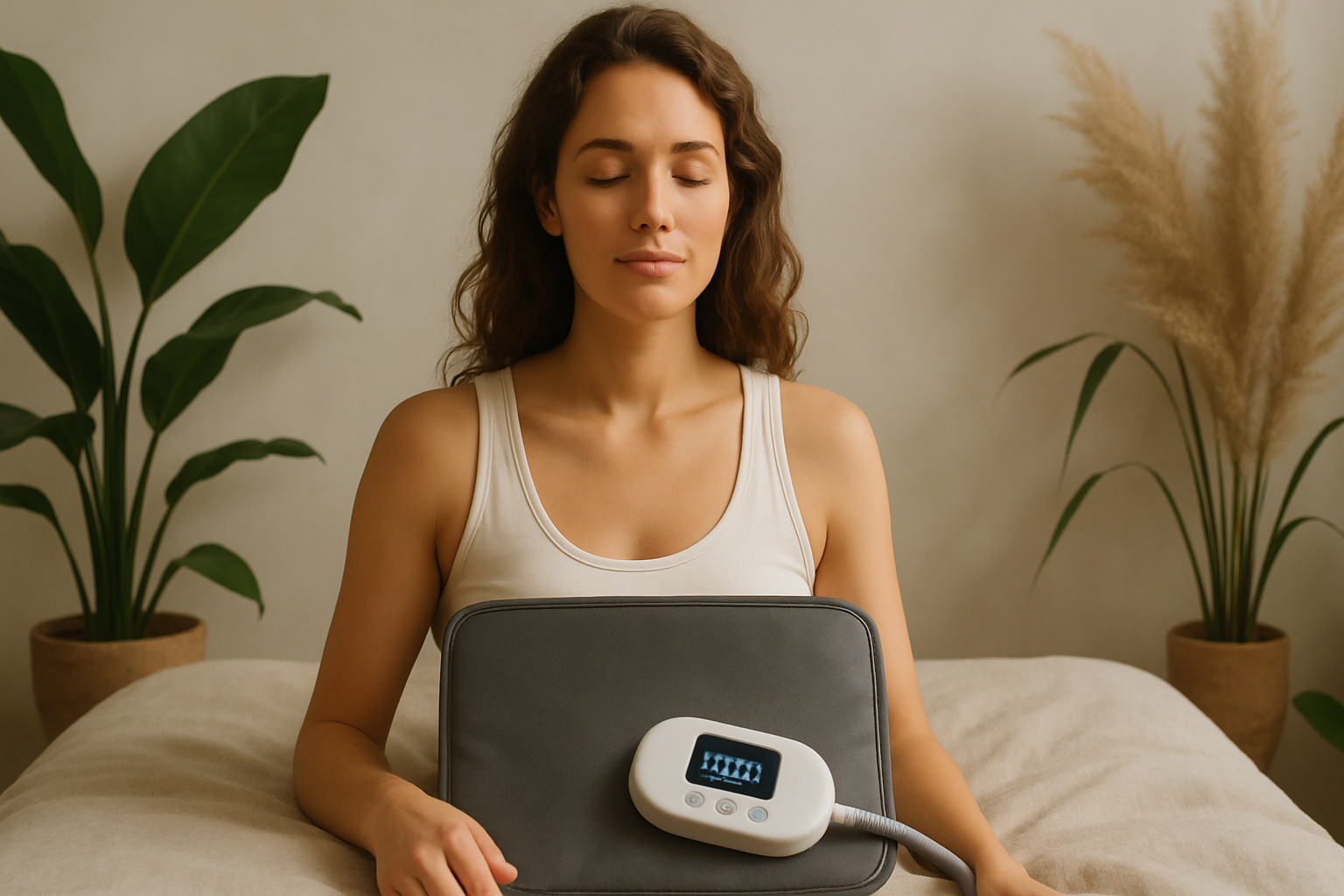
Explore PEMF devices and their role in modern wellness technology, including their mechanisms, evidence, applications, and safety considerations.
What It Is
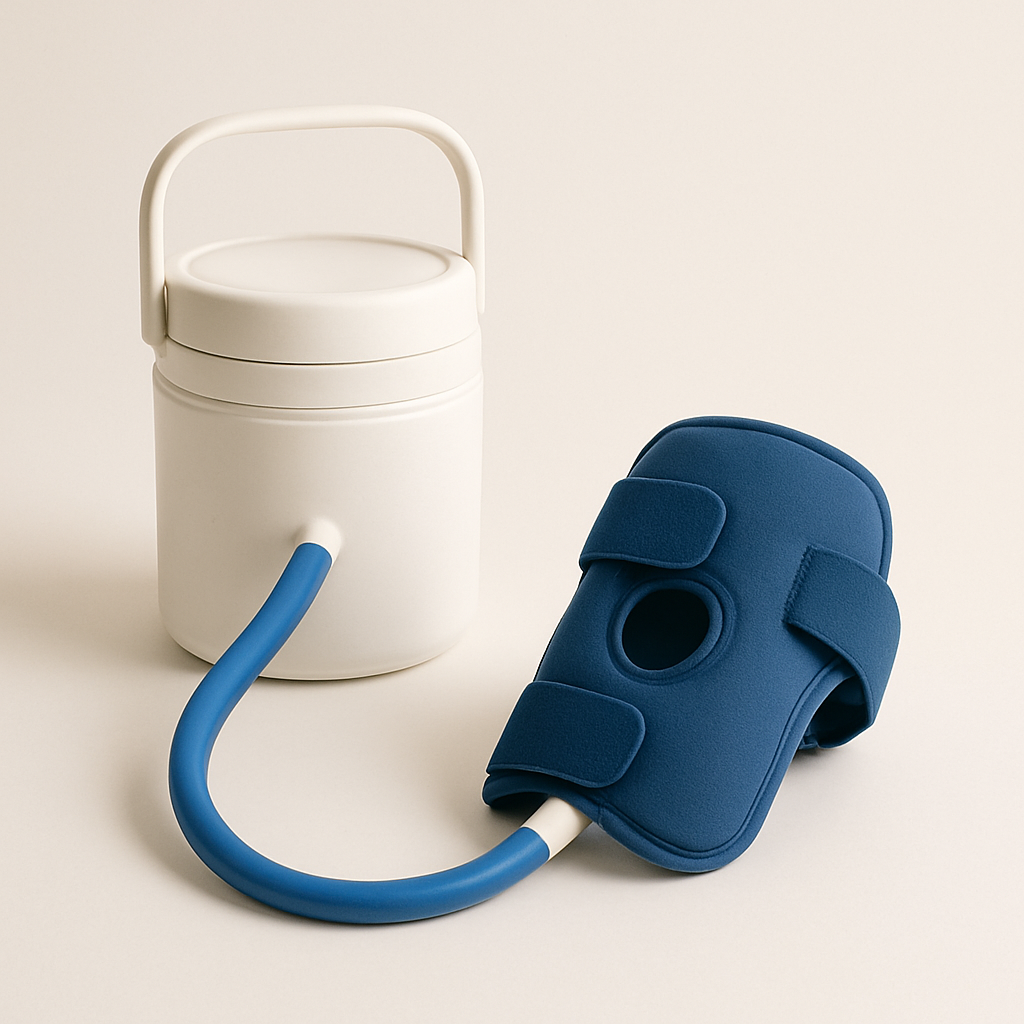
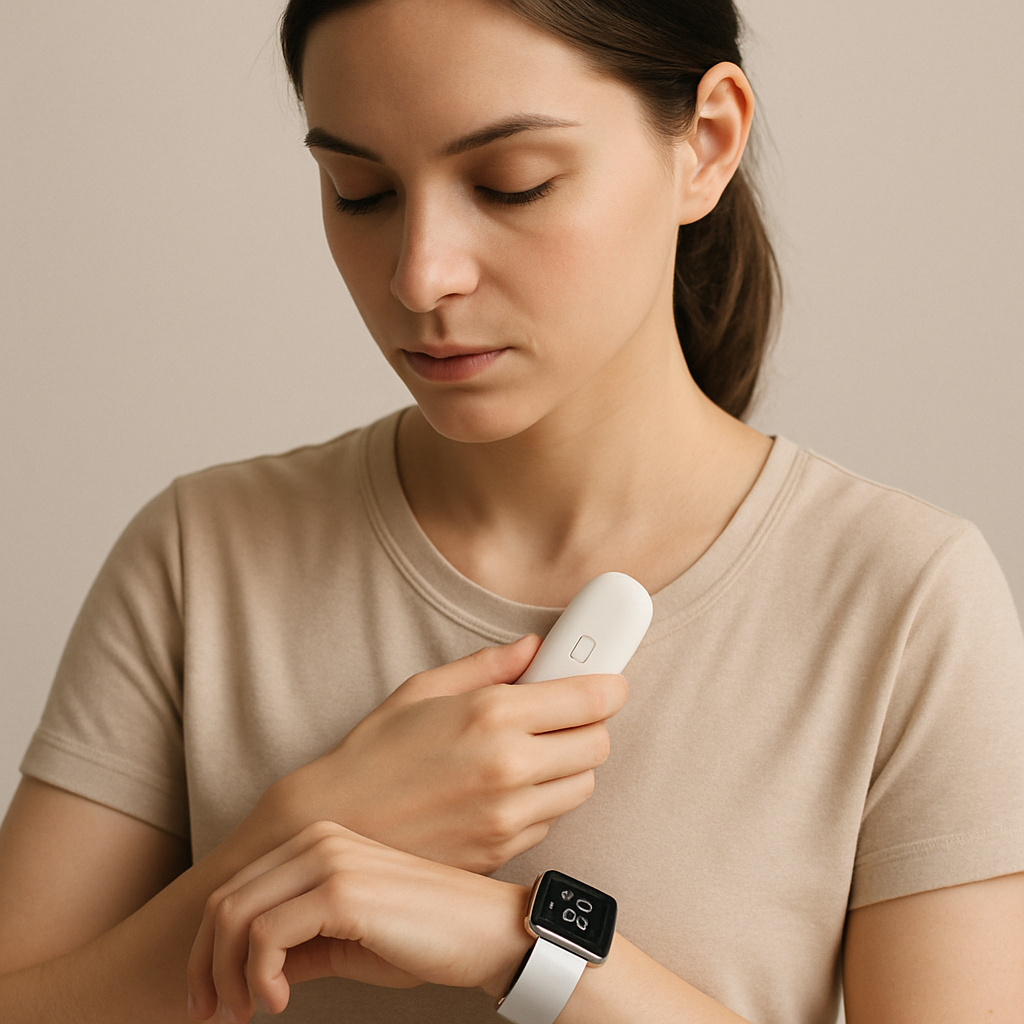
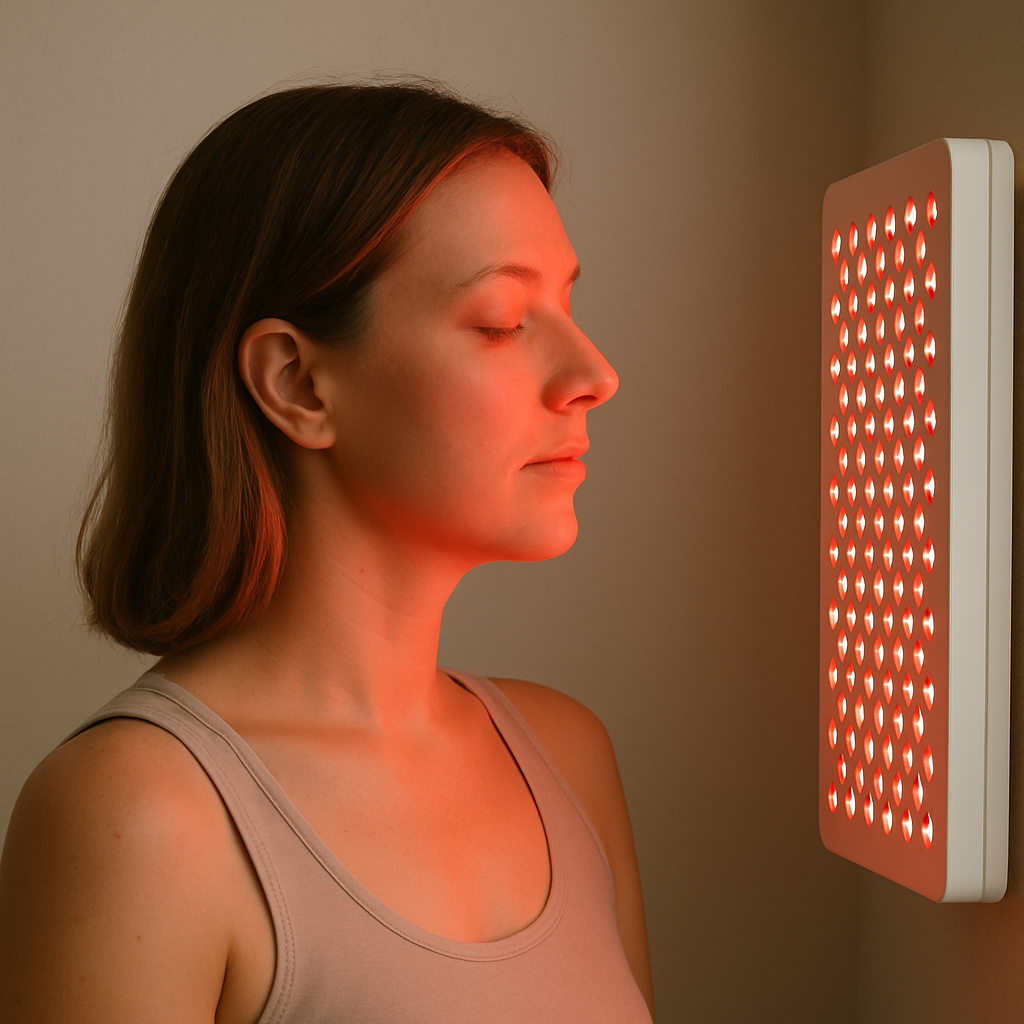
Pulsed Electromagnetic Field (PEMF) devices are innovative wellness technologies that deliver electromagnetic fields to the body with the aim of promoting healing and overall wellness. These devices emit low-frequency electromagnetic waves that penetrate tissues, which are thought to stimulate cellular function and enhance biological processes.
The concept behind PEMF therapy is based on the idea that the body’s cells operate optimally when exposed to specific electromagnetic frequencies. Disruptions in these frequencies may lead to various health issues, and PEMF devices are designed to restore balance and support the body’s natural healing mechanisms.
Mechanism / How It Works
PEMF devices work by generating electromagnetic fields that influence cellular activity. When the electromagnetic waves penetrate the body, they are believed to affect ion transport across cell membranes, potentially enhancing energy production within cells, improving circulation, and reducing inflammation.
The mechanisms through which PEMF operates include:
- Cellular Rejuvenation: Enhancing the electrical potential of cell membranes can lead to improved nutrient absorption and waste removal.
- Increased Blood Flow: The electromagnetic fields may promote vasodilation, leading to increased oxygen delivery and waste removal from tissues.
- Reduction of Pain and Inflammation: Some studies suggest that PEMF can modulate pain pathways and reduce inflammatory responses.
Evidence Summary
The current body of evidence surrounding PEMF therapy is a mix of preliminary studies, clinical trials, and some conflicting results. Research has shown promising outcomes in various areas, including pain management, bone healing, and inflammation reduction.
However, the quality of studies varies, and while some clinical trials support the efficacy of PEMF for specific conditions, others show minimal or no effect. The conflicting results highlight the need for further rigorous research to establish standardized protocols and validate the effectiveness of PEMF devices across different conditions.
Practical Application
Integrating PEMF therapy into daily routines can be straightforward, but it also requires careful consideration to maximize benefits. Common protocols involve using the device for a set duration, typically ranging from 10 to 30 minutes, several times a week.
Here are some practical tips for daily integration:
- Consistency: Regular use is key to experiencing potential benefits; consider setting aside time each day.
- Targeted Areas: Focus on specific areas of discomfort or inflammation for targeted relief.
- Follow Instructions: Always adhere to manufacturer guidelines regarding usage and duration to prevent adverse effects.
Common pitfalls include overuse, which may lead to fatigue, and the assumption that PEMF is a standalone solution without accompanying lifestyle changes such as proper nutrition and exercise.
Relevant Biomarkers & Tracking
While PEMF therapy may influence various biological markers, specific tracking metrics can help gauge its effectiveness. Some relevant biomarkers to monitor include:
- Pain Levels: Use a pain scale to assess changes over time.
- Inflammatory Markers: Blood tests can track levels of C-reactive protein (CRP) or cytokines.
- Mobility and Function: Self-assessments or physical performance tests can indicate improvements in mobility.
Body Systems Supported
PEMF devices are believed to support several body systems, including:
- Musculoskeletal System: Assisting in pain management and recovery from injury.
- Circulatory System: Enhancing blood flow and oxygenation to tissues.
- Nervous System: Potentially modulating nerve function and reducing stress responses.
Common Goals
Individuals using PEMF therapy often have specific wellness goals, including:
- Pain Relief: Managing chronic pain conditions.
- Enhanced Recovery: Supporting post-surgical or post-injury rehabilitation.
- Improved Sleep: Promoting relaxation and better sleep quality.
Safety, Contraindications & Edge Cases
PEMF therapy is generally considered safe for most individuals. However, there are certain contraindications and edge cases to be aware of:
- Individuals with implanted devices such as pacemakers should avoid PEMF devices, as the electromagnetic fields may interfere with device function.
- Pregnant women should consult a healthcare provider before using PEMF therapy.
- Those with specific medical conditions, such as severe cardiac issues or epilepsy, should seek professional advice before starting PEMF treatment.
Pairs Well With
PEMF therapy can complement other wellness practices and natural therapies, enhancing overall effectiveness. Some complementary treatments include:
- Acupuncture: Both modalities may help in pain management and relaxation.
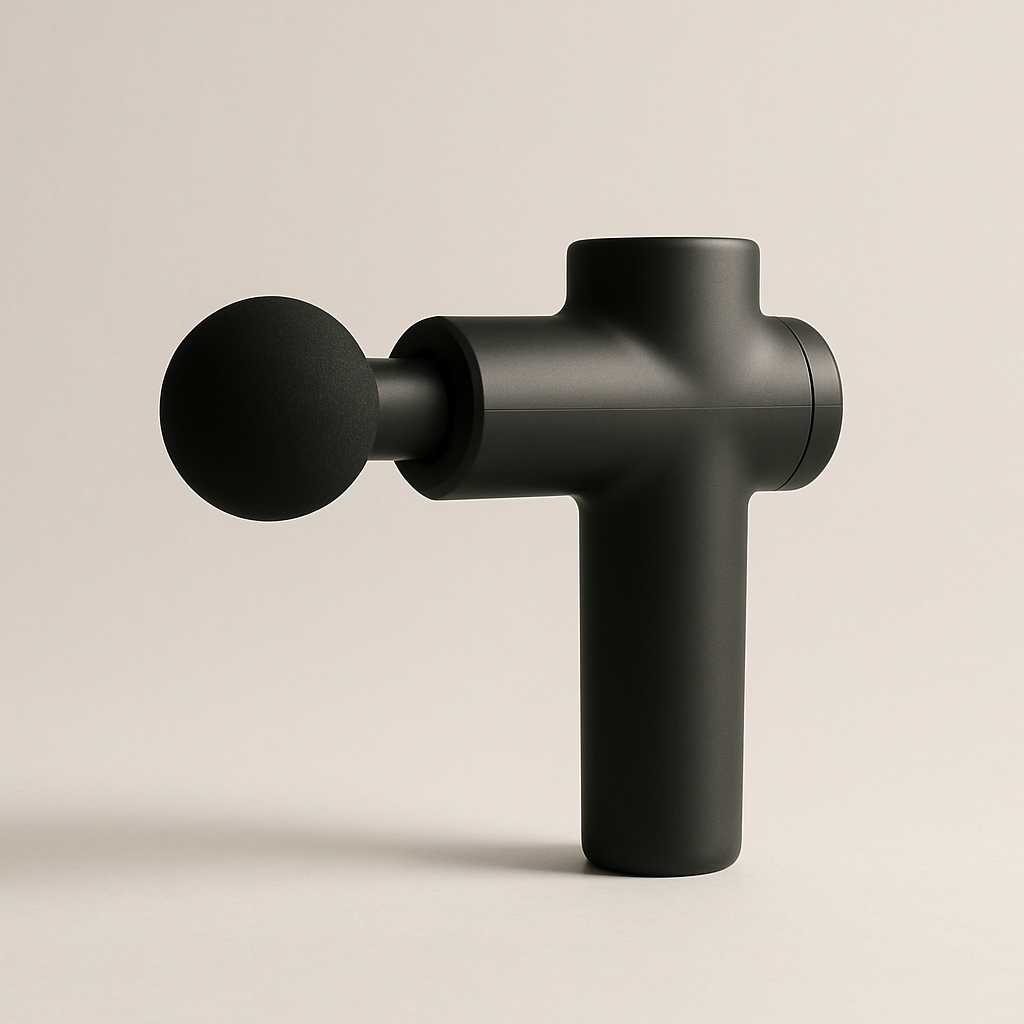
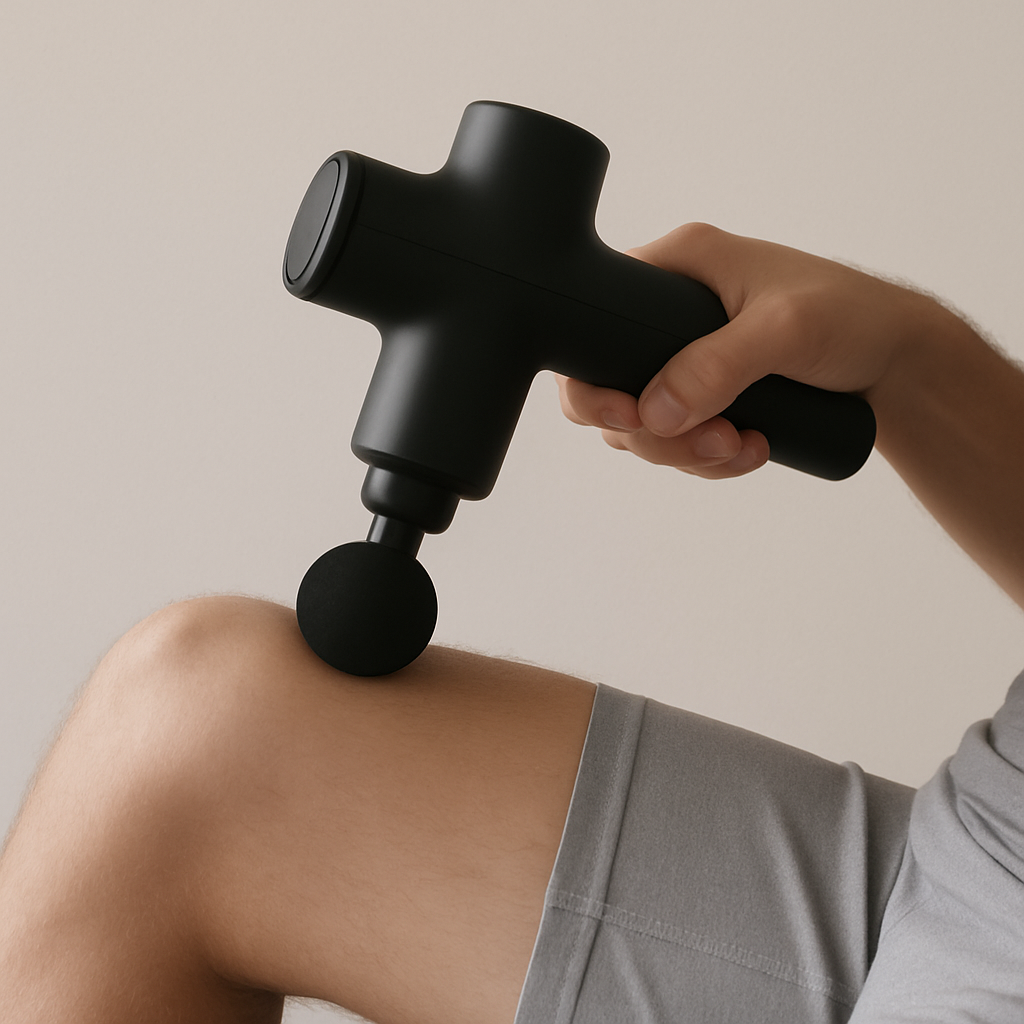
- Massage Therapy: Combining PEMF with massage may promote muscle relaxation and circulation.
- Nutritional Support: A balanced diet can enhance the body's natural healing processes, working synergistically with PEMF therapy.
FAQs (5)
- What conditions can PEMF therapy help with? PEMF therapy is often used for pain relief, inflammation reduction, and to support recovery from injuries.
- How long does a typical PEMF session last? Sessions usually last between 10 to 30 minutes, depending on the device and treatment goals.
- Is PEMF therapy safe for everyone? It is generally safe, but individuals with certain medical conditions or implantable devices should consult a healthcare professional before use.
- Can I use PEMF devices at home? Yes, many PEMF devices are designed for home use, but it’s important to follow the manufacturer’s guidelines.
- How quickly can I expect results from PEMF therapy? Results vary by individual and condition, but some may experience benefits within a few sessions, while others may take longer.
Frequently asked
What conditions can PEMF therapy help with?
PEMF therapy is often used for pain relief, inflammation reduction, and to support recovery from injuries.
How long does a typical PEMF session last?
Sessions usually last between 10 to 30 minutes, depending on the device and treatment goals.
Is PEMF therapy safe for everyone?
It is generally safe, but individuals with certain medical conditions or implantable devices should consult a healthcare professional before use.
Can I use PEMF devices at home?
Yes, many PEMF devices are designed for home use, but it’s important to follow the manufacturer’s guidelines.
How quickly can I expect results from PEMF therapy?
Results vary by individual and condition, but some may experience benefits within a few sessions, while others may take longer.