Cold Therapy Devices
Discover how cold therapy devices can enhance wellness through scientific evidence, practical applications, and safety measures.
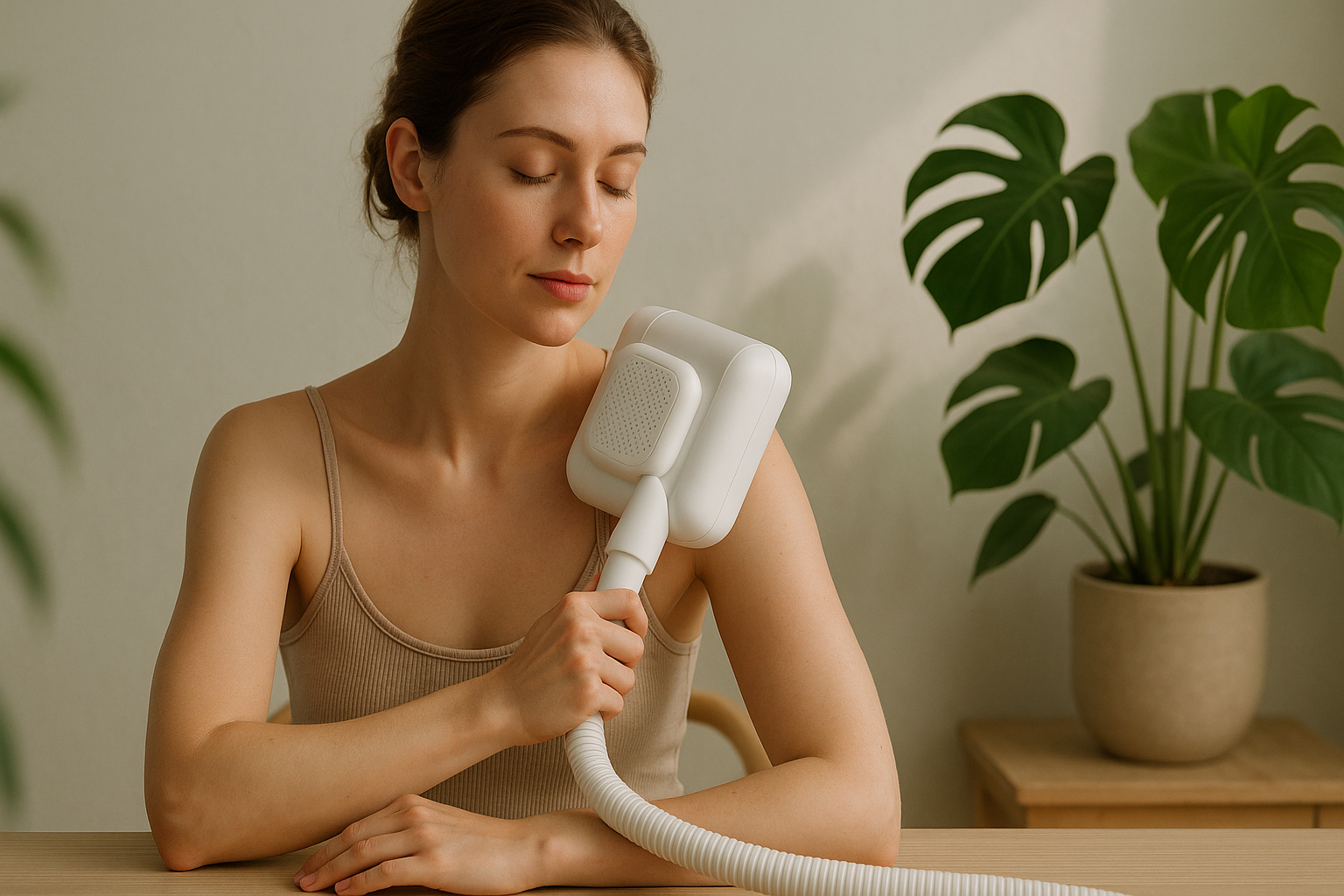
Explore the benefits and mechanisms of cold therapy devices in modern wellness, their application, and safety considerations.
What It Is
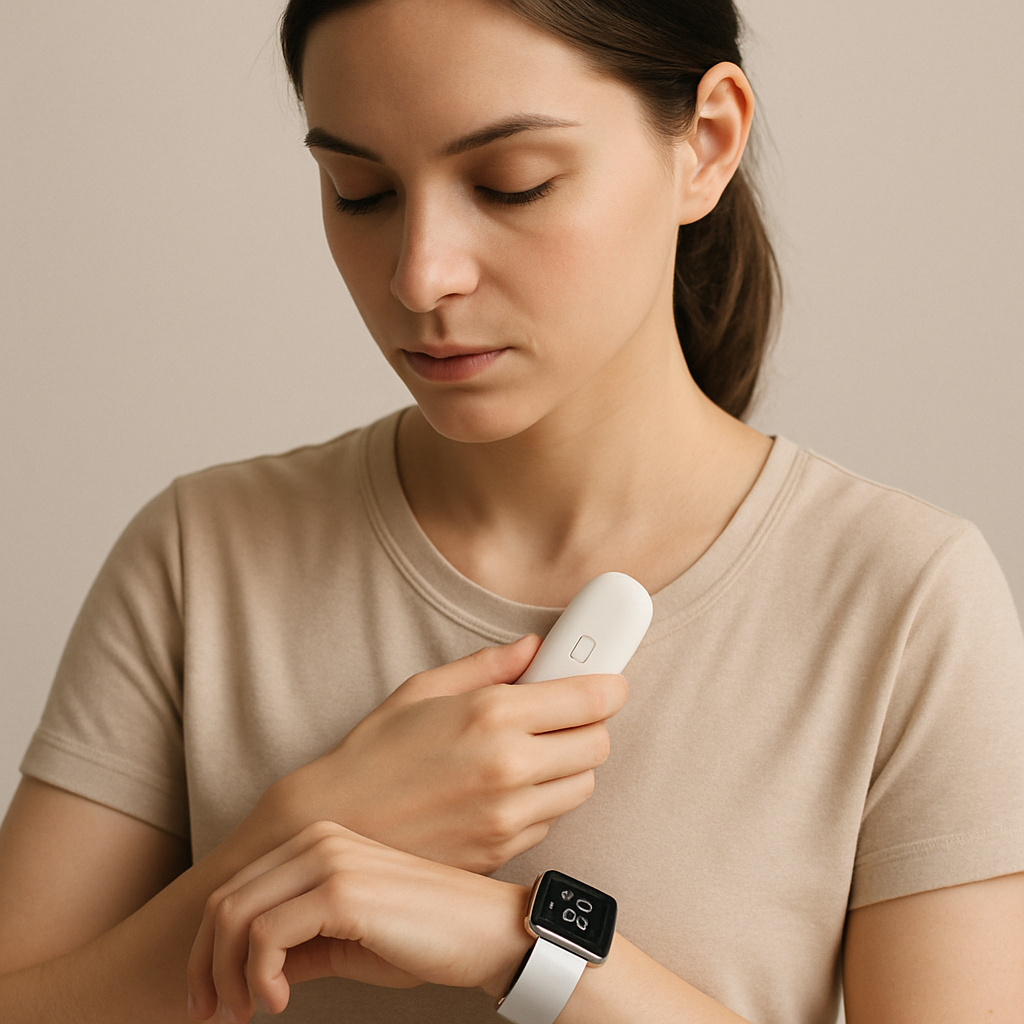
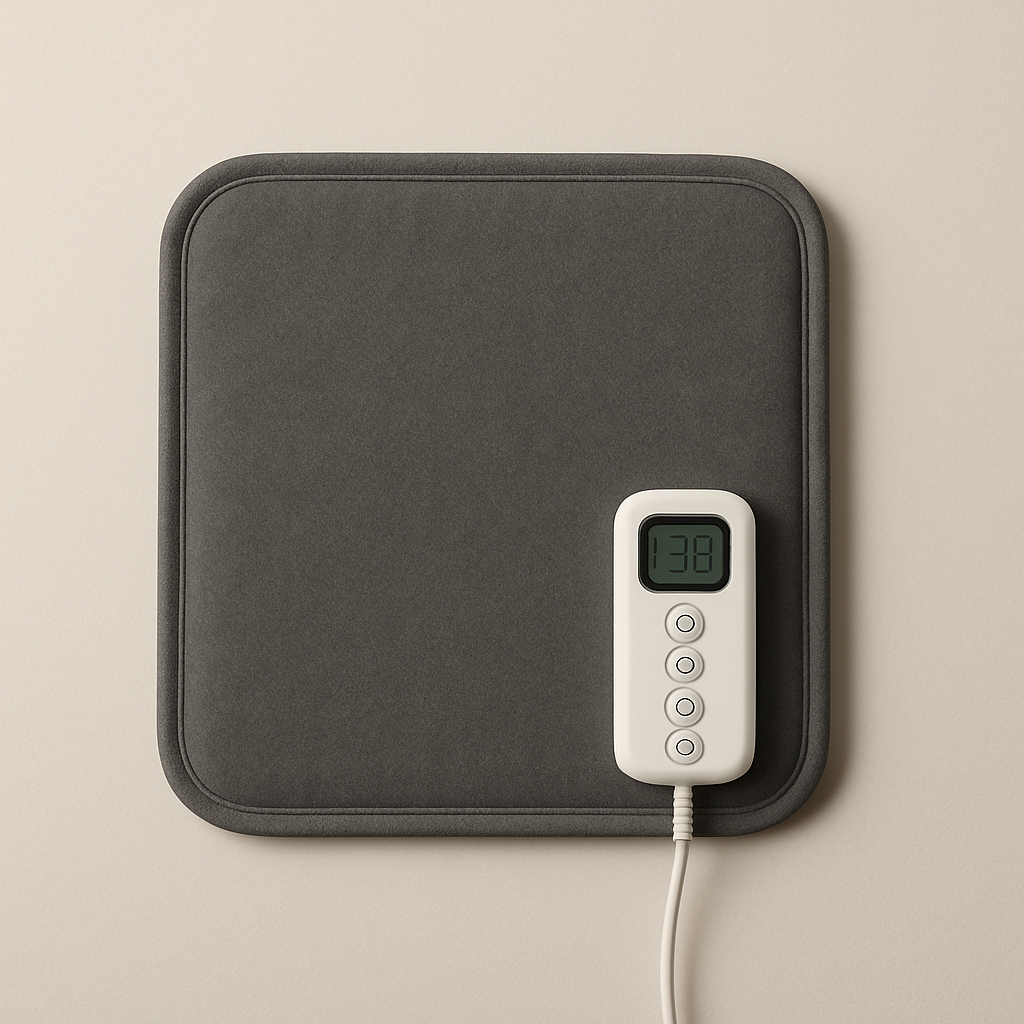
Cold therapy devices, often referred to as cryotherapy devices, are tools designed to apply cold temperatures to the body for therapeutic benefits. They can range from simple ice packs to advanced machines that deliver precise cooling to specific areas. The primary purpose of these devices is to reduce inflammation, alleviate pain, and promote recovery after physical exertion.
In recent years, cold therapy has gained popularity not just among athletes but also among individuals seeking relief from chronic pain and inflammation. With advancements in technology, cold therapy devices have become more accessible and user-friendly, allowing people to incorporate them into their daily wellness routines.
Mechanism / How It Works
Cold therapy works by inducing vasoconstriction, which is the narrowing of blood vessels. This process reduces blood flow to the affected area, leading to decreased swelling and inflammation. Additionally, the cold temperature numbs the area, providing immediate pain relief. When the cold stimulus is removed, blood vessels dilate, promoting increased circulation and aiding in the healing process.
Cold therapy devices can be applied locally or over larger body areas, depending on the specific needs of the user. Many devices are designed to maintain a consistent temperature for an extended period, ensuring effective treatment without causing tissue damage.
Evidence Summary
The evidence surrounding cold therapy devices is mixed, with various studies highlighting both benefits and limitations. Preliminary research indicates that cold therapy can be effective in reducing muscle soreness and accelerating recovery post-exercise. However, clinical studies have shown conflicting results regarding its effectiveness for chronic pain management.
While some individuals report significant improvements in symptoms, others may experience minimal benefits. More rigorous clinical trials are needed to establish standardized protocols and guidelines for the use of cold therapy devices in different populations.
Practical Application
When integrating cold therapy devices into your wellness routine, it is essential to follow specific protocols for maximum benefit. Common practices include:
- Applying cold therapy for 15-20 minutes at a time.
- Using a barrier, such as a cloth, to protect the skin from direct contact with the cold source.
- Incorporating cold therapy after intense physical activity to aid recovery.
Common pitfalls include overusing cold therapy, which can lead to skin damage or frostbite, and neglecting to consult with a healthcare provider if you have underlying health conditions. It's crucial to listen to your body and adjust usage based on your individual response.
Relevant Biomarkers & Tracking
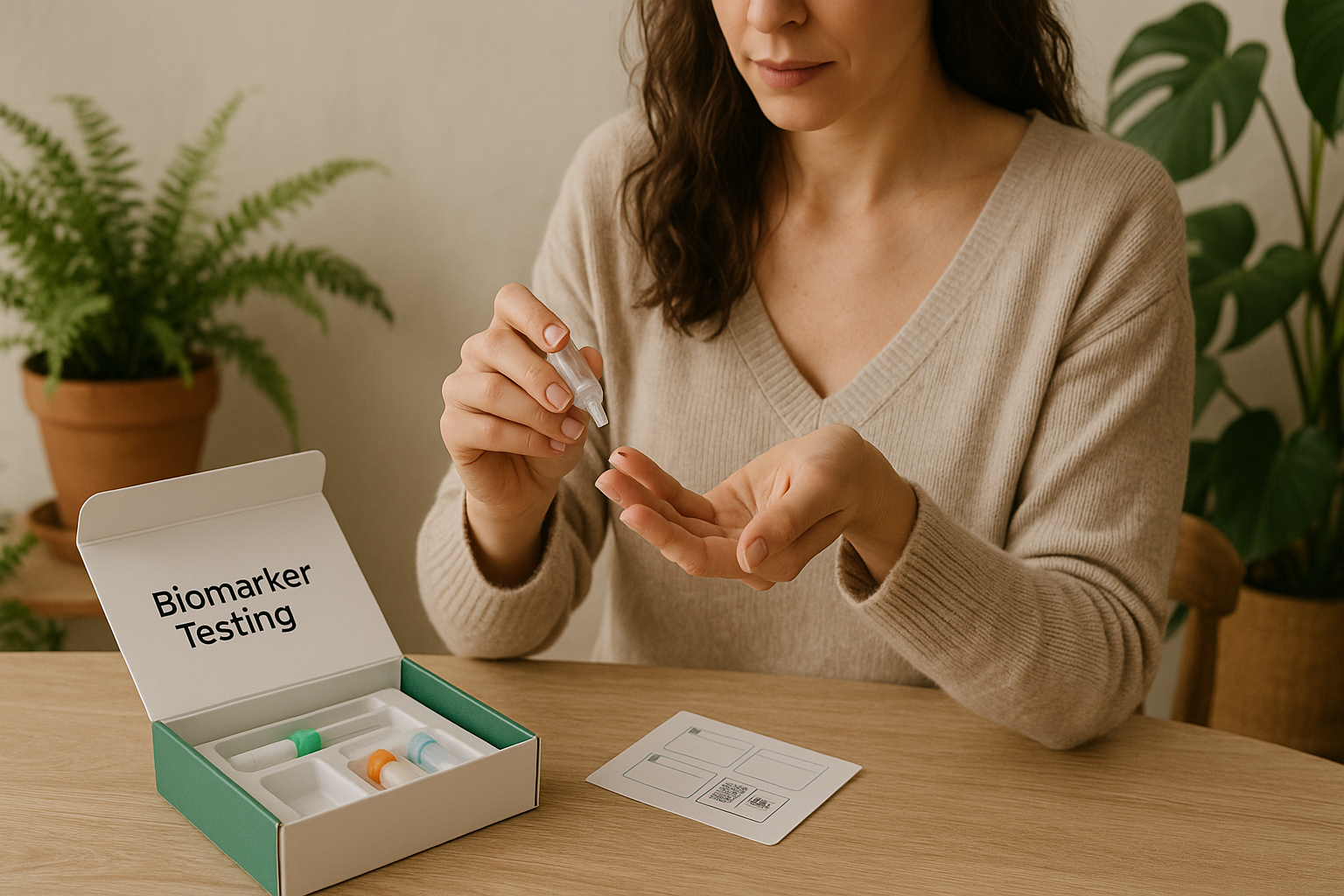
Tracking the effectiveness of cold therapy can involve monitoring various biomarkers, including:
- Inflammation markers such as C-reactive protein (CRP).
- Pain levels on a scale of 1-10.
- Range of motion in the affected area.
Journaling your experiences and symptoms can help you gauge the impact of cold therapy on your wellness journey.
Body Systems Supported
Cold therapy primarily supports the following body systems:
- Musculoskeletal System: Helps reduce inflammation and pain in muscles and joints.
- Circular System: Enhances blood flow and circulation post-treatment.
- Nervous System: Temporarily numbs pain signals, providing immediate relief.
Common Goals
Individuals often use cold therapy devices to achieve the following goals:
- Reduce muscle soreness and stiffness.
- Accelerate recovery after workouts or injuries.
- Alleviate chronic pain conditions.
- Enhance overall wellness and physical performance.
Safety, Contraindications & Edge Cases
While cold therapy devices are generally safe for most individuals, there are certain contraindications to consider:
- Individuals with circulatory problems, such as Raynaud's disease, should avoid cold therapy.
- People with open wounds or skin conditions should consult a healthcare provider before use.
- Pregnant women should also seek medical advice before using cold therapy.
Always start with shorter sessions and monitor your body’s response to avoid adverse effects.
Pairs Well With
Cold therapy can be effectively paired with other wellness practices, including:
- Heat Therapy: Alternating between cold and heat can enhance recovery and reduce pain.
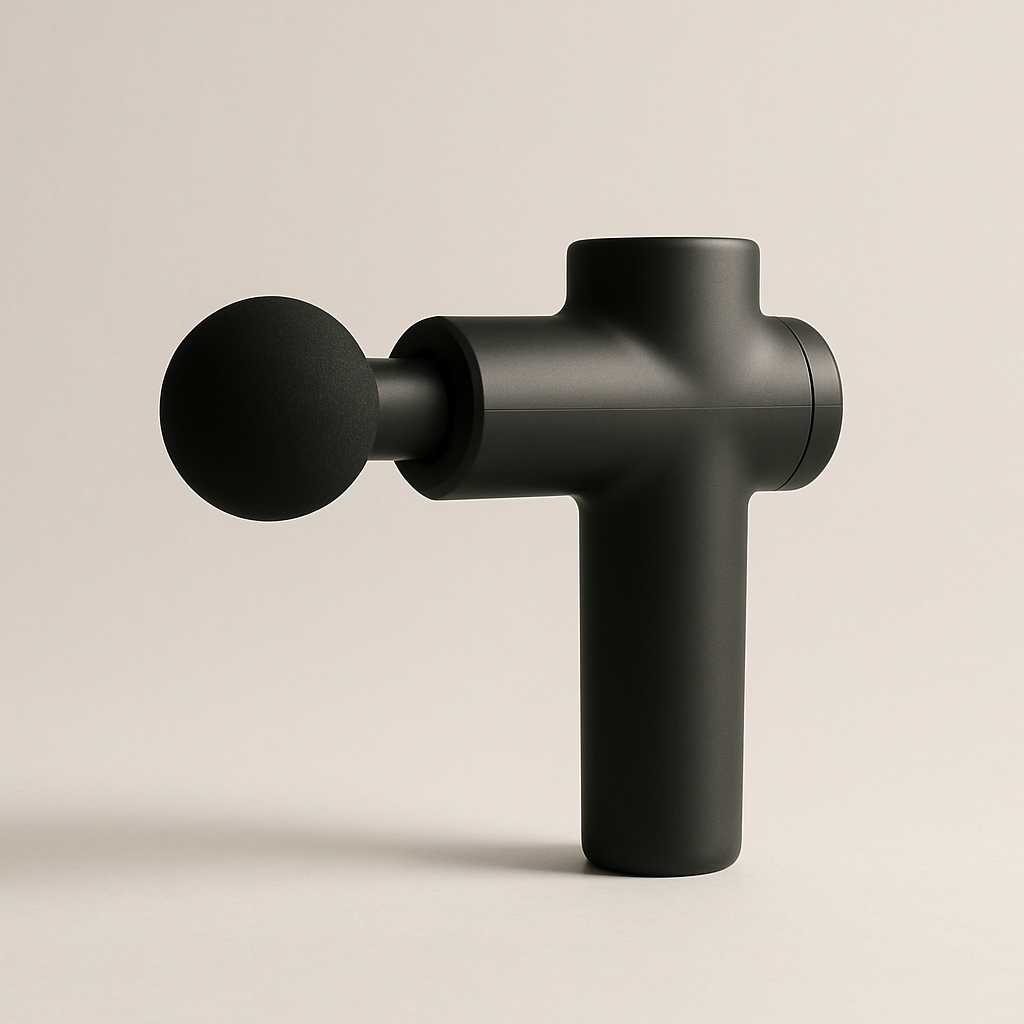
- Massage Therapy: Combining cold therapy with massage can improve muscle relaxation and recovery.
- Mindfulness Techniques: Practices such as meditation can enhance the overall healing experience when used alongside cold therapy.
FAQs (5)
- What is the best time to use cold therapy? Cold therapy is most effective when used after physical activity or when experiencing acute pain.
- Can I use cold therapy every day? Yes, but it is essential to listen to your body and not exceed recommended usage times.
- Are there any side effects? Potential side effects include skin irritation or frostbite if used improperly.
- Can cold therapy help with chronic pain? Results vary; some individuals experience relief, while others may not find significant benefits.
- Is cold therapy safe for everyone? Not everyone should use cold therapy; those with circulatory issues or certain health conditions should consult a healthcare provider first.
Frequently asked
What is the best time to use cold therapy?
Cold therapy is most effective when used after physical activity or when experiencing acute pain.
Can I use cold therapy every day?
Yes, but it is essential to listen to your body and not exceed recommended usage times.
Are there any side effects?
Potential side effects include skin irritation or frostbite if used improperly.
Can cold therapy help with chronic pain?
Results vary; some individuals experience relief, while others may not find significant benefits.
Is cold therapy safe for everyone?
Not everyone should use cold therapy; those with circulatory issues or certain health conditions should consult a healthcare provider first.