Red Light Therapy
Discover the science and practical applications of red light therapy, a modern wellness technology that promotes healing and wellness.
Explore the benefits and mechanisms of red light therapy, a modern wellness technology that utilizes specific wavelengths of light to promote healing, reduce inflammation, and enhance overall well-being. This subcategory page provides a comprehensive overview of red light therapy, including its practical applications, relevant biomarkers, and safety considerations.
What It Is
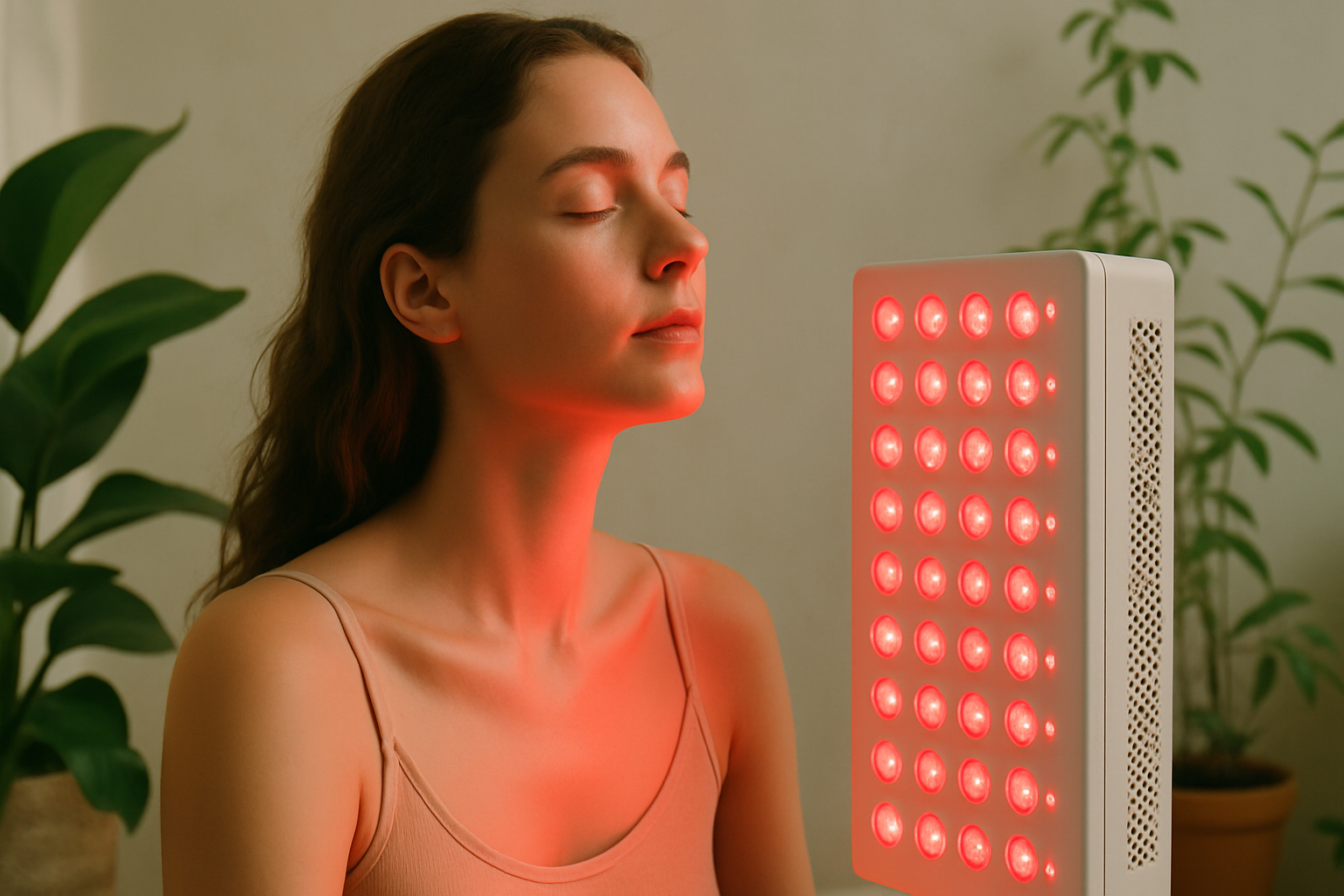
Red light therapy (RLT) is a non-invasive treatment that uses low-level wavelengths of red light to stimulate cellular function. It is often utilized in various wellness and medical settings to enhance healing, reduce inflammation, and improve skin health. The therapy typically involves exposure to light in the range of 600 to 650 nanometers, which penetrates the skin to reach the underlying tissues.
Originally developed for medical applications, red light therapy has gained popularity in recent years as a wellness technology. It is used by individuals seeking to improve their overall health, alleviate pain, and support skin rejuvenation. RLT is considered safe and is generally well-tolerated, making it an appealing option for those looking to enhance their well-being.
Mechanism / How It Works
The primary mechanism of red light therapy involves the absorption of light by mitochondria, the energy-producing structures within cells. When red light is absorbed, it stimulates the production of adenosine triphosphate (ATP), which is essential for cellular energy. This increase in ATP can lead to enhanced cellular repair and regeneration processes.
Additionally, red light therapy has been shown to reduce oxidative stress and inflammation, promoting a healthier cellular environment. By improving circulation and oxygenation in the treated areas, RLT may also support tissue healing and recovery.
Evidence Summary
Research on red light therapy has produced a mix of preliminary findings and clinical studies that suggest its potential benefits. Some studies indicate that RLT can effectively reduce pain and inflammation, while others highlight its role in wound healing and skin rejuvenation. However, the evidence is not uniform, and some studies show conflicting results.
While many users report positive outcomes, more extensive clinical trials are necessary to establish consistent efficacy across various applications. Current evidence supports the use of red light therapy for specific conditions, but its effectiveness may vary based on individual responses and treatment protocols.
Practical Application
To incorporate red light therapy into your routine, it is essential to follow specific protocols. Typical recommendations include:
- Duration: Sessions typically last between 10 to 20 minutes.
- Frequency: For optimal results, treatments may be done 3 to 5 times per week.
- Distance: Maintain a distance of 6 to 12 inches from the light source for effective penetration.
Common pitfalls include inconsistent use and improper device settings. It is crucial to choose a high-quality device that emits the correct wavelength and intensity of light for therapeutic purposes.
Relevant Biomarkers & Tracking
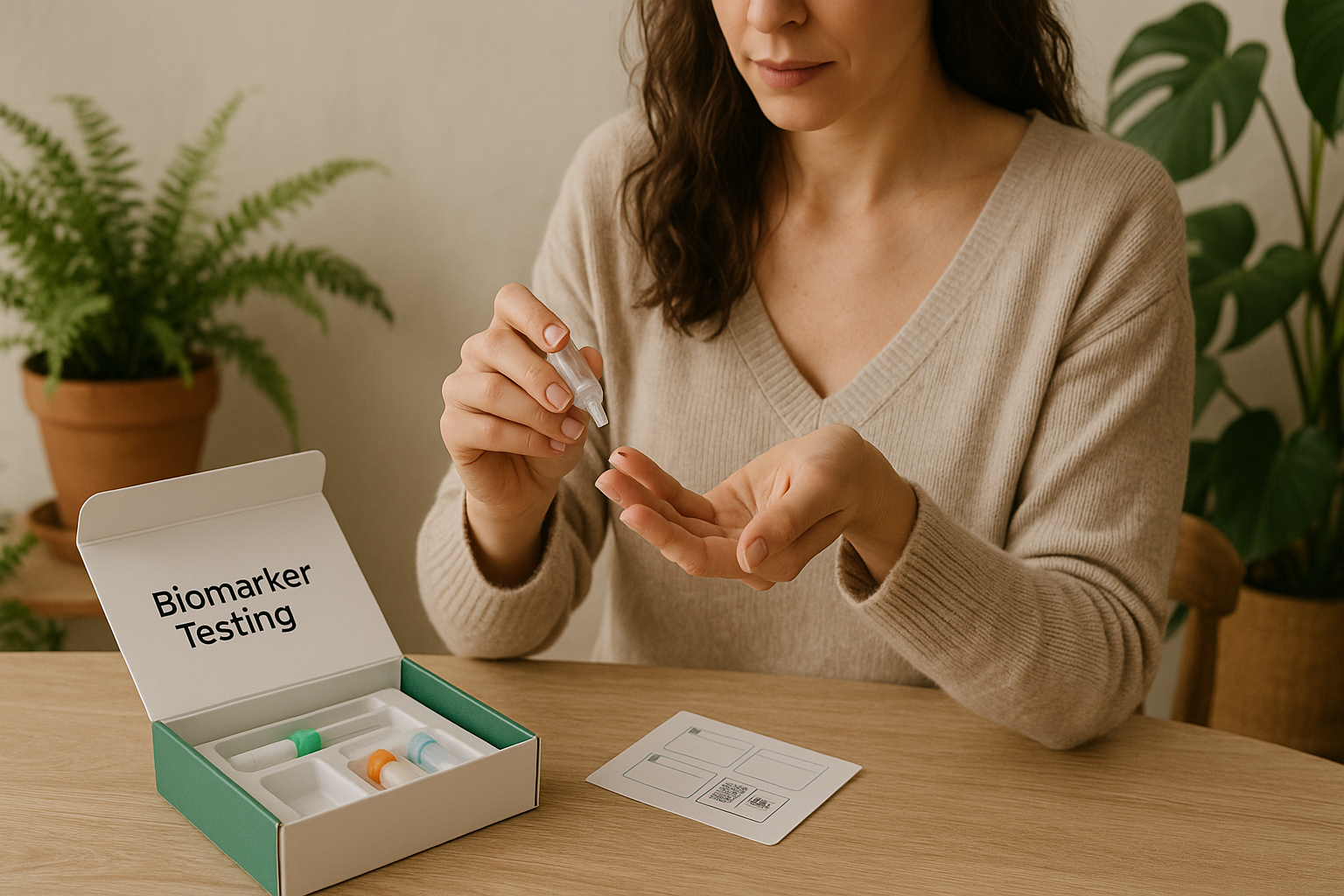
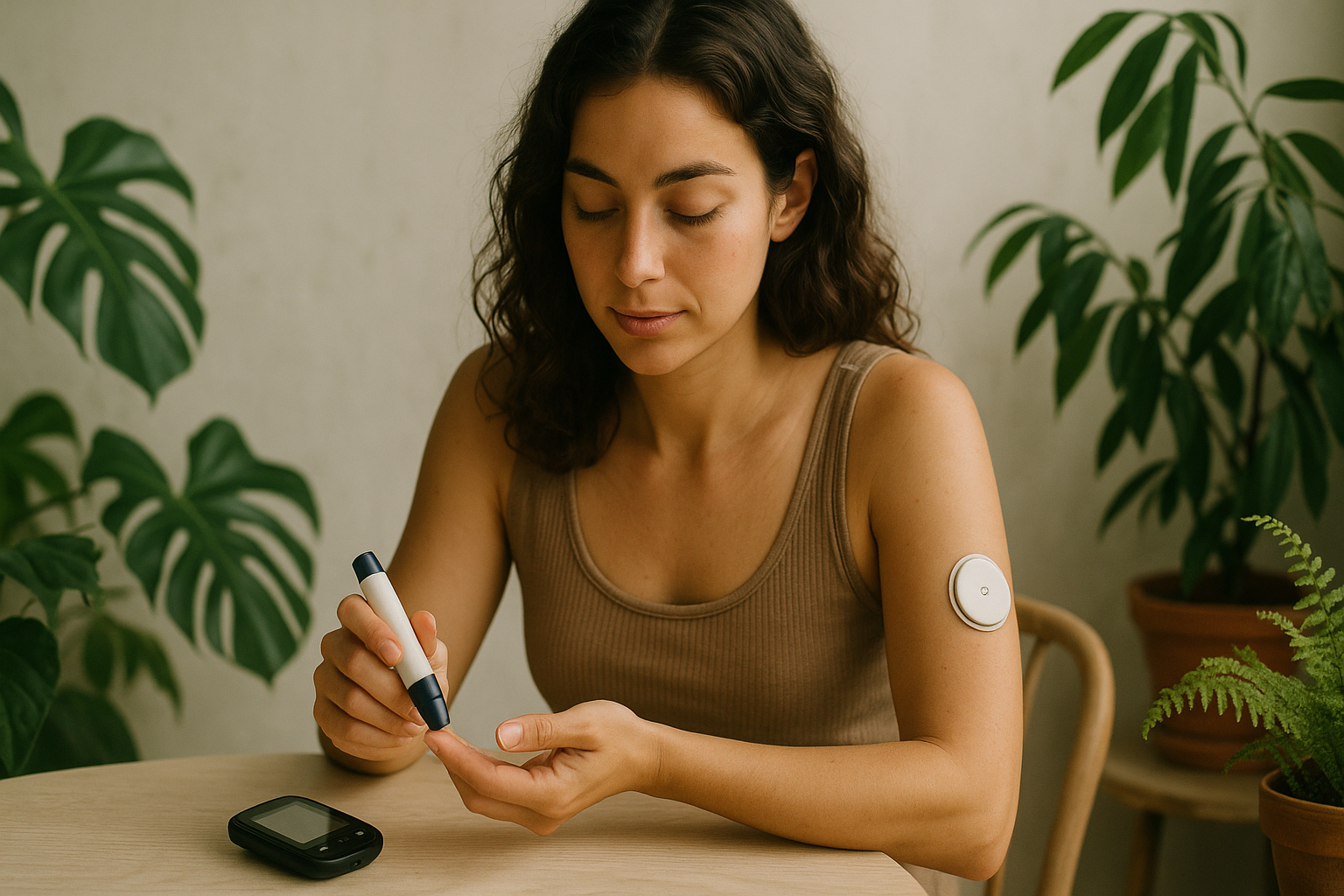
Tracking the effectiveness of red light therapy can involve monitoring various biomarkers. Commonly assessed markers include:
- Pain levels, using a numerical scale or pain diary.
- Skin appearance, including elasticity and texture.
- Inflammation markers, such as C-reactive protein (CRP).
Using these metrics can help individuals gauge their progress and make necessary adjustments to their therapy regimen.
Body Systems Supported
Red light therapy is believed to support various body systems, including:
- Integumentary System: Enhances skin health, reduces wrinkles, and promotes healing.
- Musculoskeletal System: Alleviates pain and inflammation in muscles and joints.
- Circulatory System: Improves blood flow and oxygenation to tissues.
By targeting these systems, RLT may contribute to overall physical well-being and vitality.
Common Goals
Individuals often seek red light therapy for several common goals, including:
- Reducing chronic pain and inflammation.
- Improving skin tone and texture.
- Supporting recovery from injuries.
- Enhancing muscle performance and recovery.
These goals highlight the therapy's versatility in addressing both aesthetic and functional health concerns.
Safety, Contraindications & Edge Cases
Red light therapy is generally considered safe, with few reported side effects. However, certain precautions should be taken:
- Individuals with photosensitivity or certain skin conditions should consult a healthcare professional before starting therapy.
- Pregnant individuals are advised to avoid RLT, as its effects during pregnancy are not well-studied.
Though rare, some users may experience temporary redness or irritation in the treated areas. Monitoring for adverse reactions is essential, especially for those new to the therapy.
Pairs Well With
Red light therapy can complement various ancient and natural wellness practices, such as:
- Acupuncture: Combining RLT with acupuncture may enhance pain relief and promote healing.
- Massage Therapy: Using RLT after a massage can support recovery and muscle relaxation.
- Herbal Remedies: Integrating herbal treatments with RLT may enhance skin health and reduce inflammation.
These combinations can provide a holistic approach to wellness, maximizing the benefits of each modality.
FAQs (5)
- What is red light therapy used for? Red light therapy is used for pain relief, skin rejuvenation, wound healing, and reducing inflammation.
- How often should I use red light therapy? It is commonly recommended to use RLT 3 to 5 times per week for optimal results.
- Is red light therapy safe? Yes, red light therapy is generally considered safe, but individuals with certain conditions should consult a healthcare professional.
- How long does a session last? Sessions typically last between 10 to 20 minutes, depending on the treatment area and device used.
- Can I use red light therapy at home? Yes, many users opt for at-home devices, but it's essential to choose high-quality products that provide the correct wavelength.
Frequently asked
What is red light therapy used for?
Red light therapy is used for pain relief, skin rejuvenation, wound healing, and reducing inflammation.
How often should I use red light therapy?
It is commonly recommended to use RLT 3 to 5 times per week for optimal results.
Is red light therapy safe?
Yes, red light therapy is generally considered safe, but individuals with certain conditions should consult a healthcare professional.
How long does a session last?
Sessions typically last between 10 to 20 minutes, depending on the treatment area and device used.
Can I use red light therapy at home?
Yes, many users opt for at-home devices, but it's essential to choose high-quality products that provide the correct wavelength.