Biometric Devices
Learn how biometric devices can enhance your wellness journey through tracking vital health metrics.
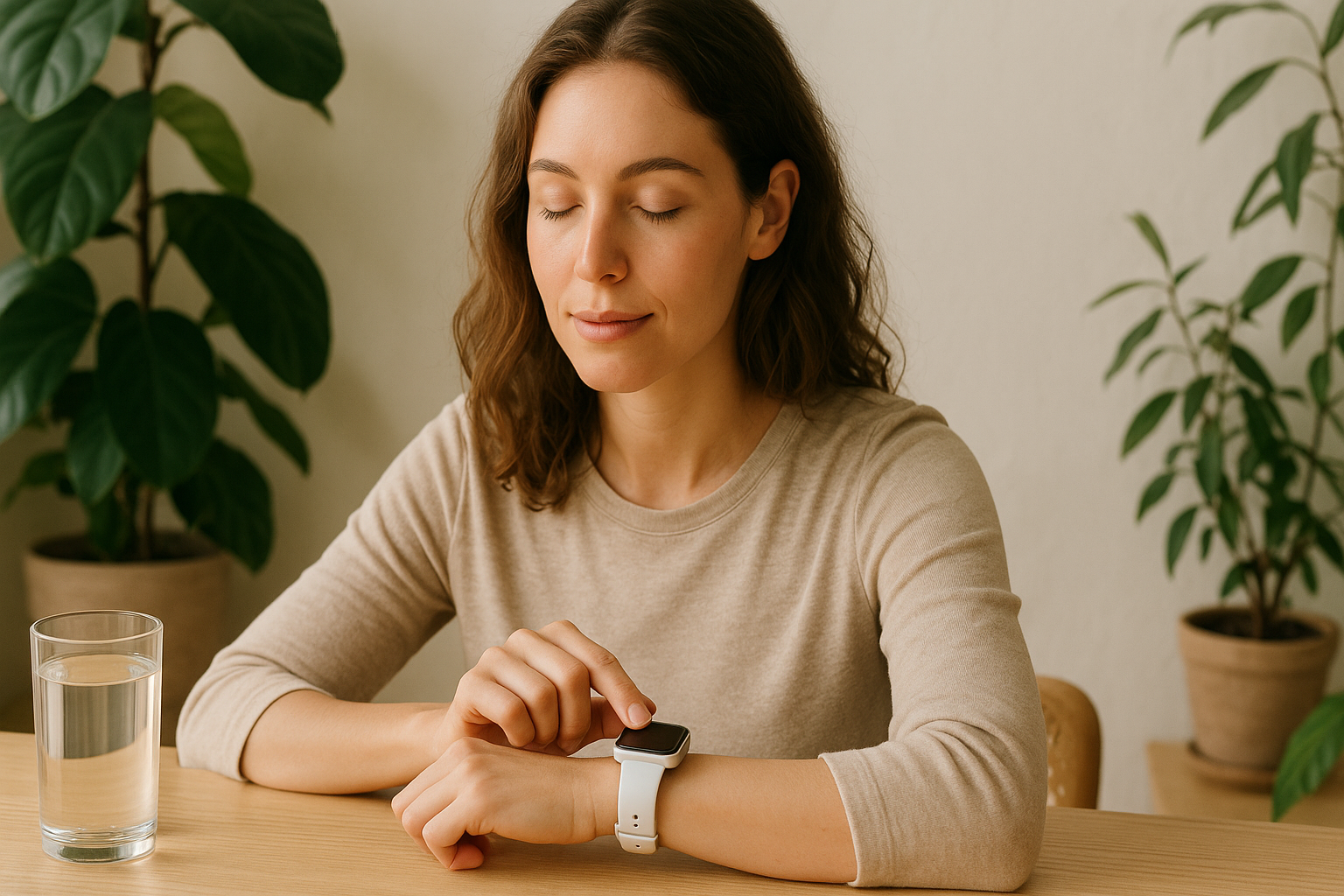
Explore the world of biometric devices within modern wellness technology. Understand their mechanisms, evidence, practical applications, and the body systems they support.
What It Is
Biometric devices are innovative tools designed to measure and analyze various biological data points related to an individual's health. These devices utilize advanced technology to track metrics such as heart rate, sleep patterns, physical activity, and even stress levels. By collecting and interpreting this data, biometric devices aim to provide insights that can empower users to make informed health decisions.
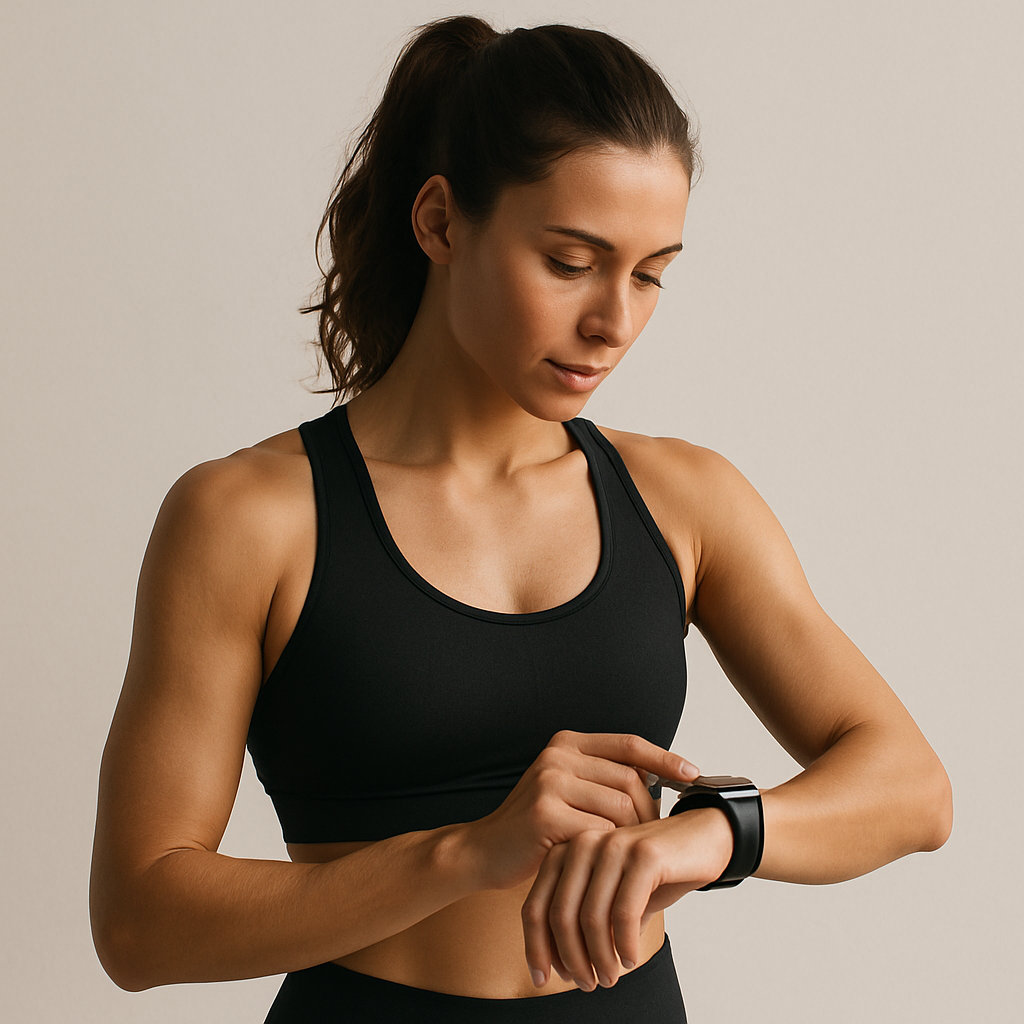
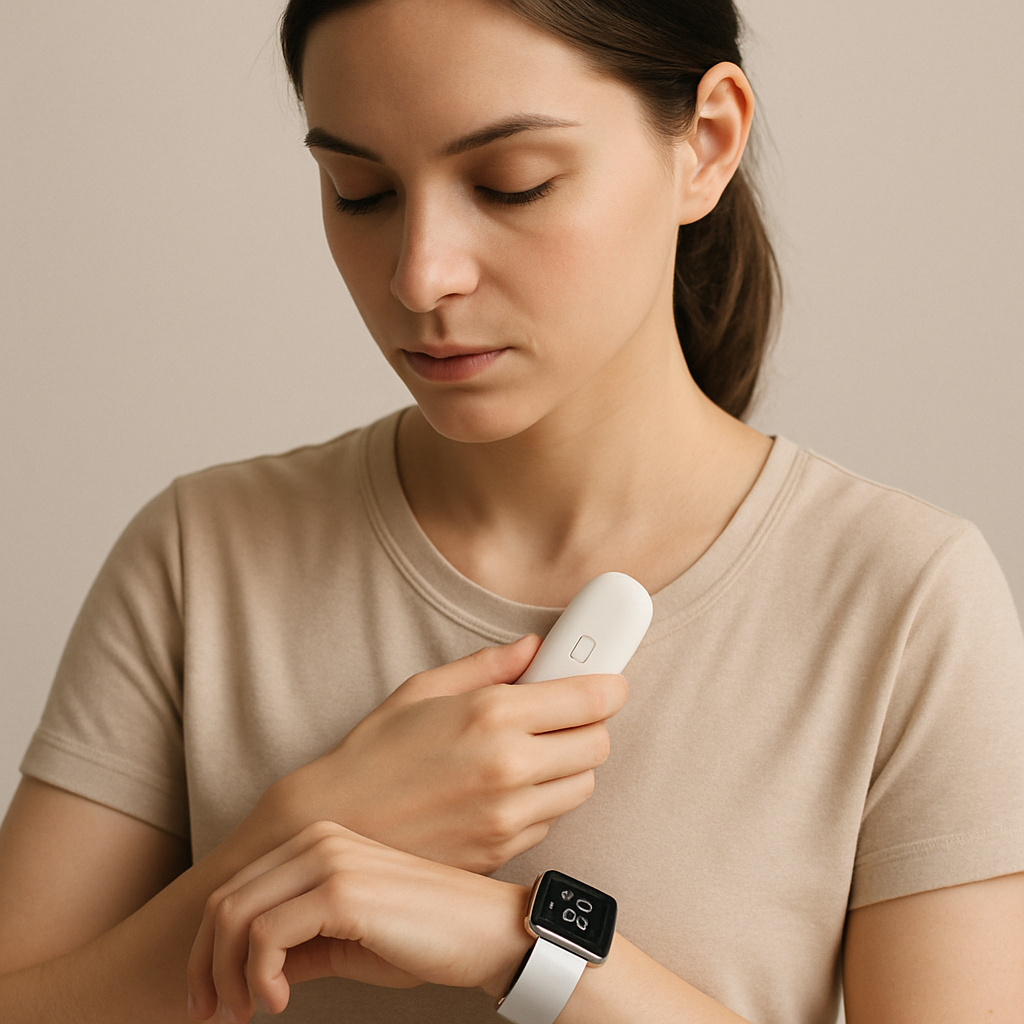
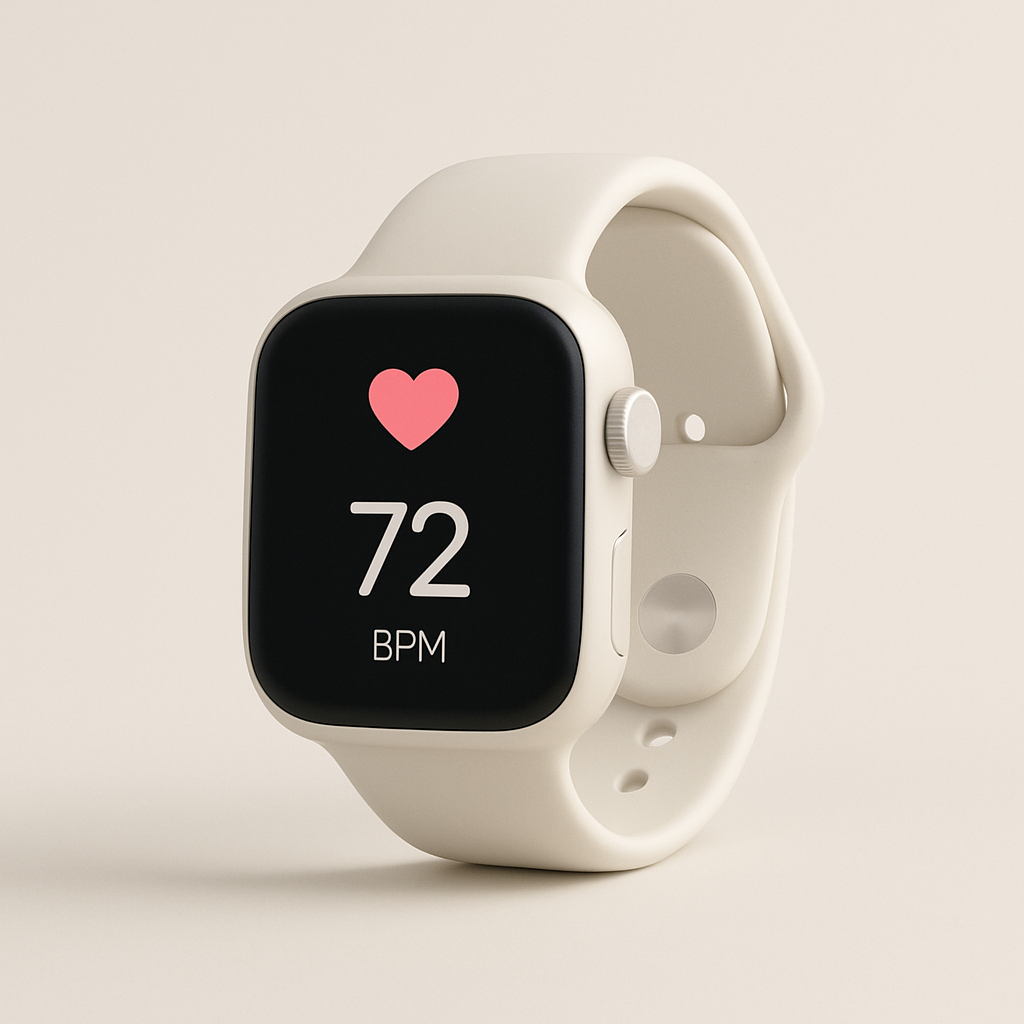
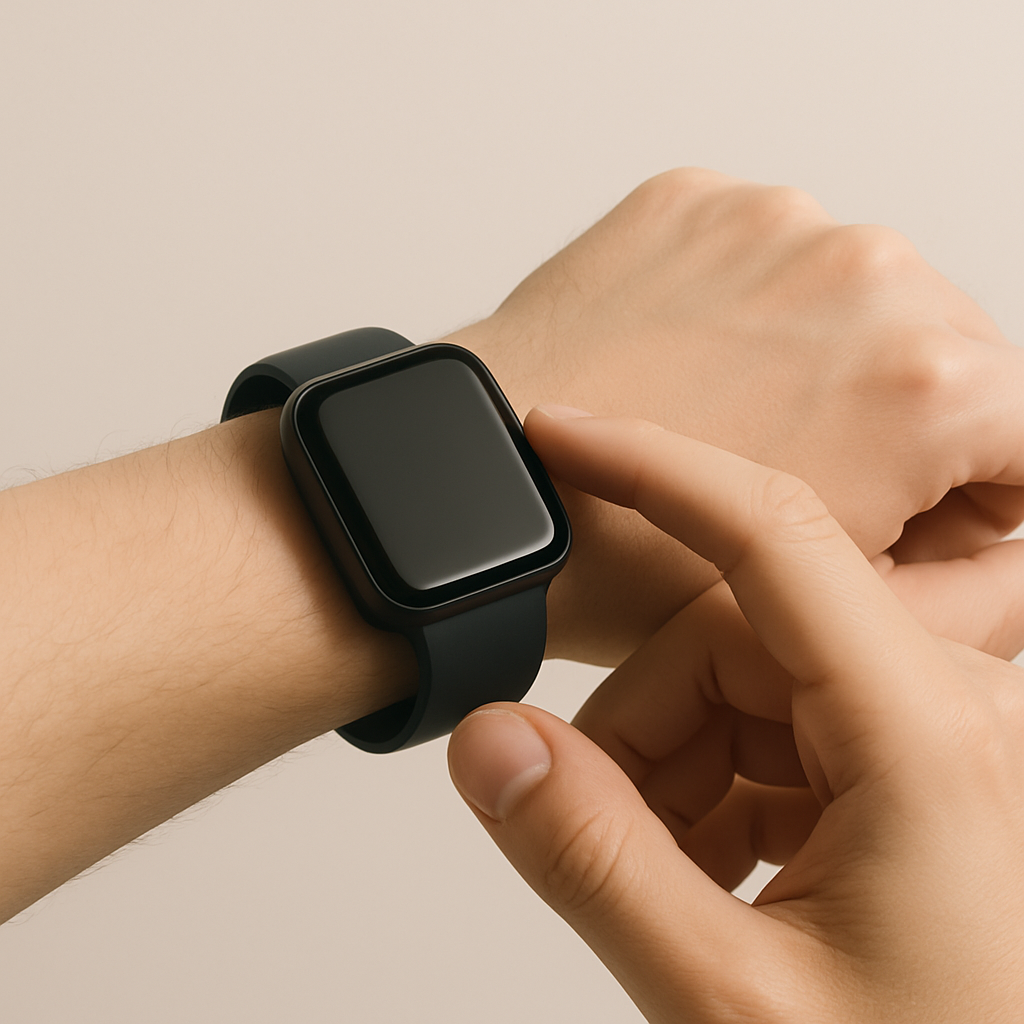
Typically worn as fitness trackers, smartwatches, or even integrated into clothing, biometric devices have gained popularity for their ability to continuously monitor physiological responses. This real-time data can help users identify trends, set health goals, and ultimately contribute to a more holistic approach to wellness.
Mechanism / How It Works
Biometric devices utilize a combination of sensors, algorithms, and connectivity features to gather and process health-related data. For instance, optical sensors are commonly used to measure heart rate by detecting blood flow through the skin. Similarly, accelerometers track movement and activity levels by measuring changes in acceleration.
Once the data is collected, it is typically transmitted to a smartphone app or cloud-based platform, where algorithms analyze the information and provide feedback. Users can view their metrics in real-time, set goals, and receive personalized recommendations based on their unique data patterns.
Evidence Summary
The research surrounding biometric devices is growing, with various studies highlighting their potential benefits. Preliminary evidence suggests that these devices can effectively motivate users to increase physical activity and promote healthier lifestyle choices. However, the clinical evidence is mixed; while some studies demonstrate significant health improvements with regular use, others indicate minimal impact.
Additionally, conflicting results exist regarding the accuracy of data collected by different devices. Variability in sensor technology and user engagement levels can influence outcomes. As such, while biometric devices can serve as useful tools for health monitoring, they should not replace professional medical advice or treatment.
Practical Application
To effectively integrate biometric devices into daily life, users should establish clear health goals and choose the right device that aligns with those objectives. It is essential to familiarize oneself with the device's features and set up personalized tracking parameters. Daily integration might include wearing the device consistently, syncing data regularly, and reviewing insights at least weekly.
Common pitfalls include over-reliance on the device for health decisions, ignoring professional medical guidance, or becoming overly fixated on specific metrics. Instead, users should view biometric data as a supplementary tool to enhance overall wellness and consult healthcare providers for comprehensive health assessments.
Relevant Biomarkers & Tracking
Biometric devices can track a variety of biomarkers, including:
- Heart rate
- Sleep quality and duration
- Blood oxygen levels
- Physical activity levels
- Stress levels through heart rate variability
By monitoring these biomarkers, users can gain insight into their overall health and well-being, enabling them to make necessary adjustments to their lifestyle.
Body Systems Supported
Biometric devices primarily support the following body systems:
- Cardiovascular system
- Musculoskeletal system
- Nervous system
- Endocrine system
Through continuous monitoring of related biomarkers, users can gain valuable insights into how these systems function and interact, promoting a holistic understanding of their health.
Common Goals
Many users turn to biometric devices with specific goals in mind, including:
- Improving physical fitness and endurance
- Enhancing sleep quality
- Managing stress and anxiety levels
- Monitoring chronic health conditions
By aligning their goals with the capabilities of biometric devices, users can create more effective health and wellness strategies.
Safety, Contraindications & Edge Cases
Generally, biometric devices are considered safe for most individuals. However, users with certain medical conditions, such as skin sensitivities or specific cardiovascular issues, should consult with healthcare professionals before use. Additionally, pregnant individuals or those with implanted medical devices should seek guidance on the compatibility of biometric devices.
Edge cases may involve potential inaccuracies in data collection, particularly among individuals with unique physiological characteristics. Users should remain aware of the limitations of their devices and seek medical advice when necessary.
Pairs Well With
Biometric devices can complement various ancient and natural wellness practices, including:
- Mindfulness and meditation techniques
- Yoga and breathwork
- Nutritional tracking based on traditional dietary principles
- Herbal remedies that support overall wellness
By integrating biometric data with these practices, users can create a more comprehensive approach to health and wellness.
FAQs (5)
- What types of biometric devices are available? There are numerous types, including fitness trackers, smartwatches, and specialized health monitors.
- How accurate are biometric devices? Accuracy can vary depending on the device and the specific biomarker being measured.
- Can biometric devices help with weight loss? Yes, they can provide insights into physical activity and caloric expenditure, which may aid in weight management.
- Are biometric devices suitable for everyone? Most people can safely use these devices, but those with specific health concerns should consult a healthcare provider.
- How often should I check my biometric data? Regular review, such as weekly, can help you monitor trends and adjust your health goals accordingly.
Frequently asked
What types of biometric devices are available?
There are numerous types, including fitness trackers, smartwatches, and specialized health monitors.
How accurate are biometric devices?
Accuracy can vary depending on the device and the specific biomarker being measured.
Can biometric devices help with weight loss?
Yes, they can provide insights into physical activity and caloric expenditure, which may aid in weight management.
Are biometric devices suitable for everyone?
Most people can safely use these devices, but those with specific health concerns should consult a healthcare provider.
How often should I check my biometric data?
Regular review, such as weekly, can help you monitor trends and adjust your health goals accordingly.