AI Wellness Tools
Dive into AI wellness tools, their mechanisms, evidence, practical applications, and safety considerations for modern wellness.
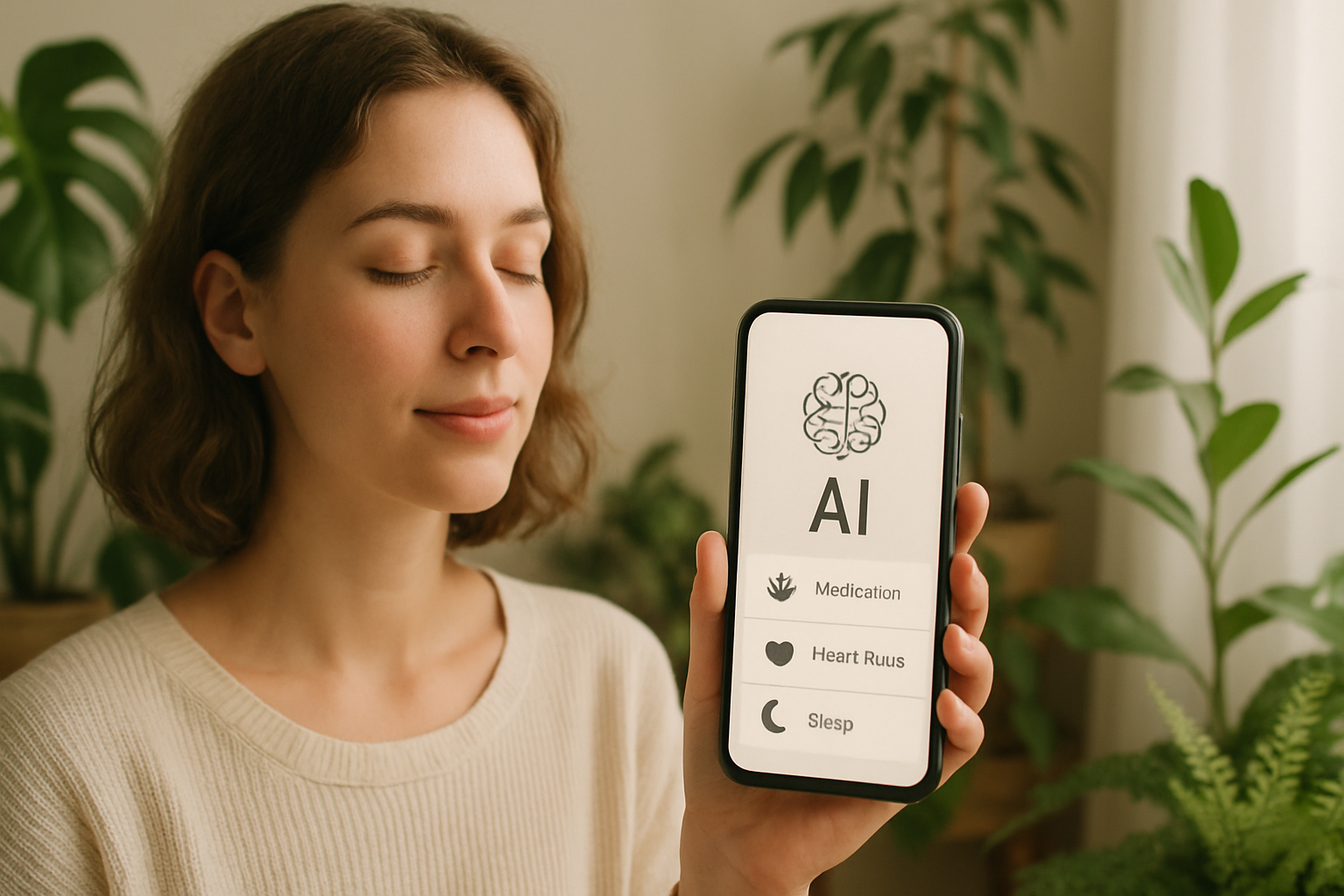
Explore the innovative realm of AI wellness tools, designed to enhance personal well-being through technology. Discover how these tools work, their effectiveness, practical applications, and safety considerations, along with relevant biomarkers and common goals.
What It Is
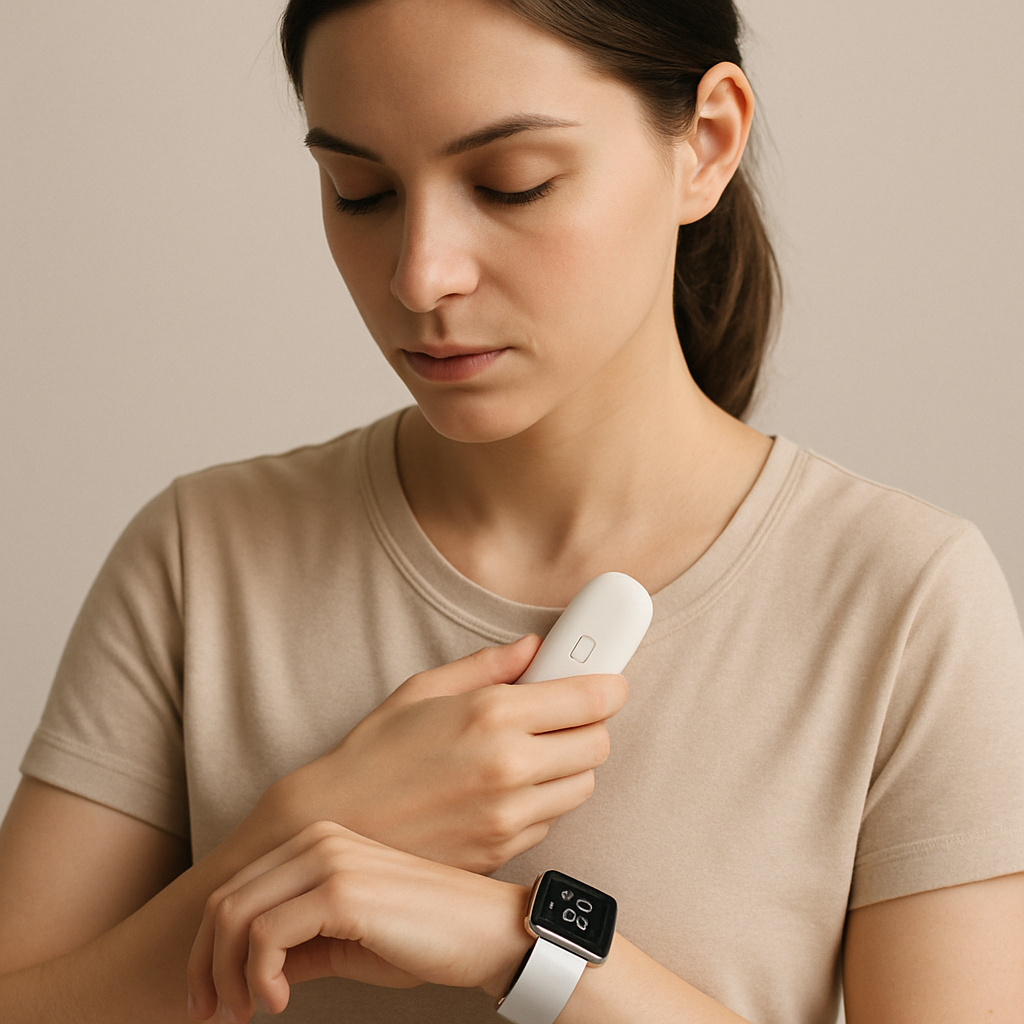
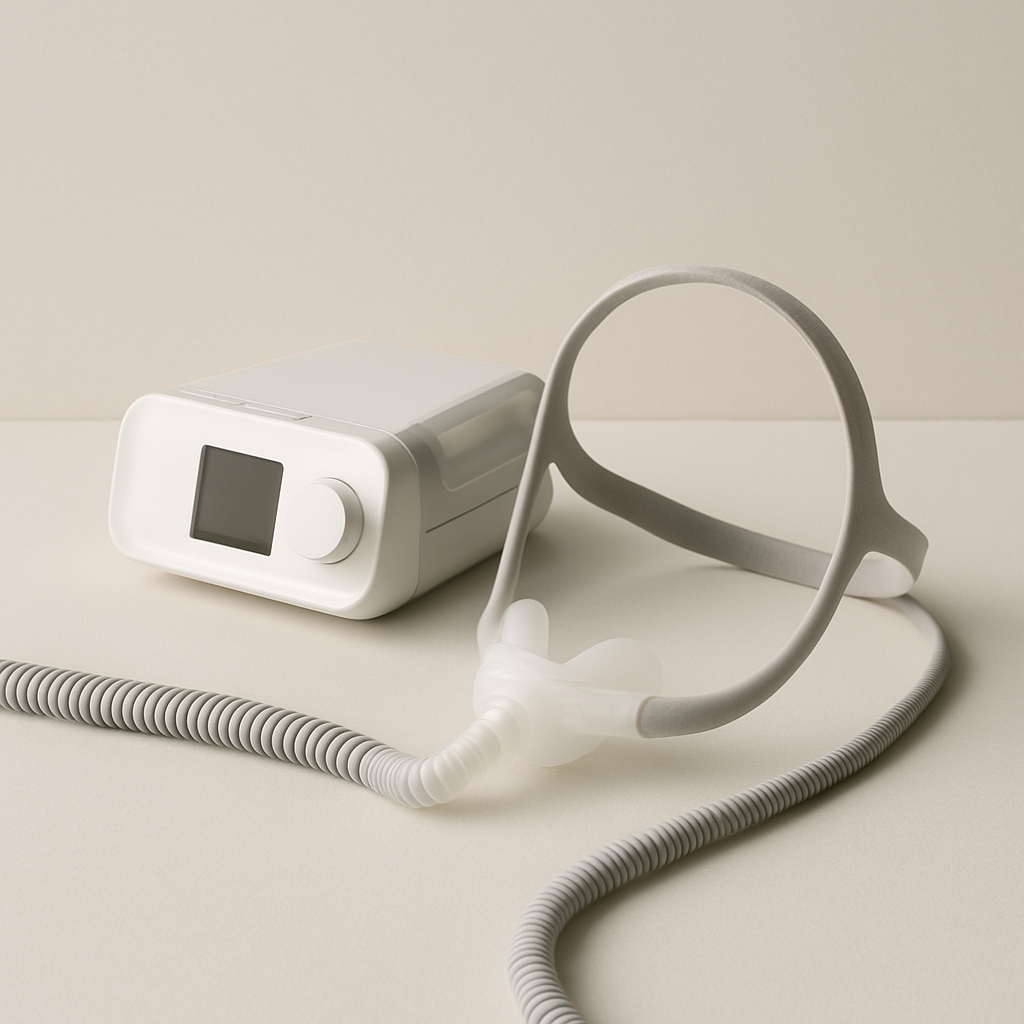
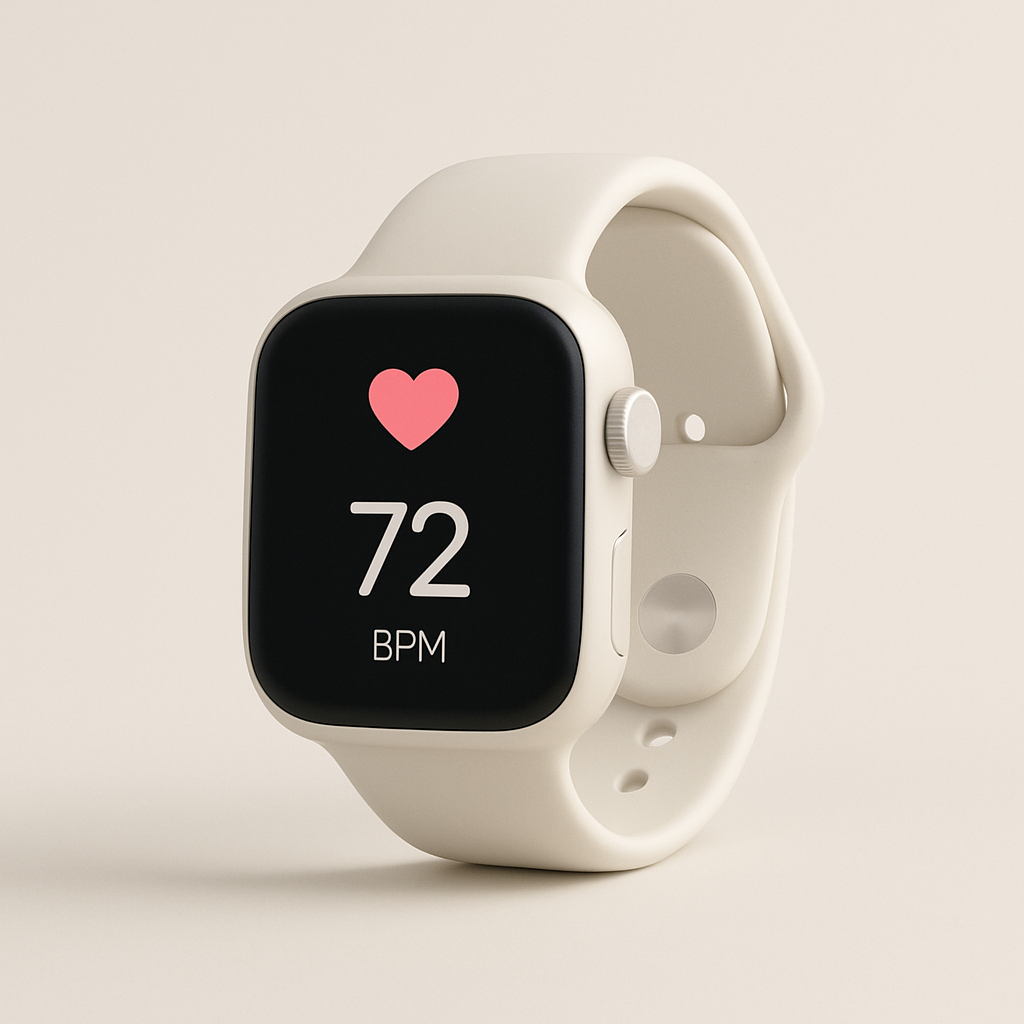
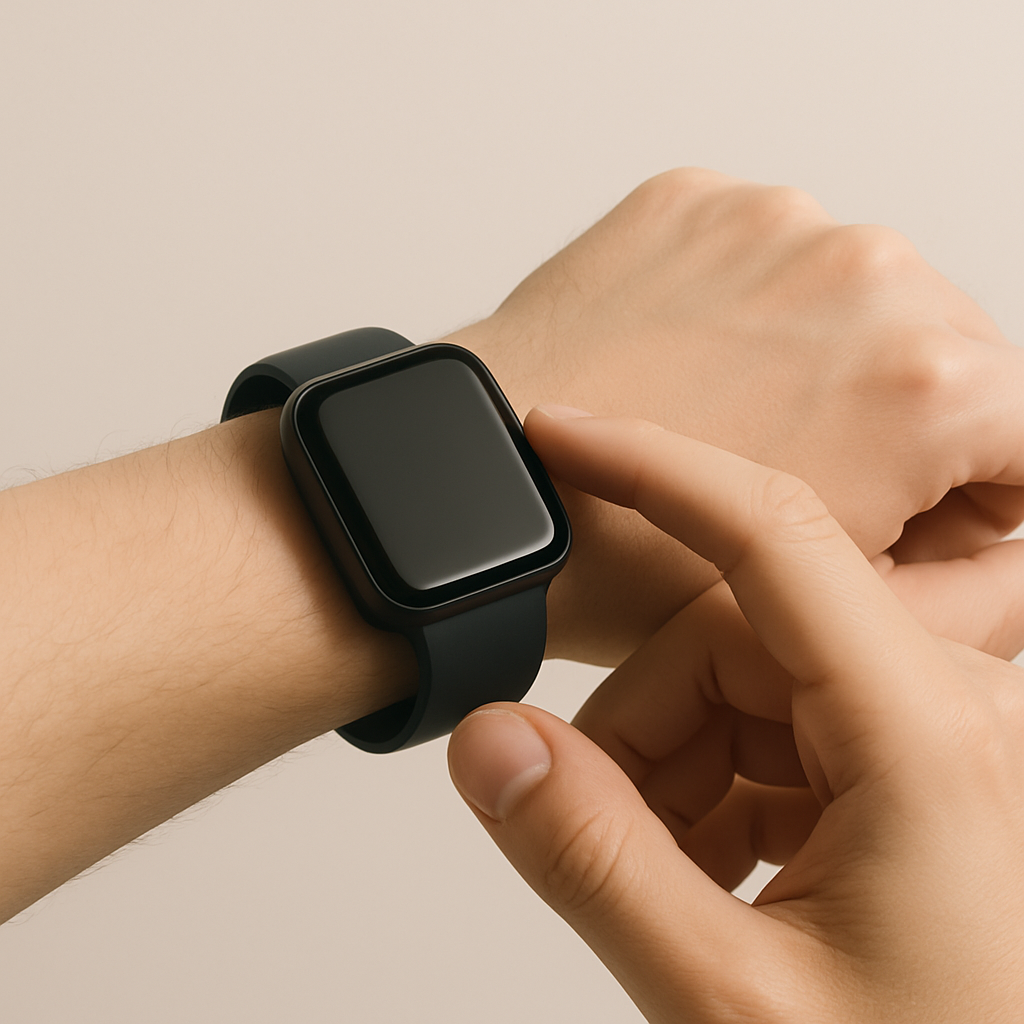
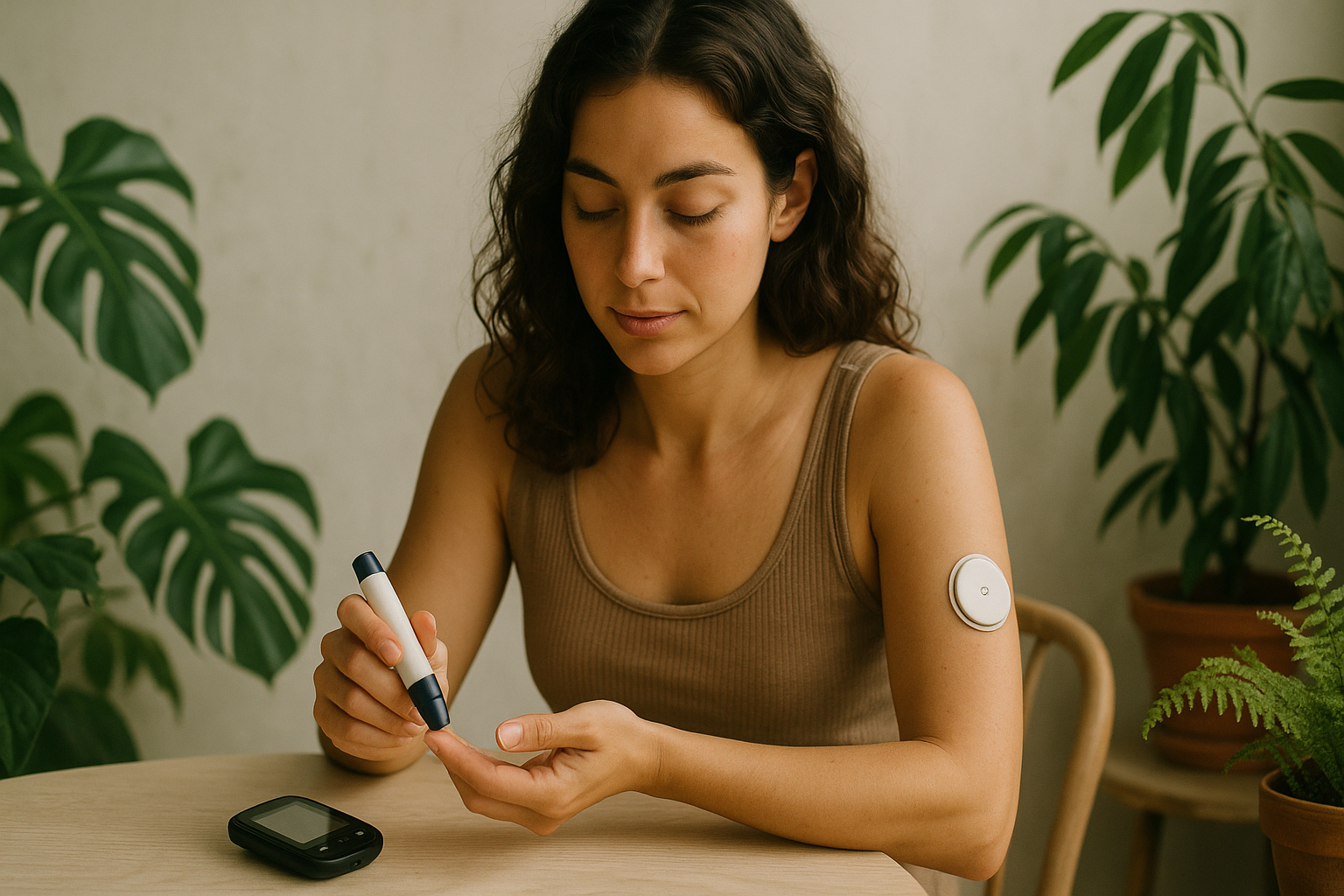
AI wellness tools are innovative technologies that utilize artificial intelligence to enhance personal well-being and health management. These tools range from smartphone applications to wearable devices and online platforms, which leverage data and algorithms to provide personalized insights and recommendations. The objective is to empower individuals to make informed health decisions, improve their lifestyle, and achieve their wellness goals more effectively.
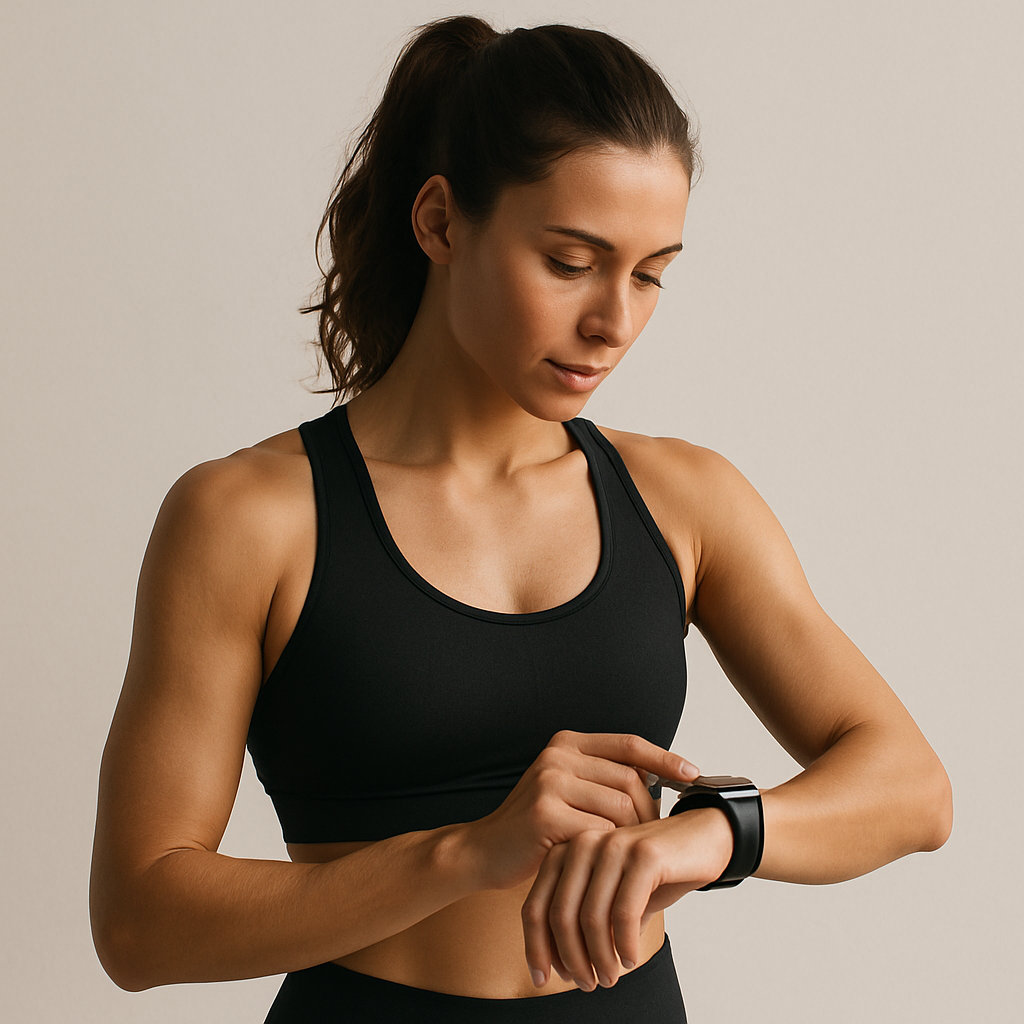
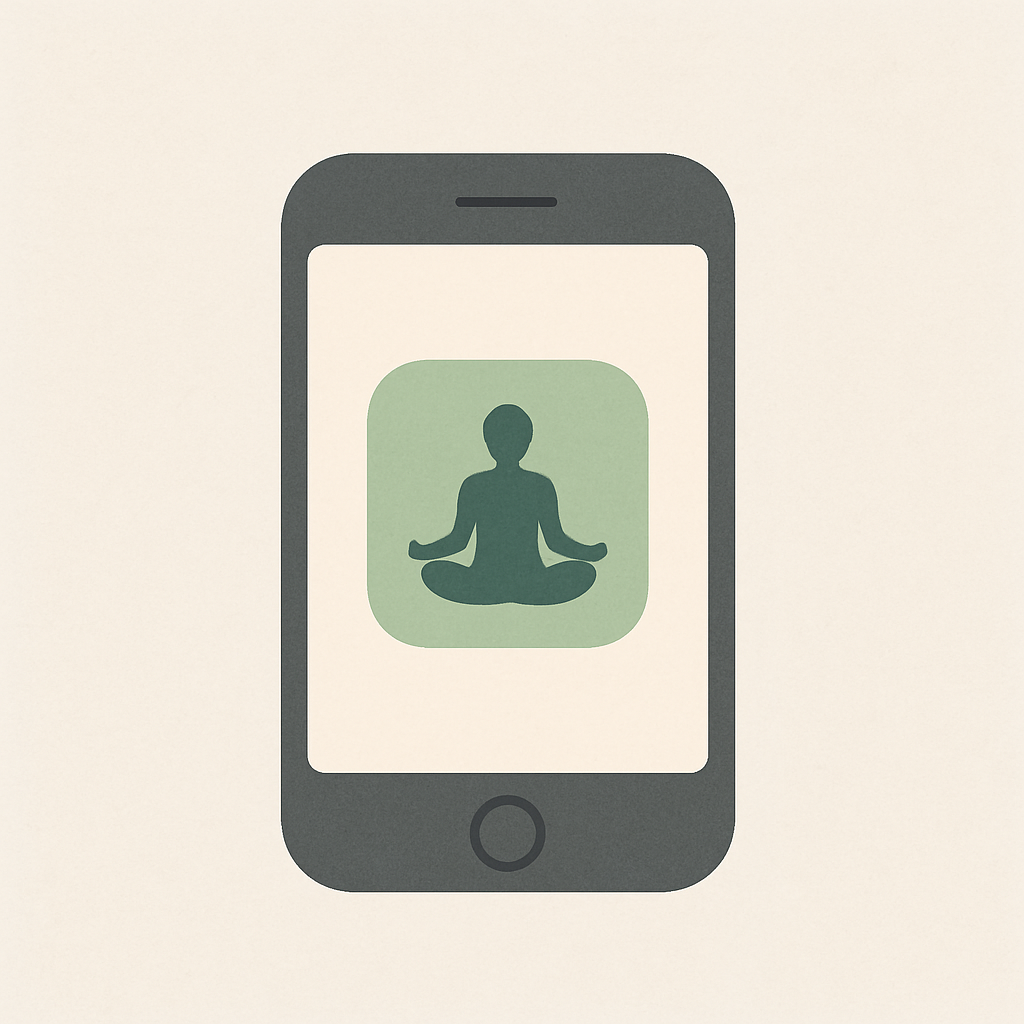
At the core of AI wellness tools is the ability to analyze vast amounts of data, including user inputs and physiological metrics, to identify patterns and trends. By harnessing machine learning and data analytics, these tools can deliver tailored advice and interventions that suit individual needs. From meditation apps that adjust mindfulness practices based on user feedback to fitness trackers that suggest workouts, AI wellness tools represent a growing intersection of technology and health.
Mechanism / How It Works
AI wellness tools operate through several key mechanisms that facilitate their functionality. Firstly, they collect data from users, which can include physical metrics like heart rate, sleep patterns, and activity levels, as well as subjective inputs such as mood and dietary habits. This data is then processed using sophisticated algorithms that analyze the information to generate actionable insights.
Machine learning models continuously improve their accuracy by learning from user interactions and outcomes. For instance, as users engage with an app, the AI adjusts its recommendations based on what is most effective for that individual. Additionally, some tools incorporate natural language processing to interpret user queries and provide personalized responses or suggestions.
Evidence Summary
The evidence surrounding AI wellness tools is in its early stages, with a mix of preliminary findings and ongoing studies. Some research indicates that these tools can effectively improve health outcomes, such as increased physical activity or better stress management. For example, a study on a fitness app demonstrated that users who engaged with AI-driven recommendations were more likely to meet their exercise goals compared to those who did not.
However, research is still developing, and conflicting evidence exists regarding the long-term effectiveness of these tools. While some users report positive experiences, others may find that reliance on technology does not yield significant behavioral changes. More rigorous clinical trials and longitudinal studies are needed to establish definitive efficacy and safety profiles.
Practical Application
Integrating AI wellness tools into daily routines can be straightforward but requires mindful implementation. Users can start by selecting tools that align with their personal wellness goals, whether that is stress reduction, improved fitness, or better nutrition. Setting specific, measurable objectives can enhance the effectiveness of these tools.
Common protocols for daily integration include:
- Using fitness trackers to monitor activity levels and set daily movement goals.
- Employing meditation apps that use AI to tailor sessions based on user feedback and progress.
- Utilizing dietary tracking apps that analyze eating patterns and suggest healthier choices.
However, common pitfalls include over-reliance on technology, leading to disengagement with physical activities or social interactions. Users should aim to balance technology use with real-world experiences and consult healthcare professionals for comprehensive wellness strategies.
Relevant Biomarkers & Tracking
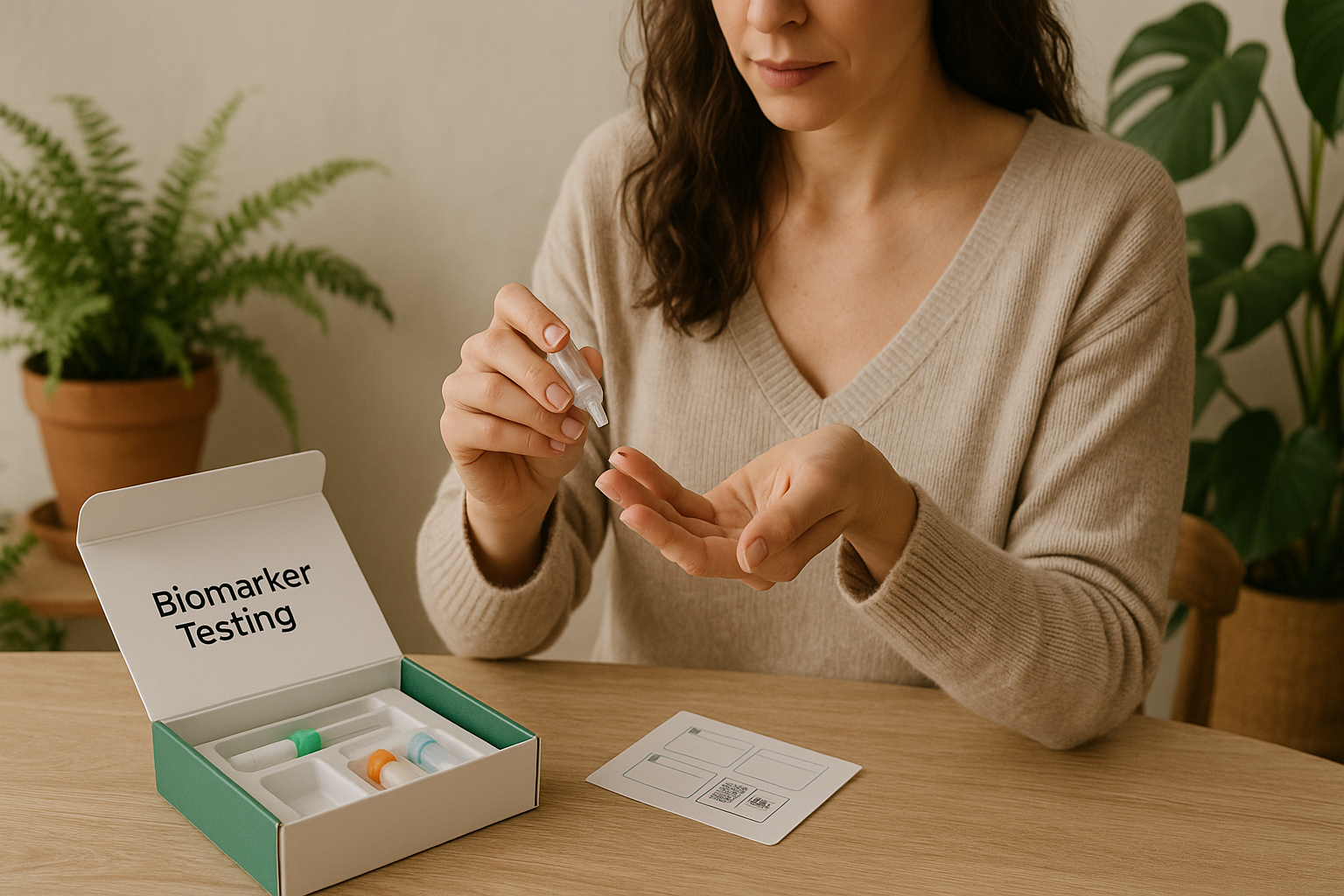
AI wellness tools often track a variety of biomarkers that can indicate overall health and wellness. Commonly monitored biomarkers include:
- Heart rate variability (HRV)
- Sleep quality and duration
- Physical activity levels
- Caloric intake and nutritional balance
- Mood and stress levels
By analyzing these biomarkers, AI wellness tools can provide insights that help users understand their health better and motivate them to make necessary adjustments to their lifestyle.
Body Systems Supported
AI wellness tools can support various body systems and functions, including:
- Cardiovascular health through activity tracking and heart rate monitoring.
- Mental health by offering stress management techniques and mindfulness practices.
- Metabolic health via dietary tracking and nutrition guidance.
- Sleep health through monitoring sleep patterns and suggesting improvements.
This multi-faceted approach allows users to address specific concerns while benefiting overall health.
Common Goals
Users of AI wellness tools typically pursue several common goals, such as:
- Improving physical fitness and increasing activity levels.
- Enhancing mental well-being through stress reduction techniques.
- Achieving balanced nutrition and better dietary habits.
- Monitoring and improving sleep quality.
By identifying these goals, users can select tools that best align with their individual health aspirations.
Safety, Contraindications & Edge Cases
While AI wellness tools offer numerous benefits, users should remain aware of safety concerns and contraindications. These tools are not a substitute for professional medical advice and should not be relied upon for diagnosing or treating medical conditions. Users with specific health issues should consult healthcare professionals before integrating these tools into their wellness regimen.
Edge cases may include individuals who are not tech-savvy, potentially leading to frustration or ineffective use of the tools. Additionally, those with privacy concerns regarding data collection may hesitate to engage fully with AI wellness tools.
Pairs Well With
AI wellness tools can complement traditional wellness practices and natural counterparts, enhancing overall health strategies. They pair well with:
- Mindfulness practices like yoga and tai chi.
- Natural supplements for stress relief, such as adaptogens.
- Traditional fitness approaches like personal training or group classes.
- Holistic nutrition strategies that emphasize whole foods and balanced diets.
Integrating these practices can create a more comprehensive wellness approach.
FAQs (5)
What are AI wellness tools?
AI wellness tools are technologies that use artificial intelligence to provide personalized health insights and recommendations.
How effective are AI wellness tools?
The effectiveness varies; preliminary studies show promise, but more research is needed to confirm long-term benefits.
Can AI wellness tools replace medical advice?
No, these tools should not replace professional medical advice and are best used as complementary resources.
What types of data do AI wellness tools collect?
They may collect physical metrics, mood, activity levels, and dietary inputs to provide personalized insights.
Are there safety concerns with using AI wellness tools?
Yes, users should be cautious of data privacy and consult professionals for specific health issues.
Frequently asked
What are AI wellness tools?
AI wellness tools are technologies that use artificial intelligence to provide personalized health insights and recommendations.
How effective are AI wellness tools?
The effectiveness varies; preliminary studies show promise, but more research is needed to confirm long-term benefits.
Can AI wellness tools replace medical advice?
No, these tools should not replace professional medical advice and are best used as complementary resources.
What types of data do AI wellness tools collect?
They may collect physical metrics, mood, activity levels, and dietary inputs to provide personalized insights.
Are there safety concerns with using AI wellness tools?
Yes, users should be cautious of data privacy and consult professionals for specific health issues.