Meditation Technology
Discover how meditation technology enhances wellness through innovative tools and techniques, supported by evidence and practical applications.
Explore the intersection of meditation and technology, including its mechanisms, evidence, practical applications, and safety considerations.
What It Is
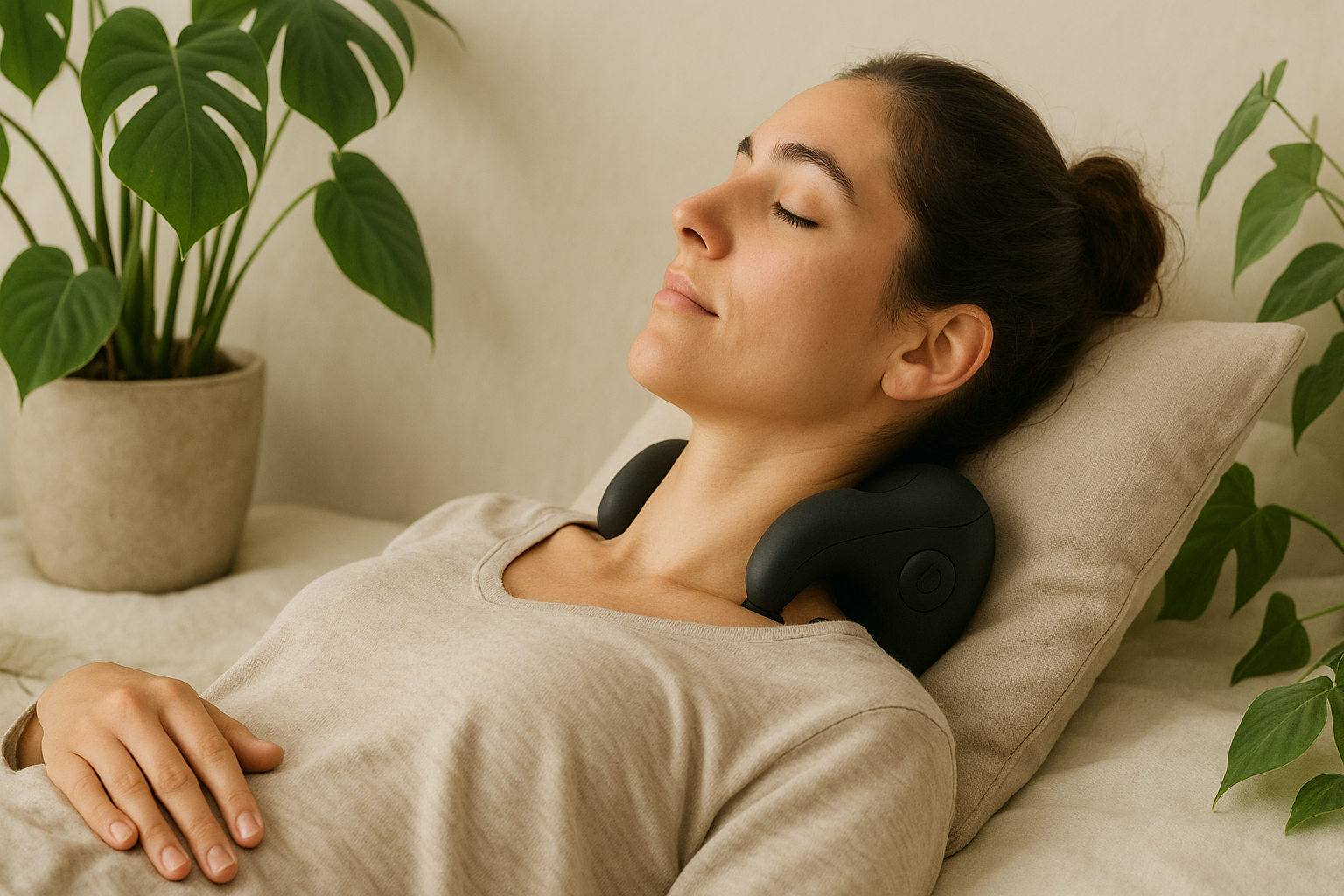
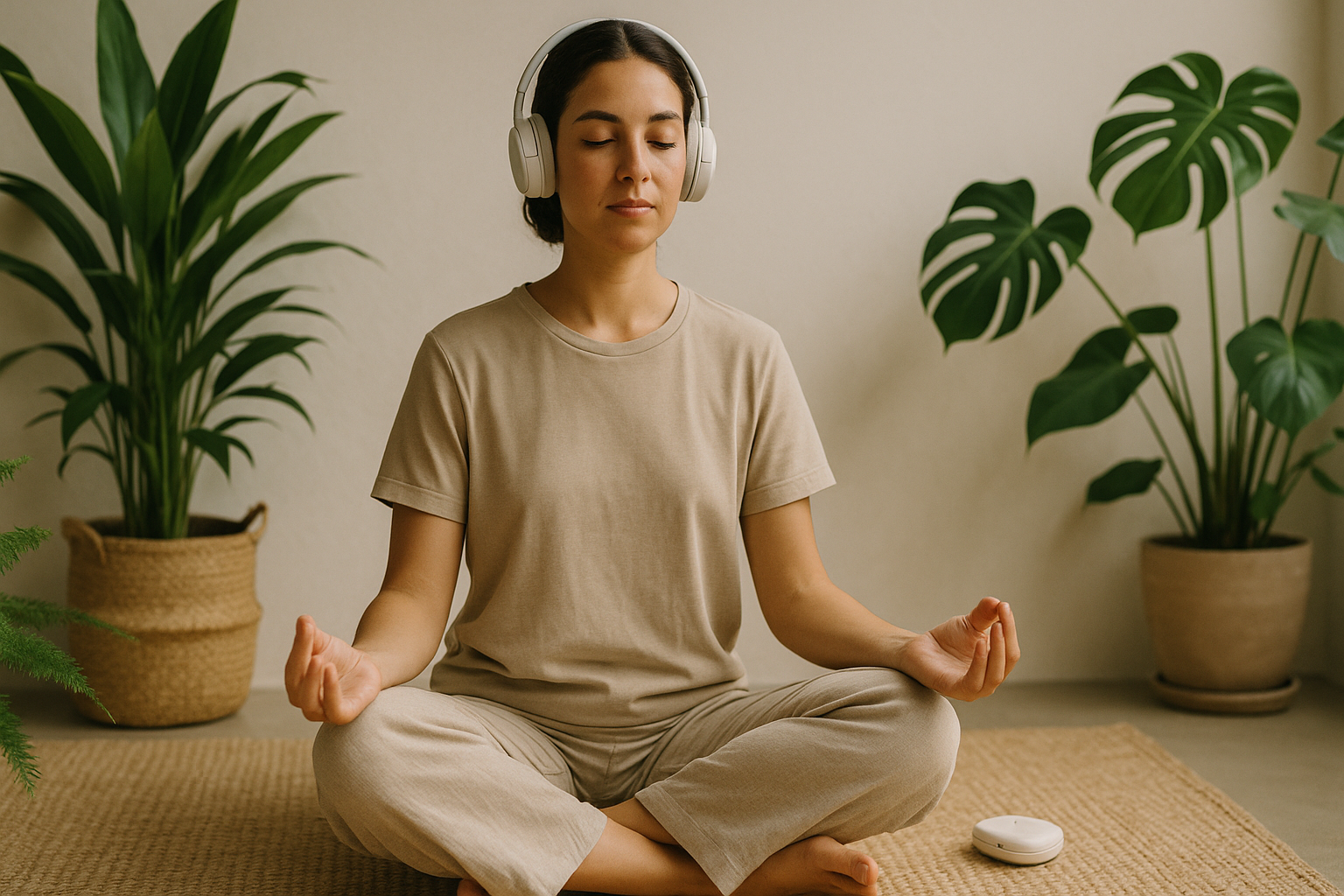
Meditation technology refers to the various tools and devices designed to enhance the practice of meditation, making it more accessible and effective. This can include everything from apps and wearable devices to virtual reality experiences and biofeedback systems. The goal of these technologies is to support individuals in achieving deeper states of relaxation, focus, and mindfulness.
As modern lifestyles become increasingly fast-paced and stressful, meditation technology offers solutions that integrate seamlessly into daily routines. By leveraging advancements in science and technology, these tools aim to optimize the meditation experience, making it easier for users to incorporate mindfulness practices into their lives.
Mechanism / How It Works
Meditation technology typically operates by providing users with structured guidance, real-time feedback, or immersive experiences that facilitate meditation. For instance, meditation apps often offer guided sessions that incorporate techniques such as breath control, visualization, and progressive relaxation. These sessions are designed to help users achieve a meditative state more easily.
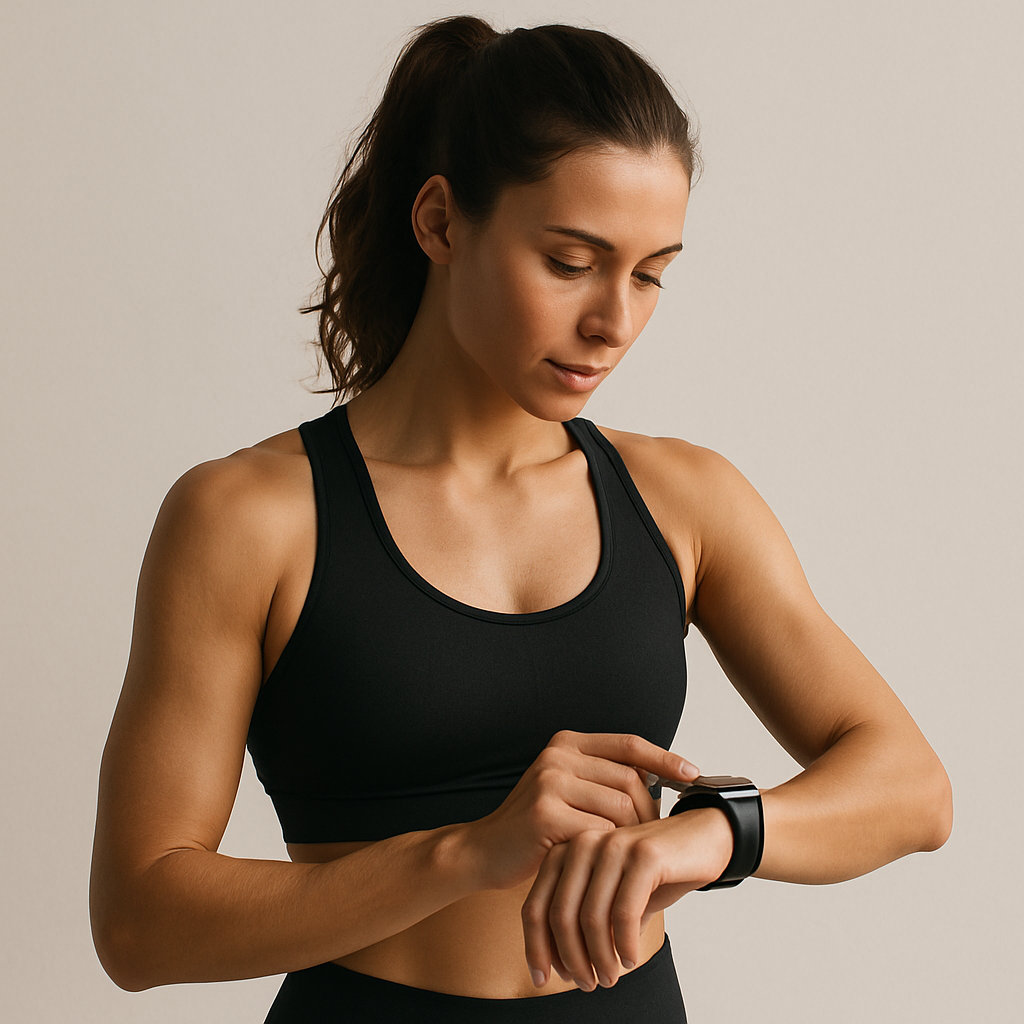
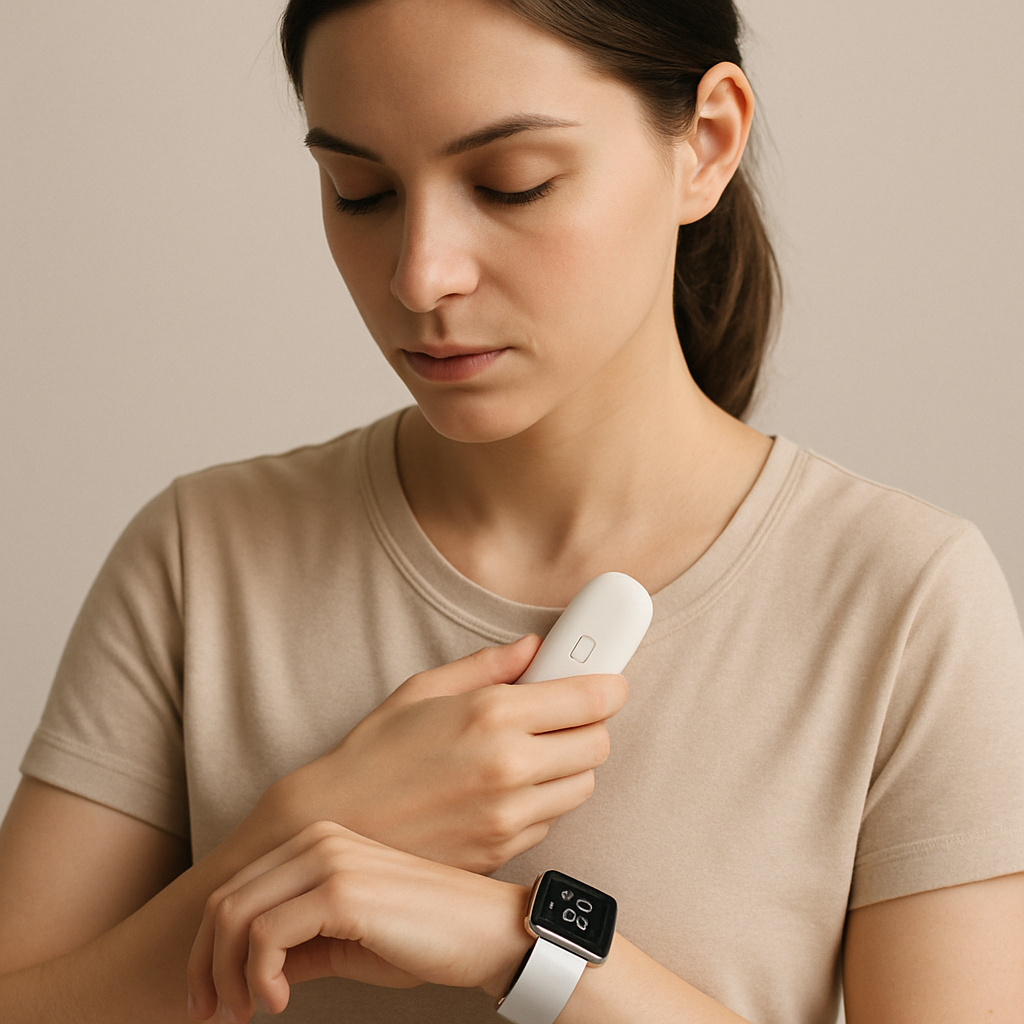
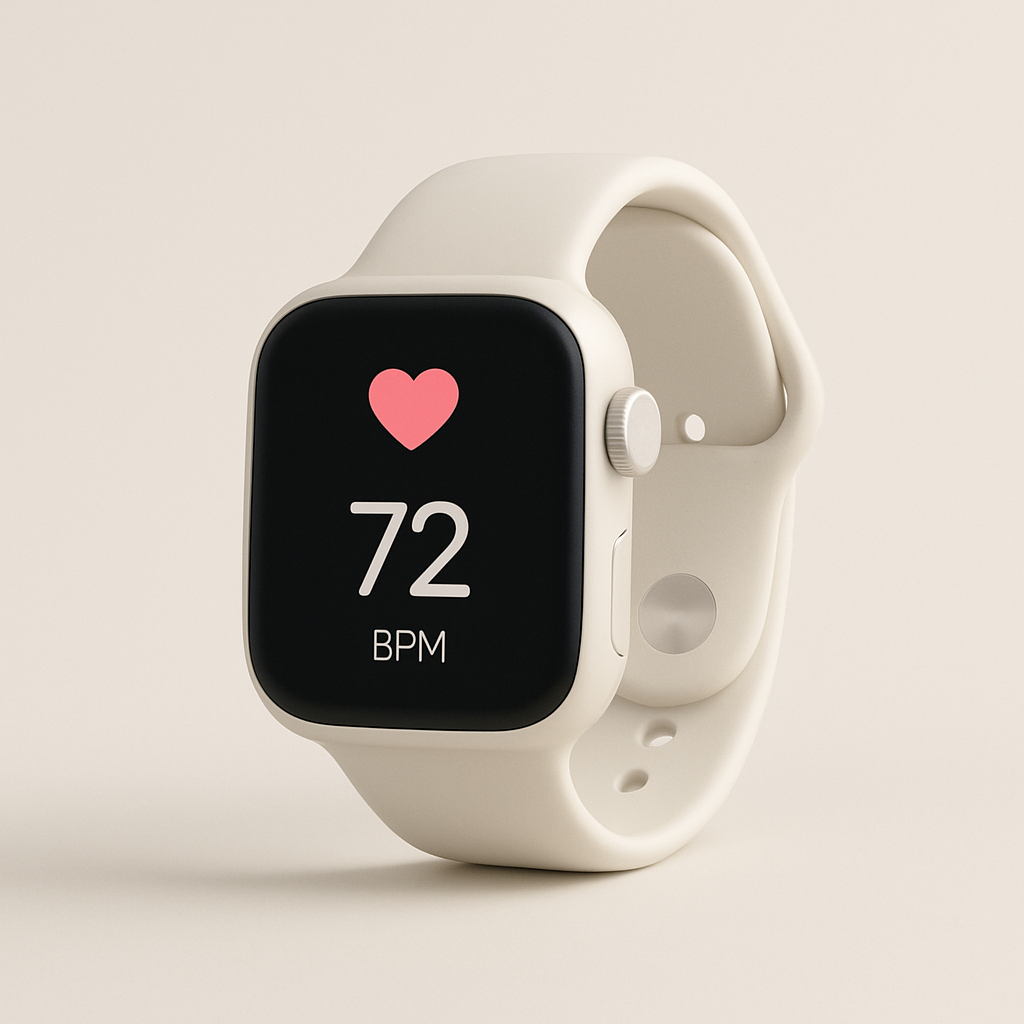
Wearable devices, like smartwatches or headbands, can track physiological markers such as heart rate and brainwaves, providing feedback on the user's state of relaxation or focus. Some advanced systems even employ biofeedback mechanisms to help users learn how to control their physiological responses, thus enhancing their meditation practice.
Evidence Summary
The evidence surrounding meditation technology is a mix of preliminary findings and some clinical studies. Various studies indicate that meditation can lead to improvements in mental health, stress reduction, and overall well-being. However, the research specifically targeting meditation technologies is still emerging. Some studies suggest that guided meditation apps can significantly improve users' mindfulness and reduce anxiety levels.
Conflicting evidence exists regarding the effectiveness of certain technologies over traditional meditation practices. While some users may find that technology enhances their experience, others may feel it creates distractions or detracts from the core principles of meditation. More research is needed to fully understand the long-term effects and efficacy of these technological interventions.
Practical Application
Integrating meditation technology into daily life can be straightforward. Users are encouraged to select a tool that aligns with their personal preferences and goals, whether that’s an app for guided sessions or a wearable device for tracking progress. Here are some practical steps:
- Start with a clear intention: Define what you hope to achieve through meditation.
- Set aside dedicated time: Consistency is key, so find a time that works for you.
- Use technology as a guide: Follow guided sessions or utilize feedback from devices to enhance your practice.
- Be mindful of distractions: While technology can be helpful, ensure it doesn’t detract from the experience.
Common pitfalls include over-reliance on technology or becoming frustrated if progress is slower than expected. It’s important to remember that meditation is a personal journey and should be approached with patience and openness.
Relevant Biomarkers & Tracking
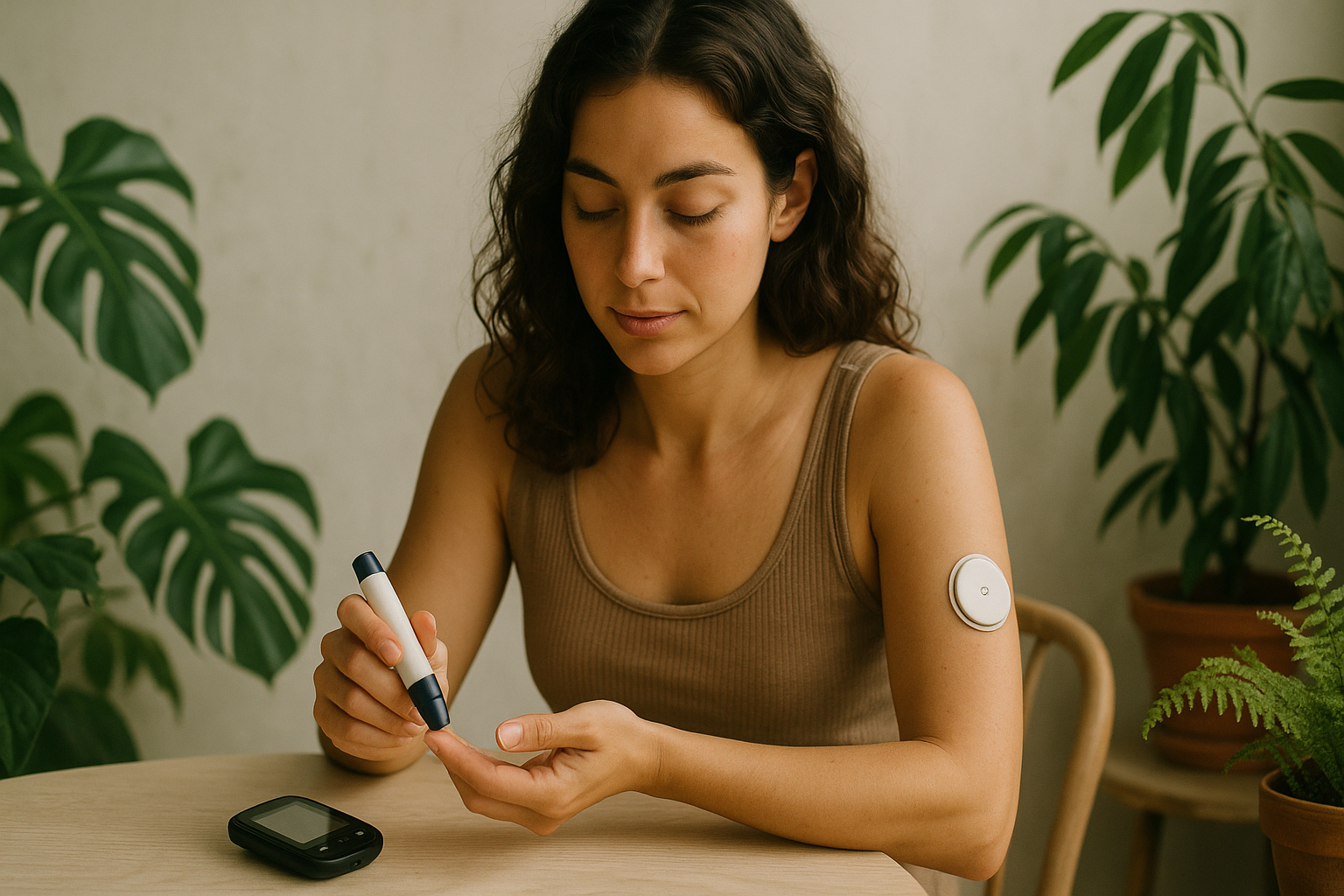
Meditation technology can help track several biomarkers that indicate the effectiveness of the practice. These may include:
- Heart Rate Variability (HRV): A measure of the variation in time between heartbeats, often used as an indicator of stress and relaxation.
- Brainwave Activity: Many devices monitor brainwave patterns to identify states of relaxation or focus.
- Galvanic Skin Response (GSR): This measures the electrical conductance of the skin, which can indicate stress levels.
Tracking these biomarkers can provide insights into how meditation affects the body, helping users tailor their practices for optimal results.
Body Systems Supported
Meditation technology supports several body systems, including:
- Nervous System: Promotes relaxation and reduces stress responses.
- Endocrine System: Can help regulate hormones associated with stress and relaxation.
- Cardiovascular System: May improve heart health through stress reduction and enhanced HRV.
By positively influencing these systems, meditation technology can contribute to overall physical and mental health.
Common Goals
Individuals often turn to meditation technology with specific goals in mind, such as:
- Reducing stress and anxiety.
- Improving focus and concentration.
- Enhancing self-awareness and mindfulness.
- Promoting emotional well-being and resilience.
- Facilitating relaxation and better sleep.
Setting clear goals can enhance motivation and provide direction in the meditation journey.
Safety, Contraindications & Edge Cases
While meditation technology is generally considered safe, there are some considerations to keep in mind. Individuals with certain mental health conditions, such as severe anxiety or trauma, may find that meditation exacerbates their symptoms. It is advisable for such individuals to consult a healthcare professional before starting a meditation practice, especially with technology.
Additionally, users should be aware of the potential for technology to distract them from the meditative experience. It is essential to use these tools mindfully and ensure they enhance rather than detract from the practice.
Pairs Well With
Meditation technology pairs well with various ancient and natural counterparts, enhancing the overall wellness experience. Some complementary practices include:
- Yoga: Combining physical movement with mindfulness can deepen the meditative experience.
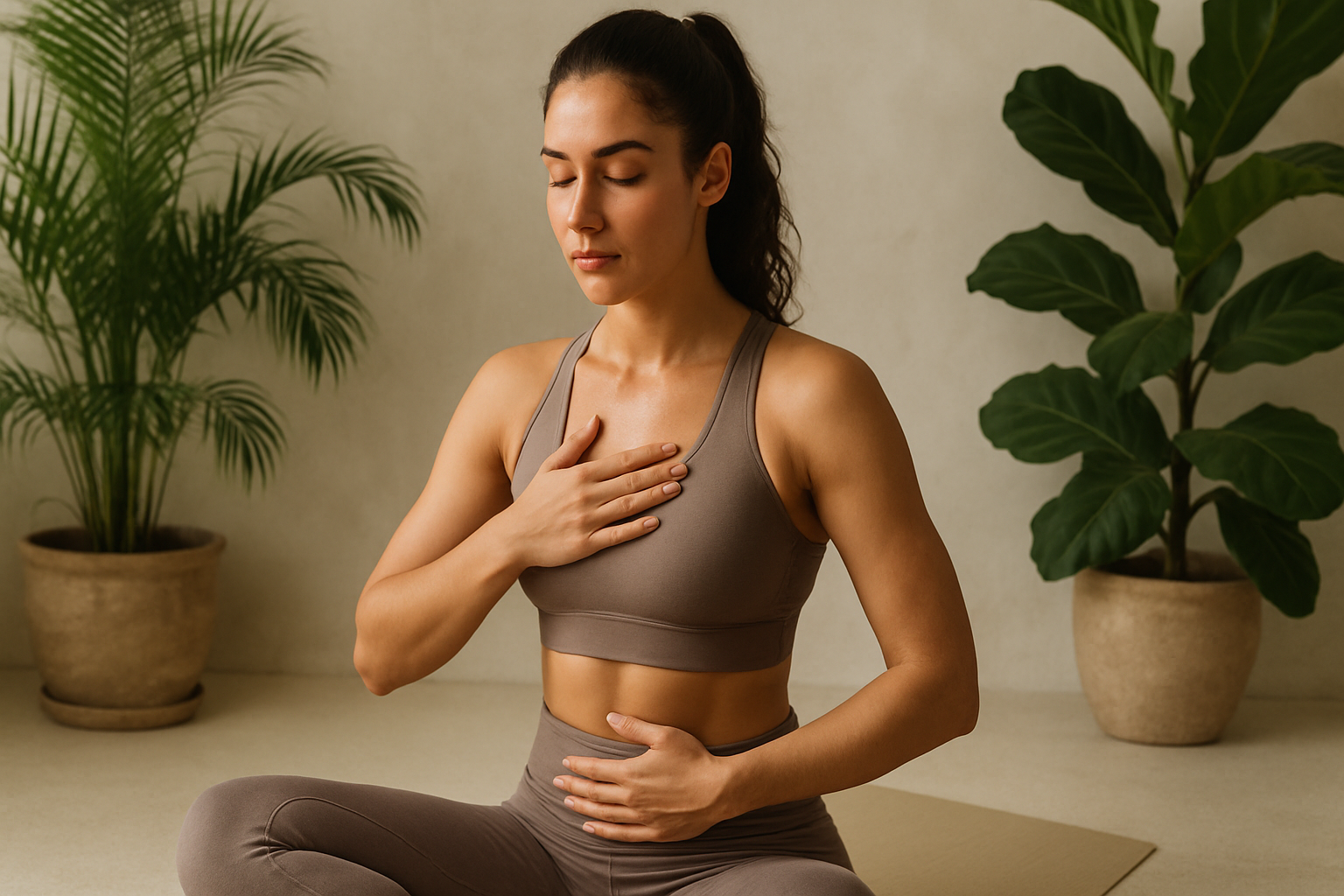
- Breathwork: Techniques that focus on breath can enhance relaxation and mindfulness.
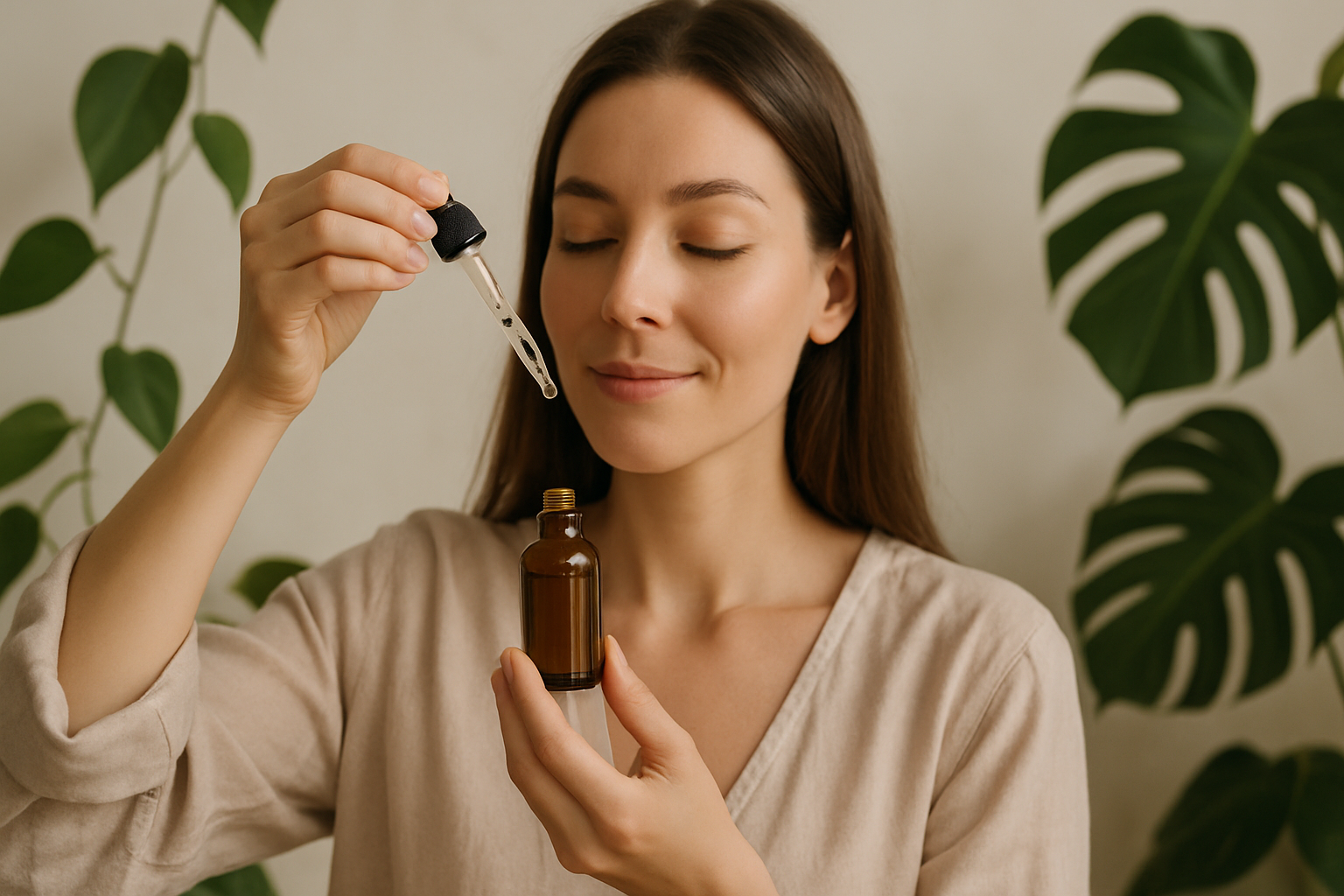
- Aromatherapy: Essential oils can create a calming environment conducive to meditation.
Integrating these practices with meditation technology can provide a holistic approach to wellness.
FAQs (5)
- What types of meditation technology are available? There are apps, wearable devices, virtual reality experiences, and biofeedback systems designed to enhance meditation.
- Can meditation technology replace traditional meditation? While it can enhance the experience, it is not a replacement for traditional meditation practices.
- Is meditation technology suitable for everyone? Most people can benefit, but those with certain mental health issues should consult a professional first.
- How can I choose the right meditation technology for me? Consider your personal preferences, goals, and the type of guidance or feedback you find most helpful.
- Can meditation technology help with sleep issues? Many users report improved sleep quality through regular meditation practice supported by technology.
Frequently asked
What types of meditation technology are available?
There are apps, wearable devices, virtual reality experiences, and biofeedback systems designed to enhance meditation.
Can meditation technology replace traditional meditation?
While it can enhance the experience, it is not a replacement for traditional meditation practices.
Is meditation technology suitable for everyone?
Most people can benefit, but those with certain mental health issues should consult a professional first.
How can I choose the right meditation technology for me?
Consider your personal preferences, goals, and the type of guidance or feedback you find most helpful.
Can meditation technology help with sleep issues?
Many users report improved sleep quality through regular meditation practice supported by technology.