Smart Wellness Devices
Delve into smart wellness devices, their mechanisms, applications, and the science supporting their use in modern wellness.
Explore the realm of smart wellness devices, designed to enhance personal health and well-being through technology. Discover how these devices function, their evidence-backed benefits, and practical ways to incorporate them into daily life.
What It Is
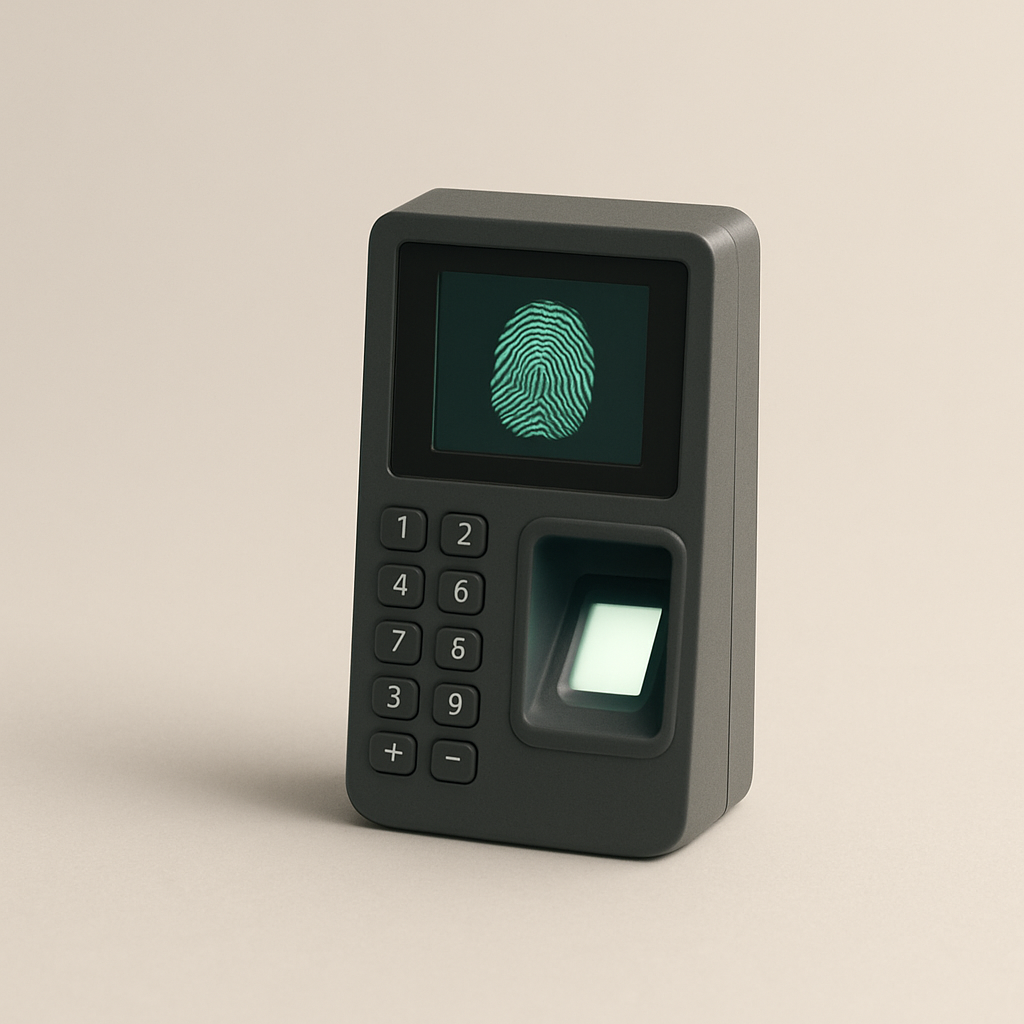
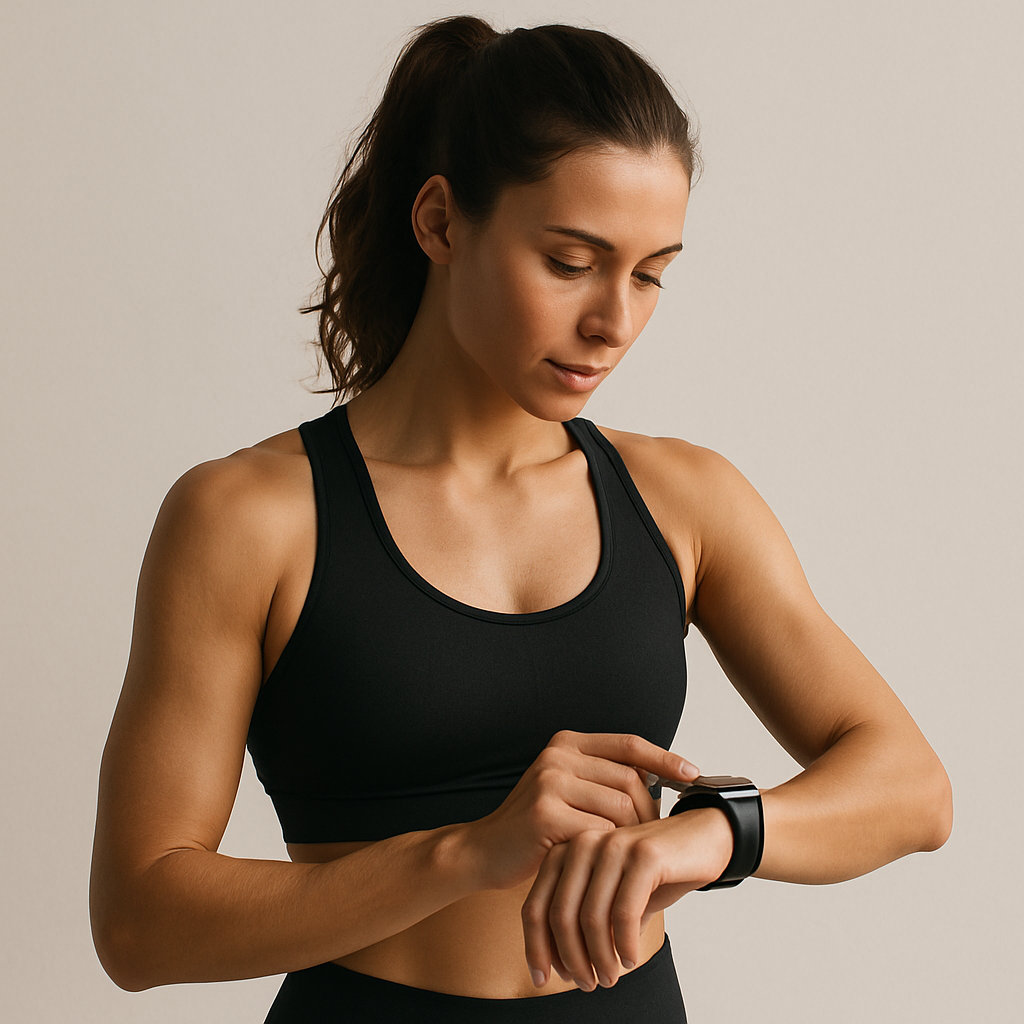
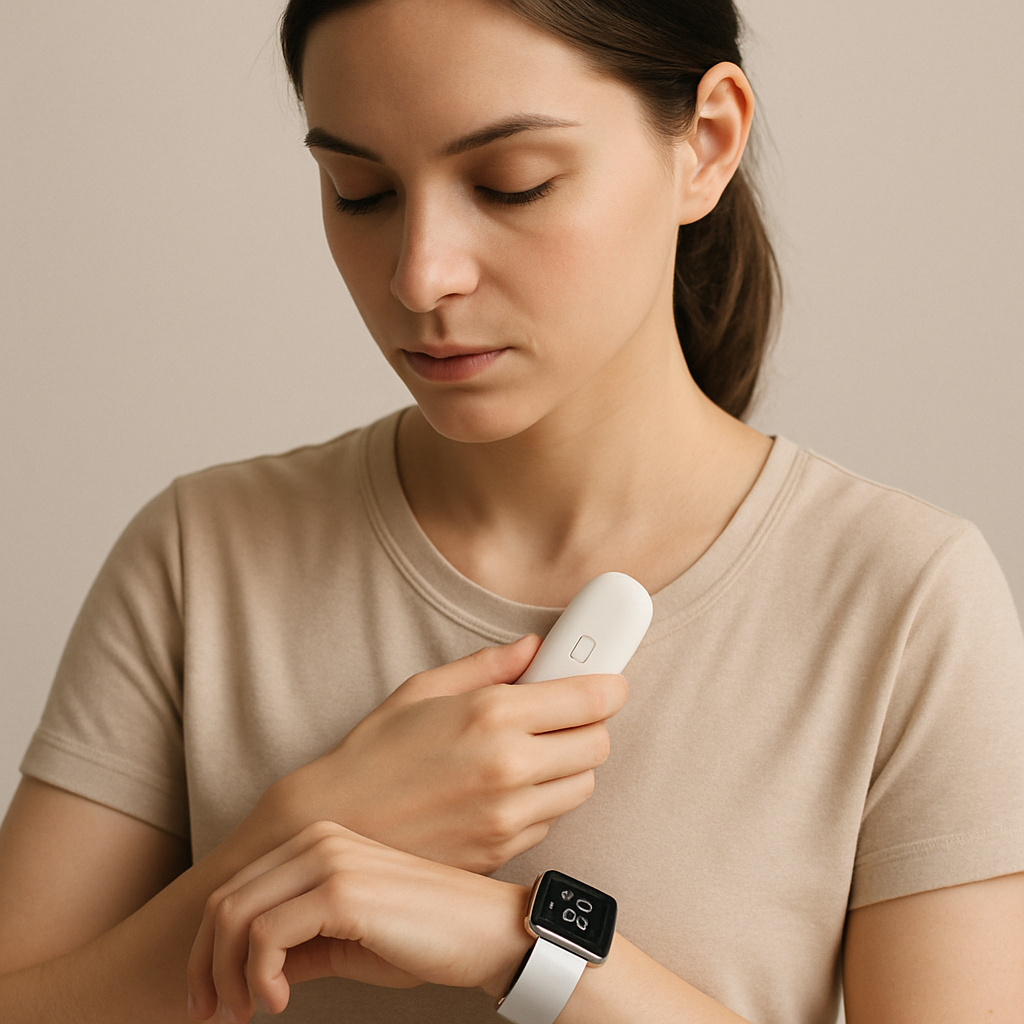
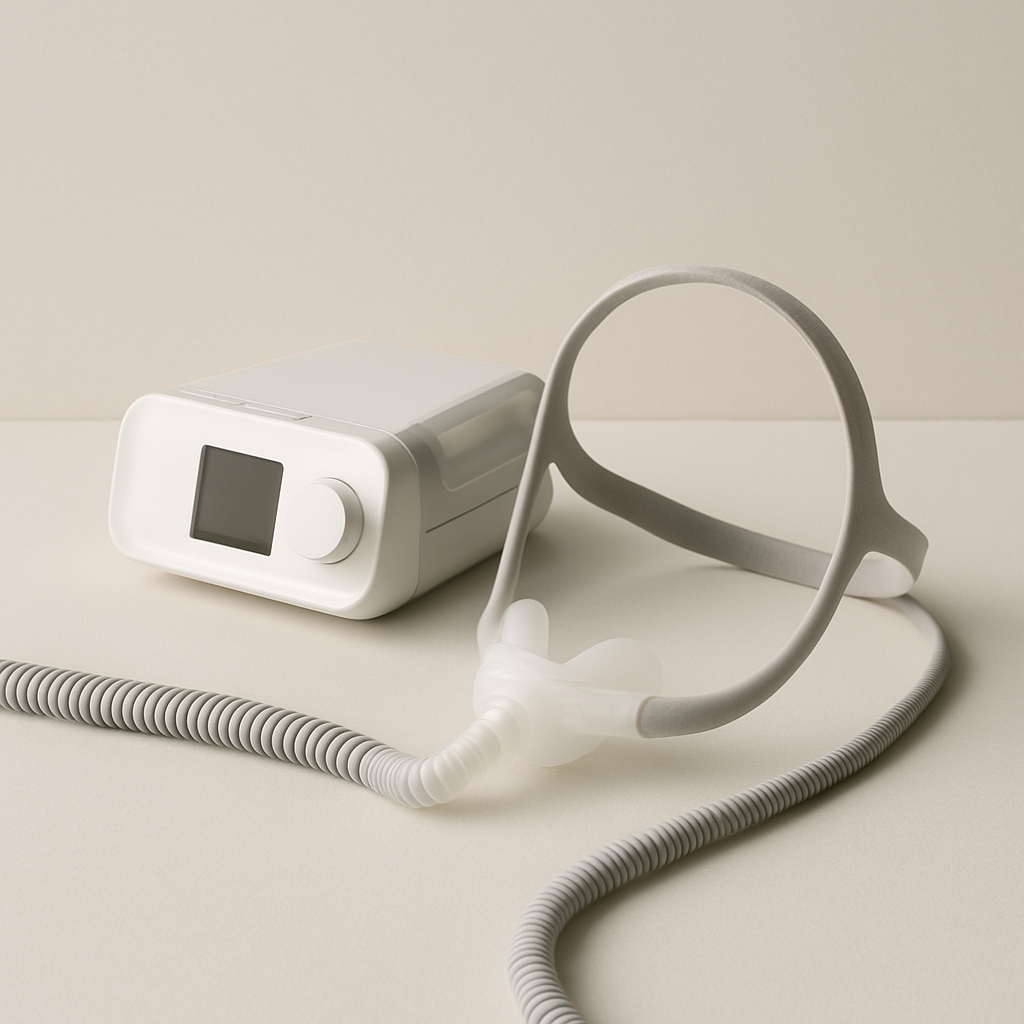
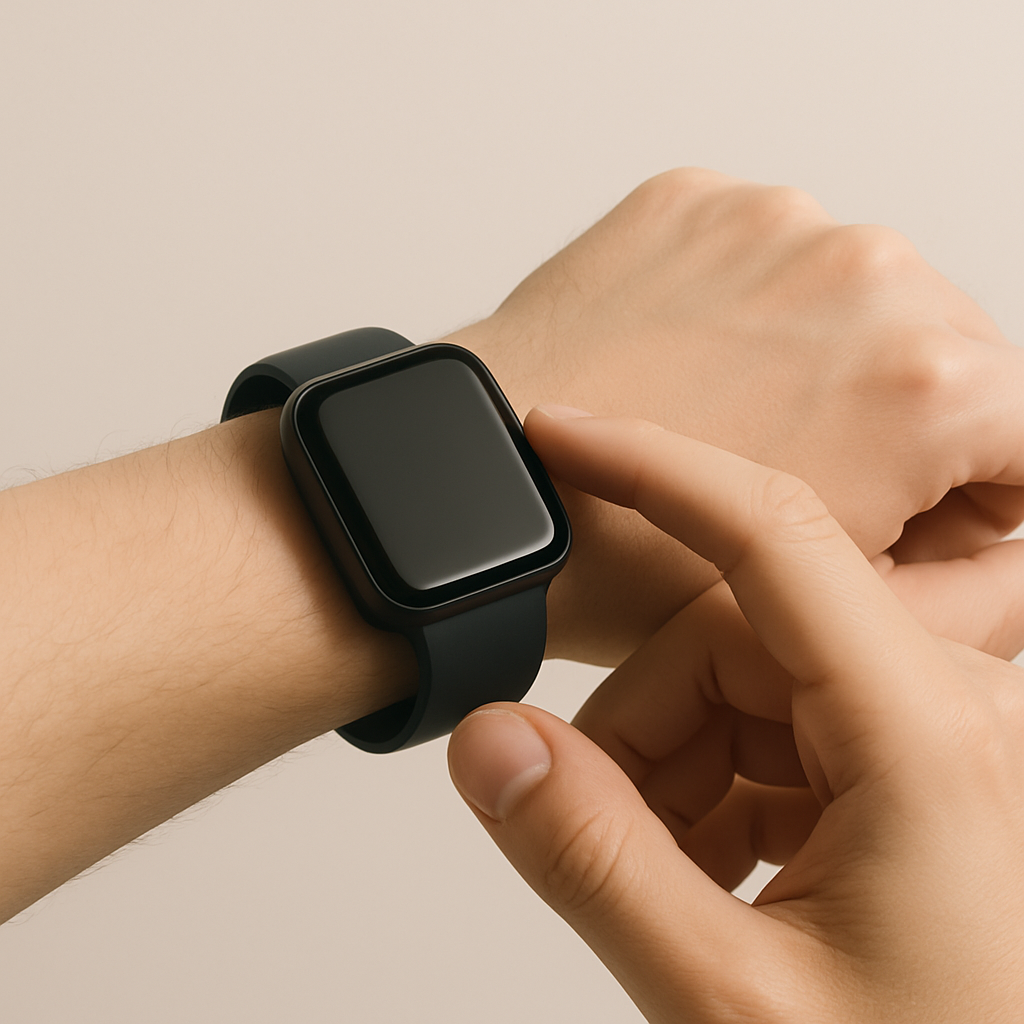
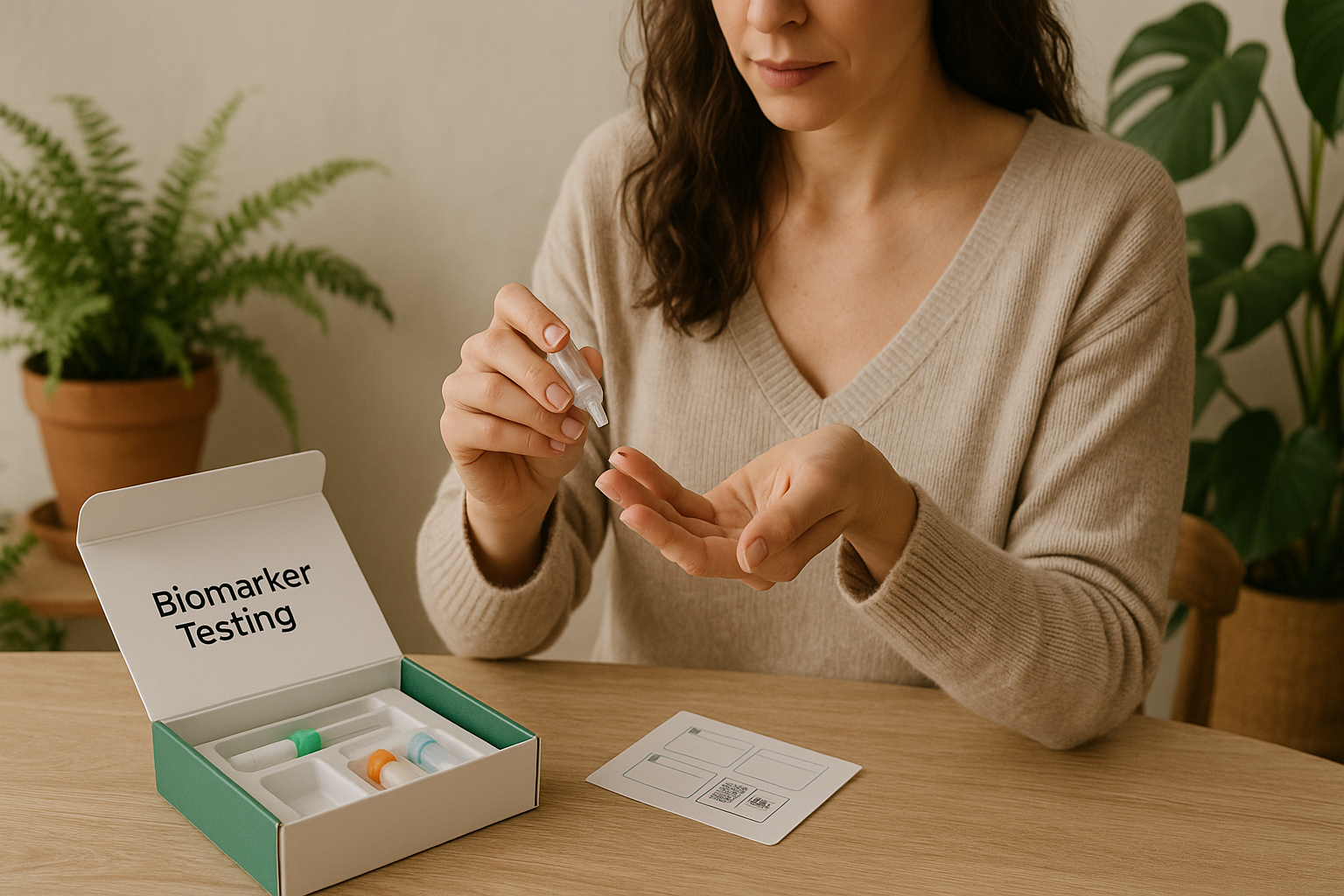
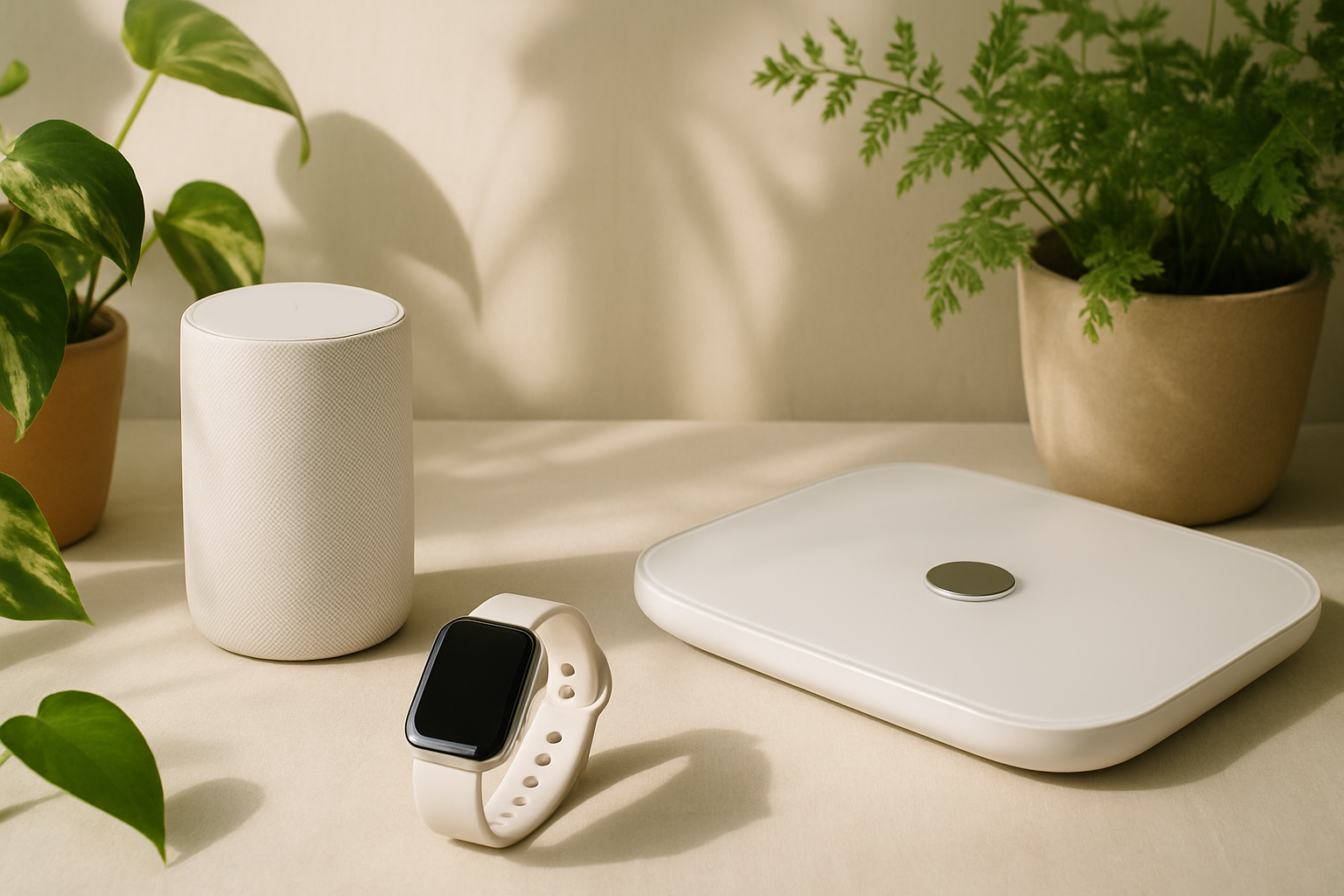
Smart wellness devices are innovative technologies designed to monitor, track, and enhance personal health and well-being. Ranging from wearable fitness trackers and smart scales to advanced sleep monitors and health-oriented apps, these devices leverage data to provide insights into various aspects of health. They serve as modern tools for individuals seeking to engage with their wellness proactively.
These devices often connect to smartphones or other digital platforms, allowing users to access real-time data, set personal health goals, and receive tailored feedback. By harnessing the power of technology, smart wellness devices aim to empower individuals to take charge of their health and make informed lifestyle choices.
Mechanism / How It Works
Most smart wellness devices operate through sensors that collect data about physiological parameters. For example, fitness trackers typically use accelerometers and heart rate monitors to assess physical activity levels, while smart scales analyze body composition metrics using bioelectrical impedance.
Once data is collected, it is transmitted to a smartphone app or cloud-based platform, where algorithms analyze the information. Users can then visualize trends, set goals, and receive recommendations based on their unique health profiles. Many devices also feature reminders or alerts to encourage consistent health behaviors.
Evidence Summary
The effectiveness of smart wellness devices varies, with some studies demonstrating positive outcomes in promoting physical activity, improving sleep quality, and enhancing overall health awareness. For example, research has shown that wearable fitness trackers can significantly increase daily steps and physical activity levels among users.
However, the evidence is not uniformly conclusive. Some studies report minimal impact on long-term lifestyle changes, and user engagement can wane over time. While there is promising preliminary evidence supporting the use of these devices, more extensive clinical trials are needed to establish definitive benefits and understand potential limitations.
Practical Application
To integrate smart wellness devices into daily life effectively, individuals should follow a few practical protocols:
- Set Clear Goals: Define specific health objectives, such as increasing daily steps or improving sleep patterns.
- Routine Monitoring: Regularly check data and adjust health behaviors based on insights gained from the device.
- Stay Engaged: Utilize app features such as community support or challenges to maintain motivation.
Common pitfalls include over-reliance on technology without addressing underlying health behaviors and ignoring device recommendations. It's essential to combine the use of devices with holistic wellness practices for optimal results.
Relevant Biomarkers & Tracking
Smart wellness devices can track various biomarkers relevant to health and wellness, including:
- Heart Rate
- Steps Taken
- Sleep Quality and Duration
- Caloric Intake and Expenditure
- Body Composition (e.g., weight, body fat percentage)
By monitoring these metrics, users can gain valuable insights into their overall health and make informed decisions about their lifestyle choices.
Body Systems Supported
Smart wellness devices can support multiple body systems, including:
- Cardiovascular System: Through heart rate monitoring and activity tracking.
- Musculoskeletal System: By encouraging physical activity and movement.
- Endocrine System: Through tracking sleep patterns, which can affect hormone regulation.
- Nervous System: By promoting mindfulness and stress reduction through breathing exercises or guided meditations integrated into apps.
Common Goals
Individuals often use smart wellness devices to achieve various health-related goals, such as:
- Improving physical fitness
- Enhancing sleep quality
- Weight management
- Increasing mindfulness and reducing stress
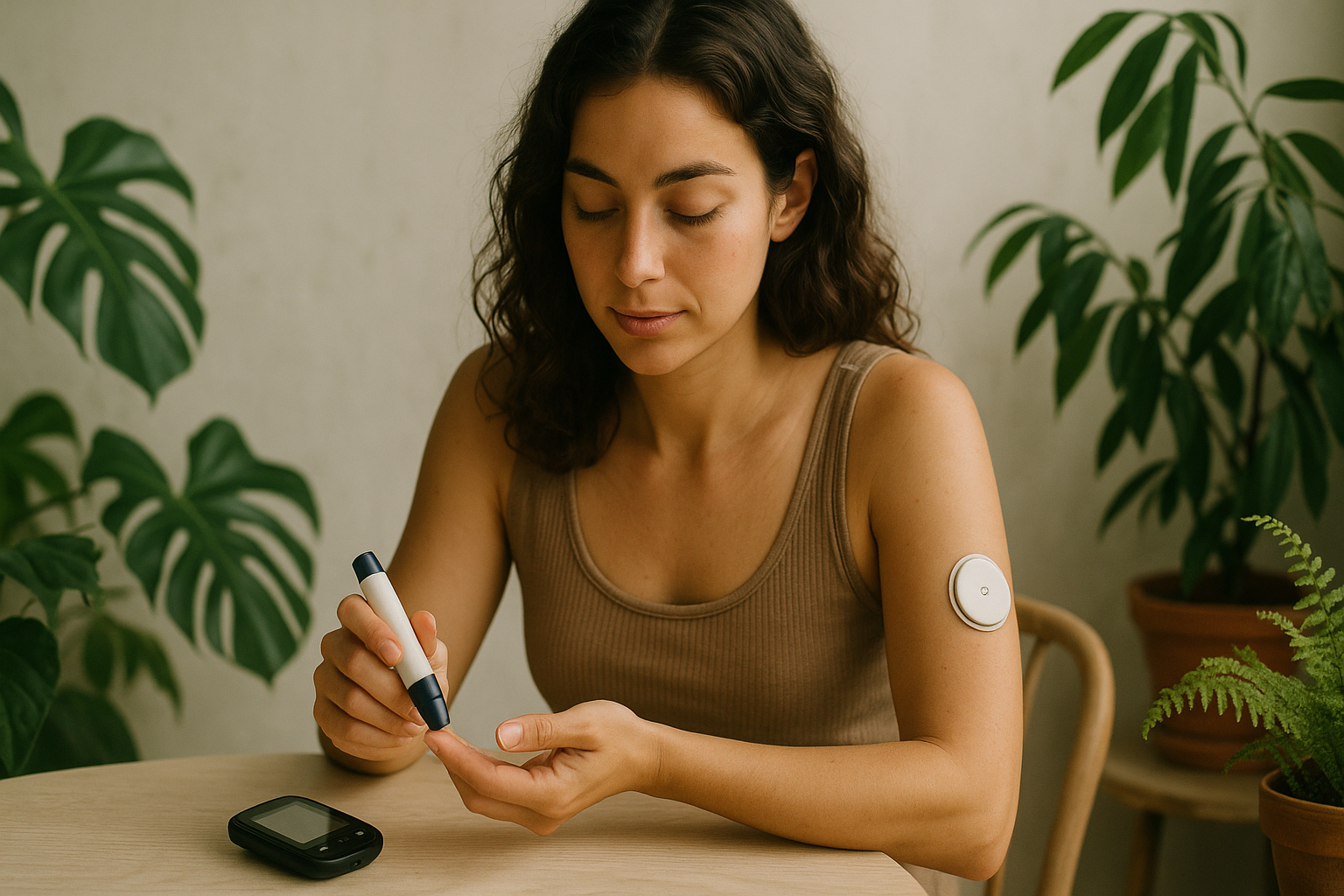
- Tracking chronic health conditions
Safety, Contraindications & Edge Cases
While smart wellness devices are generally safe for most individuals, there are some considerations to keep in mind:
- Some users may experience skin irritation from wearable devices.
- Individuals with specific medical conditions should consult healthcare professionals before using devices that monitor vital signs.
- Data privacy is a concern; users should ensure their information is stored securely and understand how it is used.
It's essential to approach the use of these devices as complementary tools rather than replacements for professional medical advice or treatment.
Pairs Well With
Smart wellness devices often pair well with traditional wellness practices, including:
- Mindfulness Techniques: Such as meditation or yoga, which can enhance the benefits of sleep and stress management tracking.
- Nutrition Guidance: Incorporating healthy eating habits to complement caloric and nutritional tracking.
- Physical Therapy: Using data from devices to inform rehabilitation exercises and track progress.
FAQs (5)
What types of smart wellness devices are available?
There are various types of smart wellness devices, including fitness trackers, smart scales, sleep monitors, and health apps.
Can smart wellness devices help with weight loss?
Yes, many users find that tracking their activity and caloric intake helps them achieve weight loss goals.
Are there any risks associated with using smart wellness devices?
While generally safe, some users may experience skin irritation or privacy concerns related to data security.
How do I choose the right smart wellness device for me?
Consider your specific health goals, the metrics you want to track, and your budget when selecting a device.
How can I stay motivated while using these devices?
Utilizing app features like challenges, community support, and setting achievable goals can help maintain motivation.
Frequently asked
What types of smart wellness devices are available?
There are various types of smart wellness devices, including fitness trackers, smart scales, sleep monitors, and health apps.
Can smart wellness devices help with weight loss?
Yes, many users find that tracking their activity and caloric intake helps them achieve weight loss goals.
Are there any risks associated with using smart wellness devices?
While generally safe, some users may experience skin irritation or privacy concerns related to data security.
How do I choose the right smart wellness device for me?
Consider your specific health goals, the metrics you want to track, and your budget when selecting a device.
How can I stay motivated while using these devices?
Utilizing app features like challenges, community support, and setting achievable goals can help maintain motivation.