Health Monitoring
Explore how health monitoring technologies can enhance your wellness journey by tracking vital health metrics and supporting informed lifestyle choices.

Health Monitoring within Wellness Technology encompasses tools and practices that enable individuals to track and improve their health and well-being. These technologies range from wearable devices to mobile applications focused on health metrics, helping users to become more engaged in their personal health management.
What It Is
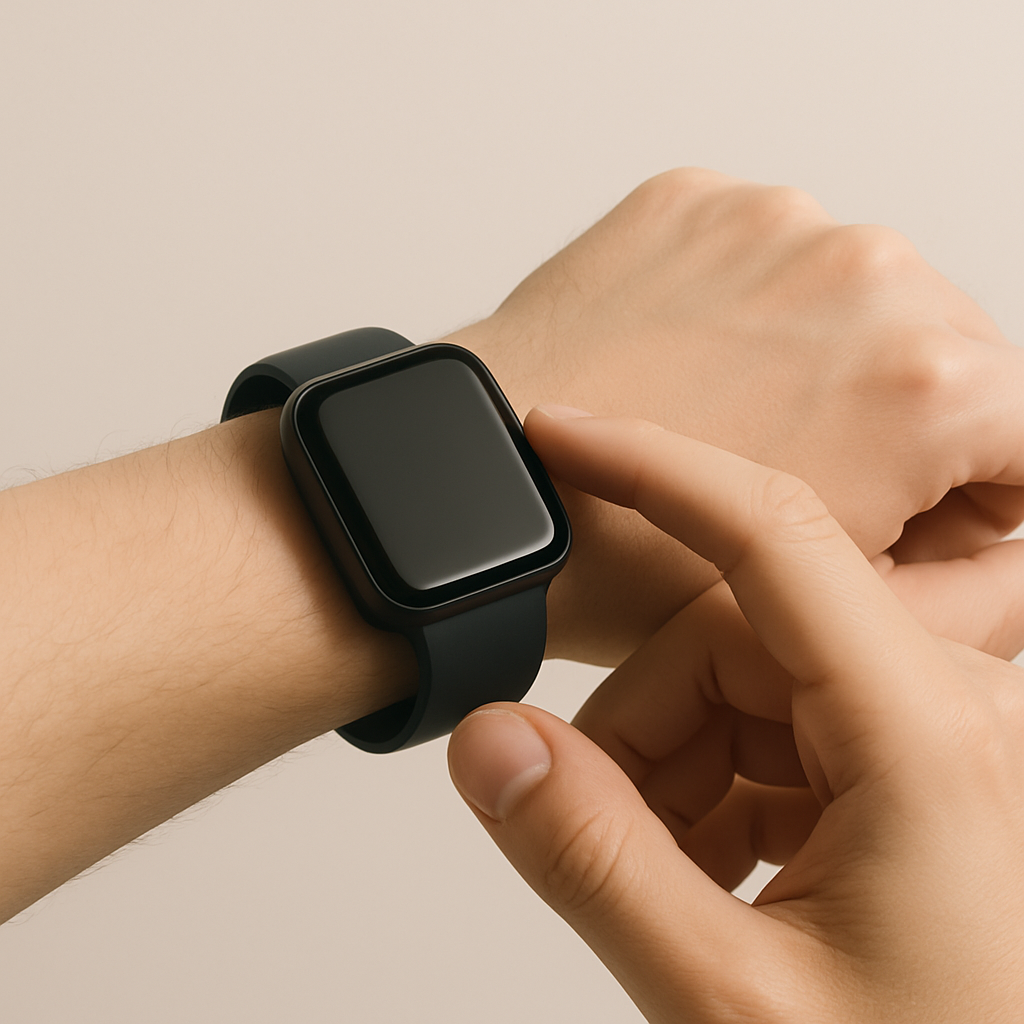
Health Monitoring is a subset of Wellness Technology that involves the use of various tools and devices to track health metrics, providing individuals with insights into their physical and mental well-being. These technologies can include wearable devices, mobile applications, and other digital platforms that record, analyze, and display health-related data. The primary aim is to empower users to take proactive steps towards improving their health outcomes by making informed decisions based on real-time information.
Through consistent tracking and monitoring, individuals can identify trends in their health metrics over time, allowing for personalized insights and actionable recommendations. This self-monitoring can lead to greater awareness and motivation to maintain or improve one's health, ultimately contributing to enhanced overall wellness.
Mechanism / How It Works
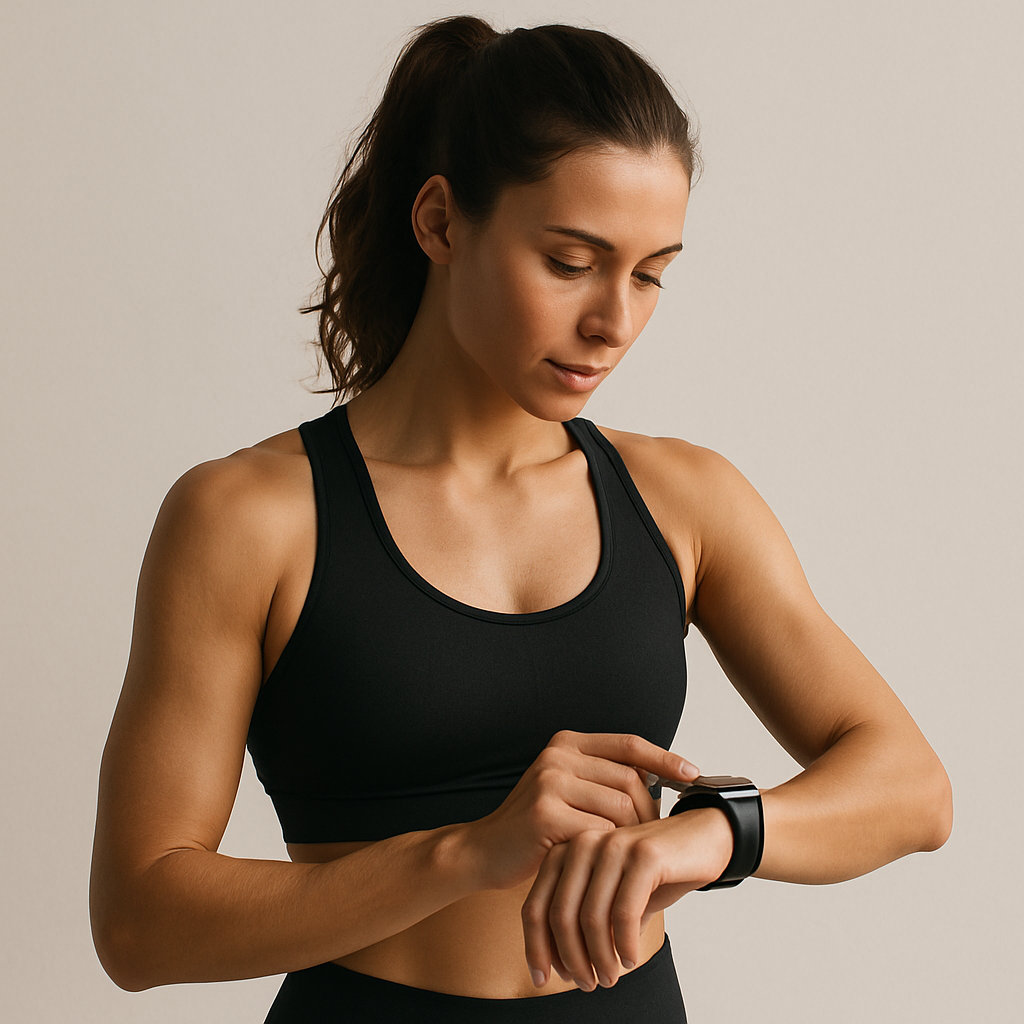
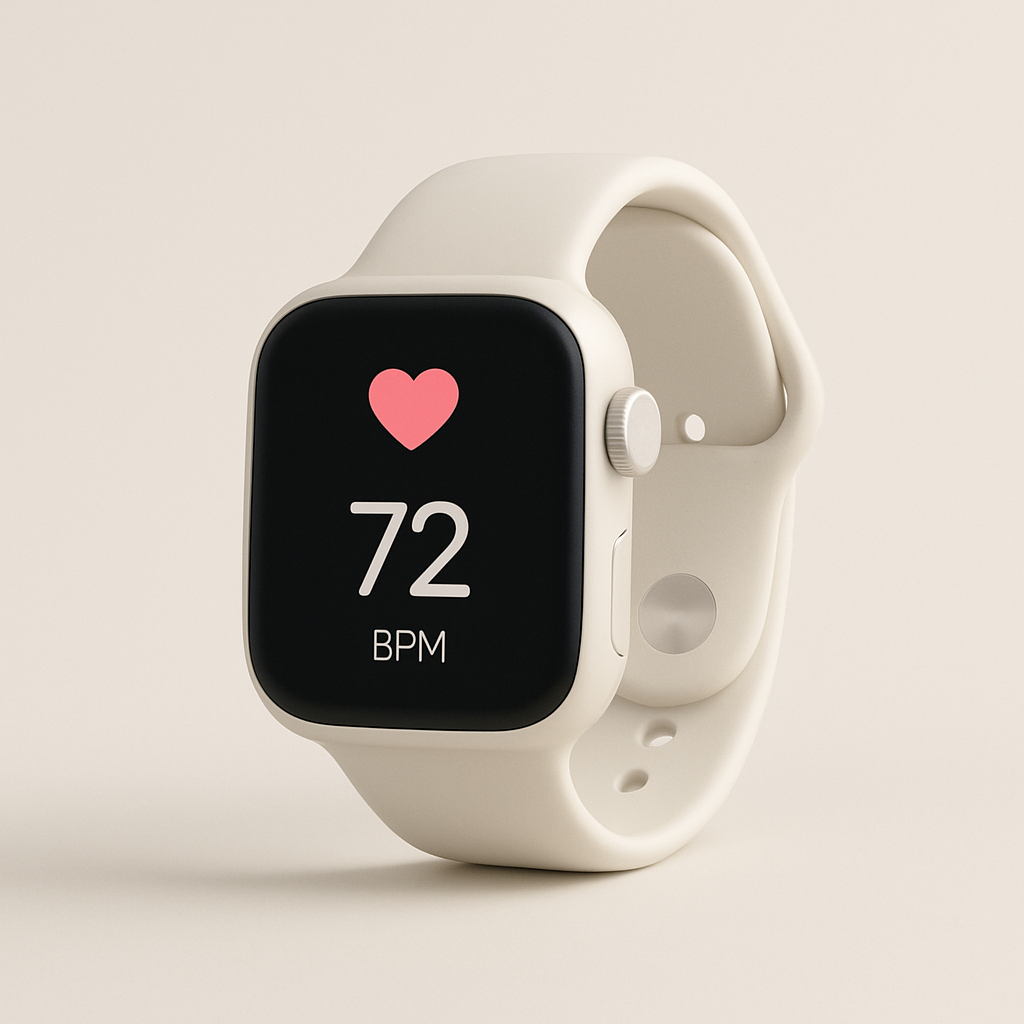
Health monitoring technologies typically operate through sensors that collect data on various health metrics. Wearable devices, for instance, can track heart rate, activity levels, sleep patterns, and even stress levels. This data is then transmitted to a smartphone or a computer application, where it is analyzed and presented in an easily digestible format.
Most health monitoring tools utilize algorithms to interpret the collected data, offering insights or alerts based on predefined criteria. For example, an app might notify a user if their heart rate exceeds a certain threshold, prompting them to take a break or engage in relaxation techniques. This real-time feedback loop enables users to track their progress and make adjustments to their daily routines as needed.
Evidence Summary
The evidence surrounding health monitoring is continually evolving, with various studies highlighting both its benefits and limitations. Preliminary research indicates that consistent use of health monitoring tools can lead to improvements in health behaviors, such as increased physical activity and better dietary choices. However, the clinical evidence is mixed; while some studies report positive health outcomes, others show minimal impact on long-term health improvement.
Conflicting findings often arise due to differences in study design, participant engagement, and adherence to monitoring protocols. As such, while health monitoring can be a valuable tool for many, it is essential to approach it with a nuanced understanding of its potential and limitations.
Practical Application
Integrating health monitoring into daily life can be done through various protocols, tailored to individual needs and preferences. Here are some practical steps:
- Establish specific health goals, such as improving physical activity or managing stress.
- Choose appropriate monitoring tools, whether wearable devices or mobile apps, that align with these goals.
- Set reminders to check and record health metrics regularly.
- Review data weekly or monthly to identify trends and make necessary lifestyle adjustments.
Common pitfalls include over-reliance on technology for health management, potential data overload, and neglecting to consult healthcare professionals when necessary. Balance is key to using health monitoring effectively.
Relevant Biomarkers & Tracking
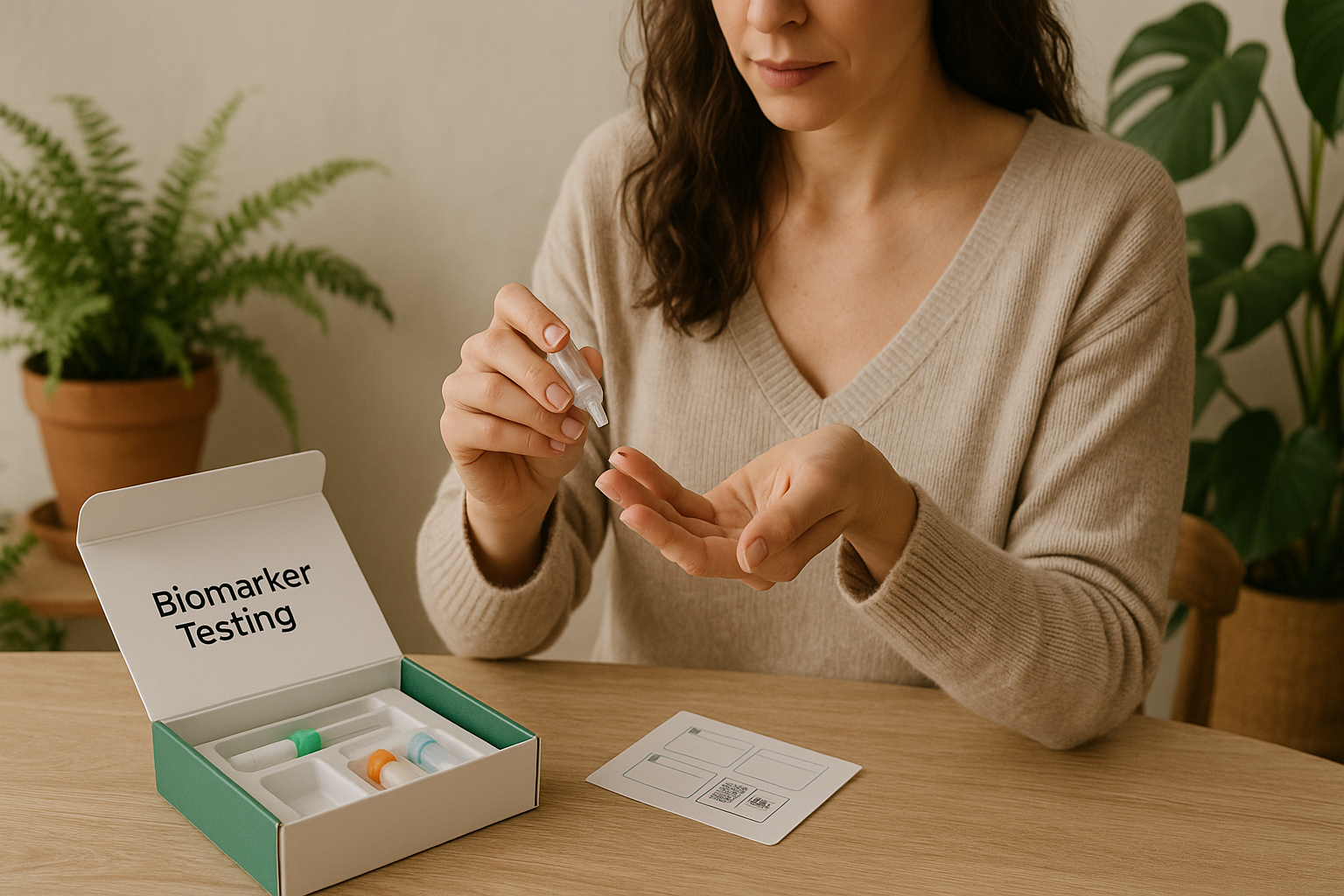
Health monitoring can track a variety of biomarkers that reflect an individual's health status. Commonly monitored metrics include:
- Heart rate
- Blood pressure
- Sleep quality
- Physical activity levels
- Caloric intake
- Stress levels
By tracking these biomarkers, individuals can gain insights into their overall health and wellness, identifying areas for improvement and monitoring progress toward their health goals.
Body Systems Supported
Health monitoring technologies support various body systems, including:
- Cardiovascular system (e.g., heart rate, blood pressure)
- Musculoskeletal system (e.g., activity tracking)
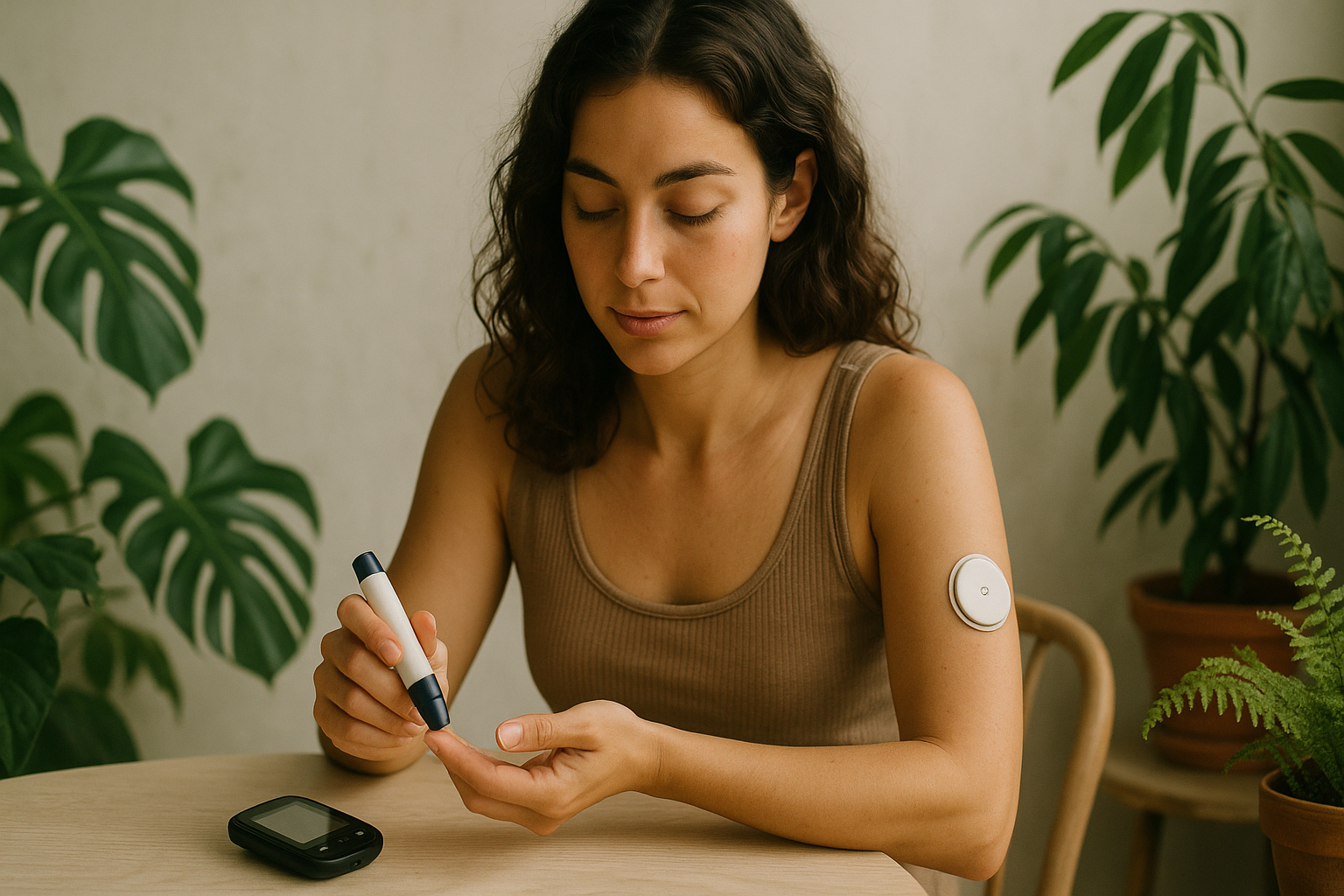
- Endocrine system (e.g., glucose monitoring for diabetics)
- Nervous system (e.g., stress and sleep quality)
By understanding which body systems are impacted, individuals can tailor their health monitoring efforts to address specific concerns or conditions.
Common Goals
Individuals utilizing health monitoring technologies often pursue several common goals, such as:
- Weight management
- Improving physical fitness
- Enhancing sleep quality
- Monitoring chronic health conditions (e.g., diabetes, hypertension)
- Reducing stress and improving mental well-being
These goals can guide how individuals use health monitoring tools to support their overall wellness journey.
Safety, Contraindications & Edge Cases
While health monitoring technologies are generally safe for most users, there are some considerations to keep in mind:
- Individuals with specific health conditions should consult with healthcare providers before starting any monitoring program.
- Data privacy and security are critical, as health data can be sensitive.
- Over-reliance on technology for health decisions can lead to anxiety or misinformation.
In edge cases, such as athletes or individuals with complex health issues, tailored monitoring strategies may be necessary for effective and safe use.
Pairs Well With
Health monitoring technologies can be complemented by various ancient or natural wellness practices, such as:
- Meditation and mindfulness practices to manage stress levels
- Nutrition guidance based on whole foods and balanced diets
- Physical activities like yoga or tai chi for holistic health
Integrating these practices can enhance the benefits of health monitoring, providing a more comprehensive approach to wellness.
FAQs (5)
- What types of health metrics can I monitor?
You can monitor a variety of metrics, including heart rate, sleep quality, physical activity, and more, depending on the tools you use.
- Are health monitoring devices accurate?
The accuracy of health monitoring devices can vary; it's essential to choose reputable brands and consult with healthcare professionals when interpreting data.
- Can health monitoring help with weight loss?
Yes, many users find that tracking their activity and dietary habits can aid in weight management and motivate healthier choices.
- Is it necessary to consult a doctor before using health monitoring tools?
While not always necessary, consulting a healthcare provider can be beneficial, especially for individuals with existing health conditions.
- How often should I check my health metrics?
This can vary based on individual goals; however, regular weekly or monthly reviews are often recommended to track progress effectively.
Frequently asked
What types of health metrics can I monitor?
You can monitor a variety of metrics, including heart rate, sleep quality, physical activity, and more, depending on the tools you use.
Are health monitoring devices accurate?
The accuracy of health monitoring devices can vary; it's essential to choose reputable brands and consult with healthcare professionals when interpreting data.
Can health monitoring help with weight loss?
Yes, many users find that tracking their activity and dietary habits can aid in weight management and motivate healthier choices.
Is it necessary to consult a doctor before using health monitoring tools?
While not always necessary, consulting a healthcare provider can be beneficial, especially for individuals with existing health conditions.
How often should I check my health metrics?
This can vary based on individual goals; however, regular weekly or monthly reviews are often recommended to track progress effectively.