Recovery Devices
Discover how recovery devices can enhance your wellness journey, from understanding their mechanics to their safe use and integration into daily life.
Explore the world of recovery devices within the realm of wellness technology, focusing on their mechanisms, evidence, and practical applications.
What It Is
Recovery devices are specialized tools designed to support the body's recovery process after physical exertion, injury, or stress. These devices leverage various technologies, including electrical stimulation, compression, and heat therapy, to promote healing and enhance performance. As part of the modern wellness movement, they are increasingly popular among athletes, fitness enthusiasts, and individuals seeking to mitigate the effects of stress and fatigue.
The primary goal of recovery devices is to accelerate recovery times, improve circulation, reduce muscle soreness, and enhance overall well-being. By addressing issues such as inflammation, muscle tightness, and fatigue, these devices provide users with a means to facilitate better recovery, allowing them to continue their physical activities with less downtime.
Mechanism / How It Works
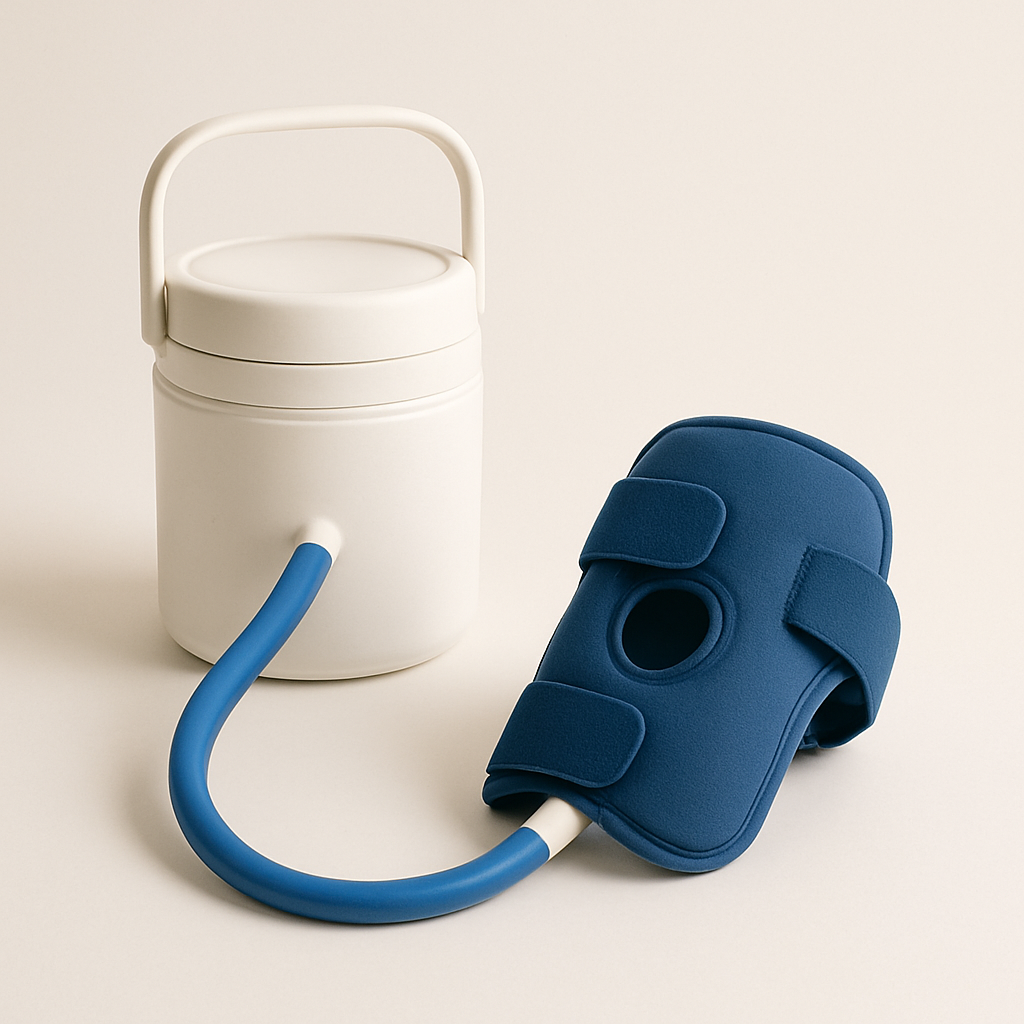
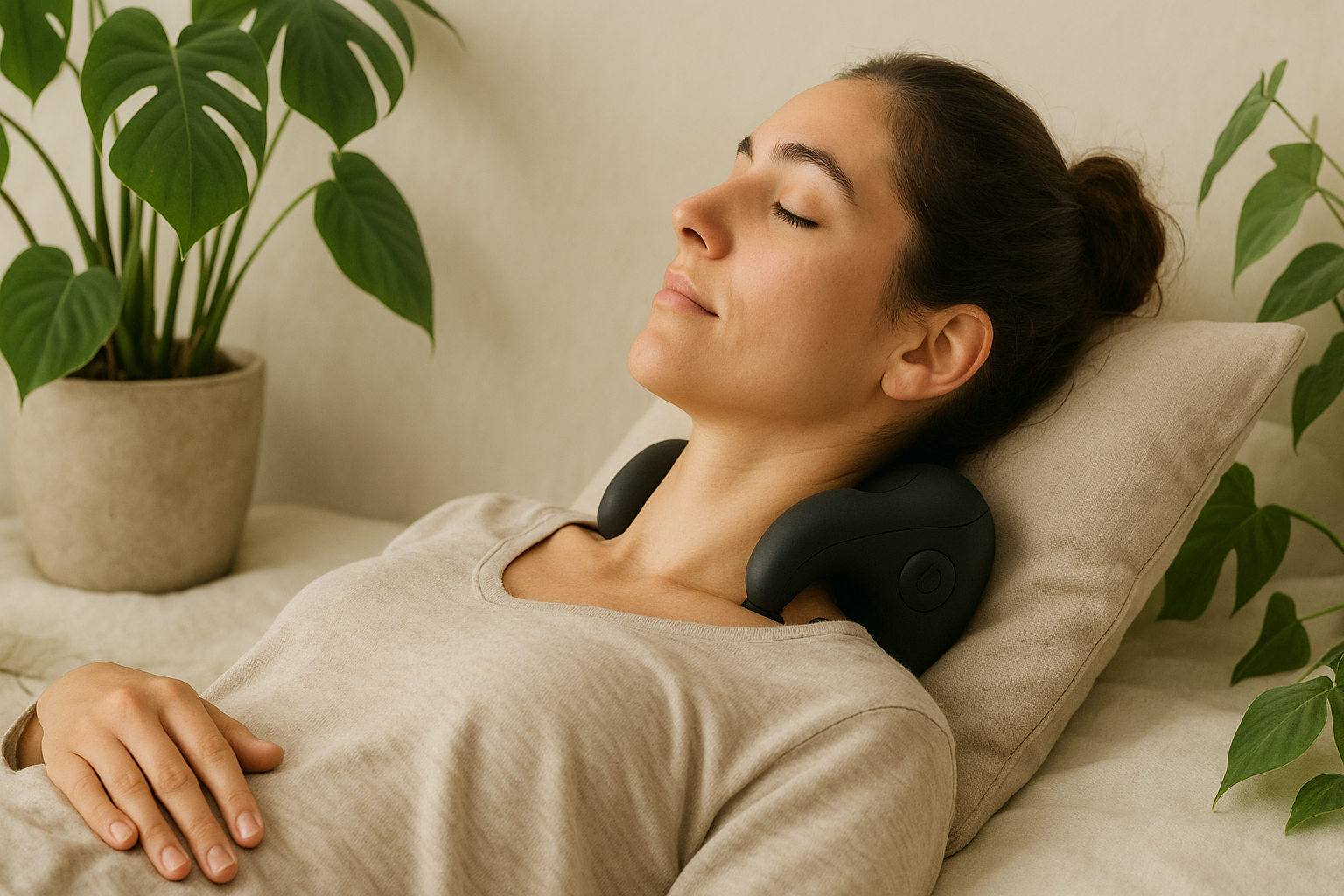
Recovery devices operate through several mechanisms, depending on the technology used. For instance, electrical stimulation devices, such as TENS (Transcutaneous Electrical Nerve Stimulation) units, work by sending electrical impulses to the muscles, which can help alleviate pain and promote muscle relaxation. Compression devices, on the other hand, apply pressure to specific areas of the body to enhance blood flow and reduce swelling.
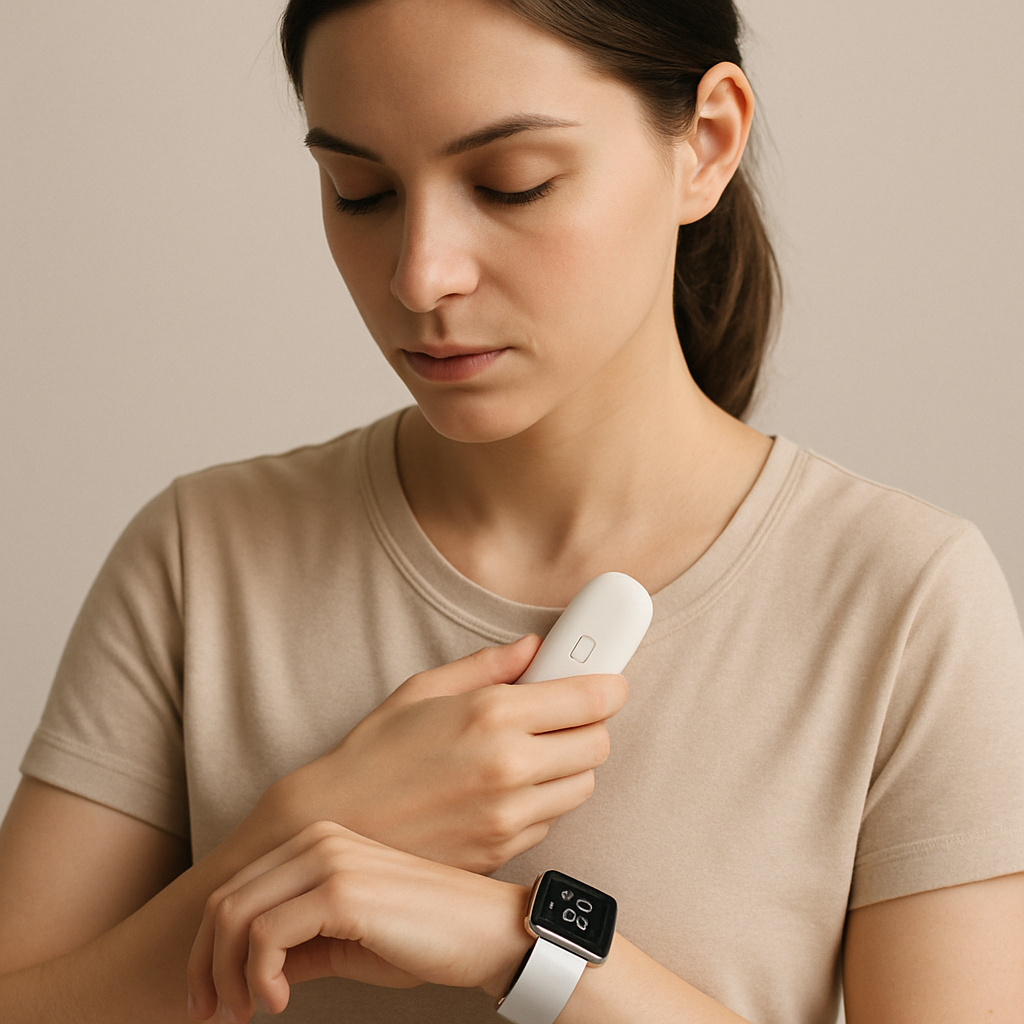
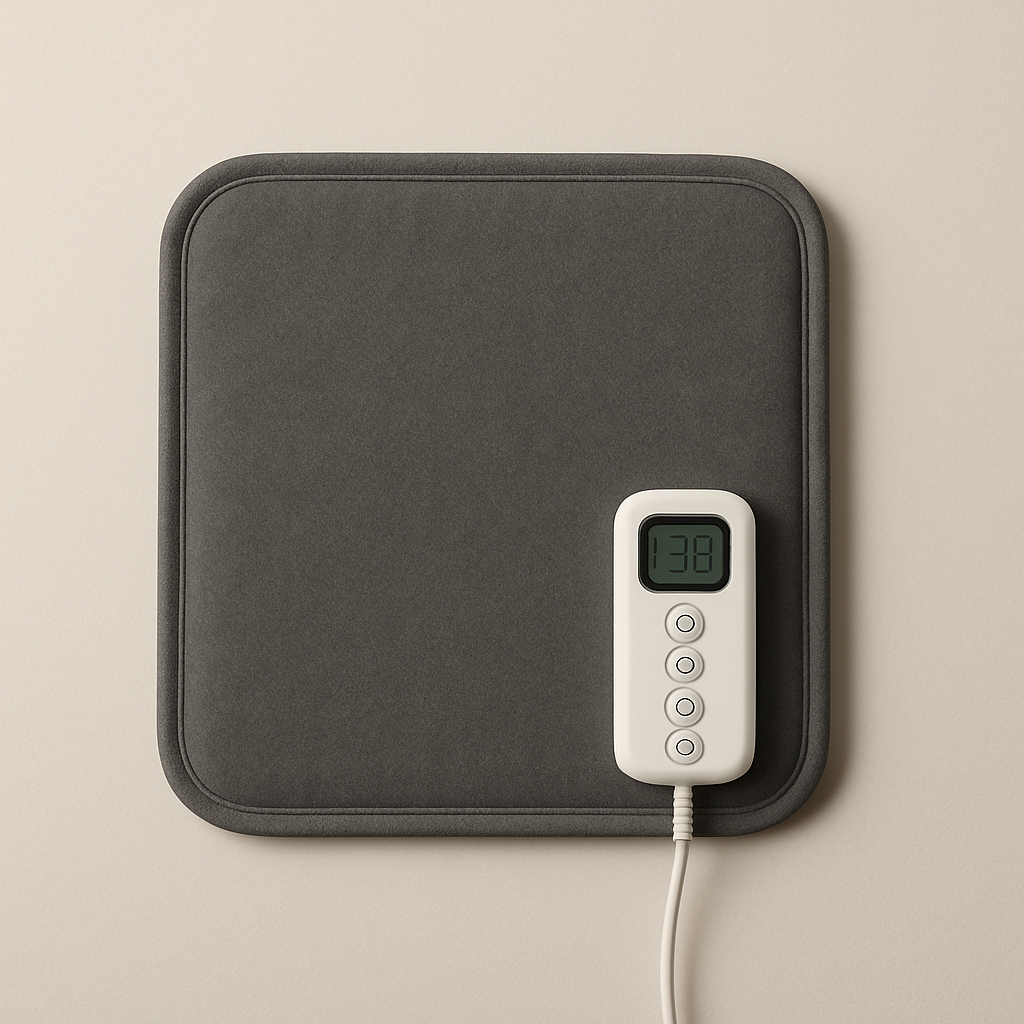
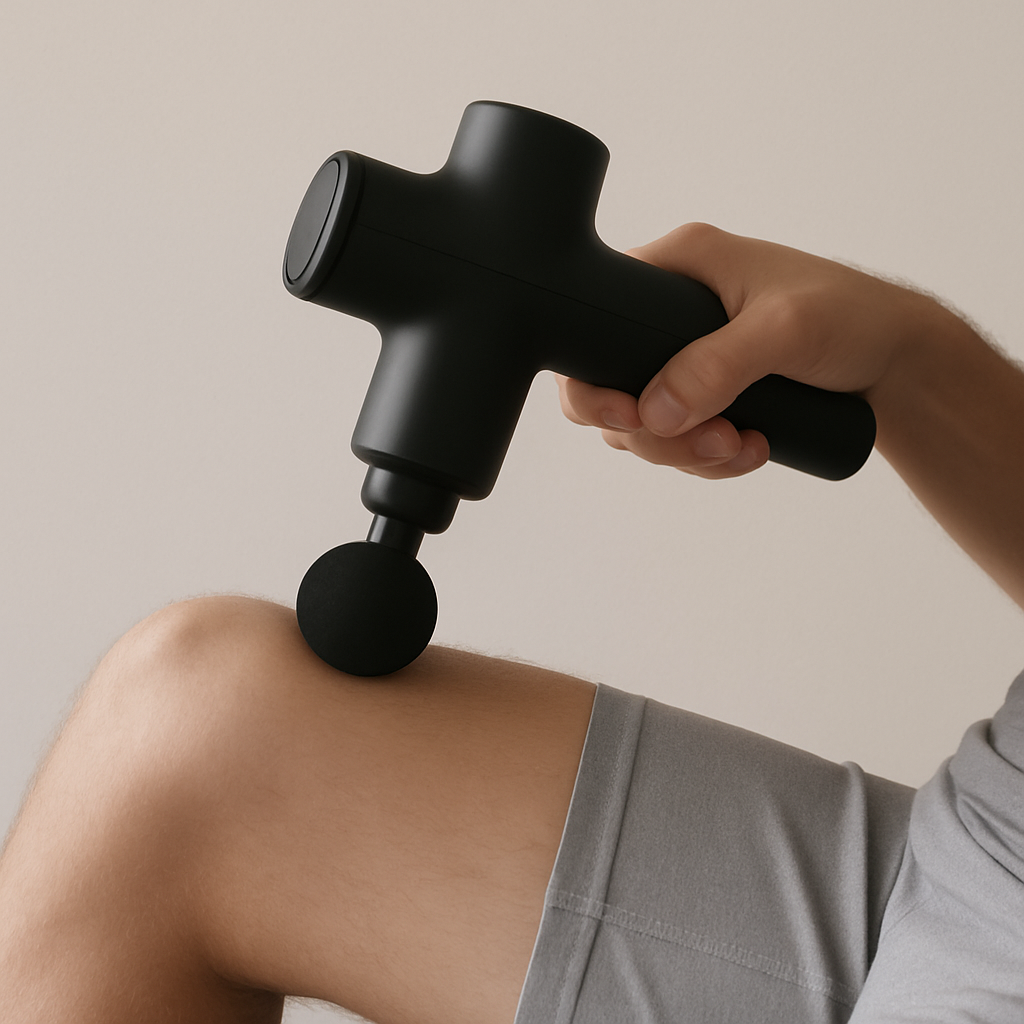
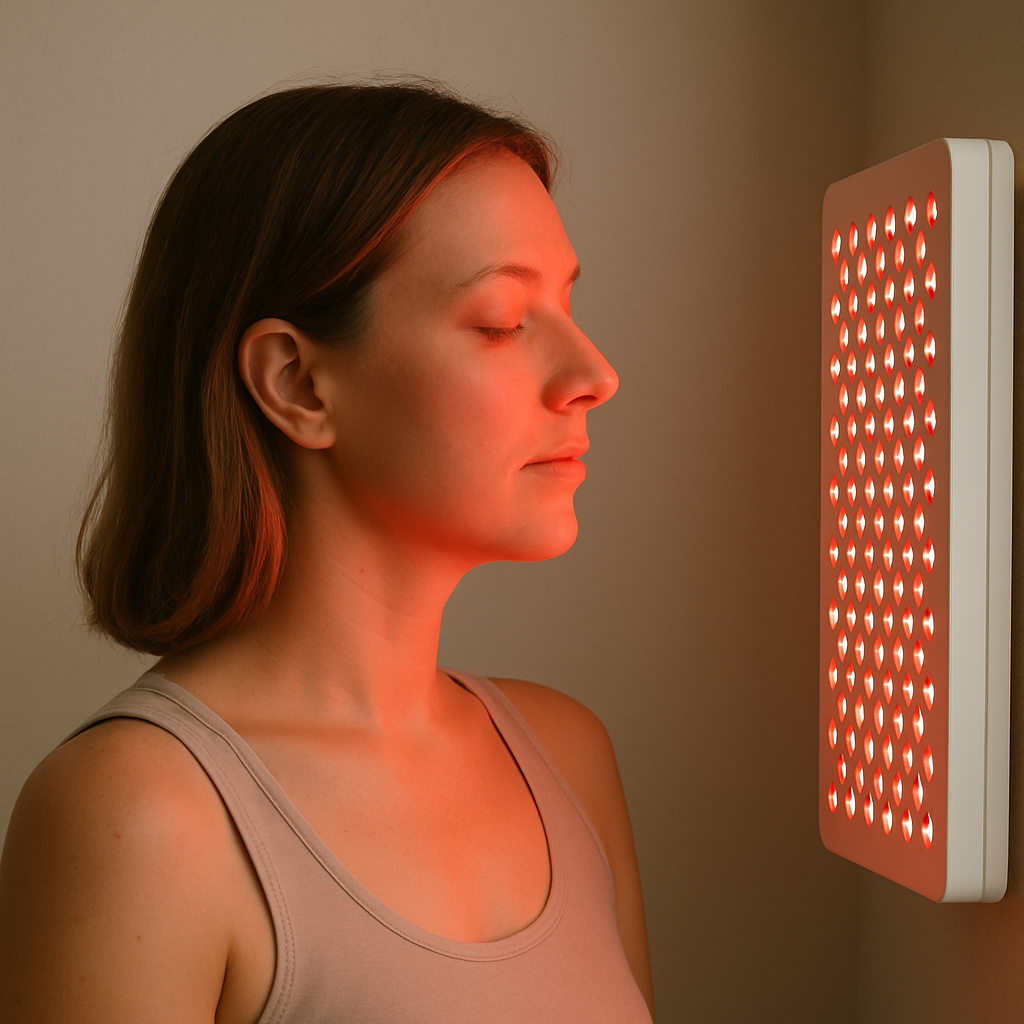
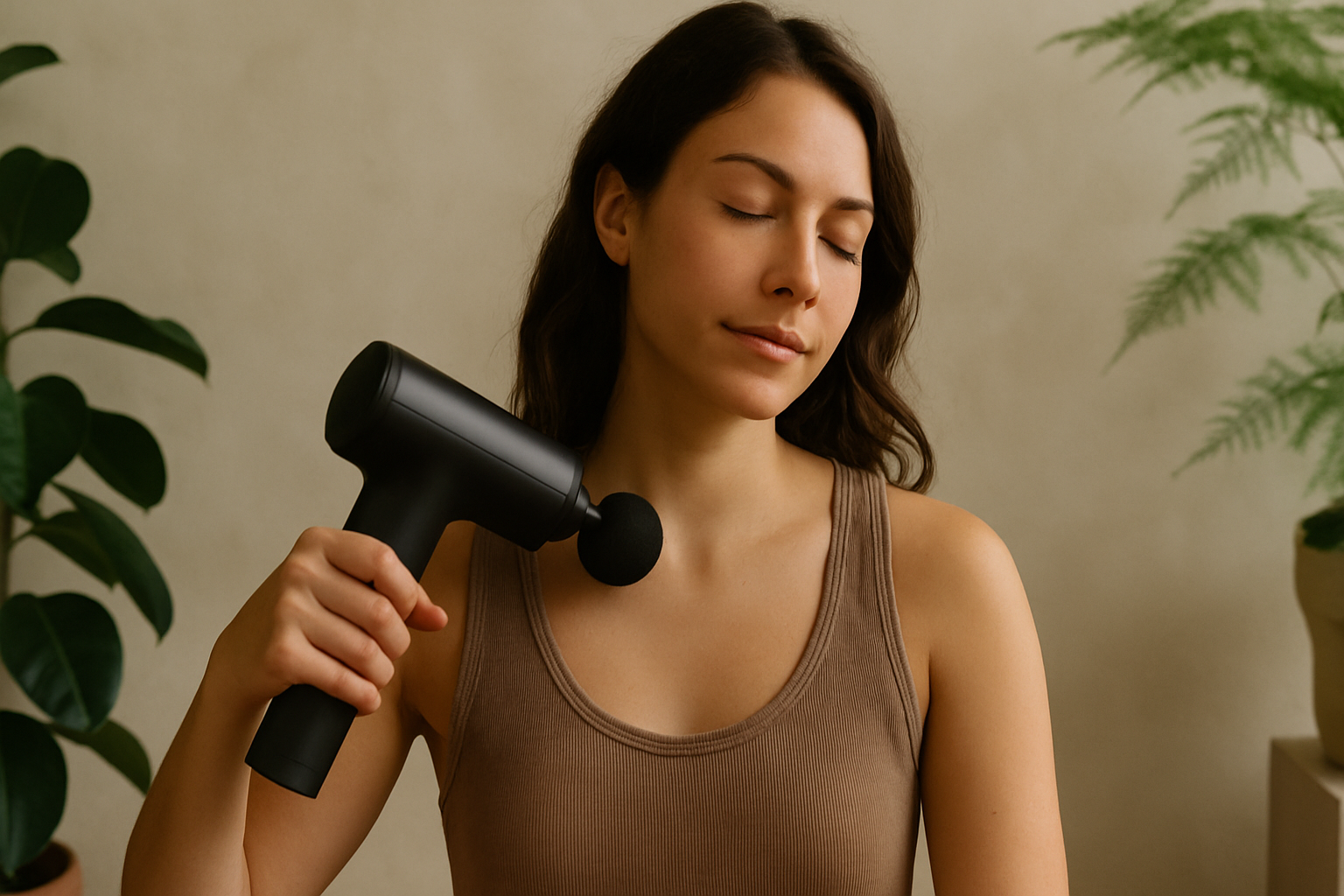
Heat therapy devices utilize infrared or thermal heat to increase blood circulation and relax muscles, while foam rollers and massage guns provide manual therapy through targeted pressure and vibration. Each device targets the body's recovery processes differently, but the overarching principle remains the same: to promote healing and restore function.
Evidence Summary
The evidence surrounding recovery devices varies widely depending on the type and its intended use. Some studies suggest that devices like compression garments can effectively reduce muscle soreness and improve recovery times, particularly after intense exercise. However, results can be inconsistent, and more research is often needed to establish definitive conclusions.
For electrical stimulation devices, preliminary evidence indicates potential benefits for pain management and muscle rehabilitation. Clinical trials have shown mixed results, with some reporting significant improvements while others find minimal impact. It is essential to approach these devices with a critical mindset, recognizing that while they may offer benefits, they are not a substitute for traditional recovery methods such as rest, hydration, and nutrition.
Practical Application
- Frequency: Use recovery devices after intense workouts or when experiencing muscle soreness. The frequency of use can vary based on individual needs.
- Duration: Follow manufacturer guidelines for how long to use each device to achieve optimal results without overdoing it.
- Listen to Your Body: Pay attention to how your body responds to each device. If you experience pain or discomfort, discontinue use and consult with a healthcare professional.
- Combine with Other Recovery Methods: Use recovery devices in conjunction with hydration, nutrition, stretching, and adequate rest for a holistic approach to recovery.
Common pitfalls include over-reliance on devices at the expense of other recovery strategies and improper usage that could lead to injury. Always educate yourself on the proper use of each device.
Relevant Biomarkers & Tracking
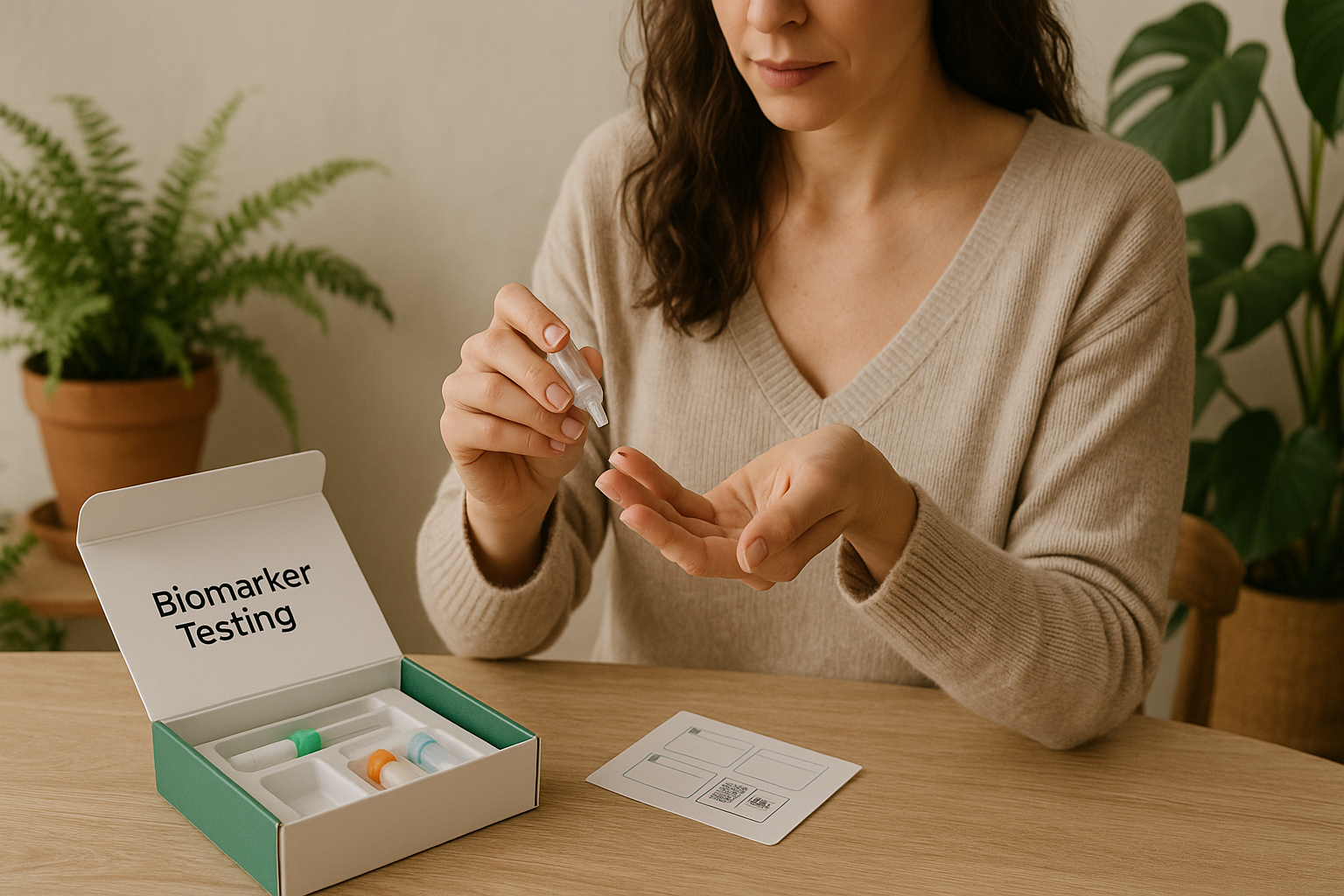
Tracking recovery can involve various biomarkers that indicate the body's healing processes. Some relevant markers include:
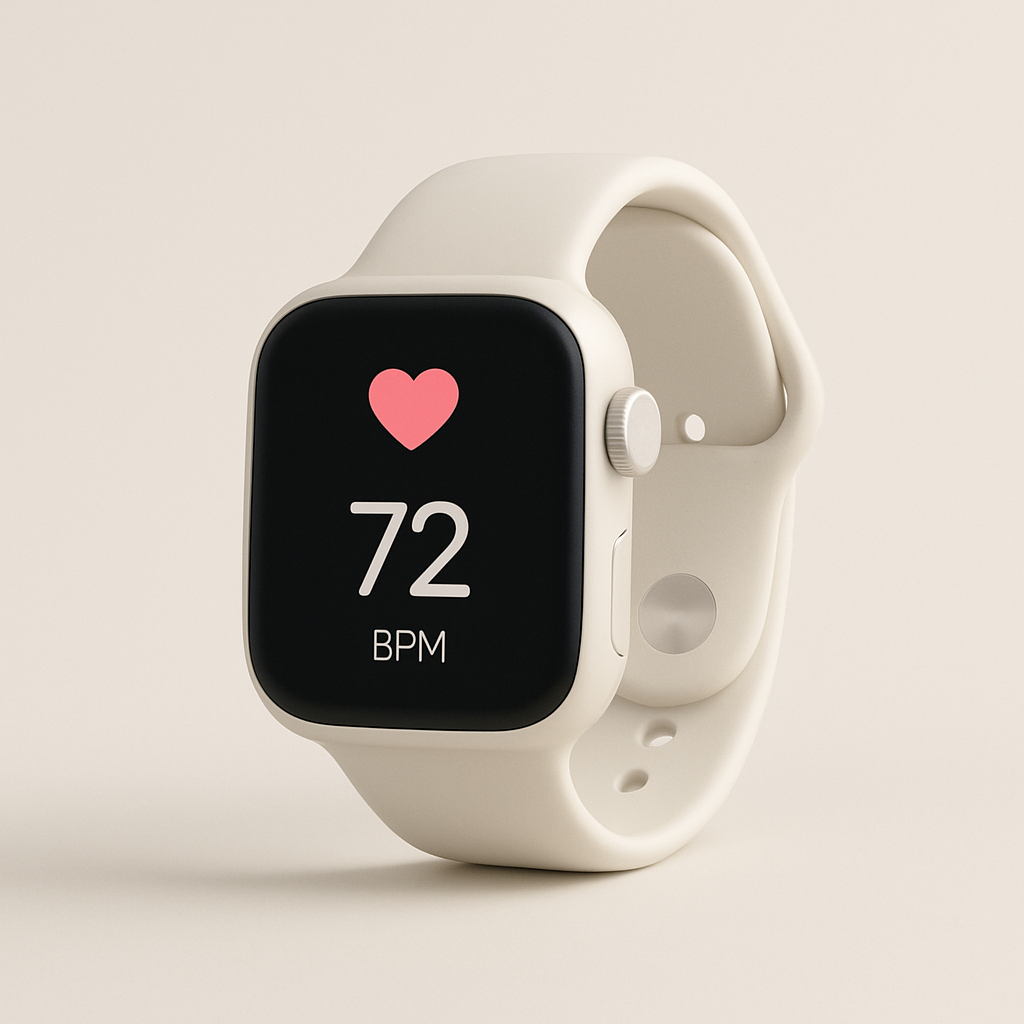
- Heart Rate Variability (HRV): A measure of autonomic nervous system function, which can indicate recovery status.
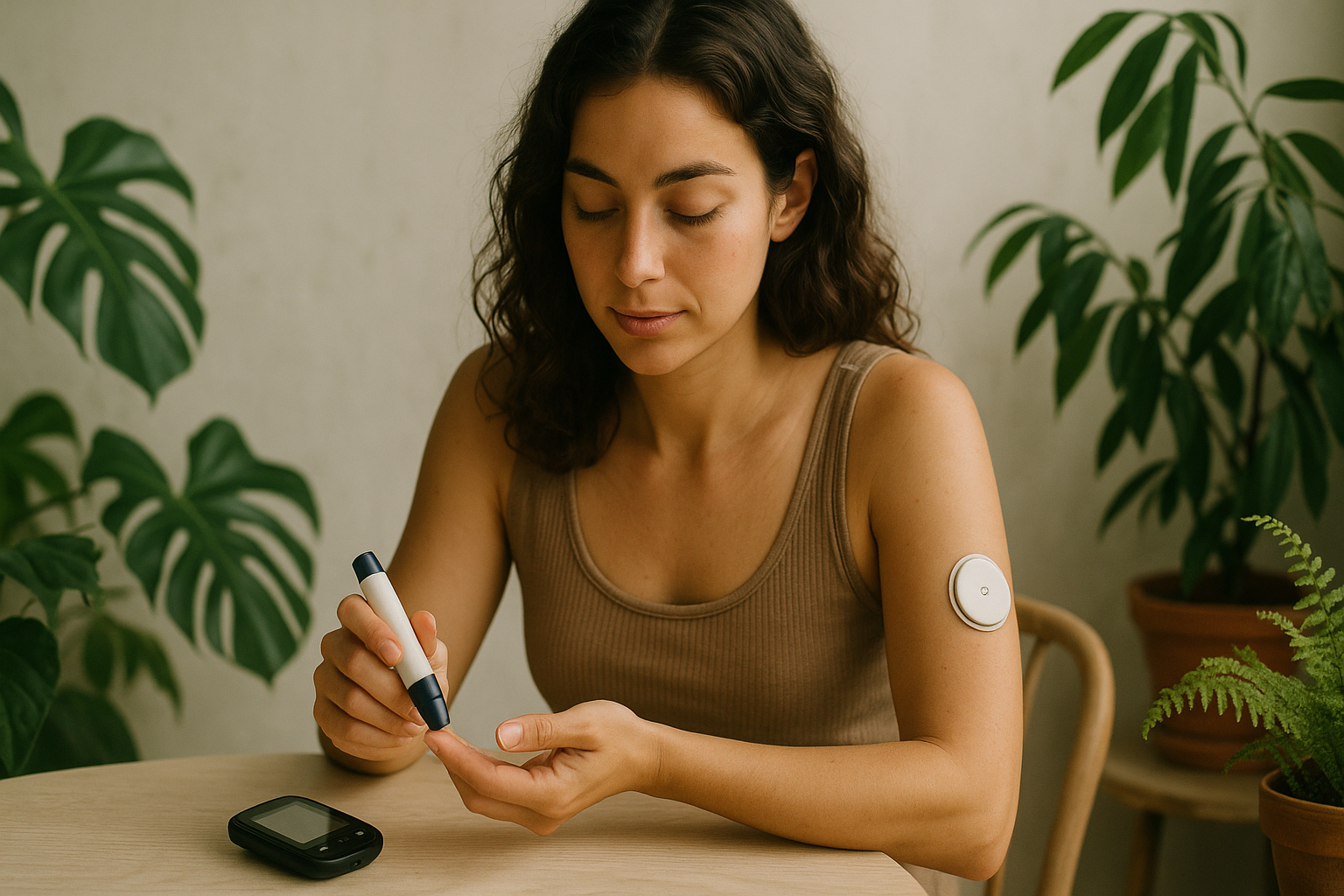
- Blood Lactate Levels: Elevated levels can indicate muscle fatigue and the need for recovery.
- Muscle Soreness Ratings: Self-reported soreness levels can help gauge the effectiveness of recovery interventions.
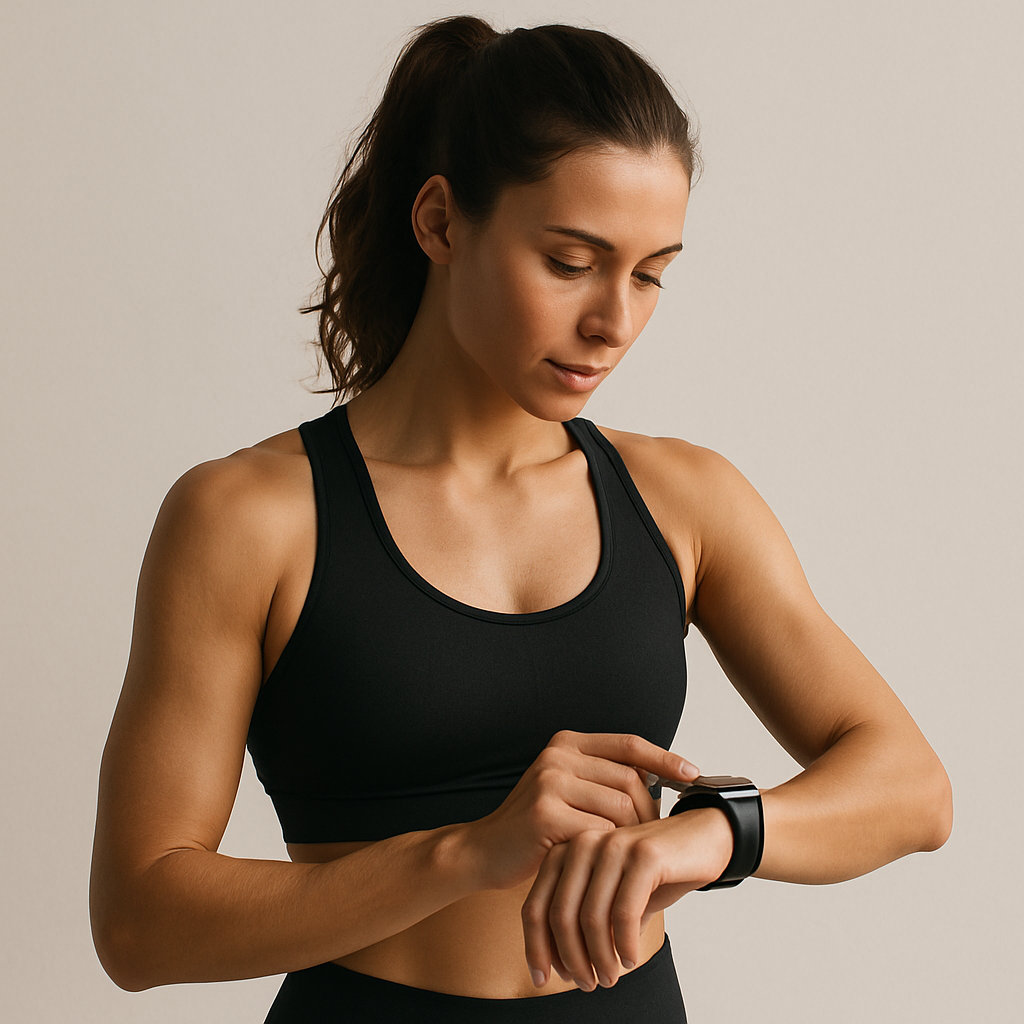
- Sleep Quality: Good sleep is crucial for recovery; tracking sleep patterns can indicate overall recovery progress.
Body Systems Supported
Recovery devices primarily support the following body systems:
- Musculoskeletal System: Aiding in recovery from muscle strain, fatigue, and injury.
- Circulatory System: Enhancing blood flow and reducing swelling and inflammation.
- Nervous System: Modulating pain perception and promoting relaxation.
Common Goals
The primary goals of using recovery devices include:
- Reducing muscle soreness and stiffness.
- Accelerating recovery time after workouts.
- Improving range of motion and flexibility.
- Enhancing overall athletic performance.
- Promoting relaxation and reducing stress levels.
Safety, Contraindications & Edge Cases
While recovery devices can be beneficial, certain precautions should be taken:
- Consult a Professional: Always consult with a healthcare provider before starting to use recovery devices, especially if you have underlying health conditions.
- Contraindications: Avoid using electrical stimulation devices on areas with open wounds, infections, or certain medical implants (e.g., pacemakers).
- Pregnancy: Some devices may not be safe for use during pregnancy; consult a healthcare provider.
Edge cases include individuals with chronic pain or specific injuries that may require tailored recovery strategies. Individual responses to recovery devices can vary widely.
Pairs Well With
Recovery devices can complement various ancient and natural wellness practices, including:
- Massage Therapy: Combining manual massage with a recovery device can enhance muscle relaxation and recovery.
- Yoga and Stretching: Incorporating gentle stretching or yoga can further promote flexibility and recovery.
- Hydrotherapy: Using water-based therapies alongside recovery devices can improve circulation and relaxation.
FAQs (5)
- What types of recovery devices are available? There are various types, including electrical stimulation units, compression garments, massage guns, and heat therapy devices.
- How often should I use a recovery device? The frequency can vary; consult device guidelines or a healthcare provider for personalized recommendations.
- Can recovery devices replace traditional recovery methods? No, they should complement traditional methods such as hydration, nutrition, and rest.
- Are there any risks associated with using recovery devices? Yes, risks include improper use, reliance on devices, and contraindications for certain medical conditions.
- How do I know if a recovery device is effective for me? Track biomarkers, listen to your body, and consult with a healthcare professional for tailored advice.
Frequently asked
What types of recovery devices are available?
There are various types, including electrical stimulation units, compression garments, massage guns, and heat therapy devices.
How often should I use a recovery device?
The frequency can vary; consult device guidelines or a healthcare provider for personalized recommendations.
Can recovery devices replace traditional recovery methods?
No, they should complement traditional methods such as hydration, nutrition, and rest.
Are there any risks associated with using recovery devices?
Yes, risks include improper use, reliance on devices, and contraindications for certain medical conditions.
How do I know if a recovery device is effective for me?
Track biomarkers, listen to your body, and consult with a healthcare professional for tailored advice.