Wearable Technology
A comprehensive guide to wearable technology in wellness, covering its function, evidence, applications, and safety.
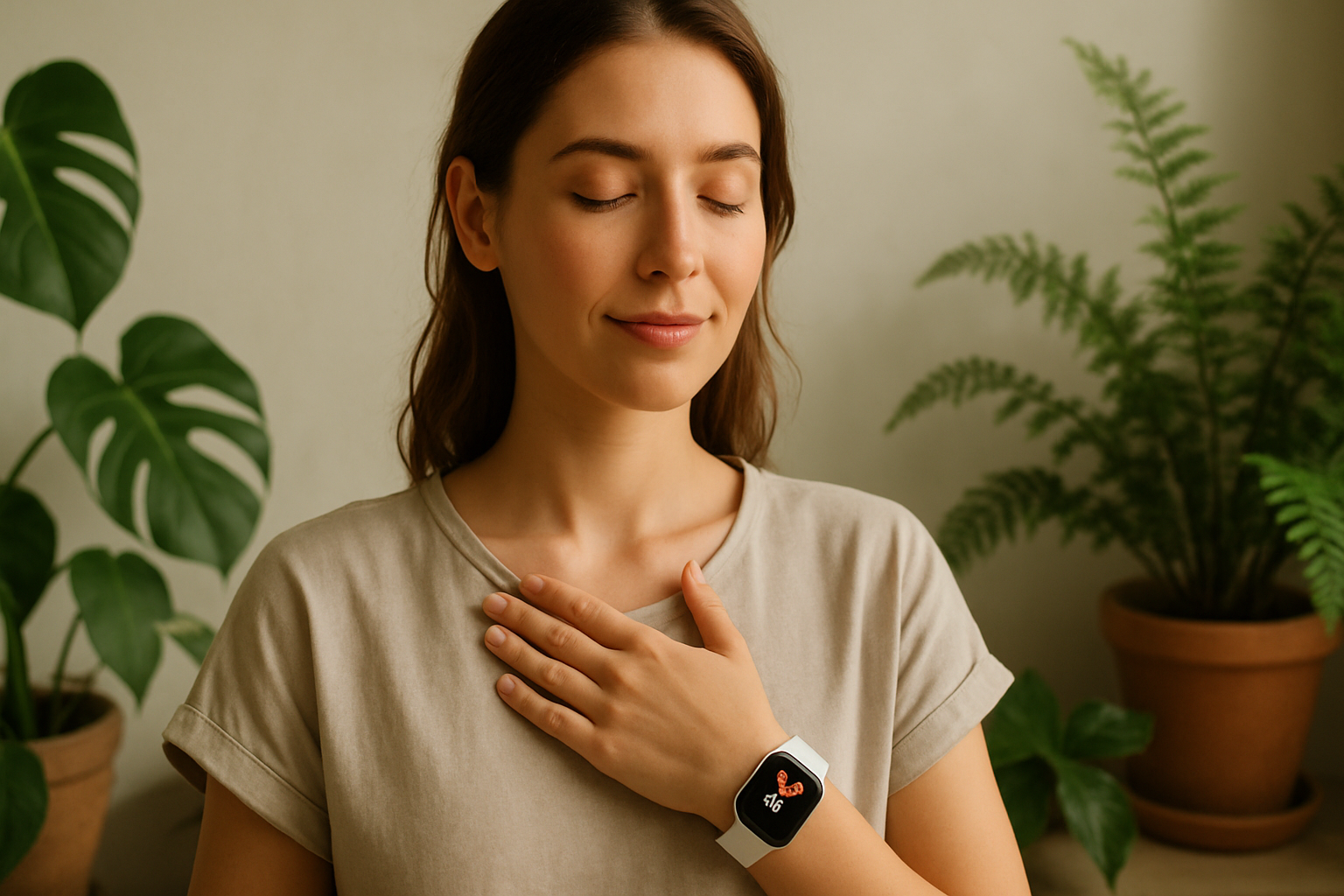
Explore the world of wearable technology within modern wellness, examining its mechanisms, evidence, practical applications, and safety considerations.
What It Is
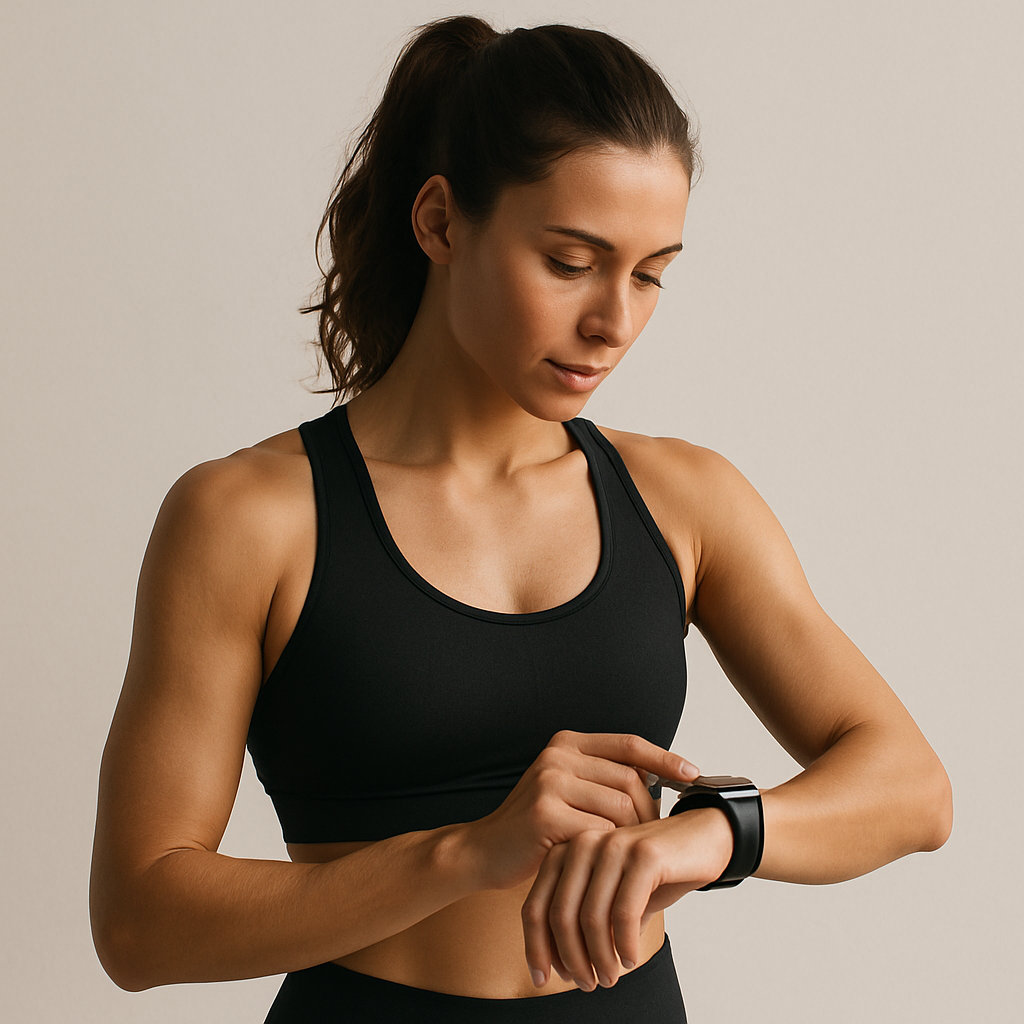
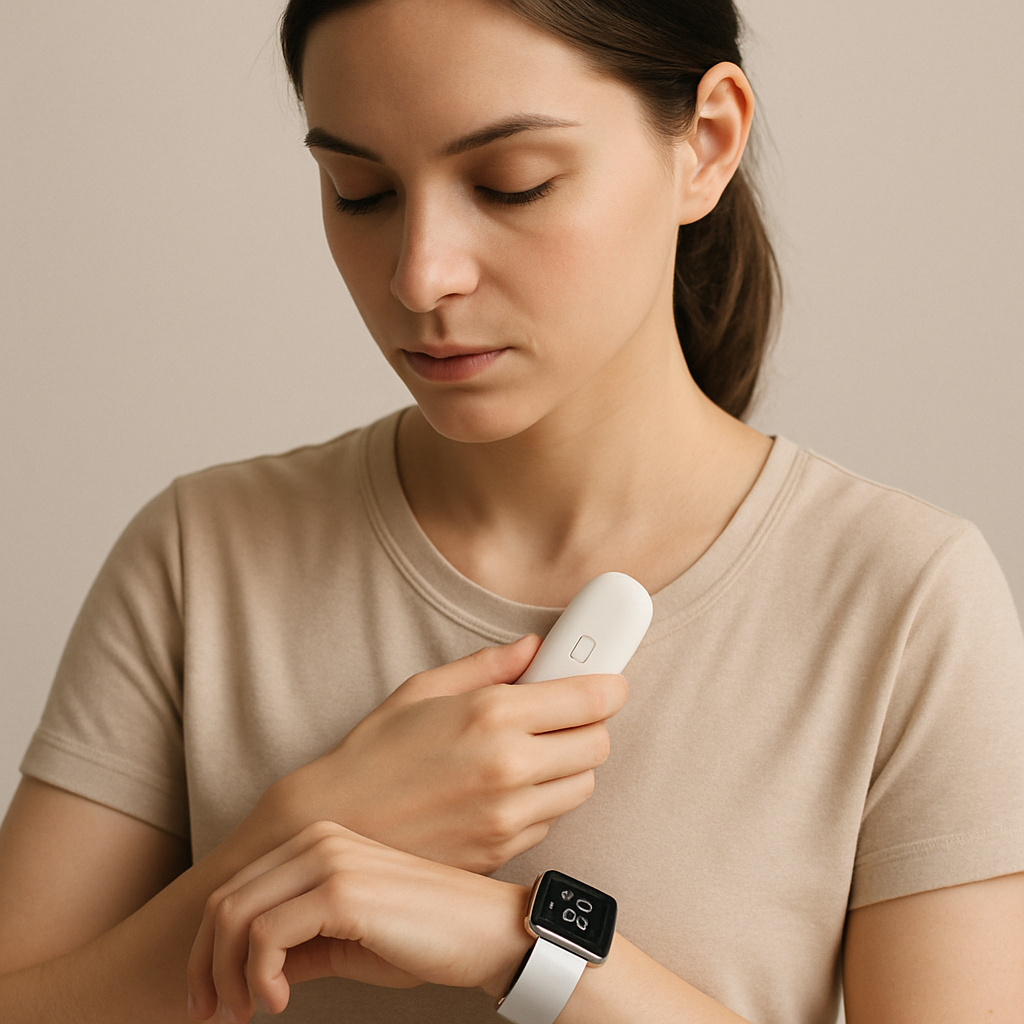
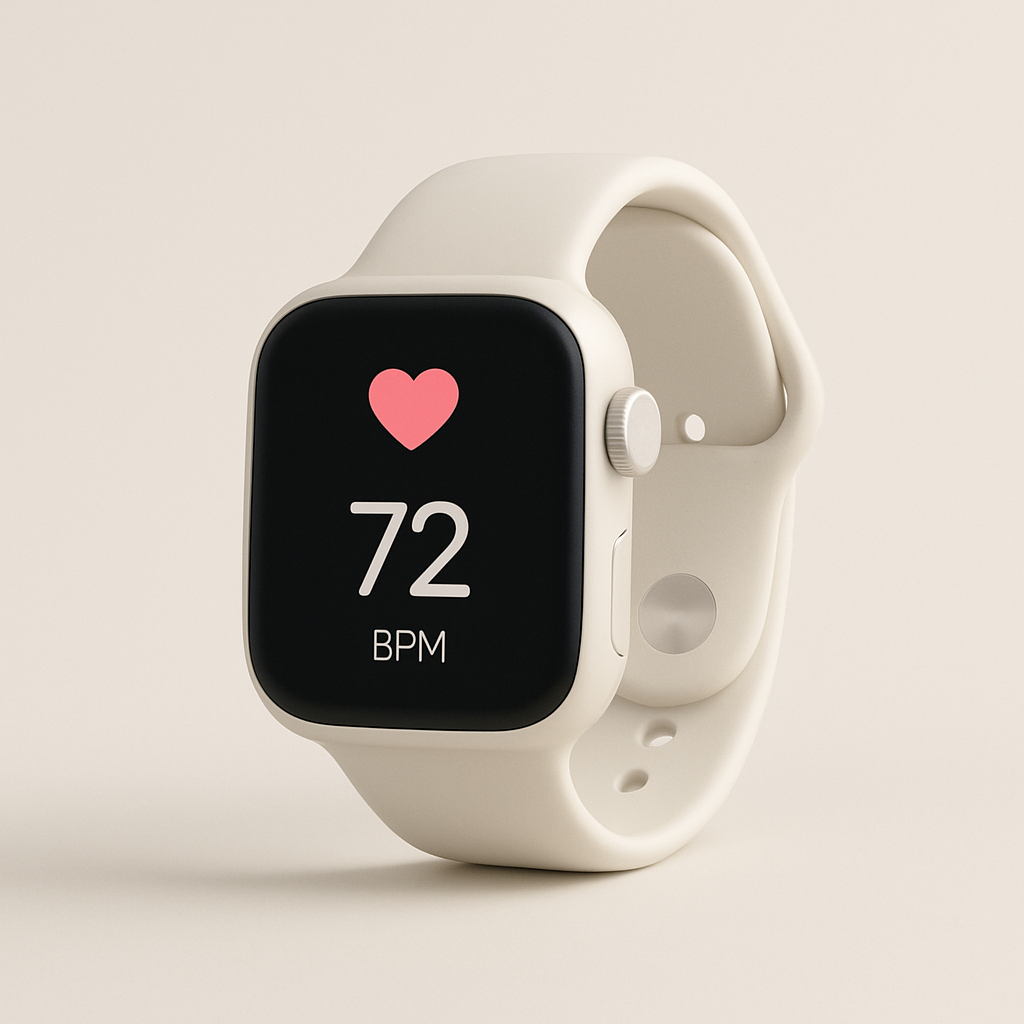
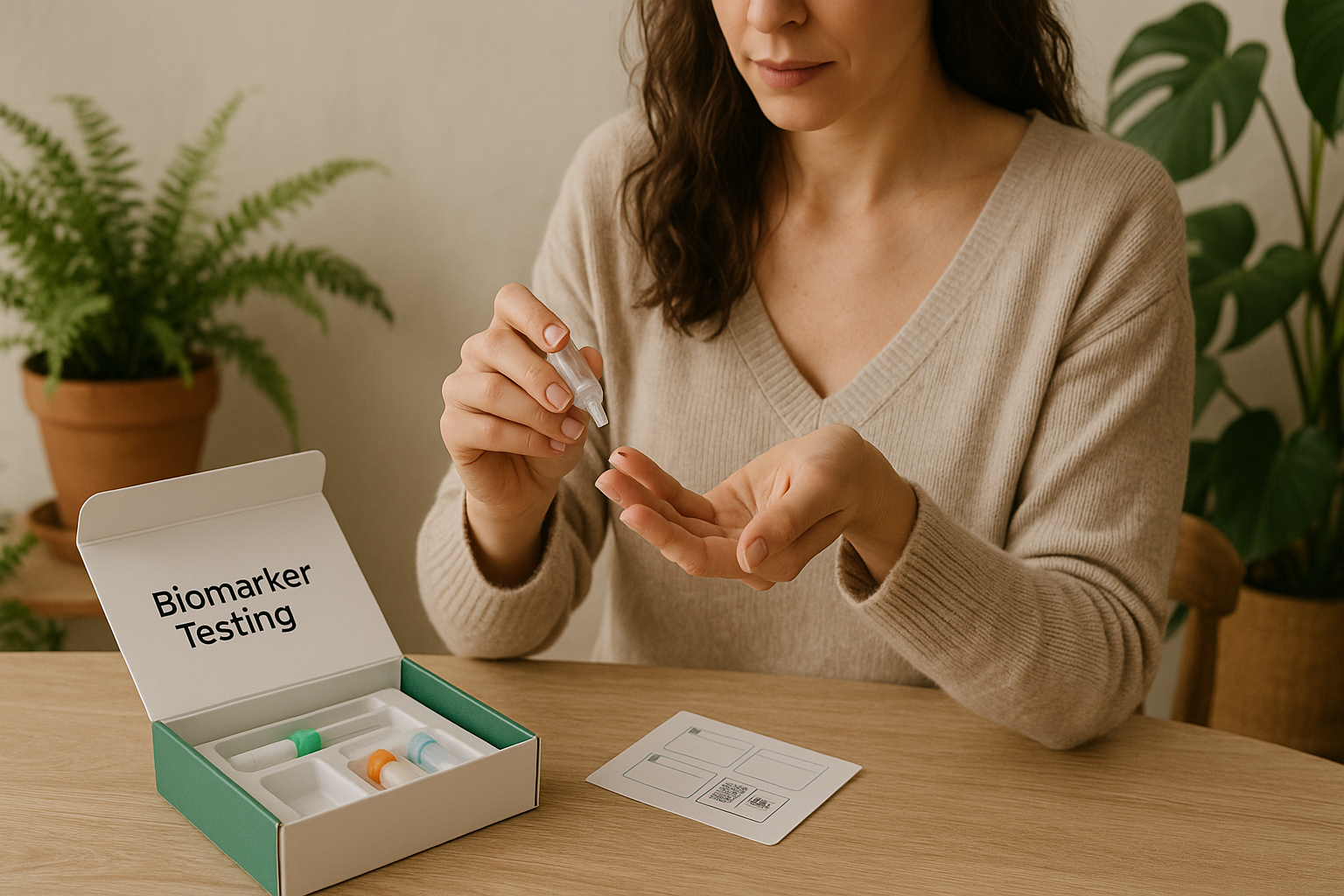
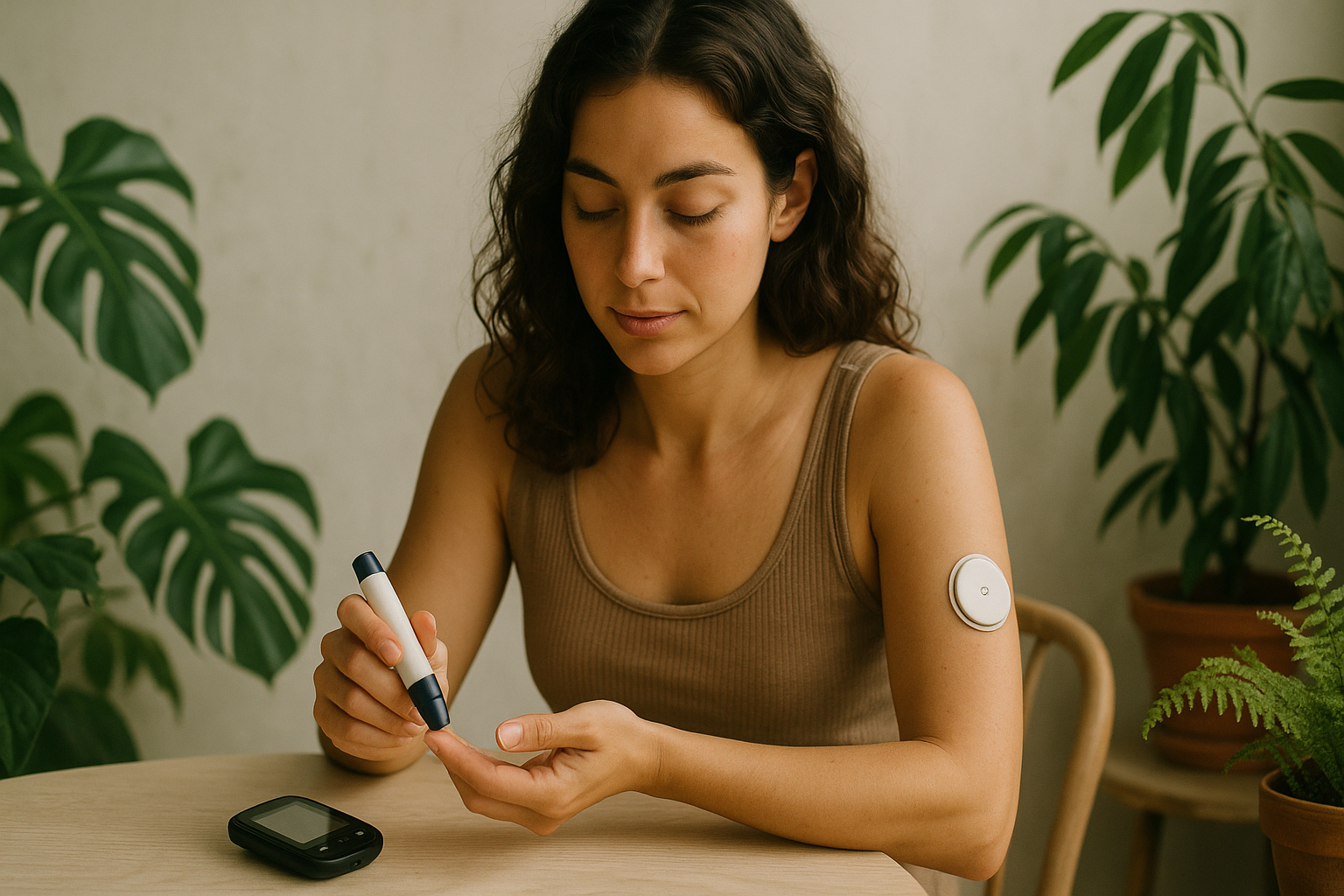
Wearable technology refers to electronic devices that can be worn on the body, often incorporating advanced sensors and software to monitor various health metrics. These devices range from fitness trackers and smartwatches to more specialized equipment like heart rate monitors and sleep trackers. The primary goal of wearable technology is to provide users with real-time feedback about their physical activity, health status, and overall wellness.
In the context of modern wellness, wearable technology plays a crucial role in empowering individuals to take control of their health. By providing actionable insights based on collected data, these devices encourage users to make informed lifestyle choices. The integration of wearable tech into daily life is becoming increasingly common, with many individuals utilizing these tools to enhance their fitness routines, manage chronic conditions, and track improvements over time.
Mechanism / How It Works
Wearable devices operate using a combination of sensors, software, and connectivity features. Sensors such as accelerometers, gyroscopes, and heart rate monitors gather data related to physical activity, sleep patterns, and physiological responses. This data is then processed by the device's software, which interprets the information and presents it to the user through an interface, often via a smartphone app.
Many wearables also incorporate connectivity features, such as Bluetooth or Wi-Fi, allowing them to sync data with other devices or cloud-based platforms. This enables users to access their information over time, track trends, and receive personalized recommendations based on their specific health goals. Some devices even utilize machine learning algorithms to enhance data analysis and provide insights that can help users optimize their wellness strategies.
Evidence Summary
The evidence surrounding wearable technology is varied. Preliminary studies suggest that wearables can positively influence physical activity levels and health outcomes. For instance, research indicates that users of fitness trackers may increase their exercise frequency and improve their overall fitness. However, clinical evidence remains mixed. While some trials show significant benefits in weight loss and physical health, others find minimal changes in long-term behavior.
Conflicting results are often attributed to differences in study populations, device types, and user engagement levels. Furthermore, the effectiveness of wearables can depend significantly on how individuals interact with the technology. More rigorous and long-term studies are needed to fully understand the benefits and limitations of wearable technology in promoting wellness.
Practical Application
To effectively integrate wearable technology into daily life, users should consider specific protocols tailored to their health goals. Here are some practical applications:
- Goal Setting: Identify clear, achievable health goals such as increasing daily steps, improving sleep quality, or managing stress levels.
- Consistent Tracking: Regularly monitor data collected by the device to discern patterns and trends in physical activity or health metrics.
- Feedback Utilization: Use the insights provided by wearables to adjust daily routines, whether it involves increasing exercise intensity or improving sleep hygiene.
Common pitfalls include over-reliance on technology, leading to anxiety about data accuracy, and neglecting to interpret data in the context of individual health conditions. Users should approach wearable technology as a tool to complement their wellness journey rather than a definitive solution.
Relevant Biomarkers & Tracking
Wearable technology can track a variety of biomarkers that are essential for monitoring health and wellness. Some key metrics include:
- Heart Rate: Continuous monitoring helps assess cardiovascular health and fitness levels.
- Step Count: A simple metric to gauge daily physical activity.
- Sleep Quality: Tracking sleep patterns can provide insights into rest quality and duration.
- Caloric Expenditure: Estimations of calories burned during various activities assist in weight management.
- Stress Levels: Some devices use heart rate variability and other indicators to assess stress and recovery.
Body Systems Supported
Wearable technology can support multiple body systems, including:
- Cardiovascular System: Monitoring heart rate and activity levels can improve cardiovascular fitness.
- Nervous System: Devices tracking stress levels can influence mental well-being and stress management.
- Musculoskeletal System: Tracking physical activity aids in maintaining healthy joints and muscles.
- Endocrine System: Monitoring sleep and activity can impact hormones related to stress and metabolism.
Common Goals
Individuals utilize wearable technology to achieve various wellness goals, including:
- Weight Management: Tracking caloric intake and expenditure to maintain or lose weight.
- Fitness Improvement: Increasing physical activity levels and improving overall fitness.
- Sleep Optimization: Enhancing sleep quality and duration.
- Stress Reduction: Monitoring stress levels and implementing relaxation strategies.
Safety, Contraindications & Edge Cases
While wearable technology is generally safe for most individuals, certain considerations should be noted:
- Skin Irritation: Prolonged wear may cause skin irritations or allergic reactions in some users.
- Data Privacy: Users should be aware of data security concerns and ensure they are comfortable with how their data is used.
- Pre-existing Conditions: Those with chronic health conditions should consult healthcare providers to ensure appropriate use of wearable technology.
Pairs Well With
Wearable technology can complement various ancient and natural wellness practices, such as:
- Mindfulness and Meditation: Combining wearables that track stress with mindfulness techniques enhances overall mental wellness.
- Nutrition: Integrating dietary tracking apps with wearable technology supports holistic health.
- Physical Therapies: Using wearables to monitor progress in physical rehabilitation can enhance recovery outcomes.
FAQs (5)
What types of data can wearable technology track?
Wearable technology can track various metrics, including heart rate, step count, sleep patterns, caloric expenditure, and stress levels.
Can wearable technology help with weight loss?
Many users have reported successful weight loss when integrating wearable technology for tracking activity levels and caloric intake.
Are wearables safe for everyone?
While generally safe, individuals with specific health conditions should consult a healthcare provider before using wearable technology.
How accurate is the data from wearables?
The accuracy of data can vary between devices and usage contexts. Understanding these limitations is essential for effective use.
Can I use wearable technology without being tech-savvy?
Many wearable devices are designed to be user-friendly, making them accessible for individuals with varying levels of technological proficiency.
Frequently asked
What types of data can wearable technology track?
Wearable technology can track various metrics, including heart rate, step count, sleep patterns, caloric expenditure, and stress levels.
Can wearable technology help with weight loss?
Many users have reported successful weight loss when integrating wearable technology for tracking activity levels and caloric intake.
Are wearables safe for everyone?
While generally safe, individuals with specific health conditions should consult a healthcare provider before using wearable technology.
How accurate is the data from wearables?
The accuracy of data can vary between devices and usage contexts. Understanding these limitations is essential for effective use.
Can I use wearable technology without being tech-savvy?
Many wearable devices are designed to be user-friendly, making them accessible for individuals with varying levels of technological proficiency.