Fitness Technology
Discover how fitness technology enhances wellness through tracking, biometrics, and integration into daily routines.
Explore the integration of fitness technology into modern wellness practices, including its mechanisms, evidence, and practical applications.
What It Is
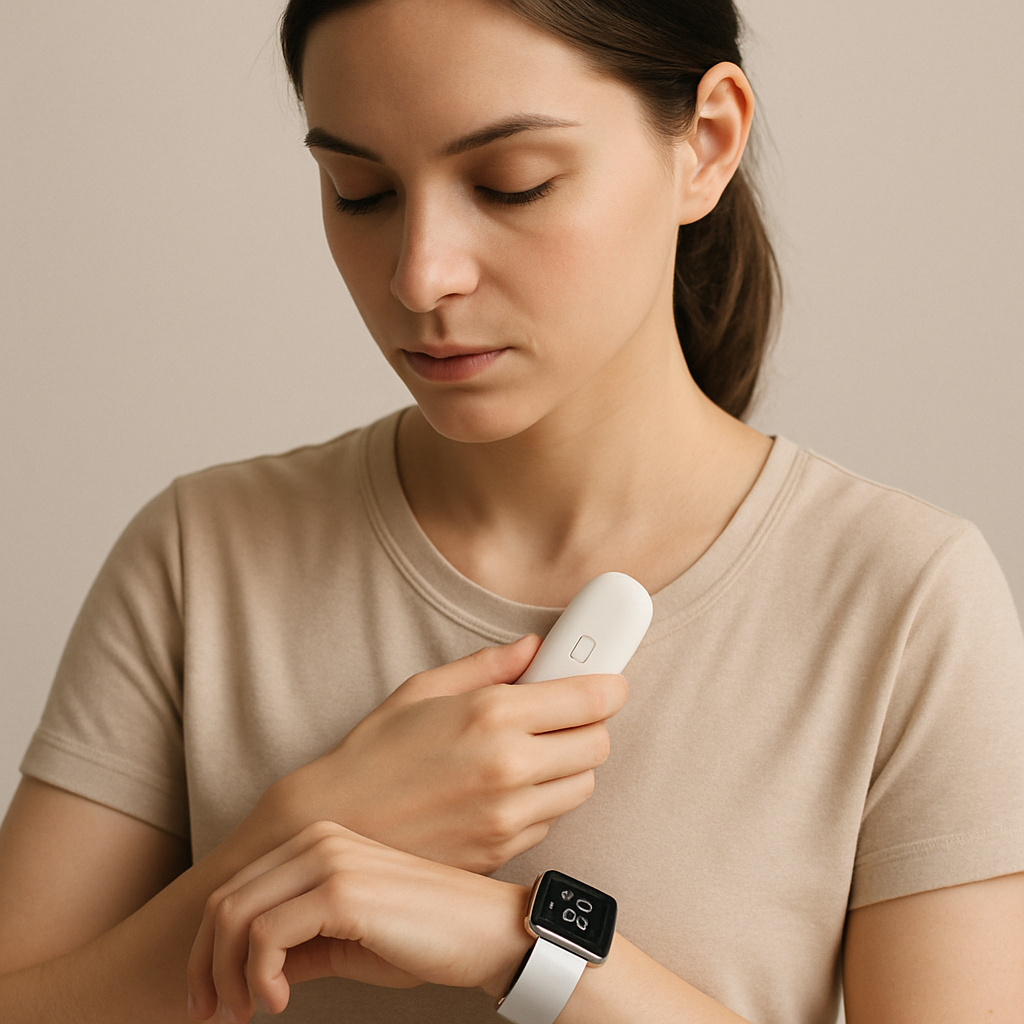
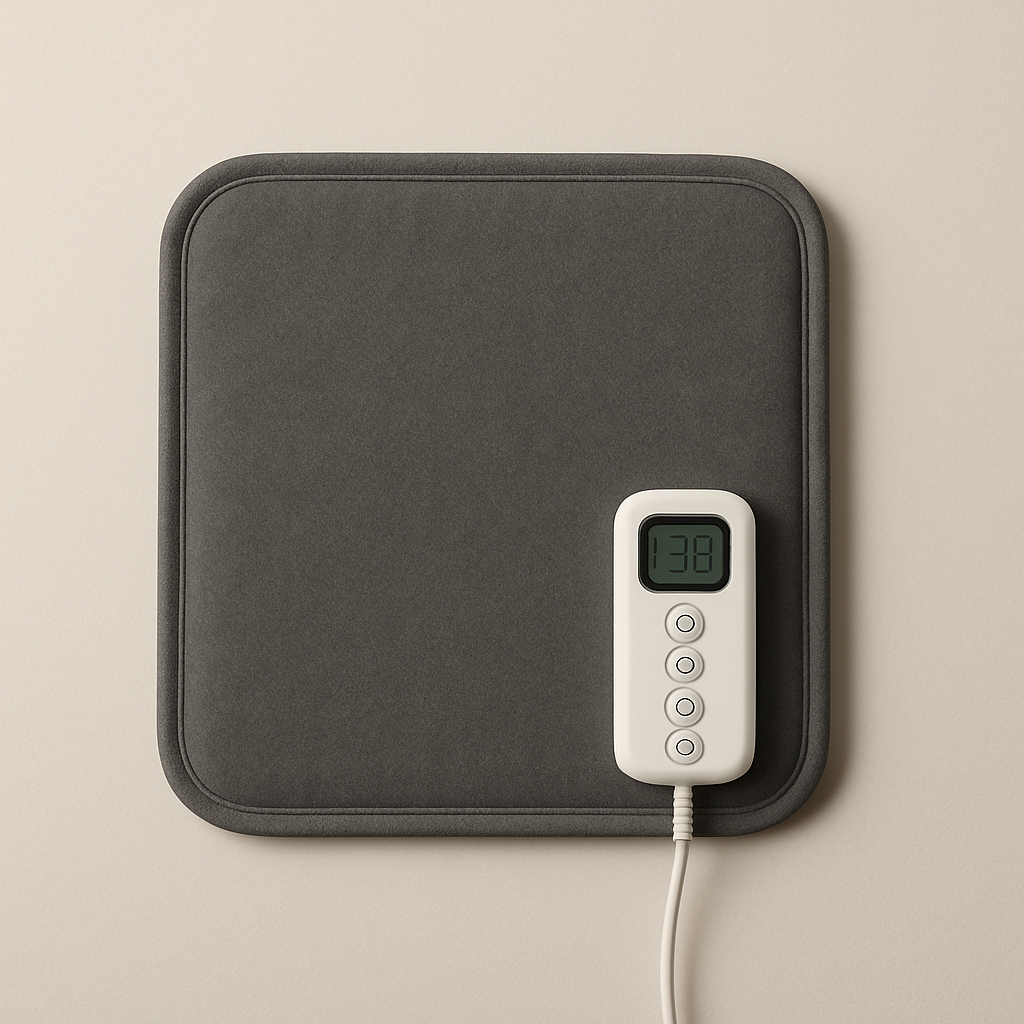
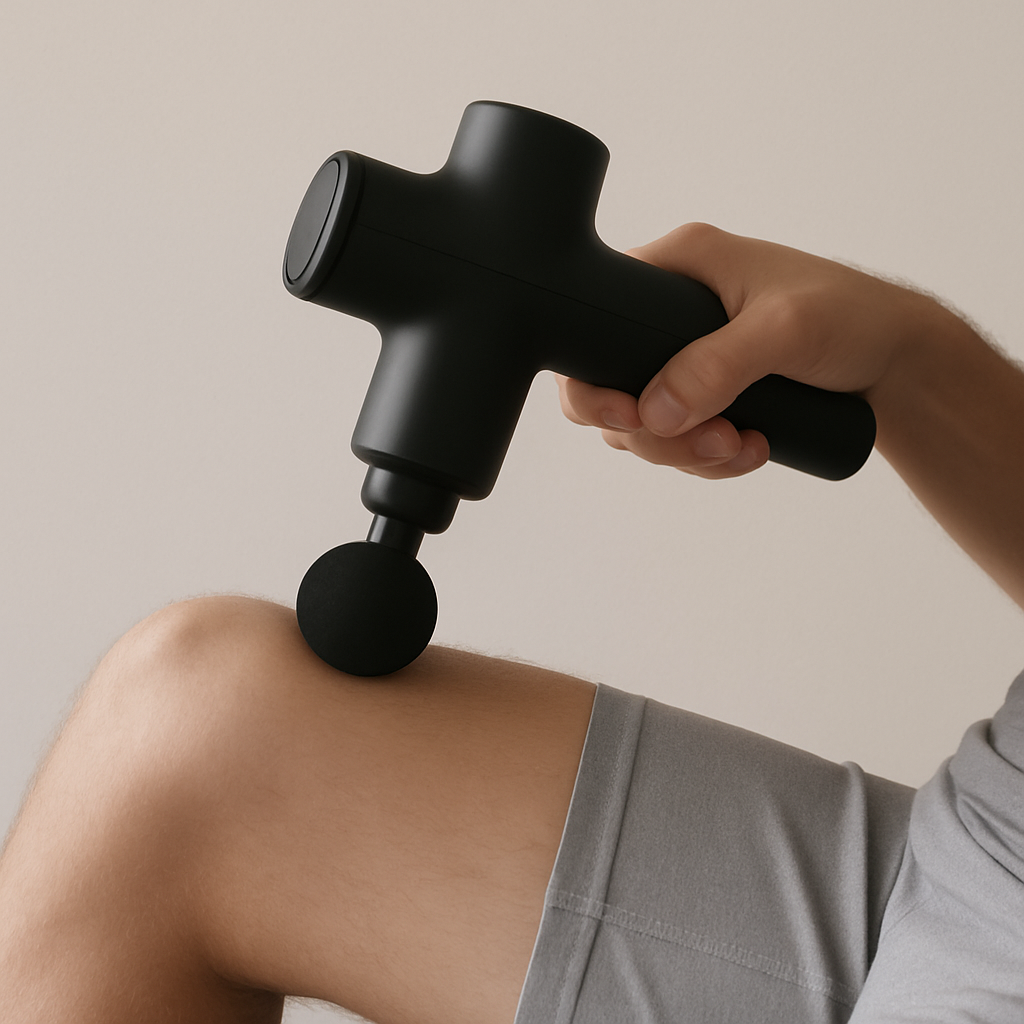
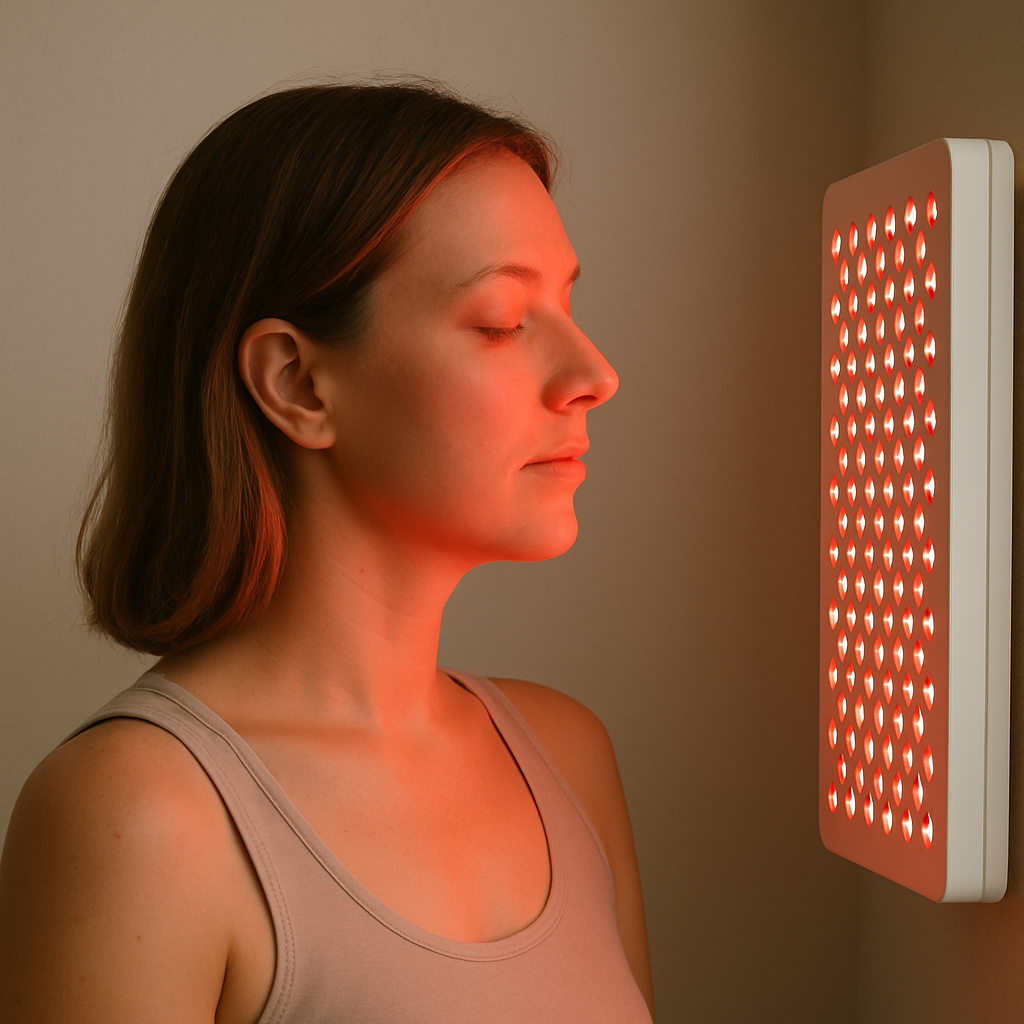
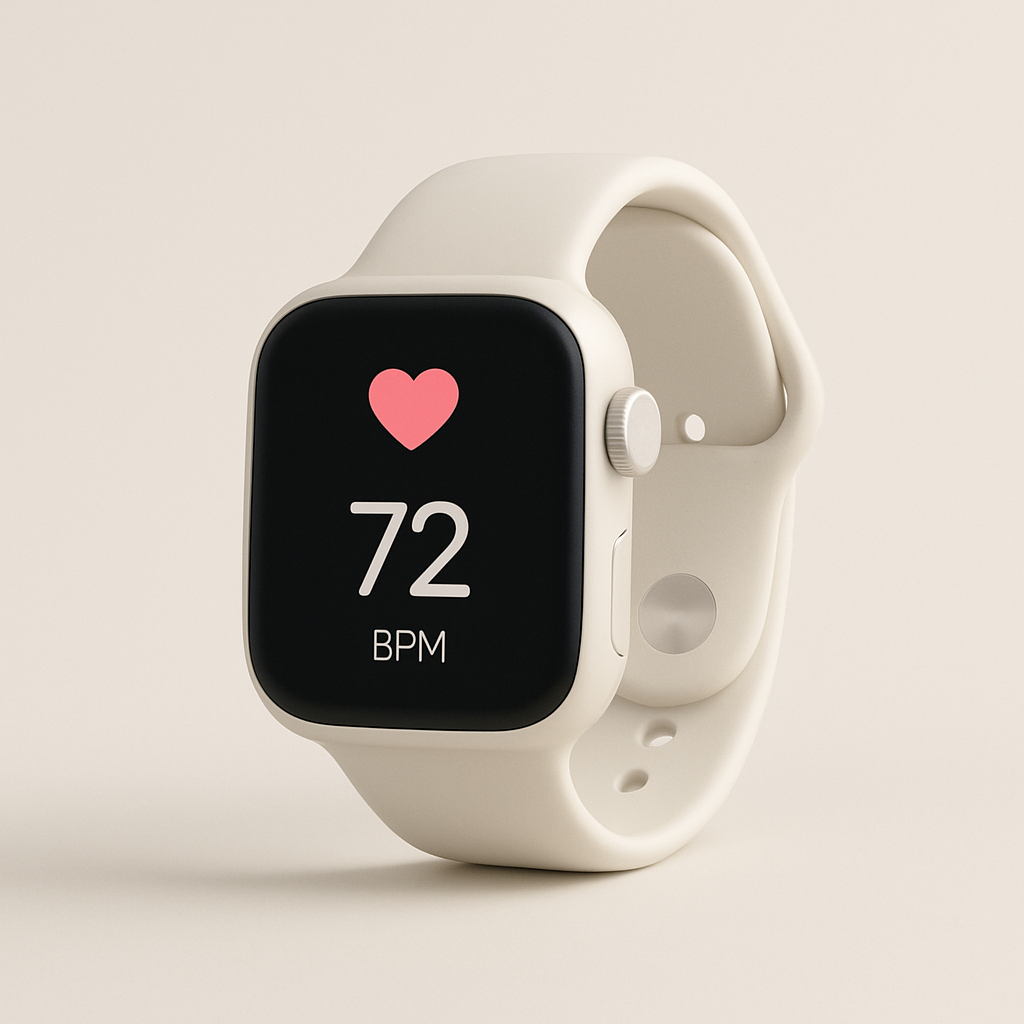
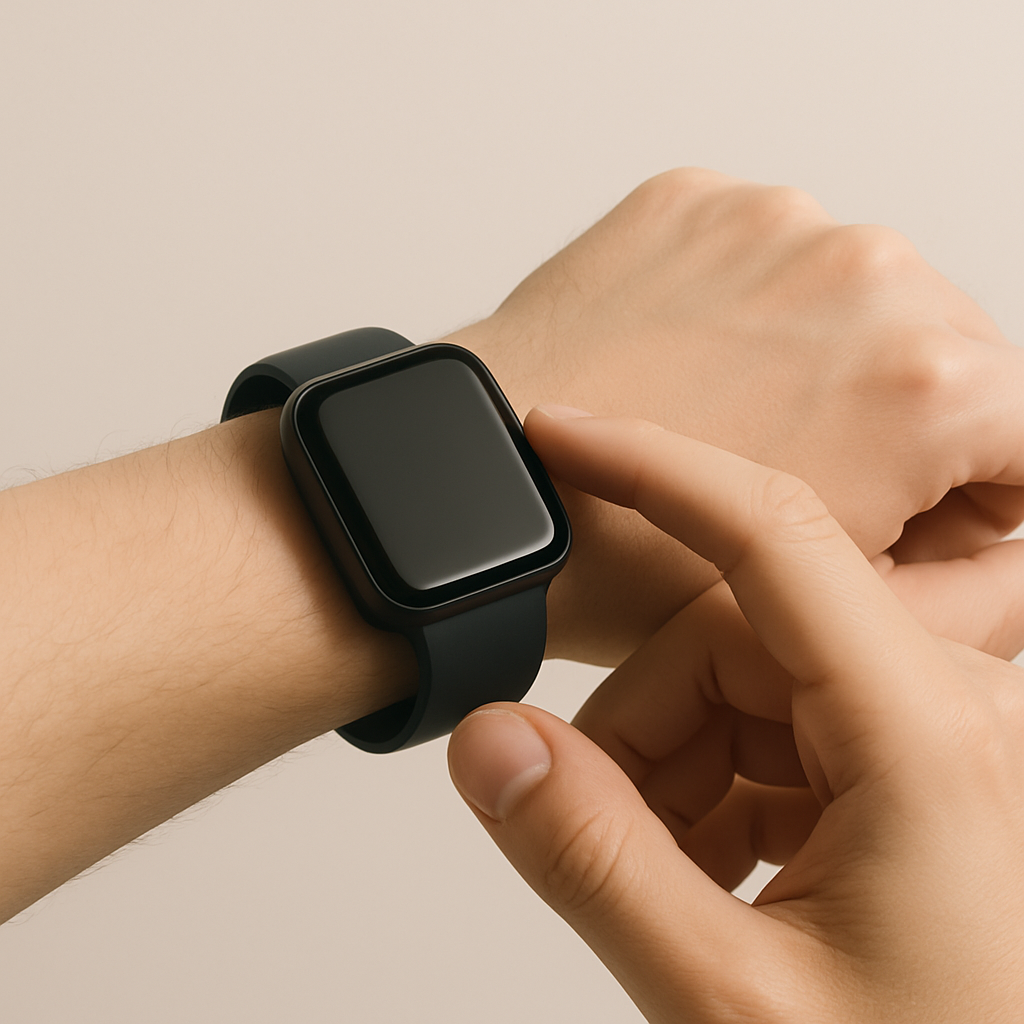
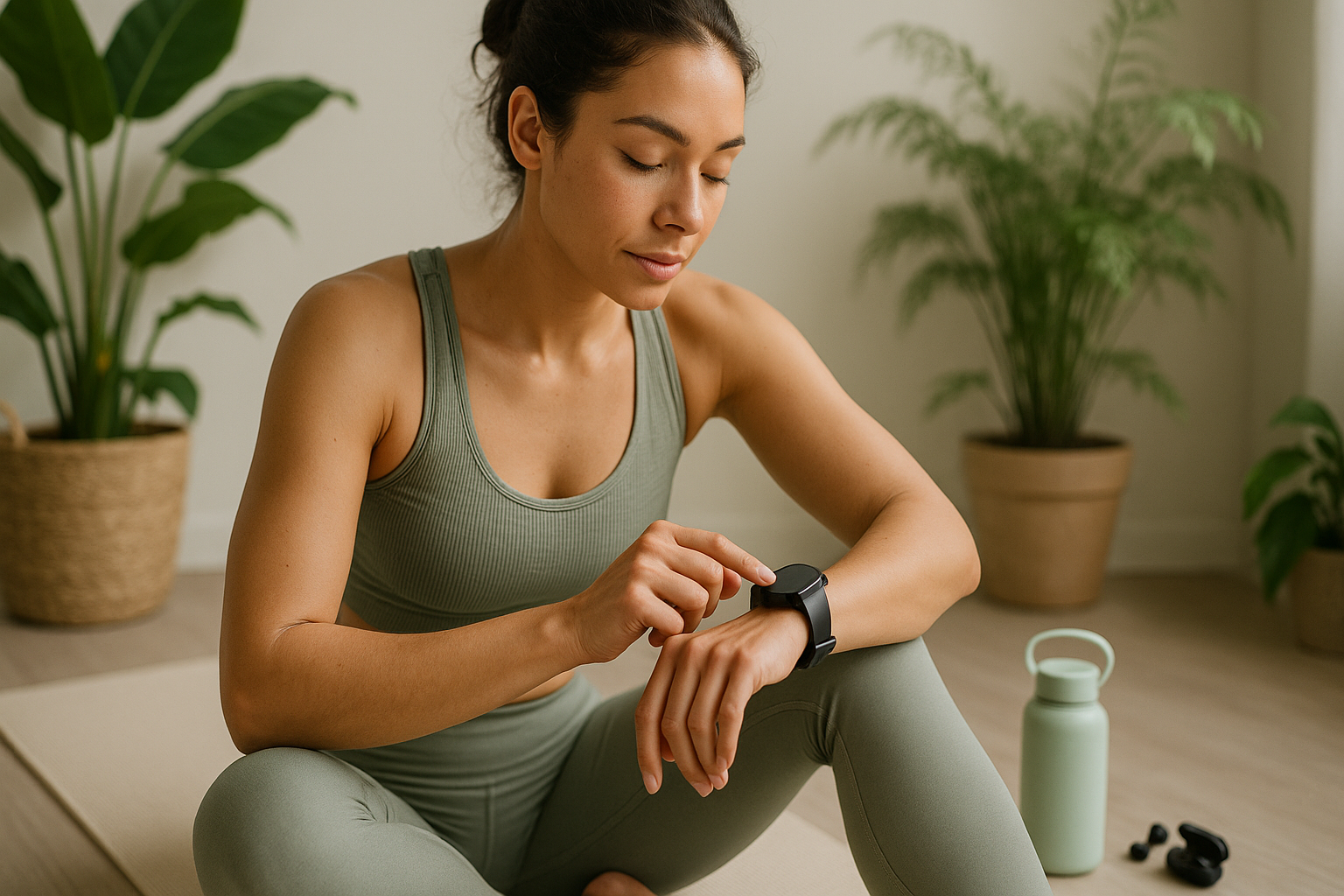
Fitness technology encompasses a broad range of devices, applications, and software designed to assist individuals in optimizing their physical fitness and overall health. This includes wearable devices like fitness trackers, smartwatches, and heart rate monitors, as well as apps that provide personalized training programs, nutrition tracking, and performance analytics. The primary goal of fitness technology is to empower users with data-driven insights that promote healthier lifestyles.
In recent years, the evolution of fitness technology has been significant, with advancements in sensor technology, data analytics, and connectivity. This has led to a surge in popularity among fitness enthusiasts and those looking to enhance their well-being. By leveraging these tools, users can monitor their progress, set specific fitness goals, and receive feedback that encourages consistent engagement in physical activities.
Mechanism / How It Works
Fitness technology operates through various mechanisms that gather and analyze data related to physical activity and health metrics. Wearable devices typically utilize sensors to track movements, heart rate, calories burned, and sleep patterns. These sensors can include accelerometers, gyroscopes, and optical heart rate monitors, which collect data in real-time.
Once the data is captured, it is transmitted to a connected app or platform, where algorithms process and analyze the information. Users can access this data to understand their performance, track trends over time, and make informed decisions about their fitness regimen. Many fitness apps also offer features such as goal setting, workout planning, and social sharing, which can enhance motivation and accountability.
Evidence Summary
The evidence supporting the effectiveness of fitness technology varies. Preliminary studies suggest that these tools can improve physical activity levels, with some users reporting increased motivation and adherence to exercise routines. Additionally, clinical research has indicated that wearables can assist in managing chronic conditions such as obesity and hypertension by promoting regular activity and providing health insights.
However, conflicting data exists regarding the long-term efficacy of fitness technology. Some studies have shown minimal impact on sustained behavior change, indicating that while users may initially engage with the technology, long-term adherence can be challenging. More extensive, rigorous clinical trials are needed to better understand the long-term benefits and potential drawbacks of these devices.
Practical Application
To effectively integrate fitness technology into daily routines, individuals can follow a few practical protocols:
- Start Small: Begin with basic tracking, such as daily step counts, and gradually incorporate more complex metrics.
- Set Realistic Goals: Use the data gathered to establish achievable fitness goals that can be tracked over time.
- Stay Consistent: Regularly check in on progress and adjust goals as needed to maintain engagement.
- Utilize Community Features: Engage with social features of apps to foster accountability and motivation from peers.
Common pitfalls to avoid include setting overly ambitious goals that can lead to frustration and disengagement, as well as neglecting to interpret the data meaningfully. It is crucial to view fitness technology as a tool for guidance rather than a definitive measure of progress.
Relevant Biomarkers & Tracking
Fitness technology can track various biomarkers that offer insights into an individual’s health and fitness status. Some relevant metrics include:
- Heart Rate: Monitoring heart rate can provide information about cardiovascular fitness and recovery.
- Sleep Quality: Tracking sleep patterns helps assess recovery and overall well-being.
- Caloric Expenditure: Understanding calories burned can assist in weight management and dietary planning.
- Physical Activity Levels: Metrics such as step counts and active minutes indicate overall activity levels.
By regularly reviewing these biomarkers, users can adjust their fitness plans to better align with their health goals.
Body Systems Supported
Fitness technology supports various body systems, including:
- Cardiovascular System: By monitoring heart rate and activity levels, users can improve heart health.
- Musculoskeletal System: Tracking physical activity helps strengthen muscles and improve joint health.
- Nervous System: Enhanced physical activity can improve cognitive function and mental health.
- Metabolic System: Monitoring caloric intake and expenditure aids in metabolic health and weight management.
Common Goals
Individuals utilize fitness technology to achieve several common goals, such as:
- Improving overall physical fitness
- Weight loss or management
- Enhancing athletic performance
- Increasing daily activity levels
- Tracking and improving sleep quality
Safety, Contraindications & Edge Cases
While fitness technology is generally safe for most individuals, certain precautions should be considered:
- Individuals with existing health conditions should consult with healthcare professionals before starting a new fitness regimen.
- Wearables may not be suitable for everyone, particularly those with skin sensitivities or allergies to materials used in devices.
- Inaccuracies in data tracking can occur, especially with less advanced devices, affecting the reliability of the information.
It's essential to use fitness technology as a supplement to professional health advice rather than a standalone solution.
Pairs Well With
Fitness technology can be effectively paired with ancient or natural wellness practices, such as:
- Yoga: Combining fitness tech with yoga practices can enhance mindfulness and track progress in flexibility and strength.
- Nutrition Tracking: Integrating dietary monitoring with exercise data can support more holistic wellness.
- Aromatherapy: Utilizing essential oils for relaxation after workouts can promote recovery and mental well-being.
FAQs (5)
- What types of fitness technology are available? There are various types of fitness technology, including wearables, apps, and smart equipment.
- Can fitness technology help with weight loss? Yes, it can provide insights into activity levels and caloric intake, which can assist in weight management.
- How accurate are fitness trackers? The accuracy can vary by device; some may be more reliable than others for specific metrics.
- Is fitness technology suitable for everyone? While generally safe, those with health concerns should consult healthcare providers before use.
- How can I stay motivated using fitness technology? Setting achievable goals, connecting with a community, and regularly reviewing data can help maintain motivation.
Frequently asked
What types of fitness technology are available?
There are various types of fitness technology, including wearables, apps, and smart equipment.
Can fitness technology help with weight loss?
Yes, it can provide insights into activity levels and caloric intake, which can assist in weight management.
How accurate are fitness trackers?
The accuracy can vary by device; some may be more reliable than others for specific metrics.
Is fitness technology suitable for everyone?
While generally safe, those with health concerns should consult healthcare providers before use.
How can I stay motivated using fitness technology?
Setting achievable goals, connecting with a community, and regularly reviewing data can help maintain motivation.