Wellness Sleep
Discover the critical role of wellness sleep in optimizing your overall health. This comprehensive guide covers mechanisms, evidence, practical applications, and more.

Explore the importance of wellness sleep within the sphere of sleep optimization. Learn about its mechanisms, evidence, practical applications, and how it supports various body systems.
What It Is
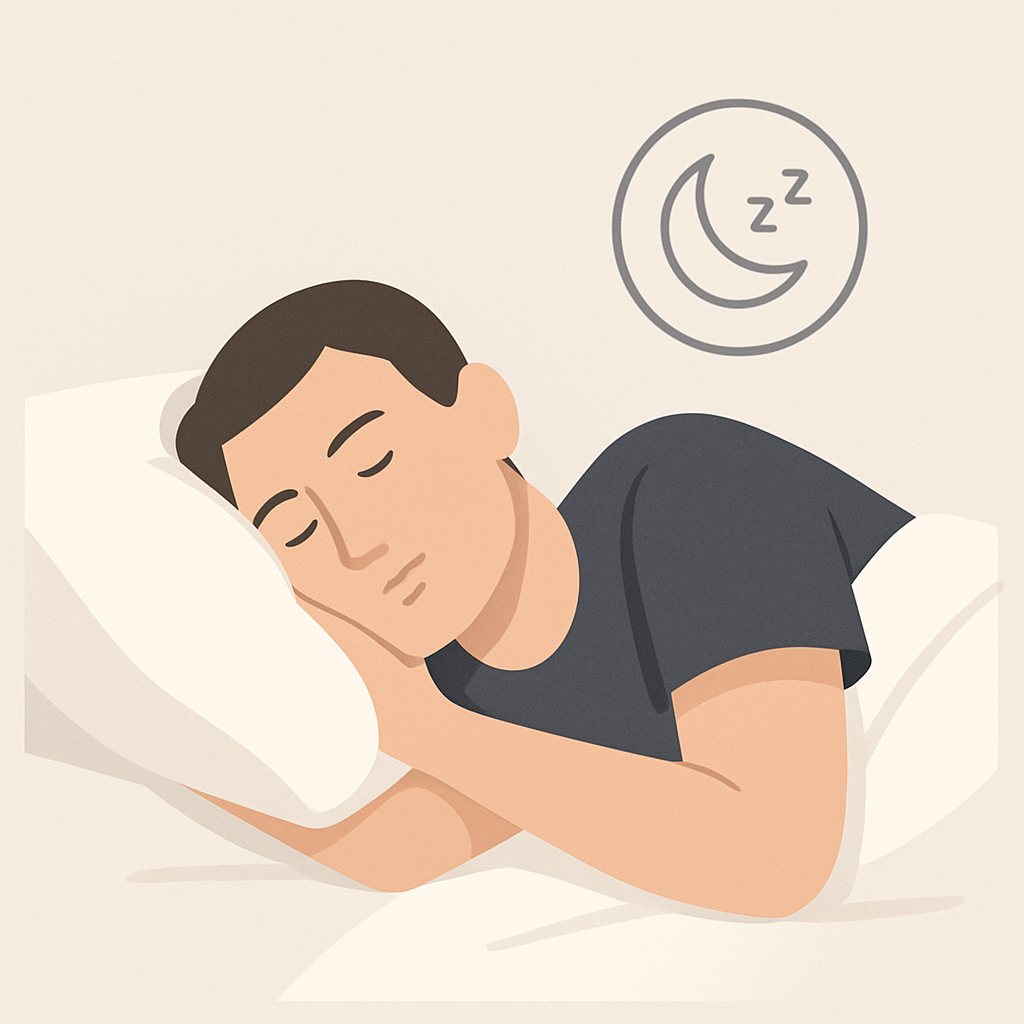
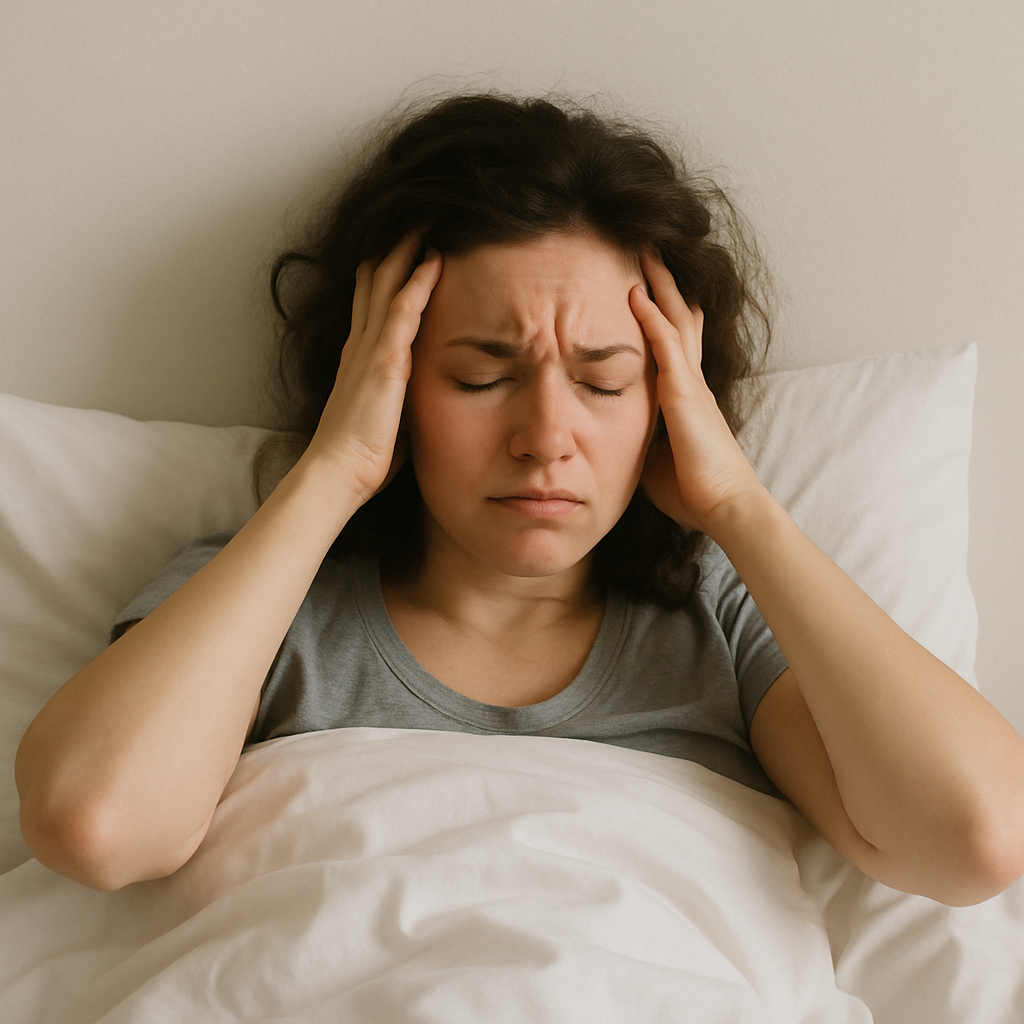
Wellness sleep refers to the intentional approach to achieving restorative sleep that enhances overall well-being. It encompasses not only the quantity of sleep but also its quality, focusing on creating an environment and routine that promotes optimal rest. In the context of modern wellness, wellness sleep is seen as a vital component of physical and mental health, significantly impacting mood, cognitive function, and immune response.
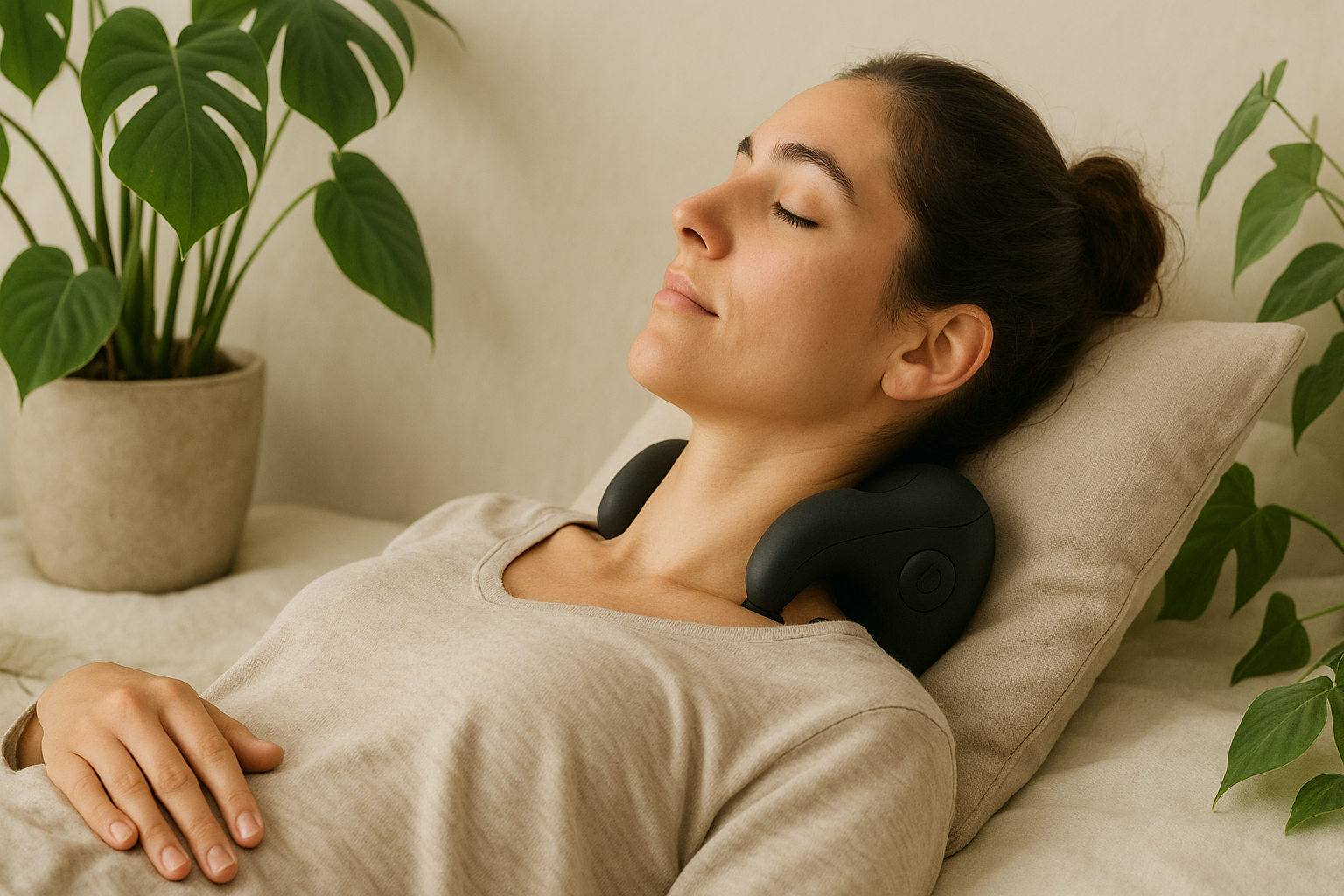
This concept extends beyond merely getting a full night’s sleep; it emphasizes the importance of sleep hygiene, relaxation techniques, and lifestyle changes that foster a peaceful sleeping environment. By integrating these practices, individuals can experience improved sleep patterns that contribute to their overall wellness.
Mechanism / How It Works
The mechanisms behind wellness sleep involve a complex interplay of biological and environmental factors. At its core, sleep is regulated by the circadian rhythm, which is influenced by external cues such as light and temperature. This natural cycle helps determine when we feel awake and when we feel tired, guiding our sleep-wake patterns.
In addition to circadian rhythms, wellness sleep relies on the body’s ability to transition between different sleep stages, including REM and non-REM sleep. Each stage plays a crucial role in restorative processes such as memory consolidation, emotional regulation, and physical recovery. Practices that promote relaxation, such as mindfulness meditation, can enhance the brain’s ability to enter these restorative sleep cycles more effectively.
Evidence Summary
Research on wellness sleep reveals a variety of findings, some of which are promising while others require further investigation. Preliminary studies indicate that improved sleep quality is associated with better mental health outcomes, reduced stress levels, and enhanced cognitive performance. However, the clinical evidence on specific practices related to wellness sleep, such as aromatherapy or certain supplements, can be conflicting.
Some studies have shown that practices like cognitive behavioral therapy for insomnia (CBT-I) can significantly improve sleep quality, while others suggest that lifestyle changes alone may not suffice for everyone. Overall, while there is a growing body of evidence supporting the importance of wellness sleep, more comprehensive research is needed to establish definitive guidelines.
Practical Application
To effectively integrate wellness sleep into daily life, individuals can adopt several practical protocols:
- Establish a Sleep Schedule: Go to bed and wake up at the same time every day to regulate your body’s internal clock.
- Create a Restful Environment: Optimize your bedroom for sleep by reducing noise and light, keeping the room cool, and investing in a comfortable mattress.
- Limit Screen Time: Avoid screens at least an hour before bedtime to reduce blue light exposure, which can interfere with melatonin production.
- Incorporate Relaxation Techniques: Engage in calming activities such as reading, meditation, or gentle yoga before bed.
- Monitor Food and Drink: Avoid heavy meals, caffeine, and alcohol close to bedtime.
Common pitfalls include inconsistent sleep schedules, reliance on sleep aids without guidance, and neglecting the importance of a wind-down routine. Recognizing these challenges can help individuals make more informed choices to support their sleep health.
Relevant Biomarkers & Tracking
Monitoring certain biomarkers can provide insights into sleep quality and overall wellness. Key indicators include:
- Sleep Duration: The total amount of sleep obtained each night.
- Sleep Efficiency: The ratio of time spent asleep to the time spent in bed.
- Heart Rate Variability (HRV): A measure of autonomic nervous system function that can indicate stress levels and recovery.
- Sleep Stages: Tracking the time spent in REM and non-REM sleep can reveal patterns affecting overall restfulness.
Using wearable technology or sleep tracking apps can help individuals gather data on these biomarkers, allowing for adjustments to optimize sleep quality.
Body Systems Supported
Wellness sleep plays a crucial role in supporting various body systems, including:
- Nervous System: Adequate sleep is essential for cognitive function and emotional regulation.
- Endocrine System: Sleep influences hormone production, particularly those related to stress and appetite.
- Immune System: Quality sleep is linked to improved immune function and resilience against illness.
- Cardiovascular System: Good sleep hygiene can reduce the risk of cardiovascular diseases by managing blood pressure and inflammation.
Common Goals
Individuals seeking to improve their wellness sleep often have specific goals, including:
- Enhancing overall sleep quality.
- Reducing insomnia or sleep disturbances.
- Improving daytime alertness and cognitive function.
- Balancing mood and emotional health.
- Supporting physical recovery and performance.
Safety, Contraindications & Edge Cases
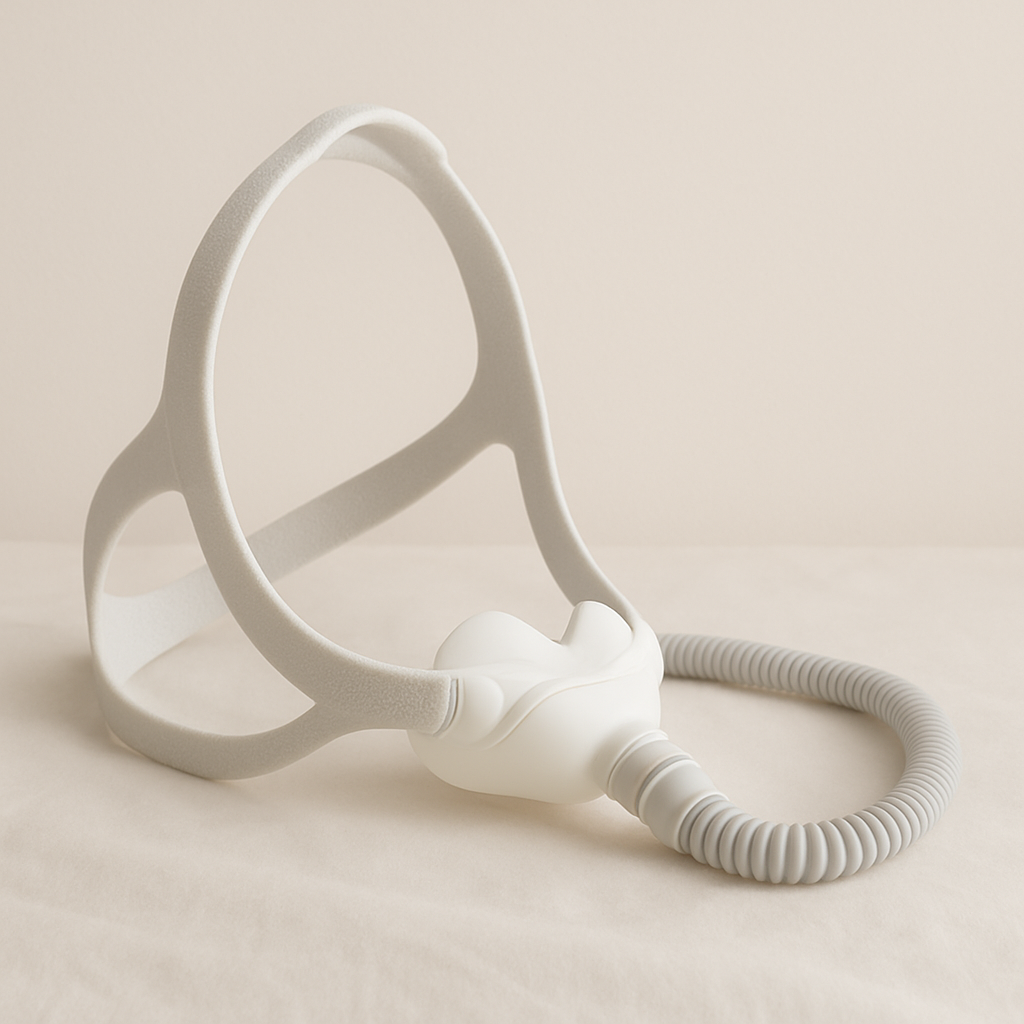
While wellness sleep practices are generally safe, some individuals may encounter contraindications. For example, those with specific sleep disorders, such as sleep apnea, may require medical intervention rather than relying solely on lifestyle changes. Additionally, the use of sleep supplements should be approached cautiously, as they may interact with medications or have side effects.
It is essential for individuals to consult healthcare professionals when implementing significant changes to their sleep routines, particularly if they have underlying health conditions or are taking medications that affect sleep.
Pairs Well With
Wellness sleep can benefit from complementary practices found in ancient or natural wellness traditions, such as:
- Aromatherapy: Utilizing essential oils like lavender to create a calming atmosphere.
- Meditation: Incorporating mindfulness practices to enhance relaxation.
- Herbal Remedies: Considering herbal teas or supplements known for their calming effects, such as chamomile or valerian root.
- Physical Activity: Engaging in regular exercise to promote better sleep quality.
FAQs (5)
- What is the ideal amount of sleep for adults? Most adults benefit from 7 to 9 hours of sleep per night for optimal health.
- Can napping improve sleep quality? Short naps can help alleviate fatigue but should not replace a full night’s sleep.
- How can I improve my sleep environment? Focus on reducing noise and light, keeping the room cool, and using comfortable bedding.
- Are sleep supplements safe? Some supplements can be safe, but it's best to consult a healthcare professional before use.
- What should I do if I have persistent sleep issues? Consider consulting a sleep specialist for a comprehensive evaluation and tailored treatment options.
Frequently asked
What is the ideal amount of sleep for adults?
Most adults benefit from 7 to 9 hours of sleep per night for optimal health.
Can napping improve sleep quality?
Short naps can help alleviate fatigue but should not replace a full night’s sleep.
How can I improve my sleep environment?
Focus on reducing noise and light, keeping the room cool, and using comfortable bedding.
Are sleep supplements safe?
Some supplements can be safe, but it's best to consult a healthcare professional before use.
What should I do if I have persistent sleep issues?
Consider consulting a sleep specialist for a comprehensive evaluation and tailored treatment options.