Breathing Sleep
Discover how breathing techniques can improve sleep quality and contribute to overall wellness in the context of modern sleep optimization.
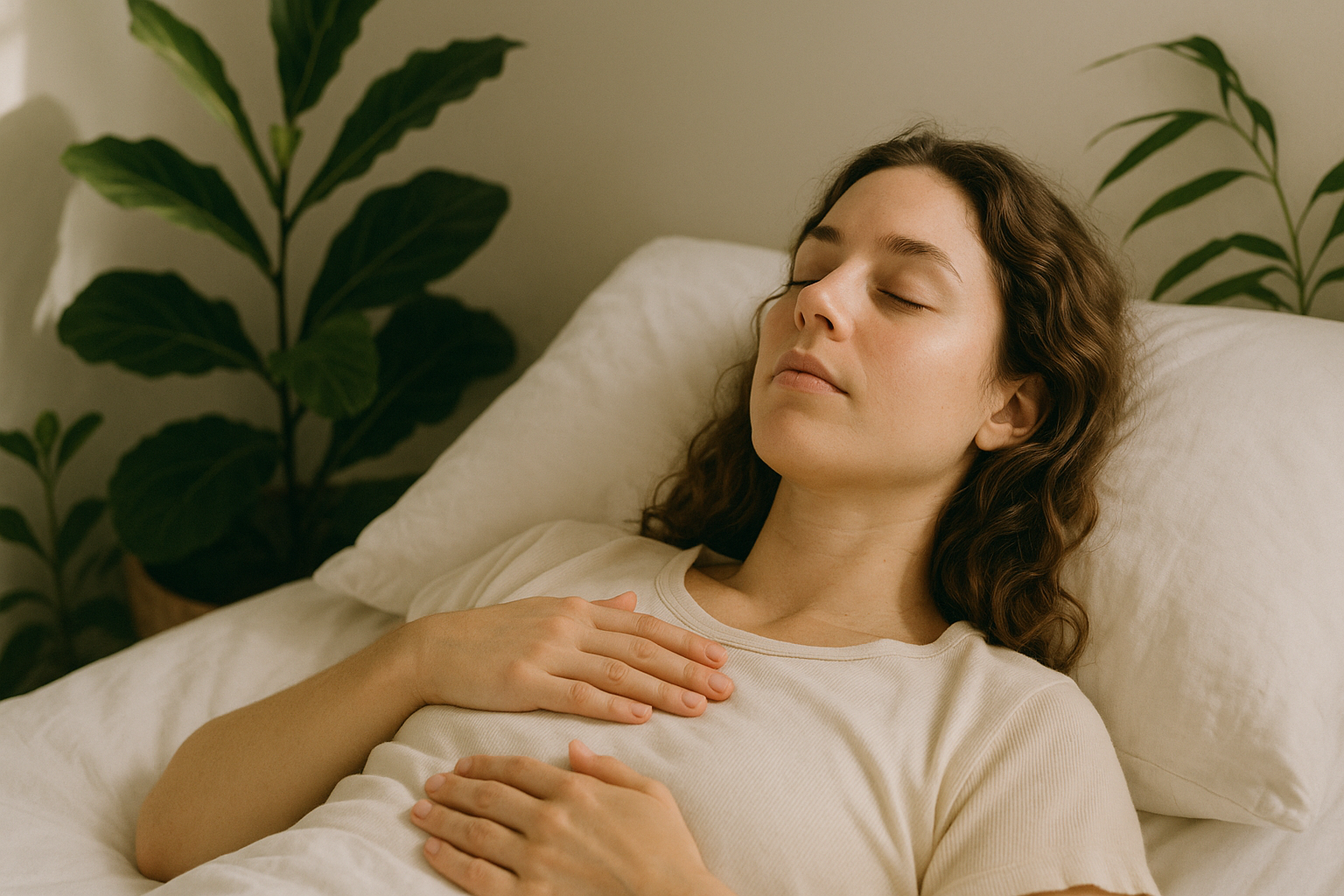
Explore the relationship between breathing and sleep optimization. Understand how effective breathing techniques can enhance sleep quality and overall wellness.
What It Is
Breathing sleep refers to the practice of utilizing specific breathing techniques to enhance sleep quality and promote relaxation. It encompasses various methods that focus on controlling breath to aid in falling asleep and achieving deeper, more restorative sleep cycles. By integrating these practices into daily routines, individuals can potentially improve their overall sleep hygiene and well-being.
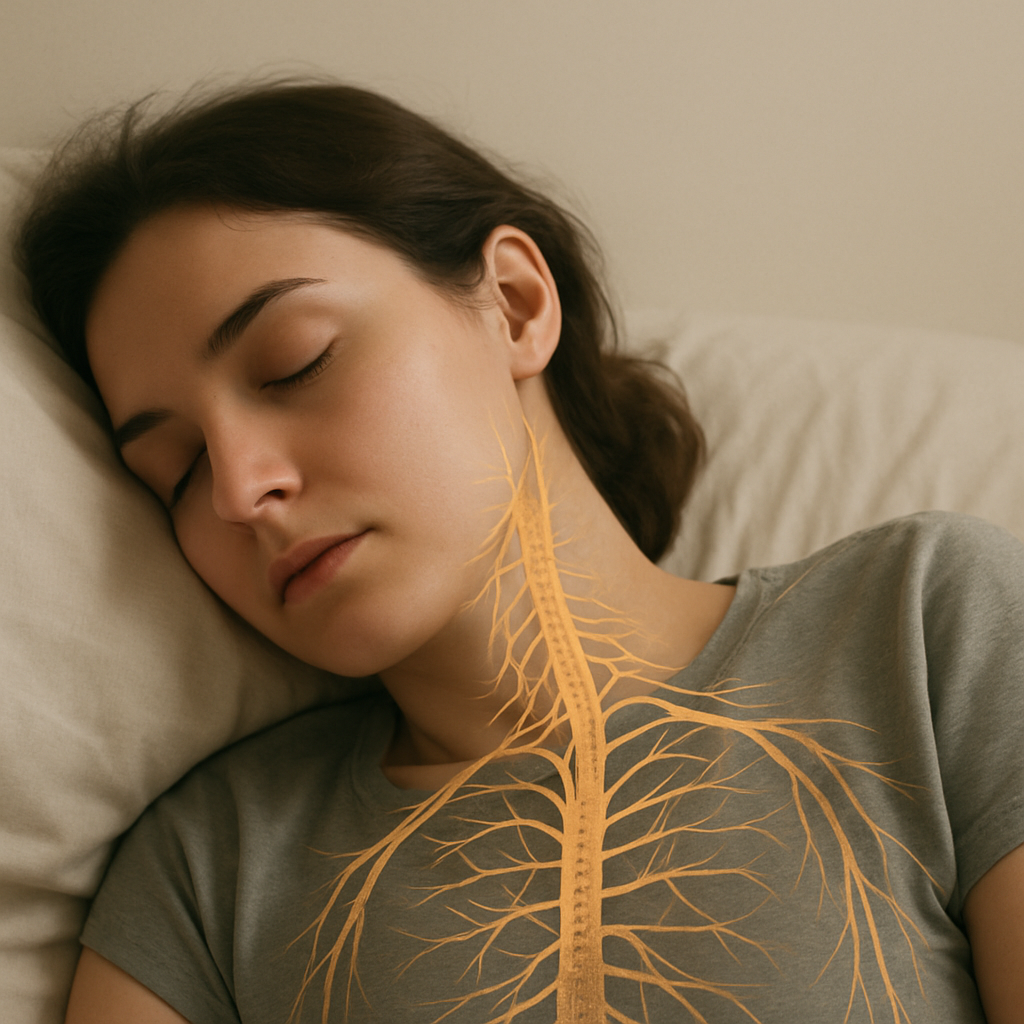
Essentially, breathing sleep emphasizes the connection between our breath and our physiological state, especially during the sleep process. It is rooted in the understanding that intentional breathing can influence the autonomic nervous system, thereby facilitating a smoother transition into sleep and enhancing the quality of rest.
Mechanism / How It Works
The mechanisms behind breathing sleep involve the activation of the parasympathetic nervous system, which is responsible for the body's rest and digest functions. When individuals engage in slow, deep breathing, they signal to the body that it is time to relax and wind down. This process reduces heart rate and lowers cortisol levels, both of which are conducive to falling asleep.
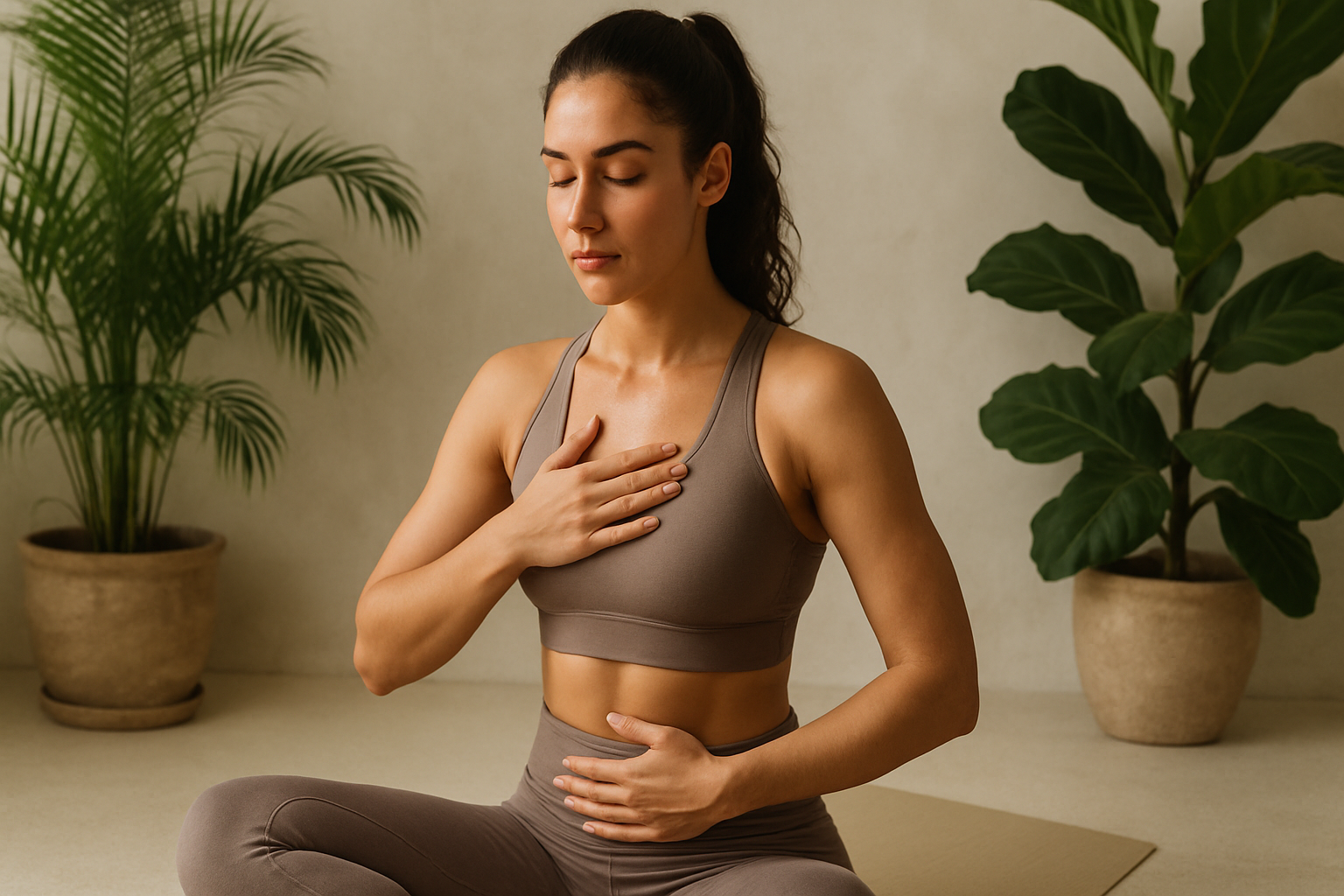
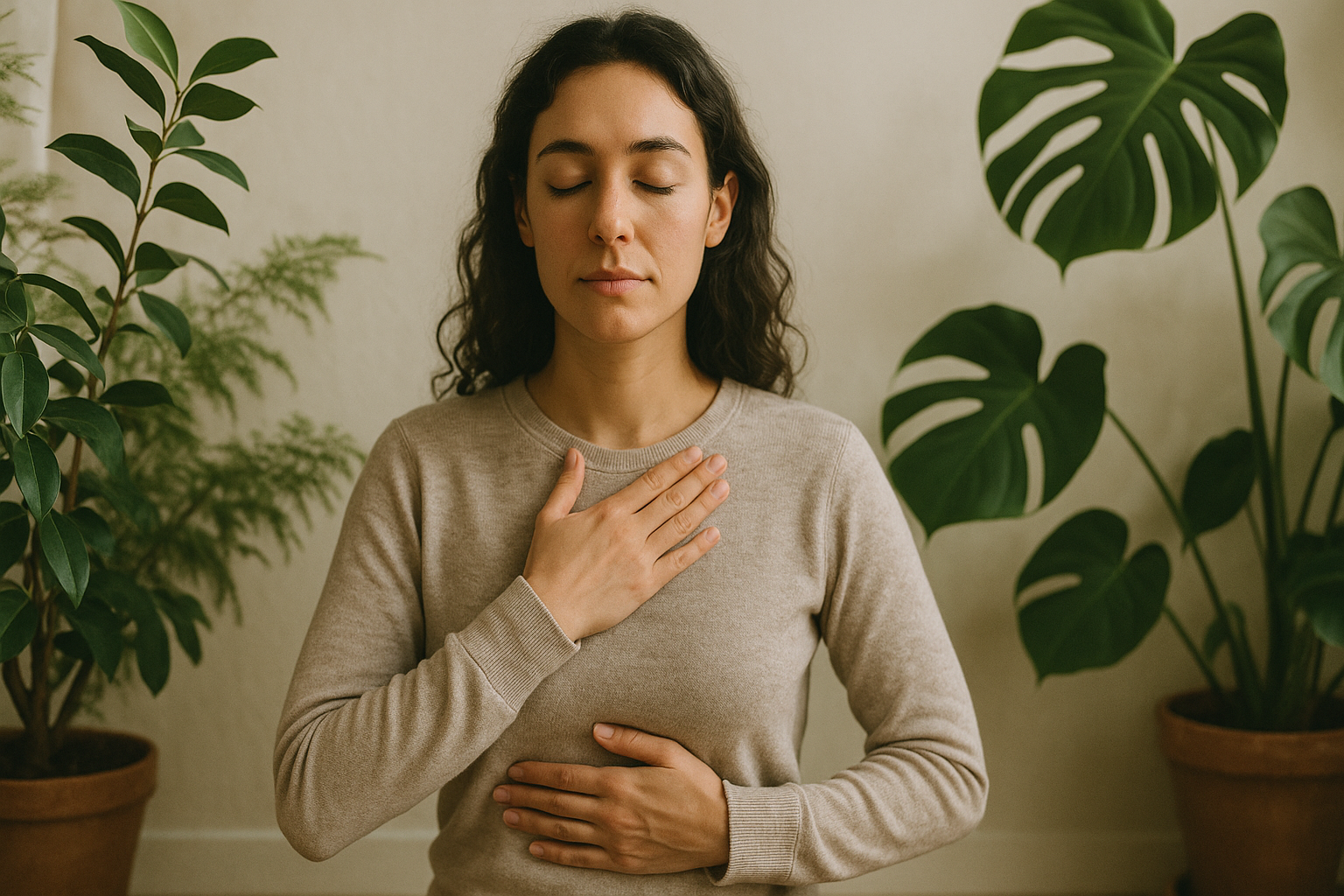
Various techniques, such as diaphragmatic breathing, box breathing, and 4-7-8 breathing, employ different patterns of inhalation and exhalation to promote relaxation. These methods can also help quiet the mind, reducing anxiety and stress that often interfere with sleep. By regularly practicing these techniques, individuals may find it easier to fall asleep and maintain uninterrupted sleep throughout the night.
Evidence Summary
Research into the effectiveness of breathing techniques for improving sleep quality has yielded mixed results. Some preliminary studies indicate that controlled breathing can enhance sleep onset and duration, particularly in individuals with insomnia or anxiety disorders. Clinical trials have shown that practices like mindfulness-based stress reduction, which often include breathing exercises, can significantly improve sleep quality.
However, the evidence is not universally conclusive. While some individuals report positive outcomes, others may not experience the same benefits, suggesting that the effectiveness of breathing techniques may vary widely among individuals. More large-scale, controlled studies are needed to better understand the relationship between breathing sleep and overall sleep improvement.
Practical Application
Integrating breathing techniques into daily routines can be a straightforward process. Here are some practical protocols and tips:
- Establish a Routine: Incorporate breathing exercises into your pre-sleep routine. Aim for 5-10 minutes of focused breathing before bedtime.
- Choose a Technique: Experiment with different breathing methods to find what works best for you. Techniques like 4-7-8 breathing or box breathing can be effective.
- Create a Relaxing Environment: Ensure your bedroom is conducive to relaxation. Dimming lights and minimizing noise can enhance the effects of breathing exercises.
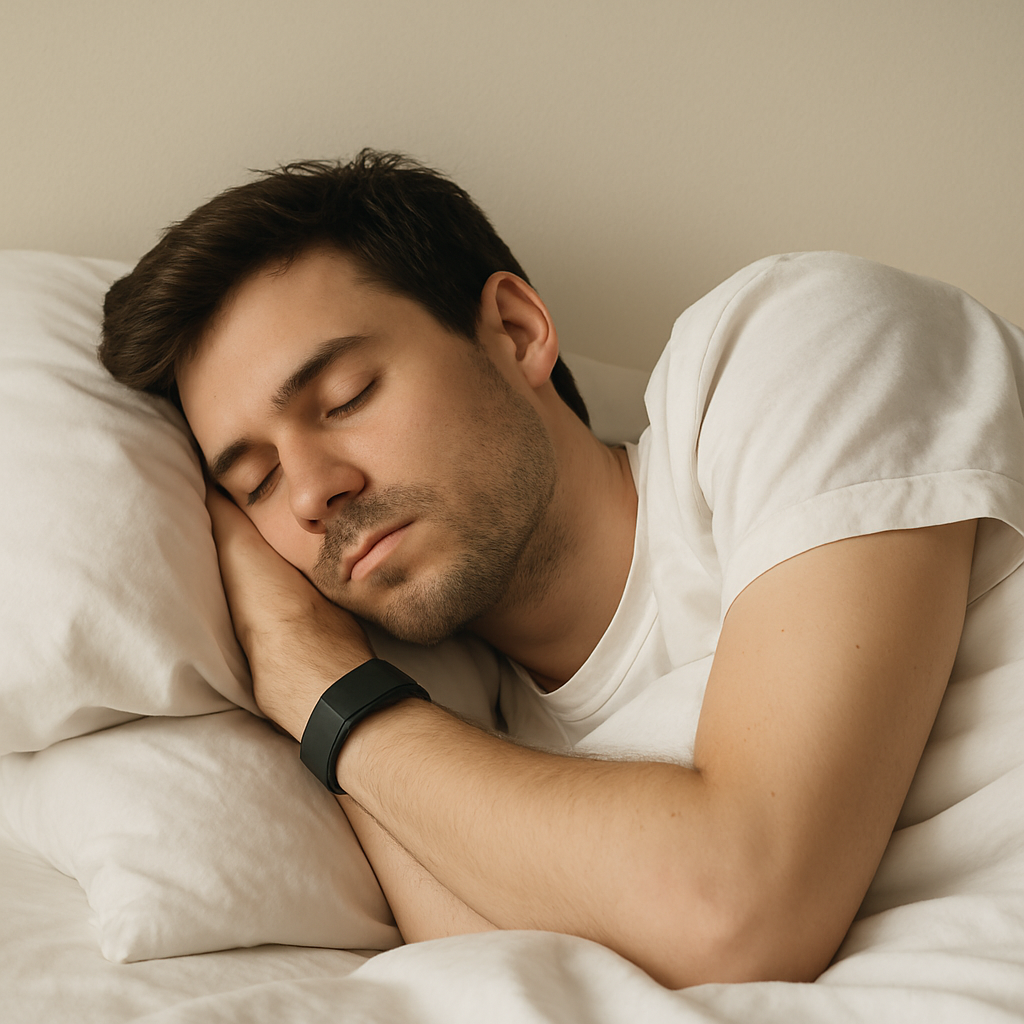
- Track Progress: Monitor your sleep quality and how it correlates with your breathing practice over time.
- Avoid Pitfalls: Be cautious not to overdo breathing exercises, as this may lead to hyperventilation or increased anxiety in some individuals.
Relevant Biomarkers & Tracking
To effectively track the impact of breathing techniques on sleep, consider monitoring the following biomarkers:
- Heart Rate Variability (HRV): An indicator of autonomic nervous system balance, higher HRV may correlate with better relaxation and sleep quality.
- Sleep Duration: Keep a log of how many hours you sleep each night and note any changes after incorporating breathing techniques.
- Sleep Quality Ratings: Use subjective ratings to assess how rested you feel upon waking, noting any variations based on breathing practices.
- Stress Levels: Regularly assess your stress and anxiety levels, as these can impact both your ability to practice breathing techniques and your sleep quality.
Body Systems Supported
Breathing sleep techniques primarily support the following body systems:
- Nervous System: Enhances parasympathetic activity, promoting relaxation and recovery.
- Respiratory System: Improves lung function and oxygenation through proper breathing techniques.
- Endocrine System: Regulates hormone levels, particularly cortisol, aiding in stress reduction.
- Cardiovascular System: May lower heart rate and improve circulation, contributing to better overall health.
Common Goals
Individuals may pursue breathing sleep practices with several common goals in mind:
- Improving overall sleep quality and duration.
- Reducing anxiety and stress levels.
- Enhancing relaxation and mindfulness before sleep.
- Increasing awareness of breathing patterns throughout the day.
- Supporting overall well-being and mental health.
Safety, Contraindications & Edge Cases
Breathing techniques are generally safe for most individuals. However, those with certain conditions should exercise caution:
- Individuals with respiratory conditions (e.g., asthma, COPD) should consult with a healthcare professional before starting new breathing practices.
- People prone to anxiety or panic attacks may need to approach certain breathing techniques carefully, as rapid or forced breathing can exacerbate symptoms.
- Always listen to your body; if a technique feels uncomfortable or induces anxiety, stop and try a different approach.
Pairs Well With
Breathing sleep techniques can be enhanced when paired with other wellness practices, such as:
- Meditation: Incorporating mindfulness meditation can deepen the relaxation effects of breathing techniques.
- Yoga: Combining gentle yoga with breathing exercises can promote physical relaxation and enhance sleep quality.
- Aromatherapy: Essential oils like lavender can complement breathing practices and create a calming environment.
- Herbal Supplements: Herbs like valerian root and chamomile may support sleep when used alongside breathing techniques.
FAQs (5)
- Can breathing techniques help everyone sleep better? While many individuals find breathing techniques beneficial, results can vary; some may not experience significant improvements.
- How long should I practice breathing exercises to see results? Regular practice over several weeks can lead to noticeable improvements in sleep quality.
- Are there any risks associated with breathing exercises? Generally, they are safe, but individuals with specific health conditions should consult a doctor before starting.
- Which breathing technique is the most effective for sleep? The effectiveness of a technique can vary; experimenting with different methods like 4-7-8 or box breathing may help you find what works best.
- Can I use breathing techniques during the day? Absolutely! Incorporating breathing exercises throughout the day can help manage stress and improve focus.
Frequently asked
Can breathing techniques help everyone sleep better?
While many individuals find breathing techniques beneficial, results can vary; some may not experience significant improvements.
How long should I practice breathing exercises to see results?
Regular practice over several weeks can lead to noticeable improvements in sleep quality.
Are there any risks associated with breathing exercises?
Generally, they are safe, but individuals with specific health conditions should consult a doctor before starting.
Which breathing technique is the most effective for sleep?
The effectiveness of a technique can vary; experimenting with different methods like 4-7-8 or box breathing may help you find what works best.
Can I use breathing techniques during the day?
Absolutely! Incorporating breathing exercises throughout the day can help manage stress and improve focus.