Stress Sleep
Learn how stress impacts sleep quality, mechanisms at play, practical applications for improvement, and relevant biomarkers.
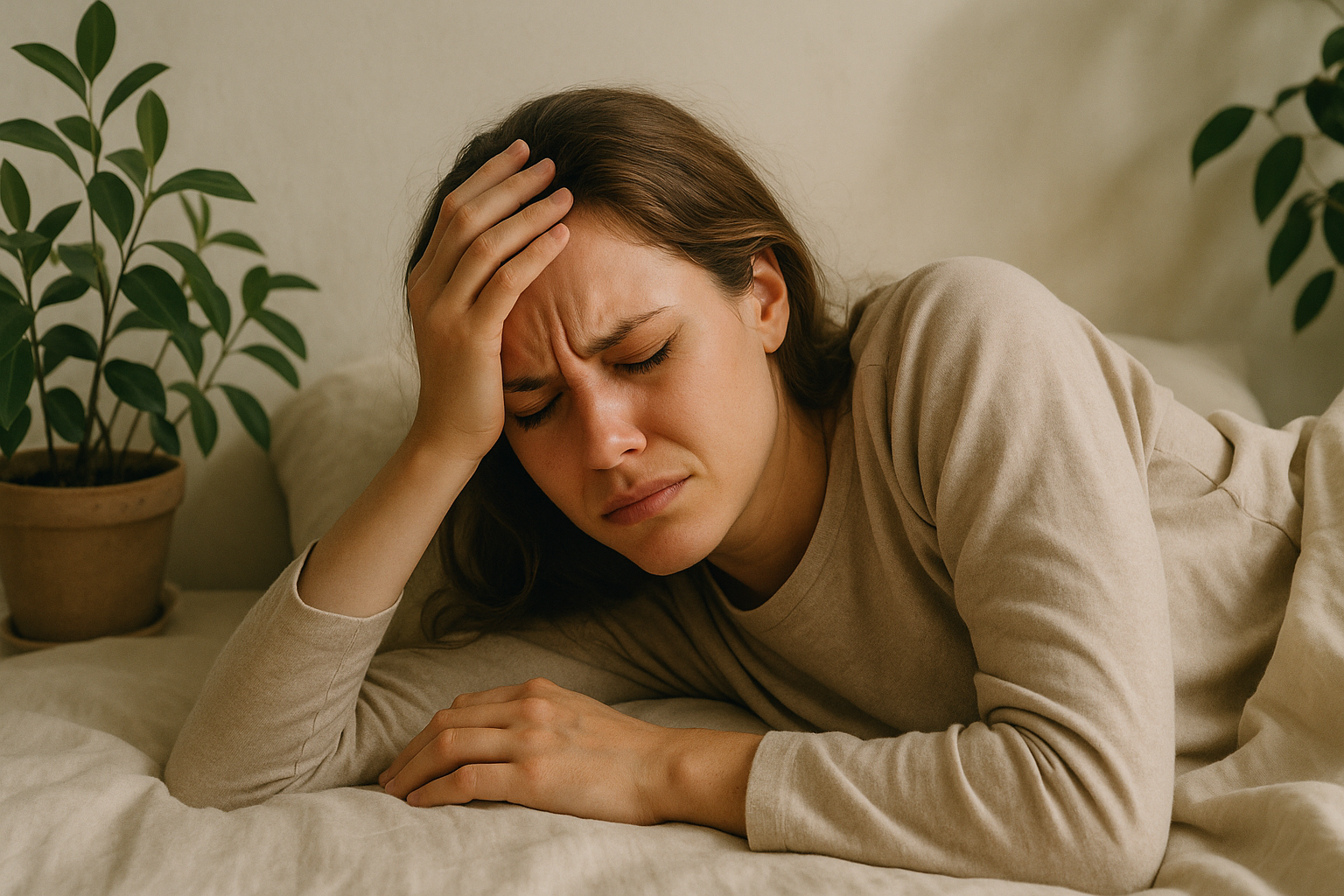
This page explores the relationship between stress and sleep within the context of sleep optimization, detailing mechanisms, evidence, practical applications, and more.
What It Is
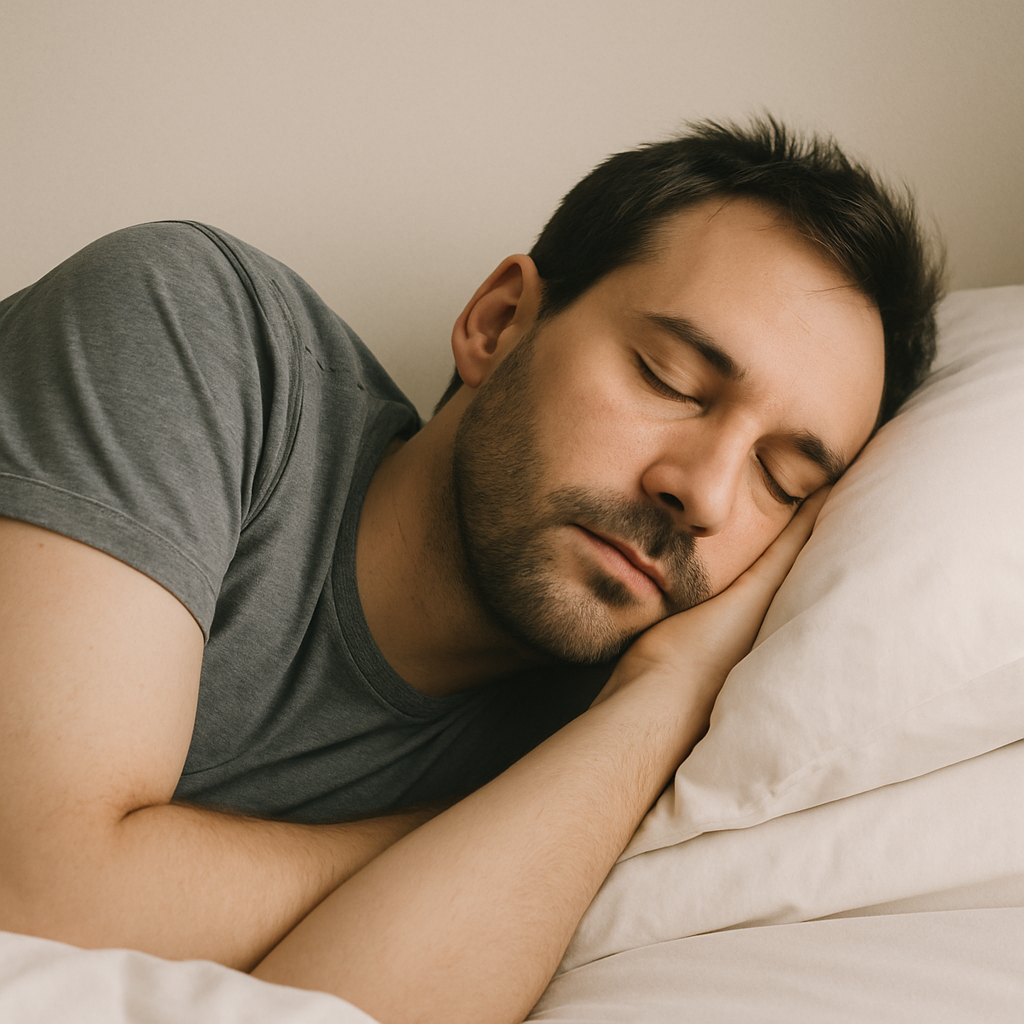
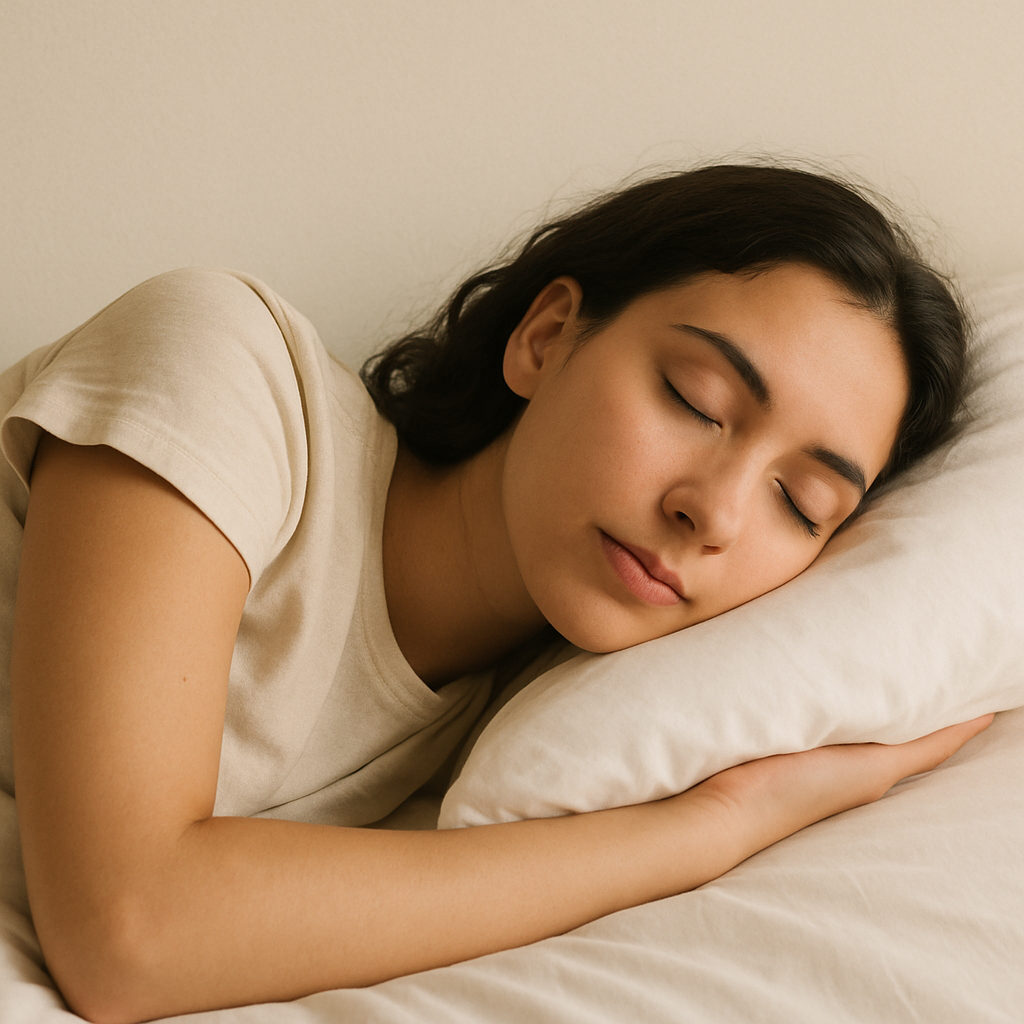
Stress sleep refers to the disruption of sleep patterns and quality caused by stress. Stress can manifest in various forms, including emotional, physical, and psychological, leading to difficulty falling asleep, staying asleep, or achieving restorative sleep. It is a significant factor that affects overall sleep health and can contribute to a cycle of poor sleep and increased stress.
When the body experiences stress, it triggers a cascade of hormonal responses, particularly the release of cortisol and adrenaline. These hormones prepare the body for a 'fight or flight' response, which can lead to heightened alertness and difficulty relaxing, ultimately compromising the ability to fall asleep and stay asleep.
Mechanism / How It Works
The relationship between stress and sleep is complex and involves multiple physiological and psychological mechanisms. Stress activates the hypothalamic-pituitary-adrenal (HPA) axis, resulting in increased cortisol levels. Elevated cortisol can interfere with the natural sleep-wake cycle, leading to insomnia or disrupted sleep patterns.
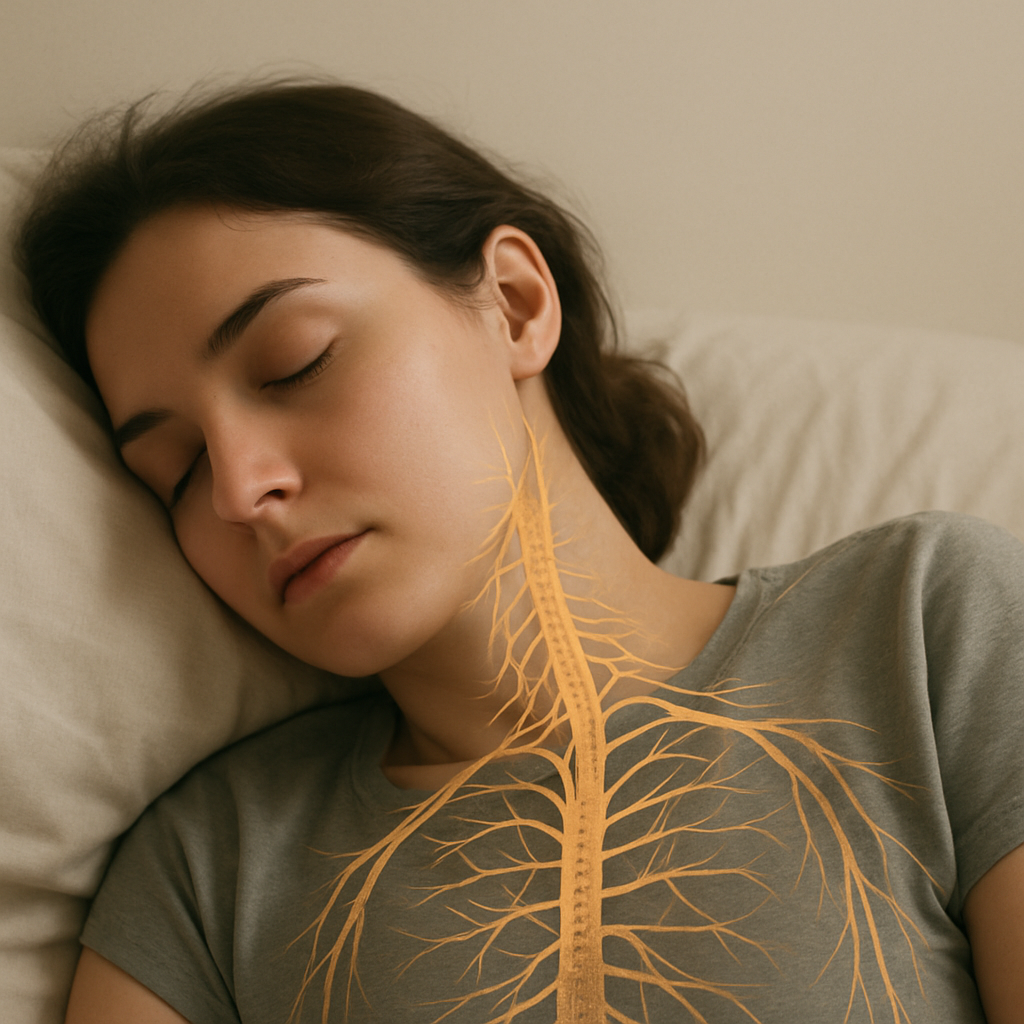
Additionally, stress can increase sympathetic nervous system activity, which is responsible for the body's rapid involuntary response to dangerous or stressful situations. This heightened state of arousal can make it challenging to wind down in the evening, leading to difficulties in initiating sleep. Furthermore, stress can contribute to rumination and anxiety, which can perpetuate wakefulness and hinder restful sleep.
Evidence Summary
Research indicates a bidirectional relationship between stress and sleep. Numerous studies have shown that chronic stress can lead to sleep disturbances, while poor sleep can exacerbate feelings of stress and anxiety. Clinical studies have demonstrated that individuals with high levels of perceived stress often report poorer sleep quality and increased insomnia symptoms.
However, the body of evidence is still growing, and there are conflicting findings regarding the specific mechanisms through which stress affects sleep. While some studies emphasize the role of cortisol, others suggest that psychological factors, such as anxiety and depression, might be equally influential. More longitudinal studies are needed to understand causal relationships fully and to develop effective interventions.
Practical Application
To mitigate the effects of stress on sleep, individuals can adopt several practical strategies:
- Establish a Relaxing Bedtime Routine: Engage in calming activities such as reading, meditation, or gentle stretching before bed.
- Limit Screen Time: Reduce exposure to screens at least one hour before bedtime to minimize blue light interference with melatonin production.
- Practice Mindfulness and Relaxation Techniques: Incorporate practices such as deep breathing, progressive muscle relaxation, or mindfulness meditation to help manage stress levels.
- Maintain a Consistent Sleep Schedule: Go to bed and wake up at the same time each day to regulate your body's internal clock.
- Physical Activity: Engage in regular physical exercise, which can help reduce stress and improve sleep quality, but avoid vigorous workouts close to bedtime.
Common pitfalls include neglecting the importance of a sleep-friendly environment, such as keeping the bedroom dark, quiet, and cool, as well as failing to address underlying stressors that may need to be managed outside of bedtime.
Relevant Biomarkers & Tracking
Tracking stress and sleep can be facilitated through various methods, including:
- Sleep Quality Assessments: Utilize sleep tracking devices or apps to monitor sleep patterns and quality.
- Cortisol Levels: Cortisol can be measured through saliva, blood, or urine tests to assess stress levels.
- Heart Rate Variability (HRV): Monitoring HRV can provide insights into autonomic nervous system function and stress response.
By tracking these biomarkers, individuals can gain a better understanding of their stress levels and how they correlate with sleep quality.
Body Systems Supported
Improving sleep in the context of stress can benefit several body systems, including:
- Nervous System: Enhanced sleep supports the parasympathetic nervous system, promoting relaxation and recovery.
- Endocrine System: Quality sleep helps regulate hormonal balance, including cortisol levels.
- Immune System: Adequate sleep is crucial for optimal immune function and resilience against stressors.
Common Goals
Individuals seeking to improve their sleep in the context of stress often have common goals, such as:
- Reducing the time it takes to fall asleep.
- Improving overall sleep quality and duration.
- Managing daytime fatigue and enhancing alertness.
- Developing coping strategies for stress management.
Safety, Contraindications & Edge Cases
While the strategies for improving sleep and managing stress are generally safe, individuals with specific medical conditions or those taking medications should consult healthcare professionals before making significant changes. For example:
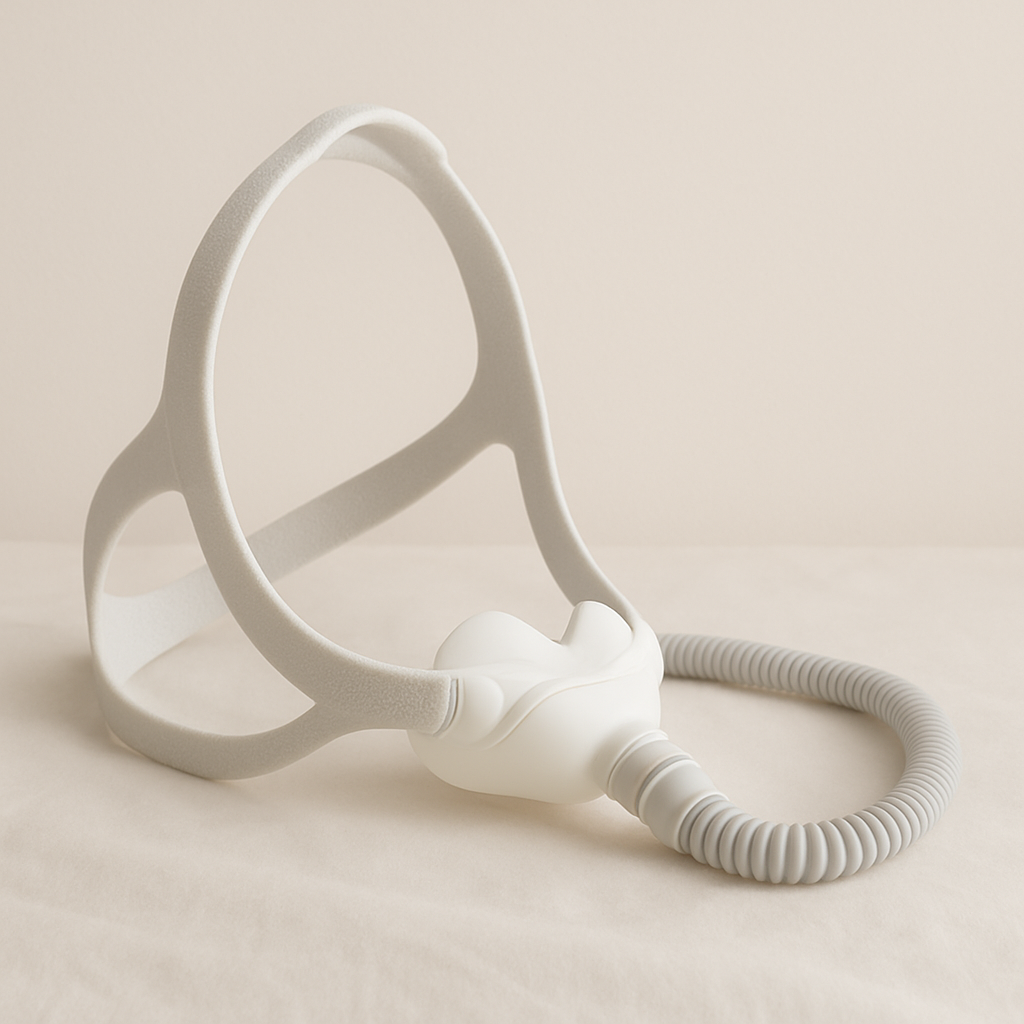
- Individuals with sleep disorders, such as sleep apnea, should seek professional evaluation.
- Those with mental health conditions may require specialized interventions.
- Pregnant women should consider safety when implementing new sleep or stress management techniques.
Pairs Well With
Stress management and sleep optimization can be enhanced by integrating practices from various wellness traditions:
- Aromatherapy: Essential oils like lavender and chamomile can promote relaxation and improve sleep quality.
- Herbal Remedies: Herbs such as valerian root and ashwagandha may support stress reduction and enhance sleep.
- Meditation: Practices from ancient traditions can help cultivate mindfulness and reduce stress.
FAQs (5)
- How does stress affect sleep quality?
Stress can lead to difficulty falling asleep, frequent awakenings, and overall poor sleep quality due to heightened arousal and hormonal changes in the body.
- What are the best techniques to reduce stress before bedtime?
Techniques include mindfulness meditation, deep breathing exercises, and engaging in relaxing activities such as reading or gentle yoga.
- Can supplements help with stress-related sleep issues?
Some supplements, such as melatonin, magnesium, and herbal remedies like valerian root, may support better sleep, but it is advisable to consult a healthcare provider before use.
- How long does it take to see improvements in sleep after reducing stress?
Improvements can vary, but many individuals may notice changes within a few weeks of consistently implementing stress management techniques.
- Is it necessary to see a doctor for stress-related sleep problems?
If sleep disturbances are persistent or severely impacting daily life, it is important to seek professional guidance for appropriate evaluation and management.
Frequently asked
How does stress affect sleep quality?
Stress can lead to difficulty falling asleep, frequent awakenings, and overall poor sleep quality due to heightened arousal and hormonal changes in the body.
What are the best techniques to reduce stress before bedtime?
Techniques include mindfulness meditation, deep breathing exercises, and engaging in relaxing activities such as reading or gentle yoga.
Can supplements help with stress-related sleep issues?
Some supplements, such as melatonin, magnesium, and herbal remedies like valerian root, may support better sleep, but it is advisable to consult a healthcare provider before use.
How long does it take to see improvements in sleep after reducing stress?
Improvements can vary, but many individuals may notice changes within a few weeks of consistently implementing stress management techniques.
Is it necessary to see a doctor for stress-related sleep problems?
If sleep disturbances are persistent or severely impacting daily life, it is important to seek professional guidance for appropriate evaluation and management.