Sleep Tracking
Explore the essentials of sleep tracking, its mechanisms, practical applications, and how it can enhance sleep optimization in your wellness journey.
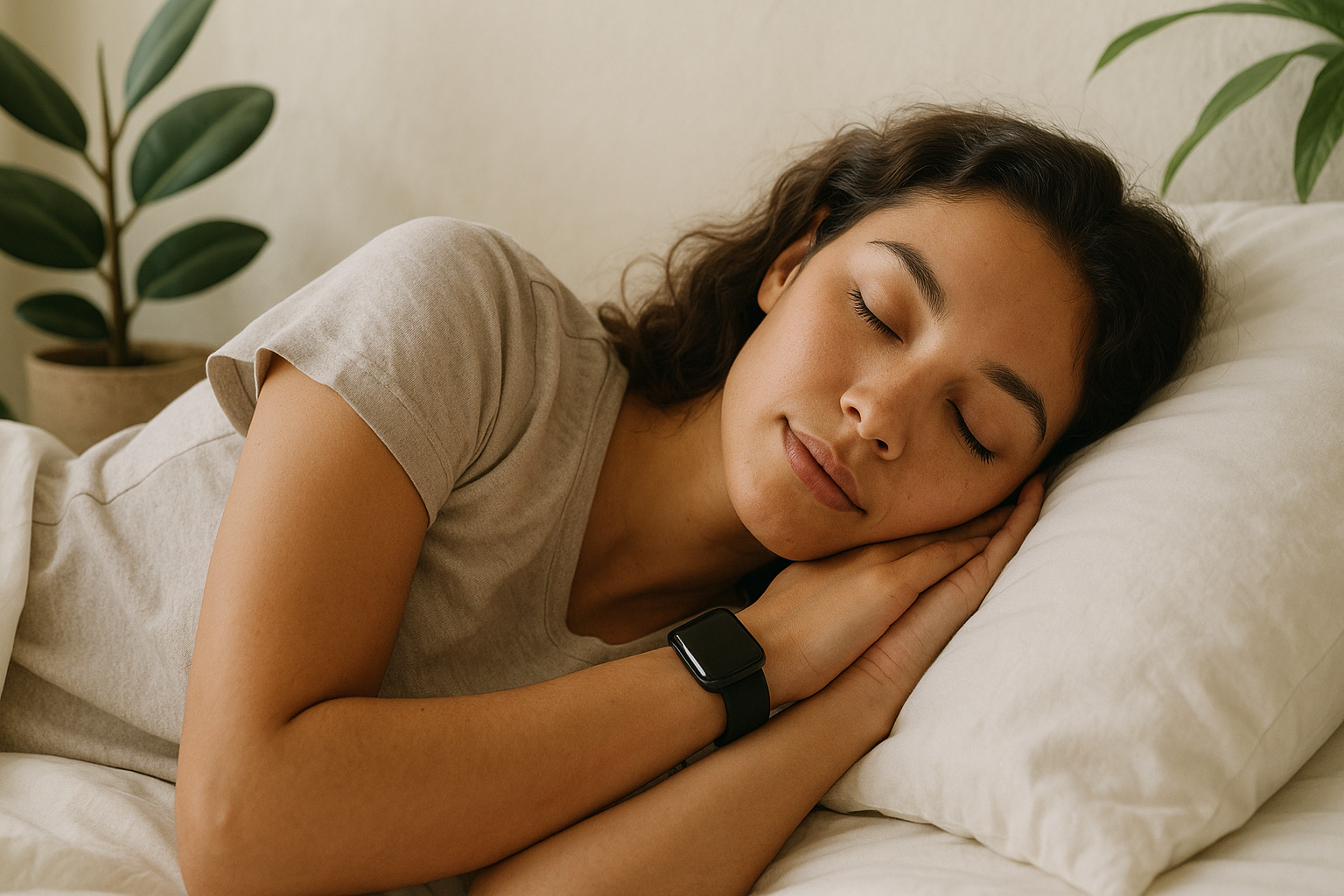
This subcategory page on Sleep Tracking within the Sleep Optimization pillar of Modern Wellness explores the definition, mechanisms, evidence, practical applications, relevant biomarkers, supported body systems, common goals, safety considerations, complementary practices, and frequently asked questions regarding sleep tracking.
What It Is
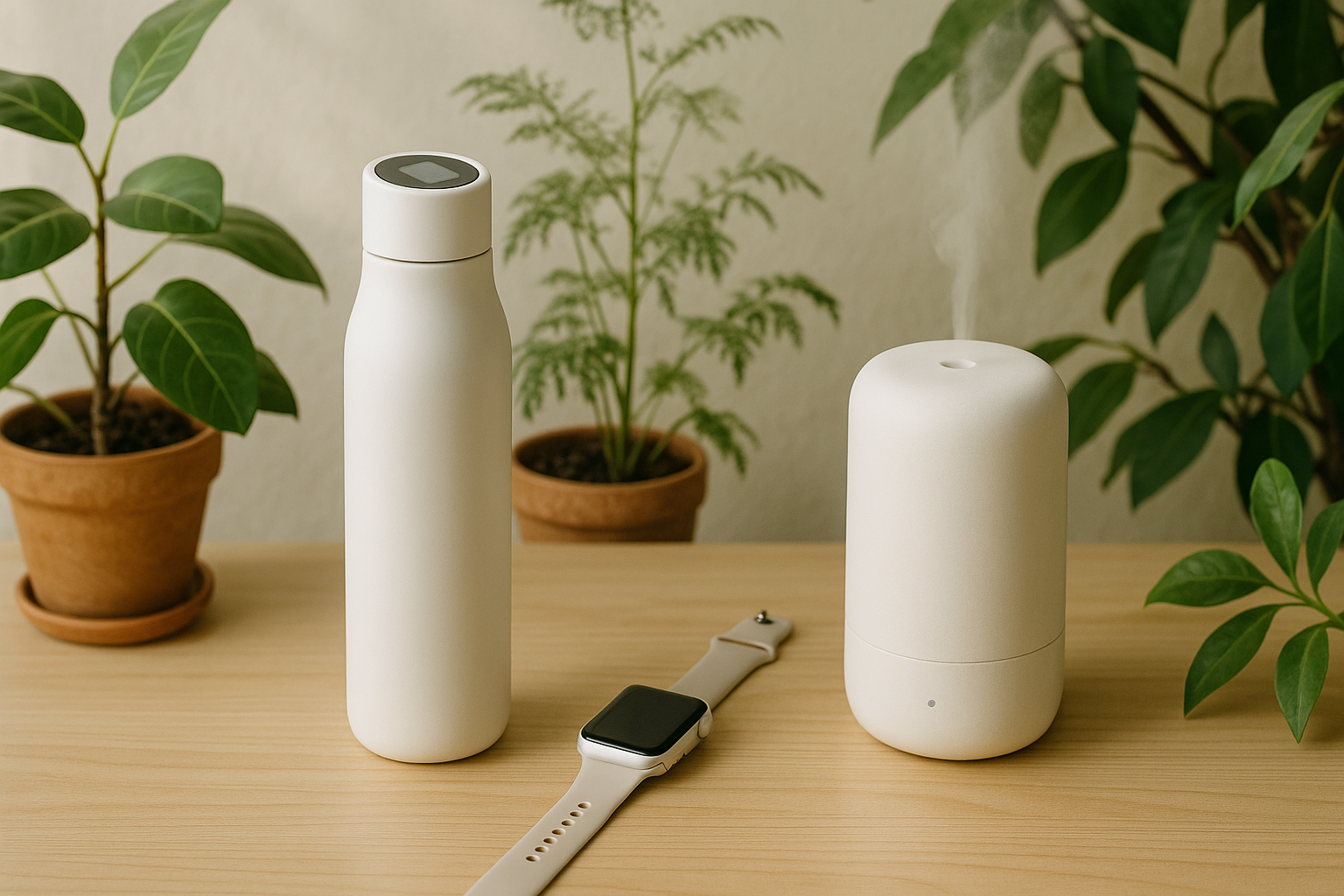
Sleep tracking refers to the process of monitoring and recording various parameters of sleep, including duration, quality, and sleep cycles. With the advancement of technology, sleep tracking has evolved from simple sleep diaries to sophisticated wearable devices and smartphone applications that provide detailed insights into sleep patterns. By collecting data on how long and how well individuals sleep, sleep tracking aims to enhance understanding and management of sleep habits.
These tools often utilize sensors to measure movements, heart rates, and even environmental factors like temperature and light. The ultimate goal of sleep tracking is to help individuals identify sleep issues, optimize their sleep environments, and improve overall sleep quality, contributing to better physical and mental health.
Mechanism / How It Works
Sleep tracking devices typically function through a combination of accelerometer technology and algorithms designed to interpret sleep stages. Wearable devices, such as fitness trackers and smartwatches, monitor body movements throughout the night. By analyzing patterns in activity, these devices can estimate when a person falls asleep, their periods of deep and light sleep, and when they wake up.
Some advanced devices also incorporate heart rate variability and even blood oxygen levels to provide a more comprehensive view of sleep quality. Apps can further enhance tracking by allowing users to input factors like caffeine intake, stress levels, and daily routines, which can influence sleep. This data can then be used to generate reports that help individuals make informed adjustments to their sleep habits.
Evidence Summary
The evidence surrounding sleep tracking is varied, with some studies supporting its effectiveness while others raise questions about accuracy. Preliminary research suggests that sleep tracking can raise awareness about sleep habits, potentially leading to improvements in sleep quality. However, the accuracy of various devices can differ significantly, with some studies indicating discrepancies between self-reported sleep data and that measured by devices.
Clinical studies on specific tracking devices have shown that they can help identify sleep disorders, such as sleep apnea, although more research is needed to fully understand their diagnostic capabilities. Conflicting results often stem from differences in technology, user adherence, and individual variability in sleep patterns. Thus, while sleep tracking can provide useful insights, it is important for users to approach the data critically and consider it as one part of a broader sleep optimization strategy.
Practical Application
To effectively integrate sleep tracking into daily life, individuals can follow these protocols:
- Choose a reliable sleep tracking device or app that best meets personal needs.
- Set a consistent sleep schedule to gather more accurate tracking data.
- Use the insights gained from tracking to make adjustments in daily routines, such as limiting screen time before bed or creating a more conducive sleep environment.
- Record additional factors that may affect sleep, such as stress levels and dietary habits.
Common pitfalls include over-reliance on technology, which may lead to increased anxiety about sleep, and not considering the contextual factors influencing sleep quality. It is essential to balance data-driven insights with personal experience and intuition.
Relevant Biomarkers & Tracking
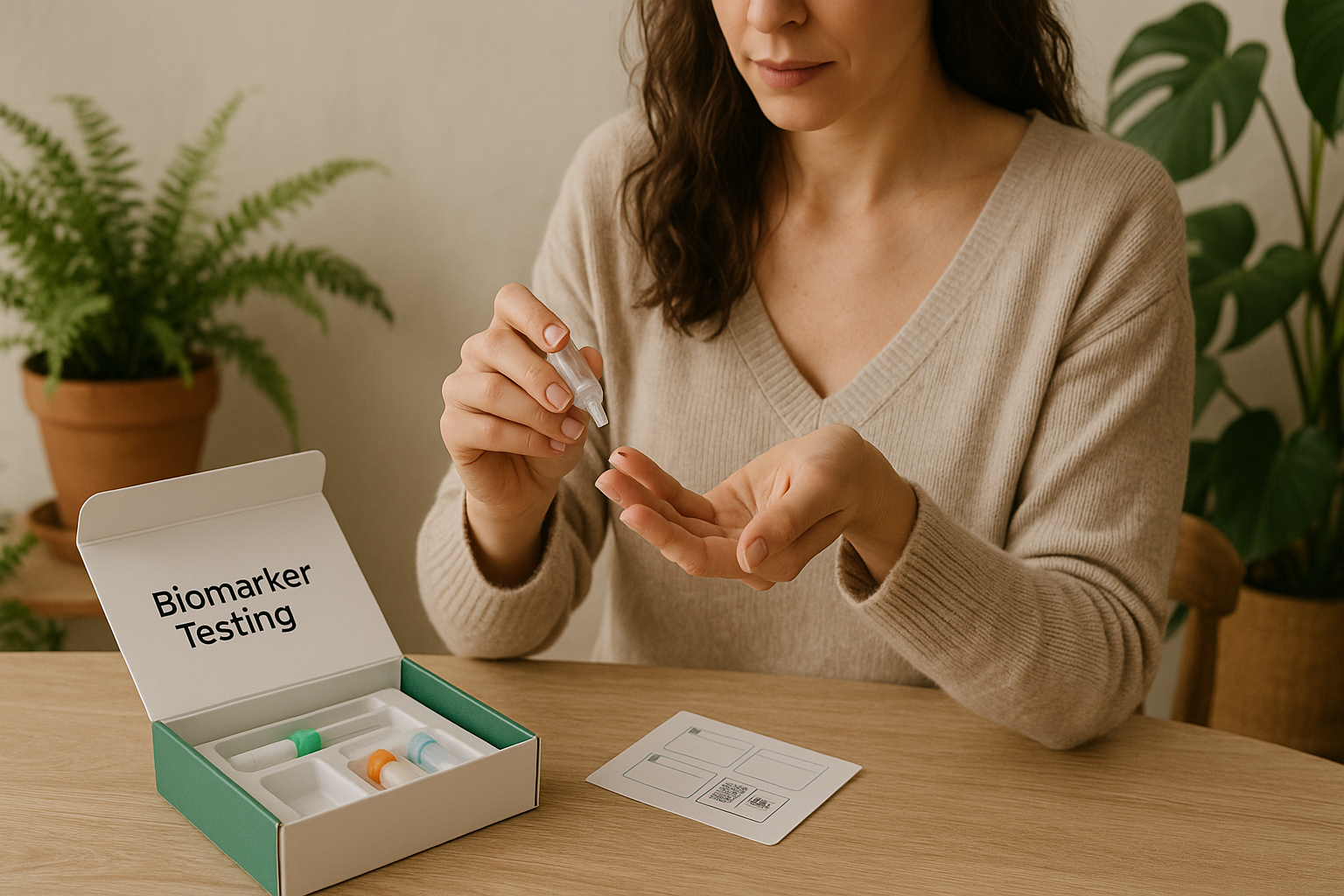
Several biomarkers are relevant when it comes to sleep tracking:
- Sleep Duration: The total time spent sleeping each night.
- Sleep Efficiency: The ratio of time spent asleep to time spent in bed.
- Sleep Latency: The time it takes to fall asleep after turning off the lights.
- Wake After Sleep Onset (WASO): The amount of time spent awake after initially falling asleep.
- Heart Rate Variability (HRV): A measure of autonomic nervous system function during sleep, which can indicate stress levels.
Tracking these biomarkers can help individuals understand their sleep patterns and identify areas for improvement.
Body Systems Supported
Sleep tracking can have positive effects on several body systems, including:
- Neuroendocrine System: Improved sleep can enhance hormone regulation, including stress hormones.
- Immune System: Quality sleep is crucial for optimal immune function and recovery.
- Cognitive Function: Better sleep can enhance memory, concentration, and overall brain health.
- Cardiovascular Health: Adequate sleep is linked to reduced risk of heart disease and improved cardiovascular function.
Common Goals
Individuals may pursue sleep tracking with various goals in mind, including:
- Improving overall sleep quality and duration.
- Identifying and addressing sleep disorders.
- Enhancing daytime alertness and cognitive function.
- Establishing a consistent sleep schedule.
- Reducing sleep-related anxiety through informed insights.
Safety, Contraindications & Edge Cases
While sleep tracking is generally considered safe, there are some considerations to keep in mind. Individuals with certain medical conditions, such as severe anxiety disorders or specific sleep disorders, should consult a healthcare provider before relying on sleep tracking devices. Additionally, the accuracy of sleep data can vary, which may lead to misinterpretation of sleep quality and potential unnecessary anxiety about sleep habits.
It is crucial to remember that sleep tracking data should be used as a guide rather than a definitive measurement of sleep health. Users should combine insights from tracking with professional advice when necessary.
Pairs Well With
To enhance sleep optimization, sleep tracking pairs well with various ancient and natural practices, such as:
- Mindfulness Meditation: Reduces stress and promotes relaxation, aiding in better sleep quality.
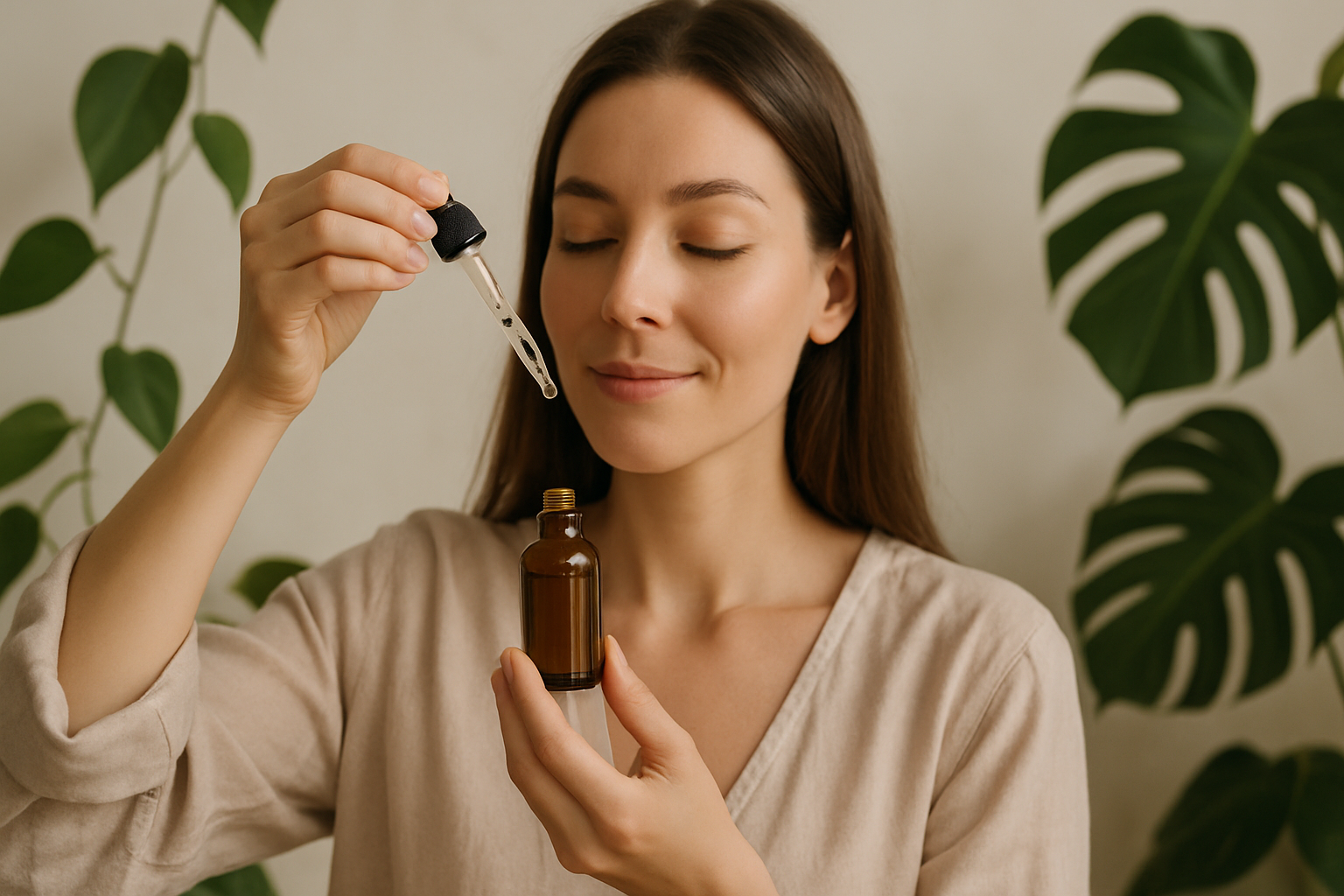
- Aromatherapy: Essential oils, like lavender, can create a calming sleep environment.
- Herbal Remedies: Natural supplements, such as valerian root or chamomile, can support sleep.
- Yoga: Gentle stretching and relaxation techniques can prepare the body for restful sleep.
FAQs (5)
- What is the most accurate way to track sleep? The accuracy of sleep tracking can vary by device. Wearable technology is generally more reliable than apps that rely solely on user input.
- Can sleep tracking help with insomnia? Yes, it can provide insights that enable individuals to identify patterns and triggers that may contribute to insomnia.
- How often should I check my sleep data? It's advisable to review sleep data regularly, but avoid becoming overly fixated on daily fluctuations.
- Do I need a special device to track my sleep? While specialized devices provide detailed insights, many smartphones offer basic sleep tracking features that can be helpful.
- Is it normal for sleep data to vary from night to night? Yes, variations in sleep data are normal and can be influenced by numerous factors, including stress, diet, and lifestyle changes.
Frequently asked
What is the most accurate way to track sleep?
The accuracy of sleep tracking can vary by device. Wearable technology is generally more reliable than apps that rely solely on user input.
Can sleep tracking help with insomnia?
Yes, it can provide insights that enable individuals to identify patterns and triggers that may contribute to insomnia.
How often should I check my sleep data?
It's advisable to review sleep data regularly, but avoid becoming overly fixated on daily fluctuations.
Do I need a special device to track my sleep?
While specialized devices provide detailed insights, many smartphones offer basic sleep tracking features that can be helpful.
Is it normal for sleep data to vary from night to night?
Yes, variations in sleep data are normal and can be influenced by numerous factors, including stress, diet, and lifestyle changes.