Deep Sleep Support
Deep sleep support is essential for overall wellness, focusing on mechanisms, evidence, protocols, and safety considerations to improve sleep quality.

Explore deep sleep support within sleep optimization and discover its benefits, mechanisms, and practical applications for enhancing your sleep quality.
What It Is
Deep sleep support refers to the strategies and practices aimed at enhancing the quality and duration of deep sleep, a crucial stage of the sleep cycle known for its restorative effects. Deep sleep, also known as slow-wave sleep, is characterized by its deep, restorative qualities, allowing the body to recover physically and mentally, consolidate memories, and regulate various bodily functions.
Many individuals struggle with achieving adequate deep sleep due to various factors such as stress, lifestyle choices, and environmental influences. By focusing on deep sleep support, one can take actionable steps to improve sleep quality, leading to enhanced overall health and well-being.
Mechanism / How It Works
Deep sleep support mechanisms involve various physiological and psychological processes. During deep sleep, the body undergoes several restorative functions, including muscle growth, tissue repair, and immune system strengthening. Neurotransmitters and hormones play a significant role in regulating sleep cycles, with the release of growth hormone peaking during this stage.
Additionally, practices such as mindfulness, breathing exercises, and specific dietary choices can help promote relaxation and reduce anxiety, fostering an environment conducive to deep sleep. By addressing both physical and mental aspects, deep sleep support helps create a holistic approach to achieving restful sleep.
Evidence Summary
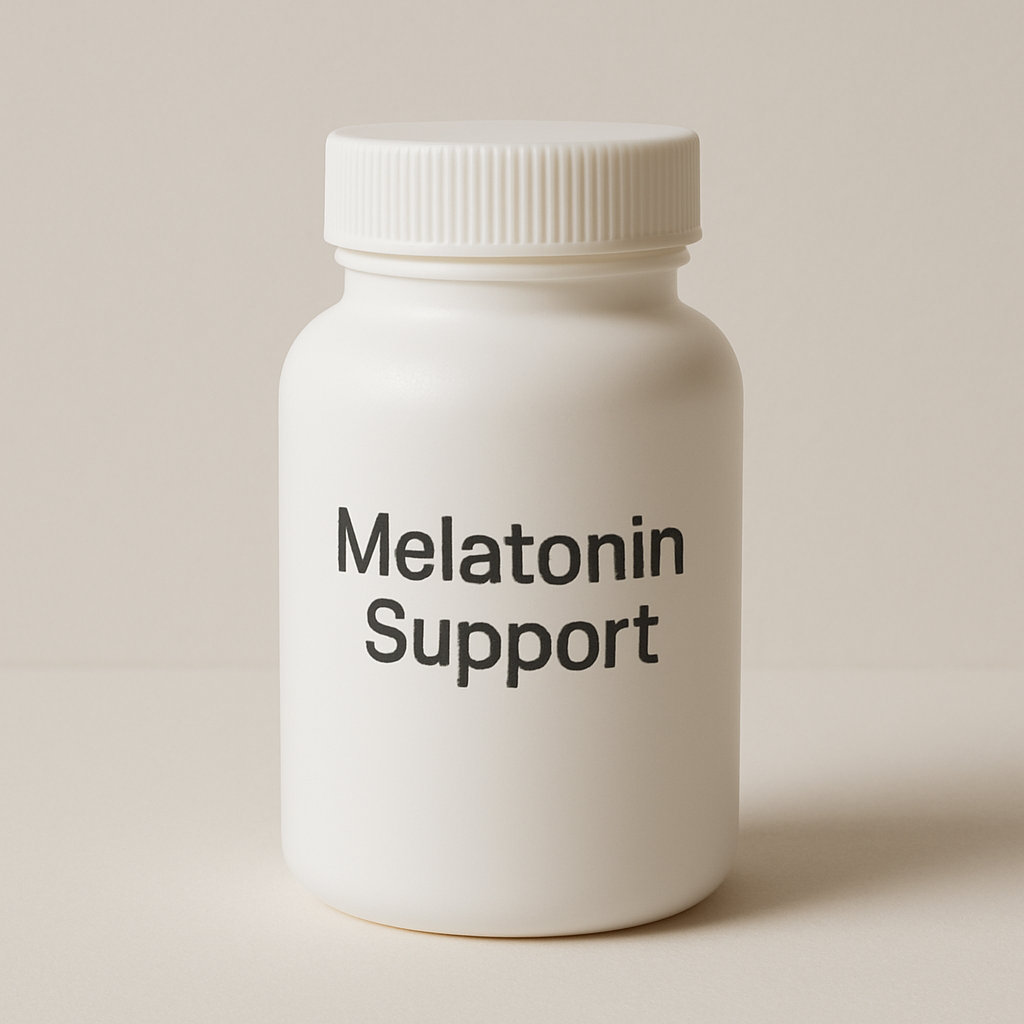
Research on deep sleep support is varied, with some studies showing promising results while others present conflicting data. Preliminary studies suggest that specific interventions, such as the use of melatonin or magnesium supplements, can enhance deep sleep duration and quality.
However, clinical trials often yield mixed results, indicating that individual responses to deep sleep interventions vary widely. While some individuals report significant improvements in sleep quality, others may find minimal effects. The current evidence underscores the need for further research to establish standardized protocols and identify the most effective strategies for enhancing deep sleep.
Practical Application
To effectively integrate deep sleep support into daily life, consider establishing a consistent bedtime routine that promotes relaxation. Here are some practical applications:
- Limit screen time at least an hour before bed to reduce blue light exposure.
- Create a sleep-conducive environment by maintaining a cool, dark, and quiet bedroom.
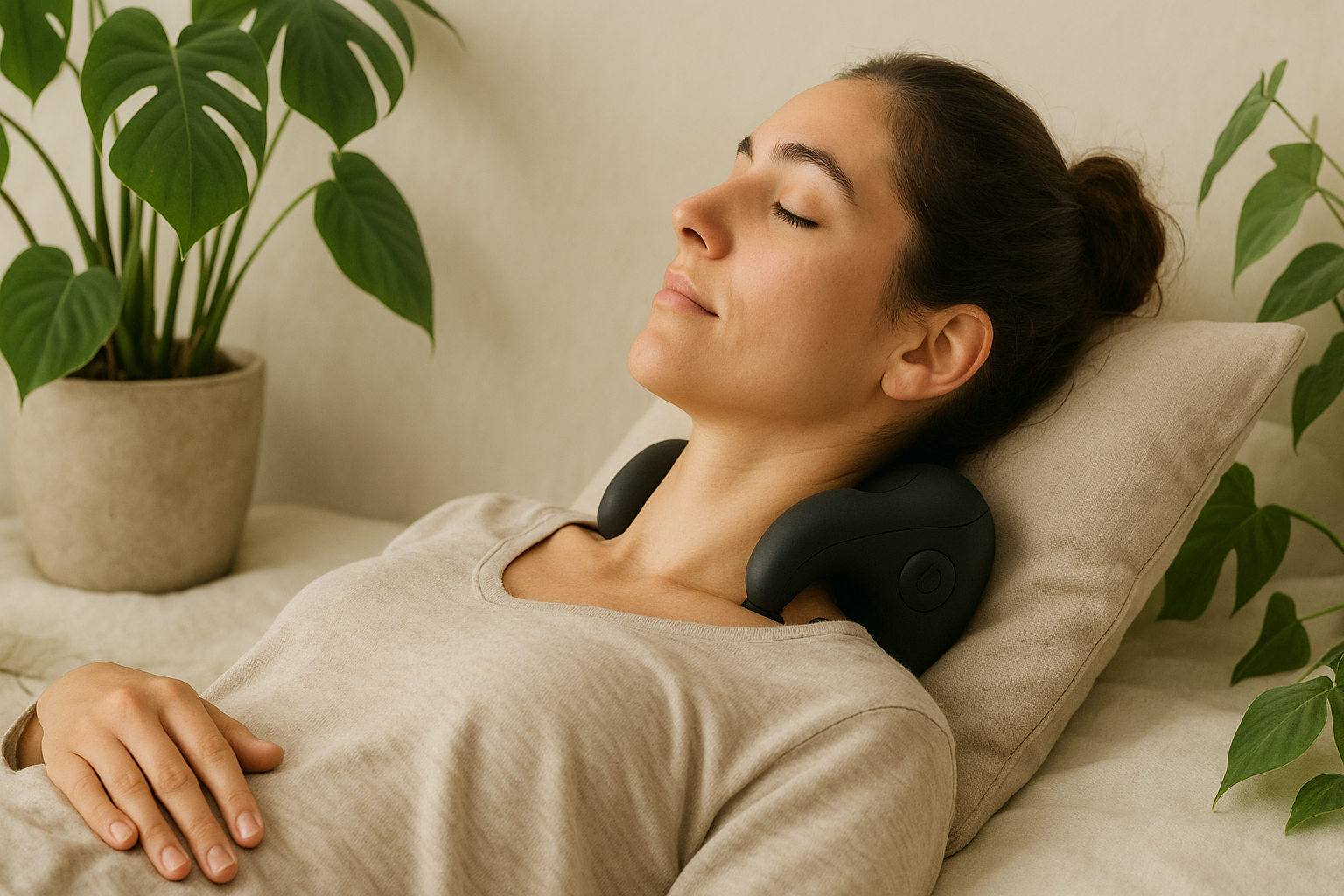
- Incorporate relaxation techniques such as meditation, gentle yoga, or deep breathing exercises.
- Consider dietary adjustments, such as reducing caffeine intake and including foods rich in magnesium and tryptophan.
Common pitfalls include inconsistent sleep schedules, reliance on sleep aids without lifestyle changes, and neglecting the importance of a calming bedtime routine.
Relevant Biomarkers & Tracking
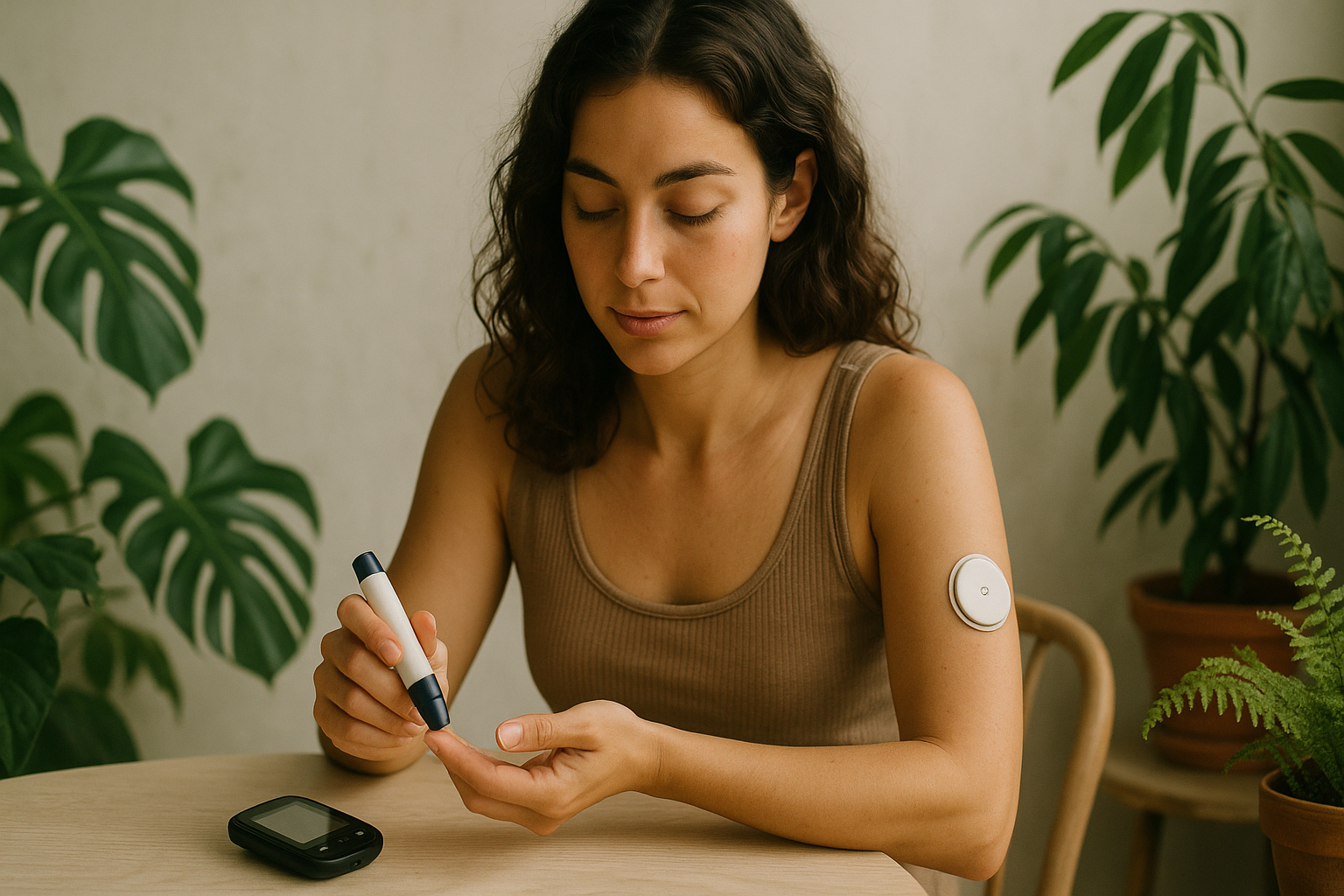
Tracking sleep patterns can provide valuable insights into sleep quality and help identify areas for improvement. Relevant biomarkers for deep sleep may include:
- Heart rate variability (HRV)
- Sleep cycle duration and quality
- Levels of melatonin and cortisol
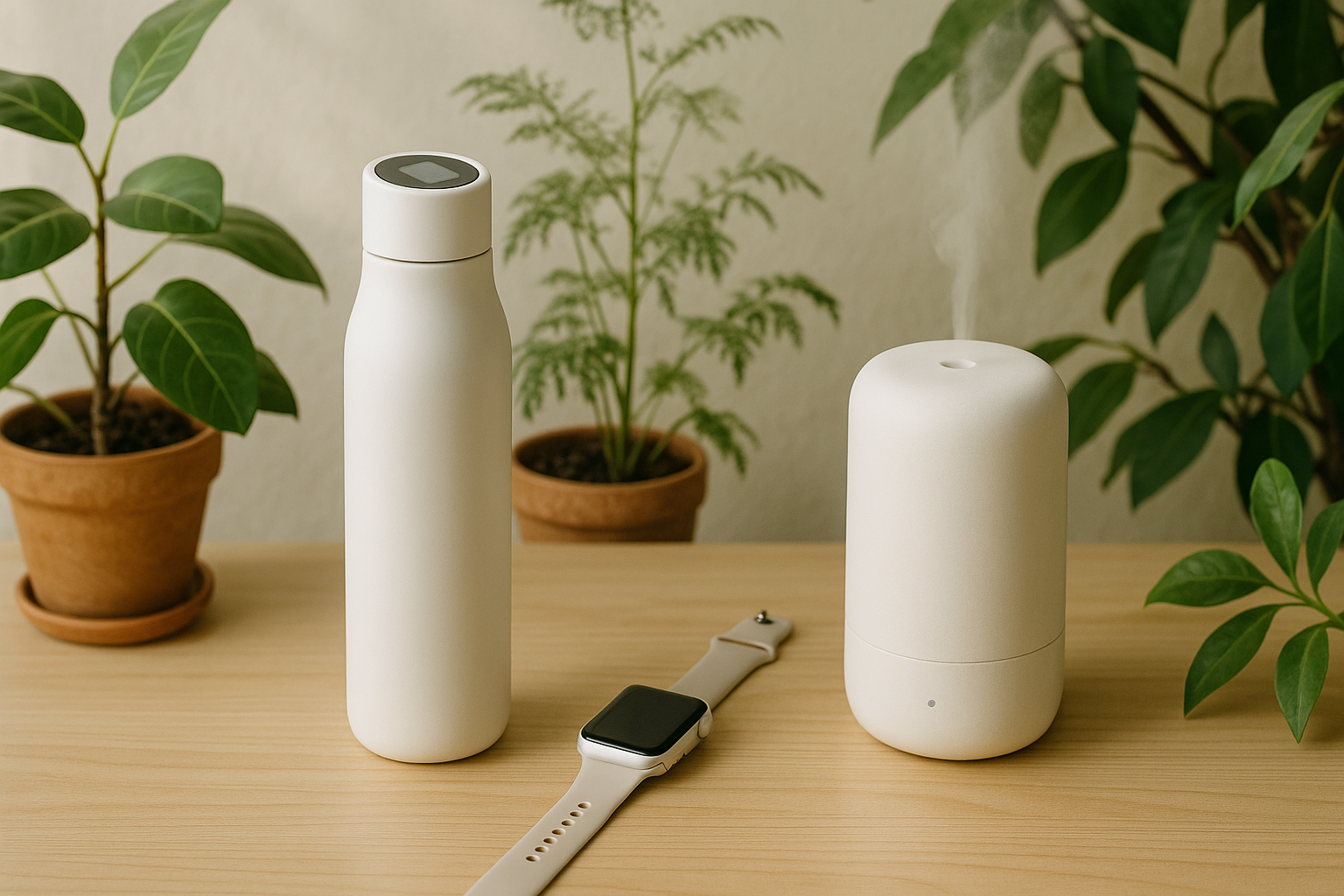
Using sleep tracking devices or apps can help monitor these biomarkers and facilitate a better understanding of sleep patterns, enabling personalized adjustments to enhance deep sleep support.
Body Systems Supported
Deep sleep support positively impacts several body systems, including:
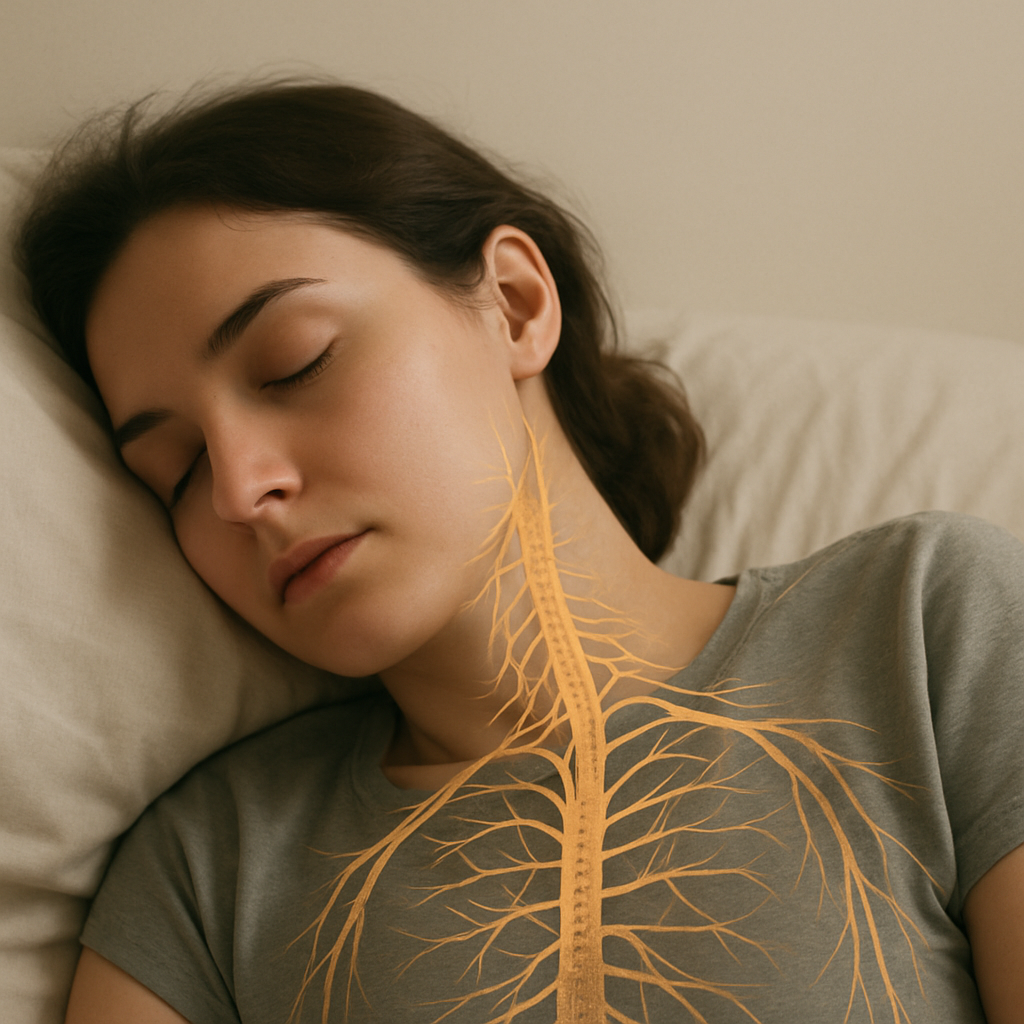
- The nervous system, through improved stress response and mental clarity.
- The immune system, by facilitating recovery and strengthening defenses against illness.
- The endocrine system, through balanced hormone regulation.
By supporting these systems, deep sleep contributes to overall health and resilience.
Common Goals
Individuals seeking deep sleep support often aim to achieve specific goals, such as:
- Improving overall sleep quality and duration.
- Enhancing physical recovery and energy levels.
- Reducing anxiety and stress-related insomnia.
- Promoting better cognitive function and memory retention.
Setting clear goals can help motivate individuals to adopt and maintain deep sleep support strategies.
Safety, Contraindications & Edge Cases
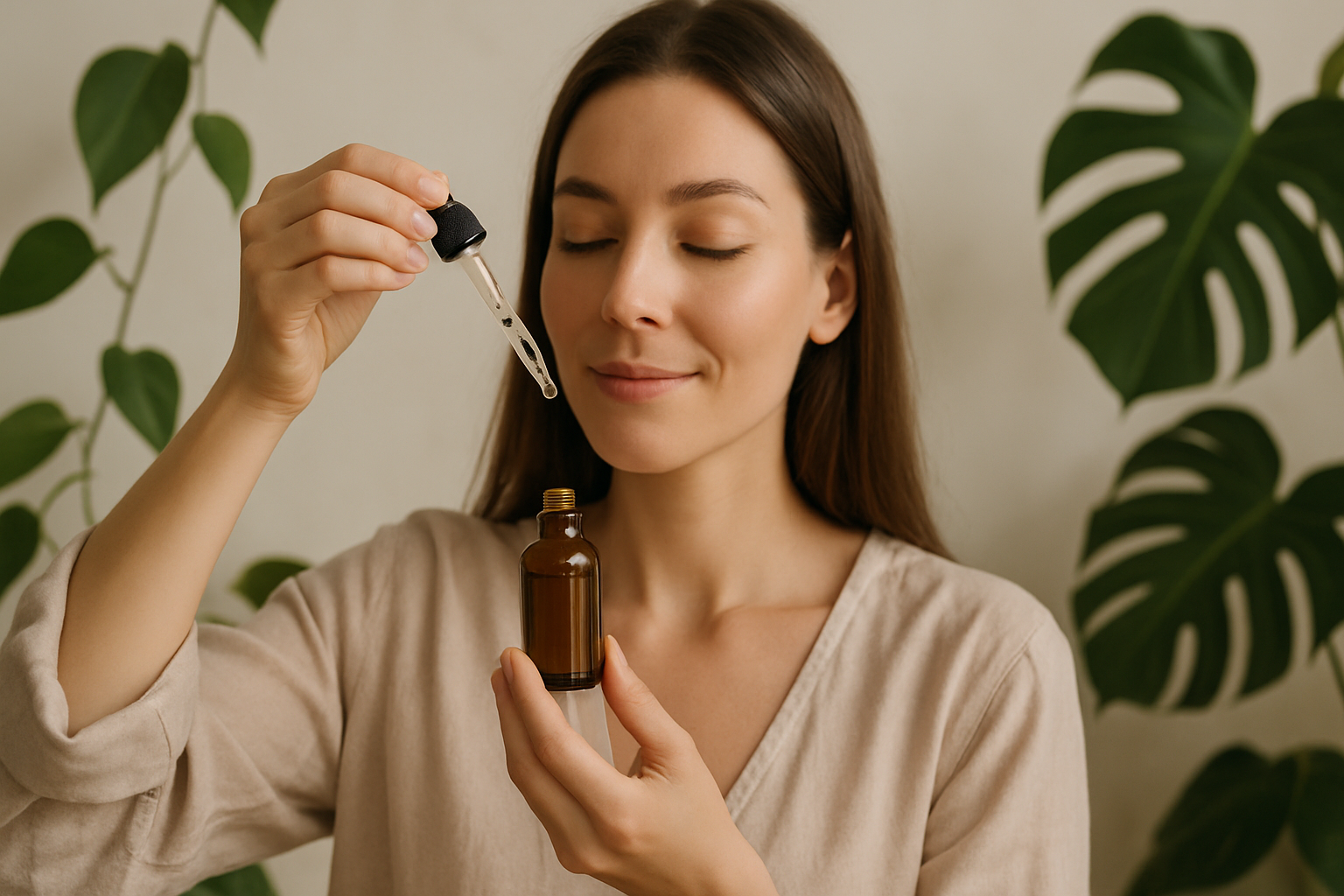
While many deep sleep support strategies are safe, individuals should be aware of potential contraindications. For instance, certain supplements may interact with medications or cause side effects. It is crucial to consult a healthcare provider before starting any new supplement regimen, especially for individuals with pre-existing health conditions.
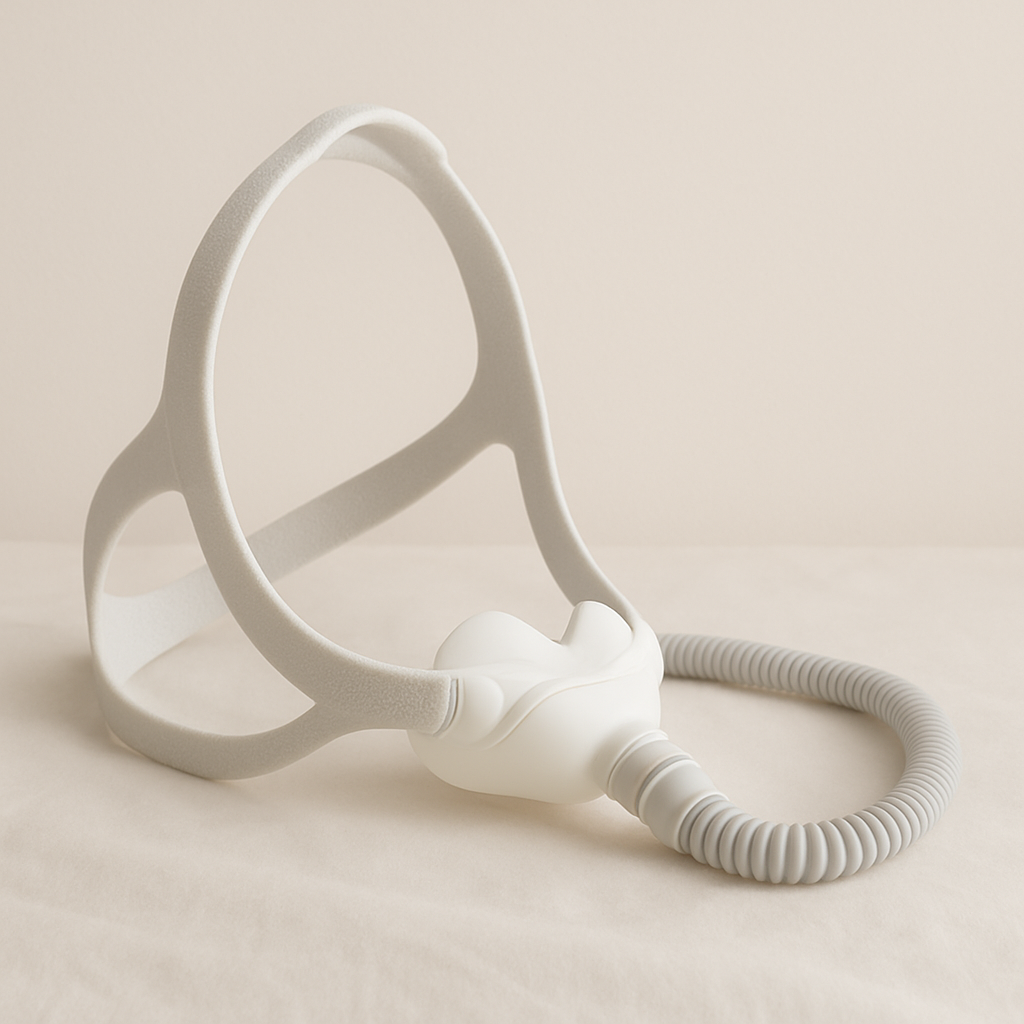
Additionally, those with sleep disorders such as sleep apnea should seek professional evaluation rather than solely relying on deep sleep support strategies.
Pairs Well With
Deep sleep support can be enhanced by integrating practices from other wellness pillars, such as:
- Mindfulness and meditation: These practices can reduce stress and promote relaxation.
- Nutrition: A balanced diet rich in essential nutrients supports overall sleep health.
- Physical activity: Regular exercise can improve sleep quality and reduce insomnia symptoms.
Exploring these connections can provide a more comprehensive approach to enhancing sleep quality.
FAQs (5)
- What are the benefits of deep sleep? Deep sleep aids in physical recovery, boosts immune function, and enhances memory consolidation.
- How can I improve my deep sleep? Establish a calming bedtime routine, and limit screen time, and consider dietary changes.
- Are sleep supplements safe? Many are safe, but it's essential to consult a healthcare provider before use.
- How much deep sleep do I need? Most adults require about 1.5 to 2 hours of deep sleep each night, though individual needs may vary.
- Can stress affect deep sleep? Yes, high stress levels can significantly disrupt deep sleep patterns.
Frequently asked
What are the benefits of deep sleep?
Deep sleep aids in physical recovery, boosts immune function, and enhances memory consolidation.
How can I improve my deep sleep?
Establish a calming bedtime routine, limit screen time, and consider dietary changes.
Are sleep supplements safe?
Many are safe, but it's essential to consult a healthcare provider before use.
How much deep sleep do I need?
Most adults require about 1.5 to 2 hours of deep sleep each night, though individual needs may vary.
Can stress affect deep sleep?
Yes, high stress levels can significantly disrupt deep sleep patterns.