Sleep Nutrition
Discover how nutrition impacts sleep quality. Explore evidence, practical tips, and safety considerations for optimizing sleep through dietary choices.

Explore the crucial link between nutrition and sleep, focusing on dietary choices that promote better sleep quality. Learn about the mechanisms, evidence, practical applications, biomarkers, and safety considerations related to sleep nutrition.
What It Is
Sleep nutrition refers to the study of how dietary choices affect sleep quality and overall restfulness. This emerging field emphasizes the importance of specific nutrients and foods that can either enhance or hinder sleep. Good sleep nutrition is about more than just avoiding caffeine before bedtime; it involves a holistic approach to diet that incorporates various food groups and timing strategies.
With the increasing awareness of sleep's significance to health, sleep nutrition highlights the relationship between what we eat and how well we sleep. Certain foods and nutrients can promote the production of sleep-regulating hormones, while others can disrupt our natural sleep cycles.
Mechanism / How It Works
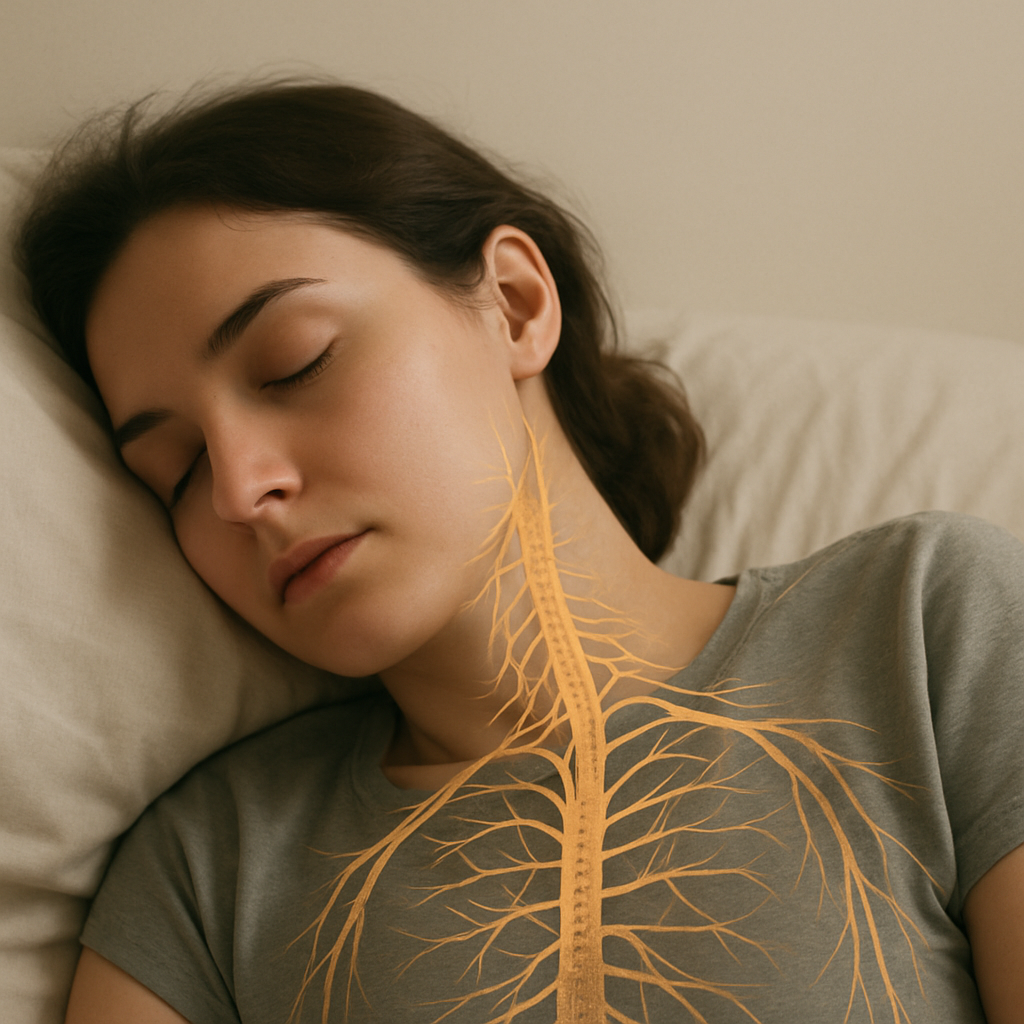
The mechanisms behind sleep nutrition are multifaceted. Key nutrients such as magnesium, tryptophan, and melatonin play critical roles in sleep regulation. Magnesium helps to relax the nervous system, while tryptophan is an amino acid that converts into serotonin and then melatonin, both essential for sleep onset. Additionally, carbohydrates can facilitate the entry of tryptophan into the brain, enhancing sleep quality.
Moreover, the timing of food intake can influence the circadian rhythm, our body’s internal clock that regulates sleep-wake cycles. Consuming heavy meals close to bedtime may lead to discomfort and disrupt sleep, while lighter, nutrient-dense snacks can promote sleepiness.
Evidence Summary
Research into sleep nutrition is still in its nascent stages, but several studies provide preliminary insights. Some studies indicate that diets rich in fruits, vegetables, whole grains, and lean proteins are associated with better sleep quality. Conversely, diets high in sugar and processed foods have been linked to sleep disturbances.
However, findings can be conflicting. For example, while some research supports the role of tryptophan and melatonin in sleep enhancement, others have found minimal effects. More clinical trials are needed to establish definitive relationships and understand individual variability in response to dietary changes.
Practical Application
To optimize sleep through nutrition, consider the following protocols:
- Balanced Diet: Focus on a variety of whole foods, including fruits, vegetables, whole grains, lean proteins, and healthy fats.
- Timing of Meals: Aim to finish eating at least 2-3 hours before bedtime to allow for digestion.
- Snack Wisely: If you need a late snack, opt for foods that promote sleep, such as bananas, oats, or a small serving of nuts.
- Hydration: Stay hydrated, but limit fluids right before bed to avoid nighttime awakenings.
Common pitfalls include relying too heavily on caffeine and sugar, especially later in the day, or consuming alcohol to induce sleep, which can disrupt sleep cycles.
Relevant Biomarkers & Tracking
Tracking sleep quality can involve various biomarkers, including:
- Sleep Duration: Total hours of sleep obtained.
- Sleep Latency: Time taken to fall asleep.
- Sleep Efficiency: Ratio of time spent asleep to time spent in bed.
- Melatonin Levels: Hormone levels can be tracked through saliva tests.
- Dietary Intake: Keeping a food diary can help correlate dietary habits with sleep quality.
Body Systems Supported
Sleep nutrition primarily supports the:
- Nervous System: Nutrients that calm the nervous system can enhance sleep quality.
- Endocrine System: Hormones like melatonin, serotonin, and cortisol are regulated through nutrition.
- Digestive System: Proper digestion is essential for nutrient absorption and overall sleep health.
Common Goals
Individuals may pursue sleep nutrition to achieve various goals, including:
- Improved sleep quality and duration.
- Reduced incidence of insomnia or sleep disturbances.
- Enhanced daytime alertness and cognitive function.
- Better management of mood and stress levels.
Safety, Contraindications & Edge Cases
While sleep nutrition is generally safe, certain considerations should be noted:
- Allergies: Be mindful of food allergies or intolerances that could disrupt sleep.
- Medical Conditions: Certain medical conditions may require special dietary considerations; consult a healthcare professional.
- Supplement Use: Be cautious with sleep supplements, as they can interact with medications or have side effects.
Pairs Well With
Sleep nutrition can be complemented by practices from other wellness pillars:
- Mindfulness: Techniques such as meditation or deep breathing can enhance relaxation and sleep quality.
- Physical Activity: Regular exercise can improve sleep patterns and overall health.
- Herbal Remedies: Natural sleep aids like chamomile tea or valerian root may enhance the effects of nutritional strategies.
FAQs (5)
- 1. Can certain foods help me sleep better? Yes, foods rich in tryptophan, magnesium, and melatonin can promote better sleep.
- 2. Is it okay to eat before bed? Eating a light snack can be beneficial, but heavy meals should be avoided close to bedtime.
- 3. How does caffeine affect sleep? Caffeine can disrupt sleep patterns if consumed too late in the day.
- 4. Are sleep supplements safe? While many are safe, it’s important to consult a healthcare provider before starting any supplements.
- 5. Can hydration affect sleep? Yes, staying hydrated is essential, but excessive fluid intake right before bed may lead to frequent bathroom trips at night.
Frequently asked
Can certain foods help me sleep better?
Yes, foods rich in tryptophan, magnesium, and melatonin can promote better sleep.
Is it okay to eat before bed?
Eating a light snack can be beneficial, but heavy meals should be avoided close to bedtime.
How does caffeine affect sleep?
Caffeine can disrupt sleep patterns if consumed too late in the day.
Are sleep supplements safe?
While many are safe, it’s important to consult a healthcare provider before starting any supplements.
Can hydration affect sleep?
Yes, staying hydrated is essential, but excessive fluid intake right before bed may lead to frequent bathroom trips at night.