Sleep Analytics
Dive into sleep analytics, its workings, evidence, and practical integration for better sleep optimization.
Explore the nuances of sleep analytics as a vital component of sleep optimization, understanding its mechanisms, evidence, and practical applications.
What It Is
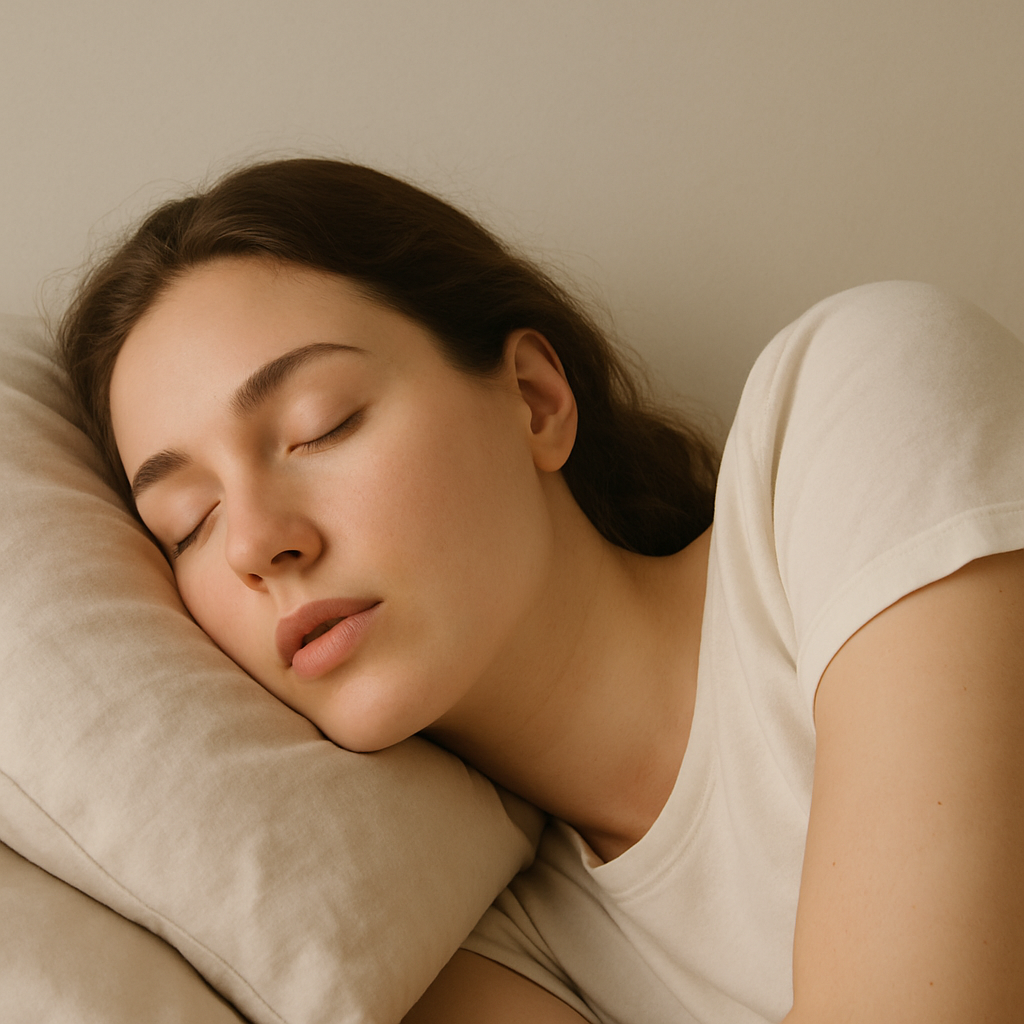
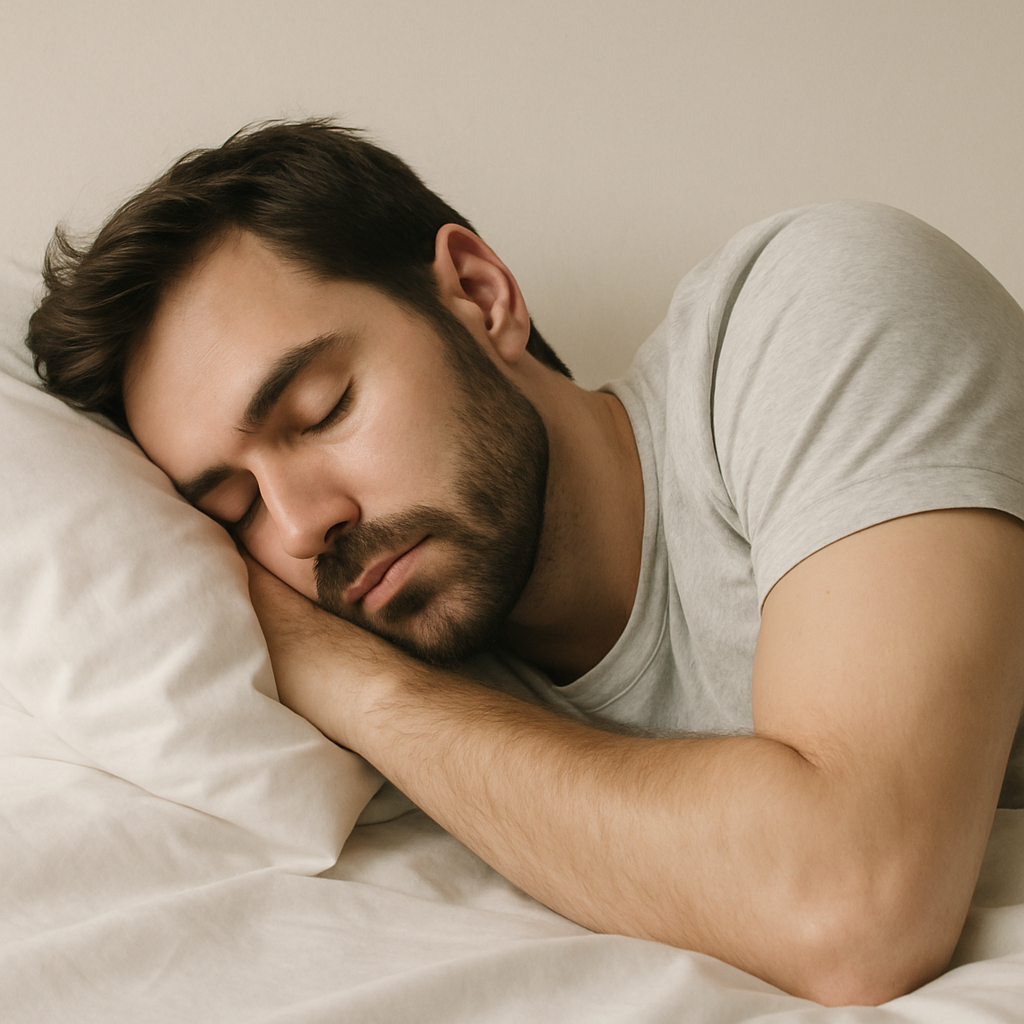
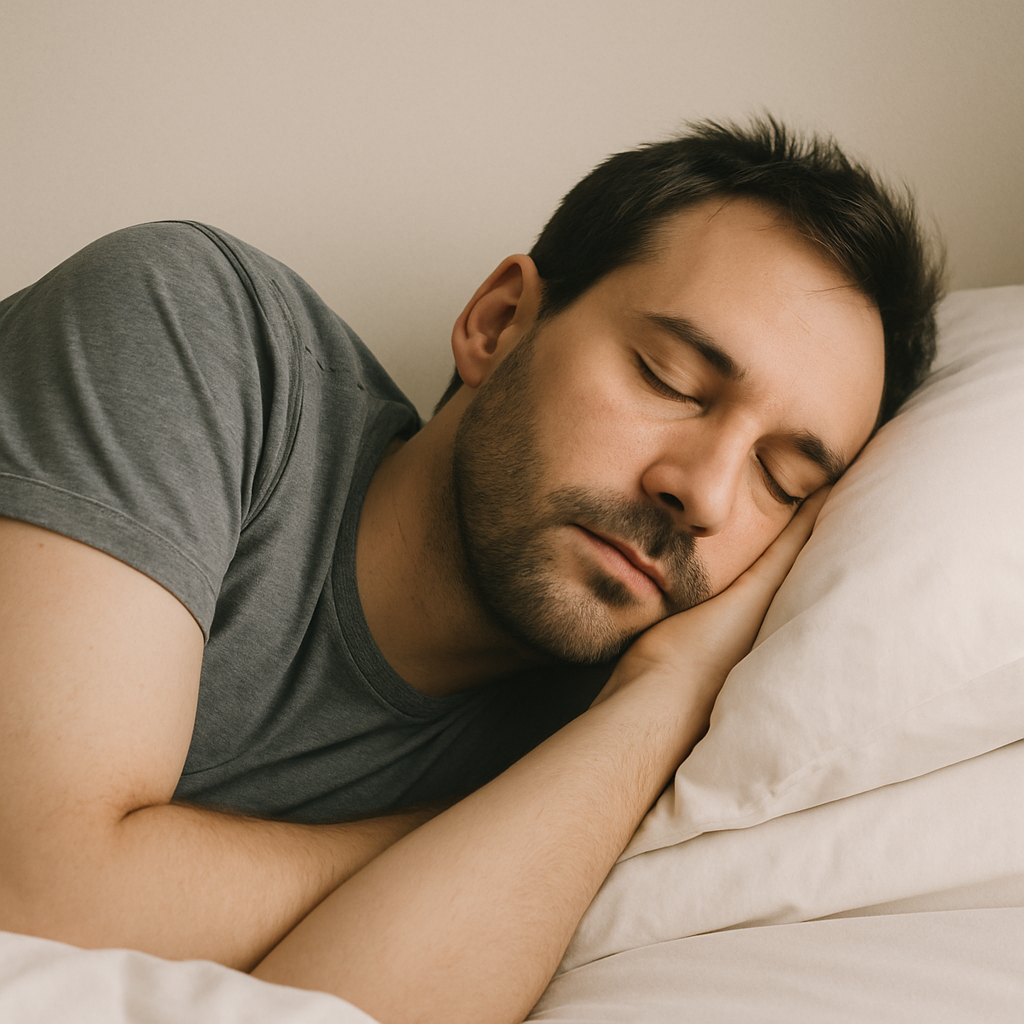
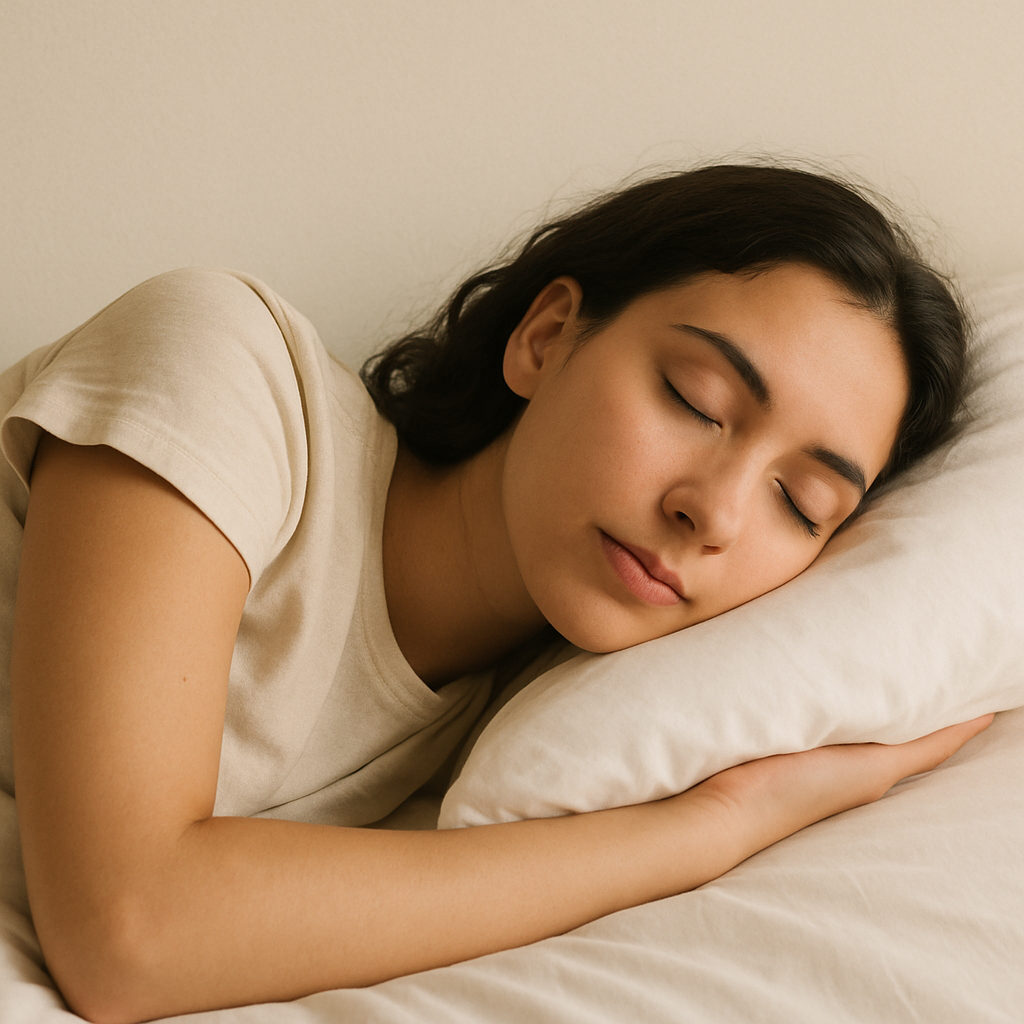
Sleep analytics refers to the systematic examination and analysis of sleep patterns, quality, and behaviors through various technologies and methodologies. This field combines data collection from sleep studies, wearable devices, and smartphone applications to provide insights into an individual's sleep architecture. By analyzing metrics such as sleep duration, sleep cycles, and disturbances, sleep analytics aims to enhance our understanding of sleep and its impact on overall health.
In essence, sleep analytics serves as a tool for individuals and health professionals to identify sleep issues and develop strategies for improvement. By providing objective data, it helps users make informed decisions about their sleep habits, ultimately aiming to optimize sleep quality and duration.
Mechanism / How It Works
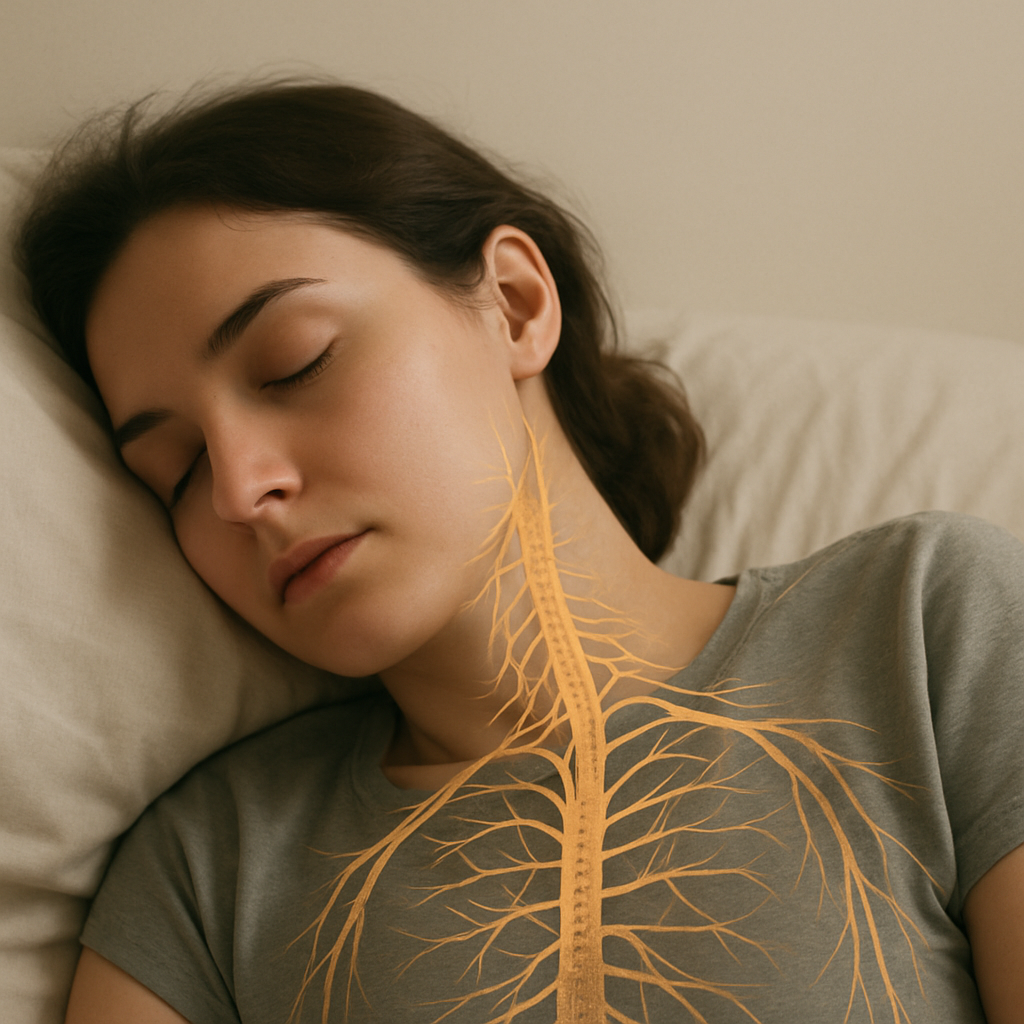
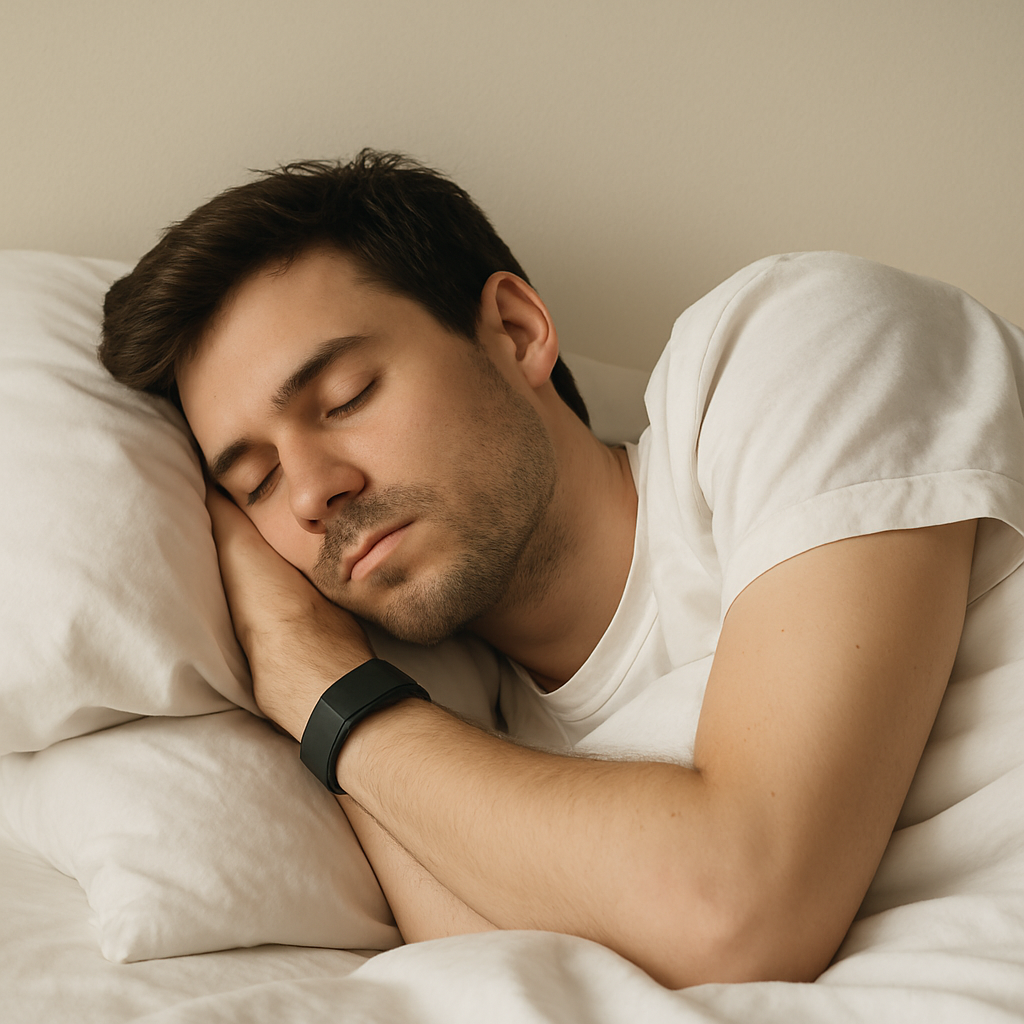
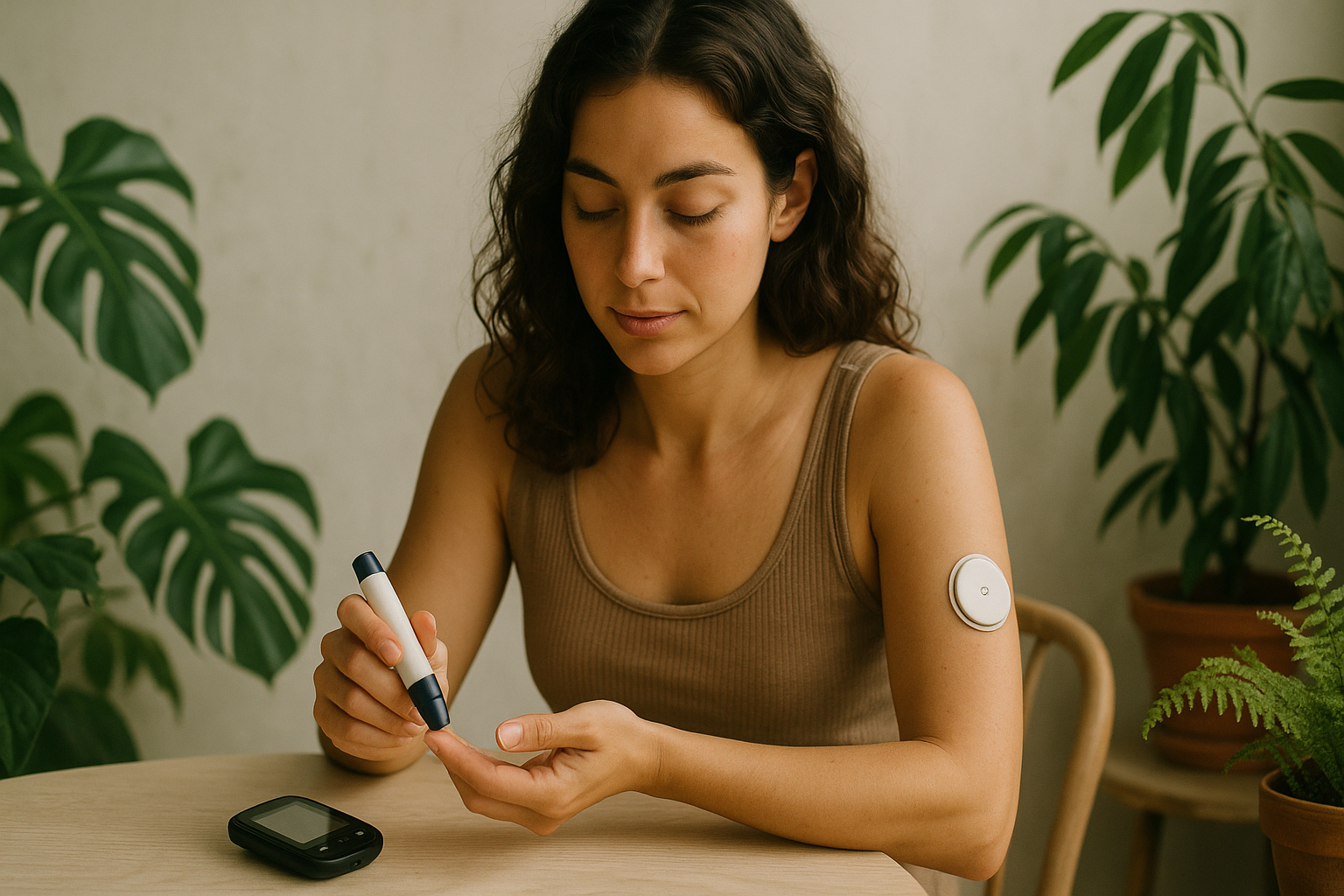
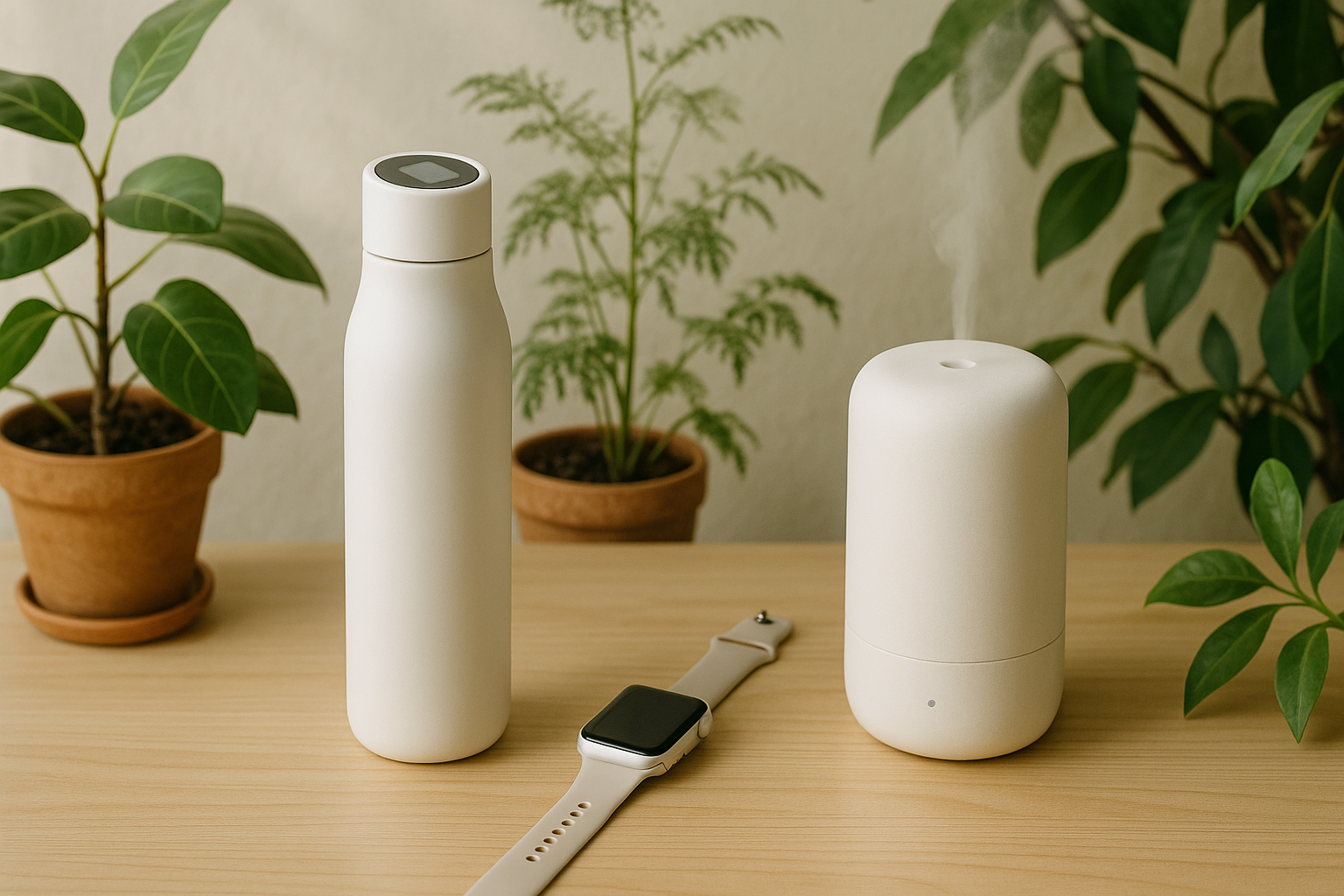
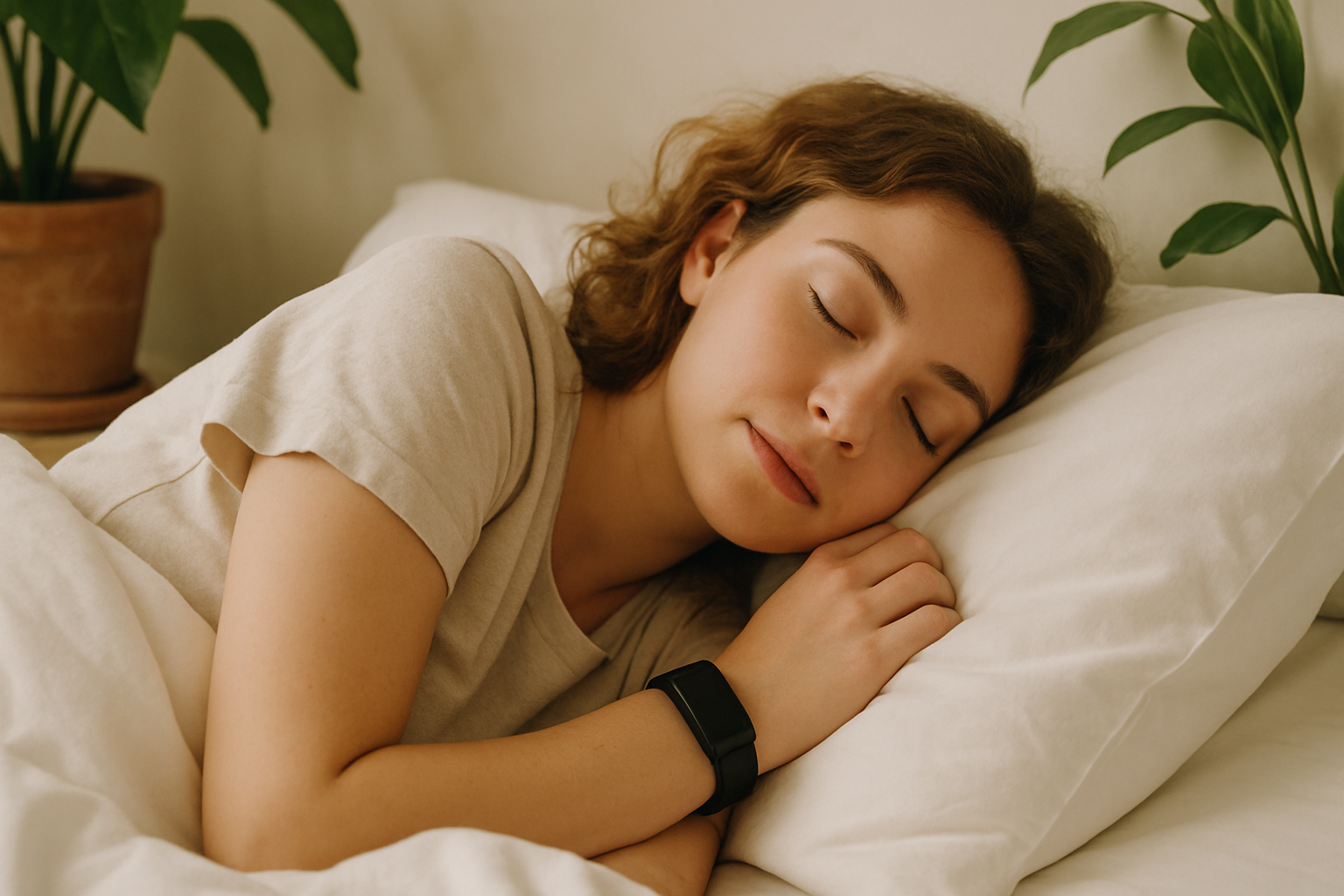
Sleep analytics typically operates through the use of technology that tracks various physiological parameters during sleep. Devices such as fitness trackers, smartwatches, and dedicated sleep monitors capture data related to heart rate, movement, and sometimes even brain activity. This information is then processed and analyzed to generate a comprehensive overview of a person's sleep patterns.
The mechanics of sleep analytics can involve several key components:
- Data Collection: Utilizing sensors to gather information on sleep stages, disturbances, and total sleep time.
- Data Analysis: Algorithms process the collected data to determine sleep quality and identify patterns over time.
- Feedback Mechanism: Users receive insights and recommendations based on their sleep data, which can guide lifestyle adjustments to improve sleep.
Evidence Summary
The scientific literature on sleep analytics presents a mixed but growing body of evidence. Preliminary studies indicate that sleep tracking can effectively highlight sleep disorders, such as insomnia or sleep apnea, by providing actionable data. Clinical trials have shown that individuals who utilize sleep analytics tools often report improvements in sleep quality and overall well-being.
However, there are conflicting findings regarding the accuracy of consumer-grade sleep trackers compared to clinical sleep studies. While some devices can provide reasonable estimates of sleep stages, others may lack precision, leading to potential misinterpretation of sleep data. More rigorous clinical trials are needed to validate the effectiveness of various sleep analytics tools in different populations.
Practical Application
Incorporating sleep analytics into daily life can be straightforward. Here are some protocols and common pitfalls to consider:
- Establish a Baseline: Use a sleep tracker for at least two weeks to understand your typical sleep patterns.
- Set Goals: Based on your analytics, define specific sleep goals, such as increasing sleep duration or improving sleep quality.
- Review Regularly: Regularly analyze your data to identify trends and make necessary adjustments to your sleep environment or habits.
Common pitfalls include over-reliance on technology, leading to anxiety about sleep performance, and ignoring qualitative aspects of sleep, such as how one feels upon waking. It is important to balance data-driven insights with subjective experiences of sleep quality.
Relevant Biomarkers & Tracking
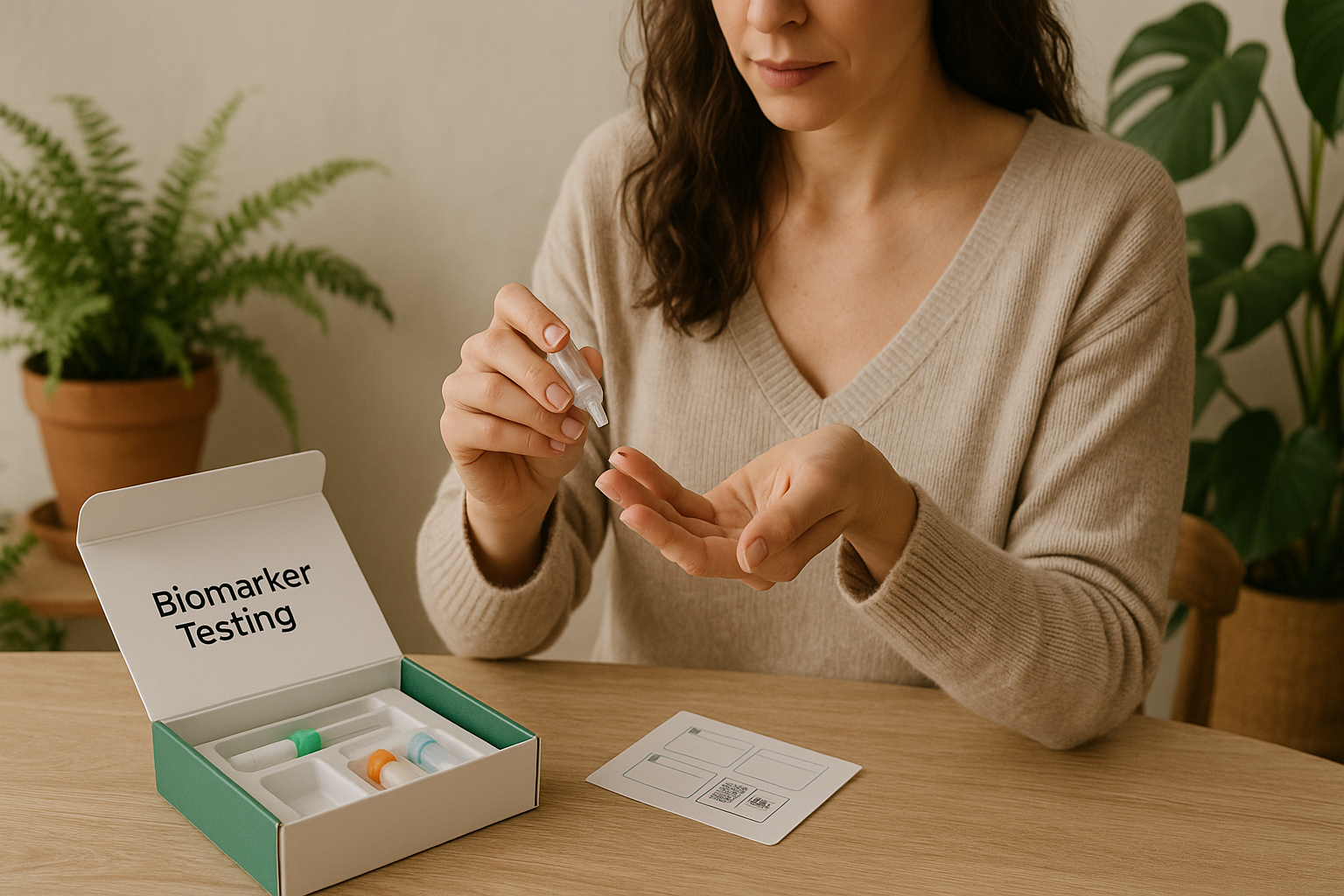
Sleep analytics can track various biomarkers that are indicative of overall sleep health. Some key metrics include:
- Total Sleep Time: The overall duration of sleep each night.
- Sleep Efficiency: The ratio of time spent asleep to time spent in bed.
- Sleep Stages: Duration spent in REM, light, and deep sleep.
- Wake After Sleep Onset (WASO): The amount of time spent awake after initially falling asleep.
Body Systems Supported
Quality sleep is essential for multiple body systems. Sleep analytics can help support:
- Neurological Health: Sleep plays a crucial role in cognitive function and memory consolidation.
- Cardiovascular Health: Quality sleep is linked to heart health and lower blood pressure.
- Endocrine System: Sleep influences hormone regulation, including stress hormones and those related to appetite.
Common Goals
Individuals using sleep analytics often pursue several common goals, including:
- Improving Sleep Quality: Enhancing the restorative aspects of sleep.
- Increasing Sleep Duration: Achieving recommended sleep hours for age and lifestyle.
- Understanding Sleep Patterns: Gaining insights into sleep behaviors and their impact on daily functioning.
Safety, Contraindications & Edge Cases
While sleep analytics is generally safe for most individuals, there are some considerations to keep in mind. Those with severe sleep disorders or underlying health conditions should consult with healthcare professionals before relying solely on consumer sleep trackers. Additionally, overemphasis on data may lead to anxiety for some users, which can paradoxically impact sleep quality.
Pairs Well With
Sleep analytics can be effectively paired with various ancient and natural practices that promote better sleep. Some complementary approaches include:
- Mindfulness Meditation: Reducing stress and anxiety can enhance sleep quality.
- Aromatherapy: Certain essential oils, like lavender, may improve sleep onset and duration.
- Herbal Remedies: Herbal teas or supplements, such as valerian root or chamomile, can support relaxation.
FAQs (5)
- What is sleep analytics?
Sleep analytics is the study of sleep patterns and behaviors through data collection and analysis, often using technology. - How does sleep analytics work?
It works by tracking physiological parameters during sleep, such as movement and heart rate, to provide insights into sleep quality. - Are sleep trackers accurate?
While some sleep trackers provide reasonable estimates, their accuracy can vary and should be interpreted with caution. - Can sleep analytics help with insomnia?
Yes, by identifying patterns and providing feedback, sleep analytics can help users manage insomnia more effectively. - What are the common goals of using sleep analytics?
Common goals include improving sleep quality, increasing sleep duration, and understanding personal sleep patterns better.
Frequently asked
What is sleep analytics?
Sleep analytics is the study of sleep patterns and behaviors through data collection and analysis, often using technology.
How does sleep analytics work?
It works by tracking physiological parameters during sleep, such as movement and heart rate, to provide insights into sleep quality.
Are sleep trackers accurate?
While some sleep trackers provide reasonable estimates, their accuracy can vary and should be interpreted with caution.
Can sleep analytics help with insomnia?
Yes, by identifying patterns and providing feedback, sleep analytics can help users manage insomnia more effectively.
What are the common goals of using sleep analytics?
Common goals include improving sleep quality, increasing sleep duration, and understanding personal sleep patterns better.