Sleep Devices
Discover sleep devices that can help you achieve better sleep quality, understand their mechanisms, and learn how to integrate them into your routine.
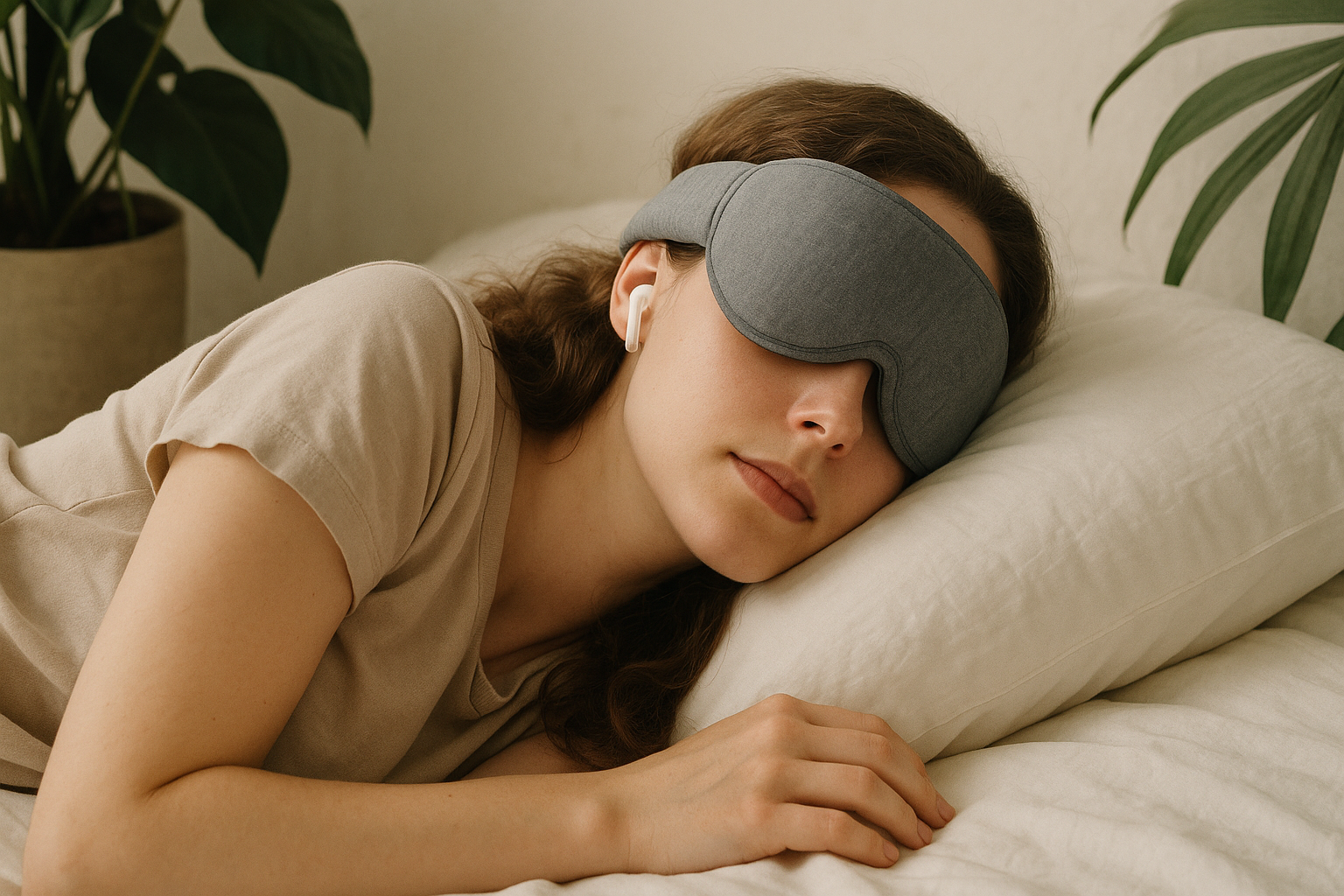
Explore the world of sleep devices designed to enhance sleep quality and optimize rest. This guide covers definitions, mechanisms, evidence, practical applications, and more.
What It Is
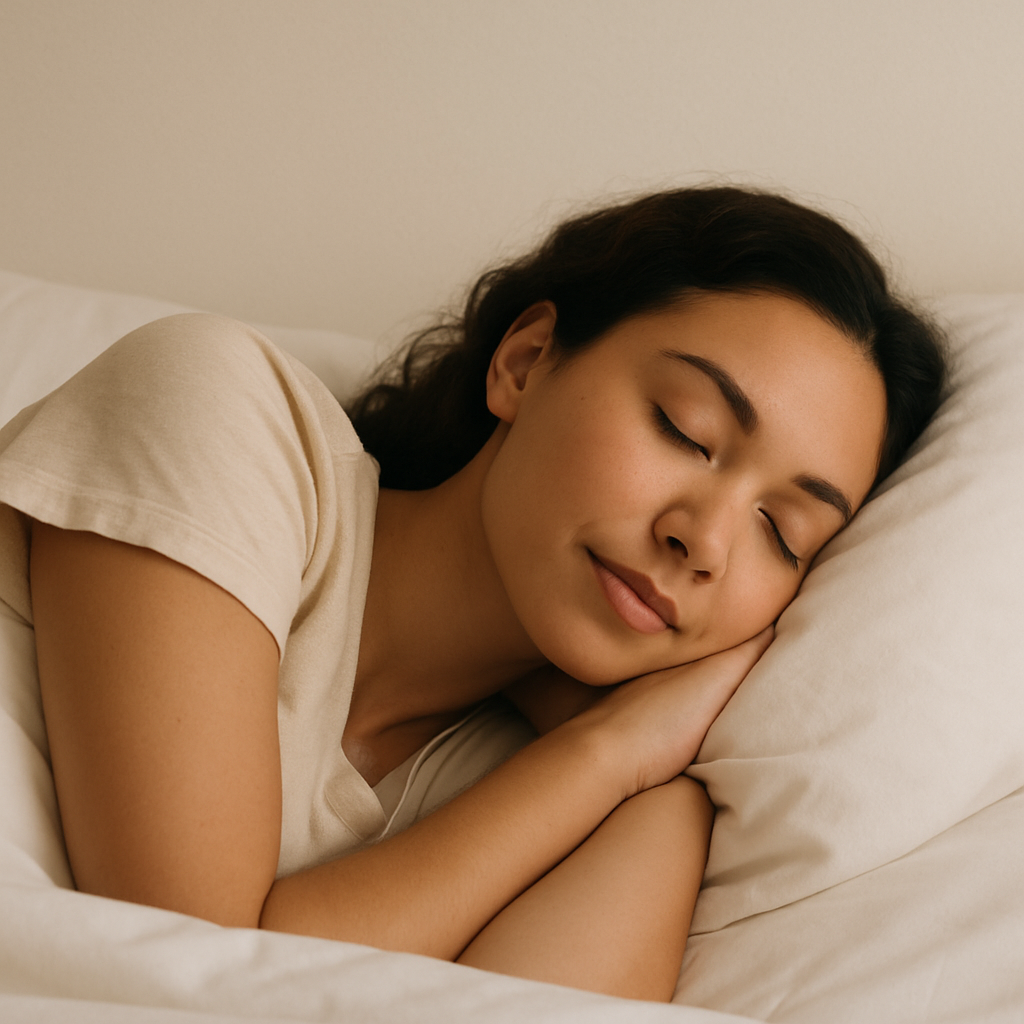
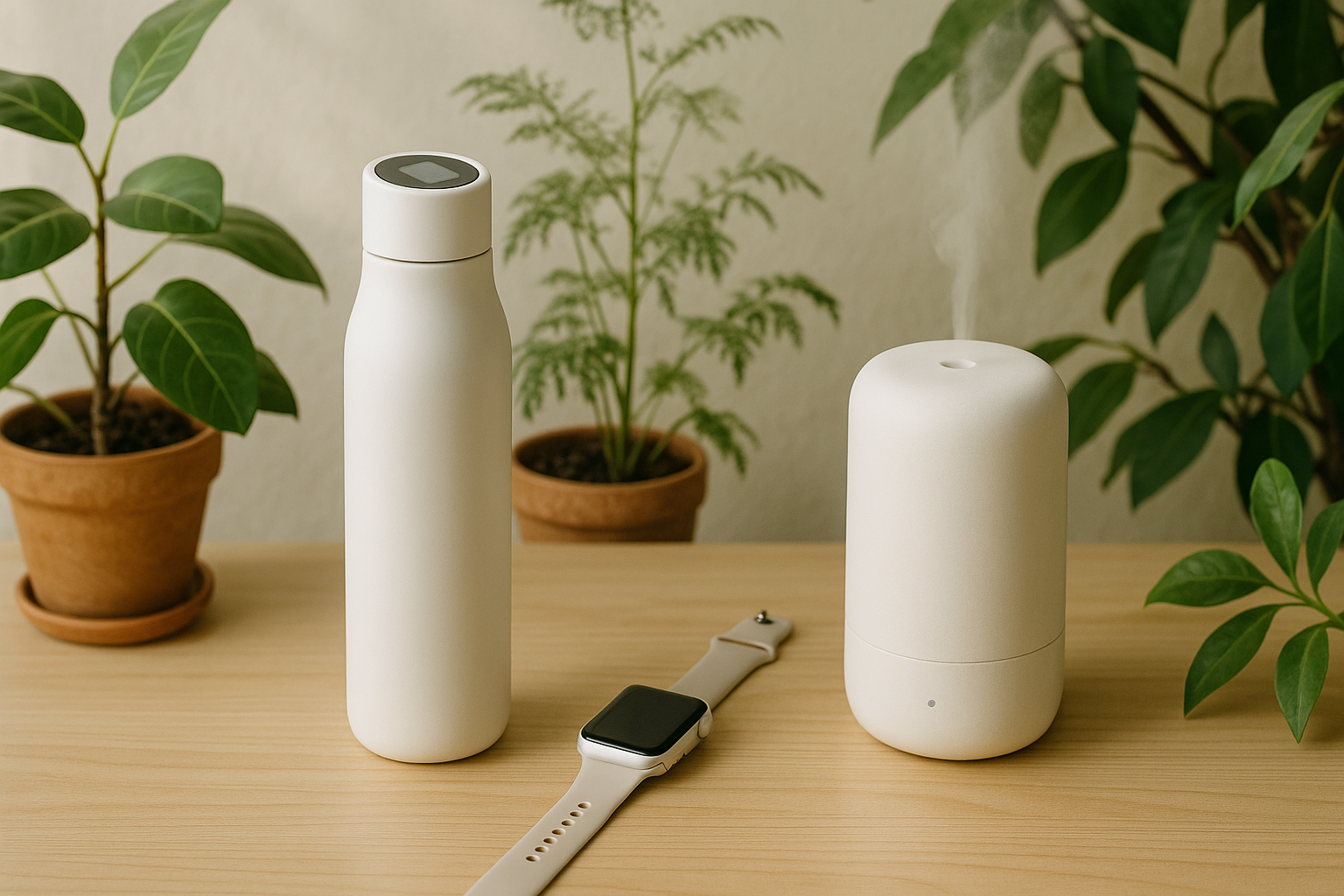
Sleep devices are innovative tools designed to enhance the quality of sleep by addressing various factors that affect sleep patterns. These devices can range from wearable technology, such as sleep trackers, to more elaborate systems like smart mattresses and sound machines. The primary goal of sleep devices is to create an environment conducive to restful sleep, thus improving overall health and wellness.
Sleep optimization through these devices can involve tracking sleep patterns, regulating temperature, or creating soothing soundscapes that promote relaxation. By leveraging technology, individuals can gain insights into their sleep behavior, leading to informed adjustments that may enhance their sleep quality.
Mechanism / How It Works
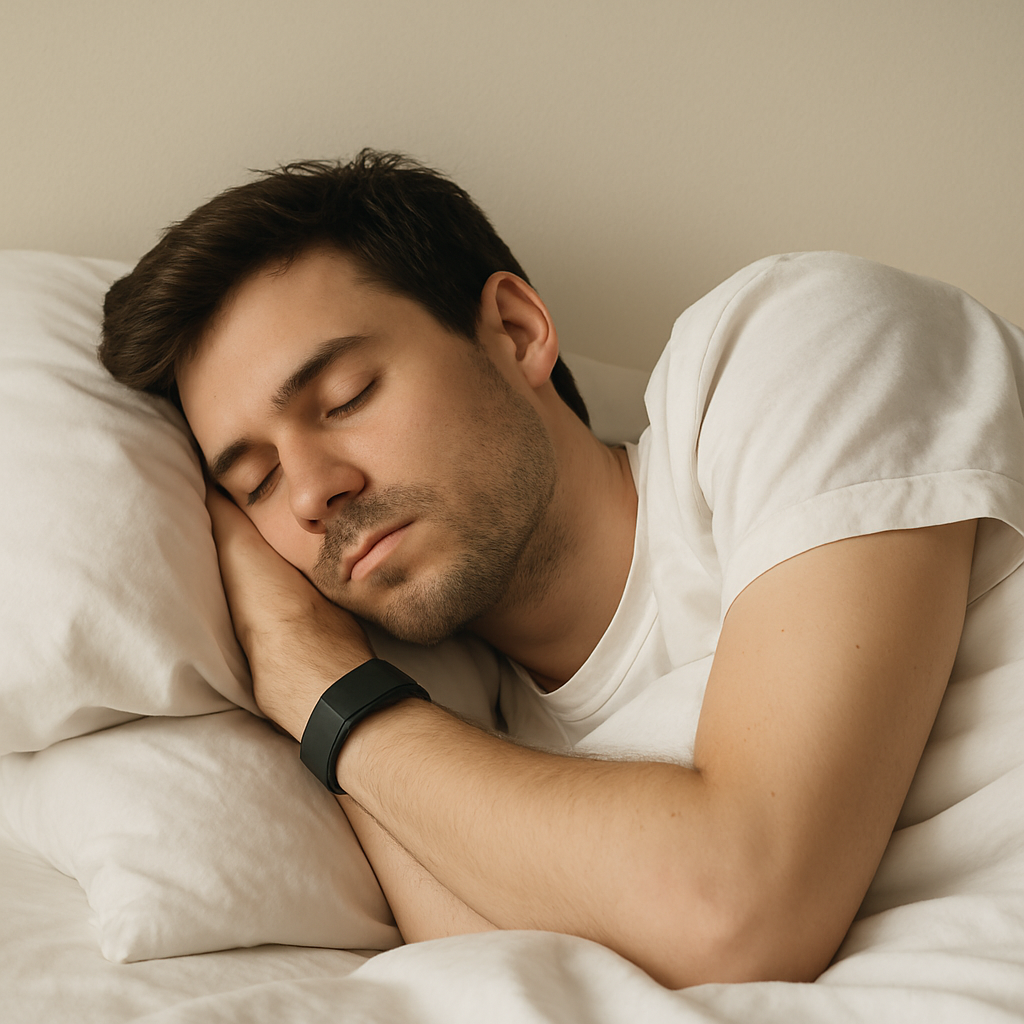
Sleep devices operate through various mechanisms tailored to address specific sleep-related challenges. For instance, sleep trackers monitor physiological parameters such as heart rate, movement, and even breathing patterns. By collecting and analyzing this data, users can identify sleep stages and disturbances, allowing for targeted interventions.
Other devices, such as white noise machines, work by creating a consistent auditory environment that helps mask disruptive noises. Smart mattresses may adjust firmness or temperature based on the user’s sleep position and preferences, promoting a more comfortable sleep experience. These mechanisms work together to influence sleep quality by either enhancing the sleep environment or providing valuable feedback for behavioral adjustments.
Evidence Summary
The evidence surrounding sleep devices is varied, with some showing promising results while others yield mixed findings. Several studies suggest that sleep trackers can effectively monitor sleep patterns and provide actionable insights that lead to improved sleep hygiene. However, the accuracy of these devices can vary, and some may not be reliable for clinical use.
In terms of sound machines, research indicates that they can help individuals fall asleep faster and improve sleep quality, especially in noisy environments. However, clinical trials on smart mattresses and similar technologies are still in the early stages, with some conflicting results regarding their efficacy. Thus, while some sleep devices offer potential benefits, it is essential to approach claims with a critical mindset and recognize that individual results may vary.
Practical Application
Effectively integrating sleep devices into daily routines involves establishing protocols that align with personal sleep goals. For example, individuals can start by tracking their sleep patterns for a few weeks to identify trends and areas for improvement. Based on this data, they can adjust their sleep environment, whether by using a white noise machine or optimizing bedroom temperature with smart devices.
Common pitfalls include over-reliance on technology or misinterpretation of data. Users should remember that while sleep devices can provide insights, they are not substitutes for good sleep hygiene practices. Establishing a consistent sleep schedule, limiting screen time before bed, and creating a calming pre-sleep routine are foundational practices that should accompany the use of any sleep device.
Relevant Biomarkers & Tracking
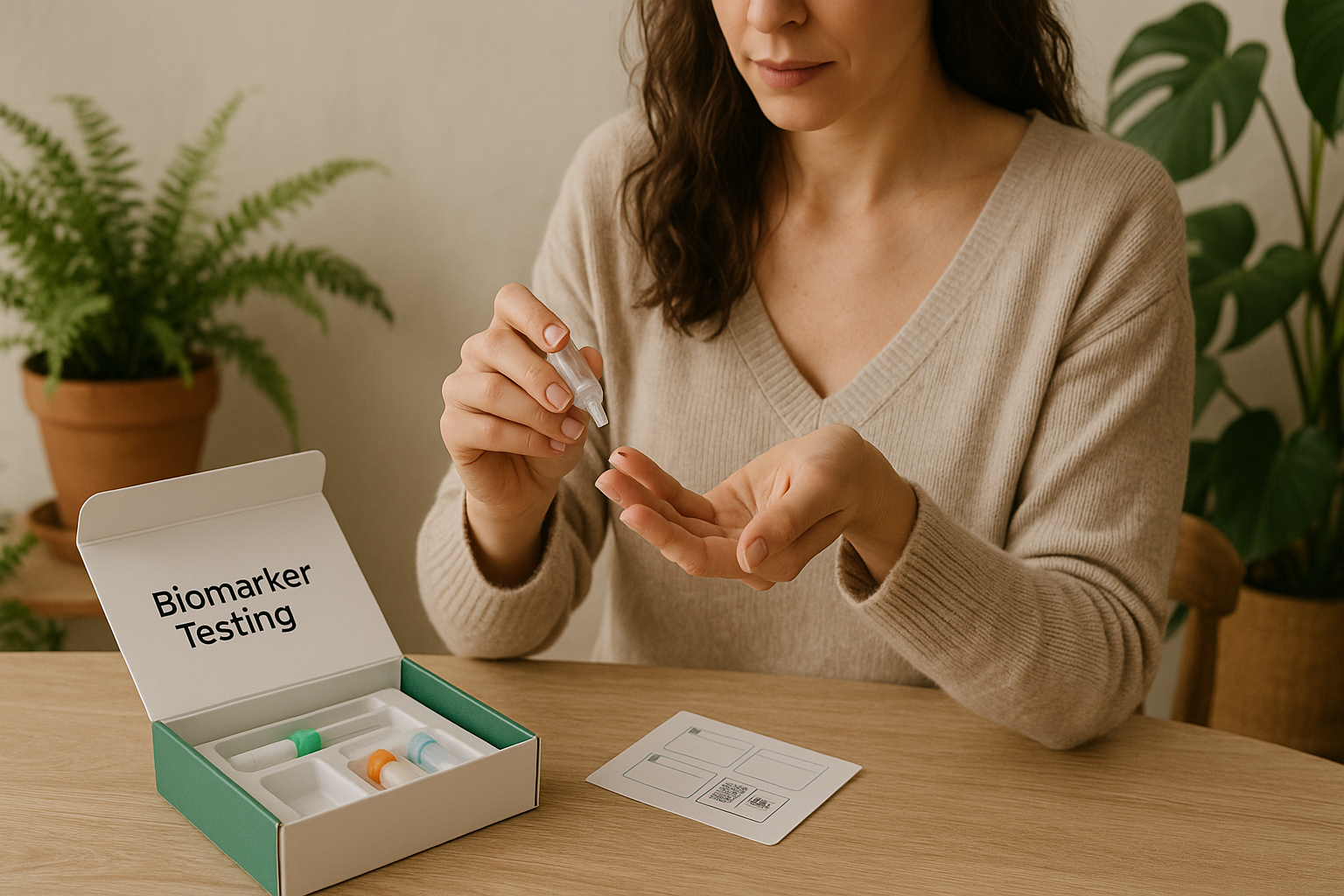
Sleep devices often track several key biomarkers that indicate sleep quality, including:
- Sleep duration
- Sleep stages (light, deep, REM)
- Heart rate variability
- Movement during sleep
- Sleep disruptions
By monitoring these markers, users can gain insights into their sleep quality and overall health. Many devices also offer trends over time, allowing individuals to assess the effectiveness of lifestyle changes or interventions.
Body Systems Supported
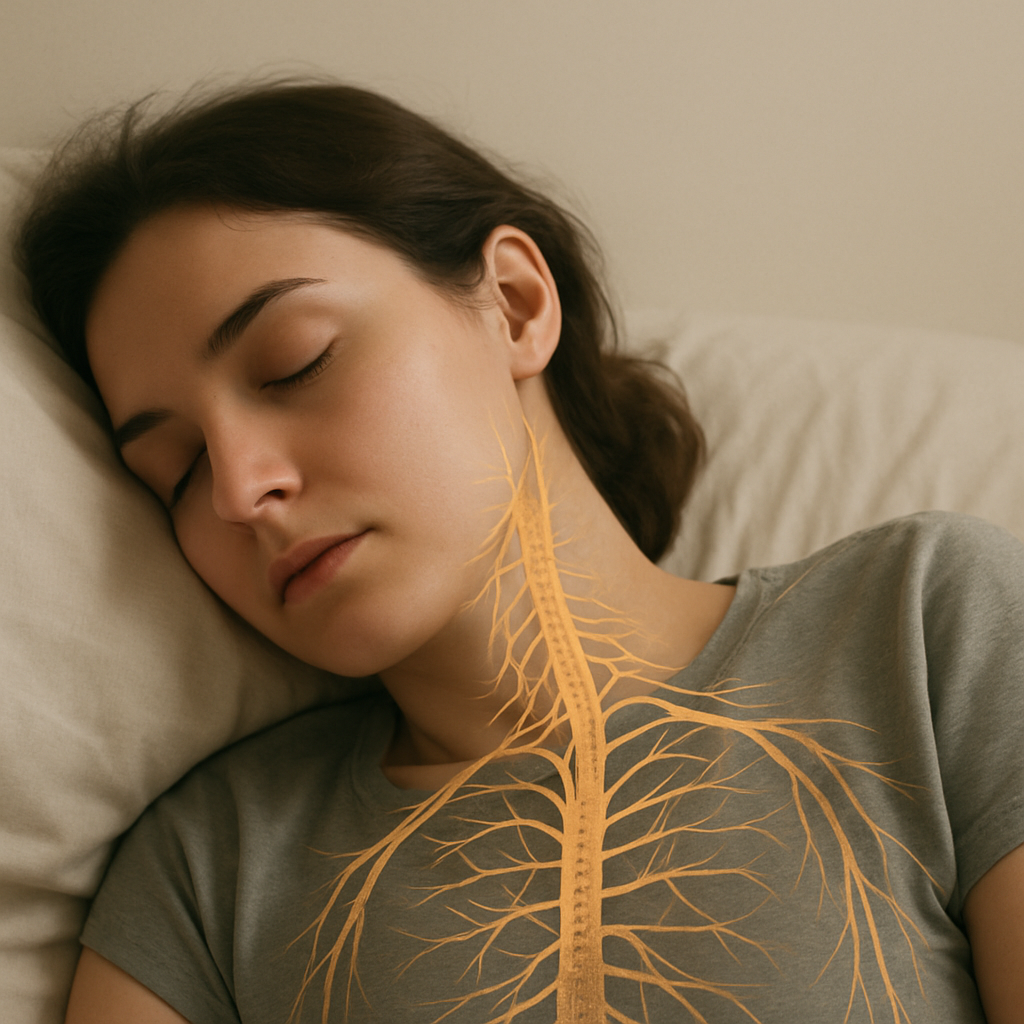
Sleep devices primarily support the nervous system and endocrine system. Quality sleep is crucial for optimal brain function, emotional regulation, and hormonal balance. Improved sleep can enhance cognitive performance, mood stability, and metabolic health, making these devices valuable tools for overall well-being.
Common Goals
Individuals often seek to achieve several common goals through the use of sleep devices, including:
- Improving overall sleep quality
- Enhancing sleep duration
- Understanding sleep patterns
- Reducing sleep disruptions
- Promoting relaxation before bedtime
By identifying specific goals, users can select devices that align with their sleep needs and preferences.
Safety, Contraindications & Edge Cases
While most sleep devices are considered safe for general use, it is essential to be aware of potential contraindications. For instance, individuals with specific health conditions, such as sleep apnea or severe insomnia, should consult healthcare professionals before relying on sleep devices for management. Additionally, some wearable trackers may cause skin irritation if worn for extended periods.
Edge cases may include users who experience heightened anxiety or stress from tracking their sleep too closely. In such instances, it may be beneficial to approach sleep devices with flexibility and focus on holistic sleep practices rather than strict adherence to data.
Pairs Well With
Sleep devices can be complemented by various ancient or natural counterparts, enhancing their effectiveness in promoting sleep optimization. Some notable pairings include:
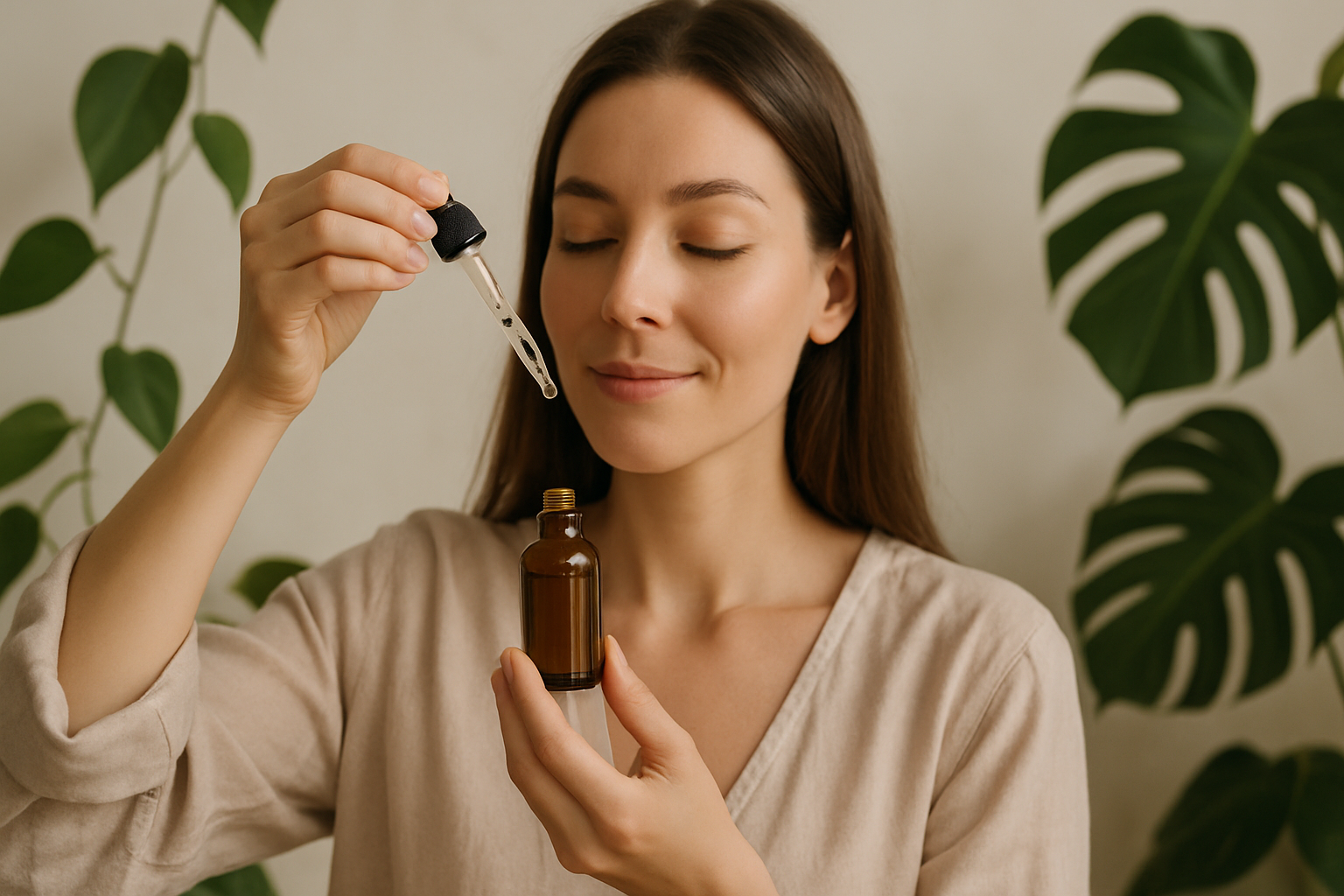
- Aromatherapy with essential oils like lavender and chamomile
- Herbal teas known for their calming properties, such as valerian root or passionflower
- Mindfulness and meditation practices to reduce pre-sleep anxiety
- Physical practices such as yoga or gentle stretching to relax the body
Integrating these natural methods with technological solutions can create a more holistic approach to sleep optimization.
FAQs (5)
- Do sleep devices really work? Yes, many sleep devices can effectively monitor patterns and help improve sleep quality, but results can vary among individuals.
- Are sleep trackers accurate? Accuracy can vary by device and individual sleep patterns. It is recommended to use them as a guide rather than a definitive measure.
- Can I rely solely on sleep devices for better sleep? No, it is essential to combine sleep devices with good sleep hygiene practices for optimal results.
- Are there any risks associated with sleep devices? Most devices are safe, but some individuals may experience skin irritation or anxiety from tracking sleep too closely.
- How can I choose the right sleep device for me? Consider your specific sleep challenges, desired features, and budget when selecting a sleep device that meets your needs.
Frequently asked
Do sleep devices really work?
Yes, many sleep devices can effectively monitor patterns and help improve sleep quality, but results can vary among individuals.
Are sleep trackers accurate?
Accuracy can vary by device and individual sleep patterns. It is recommended to use them as a guide rather than a definitive measure.
Can I rely solely on sleep devices for better sleep?
No, it is essential to combine sleep devices with good sleep hygiene practices for optimal results.
Are there any risks associated with sleep devices?
Most devices are safe, but some individuals may experience skin irritation or anxiety from tracking sleep too closely.
How can I choose the right sleep device for me?
Consider your specific sleep challenges, desired features, and budget when selecting a sleep device that meets your needs.