Evening Recovery
Discover how evening recovery can enhance sleep quality and overall well-being through practical strategies and understanding of its mechanisms.

Explore the importance of evening recovery in sleep optimization, its mechanisms, evidence, practical applications, and safety considerations for a holistic approach to wellness.
What It Is
Evening recovery refers to the practices and routines that individuals engage in during the evening to prepare their bodies and minds for restful sleep. This concept emphasizes the importance of winding down after a busy day, allowing the body to transition into a state conducive to restorative sleep. Evening recovery can include various activities such as relaxation techniques, mindful practices, and environmental adjustments that promote a peaceful atmosphere.
The goal of evening recovery is to optimize the body's natural circadian rhythms, which play a crucial role in regulating sleep patterns. By establishing a consistent evening routine, individuals can enhance their overall sleep quality and improve their ability to recover from daily stressors. This approach highlights the significance of not only the quantity of sleep but also the quality, ensuring that individuals awaken feeling refreshed and rejuvenated.
Mechanism / How It Works
The mechanisms behind evening recovery are rooted in the body's natural biological processes. As evening approaches, the body begins to produce melatonin, a hormone responsible for regulating sleep-wake cycles. Engaging in calming activities during this time can help signal to the body that it is time to wind down, thereby facilitating the natural increase of melatonin levels.
Additionally, reducing exposure to blue light emitted by screens and artificial lighting in the hours leading up to bedtime is essential. This light can inhibit melatonin production and disrupt the circadian rhythm. By creating a calming environment, incorporating relaxation techniques, and minimizing stimulants, individuals can help their bodies transition more effectively into a sleep-ready state.
Evidence Summary
The evidence surrounding evening recovery encompasses a range of studies and observations, highlighting both the benefits and areas that require further exploration. Preliminary research indicates that practices such as mindfulness, meditation, and gentle yoga can positively influence sleep quality by reducing anxiety and promoting relaxation. However, clinical studies often vary in their methodologies, sample sizes, and outcome measures, leading to conflicting results in some cases.
While there is a growing body of evidence supporting the effectiveness of evening recovery practices, more rigorous, large-scale studies are needed to establish definitive conclusions. Current findings suggest that integrating evening recovery strategies may benefit individuals struggling with sleep disorders, but individual responses can vary significantly.
Practical Application
To effectively integrate evening recovery practices into daily life, individuals can follow a structured approach. Here are some practical steps:
- Establish a consistent bedtime routine, aiming to go to bed and wake up at the same times each day.
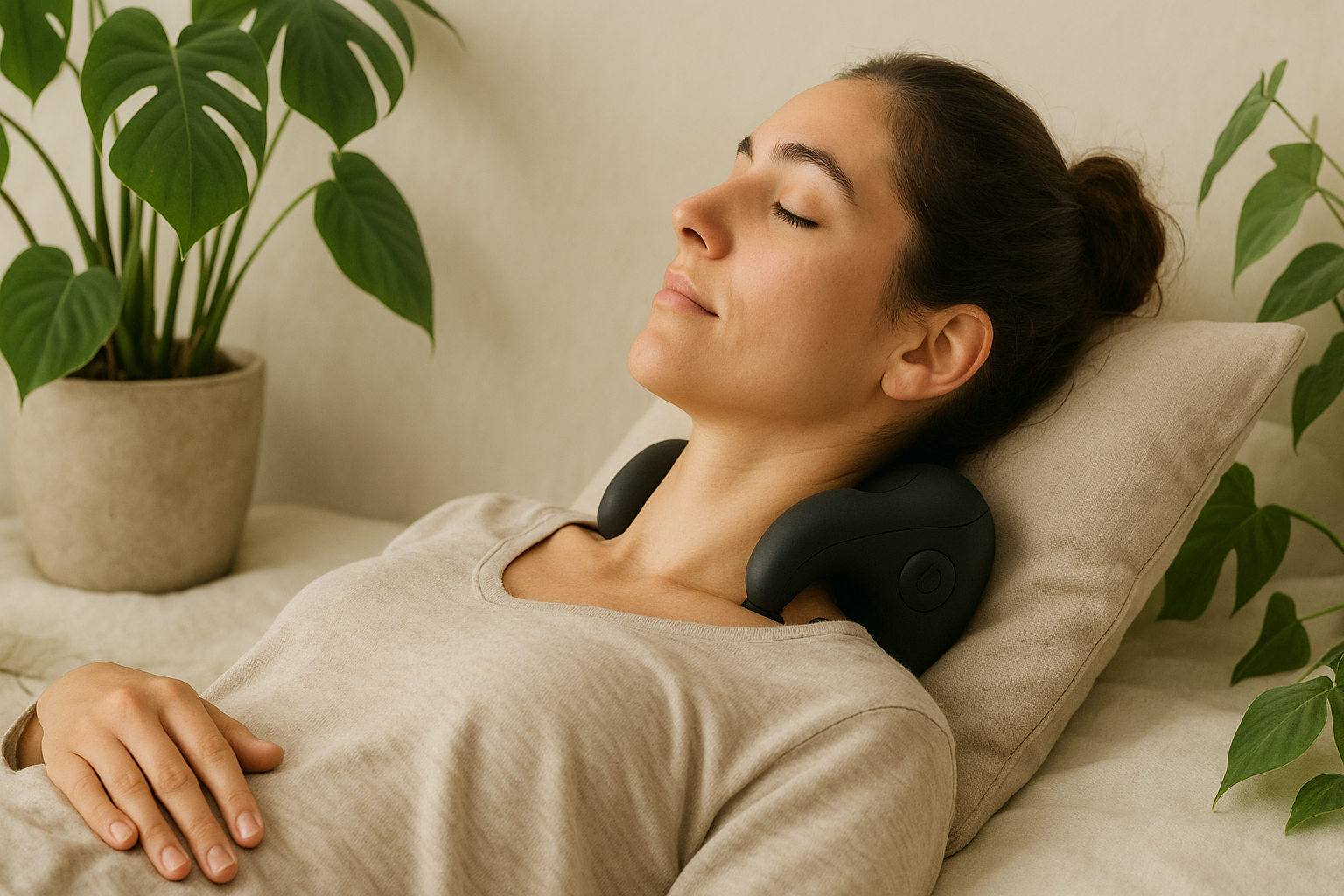
- Incorporate relaxation techniques such as deep breathing, progressive muscle relaxation, or guided imagery.
- Create a calming environment by dimming lights and reducing noise.
- Avoid stimulants such as caffeine and nicotine in the hours leading up to bedtime.
- Limit screen time by turning off electronic devices at least an hour before sleep.
Common pitfalls to avoid include over-scheduling evening activities, which can lead to increased stress, and neglecting to create a sleep-conducive environment. Individuals should also be mindful of their dietary choices in the evening, as heavy meals close to bedtime can disrupt sleep quality.
Relevant Biomarkers & Tracking
Tracking certain biomarkers can provide insight into the effectiveness of evening recovery practices. Key indicators include:
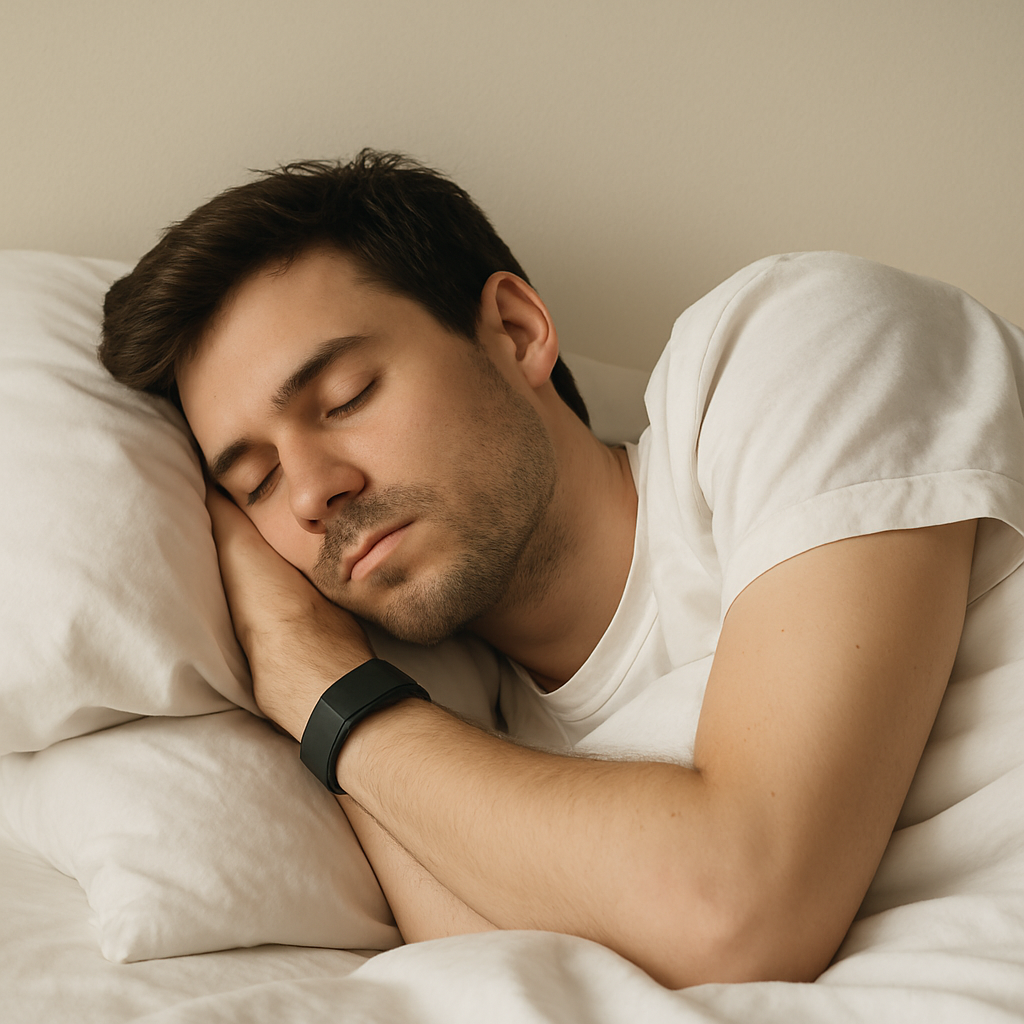
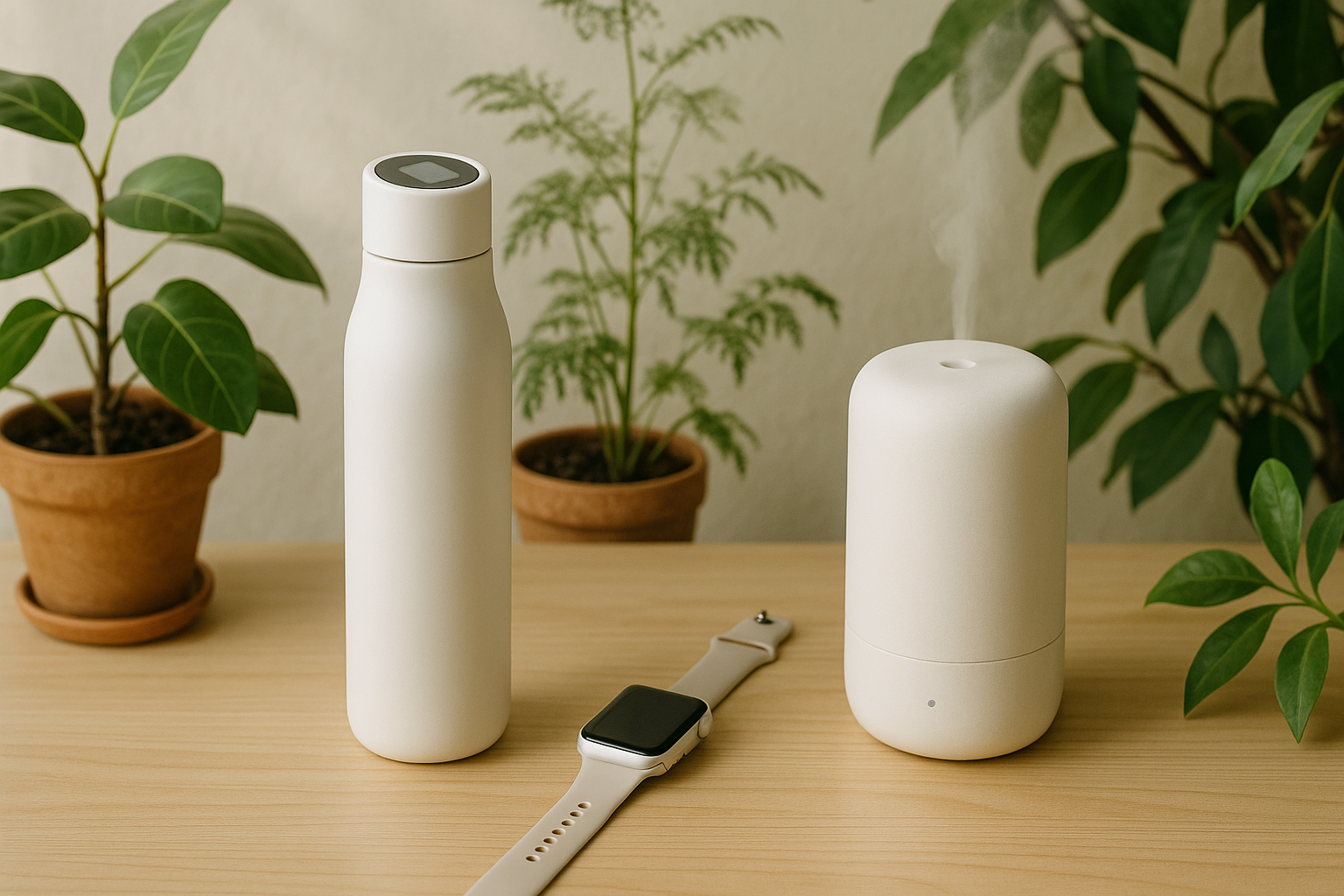
- Sleep duration and quality, often measured using sleep tracking devices.
- Melatonin levels, which can be assessed through saliva or blood tests.
- Heart rate variability (HRV), indicating stress levels and recovery.
Maintaining a sleep diary can also help individuals identify patterns and make necessary adjustments to their evening routines.
Body Systems Supported
Evening recovery practices support multiple body systems, including:
- The nervous system, by promoting relaxation and reducing stress.
- The endocrine system, particularly in regulating hormone levels like cortisol and melatonin.
- The cardiovascular system, through improved heart rate variability and reduced stress.
By fostering a state of relaxation and well-being, evening recovery can contribute to overall health and resilience.
Common Goals
Individuals may pursue evening recovery for various reasons, including:
- Improving sleep quality and duration.
- Reducing symptoms of anxiety and stress.
- Enhancing overall well-being and mood.
- Facilitating physical recovery from daily activities.
Safety, Contraindications & Edge Cases
Evening recovery practices are generally safe for most individuals; however, some considerations should be noted. People with certain medical conditions, such as severe insomnia or sleep disorders, should consult a healthcare professional before implementing new practices. Additionally, individuals taking medications that affect sleep should be cautious with herbal supplements or relaxation techniques that may interact with their treatment plans.
Pairs Well With
Evening recovery can be complemented by various ancient and natural practices that enhance relaxation and well-being. Some effective pairings include:
- Herbal teas, such as chamomile or valerian root, known for their calming effects.
- Aromatherapy using essential oils like lavender or bergamot to create a soothing atmosphere.
- Gentle forms of exercise like tai chi or qigong, which emphasize mindfulness and body awareness.
FAQs (5)
- What is the best time to start my evening recovery routine? It is recommended to begin your routine at least one hour before bedtime.
- Can evening recovery practices help with insomnia? Many individuals find that evening recovery techniques improve their ability to fall and stay asleep, but results can vary.
- Are there specific relaxation techniques that are most effective? Techniques such as deep breathing, meditation, and gentle yoga are commonly recommended.
- How can I create a sleep-conducive environment? Consider dimming lights, reducing noise, and keeping the bedroom cool and comfortable.
- Is it necessary to track my sleep and recovery? While it can be helpful, tracking is not essential; many individuals benefit from simply establishing a consistent routine.
Frequently asked
What is the best time to start my evening recovery routine?
It is recommended to begin your routine at least one hour before bedtime.
Can evening recovery practices help with insomnia?
Many individuals find that evening recovery techniques improve their ability to fall and stay asleep, but results can vary.
Are there specific relaxation techniques that are most effective?
Techniques such as deep breathing, meditation, and gentle yoga are commonly recommended.
How can I create a sleep-conducive environment?
Consider dimming lights, reducing noise, and keeping the bedroom cool and comfortable.
Is it necessary to track my sleep and recovery?
While it can be helpful, tracking is not essential; many individuals benefit from simply establishing a consistent routine.