REM Optimization
Discover how to optimize REM sleep for better overall health and wellness through evidence-based practices.

Explore the importance of REM optimization in sleep health, mechanisms, evidence, practical applications, and safety considerations.
What It Is
REM optimization refers to practices and strategies aimed at enhancing the quality and duration of Rapid Eye Movement (REM) sleep, a critical stage of the sleep cycle associated with vivid dreaming, memory consolidation, and emotional processing. REM sleep typically occurs in cycles throughout the night, with longer periods occurring in the latter half of sleep. This stage is vital for cognitive functions and overall mental health.
During REM sleep, the brain is highly active, and significant physiological changes occur, including increased heart rate and irregular breathing. It is during this phase that the brain processes information, which can enhance learning and improve mood. Given the importance of REM sleep, optimizing its quality can lead to better mental clarity, creativity, and emotional resilience.
Mechanism / How It Works
REM optimization works by creating an environment and lifestyle conducive to achieving deeper and more restorative REM sleep. Several factors influence REM sleep, including sleep hygiene, lifestyle choices, and circadian rhythms. By understanding the mechanisms behind REM sleep, individuals can adopt strategies to enhance its quality.
Neurotransmitters play a key role in regulating the sleep cycle, particularly in transitioning between non-REM and REM sleep. For instance, acetylcholine is crucial for the initiation of REM sleep, while serotonin and norepinephrine levels decrease during this phase. By managing factors that affect these neurotransmitters, such as stress and diet, individuals can improve their chances of entering and sustaining REM sleep.
Evidence Summary
The body of research on REM sleep optimization is growing but remains varied in its findings. Preliminary studies suggest that certain interventions, such as cognitive behavioral therapy for insomnia (CBT-I) and mindfulness practices, can enhance REM sleep duration and quality. However, clinical evidence remains mixed, with some studies showing significant improvements while others yield conflicting results.
Overall, the literature indicates that while optimizing REM sleep can lead to improved cognitive and emotional health, more rigorous clinical trials are needed to establish definitive protocols. The variability in individual responses to different interventions underscores the complexity of sleep health.
Practical Application
To effectively optimize REM sleep, individuals can implement a variety of protocols in their daily lives:
- Prioritize Sleep Hygiene: Establish a consistent sleep schedule, create a comfortable sleep environment, and limit exposure to screens before bed.
- Manage Stress: Incorporate mindfulness practices, such as meditation or yoga, to reduce stress and promote relaxation.
- Monitor Diet: Avoid heavy meals, caffeine, and alcohol close to bedtime, as these can disrupt sleep architecture.
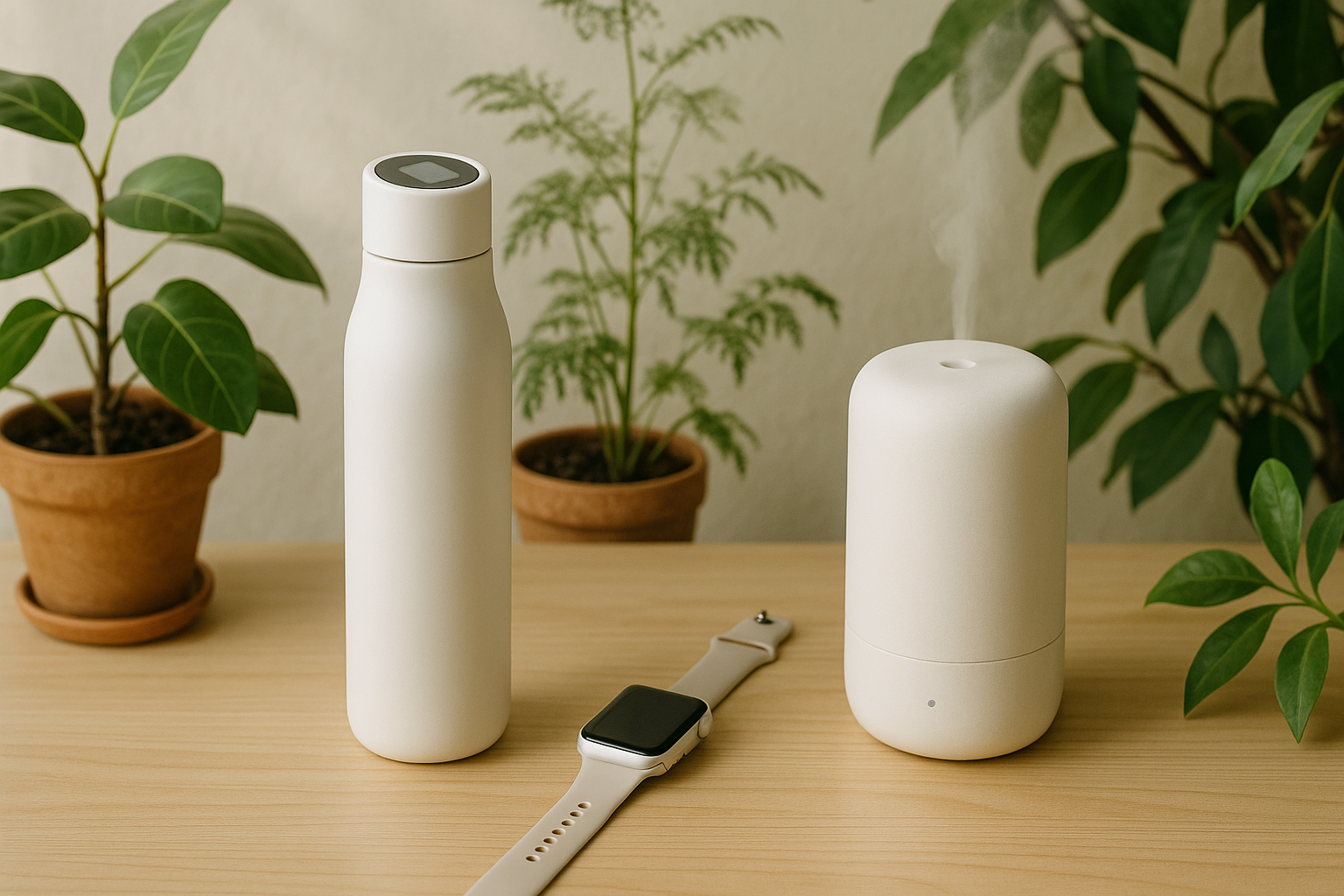
- Track Sleep Patterns: Use sleep tracking devices or apps to monitor REM sleep duration and quality.
Common pitfalls include neglecting consistency in sleep schedules and underestimating the impact of lifestyle factors on sleep quality. Awareness of these challenges can help in maintaining a focus on REM optimization.
Relevant Biomarkers & Tracking
Monitoring specific biomarkers and indicators can provide insights into REM sleep quality. Relevant metrics include:
- Sleep Latency: The time it takes to fall asleep, which can indicate overall sleep efficiency.
- REM Sleep Duration: The total amount of time spent in REM sleep, typically measured through sleep studies or tracking devices.
- Sleep Architecture: The overall structure of sleep cycles, including the proportion of time spent in each sleep stage.
Tracking these biomarkers can help individuals identify patterns and make informed adjustments to their sleep practices.
Body Systems Supported
Optimizing REM sleep can support various body systems, including:
- Cognitive System: Enhanced memory consolidation and learning capabilities.
- Emotional Regulation: Improved mood and reduced anxiety levels.
- Endocrine System: Better hormonal balance, particularly related to stress and metabolism.
These benefits highlight the interconnectedness of sleep and overall health, emphasizing the importance of REM optimization.
Common Goals
Individuals seeking to optimize REM sleep often aim for the following goals:
- Increased REM sleep duration.
- Improved overall sleep quality.
- Enhanced cognitive function and memory retention.
- Better emotional balance and resilience.
These goals can guide the selection of appropriate strategies for REM sleep optimization.
Safety, Contraindications & Edge Cases
While optimizing REM sleep is generally safe for most individuals, certain considerations should be taken into account:
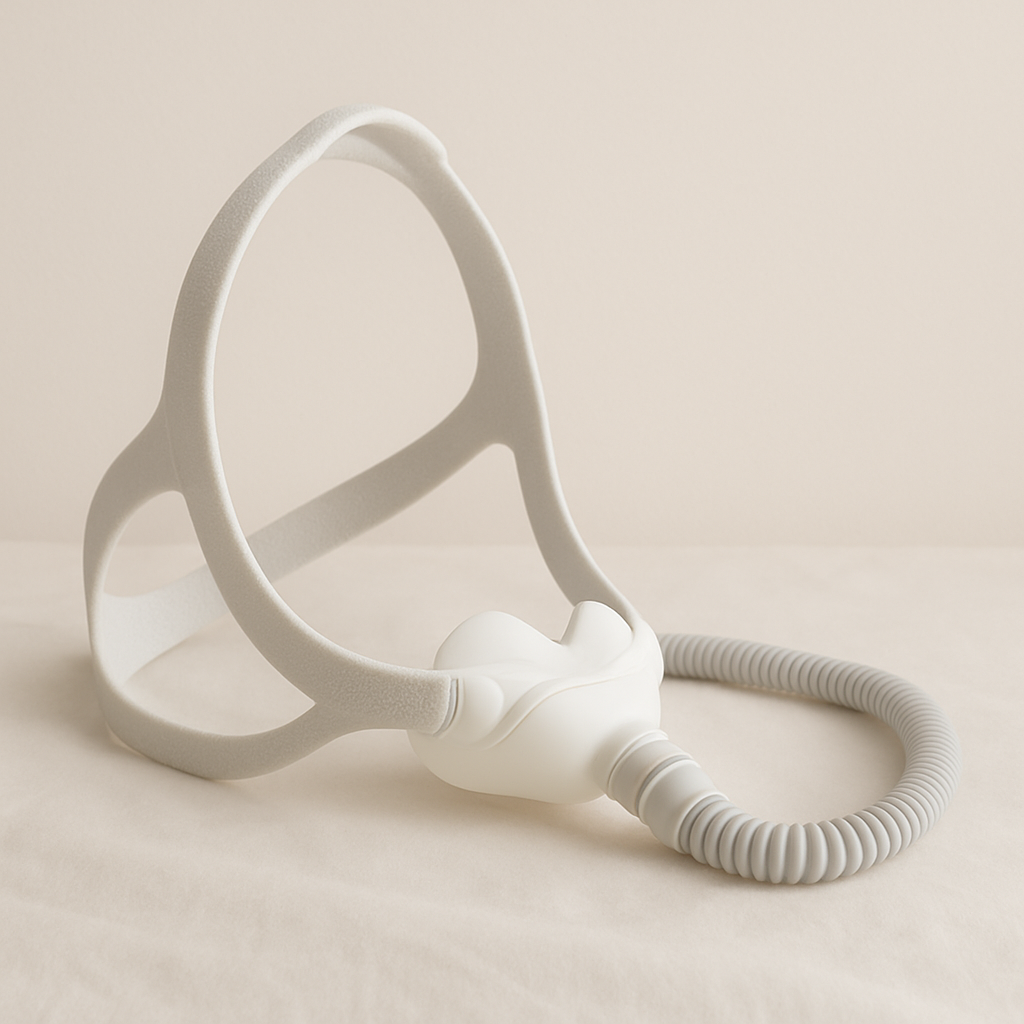
- Sleep Disorders: Individuals with diagnosed sleep disorders, such as sleep apnea or narcolepsy, may need specialized interventions.
- Medications: Some medications can affect sleep architecture; consulting a healthcare provider before making changes is advisable.
- Underlying Health Conditions: Conditions such as depression or anxiety may require tailored approaches to sleep optimization.
Being aware of these factors can help ensure safe and effective REM sleep optimization.
Pairs Well With
REM optimization practices can complement various ancient and natural wellness approaches, including:
- Traditional Chinese Medicine: Techniques like acupuncture and herbal remedies that promote relaxation and balance.
- Aromatherapy: Essential oils such as lavender and chamomile that may enhance relaxation and improve sleep quality.
- Herbal Supplements: Natural sleep aids like valerian root and passionflower that support tranquil sleep.
Integrating these approaches can enhance the overall effectiveness of REM sleep optimization strategies.
FAQs (5)
- What is the ideal duration of REM sleep? The ideal duration varies by individual, but adults typically spend about 20-25% of their total sleep time in REM sleep.
- Can certain foods affect REM sleep? Yes, heavy meals, caffeine, and alcohol close to bedtime can disrupt REM sleep quality.
- How can I track my REM sleep? Sleep trackers or apps can monitor sleep cycles and provide insights into REM sleep duration and quality.
- Is REM sleep the same as deep sleep? No, REM sleep is a distinct phase characterized by brain activity and dreaming, while deep sleep is a restorative phase important for physical recovery.
- Can stress impact REM sleep? Yes, high stress levels can negatively affect the duration and quality of REM sleep.
Frequently asked
What is the ideal duration of REM sleep?
The ideal duration varies by individual, but adults typically spend about 20-25% of their total sleep time in REM sleep.
Can certain foods affect REM sleep?
Yes, heavy meals, caffeine, and alcohol close to bedtime can disrupt REM sleep quality.
How can I track my REM sleep?
Sleep trackers or apps can monitor sleep cycles and provide insights into REM sleep duration and quality.
Is REM sleep the same as deep sleep?
No, REM sleep is a distinct phase characterized by brain activity and dreaming, while deep sleep is a restorative phase important for physical recovery.
Can stress impact REM sleep?
Yes, high stress levels can negatively affect the duration and quality of REM sleep.