Melatonin Support
Discover how melatonin can aid in sleep optimization, its mechanisms of action, and practical applications.
Explore the benefits of melatonin support for sleep optimization, including evidence of its efficacy, mechanisms, practical applications, and safety considerations.
What It Is
Melatonin is a hormone produced by the pineal gland in the brain, primarily responsible for regulating sleep-wake cycles, also known as circadian rhythms. It is often referred to as the "sleep hormone" due to its role in promoting sleep. The secretion of melatonin is influenced by light exposure; levels typically rise in the evening as darkness falls and decrease in the morning with light exposure.
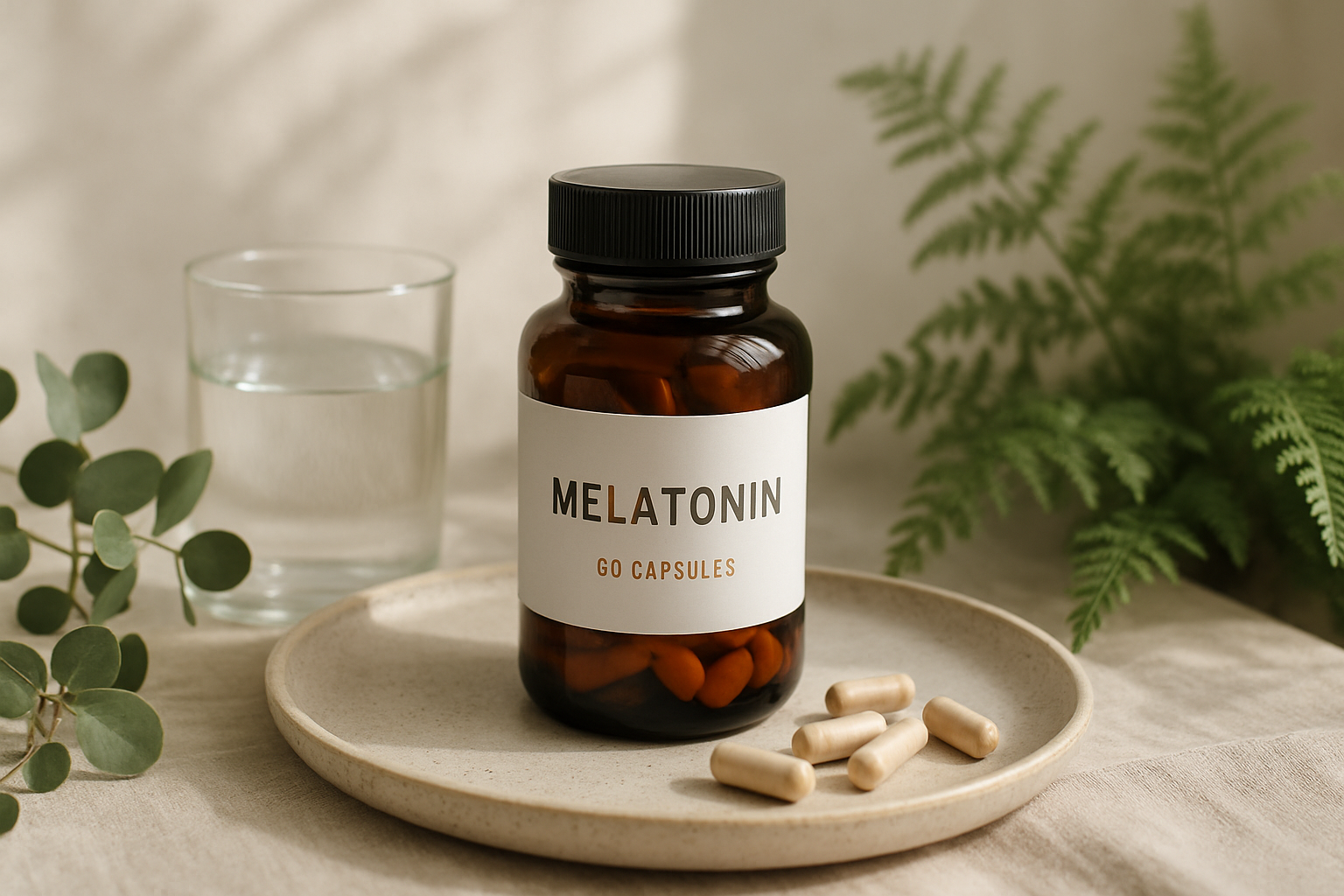
As a supplement, melatonin is available in various forms, including tablets, capsules, and gummies, and is commonly used to address sleep disorders such as insomnia or jet lag. By mimicking the body’s natural production of melatonin, these supplements aim to facilitate easier onset of sleep and improve overall sleep quality.
Mechanism / How It Works
Melatonin works by binding to melatonin receptors in the brain, primarily in the suprachiasmatic nucleus, which is crucial for regulating circadian rhythms. This binding action promotes feelings of sleepiness and helps regulate the timing of sleep. It also has antioxidant properties that may protect cells from oxidative stress, contributing to overall health.
In addition to its role in sleep regulation, melatonin influences other physiological processes, such as immune function and hormonal balance. By signaling the body that it is time to sleep, it helps to maintain a healthy sleep-wake cycle, which is essential for overall well-being.
Evidence Summary
Research on melatonin supplementation has shown promising results, particularly in its ability to improve sleep onset and overall sleep quality. Preliminary studies suggest it can be effective for various sleep disorders, including delayed sleep phase disorder and insomnia. Furthermore, clinical trials have indicated that melatonin can be beneficial in reducing symptoms of jet lag, especially for travelers crossing multiple time zones.
However, findings are mixed regarding its efficacy for all individuals, and some studies report conflicting results. While some people experience significant improvements, others may find little to no benefit. The variability in response could be attributed to factors such as dosage, timing of administration, and individual biological differences.
Practical Application
For those considering melatonin supplementation, it is essential to establish a consistent routine. Typical protocols suggest taking melatonin 30 to 60 minutes before bedtime, starting with a low dose (0.5 to 3 mg) and adjusting as needed based on individual response. It is advisable to avoid exposure to bright screens and artificial light during this time to enhance melatonin's effectiveness.
Common pitfalls include taking melatonin at the wrong time or using it inconsistently, which can disrupt rather than support sleep patterns. Additionally, individuals should be cautious about using melatonin in conjunction with other sleep aids without consulting a healthcare provider.
Relevant Biomarkers & Tracking
Tracking sleep patterns and quality can be beneficial when using melatonin. Common biomarkers to consider include:
- Sleep onset latency (time taken to fall asleep)
- Total sleep time
- Sleep efficiency (percentage of time spent asleep while in bed)
- Wake after sleep onset (number of times awake during the night)
Sleep tracking apps and devices can help individuals monitor these metrics and assess the effectiveness of melatonin supplementation.
Body Systems Supported
Melatonin primarily supports the following body systems:
- Nervous System: Regulates sleep and circadian rhythms.
- Endocrine System: Influences hormonal balance, particularly related to stress and reproductive hormones.
- Immune System: Exhibits antioxidant properties that may bolster immune function.
Common Goals
Individuals seeking melatonin support often have specific goals, such as:
- Improving sleep quality and duration
- Reducing the time it takes to fall asleep
- Mitigating the effects of jet lag
- Addressing insomnia or other sleep disorders
Safety, Contraindications & Edge Cases
Melatonin is generally considered safe for short-term use. However, potential side effects can include drowsiness, dizziness, and headaches. It is essential to consult a healthcare provider before starting melatonin, especially for those who are pregnant, breastfeeding, or taking medications that may interact with melatonin, such as anticoagulants or immunosuppressants.
Particular caution should be exercised in individuals with certain medical conditions, including autoimmune disorders, depression, or seizure disorders, as melatonin may exacerbate symptoms in these cases.
Pairs Well With
Melatonin can be effectively paired with several natural and ancient remedies for enhanced sleep support, including:
- Valerian Root: Traditionally used to promote relaxation and improve sleep quality.
- Chamomile: Known for its calming effects and often consumed as tea before bedtime.
- Lavender: Aromatherapy with lavender essential oil can promote relaxation and improve sleep.
FAQs (5)
- What is the best time to take melatonin? Melatonin is best taken 30 to 60 minutes before bedtime.
- Can I take melatonin every night? While melatonin can be taken nightly, it is advisable to consult a healthcare provider for long-term use.
- Are there any side effects of melatonin? Possible side effects include drowsiness, dizziness, and headaches.
- Can children take melatonin? Melatonin may be used in children under medical supervision, especially for sleep disorders.
- Does melatonin interact with medications? Yes, melatonin can interact with certain medications; consult a healthcare provider before use.
Frequently asked
What is the best time to take melatonin?
Melatonin is best taken 30 to 60 minutes before bedtime.
Can I take melatonin every night?
While melatonin can be taken nightly, it is advisable to consult a healthcare provider for long-term use.
Are there any side effects of melatonin?
Possible side effects include drowsiness, dizziness, and headaches.
Can children take melatonin?
Melatonin may be used in children under medical supervision, especially for sleep disorders.
Does melatonin interact with medications?
Yes, melatonin can interact with certain medications; consult a healthcare provider before use.