Sleep Hygiene
Discover the fundamental principles of sleep hygiene and its role in enhancing sleep quality.

Explore the importance of sleep hygiene in optimizing sleep quality. Understand its mechanisms, evidence, practical applications, and how it supports overall wellness.
What It Is
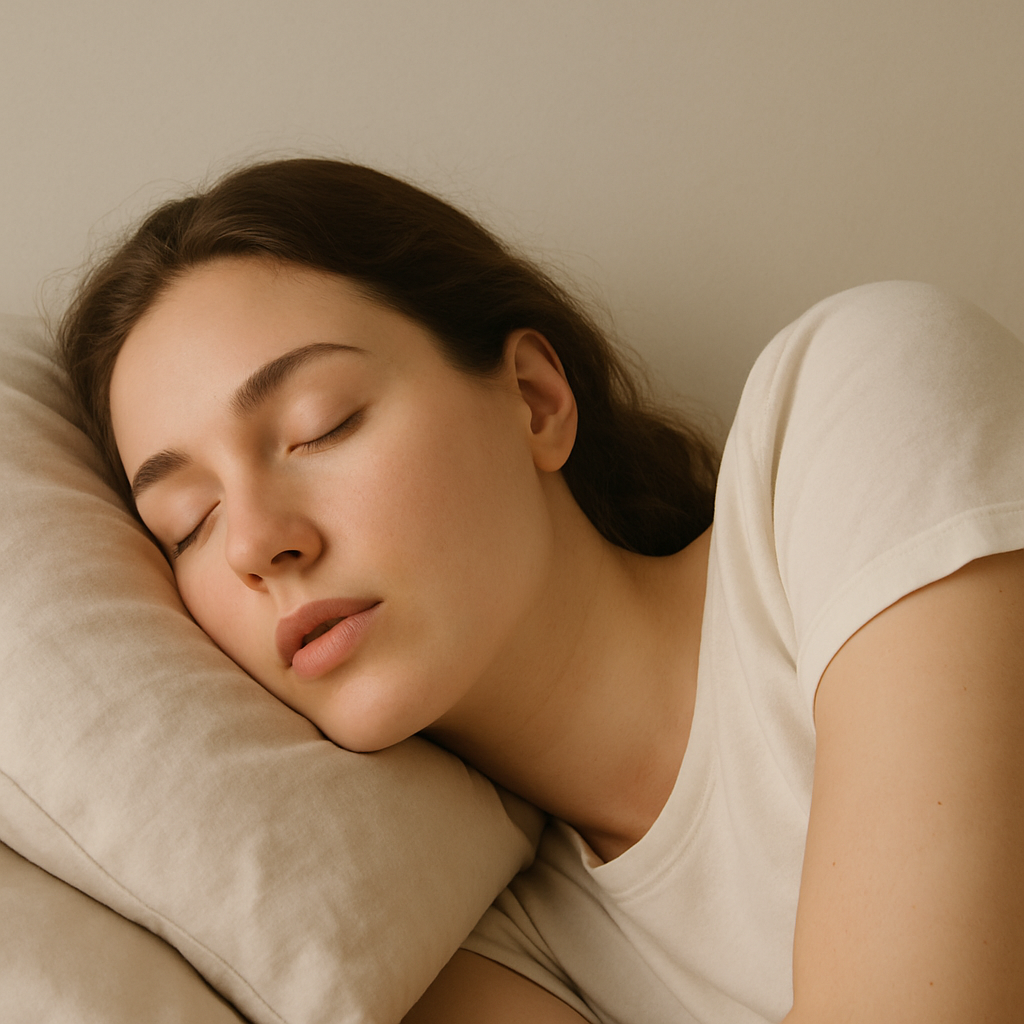
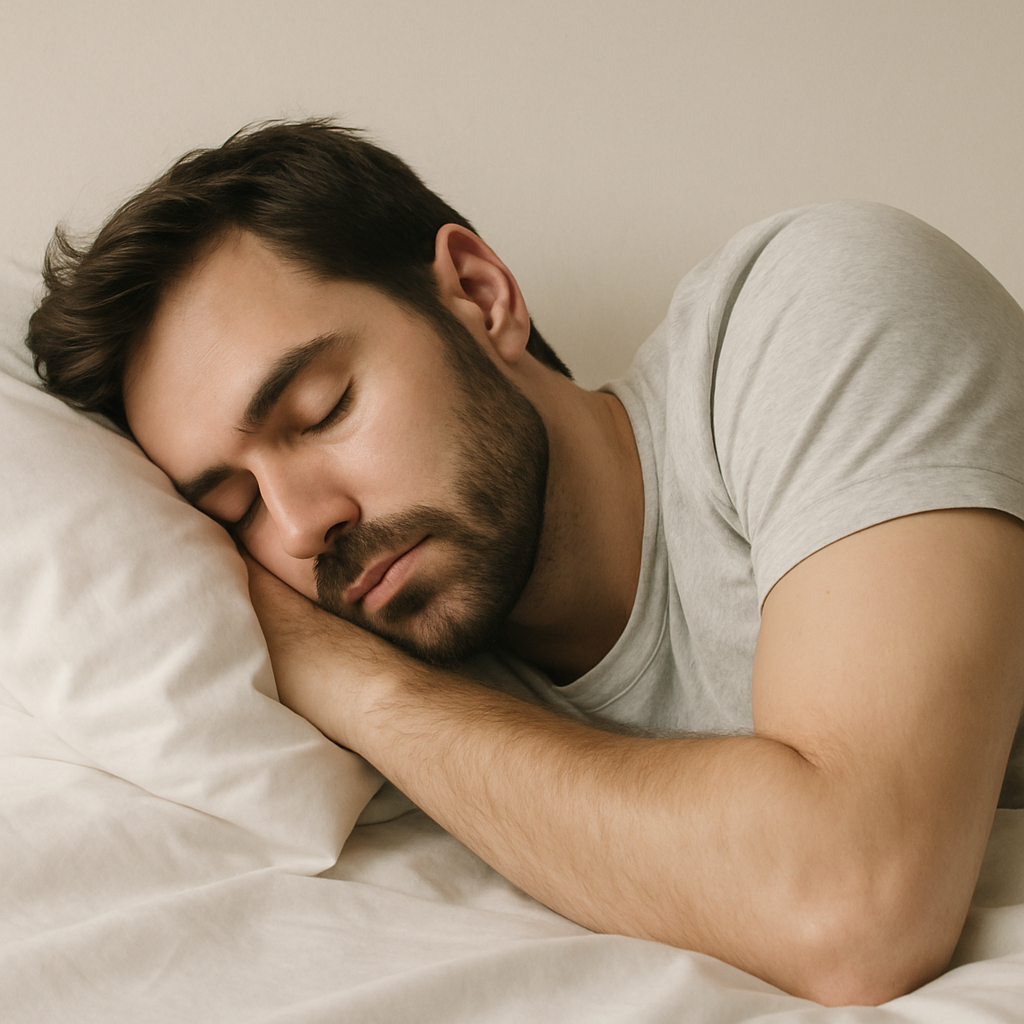
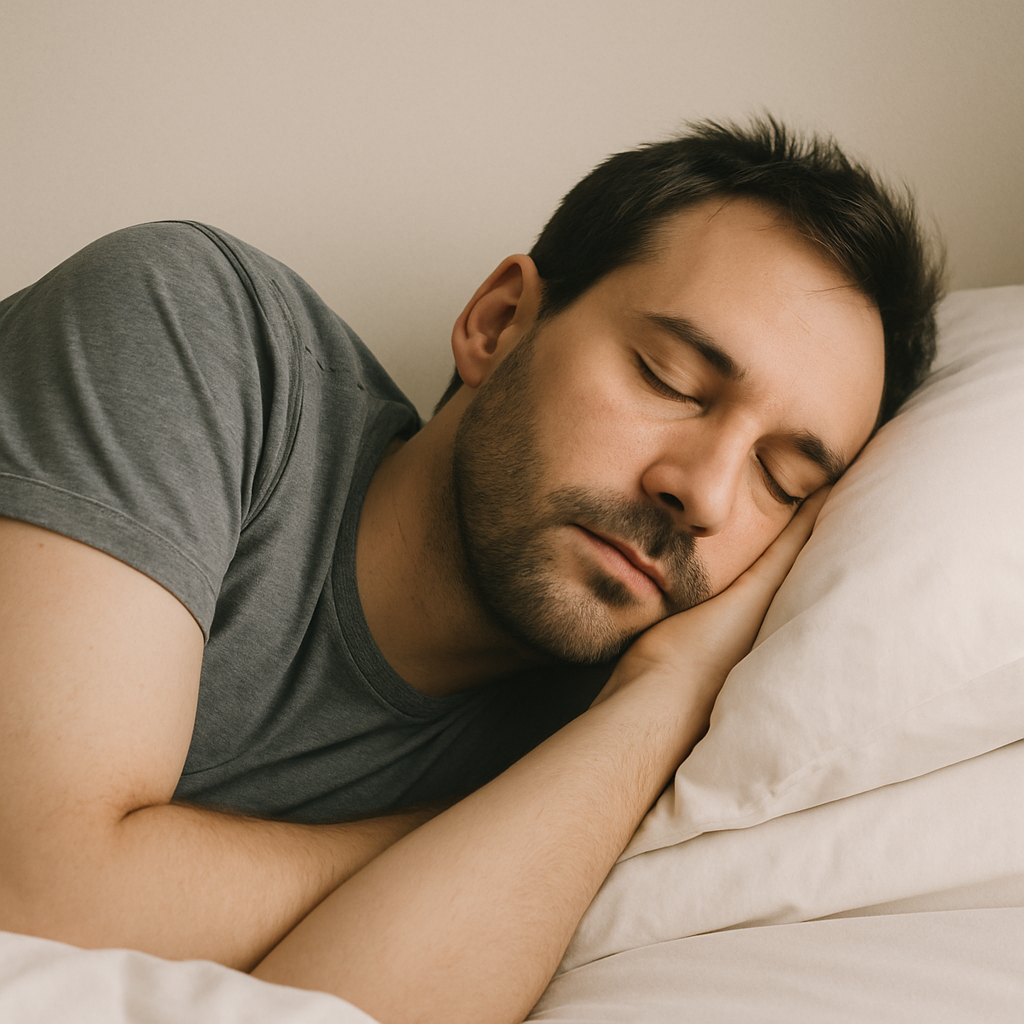
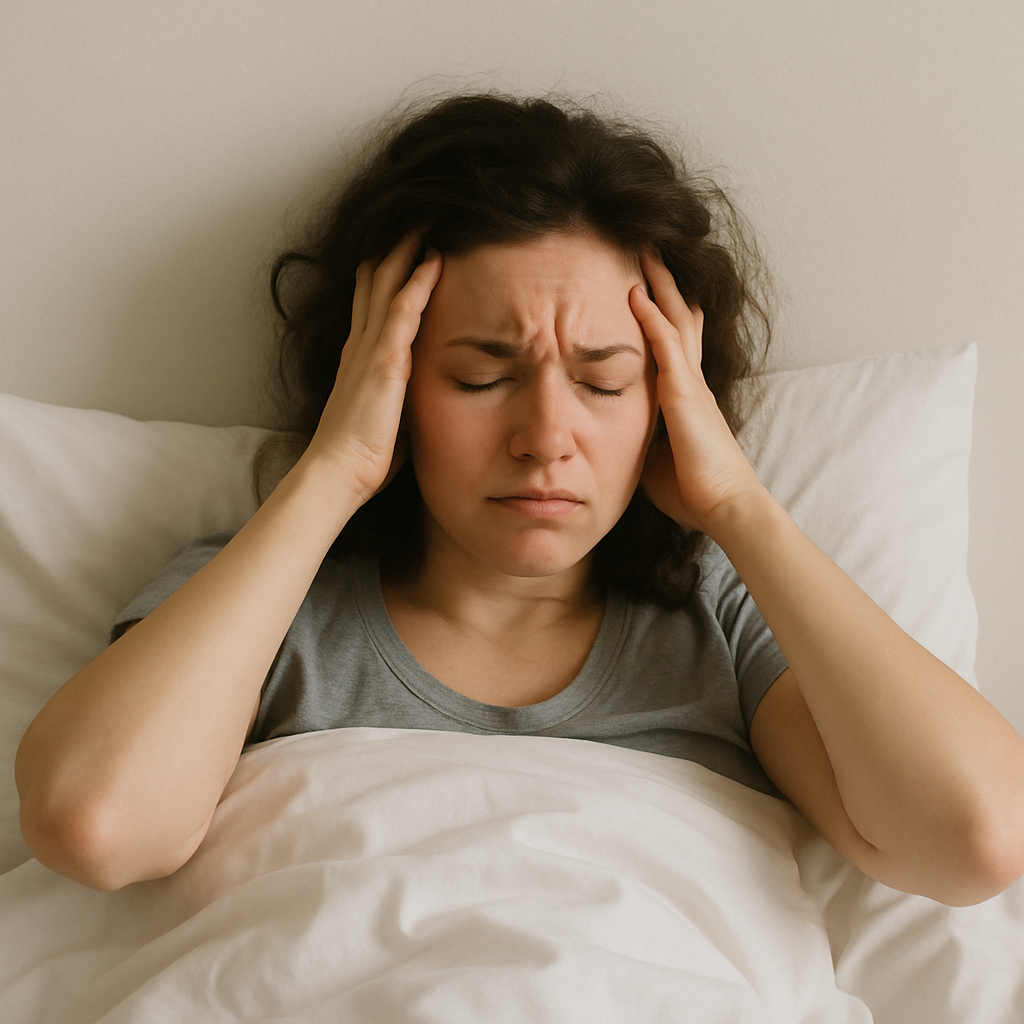
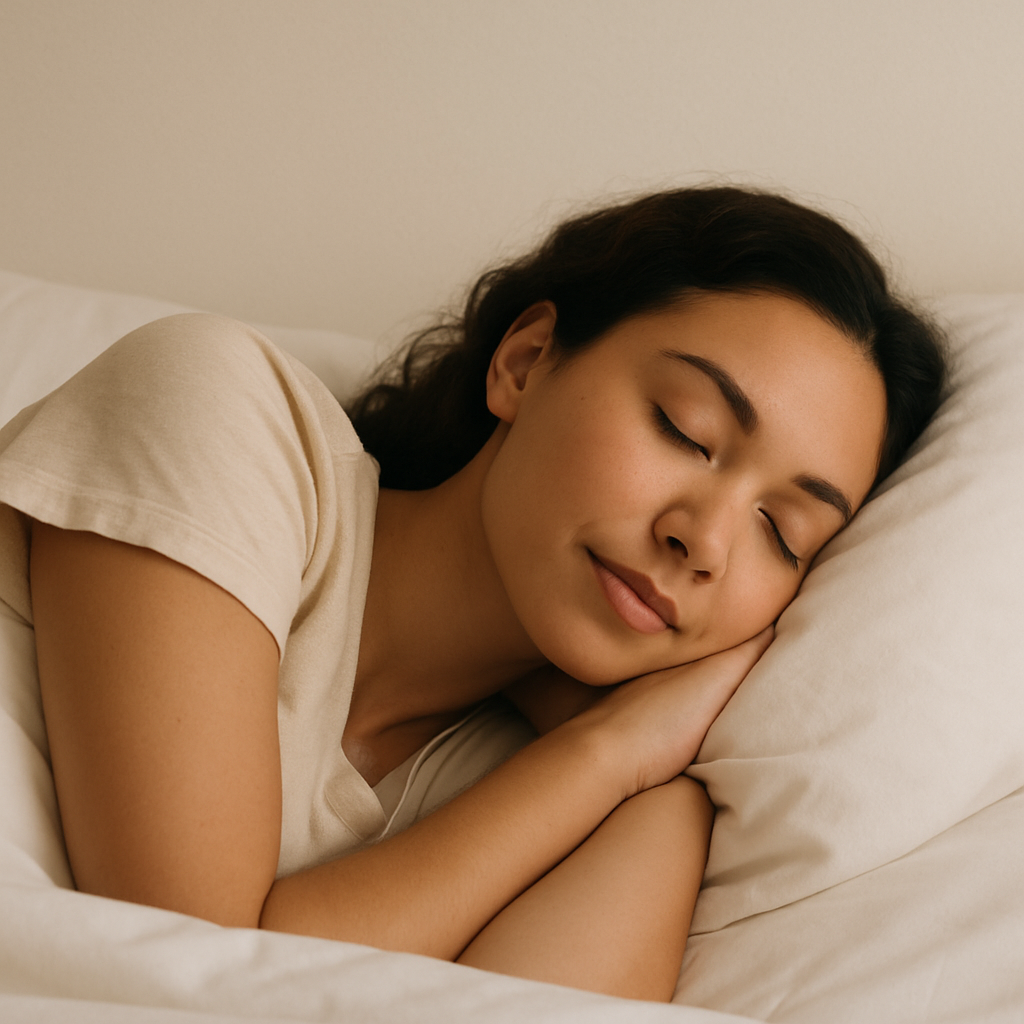
Sleep hygiene refers to a set of practices and habits that are conducive to sleeping well on a regular basis. It encompasses a variety of behavioral and environmental factors that can influence the quality of sleep. Proper sleep hygiene is essential for maintaining a healthy sleep cycle, which is crucial for overall well-being and cognitive function.
In essence, sleep hygiene involves creating an environment and a routine that promotes uninterrupted and restorative sleep. This can include maintaining a consistent sleep schedule, optimizing the sleep environment, and avoiding stimulants before bedtime. By adopting good sleep hygiene practices, individuals can significantly reduce sleep disturbances and improve sleep quality.
Mechanism / How It Works
The mechanisms behind sleep hygiene are multifaceted and involve both physiological and psychological components. The body’s internal clock, or circadian rhythm, plays a significant role in regulating sleep-wake cycles. Good sleep hygiene practices help to reinforce these cycles, making it easier to fall asleep and wake up at the desired times.
Additionally, sleep hygiene strategies such as reducing screen time before bed or creating a calm sleep environment can lower stress and anxiety levels, which are common barriers to falling asleep. These practices can enhance the production of melatonin, a hormone that regulates sleep, leading to improved sleep onset and quality.
Evidence Summary
Research on sleep hygiene has produced a variety of findings, demonstrating its importance in promoting better sleep quality. Numerous studies have shown that adherence to sleep hygiene practices is associated with improved sleep outcomes and reduced insomnia symptoms. However, the evidence is not uniformly conclusive, with some studies indicating that the effectiveness of sleep hygiene may vary depending on individual circumstances.
While some clinical trials have found significant improvements in sleep quality when sleep hygiene protocols are followed, other studies suggest that more research is needed to establish standardized guidelines. Overall, there is a consensus that good sleep hygiene is beneficial for most individuals, particularly those experiencing sleep disturbances or difficulties.
Practical Application
To effectively integrate sleep hygiene into daily life, individuals can adopt a range of protocols. Some key practices include:
- Establishing a consistent sleep schedule by going to bed and waking up at the same time every day.
- Creating a comfortable sleep environment by keeping the bedroom dark, quiet, and cool.
- Avoiding caffeine, nicotine, and heavy meals close to bedtime.
- Limiting screen time in the hour leading up to sleep.
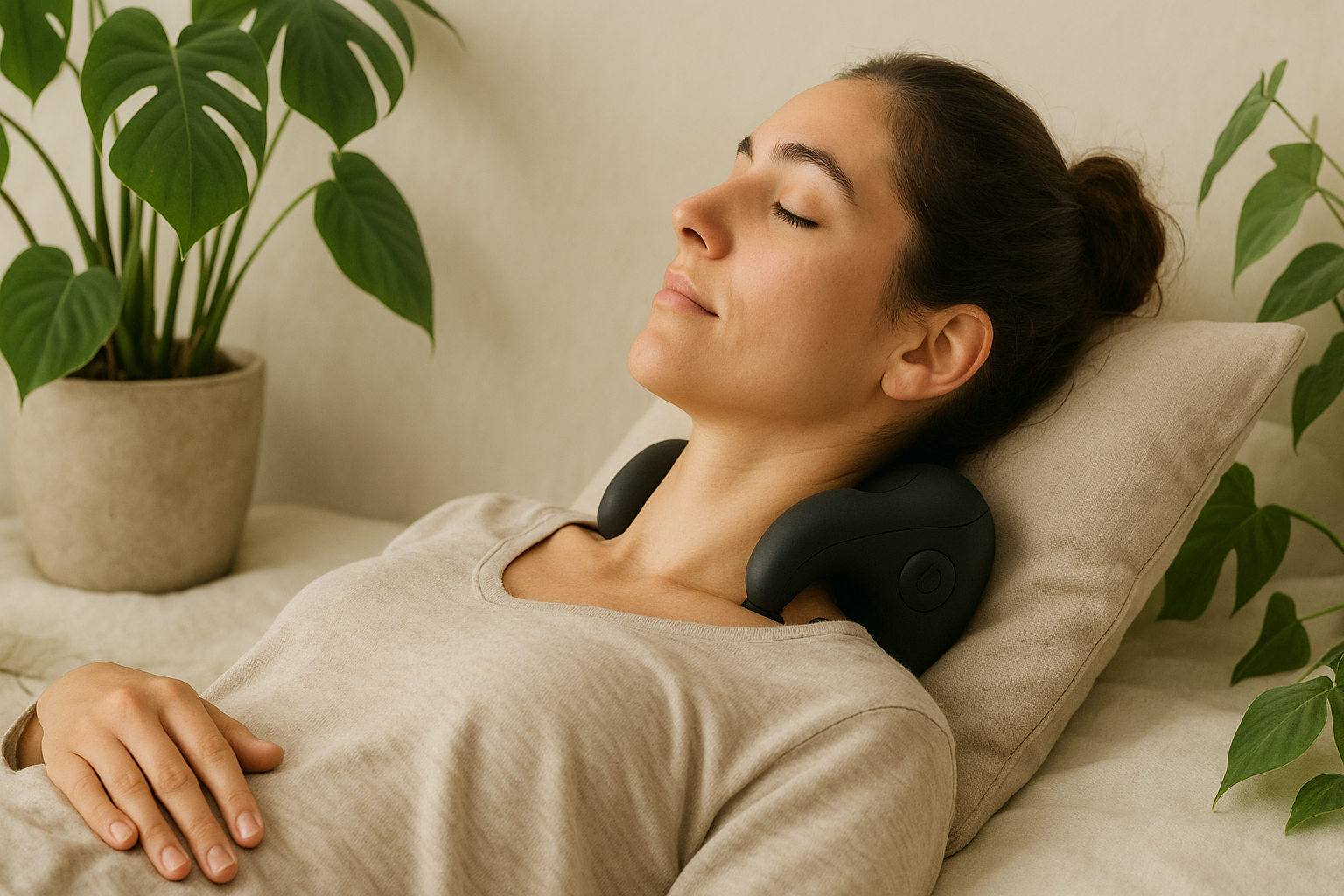
- Engaging in relaxing activities before bed, such as reading or meditation.
Common pitfalls to avoid include irregular sleep patterns, excessive napping during the day, and reliance on sleep medications without consulting a healthcare provider.
Relevant Biomarkers & Tracking
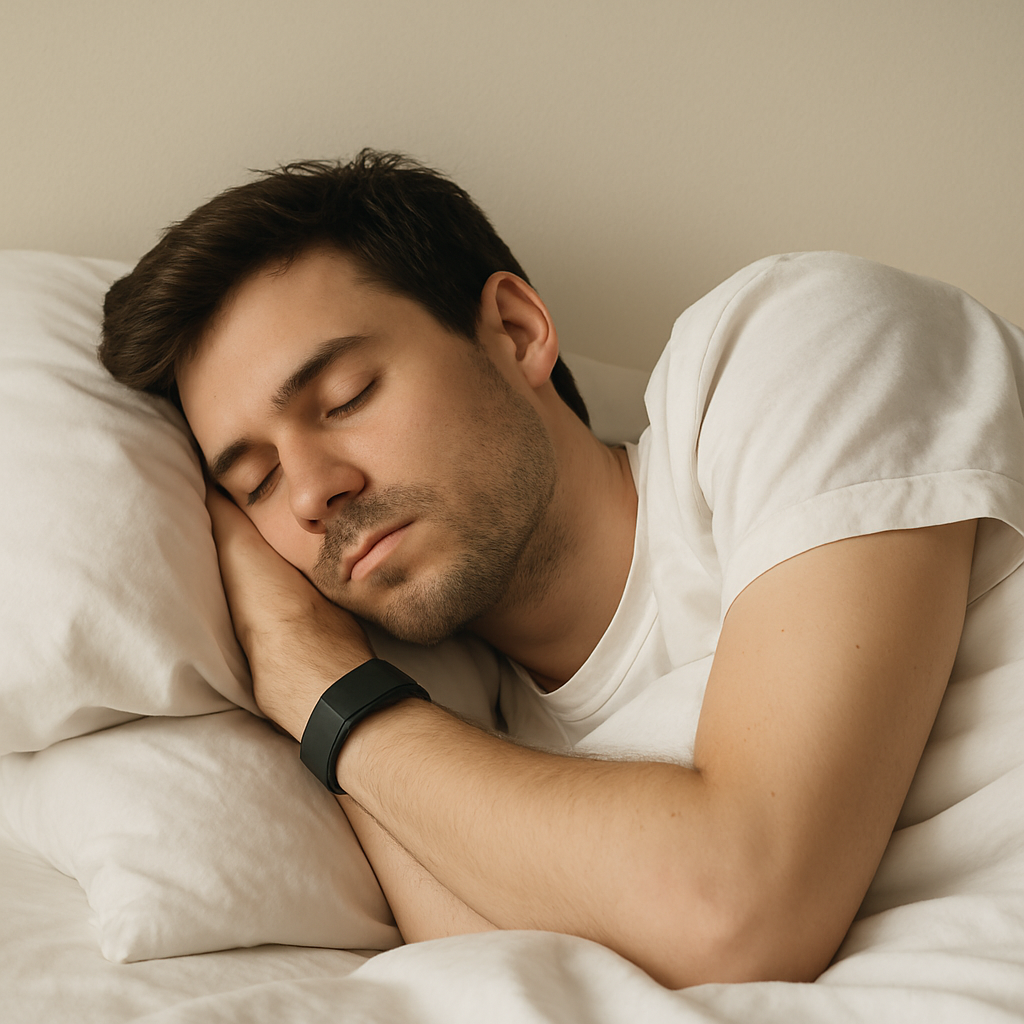
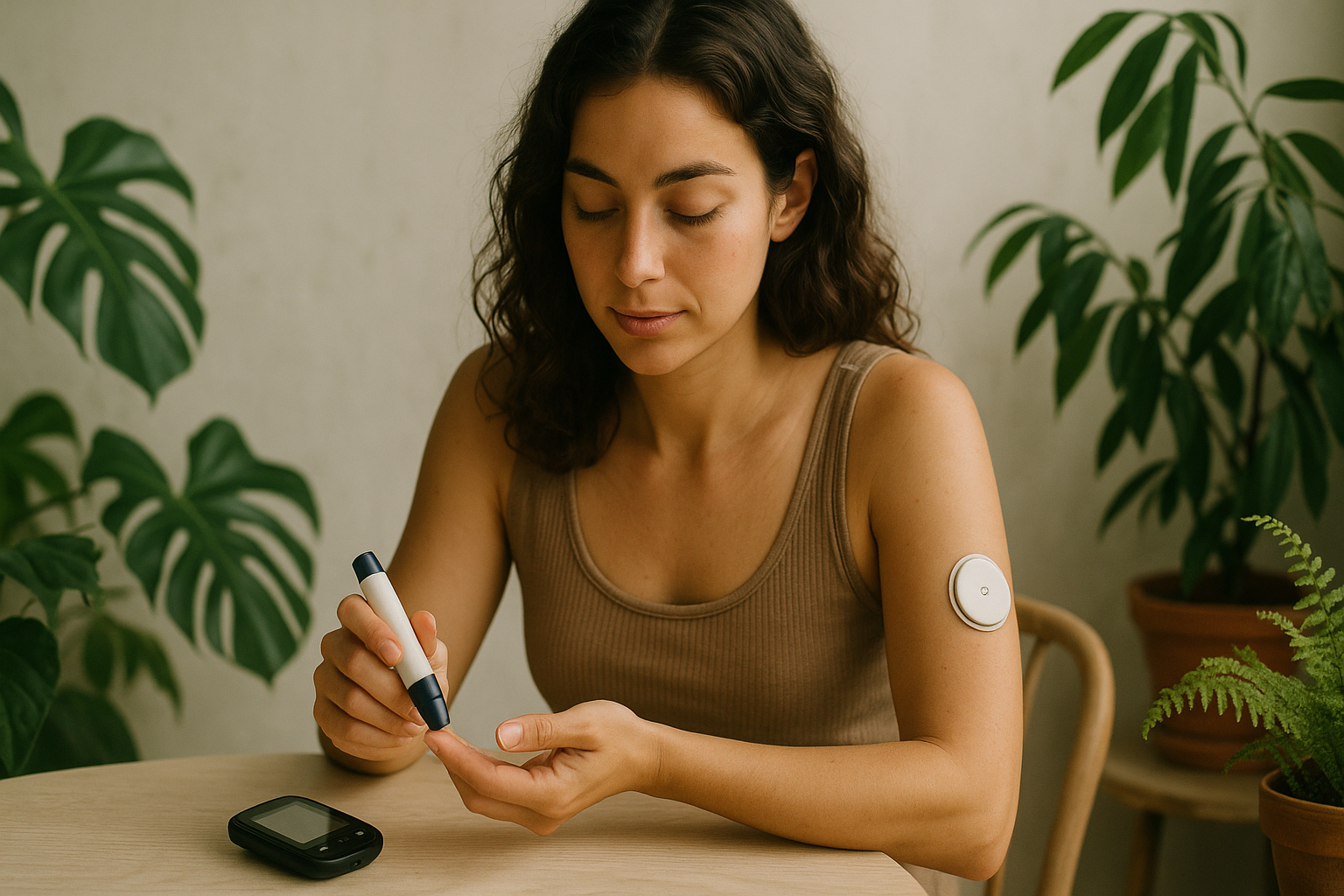
Monitoring sleep quality can be achieved through various methods, including sleep diaries, wearable sleep trackers, and mobile apps. Key biomarkers to consider include:
- Sleep duration: The total amount of sleep obtained each night.
- Sleep efficiency: The ratio of total sleep time to the time spent in bed.
- Sleep onset latency: The time it takes to fall asleep after getting into bed.
- Number of awakenings: How often an individual wakes up during the night.
Tracking these metrics can help individuals identify patterns and make necessary adjustments to their sleep hygiene practices.
Body Systems Supported
Good sleep hygiene supports various body systems, including:
- The nervous system: Promoting cognitive function and emotional regulation.
- The endocrine system: Regulating hormones, including those involved in stress and metabolism.
- The immune system: Enhancing the body's ability to fight off infections and diseases.
Overall, improved sleep quality can have a positive impact on physical and mental health.
Common Goals
The primary goals of implementing sleep hygiene practices include:
- Improving overall sleep quality and duration.
- Reducing the frequency of sleep disturbances.
- Enhancing daytime alertness and cognitive function.
- Supporting emotional well-being and stress management.
Safety, Contraindications & Edge Cases
Generally, sleep hygiene practices are safe for most individuals. However, certain populations, such as those with specific medical conditions or mental health disorders, may require tailored approaches. It is essential for individuals experiencing chronic sleep issues to consult a healthcare provider before making significant changes to their sleep habits.
Pairs Well With
Sleep hygiene is often complemented by other wellness practices, including:
- Mindfulness and meditation: To reduce stress and promote relaxation.
- Physical activity: Regular exercise can improve sleep quality when done at appropriate times.
- Nutrition: A balanced diet can contribute to better sleep and overall health.
These practices can create a holistic approach to sleep optimization.
FAQs (5)
What is the ideal sleep environment?
The ideal sleep environment is dark, quiet, and cool, with a comfortable mattress and pillows.
How long does it take to establish good sleep hygiene?
Establishing good sleep hygiene can take several weeks, as it often requires consistent practice and adjustment.
Can sleep hygiene help with insomnia?
Yes, improving sleep hygiene can help alleviate symptoms of insomnia for many individuals.
Is napping bad for sleep hygiene?
Napping can be beneficial if kept short and not too late in the day; long or late naps may disrupt nighttime sleep.
Are there any supplements that can help with sleep hygiene?
Some supplements, such as melatonin, may assist with sleep onset, but it is crucial to consult a healthcare provider before use.
Frequently asked
What is the ideal sleep environment?
The ideal sleep environment is dark, quiet, and cool, with a comfortable mattress and pillows.
How long does it take to establish good sleep hygiene?
Establishing good sleep hygiene can take several weeks, as it often requires consistent practice and adjustment.
Can sleep hygiene help with insomnia?
Yes, improving sleep hygiene can help alleviate symptoms of insomnia for many individuals.
Is napping bad for sleep hygiene?
Napping can be beneficial if kept short and not too late in the day; long or late naps may disrupt nighttime sleep.
Are there any supplements that can help with sleep hygiene?
Some supplements, such as melatonin, may assist with sleep onset, but it is crucial to consult a healthcare provider before use.