Circadian Rhythm
Explore the role of circadian rhythm in sleep optimization, its mechanisms, and practical applications for better well-being.

Circadian rhythm is a fundamental aspect of sleep optimization, influencing various biological processes and overall health. Understanding its mechanisms and applications can significantly enhance sleep quality and daily functioning.
What It Is
Circadian rhythm refers to the natural, internal processes that regulate the sleep-wake cycle and other biological functions over a 24-hour period. This rhythm is influenced by external cues such as light and temperature, helping to synchronize our biological processes with the day-night cycle. In essence, it governs when we feel awake and when we feel sleepy, playing a critical role in our overall health and well-being.
Every living organism has a circadian rhythm, which is driven by an internal clock located in the suprachiasmatic nucleus (SCN) of the brain. This clock produces rhythms that affect various physiological processes, including hormone release, eating habits, digestion, and body temperature. Disruptions to the circadian rhythm can lead to sleep disorders and other health issues, highlighting its importance in sleep optimization.
Mechanism / How It Works
The circadian rhythm operates through a complex interplay of genetic, hormonal, and environmental factors. Light exposure is the most significant external cue, influencing the production of melatonin, a hormone that promotes sleep. During daylight, exposure to natural light helps to keep the internal clock aligned with the external environment, while darkness triggers melatonin production, signaling the body to prepare for sleep.
At the cellular level, circadian rhythms are regulated by a series of genes that turn on and off in a rhythmic pattern. These genes, often referred to as “clock genes,” help to maintain the timing of biological processes. The synchronization of these genes with environmental cues is essential for maintaining a healthy circadian rhythm.
Evidence Summary
Research on circadian rhythms has yielded a wealth of evidence supporting their critical role in health. Studies have shown that disruptions to the circadian rhythm, such as those experienced by shift workers or frequent travelers, can lead to various health issues including sleep disorders, obesity, diabetes, and cardiovascular diseases. However, while the negative impacts of circadian disruption are well-documented, the evidence for specific interventions to optimize circadian rhythms is still emerging.
Clinical studies suggest that interventions like light therapy and adjustments to sleep schedules can help realign circadian rhythms and improve sleep quality. However, results can be conflicting due to individual differences in circadian biology, making it essential to adopt a personalized approach to sleep optimization.
Practical Application
To effectively integrate circadian rhythm optimization into daily life, consider adopting the following protocols:
- Consistent Sleep Schedule: Aim to go to bed and wake up at the same time every day, even on weekends.
- Morning Sunlight Exposure: Spend time outdoors in natural light early in the day to help reset your internal clock.
- Limit Blue Light Exposure: Reduce screen time and blue light exposure in the evening to promote melatonin production.
- Create a Sleep-Inducing Environment: Ensure your bedroom is dark, cool, and quiet to facilitate better sleep.
Common pitfalls include irregular sleep patterns, excessive caffeine intake, and lack of exposure to natural light, all of which can disrupt the circadian rhythm and hinder sleep quality.
Relevant Biomarkers & Tracking
Several biomarkers can provide insights into how well your circadian rhythm is functioning. These include:
- Melatonin Levels: Measured through saliva or blood tests, indicating sleep readiness.
- Core Body Temperature: Monitoring fluctuations can reveal patterns in circadian rhythm.
- Sleep Quality Metrics: Using sleep trackers to analyze sleep cycles, duration, and efficiency.
Tracking these biomarkers can help identify disruptions in your circadian rhythm and inform potential adjustments to improve sleep quality.
Body Systems Supported
The circadian rhythm plays a vital role in regulating various body systems, including:
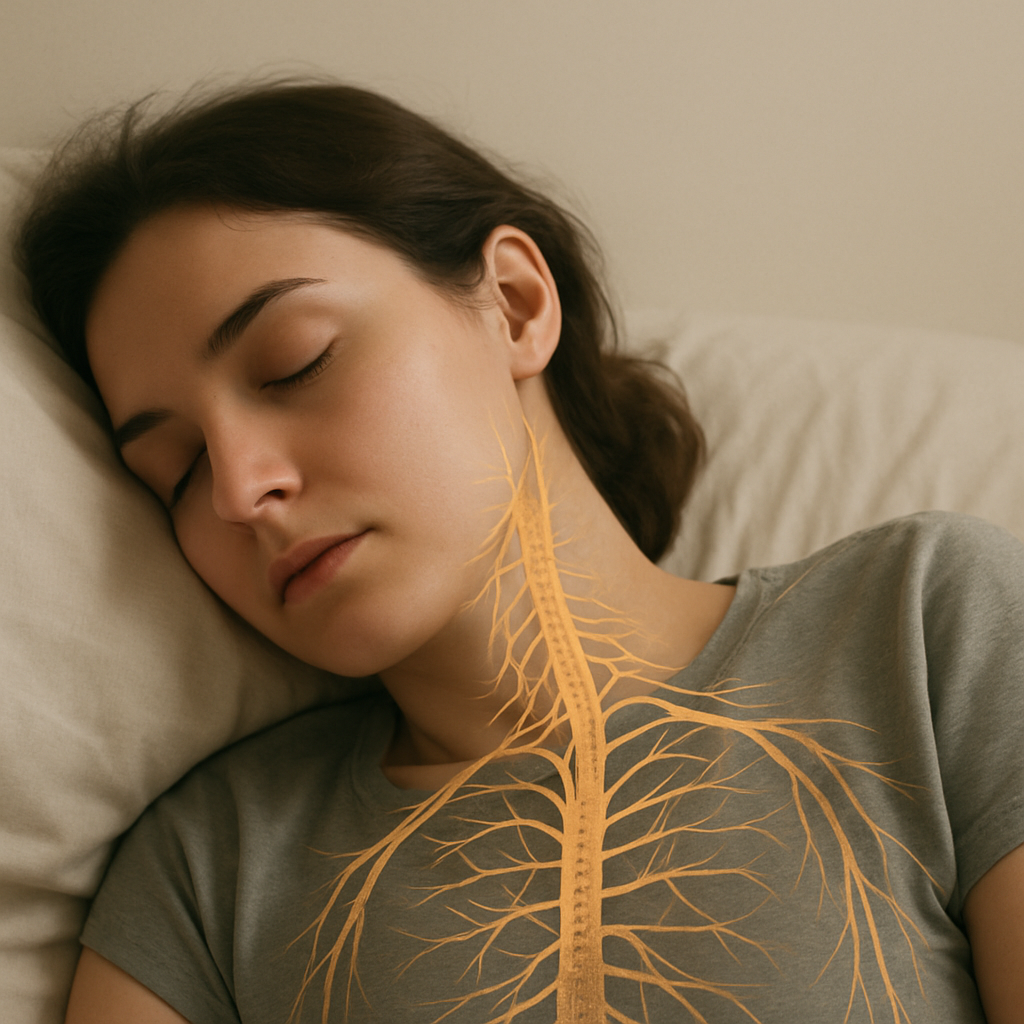
- Nervous System: Influences alertness and cognitive function.
- Endocrine System: Regulates hormone production, including cortisol and melatonin.
- Immune System: Impacts immune responses and inflammation levels.
By supporting these systems, a well-regulated circadian rhythm contributes to overall health and wellness.
Common Goals
Individuals seeking to optimize their circadian rhythm may have several common goals, such as:
- Improving overall sleep quality and duration.
- Enhancing daytime alertness and cognitive function.
- Reducing the risk of chronic health conditions associated with circadian disruption.
- Establishing a balanced lifestyle that promotes physical and mental well-being.
Safety, Contraindications & Edge Cases
Generally, optimizing circadian rhythm is safe for most individuals; however, certain populations may need to exercise caution. Individuals with specific sleep disorders, such as advanced sleep phase disorder or delayed sleep phase disorder, may require tailored approaches. Additionally, people with mood disorders or anxiety should consult a healthcare provider before making significant changes to their sleep routines.
Pairs Well With
Integrating circadian rhythm optimization with other wellness practices can enhance overall health. Consider pairing with:
- Mindfulness and Meditation: To reduce stress and promote relaxation.
- Nutrition: Eating a balanced diet can support overall health and enhance sleep quality.
- Physical Activity: Regular exercise can promote better sleep and regulate circadian rhythms.
FAQs (5)
- What is the best way to reset my circadian rhythm? Morning sunlight exposure and a consistent sleep schedule are effective ways to reset your circadian rhythm.
- Can diet affect my circadian rhythm? Yes, what you eat can influence your sleep quality and circadian rhythms, particularly regarding meal timing.
- How long does it take to adjust to a new sleep schedule? It can take several days to weeks for your body to adjust to a new sleep schedule, depending on individual differences.
- What are the signs of a disrupted circadian rhythm? Signs include difficulty falling asleep, daytime fatigue, and irregular sleep patterns.
- Are there supplements that can help with circadian rhythm? Melatonin supplements may assist in regulating sleep cycles, but consult with a healthcare provider before use.
Frequently asked
What is the best way to reset my circadian rhythm?
Morning sunlight exposure and a consistent sleep schedule are effective ways to reset your circadian rhythm.
Can diet affect my circadian rhythm?
Yes, what you eat can influence your sleep quality and circadian rhythms, particularly regarding meal timing.
How long does it take to adjust to a new sleep schedule?
It can take several days to weeks for your body to adjust to a new sleep schedule, depending on individual differences.
What are the signs of a disrupted circadian rhythm?
Signs include difficulty falling asleep, daytime fatigue, and irregular sleep patterns.
Are there supplements that can help with circadian rhythm?
Melatonin supplements may assist in regulating sleep cycles, but consult with a healthcare provider before use.