Visualization
Unlock the power of visualization in meditation and mindfulness. Learn about its benefits, traditional uses, and how to incorporate it into your daily practice.
Explore the transformative practice of visualization within meditation and mindfulness. Discover its definition, traditional uses, modern research insights, and practical applications for enhancing mental wellness.
What It Is
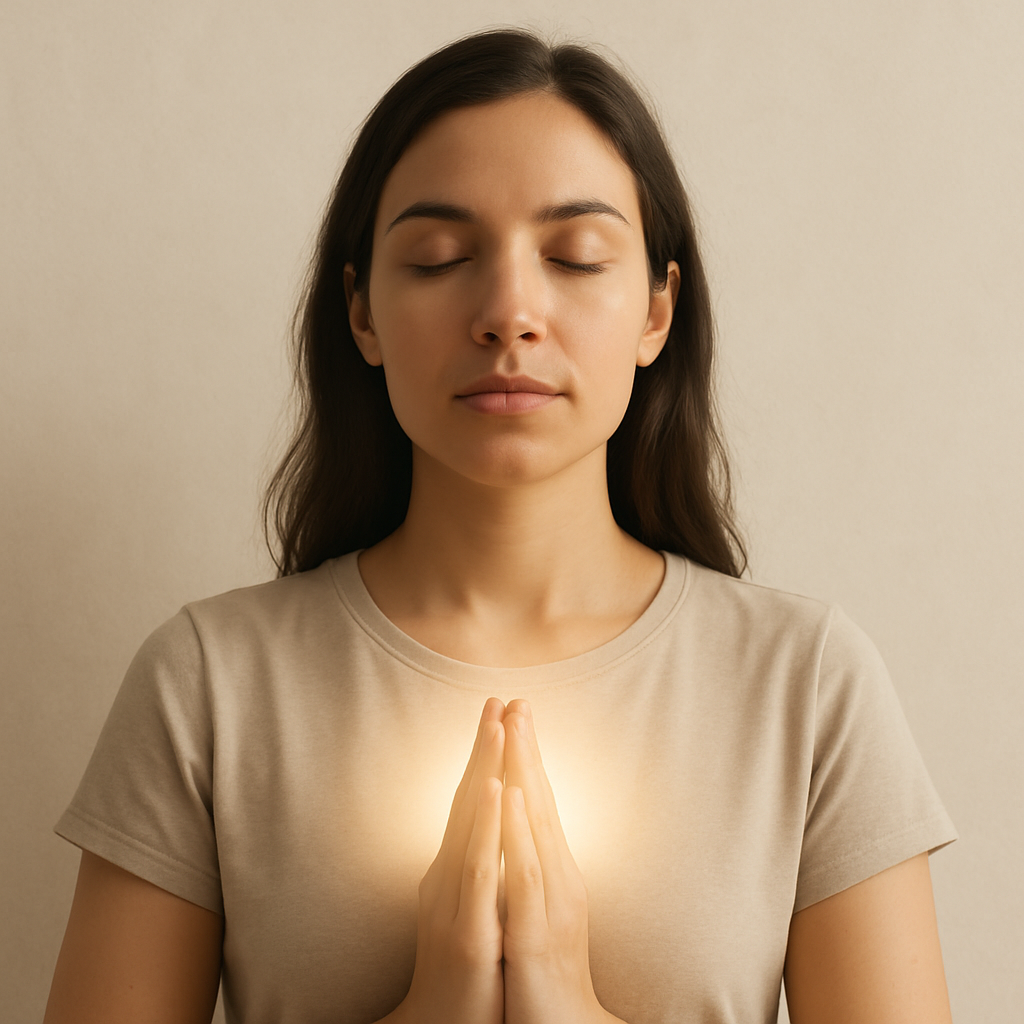
Visualization is a mental technique often used in meditation and mindfulness practices, involving the creation of mental images or scenarios to achieve a desired outcome or state of mind. This process engages the imagination to create vivid, detailed pictures in the mind, allowing individuals to explore their thoughts, feelings, and intentions. It can be utilized for relaxation, motivation, or even healing, offering a bridge between the mind and body.
Key Active Compounds & Mechanisms
While visualization itself does not contain active compounds like herbal remedies, its effectiveness relies on the brain's ability to harness the power of imagination and focus. Neuroplasticity plays a crucial role, as visualization can reshape neural pathways and enhance cognitive functions. The practice activates areas of the brain associated with sensory experiences, leading to physiological responses that can mimic actual experiences.
Traditional Uses
Visualization has roots in various spiritual and cultural traditions. In ancient Eastern practices, such as Buddhism, visualization is integral to meditation, often involving the mental creation of deities or sacred symbols to enhance focus and spiritual connection. Similarly, Native American traditions employ visualization in rituals and healing practices, where imagery is used to connect with nature and the spirit world. These historical uses highlight a long-standing belief in the power of the mind to influence reality.
What Modern Research Suggests
Contemporary research has begun to validate the effectiveness of visualization techniques. Studies have shown that visualization can improve performance in various fields, including sports, education, and therapy. For instance, athletes often use mental imagery to enhance their skills and focus, while therapeutic visualization techniques have demonstrated benefits in managing stress, anxiety, and pain. However, while promising, further research is needed to fully understand the mechanisms and long-term effects of these practices.
Functional Actions
The functional actions of visualization include:
- Enhancing Focus: Improved concentration and clarity of thought.
- Promoting Relaxation: Aids in reducing stress and anxiety through calming imagery.
- Boosting Motivation: Helps in setting and achieving personal goals by visualizing success.
- Supporting Healing: Can be used as a complementary approach in various healing practices.
Body Systems Supported
Visualization primarily supports the mental and emotional body systems, influencing psychological well-being. It can also indirectly affect physiological systems by promoting relaxation and reducing stress, which in turn can benefit the cardiovascular and immune systems.
Common Forms & Educational Dosing Ranges
Visualization is typically practiced in various forms, including:
- Guided Imagery: Involves listening to a facilitator who leads you through a series of images and scenarios.
- Self-Directed Visualization: Practicing independently by creating your own images based on personal goals or desires.
- Visualization Meditation: Integrating visualization techniques within traditional meditation practices.
While there are no specific dosing ranges for visualization, consistency is key. Practicing for as little as 10 to 15 minutes daily can yield positive results over time.
Safety, Contraindications & Interactions
Visualization is generally considered safe for most individuals. However, those with severe psychological conditions, such as PTSD, may need to approach this practice with caution and under the guidance of a trained professional. It is essential to recognize that visualization should not replace conventional treatments for mental health disorders. Additionally, individuals taking medication for anxiety or depression should consult with their healthcare provider before integrating new practices.
Pairs Well With
Visualization can be effectively paired with other practices and techniques, including:
- Meditation: Enhances focus and deepens the meditative experience.
- Breathwork: Combining breath control with visualization can amplify relaxation and mindfulness.
- Yoga: Integrating visualization into yoga practice can deepen the mind-body connection.
- Aromatherapy: Using calming essential oils can enhance the sensory experience during visualization.
FAQs (5)
- What are the benefits of visualization? Visualization can enhance focus, reduce stress, boost motivation, and support emotional well-being.
- How often should I practice visualization? Regular practice, even for 10-15 minutes a day, can be beneficial.
- Can visualization help with anxiety? Yes, visualization techniques can promote relaxation and help manage anxiety symptoms.
- Is visualization a form of meditation? Yes, it can be incorporated into meditation practices or used independently.
- Do I need to be a certain skill level to practice visualization? No, visualization can be practiced by anyone, regardless of experience level.
Frequently asked
What are the benefits of visualization?
Visualization can enhance focus, reduce stress, boost motivation, and support emotional well-being.
How often should I practice visualization?
Regular practice, even for 10-15 minutes a day, can be beneficial.
Can visualization help with anxiety?
Yes, visualization techniques can promote relaxation and help manage anxiety symptoms.
Is visualization a form of meditation?
Yes, it can be incorporated into meditation practices or used independently.
Do I need to be a certain skill level to practice visualization?
No, visualization can be practiced by anyone, regardless of experience level.