Mindfulness
Discover the transformative power of mindfulness, its traditional uses, and how modern research supports its benefits for mental and emotional health.
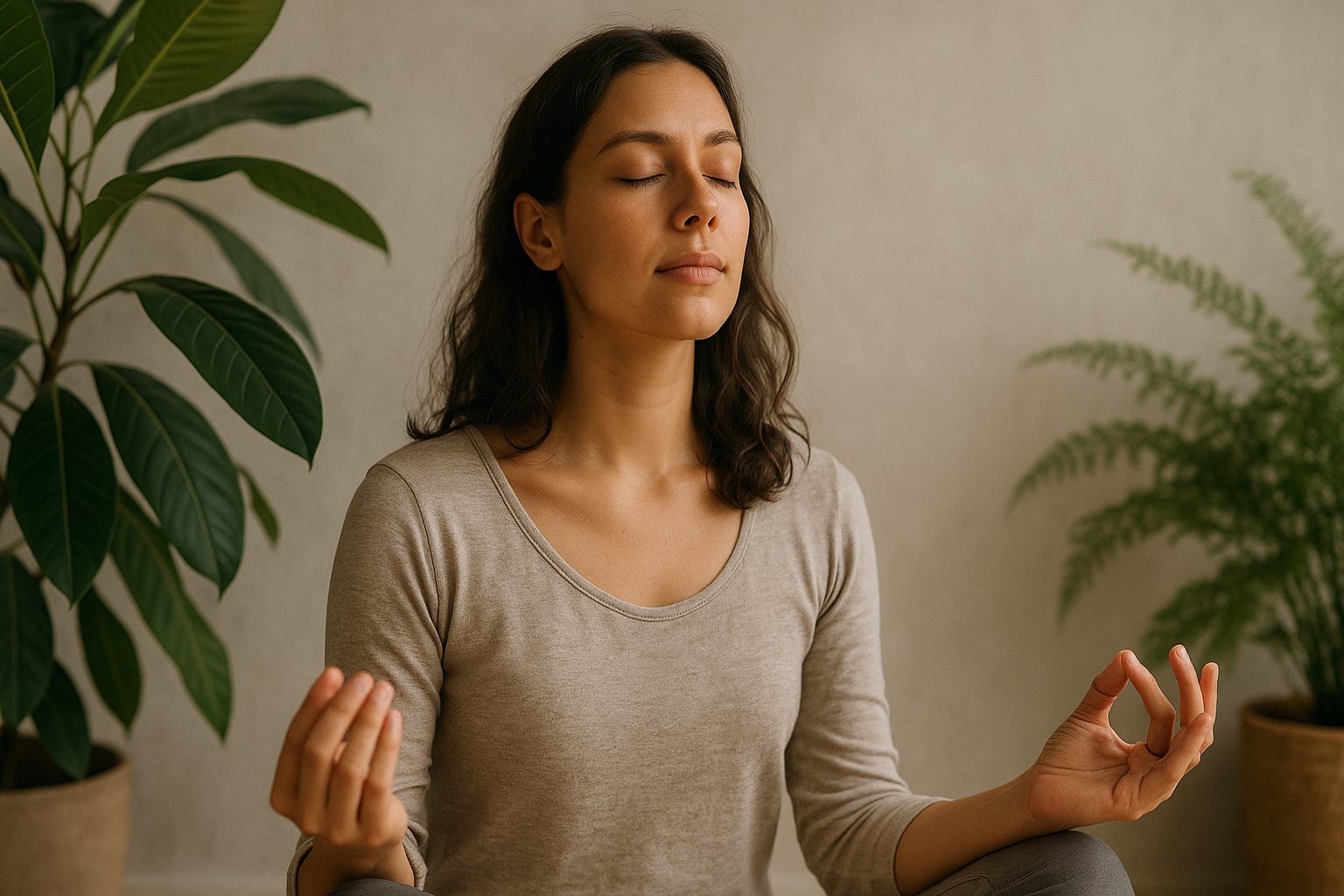
Explore the essence of mindfulness, its historical roots, modern research insights, and practical applications to enhance well-being.
What It Is
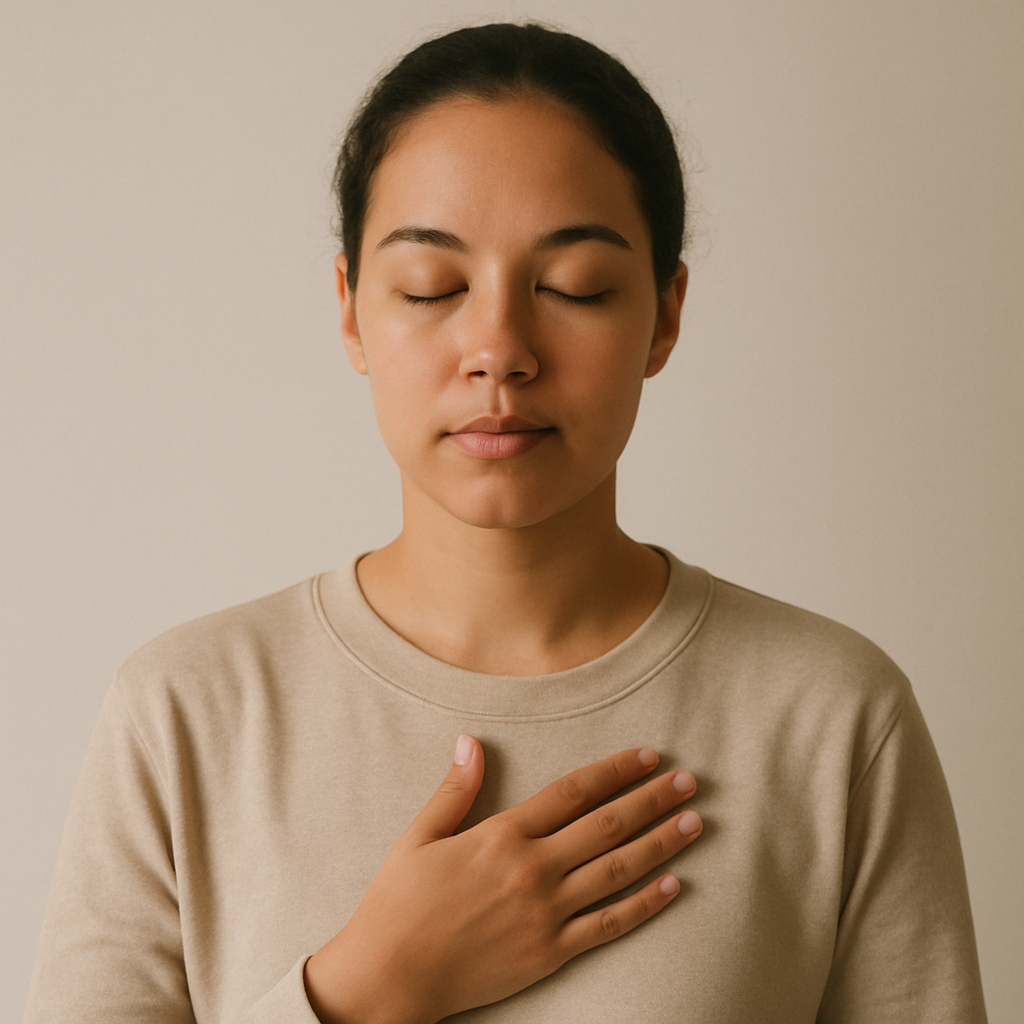
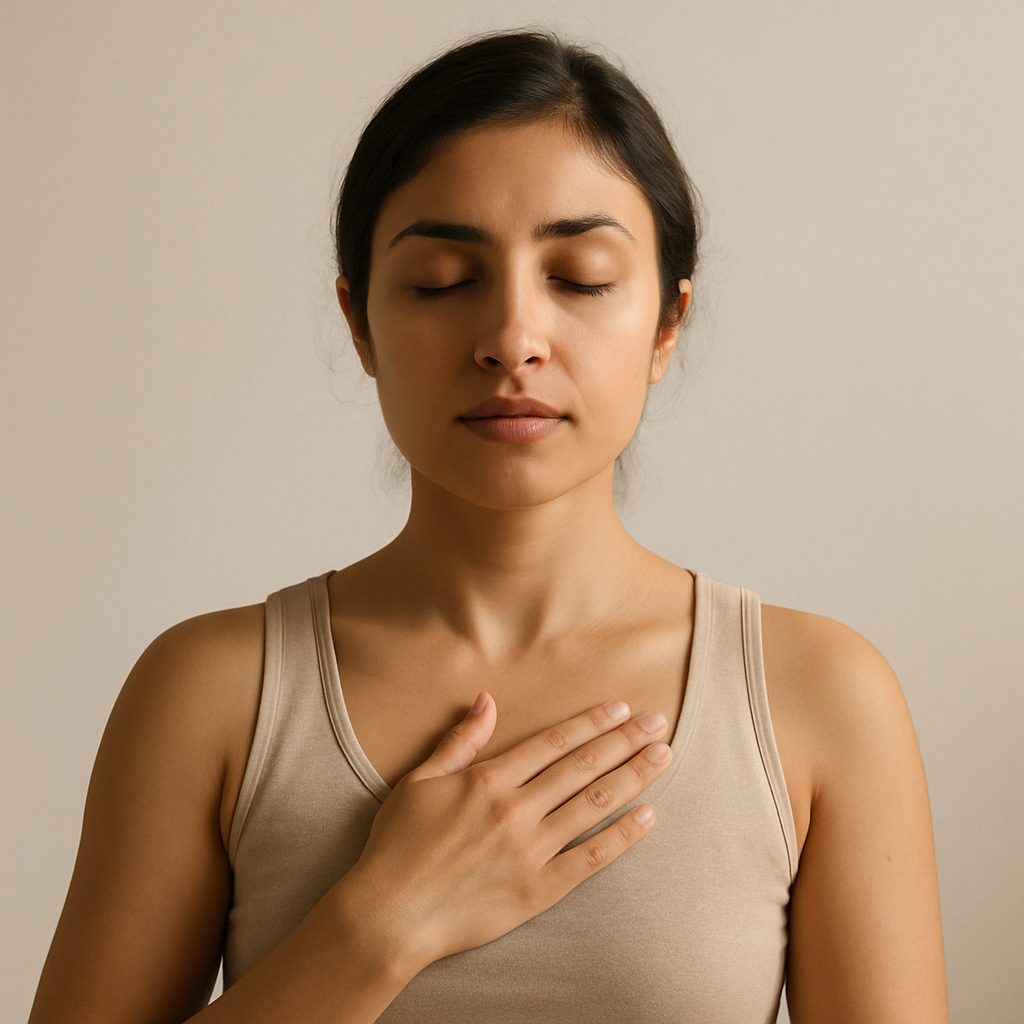
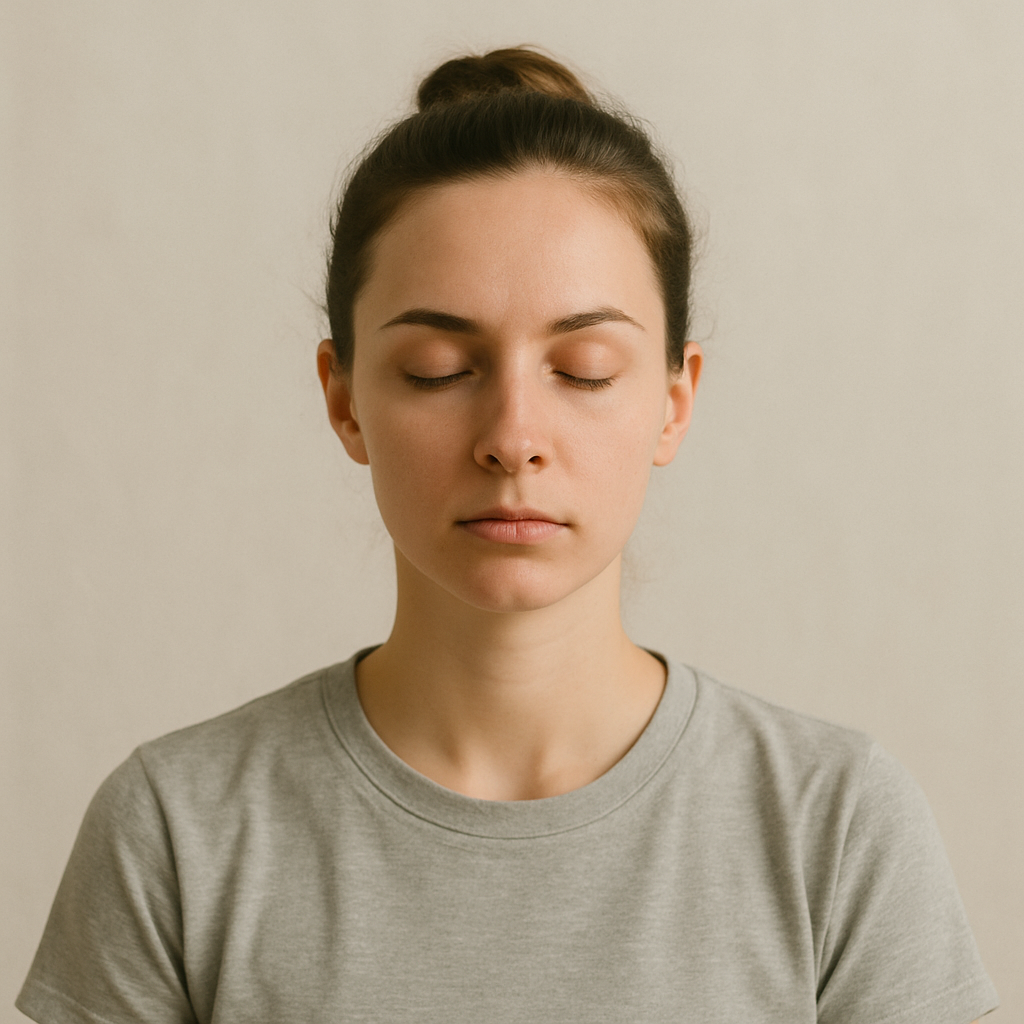
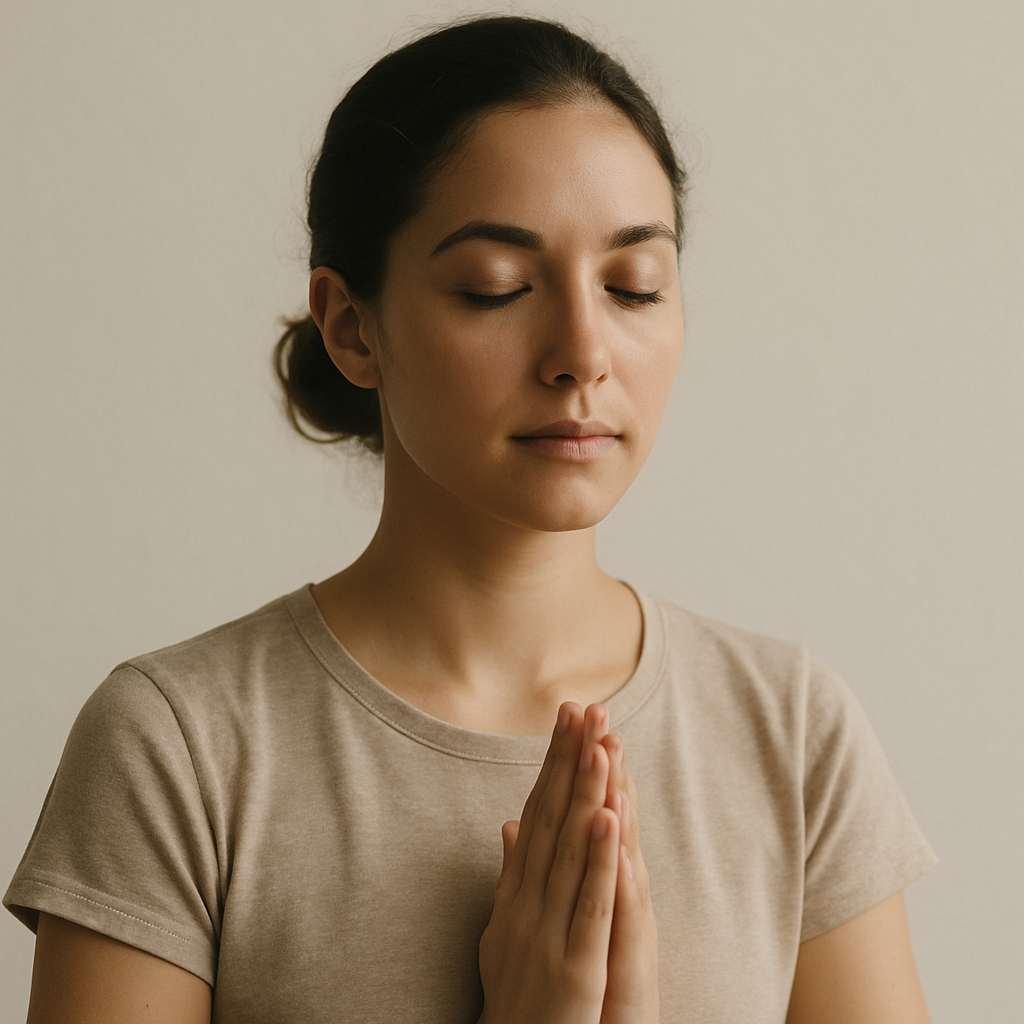
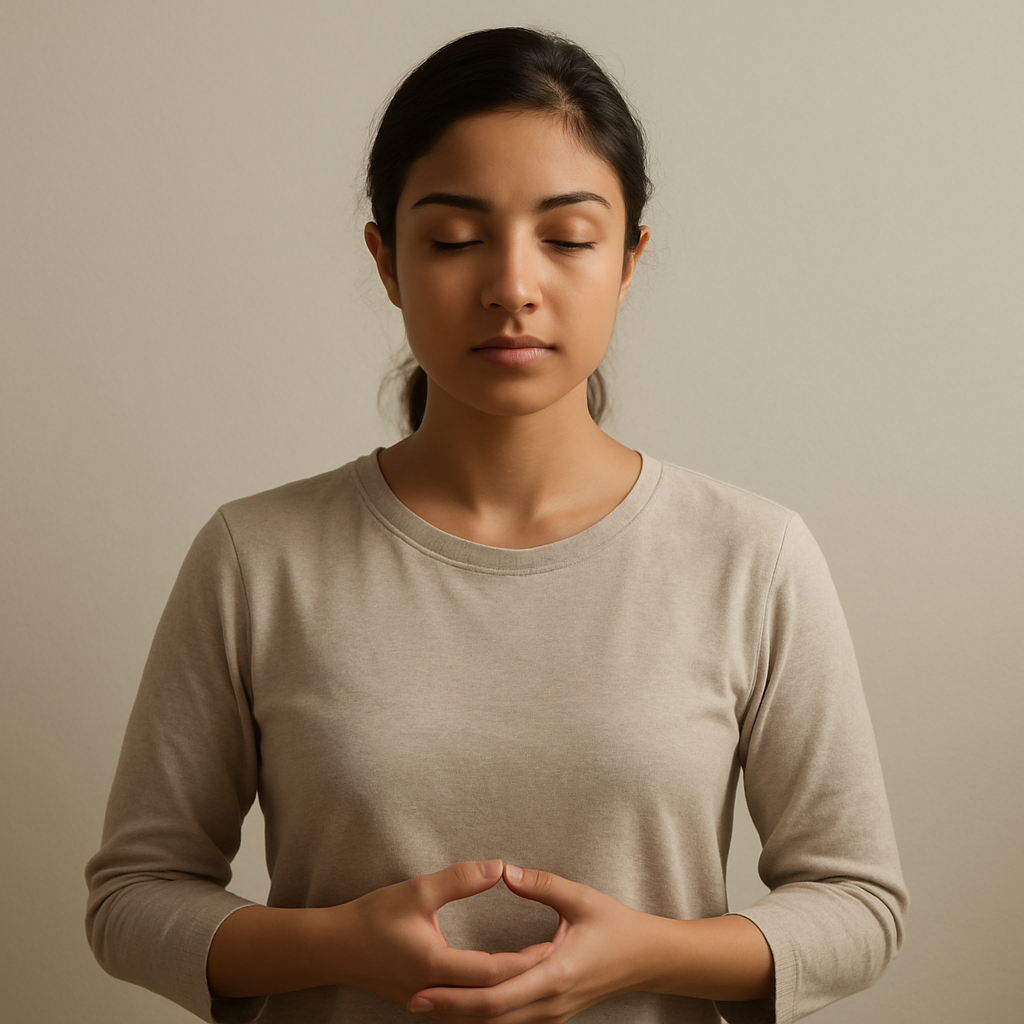
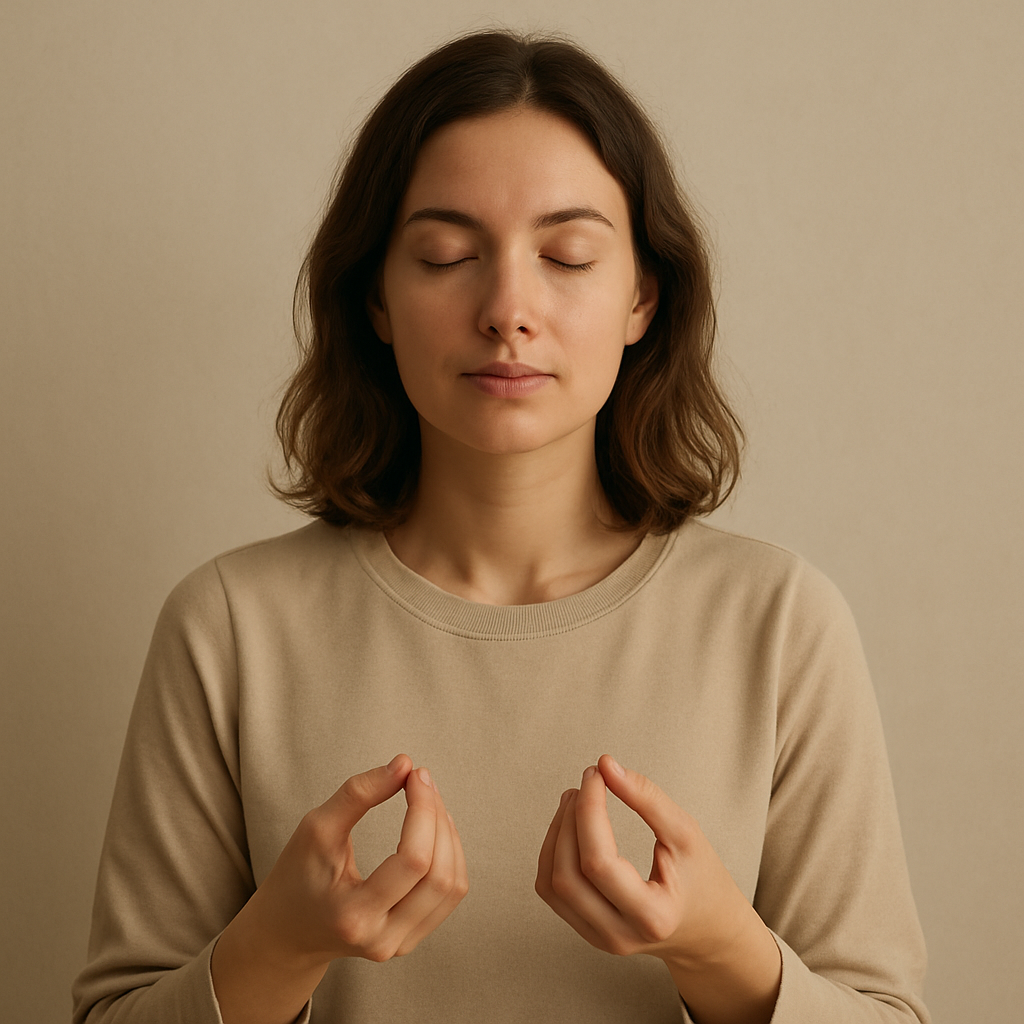
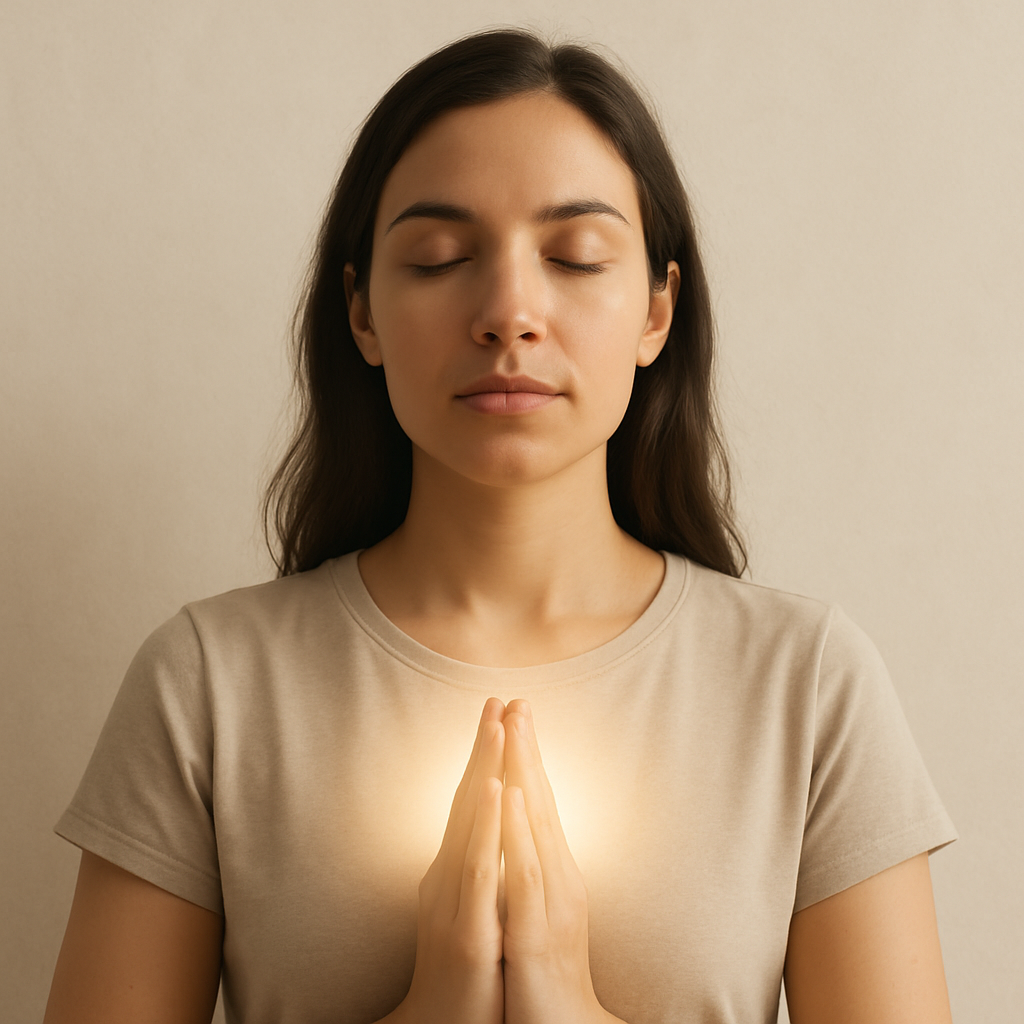
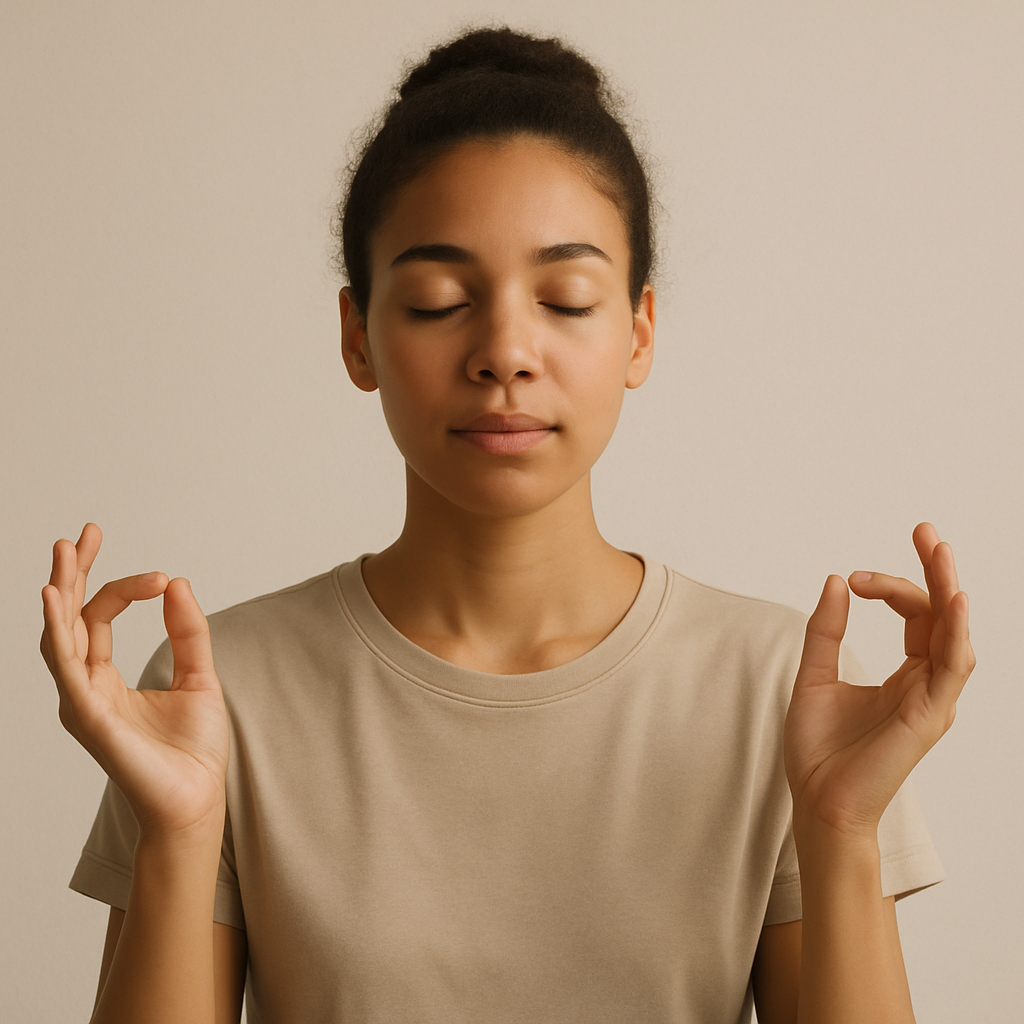
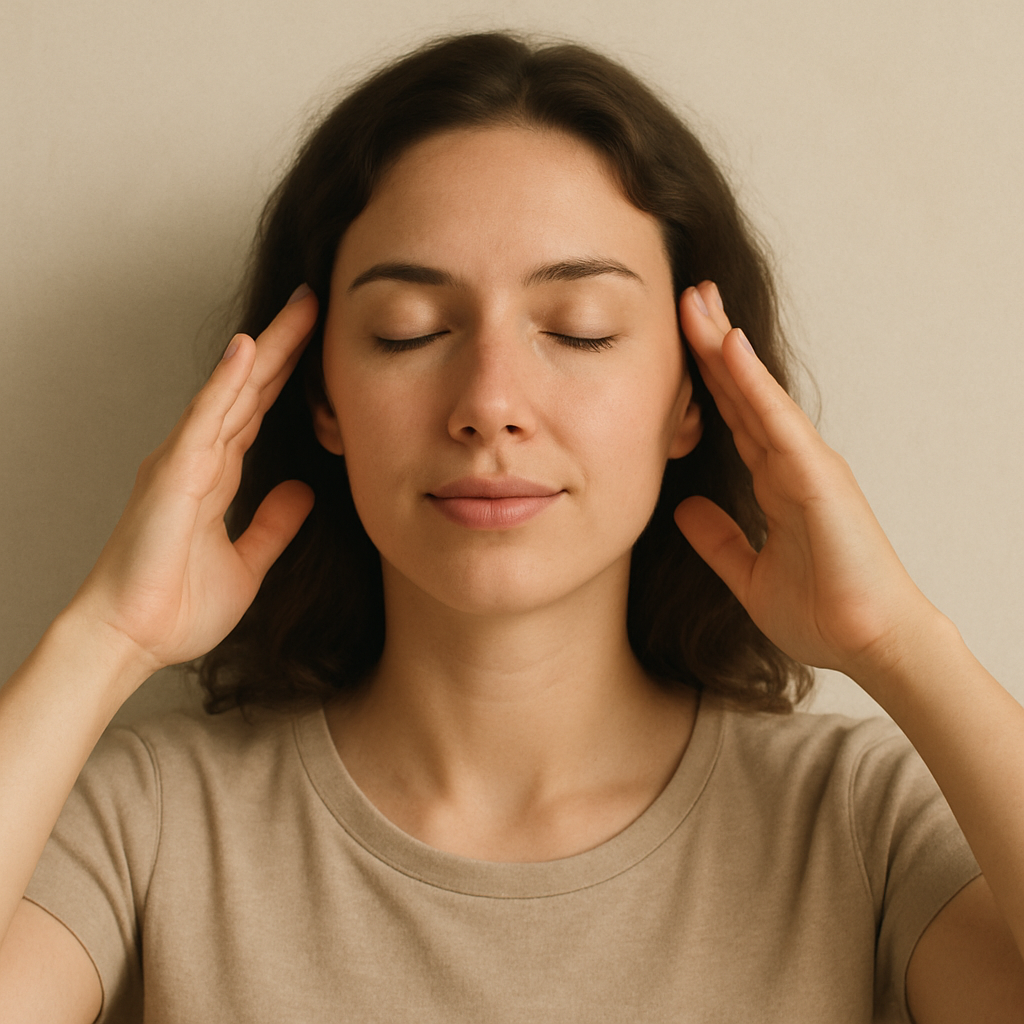
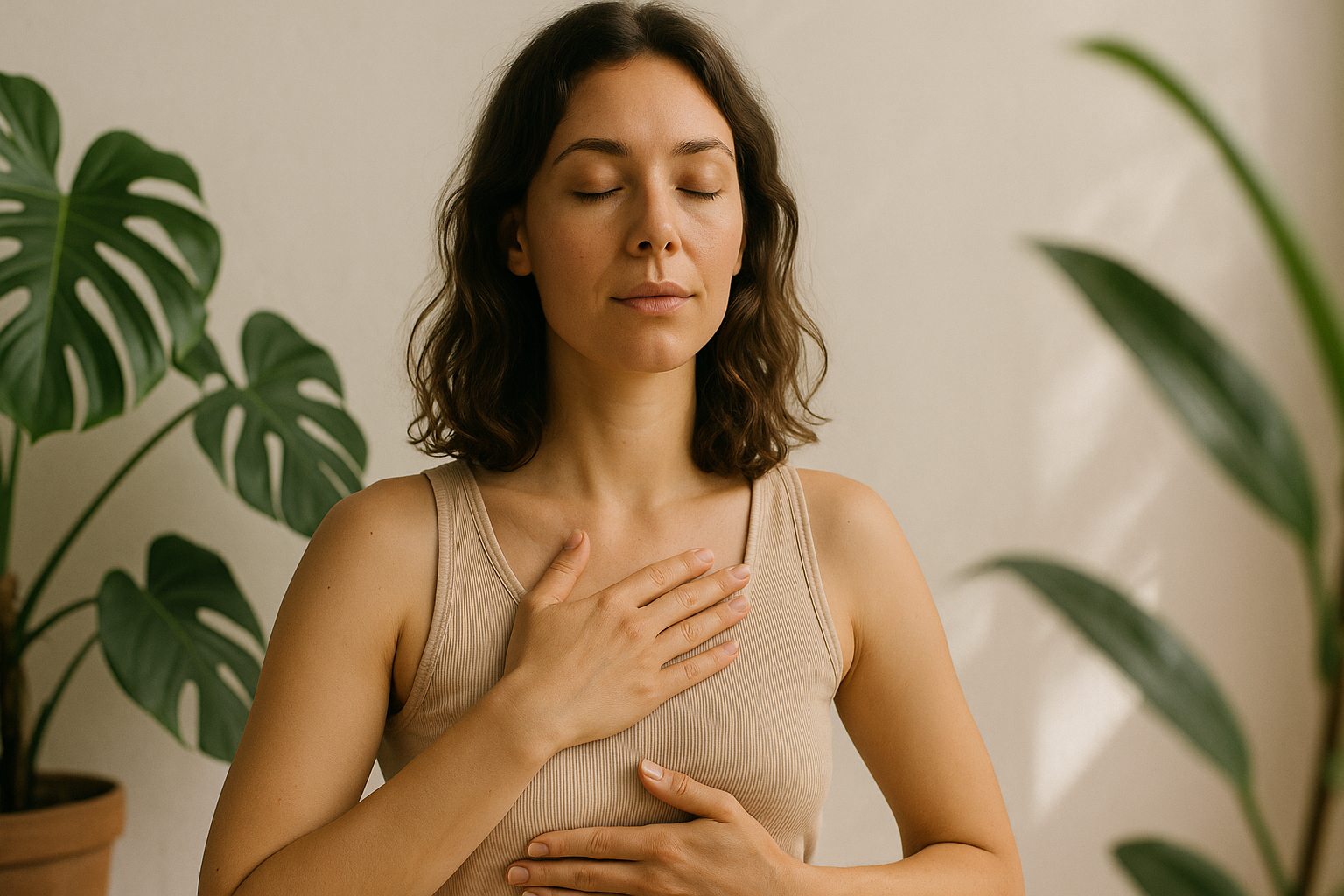
Mindfulness is the practice of maintaining a moment-by-moment awareness of our thoughts, feelings, bodily sensations, and surrounding environment. It has its origins in ancient meditation practices, particularly within Buddhism, where it is referred to as "sati." Mindfulness encourages individuals to observe their thoughts and feelings without judgment, fostering a deeper connection to the present moment.
Key Active Compounds & Mechanisms
While mindfulness itself is not a compound, the practice has been shown to influence various biochemical processes in the body. It engages the parasympathetic nervous system, promoting relaxation and reducing the production of stress hormones such as cortisol. Furthermore, mindfulness practices may enhance neuroplasticity, leading to structural changes in the brain associated with improved emotional regulation and cognitive functioning.
Traditional Uses
Mindfulness has been utilized for centuries, primarily in Eastern cultures. In ancient Buddhist traditions, mindfulness was cultivated through meditation techniques aimed at achieving enlightenment and inner peace. Additionally, practices similar to mindfulness have been found in various spiritual and philosophical traditions, including Taoism and Stoicism, highlighting its universal significance in promoting mental clarity and emotional stability.
What Modern Research Suggests
Contemporary studies have begun to validate the benefits of mindfulness through rigorous scientific investigation. Research suggests that regular mindfulness practice can lead to reductions in anxiety, depression, and stress. A meta-analysis published in the journal Psychological Bulletin indicated that mindfulness-based interventions can significantly improve mental health outcomes. While still emerging, the evidence supports mindfulness as an effective tool for enhancing overall well-being.
Functional Actions
The functional actions of mindfulness include:
- Stress Reduction: Mindfulness helps individuals manage stress by promoting relaxation.
- Emotional Regulation: It aids in recognizing and responding to emotions in a healthy manner.
- Cognitive Clarity: Mindfulness enhances focus and concentration, improving cognitive functions.
- Enhanced Well-Being: Regular practice contributes to overall life satisfaction and emotional resilience.
Body Systems Supported
Mindfulness primarily supports the following body systems:
- Nervous System: It promotes balance and relaxation within the autonomic nervous system.
- Endocrine System: Mindfulness can help regulate hormone levels, particularly stress hormones.
- Immune System: By reducing stress, mindfulness may enhance immune function.
- Cardiovascular System: Mindfulness practices can lower blood pressure and improve heart health.
Common Forms & Educational Dosing Ranges
Mindfulness can be practiced in various forms, including:
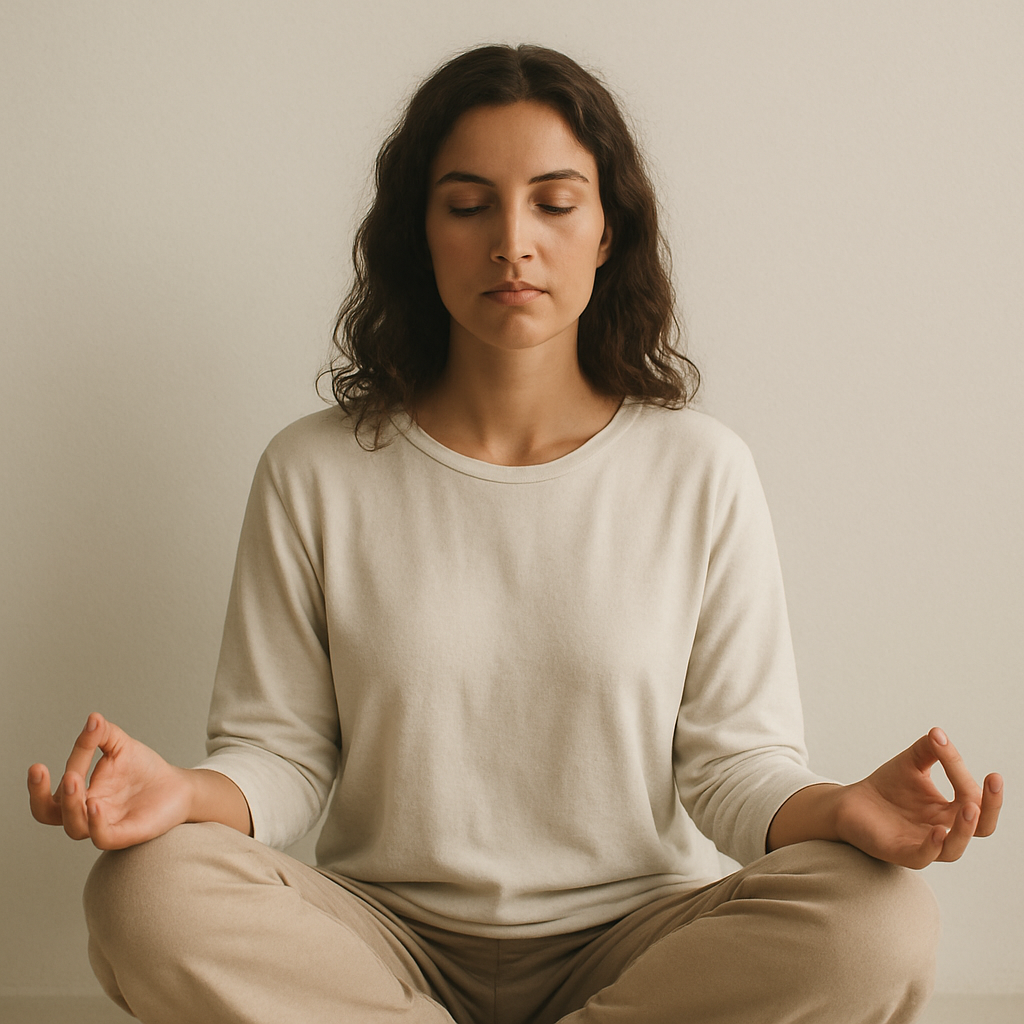
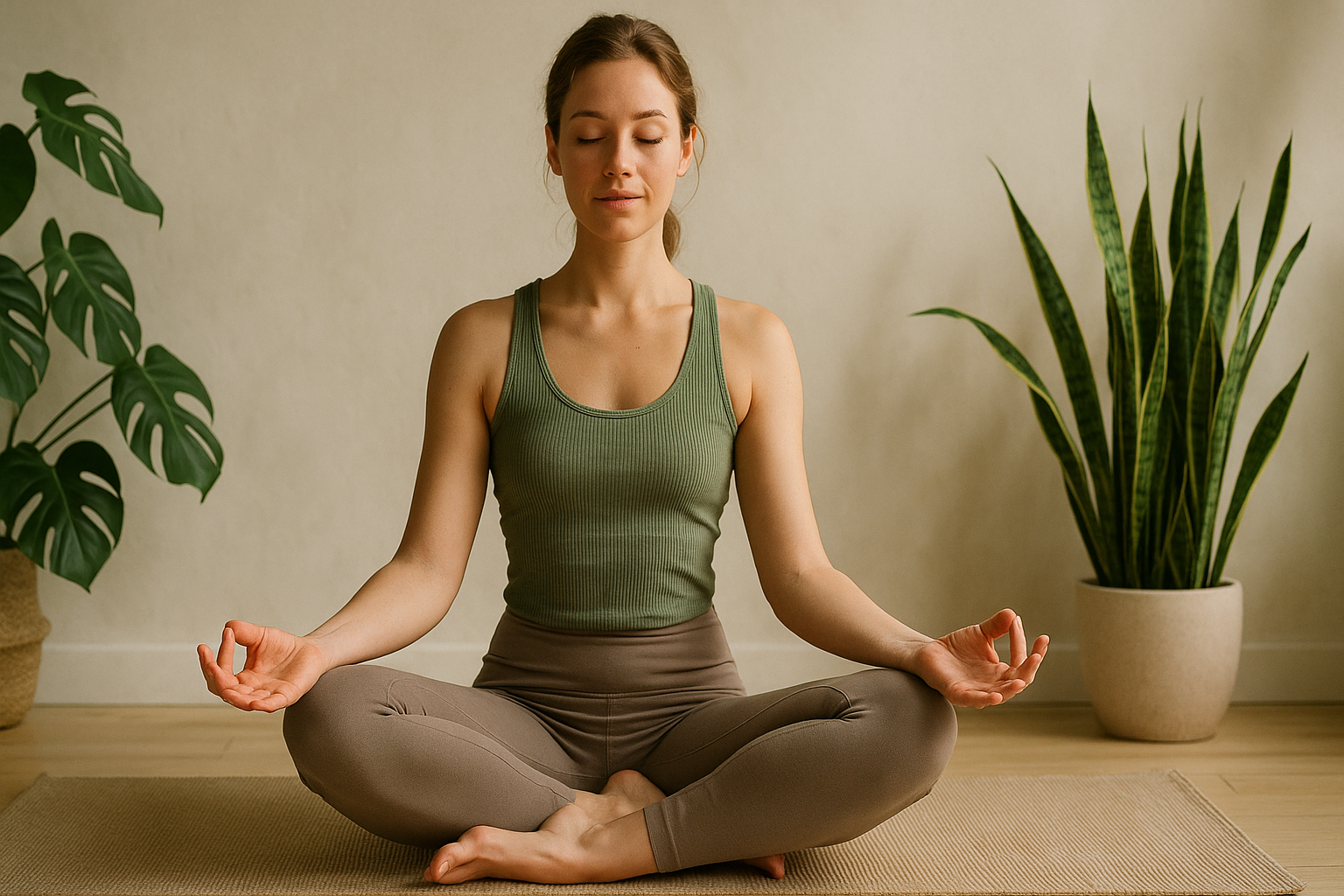
- Mindful Meditation: Typically involves sitting quietly and focusing on breath or bodily sensations for 10-30 minutes daily.
- Body Scan: A practice focusing attention on different parts of the body to cultivate awareness, often lasting 15-45 minutes.
- Mindful Walking: Engaging in walking with full awareness of each step, often done for 10-20 minutes.
- Mindfulness-Based Stress Reduction (MBSR): A structured program usually spanning 8 weeks, incorporating various mindfulness practices.
Safety, Contraindications & Interactions
Mindfulness is generally considered safe for most individuals. However, those with severe mental health issues should approach mindfulness practices with caution and consult a healthcare provider. It is important to note that mindfulness should not replace professional therapy or medication for serious conditions such as major depression or anxiety disorders. Individuals taking medications that affect mood or cognition, such as antidepressants or anxiolytics, should discuss mindfulness practices with their healthcare provider to avoid any potential interactions.
Pairs Well With
Mindfulness can be effectively combined with various practices and therapies, including:
- Yoga: Enhances physical awareness and relaxation.
- Breathwork: Promotes deeper states of mindfulness and relaxation.
- Nutrition: Mindful eating can improve dietary habits and foster a healthier relationship with food.
- Cognitive Behavioral Therapy (CBT): Complements traditional therapeutic approaches to improve emotional regulation.
FAQs (5)
- What is the best way to practice mindfulness? The best way to practice mindfulness is to find a quiet space, focus on your breath, and allow thoughts to come and go without attachment. Start with short sessions of 5-10 minutes and gradually increase.
- Can mindfulness help with anxiety? Yes, studies have shown that mindfulness can significantly reduce symptoms of anxiety by promoting relaxation and emotional regulation.
- How often should I practice mindfulness? It is recommended to practice mindfulness daily, even for just a few minutes, to reap the benefits over time.
- Is mindfulness suitable for everyone? While mindfulness is generally safe, individuals with severe mental health issues should consult a healthcare provider before starting a mindfulness practice.
- Can mindfulness be practiced in a group? Yes, many people find benefits in practicing mindfulness in a group setting, such as in mindfulness-based stress reduction classes or workshops.
Frequently asked
What is the best way to practice mindfulness?
The best way to practice mindfulness is to find a quiet space, focus on your breath, and allow thoughts to come and go without attachment. Start with short sessions of 5-10 minutes and gradually increase.
Can mindfulness help with anxiety?
Yes, studies have shown that mindfulness can significantly reduce symptoms of anxiety by promoting relaxation and emotional regulation.
How often should I practice mindfulness?
It is recommended to practice mindfulness daily, even for just a few minutes, to reap the benefits over time.
Is mindfulness suitable for everyone?
While mindfulness is generally safe, individuals with severe mental health issues should consult a healthcare provider before starting a mindfulness practice.
Can mindfulness be practiced in a group?
Yes, many people find benefits in practicing mindfulness in a group setting, such as in mindfulness-based stress reduction classes or workshops.