Spiritual Meditation
Delve into the essence of spiritual meditation, its traditional uses, and how modern practices can enhance your mindfulness journey.
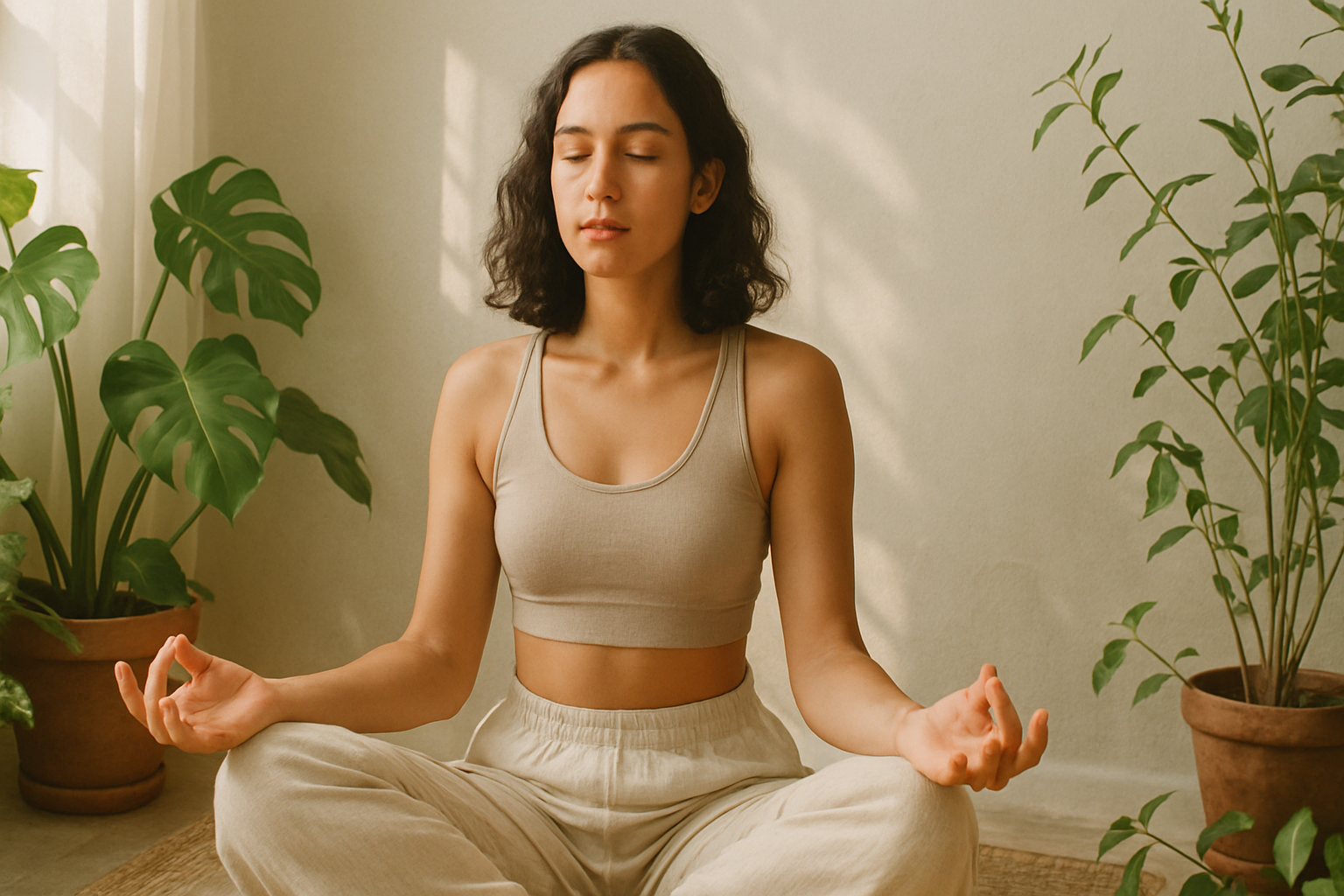
Explore the profound world of spiritual meditation, its historical roots, modern practices, and benefits for the mind and body. Discover the key aspects that make this practice a valuable addition to your wellness routine.
What It Is
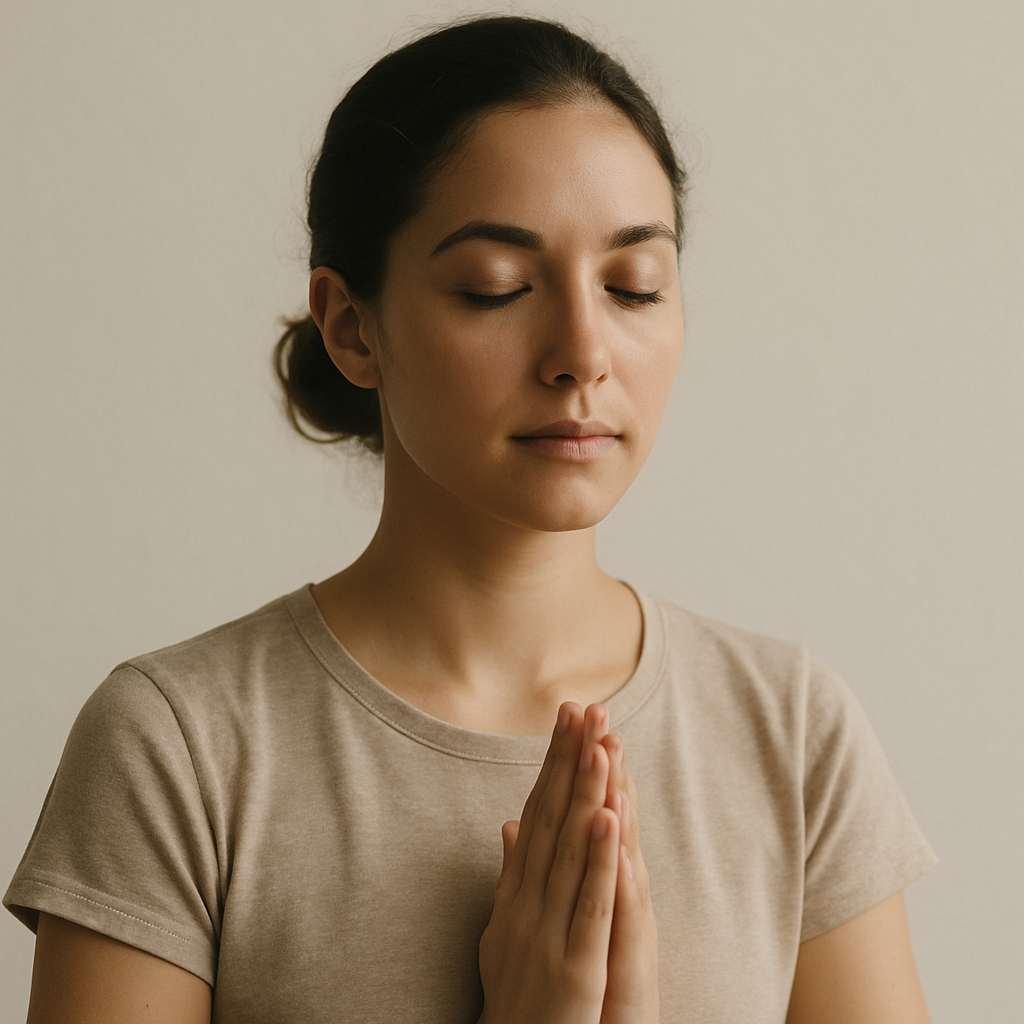
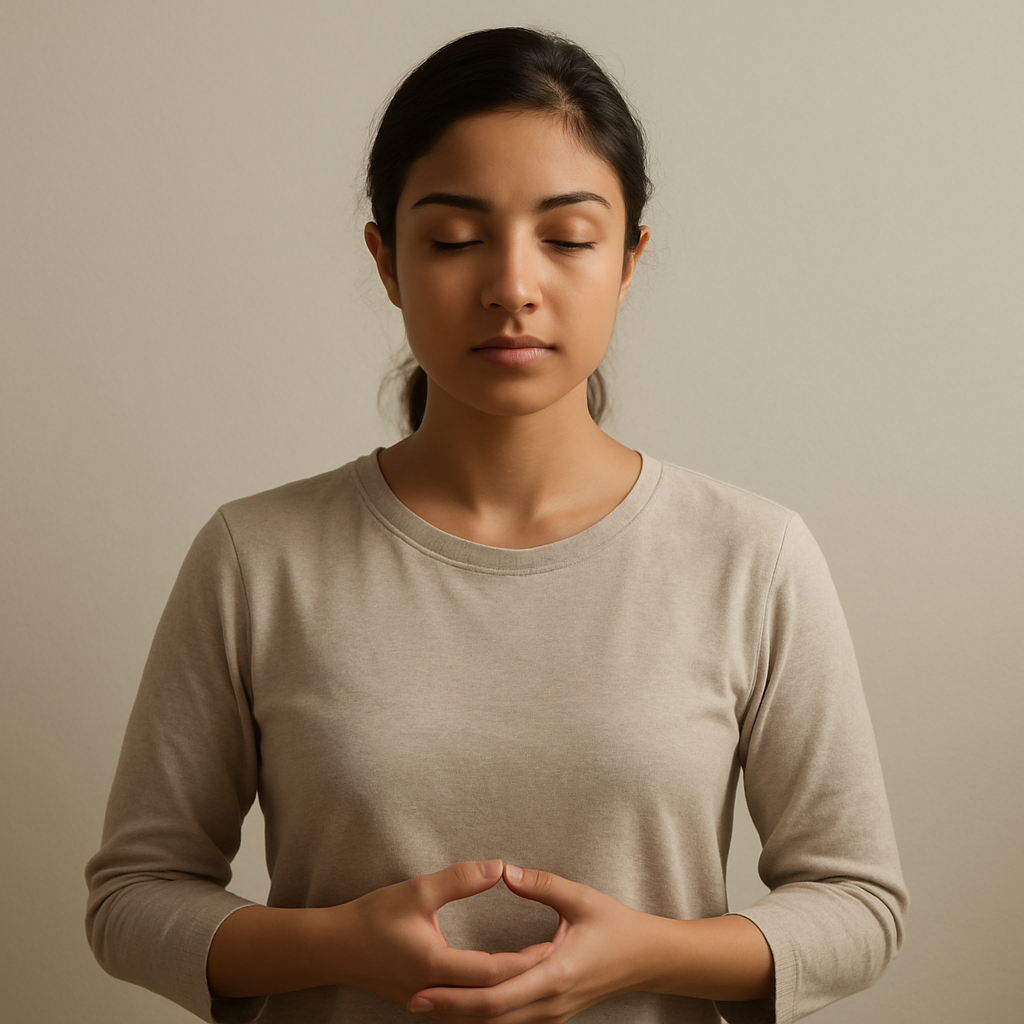
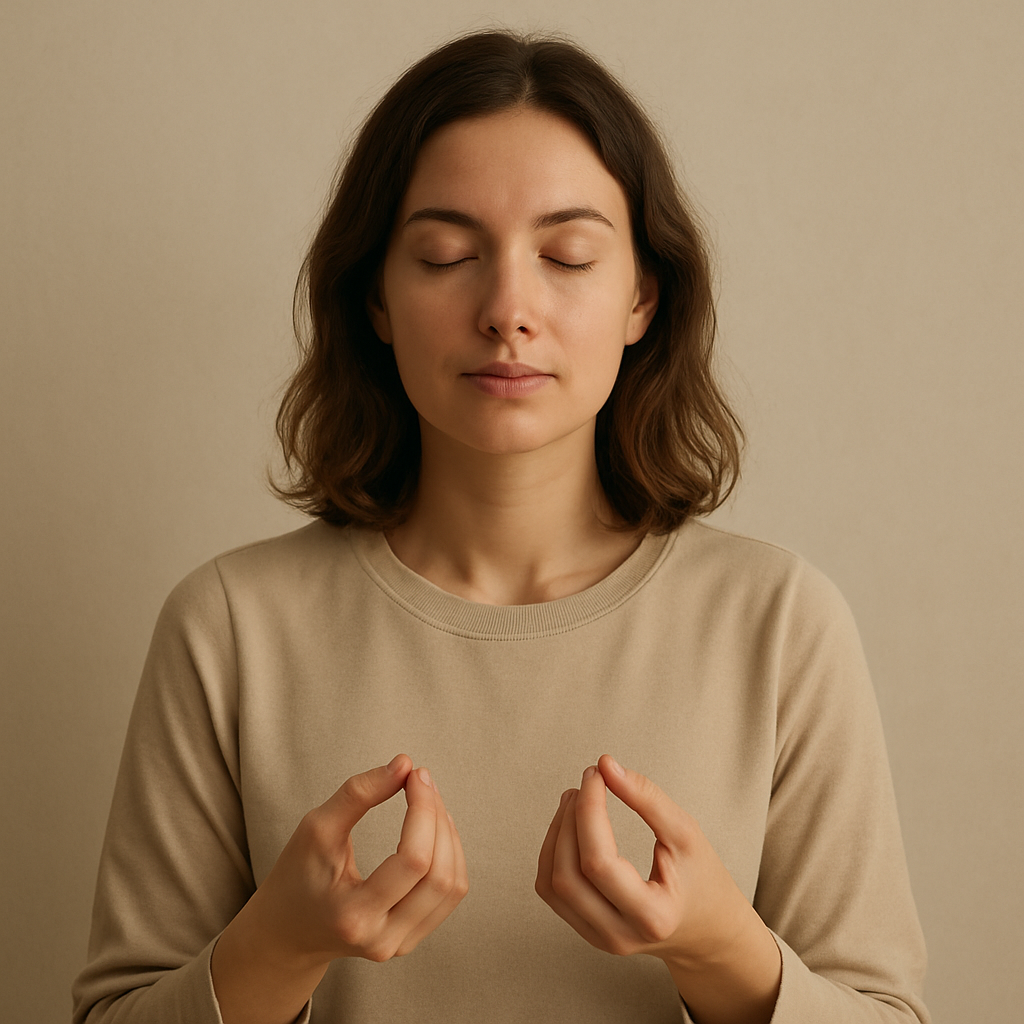
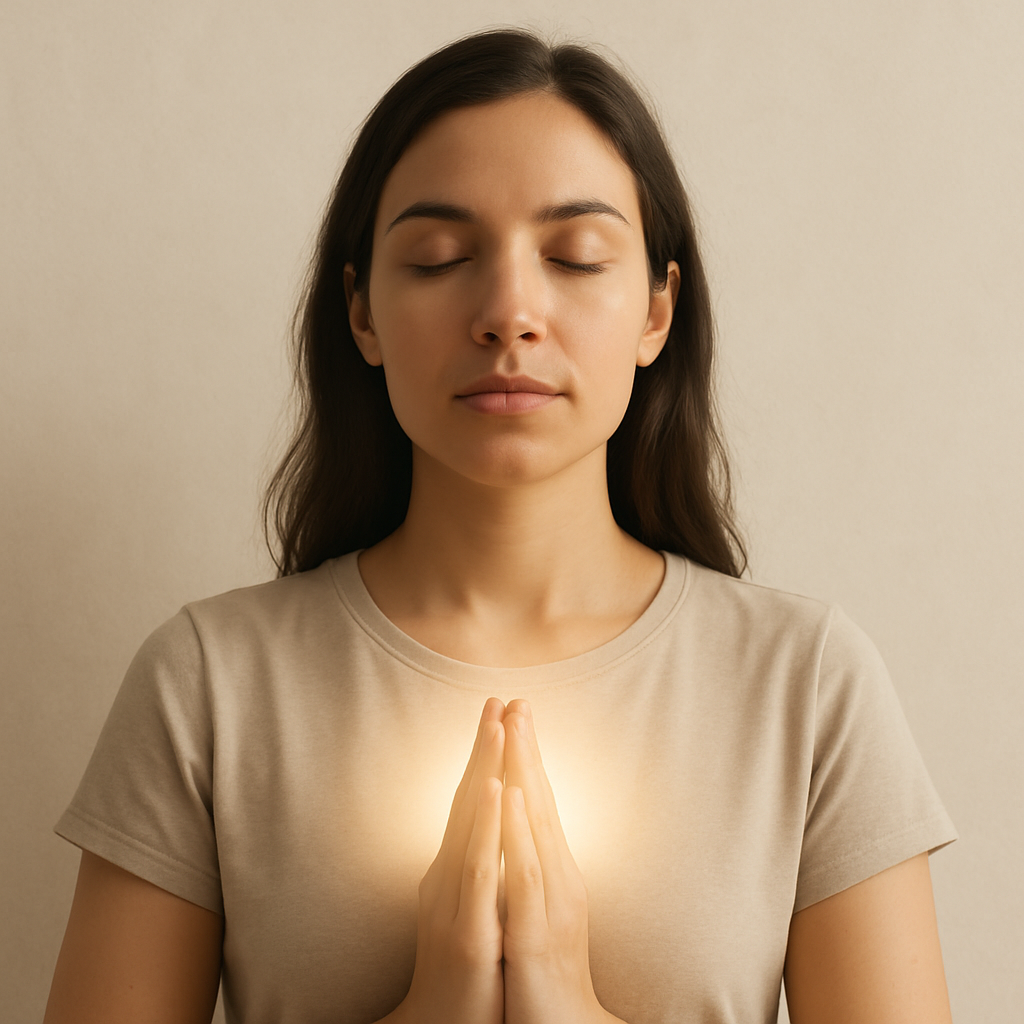
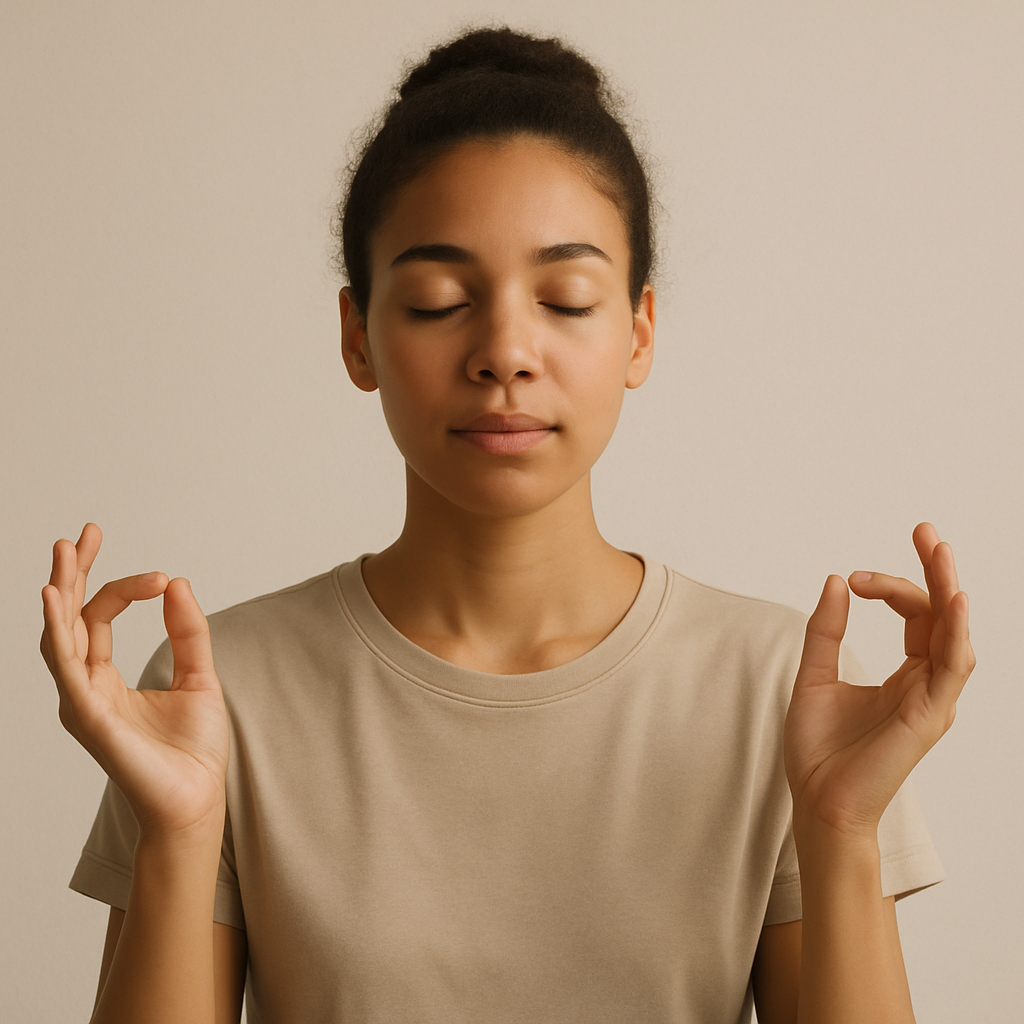
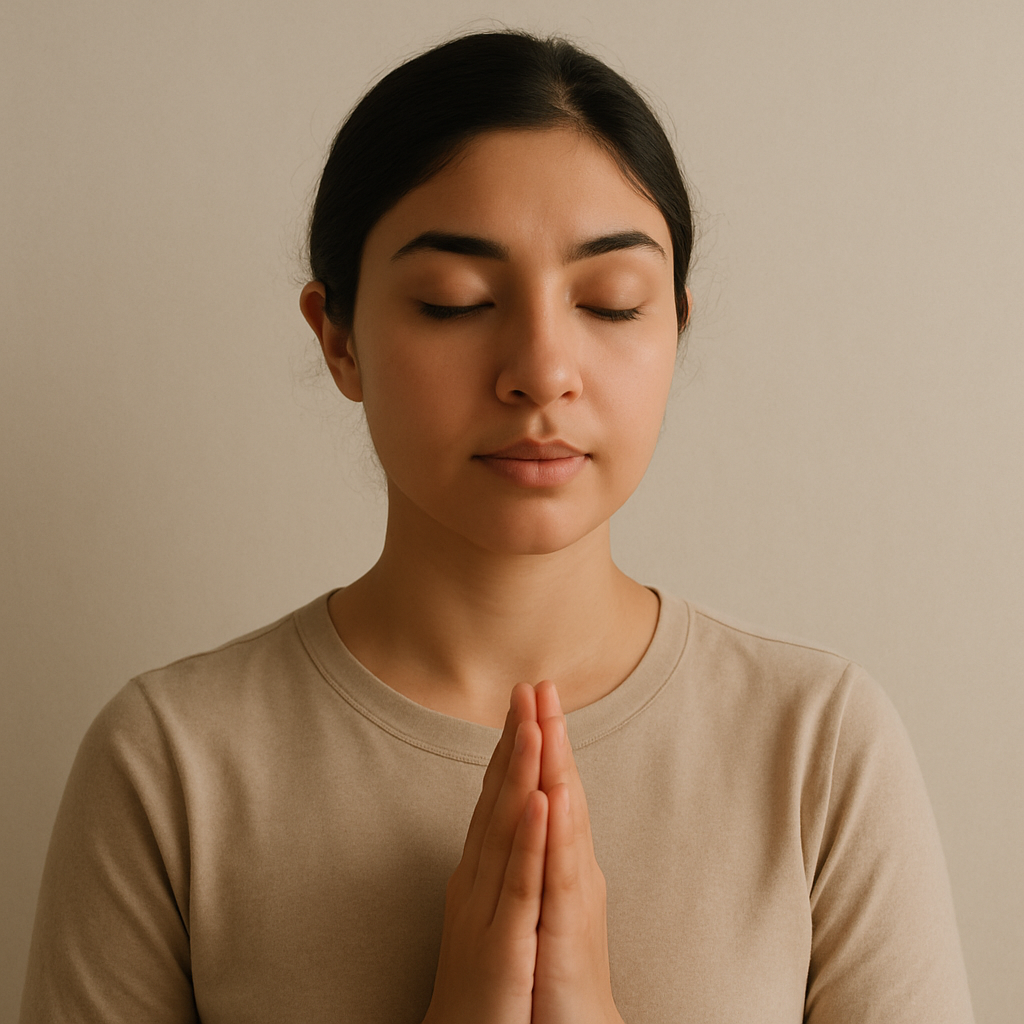
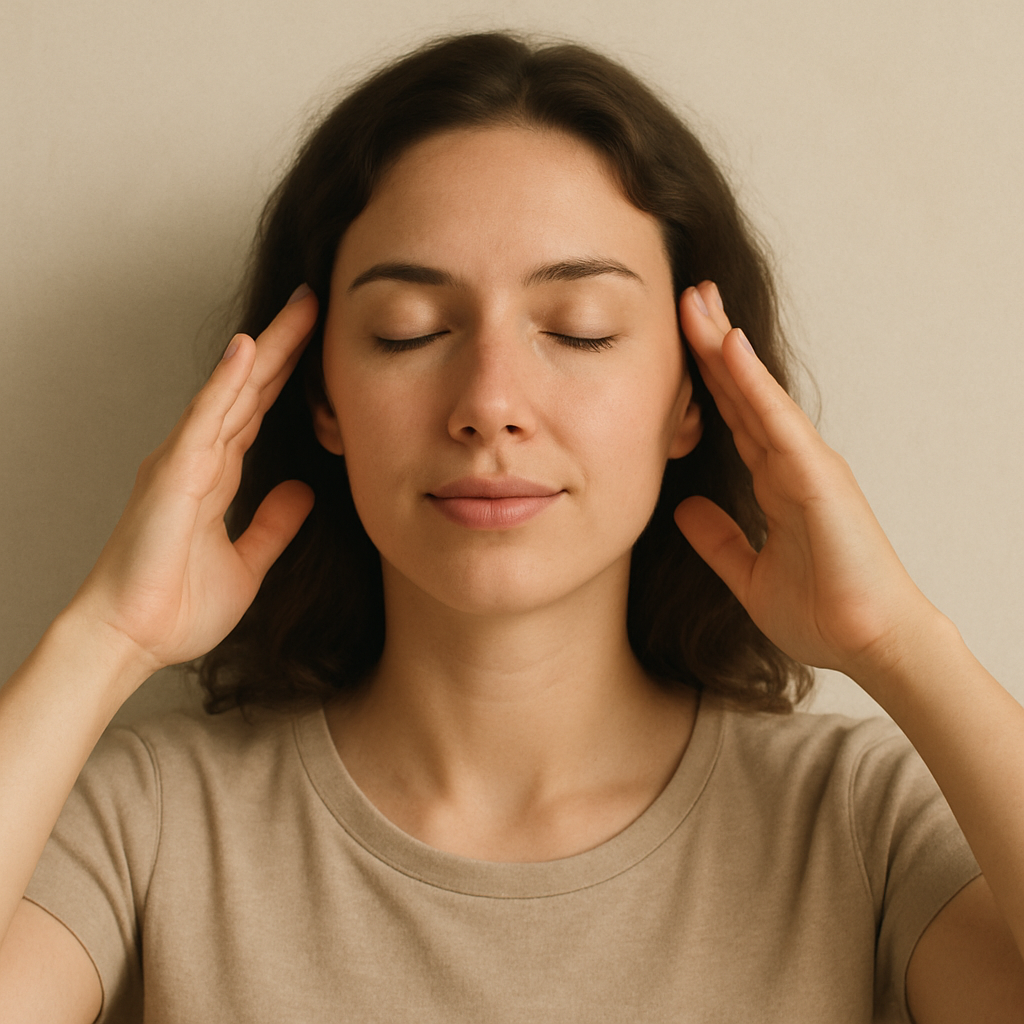
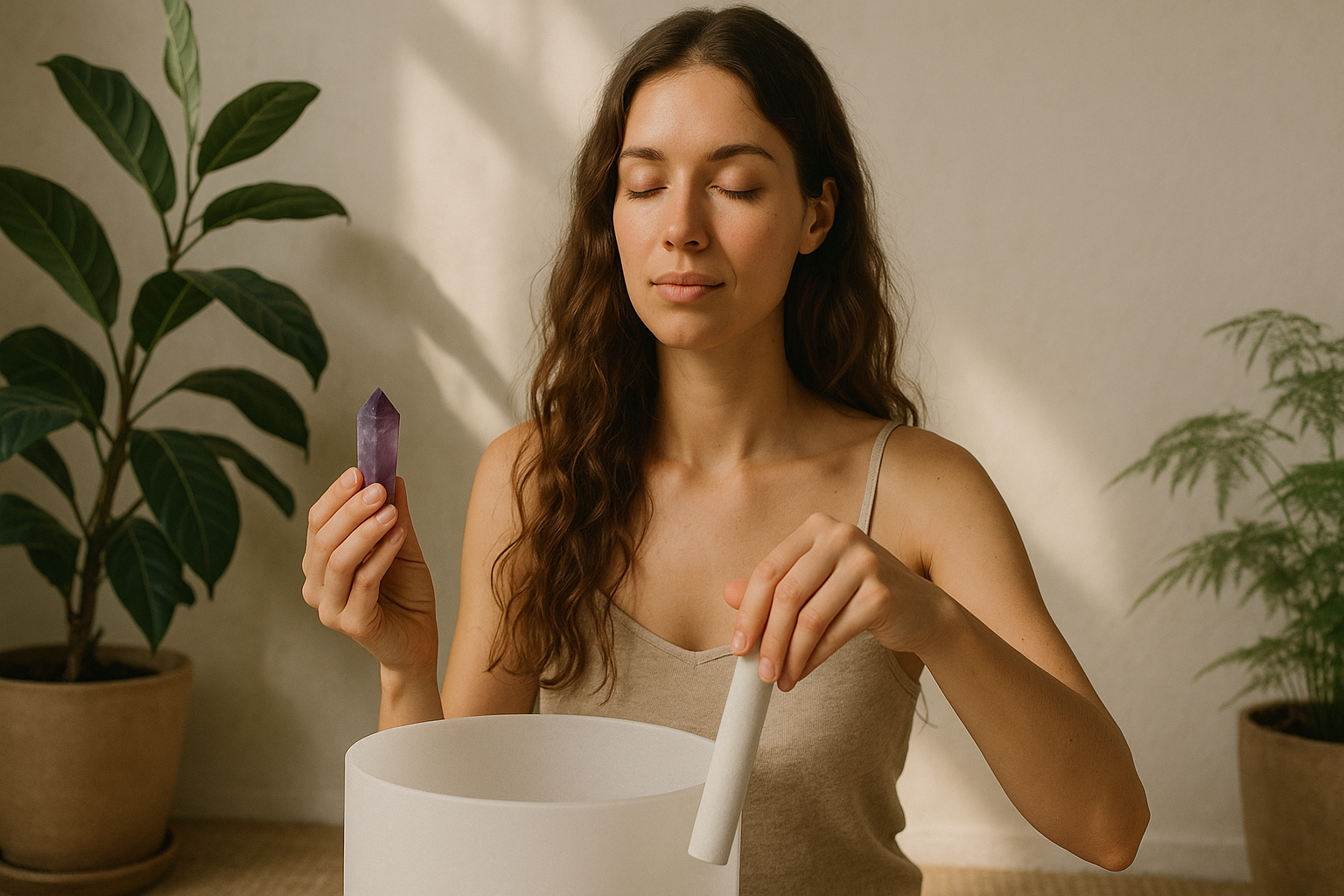
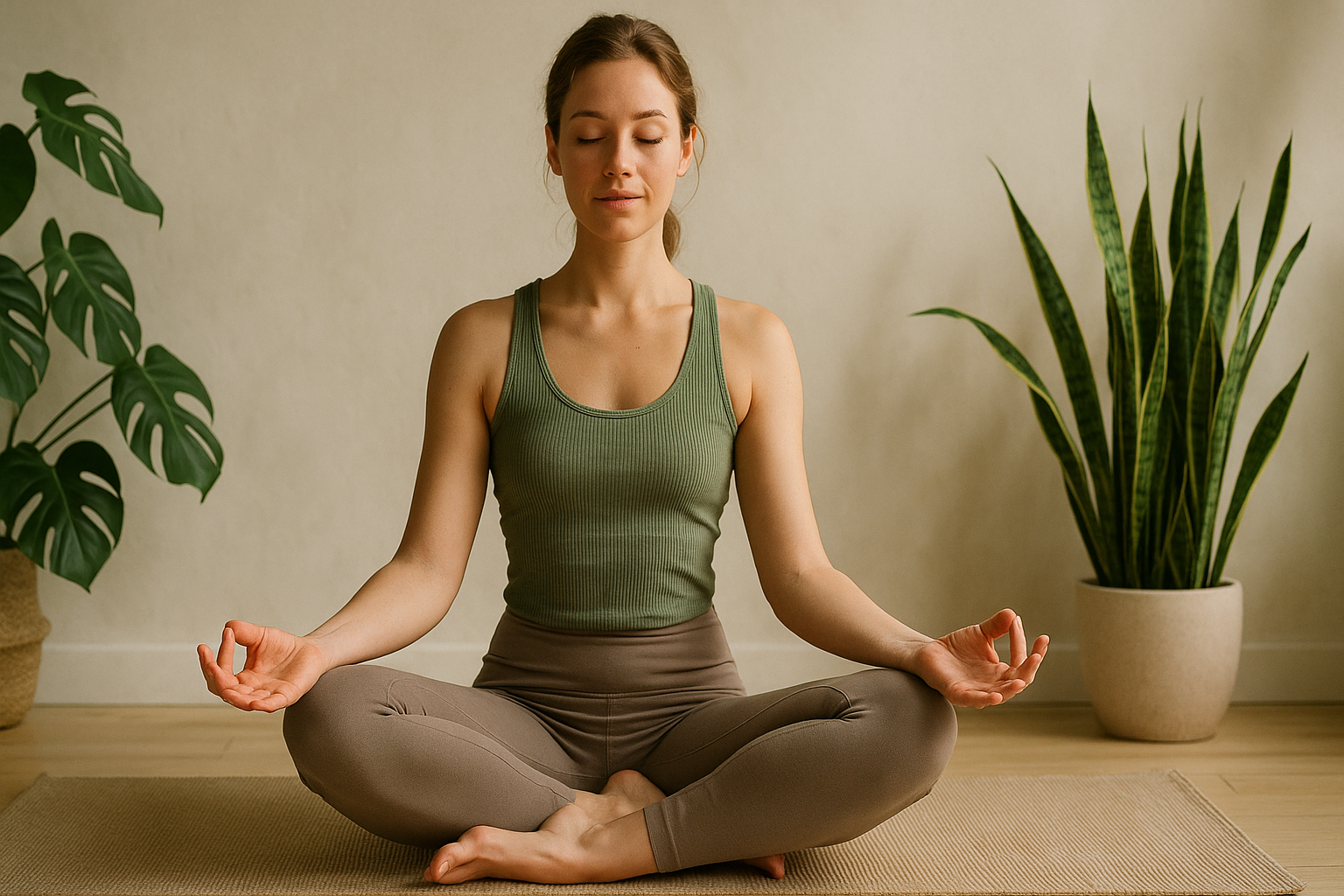
Spiritual meditation is a practice that involves focusing the mind on spiritual concepts, connection with a higher power, or the universe. It often incorporates elements such as visualization, mantra repetition, and deep breathing to promote relaxation and transcendental experiences. Unlike traditional meditation, which may focus on mindfulness or stress reduction, spiritual meditation seeks to deepen one's spiritual understanding and foster a sense of inner peace and connection.
Key Active Compounds & Mechanisms
While spiritual meditation itself does not involve specific compounds, the practice can enhance the production of neurotransmitters and hormones that contribute to emotional well-being. For instance, meditation has been shown to increase levels of serotonin and dopamine, which are associated with happiness and well-being. Additionally, engaging in spiritual practices may lead to a reduction in cortisol, the stress hormone, thereby promoting a sense of calm and balance.
Traditional Uses
Spiritual meditation has roots in various ancient traditions worldwide, including Buddhism, Hinduism, and indigenous spiritual practices. In Buddhism, meditation is a core component of the Eightfold Path, aimed at achieving enlightenment. Hindu practices often involve mantras and visualization techniques to connect with deities and the cosmos. Indigenous cultures have used meditation as a means of connecting with nature, ancestors, and spiritual guides, emphasizing the importance of community and harmony.
What Modern Research Suggests
Modern research into meditation, including spiritual forms, has revealed a range of potential benefits. Studies have indicated that regular meditation can lead to reduced anxiety, improved emotional regulation, and enhanced overall mental health. Research also suggests that spiritual meditation can foster a stronger sense of purpose and meaning in life. However, it is essential to approach these findings with caution, as individual experiences may vary widely.
Functional Actions
The functional actions of spiritual meditation include:
- Enhanced Self-Awareness: Promotes introspection and personal growth.
- Stress Reduction: Lowers stress levels through relaxation techniques.
- Emotional Healing: Encourages processing of emotions and past traumas.
- Spiritual Connection: Fosters a deeper connection to oneself and the universe.
- Mindfulness and Presence: Increases the ability to remain present in the moment.
Body Systems Supported
Spiritual meditation supports various body systems, including:
- Nervous System: Promotes relaxation and reduces anxiety.
- Endocrine System: Affects hormone levels related to stress and mood.
- Immune System: May enhance immune function through stress reduction.
- Cardiovascular System: Can lower blood pressure and improve heart health.
Common Forms & Educational Dosing Ranges
Spiritual meditation can take many forms, including:
- Guided Meditation: Involves following instructions from a teacher or audio guide.
- Silent Meditation: Practicing alone in silence to connect with inner thoughts.
- Mantra Meditation: Repeating a sacred word or phrase to focus the mind.
- Visualization: Imagining spiritual symbols or places to enhance the meditation experience.
As for duration, beginners may start with 5-10 minutes daily, gradually increasing to 20-30 minutes as comfort grows.
Safety, Contraindications & Interactions
Spiritual meditation is generally considered safe for most individuals. However, those with certain mental health conditions, such as severe anxiety or depression, should consult a mental health professional before starting. It is also advisable for individuals on medication affecting mental health, such as antidepressants or anti-anxiety medications, to seek guidance on how meditation may interact with their treatment plan.
Pairs Well With
Spiritual meditation can be enhanced when paired with:
- Aromatherapy: Essential oils like lavender or sandalwood can promote relaxation.
- Yoga: Physical movement can prepare the body for meditation.
- Nature Walks: Connecting with nature can deepen the meditation experience.
- Journaling: Writing can help process thoughts and emotions before or after meditation.
FAQs (5)
- What is the best time to practice spiritual meditation?Many people find that early morning or before bed works best for them, as these times are often quieter and more peaceful.
- How long should I meditate for?The duration can vary; starting with 5-10 minutes and gradually increasing to 20-30 minutes is a common approach.
- Do I need to be religious to practice spiritual meditation?No, spiritual meditation can be practiced by anyone, regardless of their religious beliefs or affiliations.
- Can I meditate while lying down?Yes, but be mindful that it may lead to falling asleep. Sitting up is often recommended for focus.
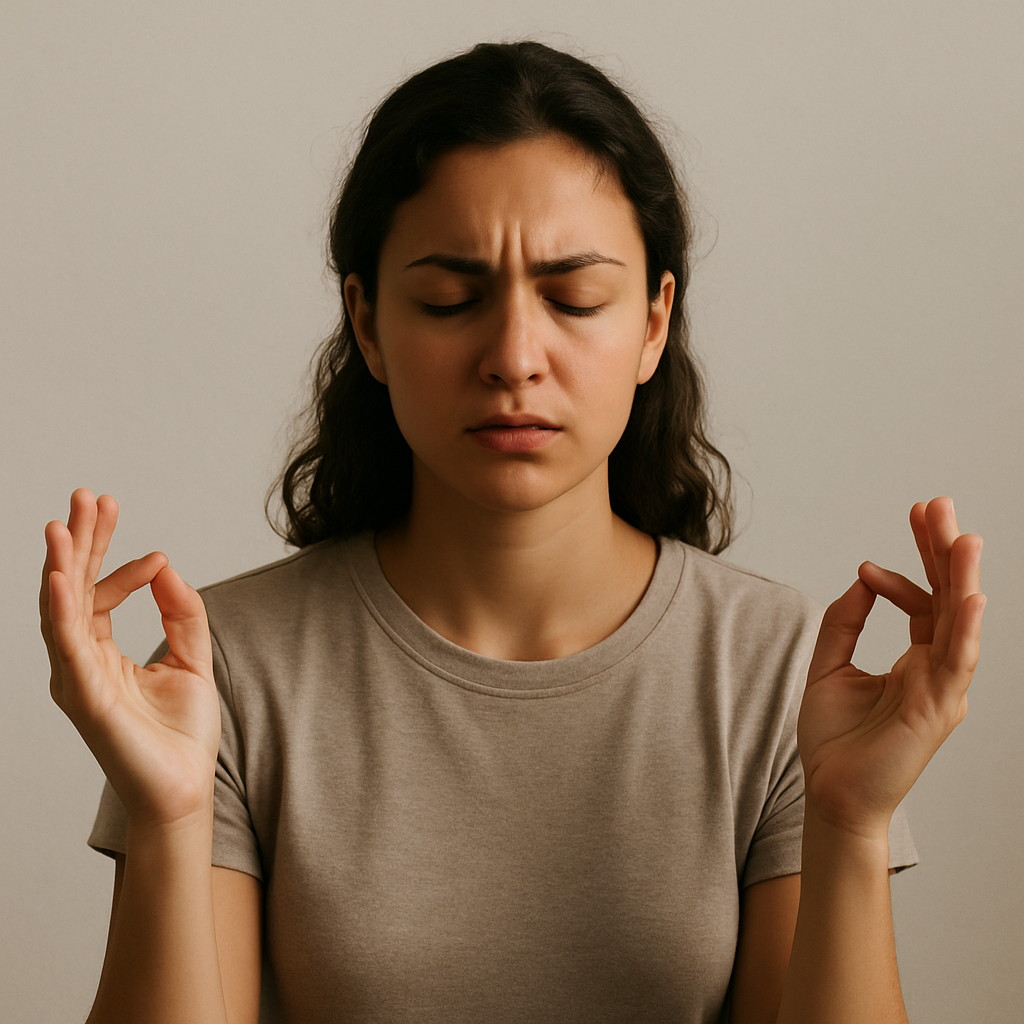
- How do I stay focused during meditation?Using a mantra, focusing on your breath, or visualizing can help maintain concentration during meditation.
Frequently asked
What is the best time to practice spiritual meditation?
Many people find that early morning or before bed works best for them, as these times are often quieter and more peaceful.
How long should I meditate for?
The duration can vary; starting with 5-10 minutes and gradually increasing to 20-30 minutes is a common approach.
Do I need to be religious to practice spiritual meditation?
No, spiritual meditation can be practiced by anyone, regardless of their religious beliefs or affiliations.
Can I meditate while lying down?
Yes, but be mindful that it may lead to falling asleep. Sitting up is often recommended for focus.
How do I stay focused during meditation?
Using a mantra, focusing on your breath, or visualizing can help maintain concentration during meditation.