Sleep Meditation
Discover the benefits of sleep meditation, its historical background, and how it supports restful sleep through mindfulness techniques.
Explore the calming world of sleep meditation, a natural remedy aimed at enhancing your sleep quality through mindfulness practices. Learn about its traditional uses, modern research, and how to incorporate it into your daily routine.
What It Is
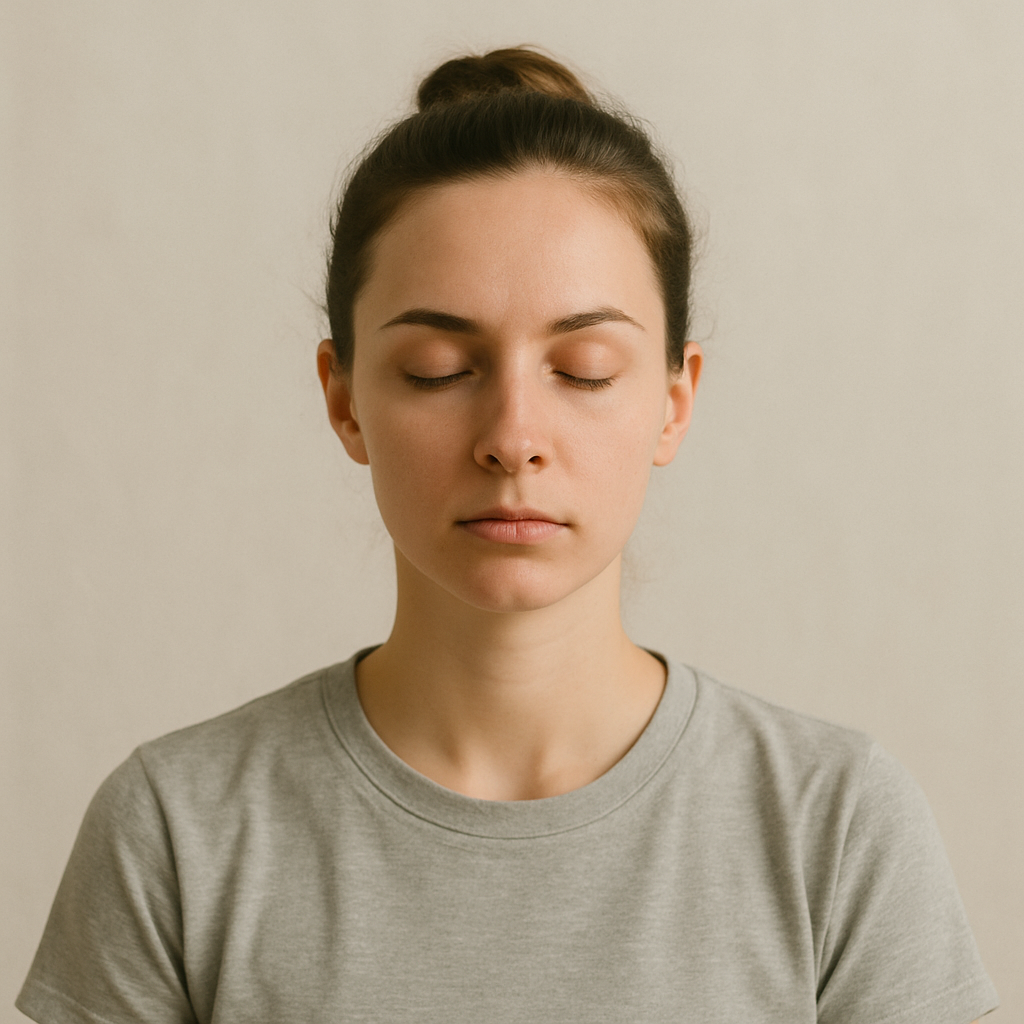
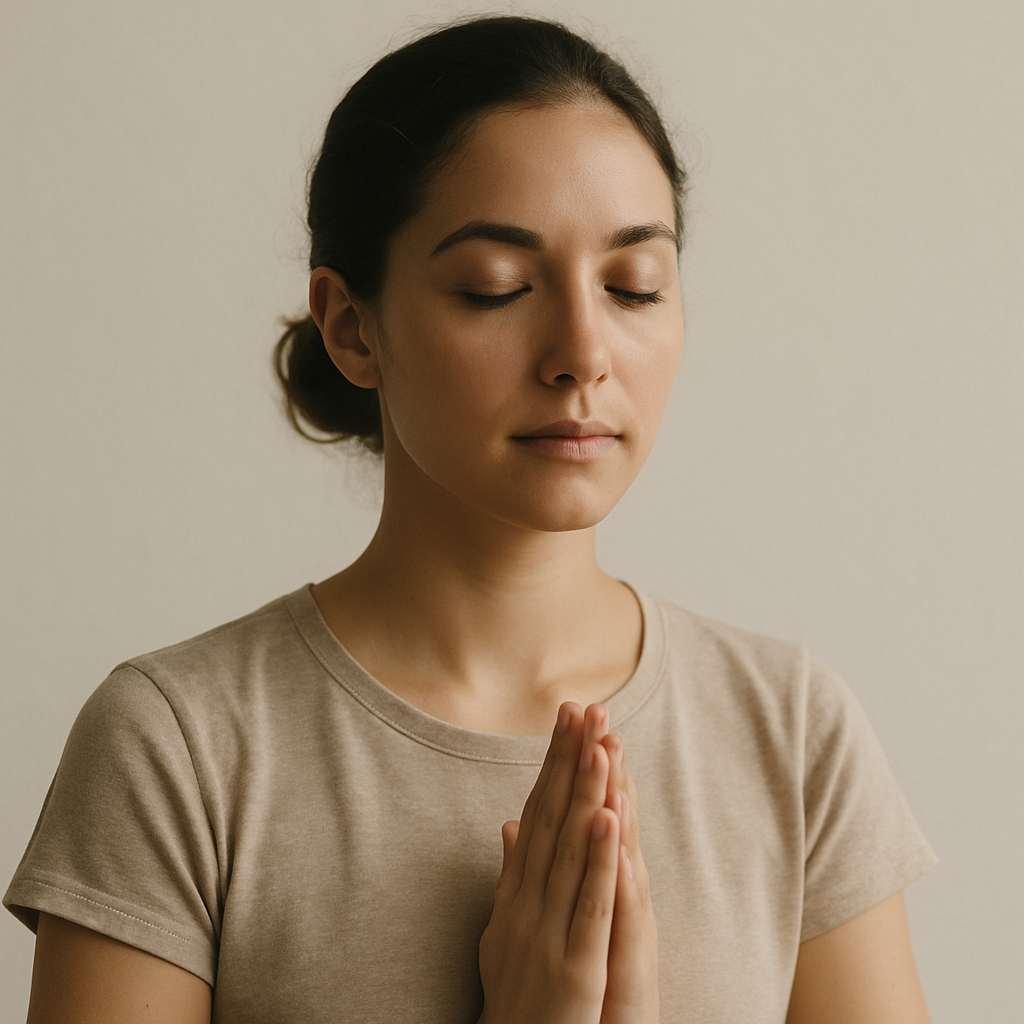
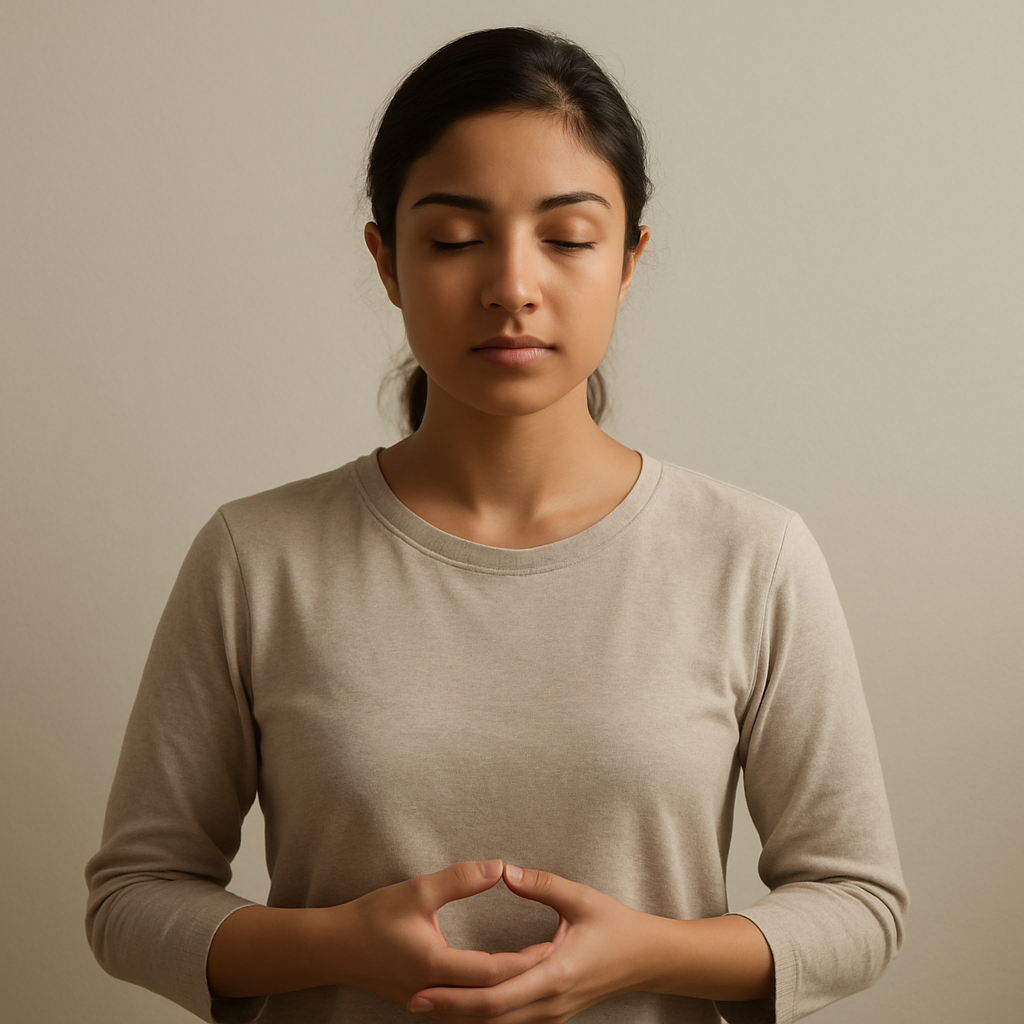
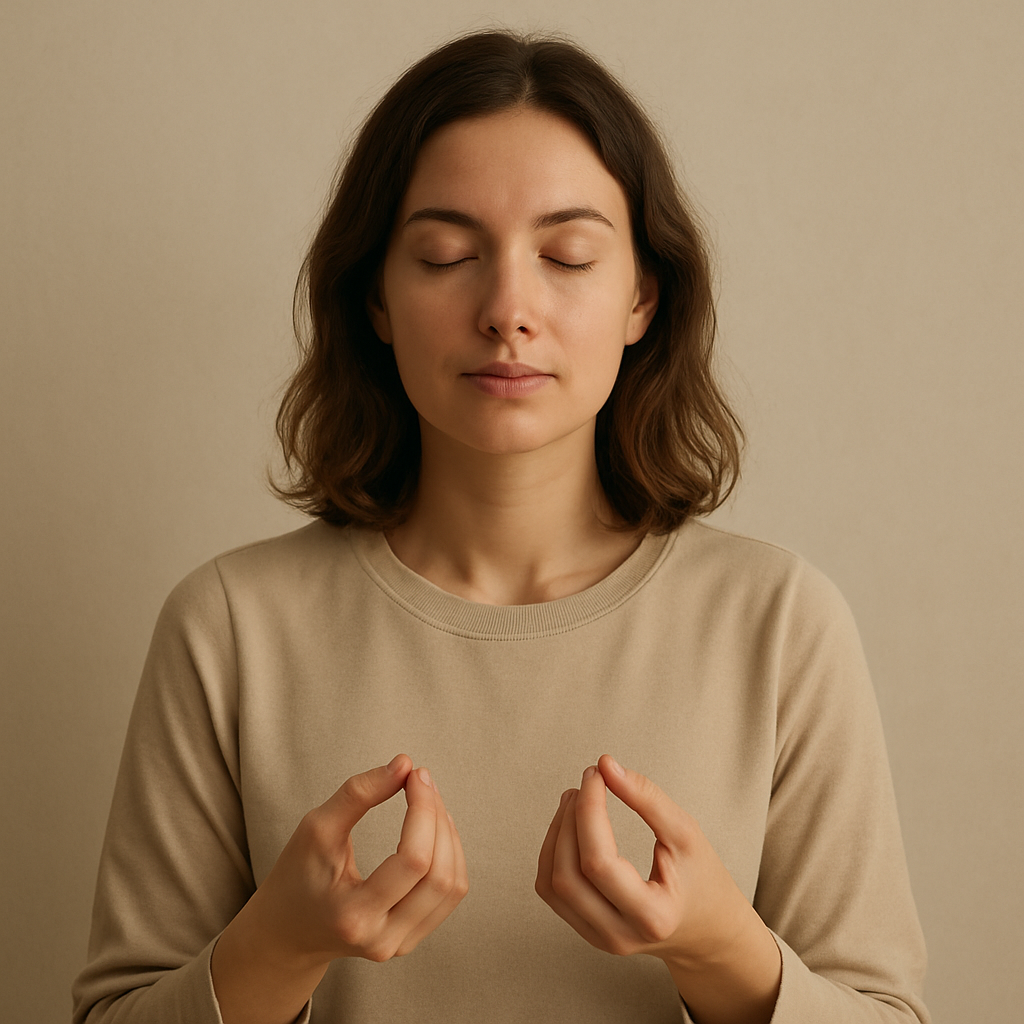
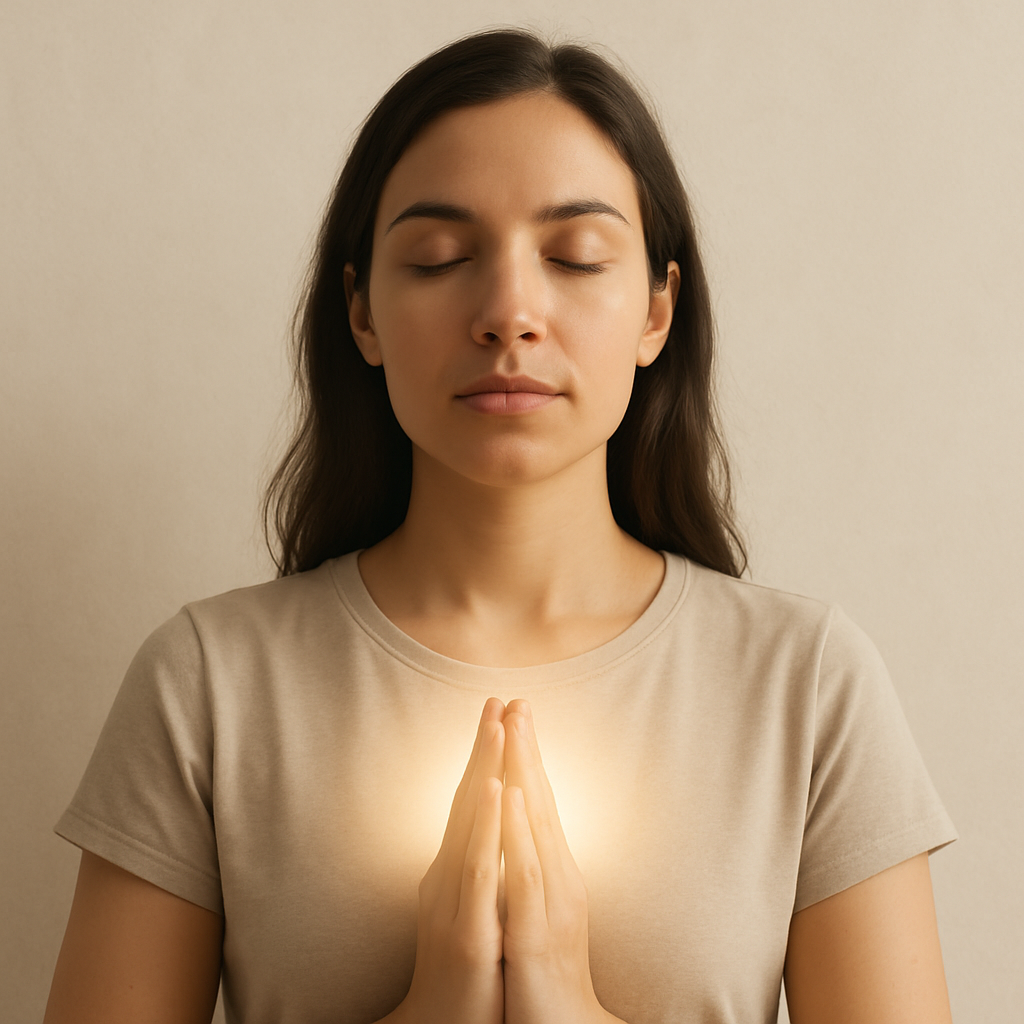
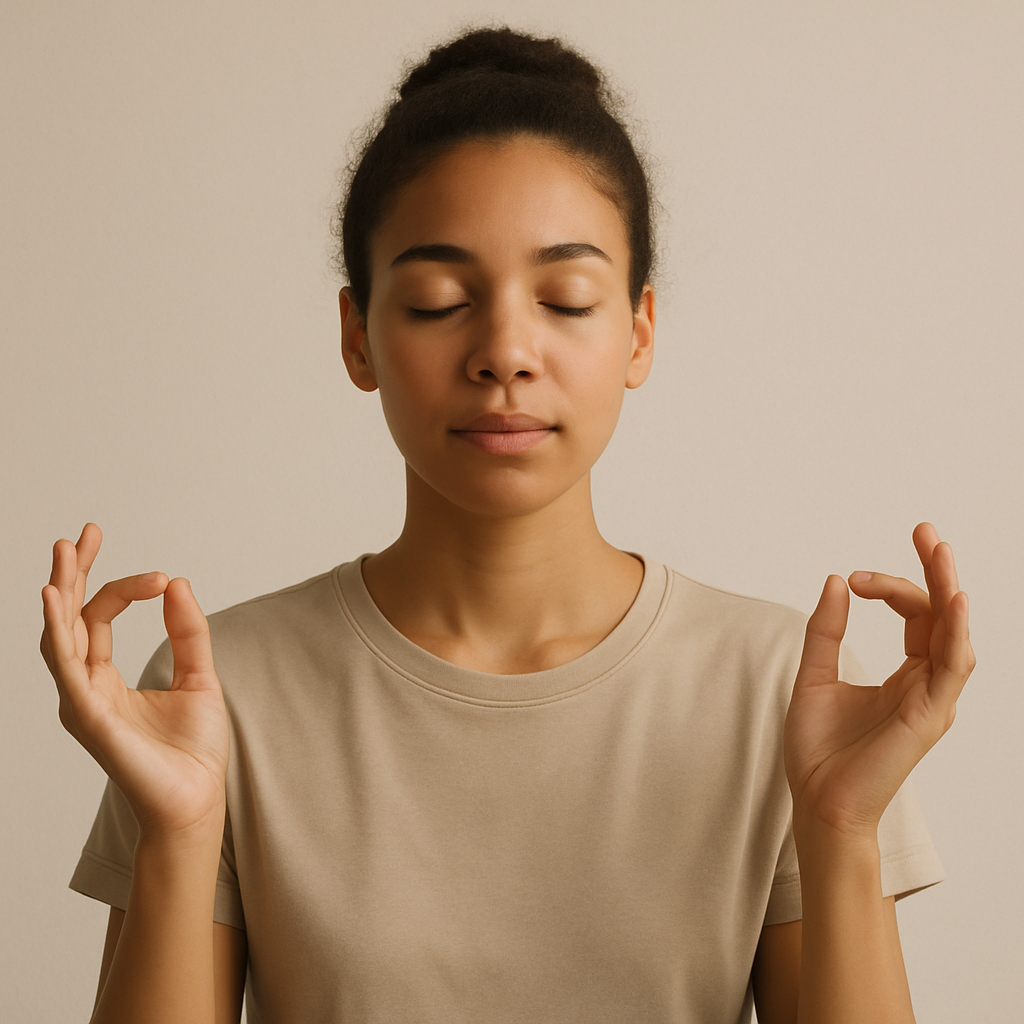
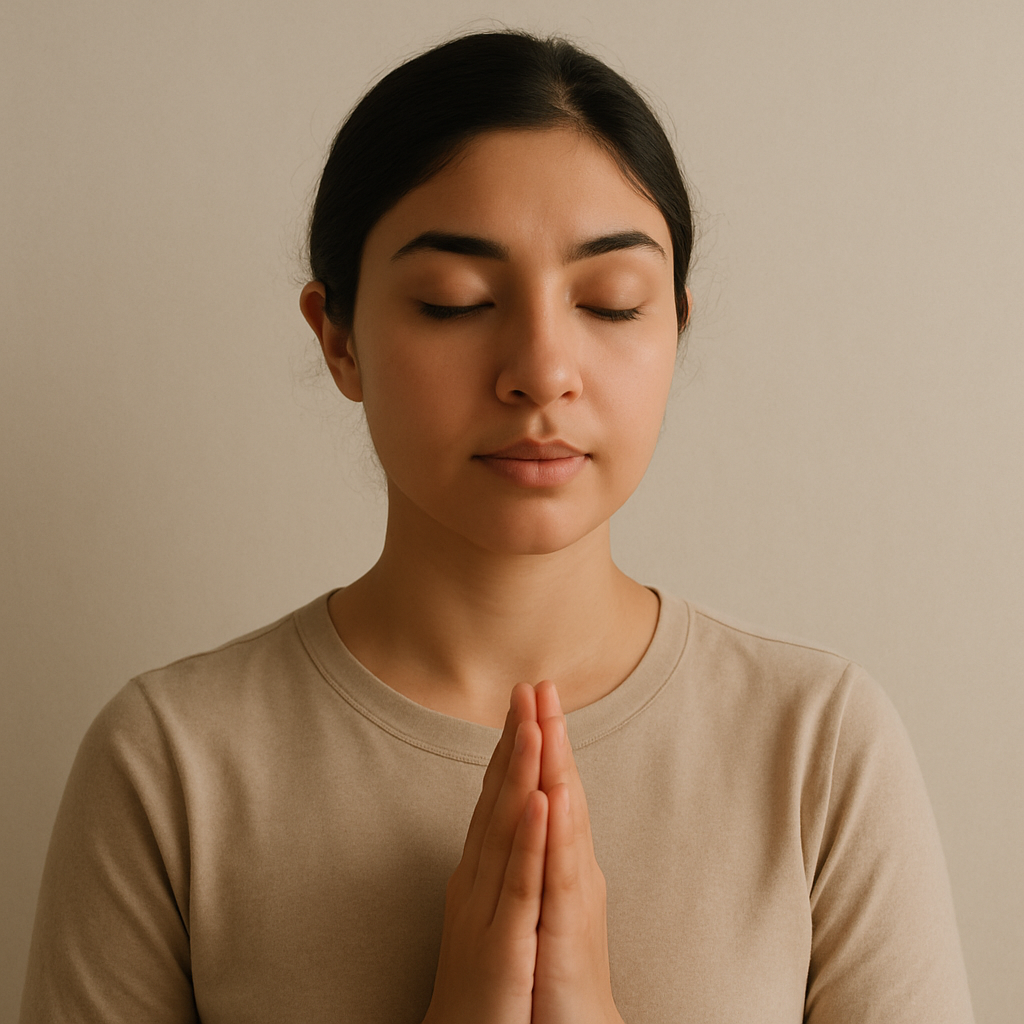
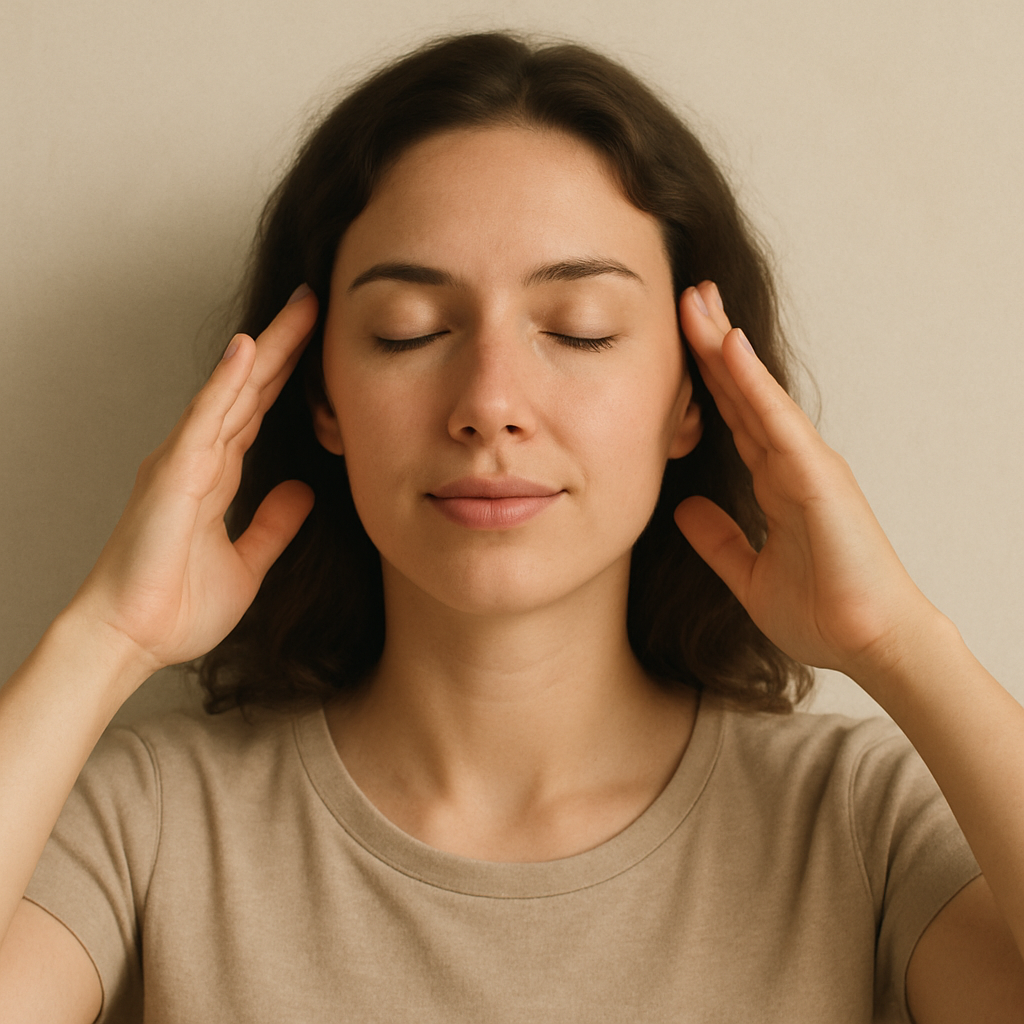
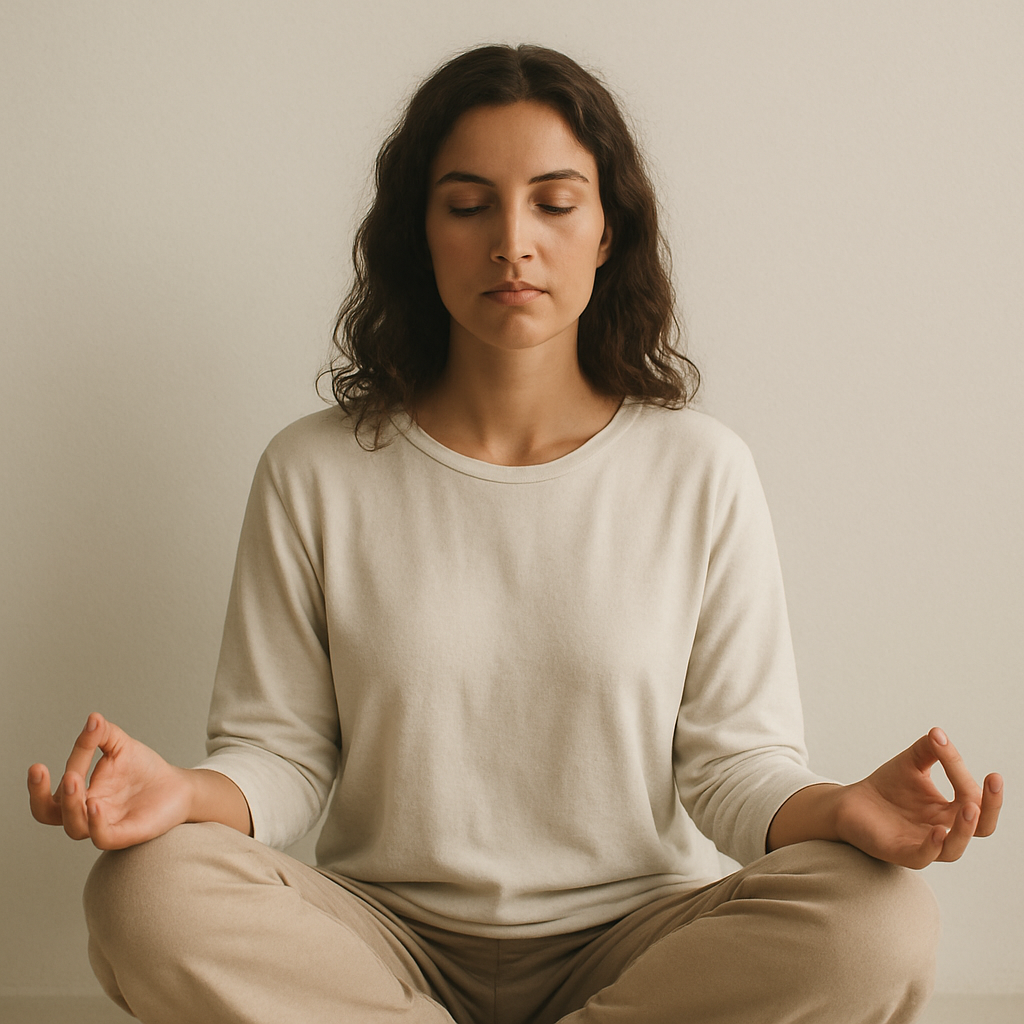
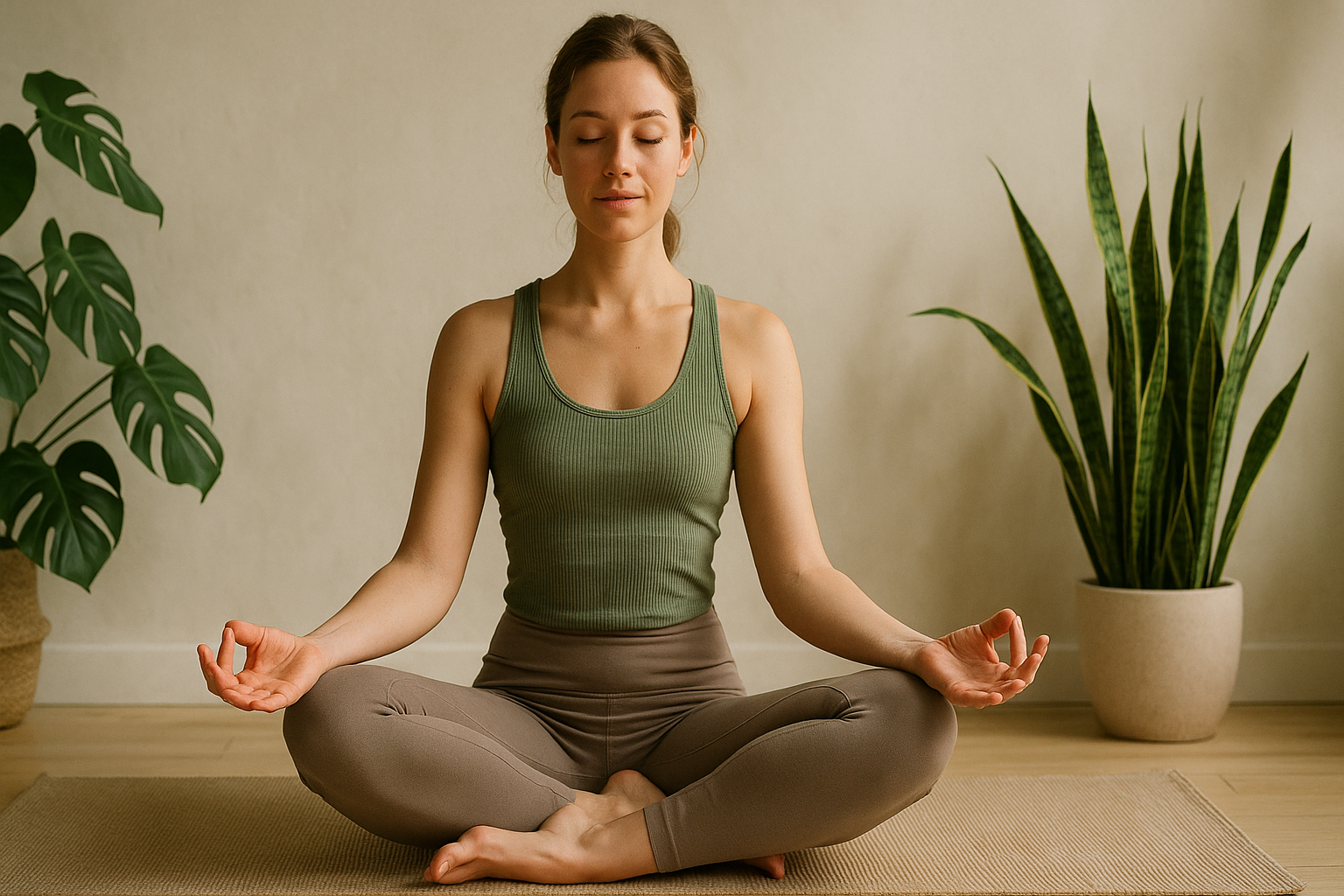
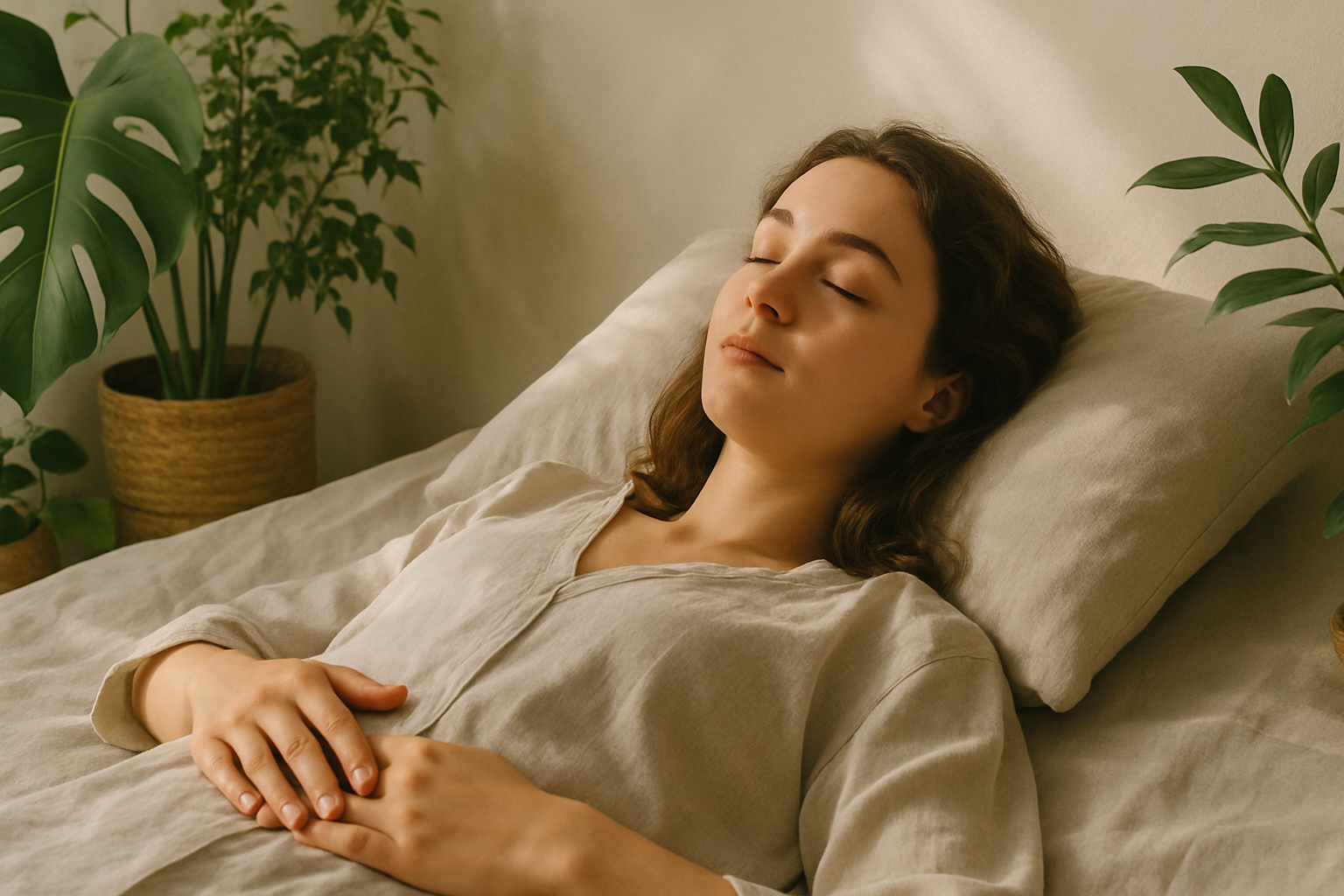
Sleep meditation is a practice that integrates mindfulness and relaxation techniques designed to promote restful sleep. This form of meditation encourages individuals to focus on the present moment, calming the mind and body to ease into sleep. By reducing stress and anxiety, sleep meditation creates an ideal mental environment for falling asleep. It can incorporate various techniques, including guided imagery, body scanning, and breathing exercises.
Key Active Compounds & Mechanisms
While sleep meditation itself does not have active compounds like herbal remedies, it relies on several psychological and physiological mechanisms that promote relaxation and reduce insomnia. Key mechanisms include:
- Mindfulness: Cultivating awareness of the present moment helps reduce racing thoughts and anxiety.
- Breath Control: Focusing on breath can slow the heart rate and lower blood pressure, signaling the body to relax.
- Neurotransmitter Regulation: Meditation can increase levels of serotonin and melatonin, hormones involved in regulating sleep.
Traditional Uses
Historically, meditation practices have been utilized across various cultures to improve mental health and overall well-being. In ancient India, meditation was integral to spiritual practices and was believed to lead to a state of inner peace. Similarly, Buddhist traditions emphasize mindfulness and meditation as means to achieve tranquility and clarity, often practiced during evening rituals to prepare for sleep. These traditions highlight the importance of mental calmness and emotional balance for restful sleep.
What Modern Research Suggests
Recent studies have begun to substantiate the benefits of sleep meditation. Research indicates that regular meditation practice can lead to improvements in sleep quality and reductions in insomnia symptoms. Clinical trials show that mindfulness meditation can help decrease sleep disturbances and enhance the overall quality of sleep. However, more extensive research is needed to establish definitive conclusions about specific techniques and their effects on sleep.
Functional Actions
Sleep meditation serves several functional actions that benefit individuals looking to improve their sleep:
- Stress Reduction: By lowering stress levels, sleep meditation can help individuals fall asleep faster.
- Increased Relaxation: Techniques used in sleep meditation promote relaxation, making it easier to enter a sleep state.
- Enhanced Focus: Focusing the mind during meditation can help reduce distractions that may interfere with sleep.
Body Systems Supported
Sleep meditation primarily supports the following body systems:
- Nervous System: It promotes relaxation and reduces anxiety, which are critical for a healthy nervous system.
- Endocrine System: By influencing hormone production related to sleep, such as melatonin, it aids in regulating sleep cycles.
- Cardiovascular System: Meditation can lower heart rate and blood pressure, contributing to overall heart health.
Common Forms & Educational Dosing Ranges
Sleep meditation can be practiced in various forms, including:
- Guided Sleep Meditations: Audio or video recordings led by an instructor.
- Body Scan Meditations: Techniques that focus on relaxing different body parts progressively.
- Breathing Exercises: Simple techniques that focus on deep, rhythmic breathing to promote relaxation.
For best results, practitioners can engage in sleep meditation for 10 to 30 minutes before bedtime, depending on personal preference and comfort.
Safety, Contraindications & Interactions
Sleep meditation is generally safe for most individuals. However, those with severe mental health conditions, such as active psychosis or severe anxiety disorders, should consult a mental health professional before starting any meditation practice. Additionally, individuals on medications that affect mental state or mood, such as antidepressants or sedatives, should discuss meditation with their healthcare provider to avoid any potential interactions.
Pairs Well With
Sleep meditation can be enhanced when paired with other natural remedies and practices:
- Aromatherapy: Using calming essential oils like lavender can complement meditation practices.
- Herbal Teas: Herbal blends with chamomile or valerian root can promote relaxation when consumed before meditation.
- Gentle Yoga: Incorporating gentle stretching or restorative yoga can prepare the body for meditation and sleep.
FAQs (5)
- Can sleep meditation help with insomnia?
Yes, many individuals find that sleep meditation helps reduce symptoms of insomnia by promoting relaxation and calming the mind.
- How long should I meditate before bed?
Most practitioners recommend meditating for 10 to 30 minutes before bedtime, based on personal comfort.
- Do I need to be experienced in meditation to benefit?
No, sleep meditation can be practiced by beginners. Guided meditations are particularly helpful for those new to the practice.
- Can I use sleep meditation with other sleep aids?
Yes, sleep meditation can be used alongside other natural sleep aids, but consult a healthcare provider to ensure safety.
- What if I can’t quiet my mind during meditation?
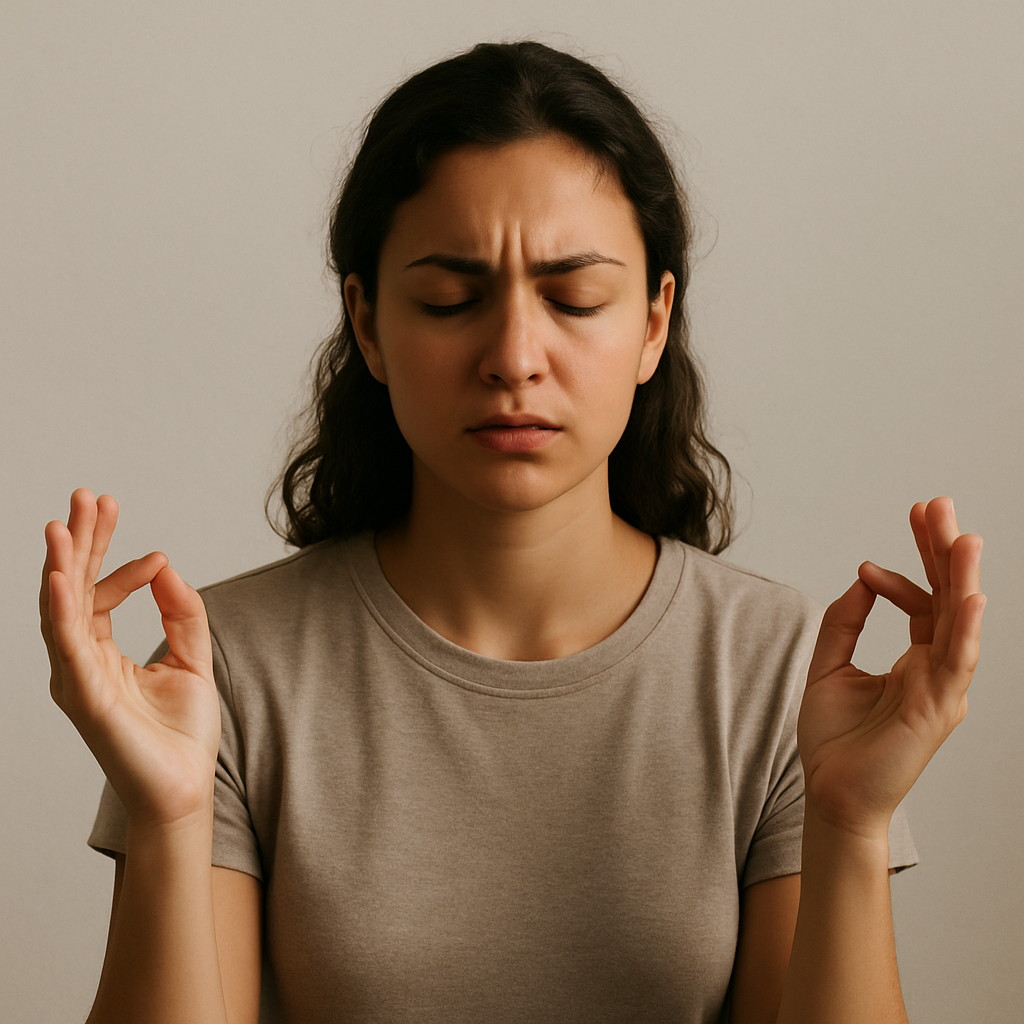
It is normal to have racing thoughts. Gently redirect your focus back to your breath or the guided meditation.
Frequently asked
Can sleep meditation help with insomnia?
Yes, many individuals find that sleep meditation helps reduce symptoms of insomnia by promoting relaxation and calming the mind.
How long should I meditate before bed?
Most practitioners recommend meditating for 10 to 30 minutes before bedtime, based on personal comfort.
Do I need to be experienced in meditation to benefit?
No, sleep meditation can be practiced by beginners. Guided meditations are particularly helpful for those new to the practice.
Can I use sleep meditation with other sleep aids?
Yes, sleep meditation can be used alongside other natural sleep aids, but consult a healthcare provider to ensure safety.
What if I can’t quiet my mind during meditation?
It is normal to have racing thoughts. Gently redirect your focus back to your breath or the guided meditation.