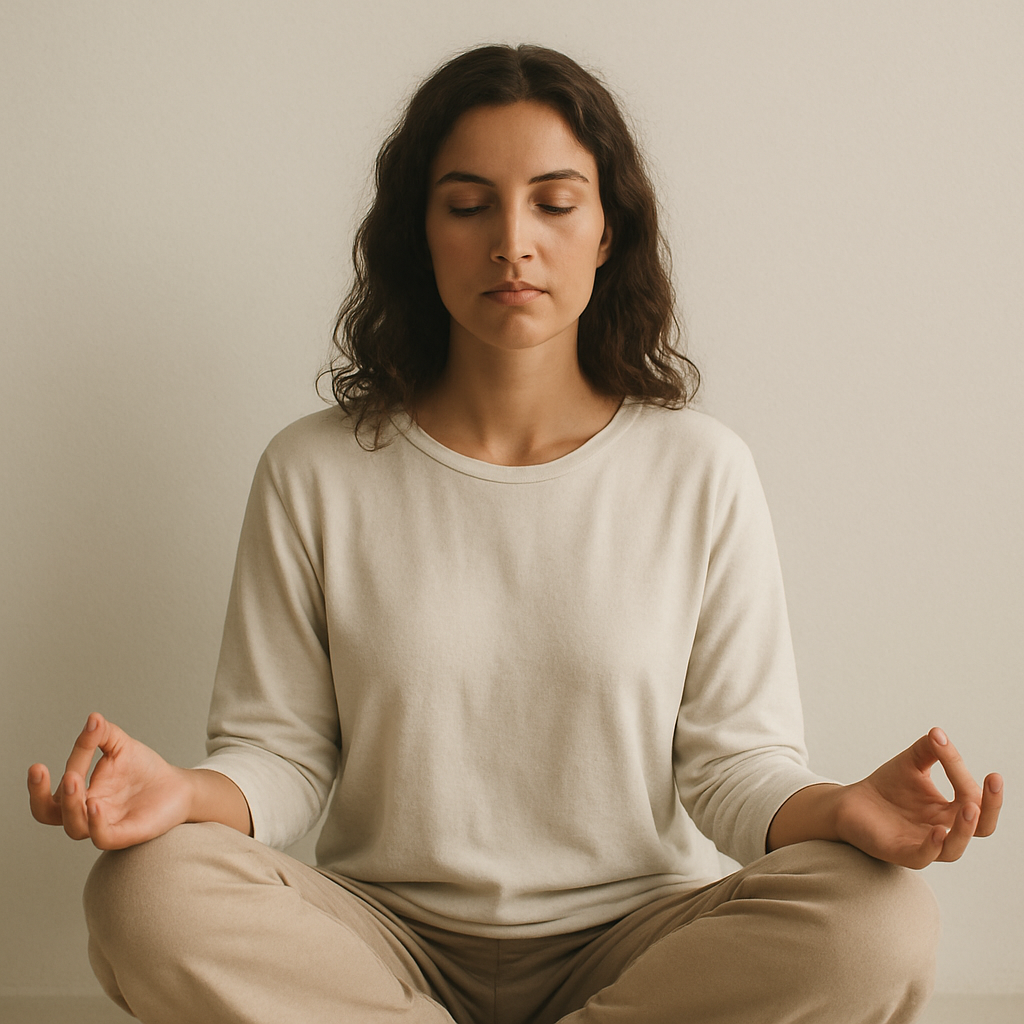
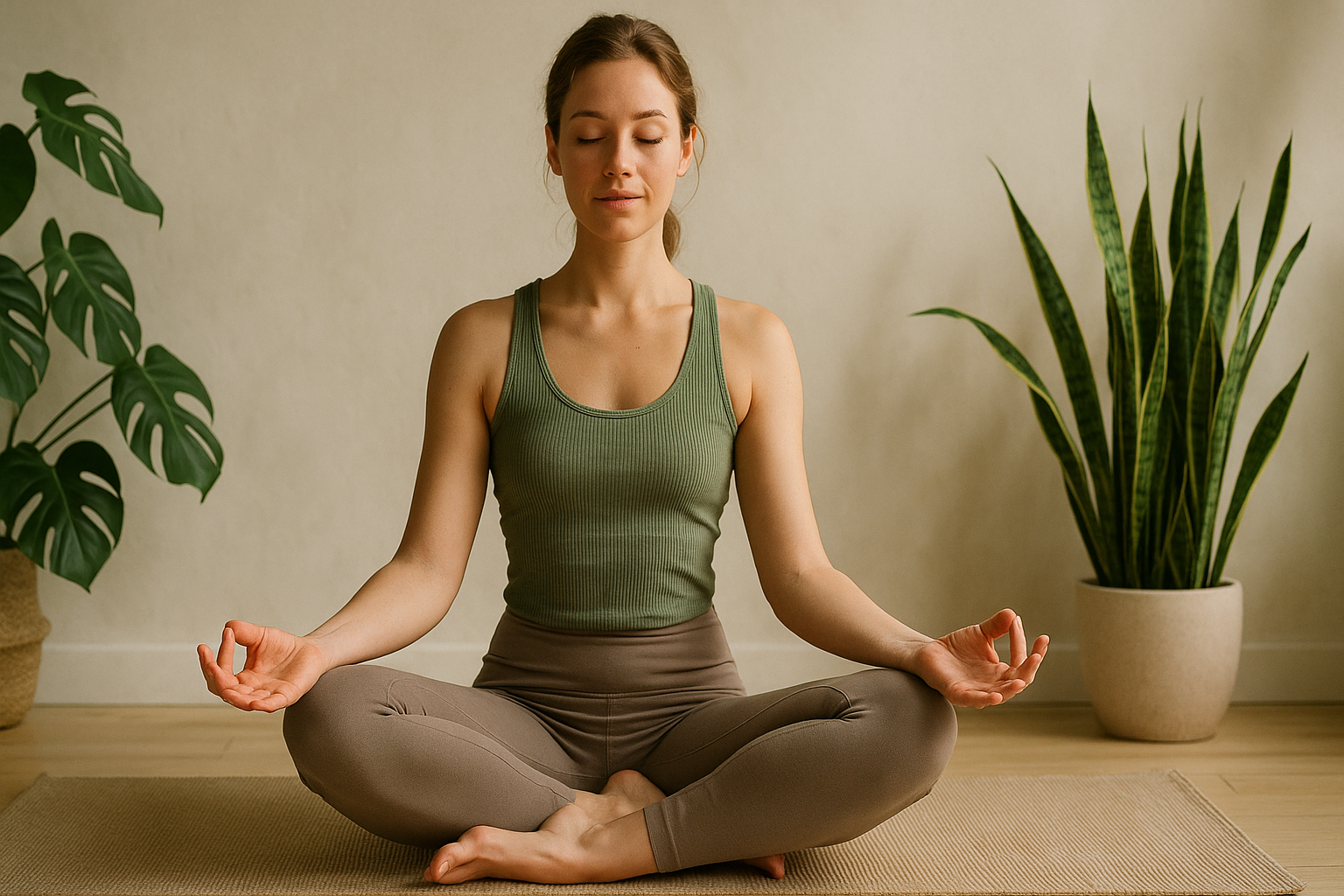
Focus Meditation
Learn about focus meditation, its historical roots, modern validation, and practical guidance for enhancing mental clarity and concentration.
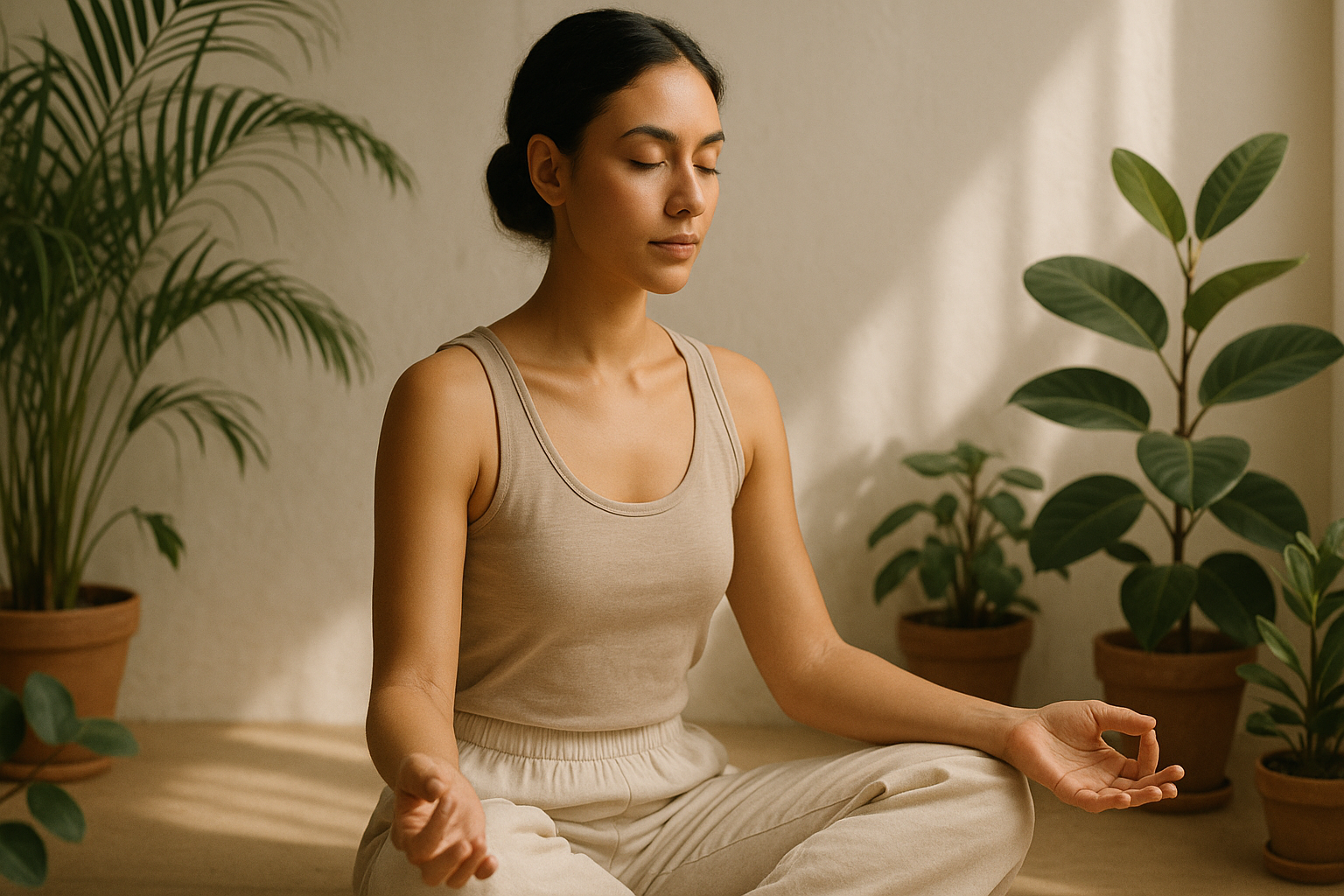
Explore the benefits of focus meditation, a practice that enhances concentration and mental clarity. This guide covers its definition, traditional uses, modern research insights, and practical applications.
What It Is
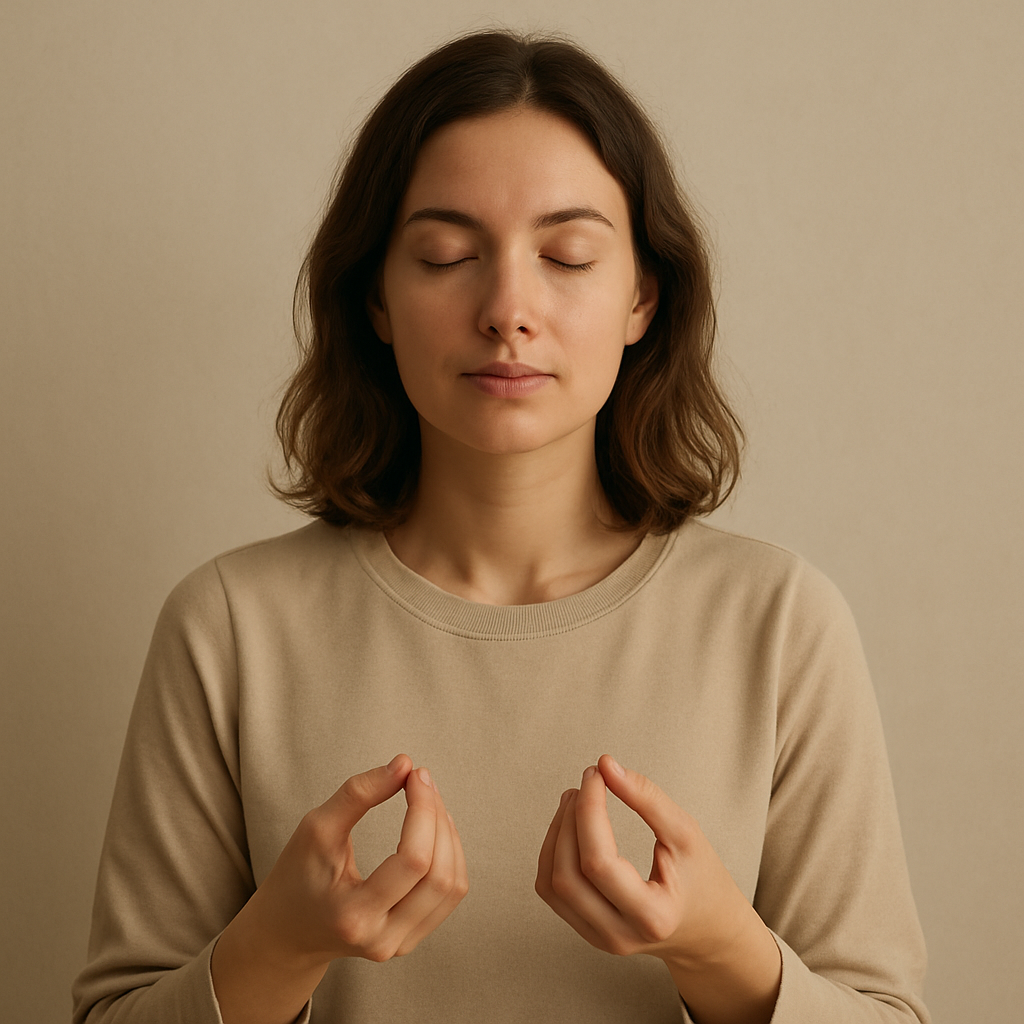
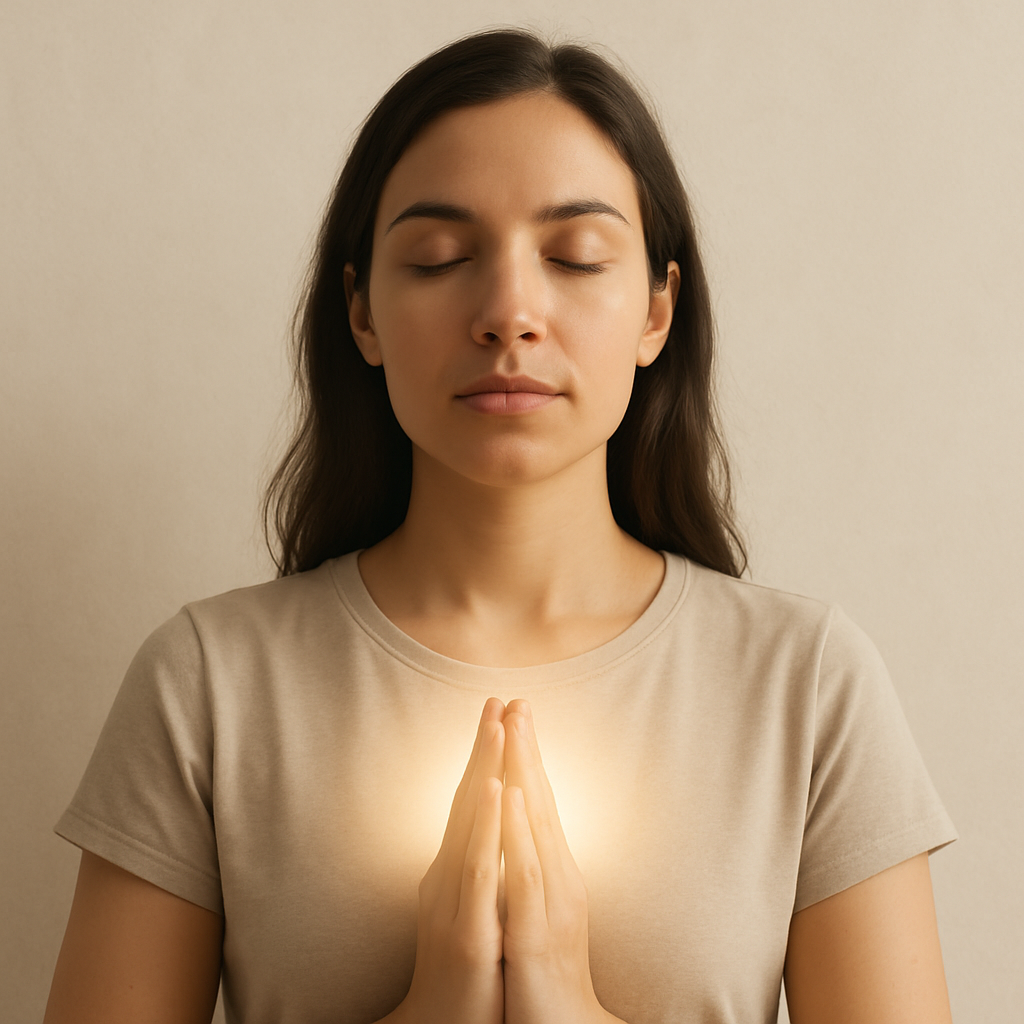
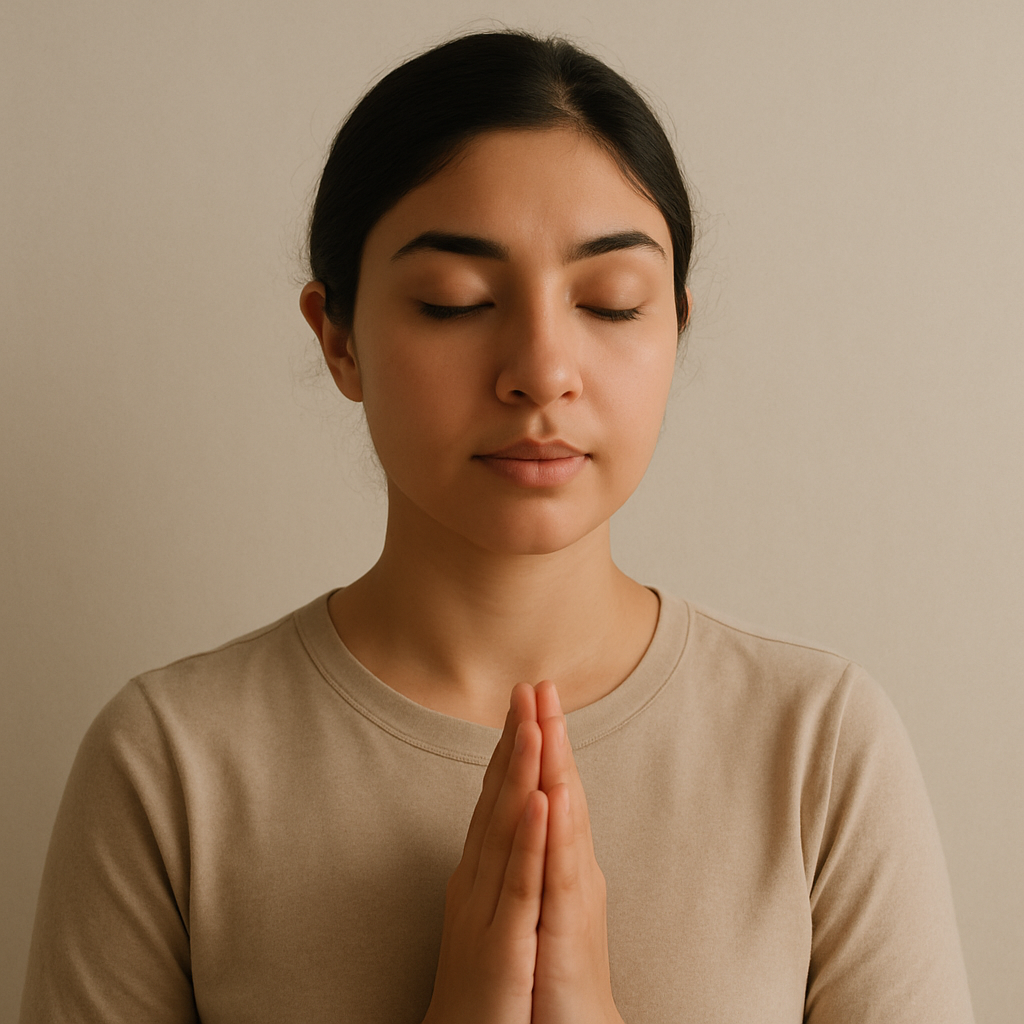
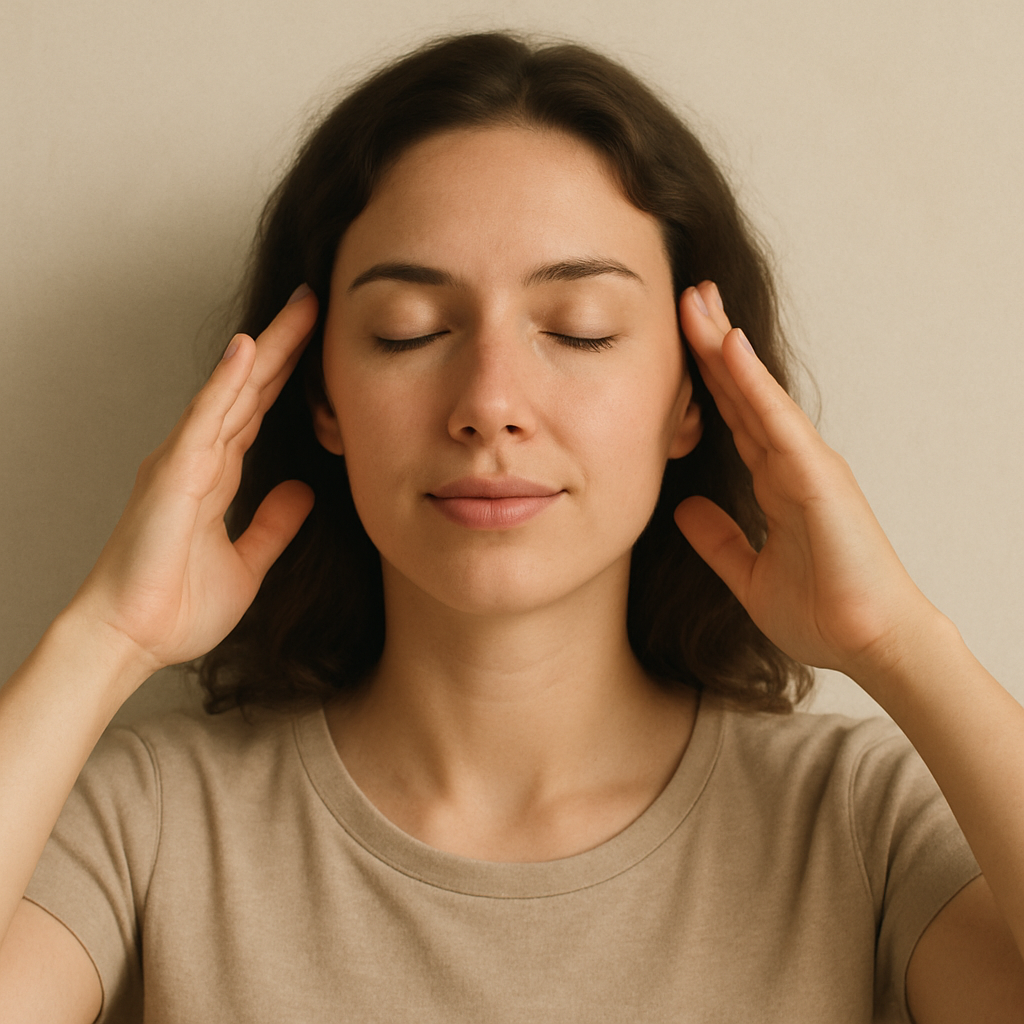
Focus meditation is a mental practice designed to enhance concentration and clarity by training the mind to maintain attention on a specific object, thought, or activity. This form of meditation encourages mindfulness and reduces distractions, allowing practitioners to develop a deeper connection with their thoughts and surroundings. It can involve techniques such as breath awareness, visualization, or the repetition of a mantra, fostering a state of heightened awareness and control over one’s cognitive processes.
Key Active Compounds & Mechanisms
While focus meditation does not involve specific compounds like herbal remedies, its effectiveness can be attributed to various psychological mechanisms. These include:
- Attention Regulation: Focus meditation helps improve the brain's ability to filter distractions, enhancing cognitive control.
- Neuroplasticity: Regular practice encourages the brain to form new neural connections, improving mental flexibility and concentration.
- Stress Reduction: By promoting relaxation, focus meditation can lower levels of cortisol, a stress hormone that negatively impacts cognitive function.
Traditional Uses
Focus meditation has roots in various ancient traditions around the world. In Buddhism, meditation techniques have been practiced for centuries to cultivate mindfulness and concentration. The Dhyana practice emphasizes focused attention and awareness, seeking to quiet the mind and achieve a heightened state of consciousness. Similarly, in Hinduism, various forms of meditation, including mantra repetition and breath control, have been used to enhance focus and spiritual insight. These traditions highlight the historical significance of meditation as a tool for mental clarity and personal growth.
What Modern Research Suggests
Modern research into focus meditation has revealed promising benefits for cognitive function and mental well-being. Studies have shown that individuals who engage in regular meditation practices exhibit improved attention spans and enhanced working memory. Furthermore, neuroimaging studies indicate that meditation can lead to structural changes in the brain, particularly in areas related to attention and emotional regulation. While more research is needed to fully understand its effects, preliminary evidence supports the efficacy of focus meditation in improving cognitive performance and emotional health.
Functional Actions
The functional actions of focus meditation primarily revolve around enhancing cognitive functions and emotional well-being. Key actions include:
- Improved Concentration: Regular practice strengthens the ability to focus on tasks without succumbing to distractions.
- Enhanced Memory: Focus meditation aids in better information retention and recall, contributing to overall cognitive efficiency.
- Stress Management: By fostering a state of relaxation, it helps individuals cope with stress and anxiety more effectively.
Body Systems Supported
Focus meditation primarily supports the nervous system and cognitive functions. Its practice can lead to:
- Cognitive Enhancement: Improved mental clarity, focus, and memory.
- Emotional Regulation: Better management of stress and anxiety levels.
- Physical Relaxation: Reduction in physiological symptoms associated with stress, such as muscle tension and elevated heart rate.
Common Forms & Educational Dosing Ranges
Focus meditation can be practiced in various formats, each with unique approaches and techniques. Common forms include:
- Guided Meditation: Involves a facilitator leading the meditation session, often with specific themes aimed at enhancing focus.
- Mindfulness Meditation: Centers on being present and aware of thoughts as they arise, fostering an ability to concentrate on the moment.
- Breath Awareness: Focuses on the breath as a point of concentration, helping to ground the mind and reduce distractions.
For beginners, starting with just 5-10 minutes daily can be effective, gradually increasing the duration as comfort with the practice grows.
Safety, Contraindications & Interactions
Focus meditation is generally safe for most individuals. However, people with specific mental health conditions, such as severe anxiety or trauma-related disorders, should consult with a healthcare professional before beginning a meditation practice. It is essential to approach meditation gently and to seek guidance if experiencing discomfort during practice. Additionally, while meditation is a valuable tool for mental health, it should not replace professional treatment for serious mental health conditions.
Pairs Well With
To enhance the benefits of focus meditation, it pairs well with:
- Physical Exercise: Regular physical activity can improve overall brain function and emotional well-being.
- Aromatherapy: Essential oils like lavender or rosemary can promote relaxation and enhance the meditation experience.
- Mindful Breathing Techniques: Incorporating breathwork can deepen the meditative experience and improve focus.
FAQs (5)
- What is the best time of day to practice focus meditation? Many find mornings ideal for meditation, as it sets a positive tone for the day. However, any time that works for you is beneficial.
- How long should I meditate for optimal results? Starting with 5-10 minutes daily is effective, gradually increasing as you become more comfortable.
- Can focus meditation help with anxiety? Yes, it can help manage anxiety by promoting relaxation and reducing stress levels.
- Do I need to sit in a specific position to meditate? No, you can meditate in a position that feels comfortable for you, whether sitting, lying down, or even walking.
- How can I maintain focus during meditation? If distractions arise, gently redirect your attention back to your chosen point of focus, such as your breath or a mantra.
Frequently asked
What is the best time of day to practice focus meditation?
Many find mornings ideal for meditation, as it sets a positive tone for the day. However, any time that works for you is beneficial.
How long should I meditate for optimal results?
Starting with 5-10 minutes daily is effective, gradually increasing as you become more comfortable.
Can focus meditation help with anxiety?
Yes, it can help manage anxiety by promoting relaxation and reducing stress levels.
Do I need to sit in a specific position to meditate?
No, you can meditate in a position that feels comfortable for you, whether sitting, lying down, or even walking.
How can I maintain focus during meditation?
If distractions arise, gently redirect your attention back to your chosen point of focus, such as your breath or a mantra.