Daily Mindfulness
Explore the practice of daily mindfulness, its benefits, and how to incorporate it into your routine for improved mental well-being.
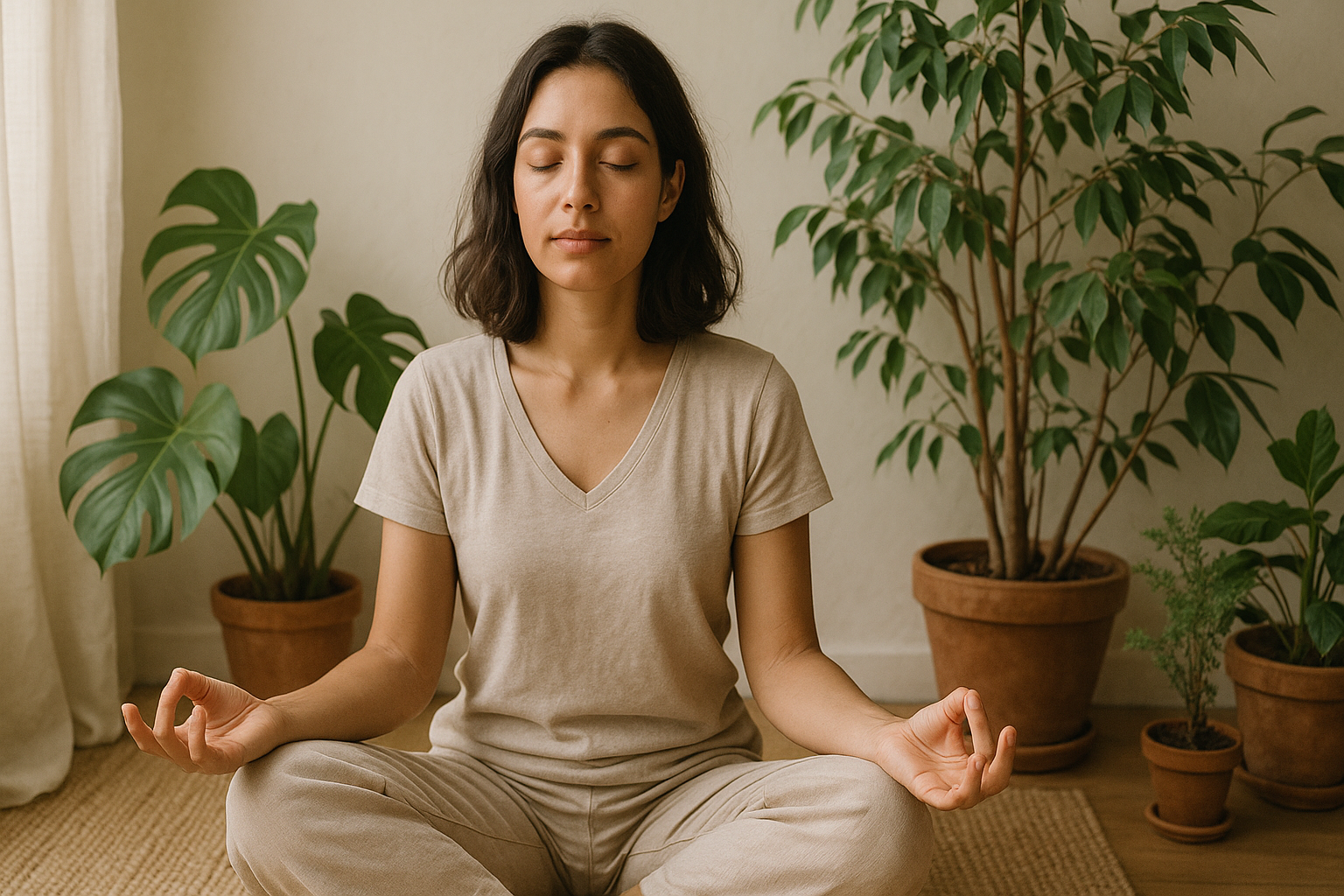
Daily mindfulness is a practice that encourages individuals to focus on the present moment, enhancing awareness and reducing stress. This page explores its definition, traditional uses, modern research, and practical applications, providing insights into its benefits and integration into daily life.
What It Is
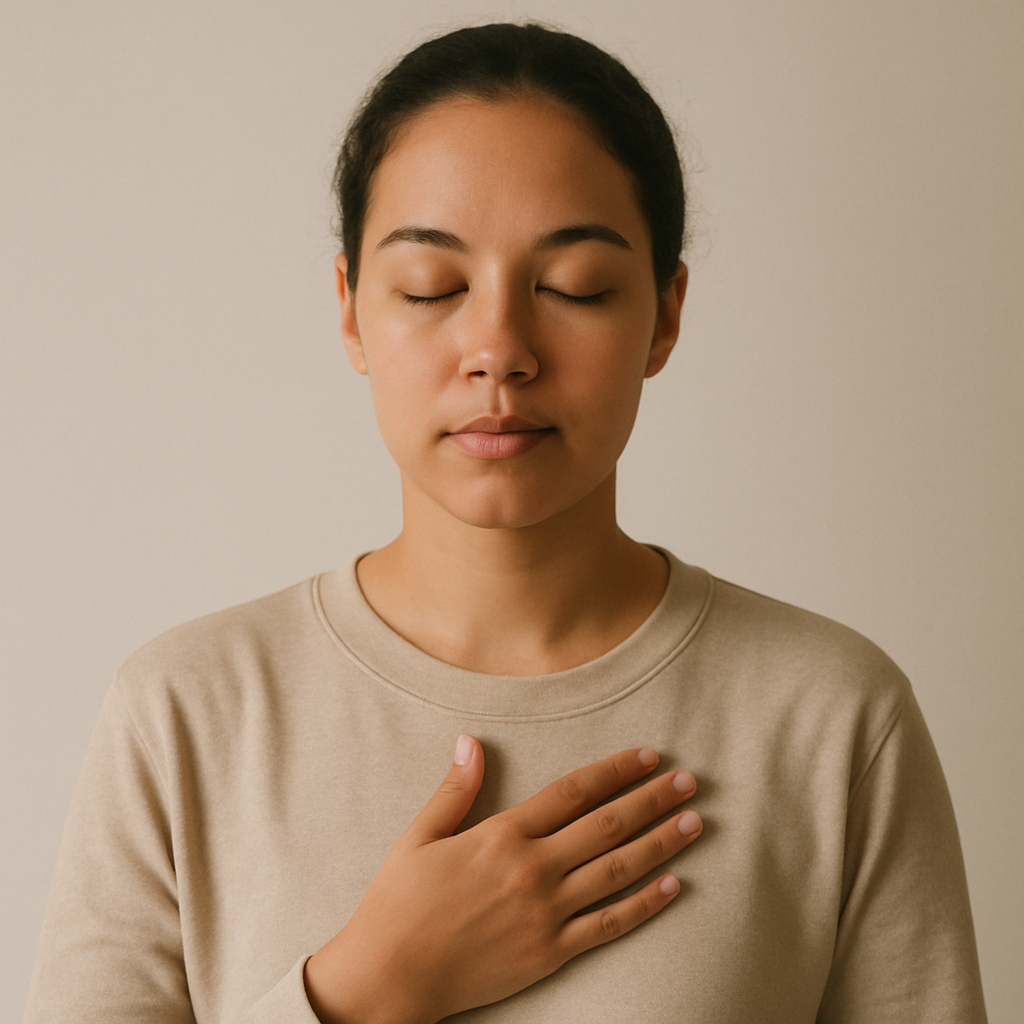
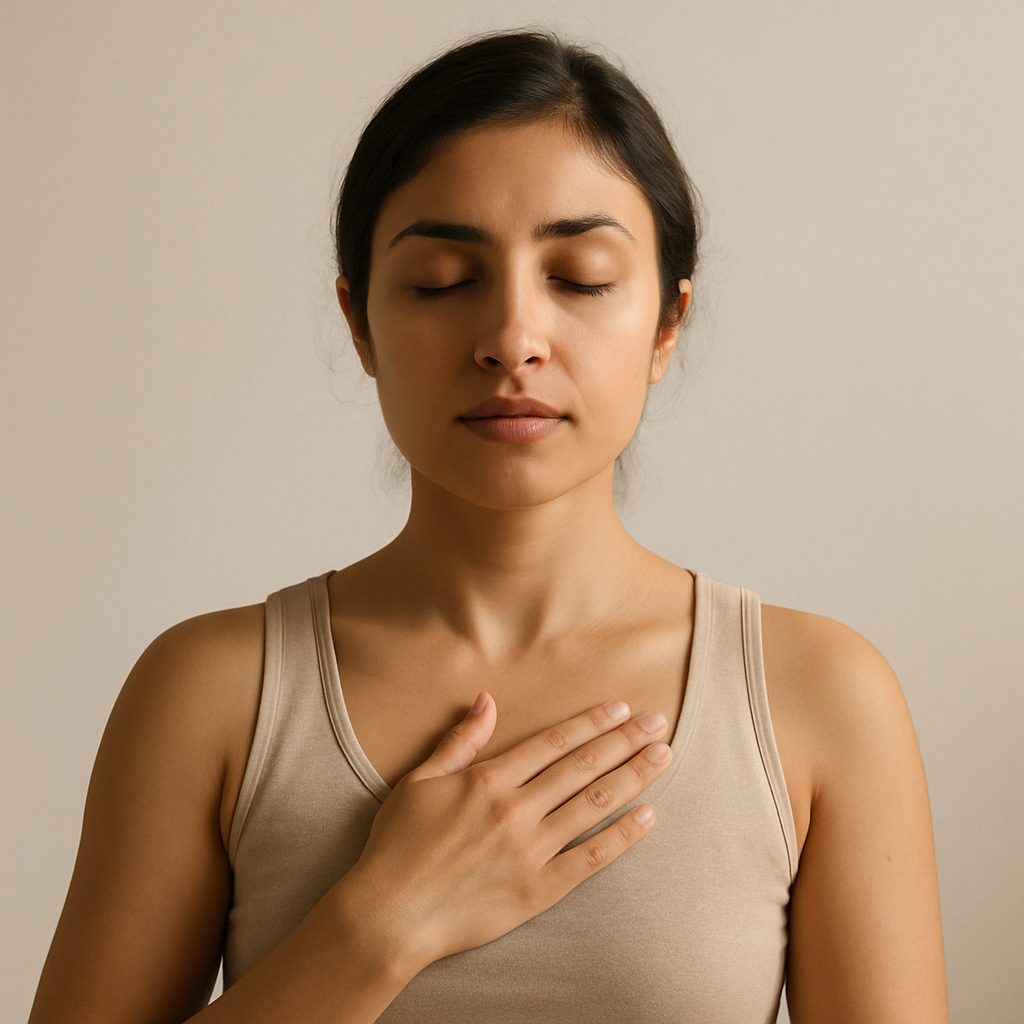
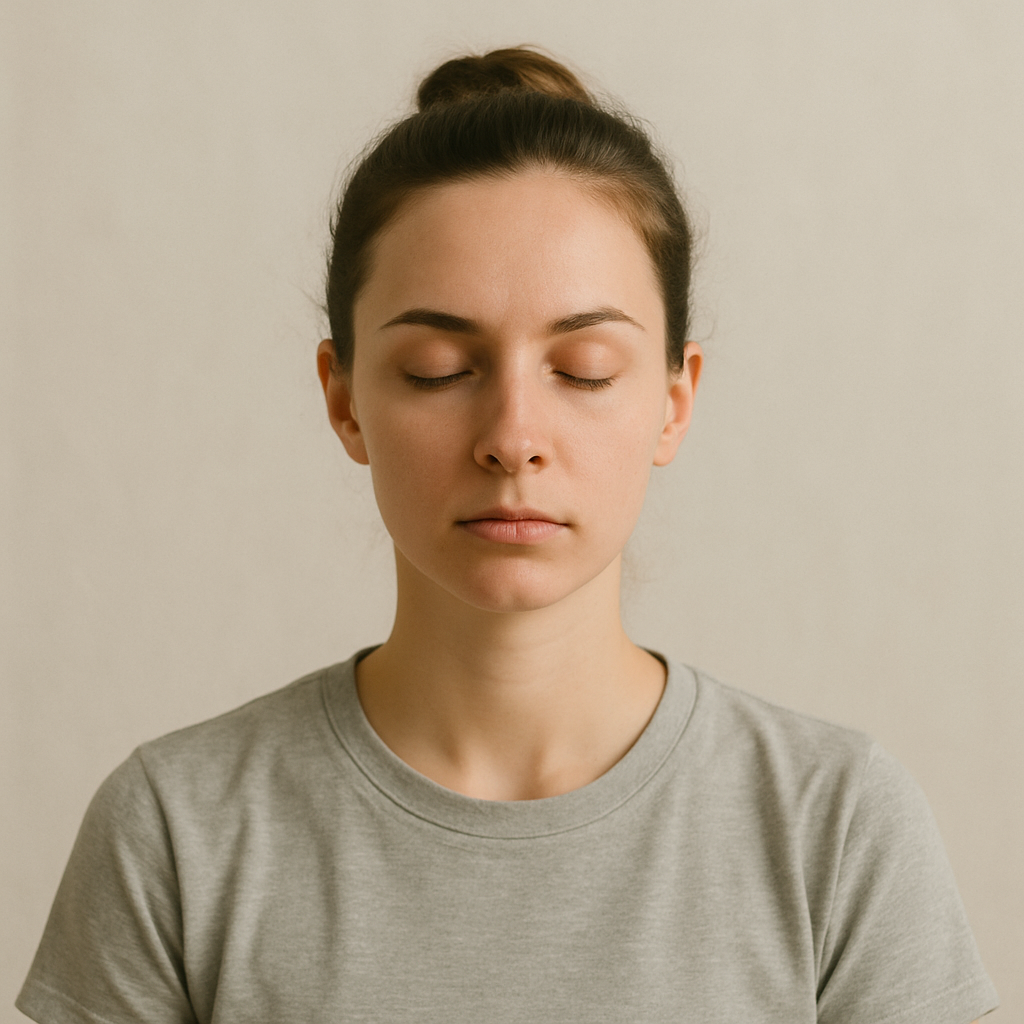
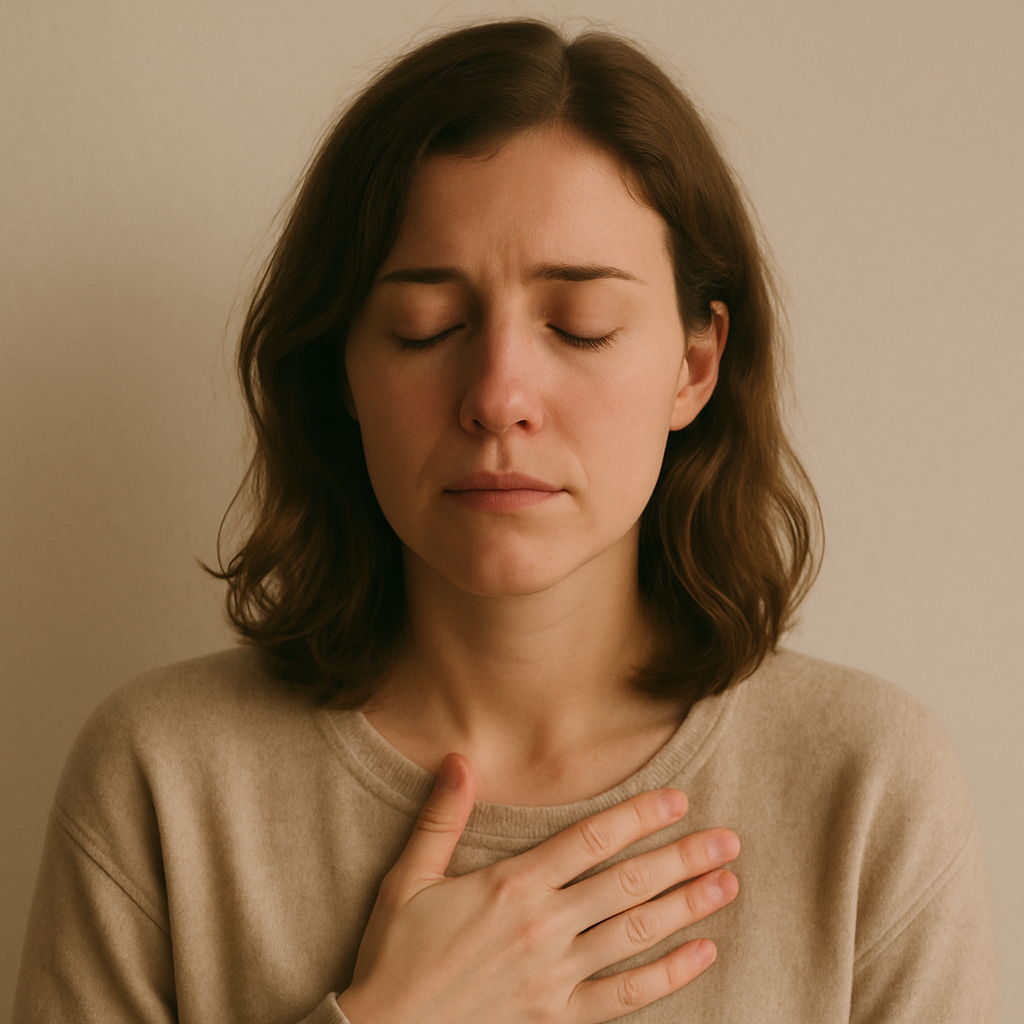
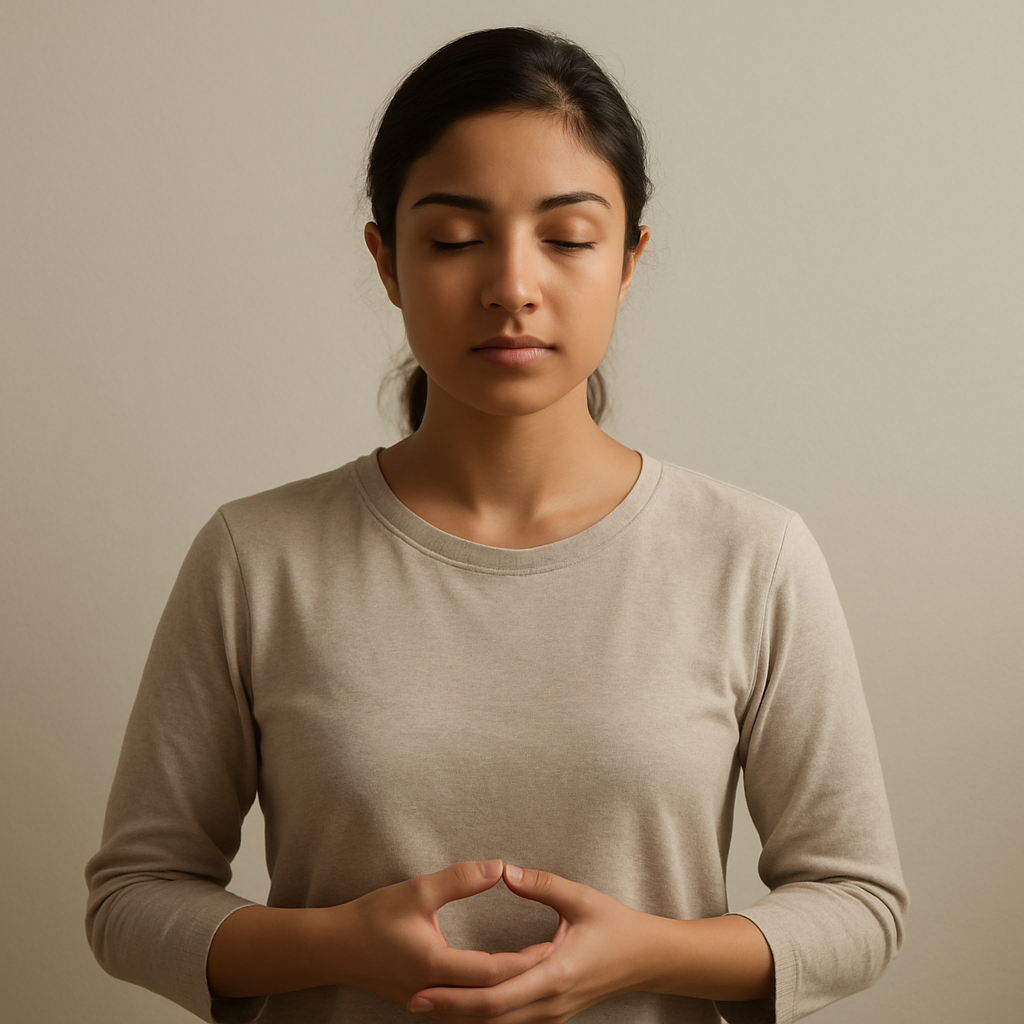
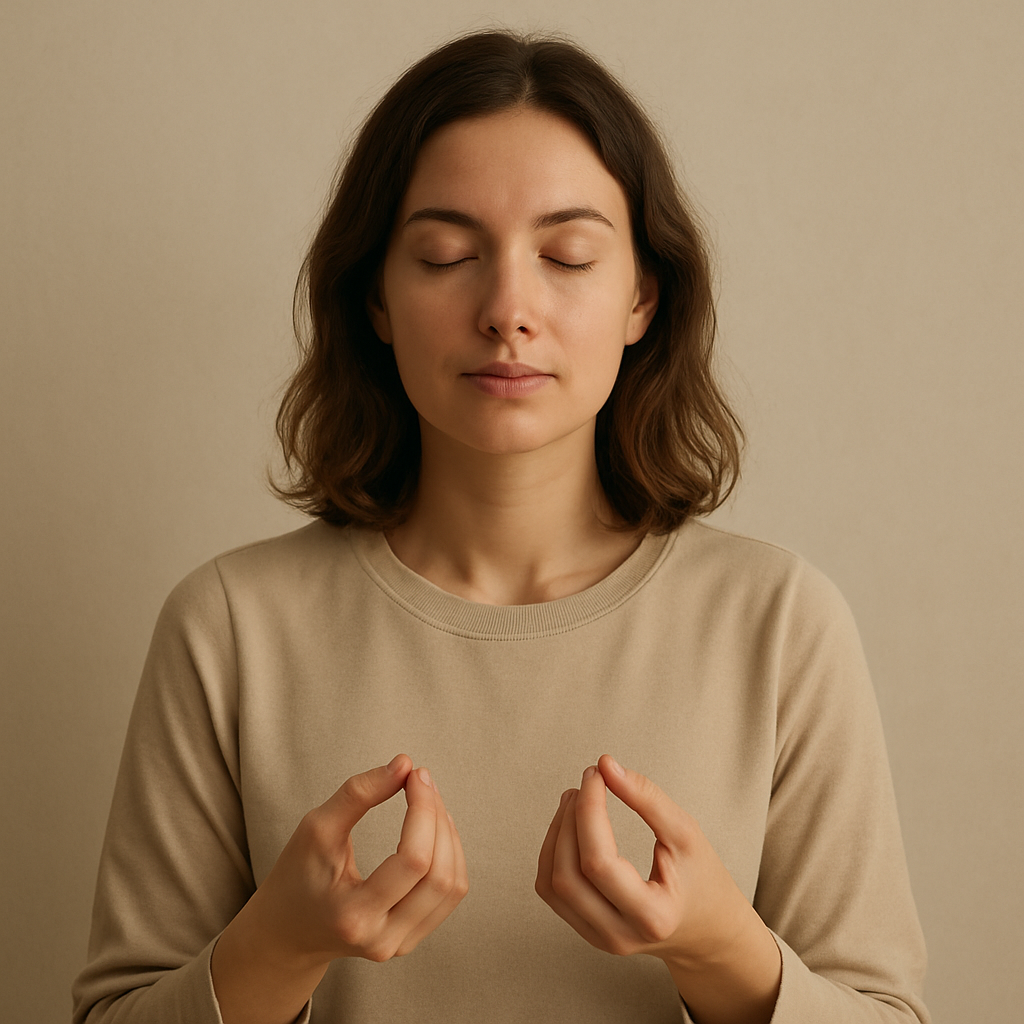
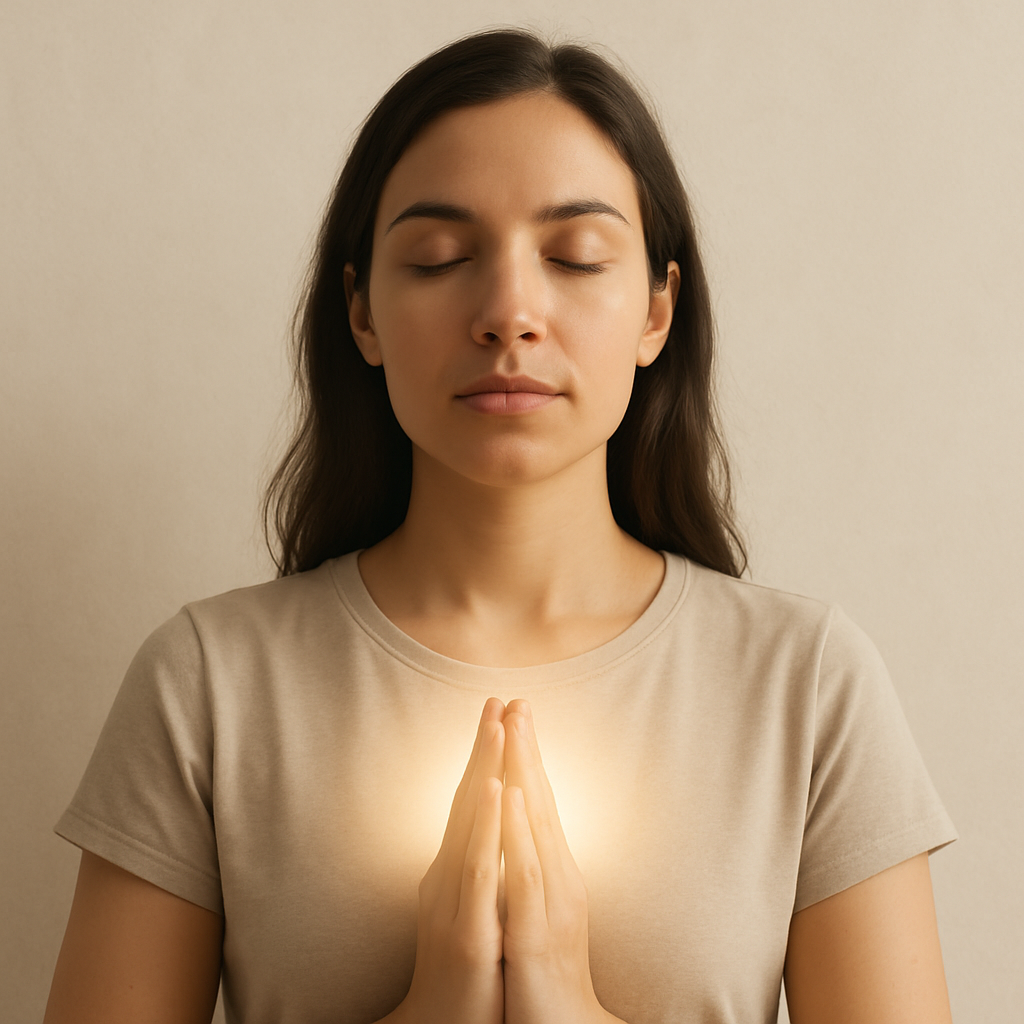
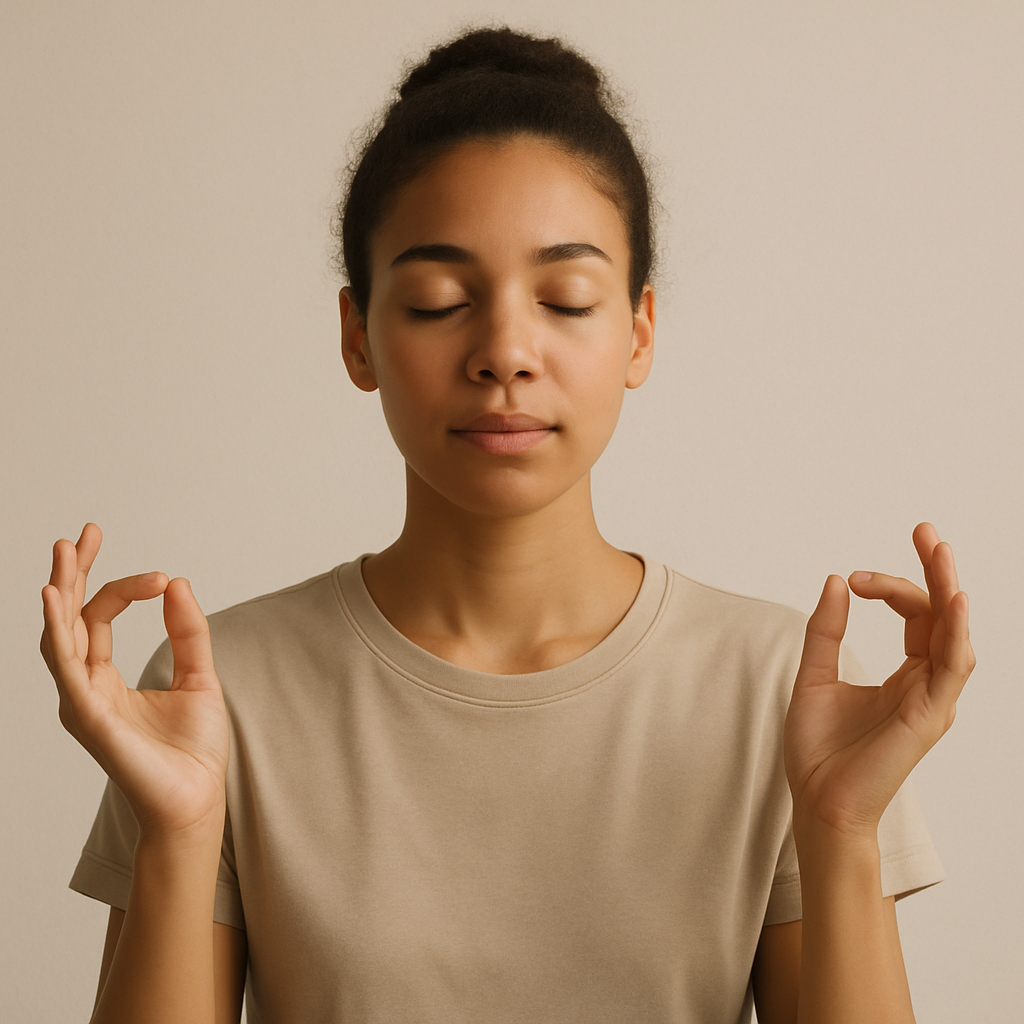
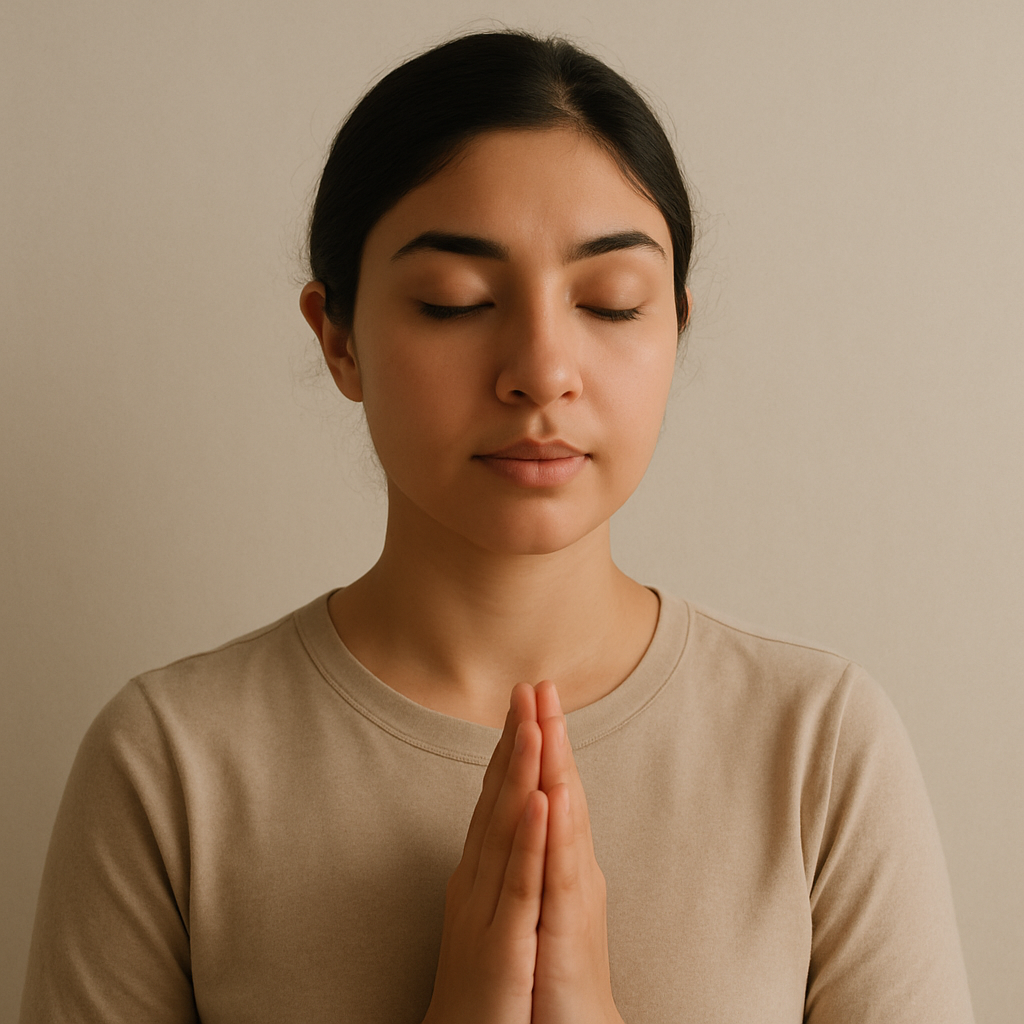
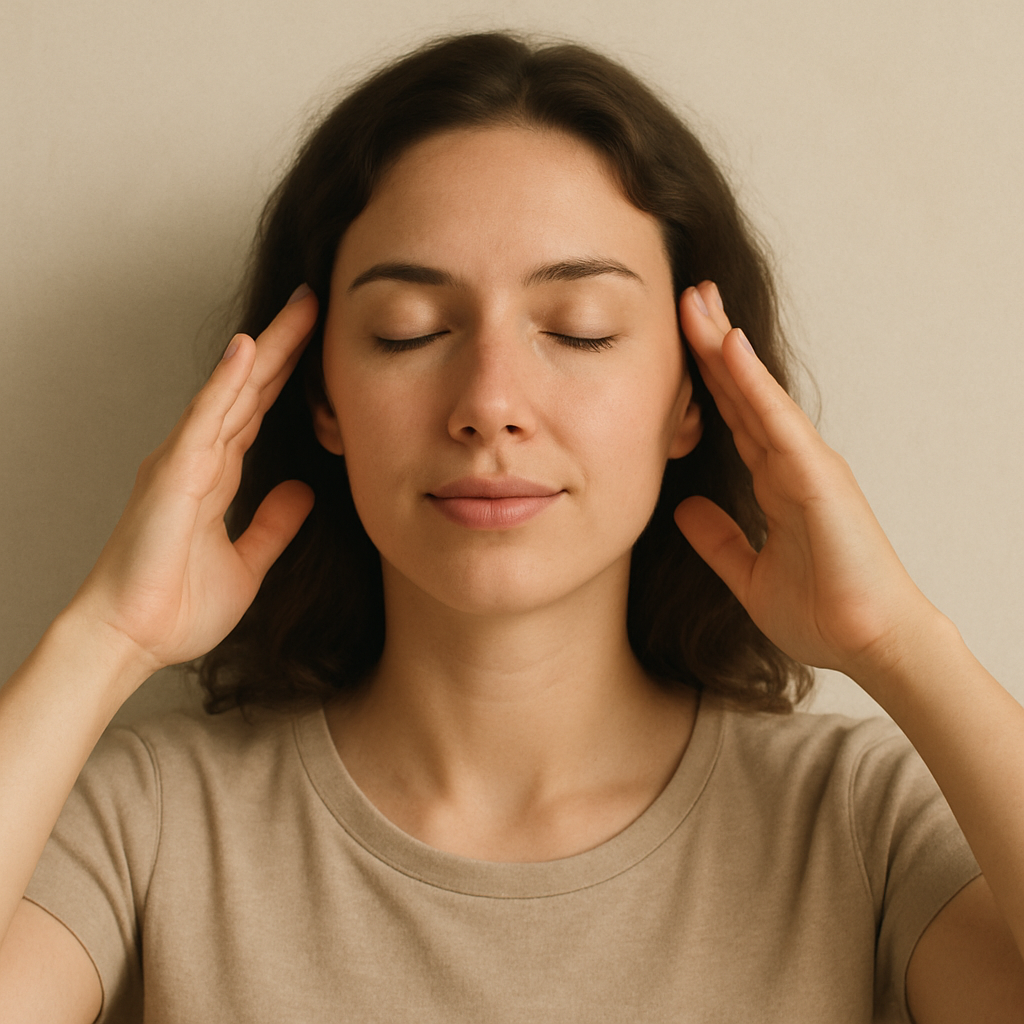
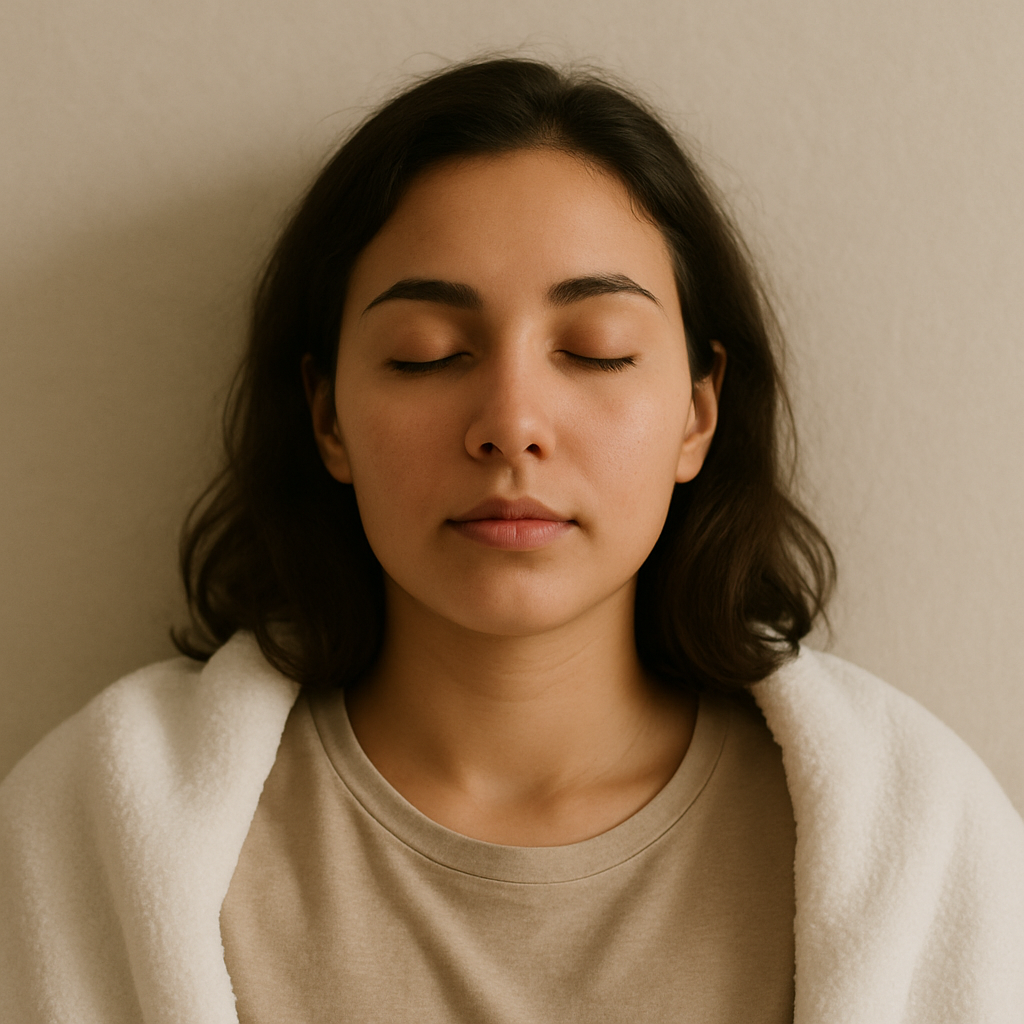
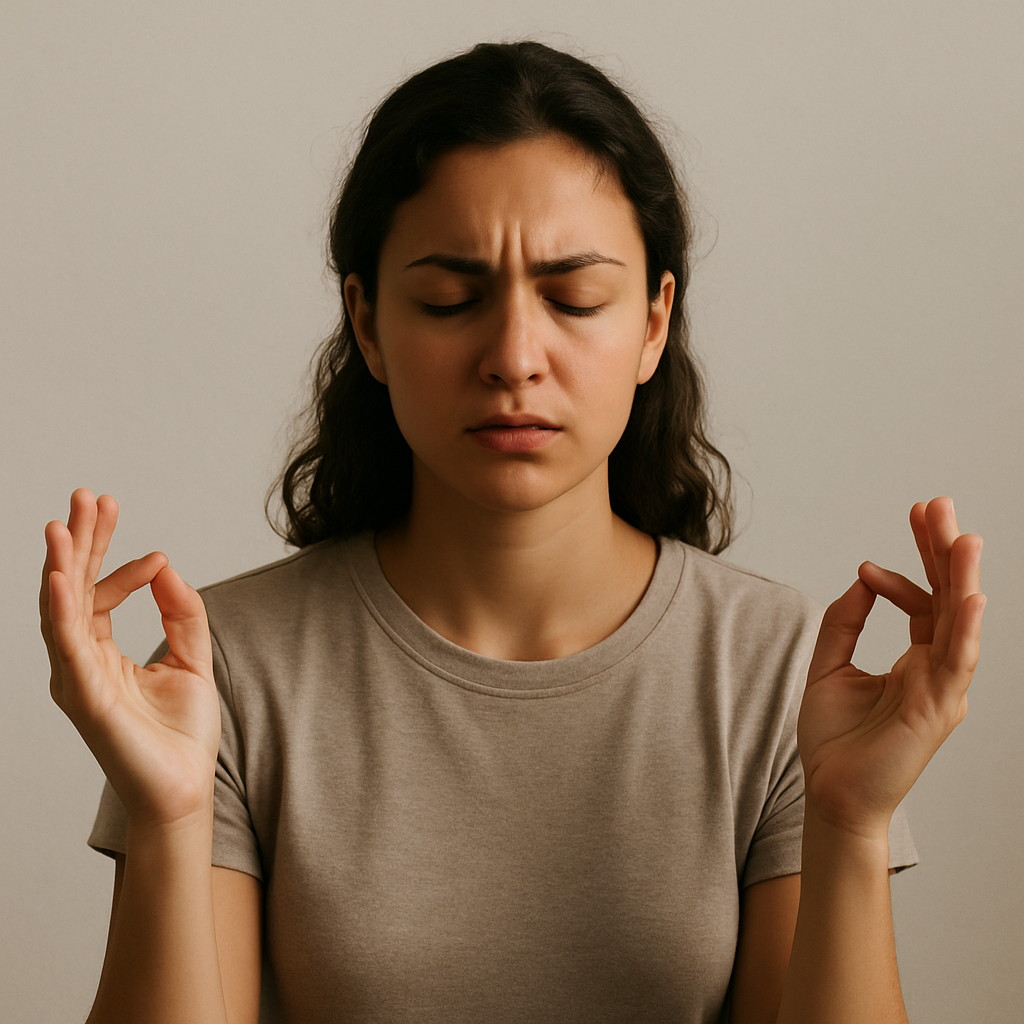
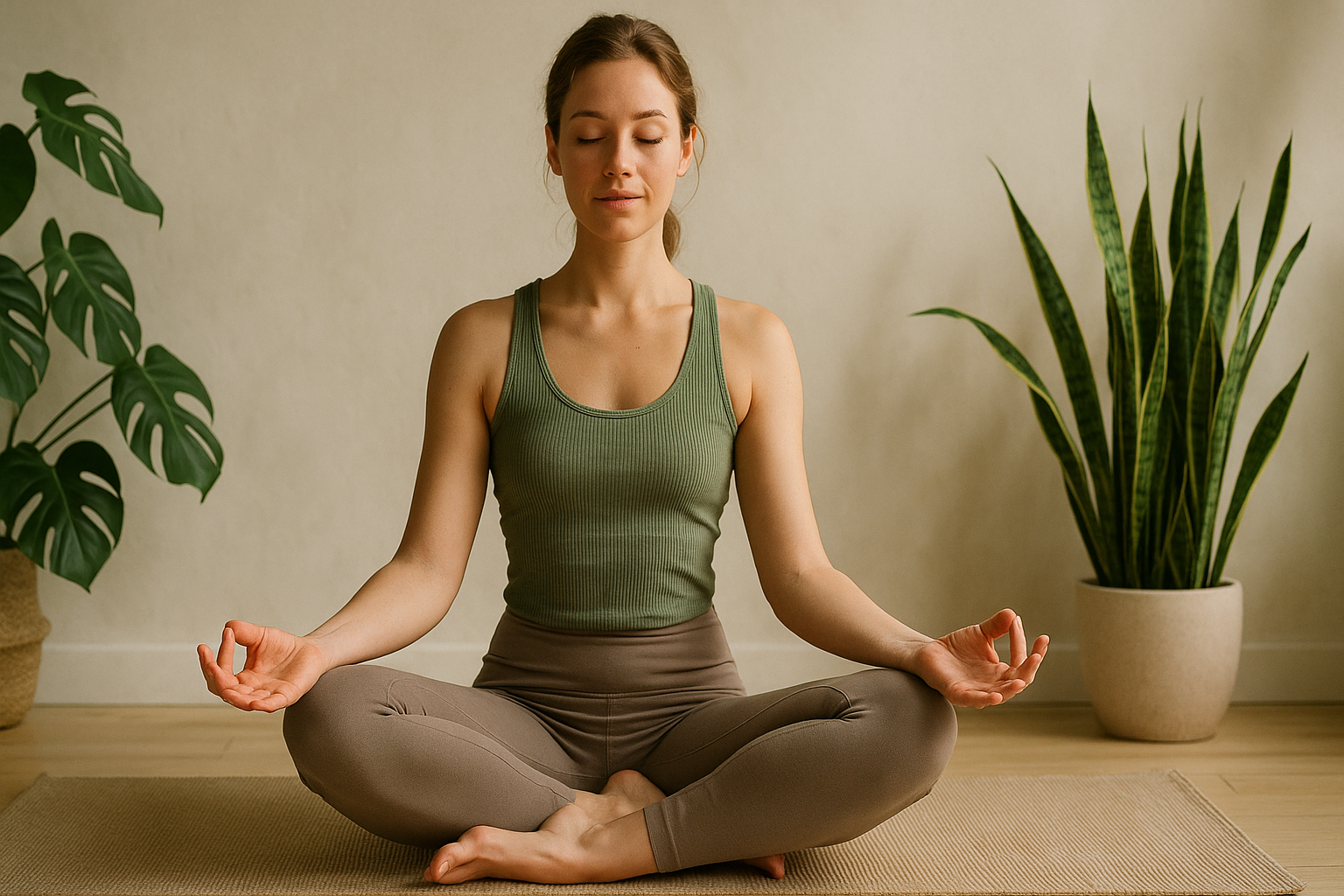
Daily mindfulness is a mental practice that involves focusing one's awareness on the present moment while calmly acknowledging and accepting one's feelings, thoughts, and bodily sensations. This practice is rooted in ancient meditation traditions and has gained significant popularity in modern times as a means to enhance mental clarity, reduce stress, and promote emotional well-being.
Key Active Compounds & Mechanisms
While daily mindfulness itself does not contain active compounds like herbal remedies, it engages various psychological mechanisms. These include:
- Neuroplasticity: The brain's ability to reorganize itself, forming new neural connections, which can enhance emotional regulation.
- Stress Reduction Hormones: Mindfulness practices can lower cortisol levels, which is a stress hormone.
- Increased Awareness: Regular practice can lead to heightened awareness of thoughts and feelings, contributing to better decision-making.
Traditional Uses
Mindfulness has roots in ancient Eastern philosophies, particularly within Buddhism, where it is practiced as part of meditation. It has been used historically in various cultures to foster mental clarity, peace, and an understanding of the self. Techniques such as mindful breathing and meditation have been integral in promoting spiritual and mental well-being for centuries.
What Modern Research Suggests
Recent studies indicate that daily mindfulness practices can lead to significant improvements in mental health. Research suggests:
- Reduction in symptoms of anxiety and depression.
- Improved focus and cognitive flexibility.
- Enhanced emotional resilience and well-being.
While evidence is promising, further research is necessary to fully understand the extent of its benefits.
Functional Actions
The practice of daily mindfulness is believed to:
- Enhance emotional regulation
- Improve attention and concentration
- Facilitate relaxation and stress management
- Promote a sense of calm and well-being
Body Systems Supported
Daily mindfulness positively impacts several body systems, including:
- Nervous System: Reduces stress response and promotes relaxation.
- Endocrine System: Helps regulate hormone levels, particularly cortisol.
- Immune System: May enhance immune function through stress reduction.
Common Forms & Educational Dosing Ranges
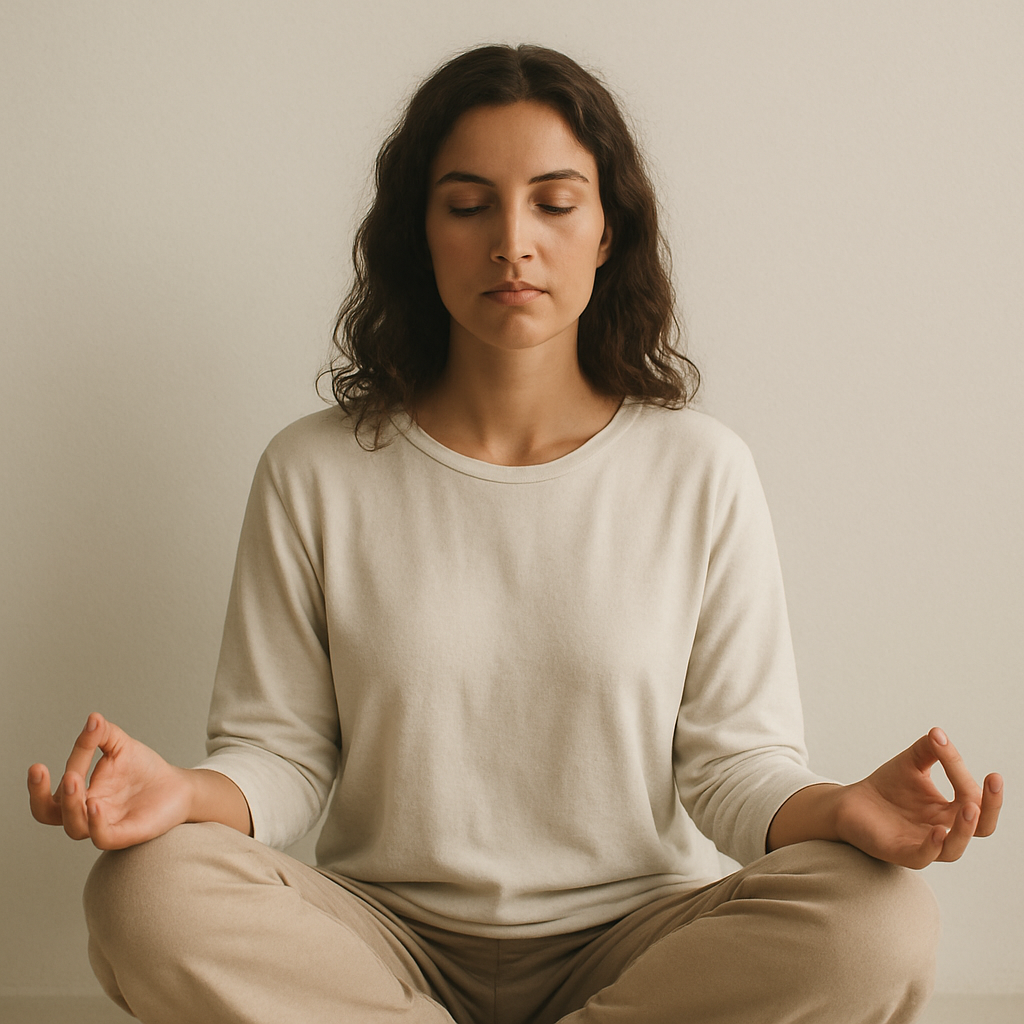
Daily mindfulness can be practiced in various forms, including:
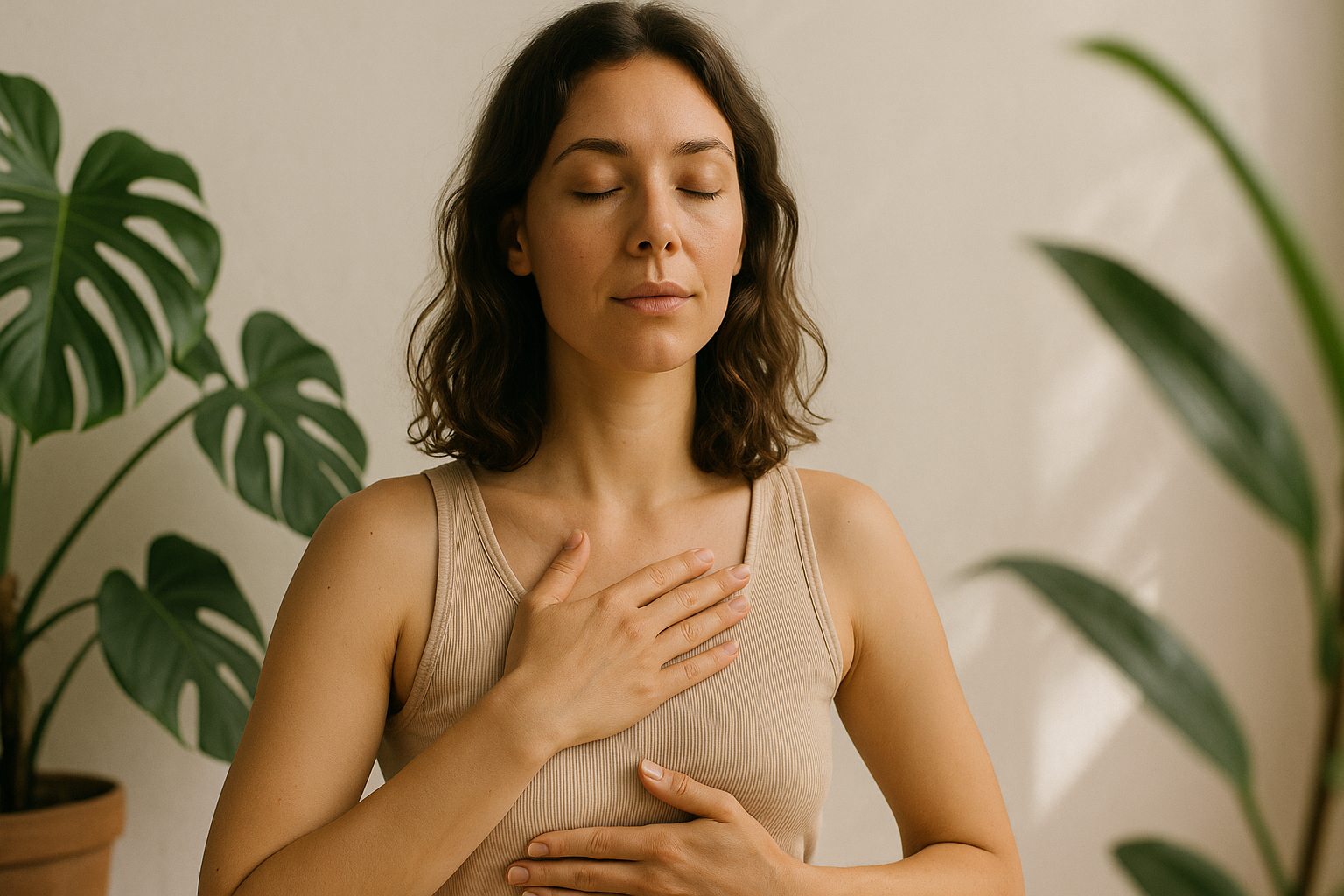
- Mindful Breathing: Spending a few minutes focusing on breath.
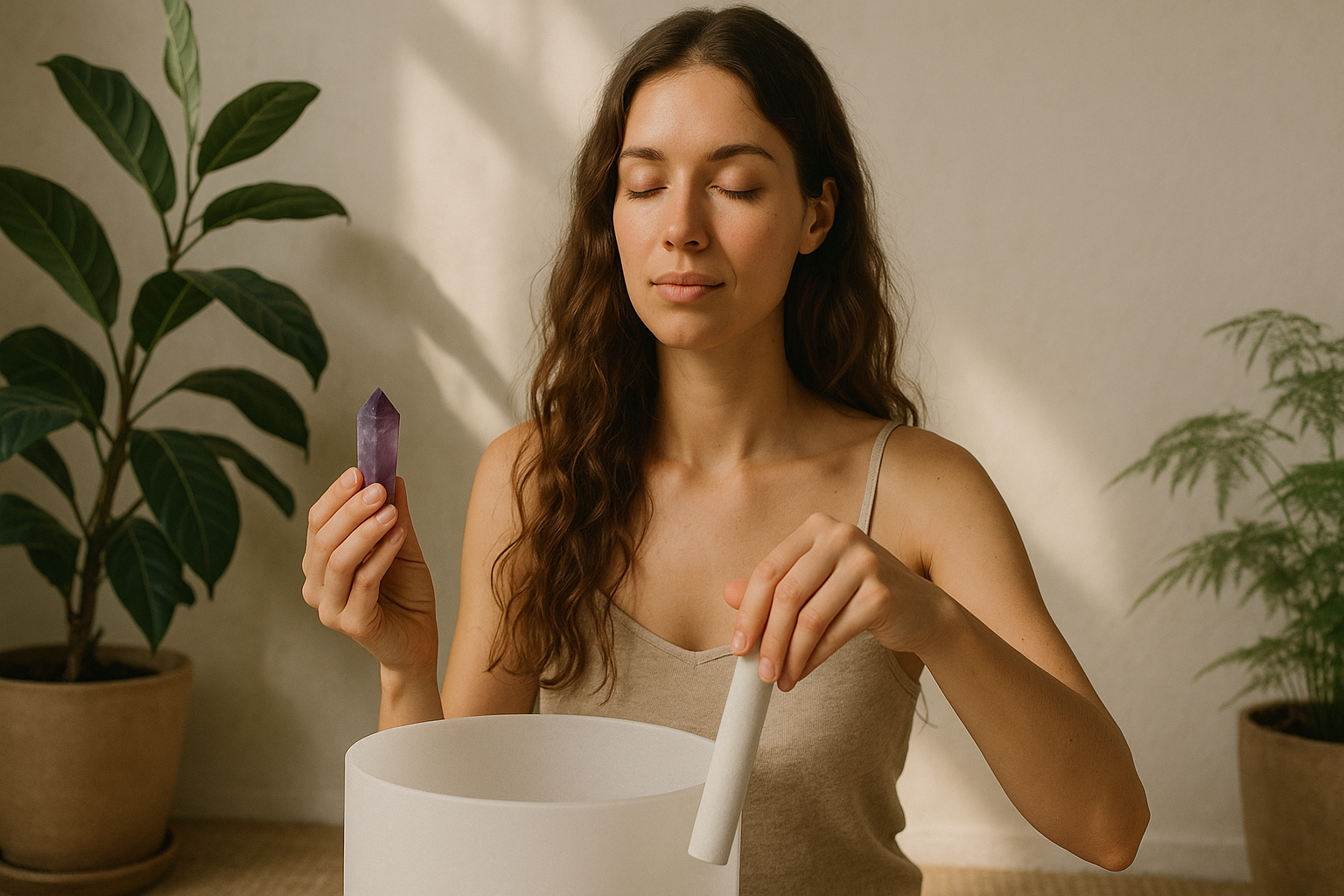
- Guided Meditations: Using apps or recordings to follow along.
- Mindful Walking: Paying attention to the sensations of walking.
It is generally recommended to start with short sessions of 5-10 minutes daily and gradually increase the duration as comfort with the practice grows.
Safety, Contraindications & Interactions
Mindfulness is generally considered safe for most individuals. However, those with certain mental health conditions, such as severe anxiety or PTSD, may experience discomfort during mindfulness practices. It is advisable for individuals with these conditions to consult with a healthcare provider before beginning a mindfulness practice.
Pairs Well With
Mindfulness can be effectively paired with:
- Yoga: Combining physical movement with mindfulness enhances the effects.
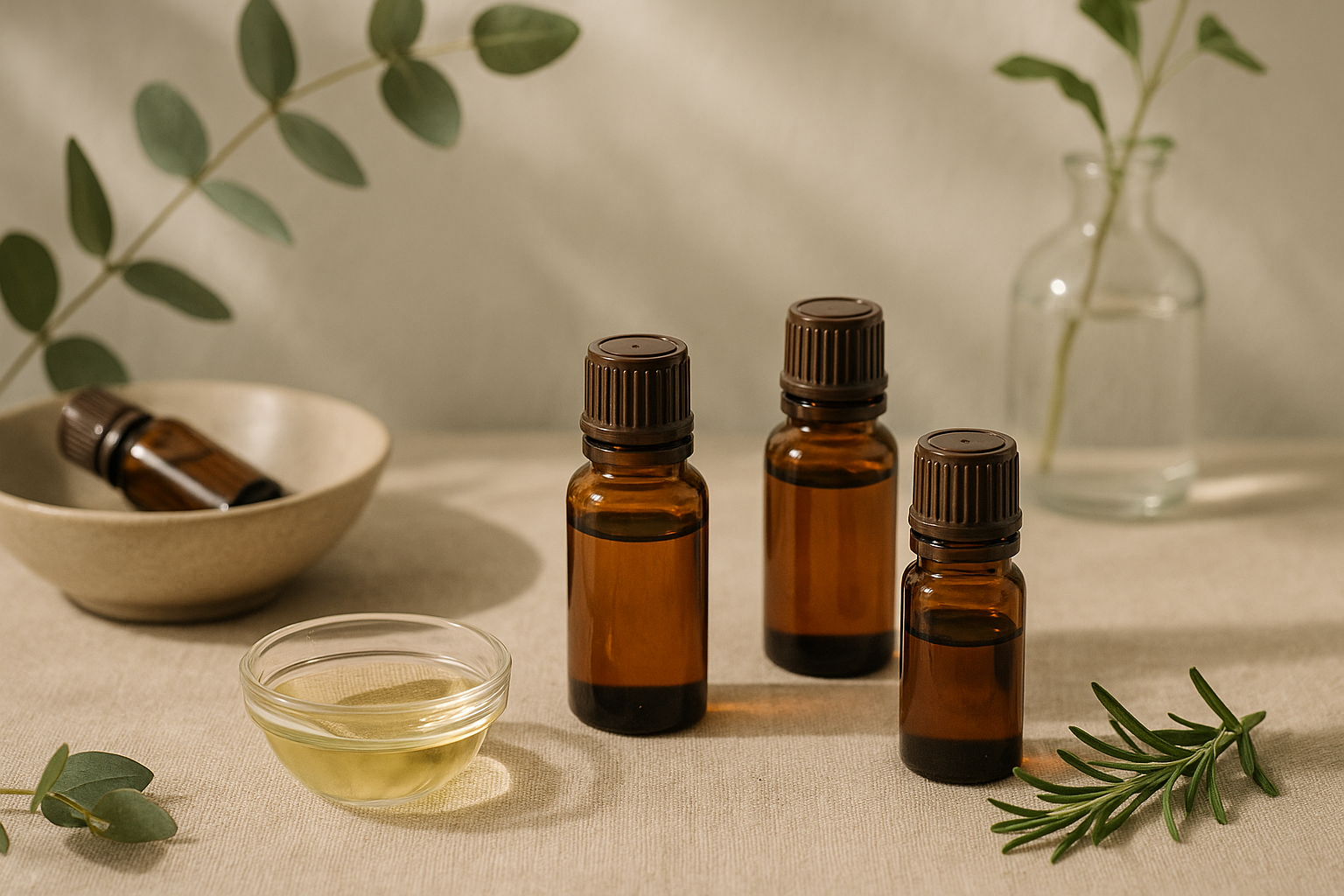
- Aromatherapy: Using calming essential oils can enhance the mindfulness experience.
- Herbal Teas: Drinking calming teas like chamomile can complement the practice.
FAQs (5)
What is the best time of day to practice mindfulness?
The best time varies for individuals, but many find morning or evening sessions beneficial for setting intentions or winding down.
How long should I practice mindfulness each day?
Starting with 5-10 minutes a day is recommended, gradually increasing as you become more comfortable.
Can mindfulness help with anxiety?
Yes, many studies suggest that mindfulness can reduce symptoms of anxiety by promoting relaxation and emotional regulation.
Do I need special equipment for mindfulness?
No special equipment is necessary; a quiet space and comfortable seating are sufficient.
Is mindfulness the same as meditation?
Mindfulness is a form of meditation focused on present-moment awareness, but it can also be practiced informally in daily activities.
Frequently asked
What is the best time of day to practice mindfulness?
The best time varies for individuals, but many find morning or evening sessions beneficial for setting intentions or winding down.
How long should I practice mindfulness each day?
Starting with 5-10 minutes a day is recommended, gradually increasing as you become more comfortable.
Can mindfulness help with anxiety?
Yes, many studies suggest that mindfulness can reduce symptoms of anxiety by promoting relaxation and emotional regulation.
Do I need special equipment for mindfulness?
No special equipment is necessary; a quiet space and comfortable seating are sufficient.
Is mindfulness the same as meditation?
Mindfulness is a form of meditation focused on present-moment awareness, but it can also be practiced informally in daily activities.