Relaxation Techniques
Discover effective relaxation techniques to enhance mindfulness and reduce stress, along with their historical uses and modern research insights.
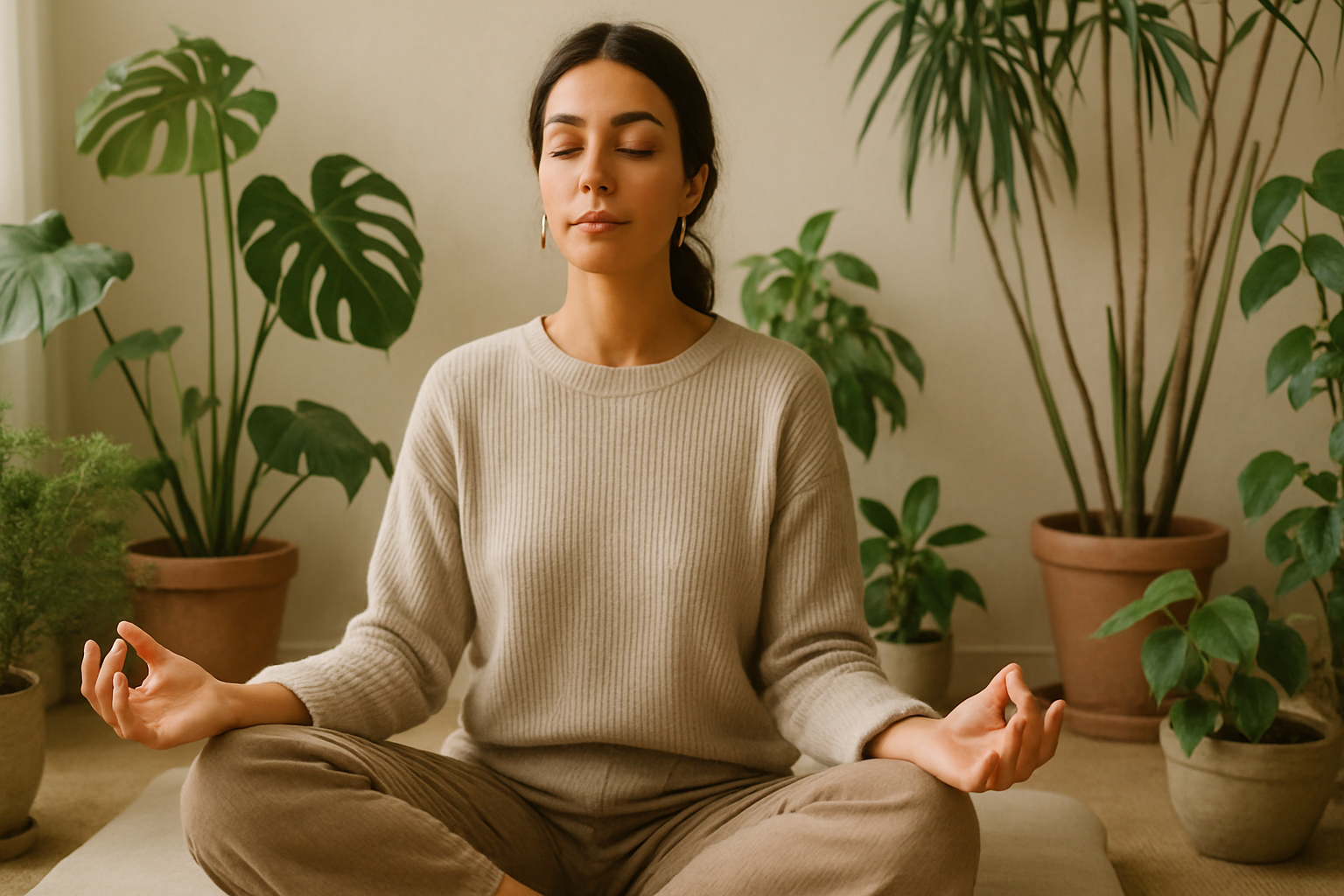
Explore various relaxation techniques that promote mental well-being and stress relief. Learn about their historical roots, modern research, and practical applications.
What It Is
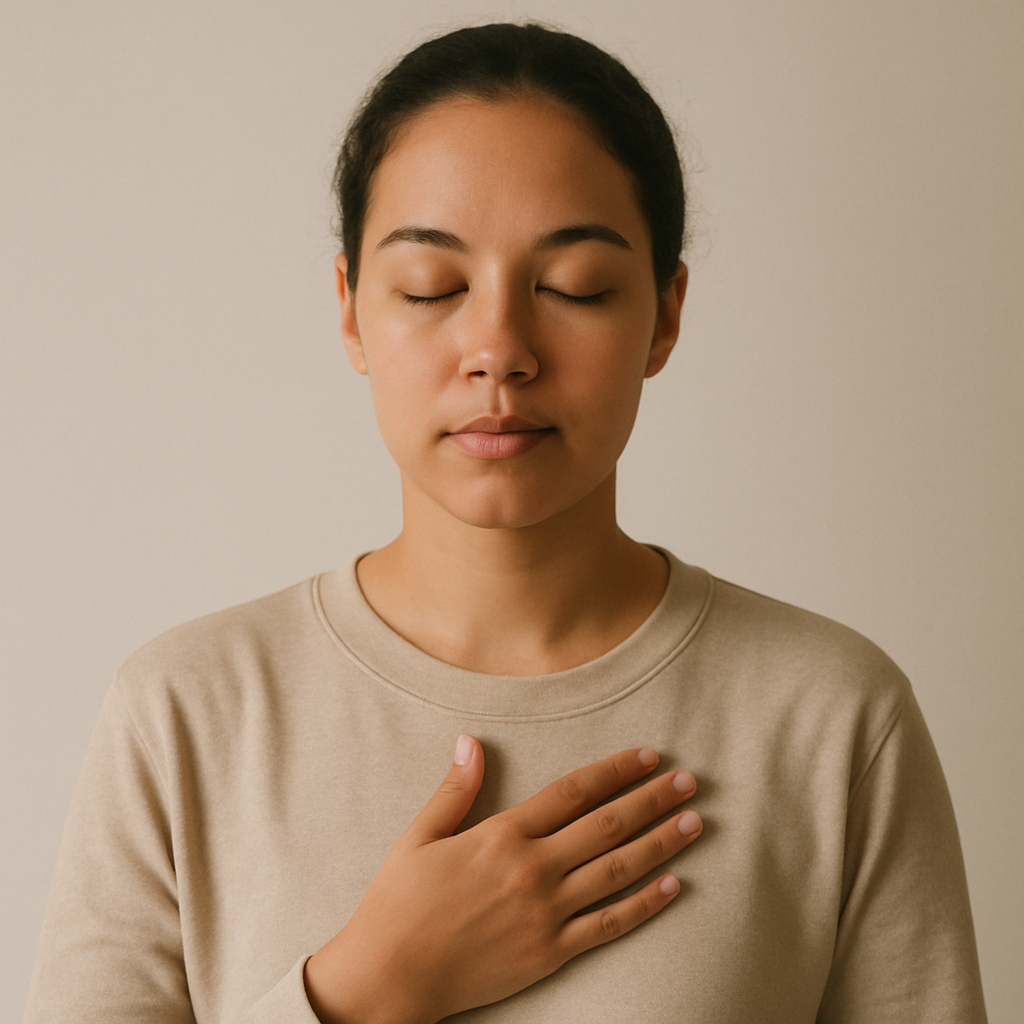
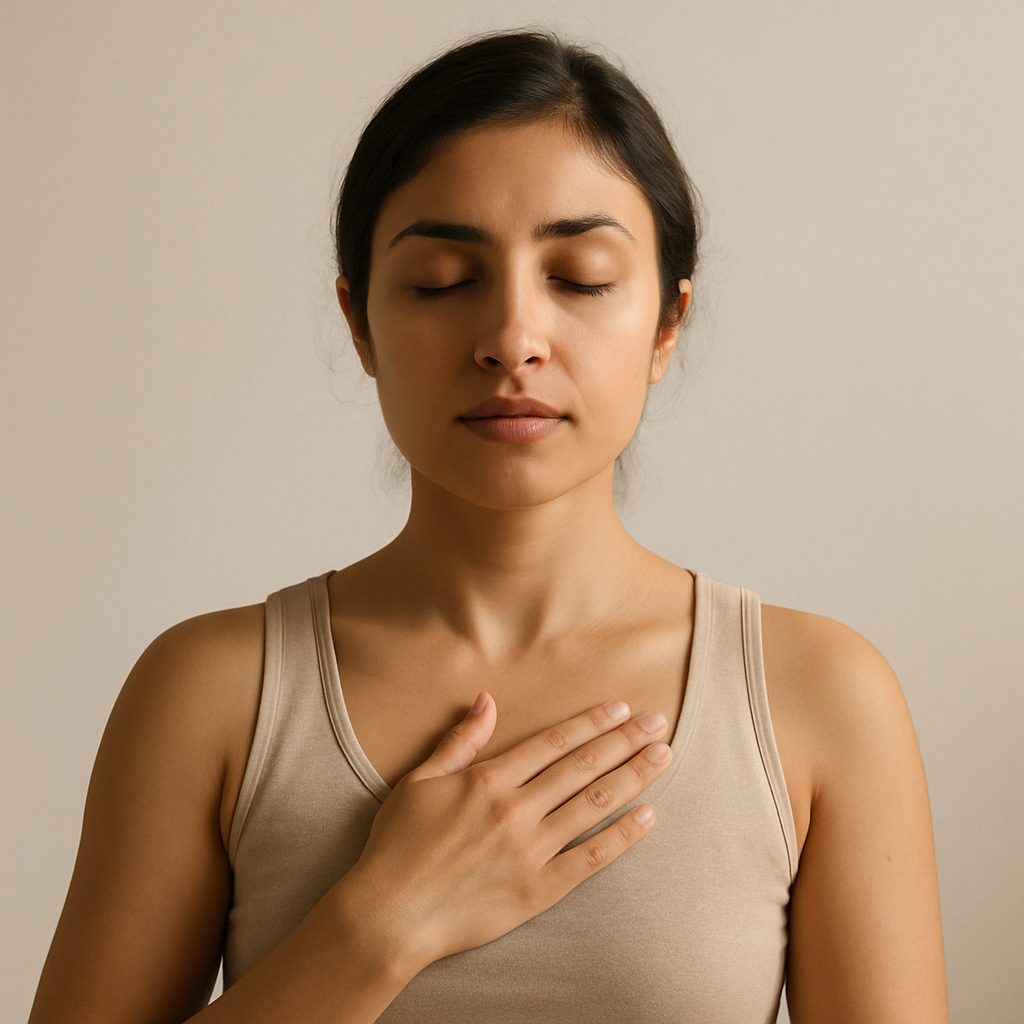
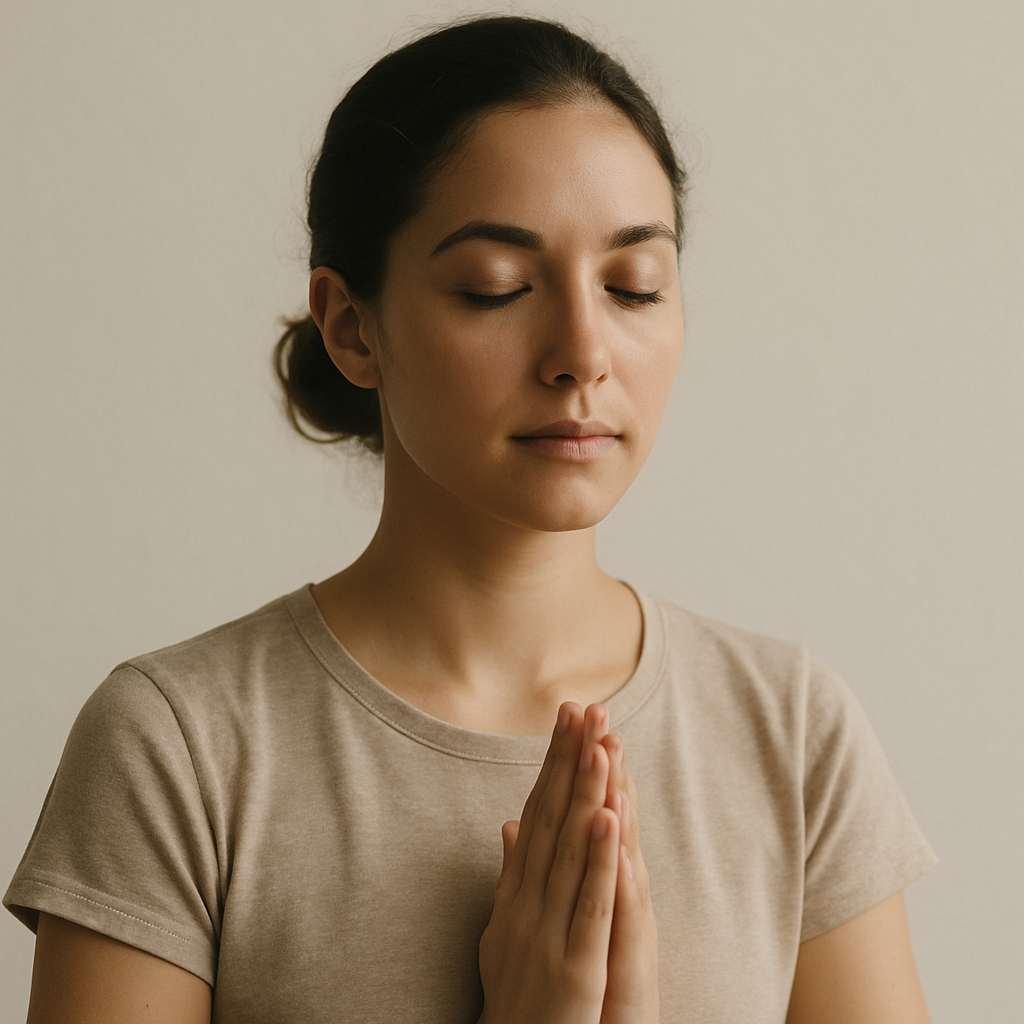
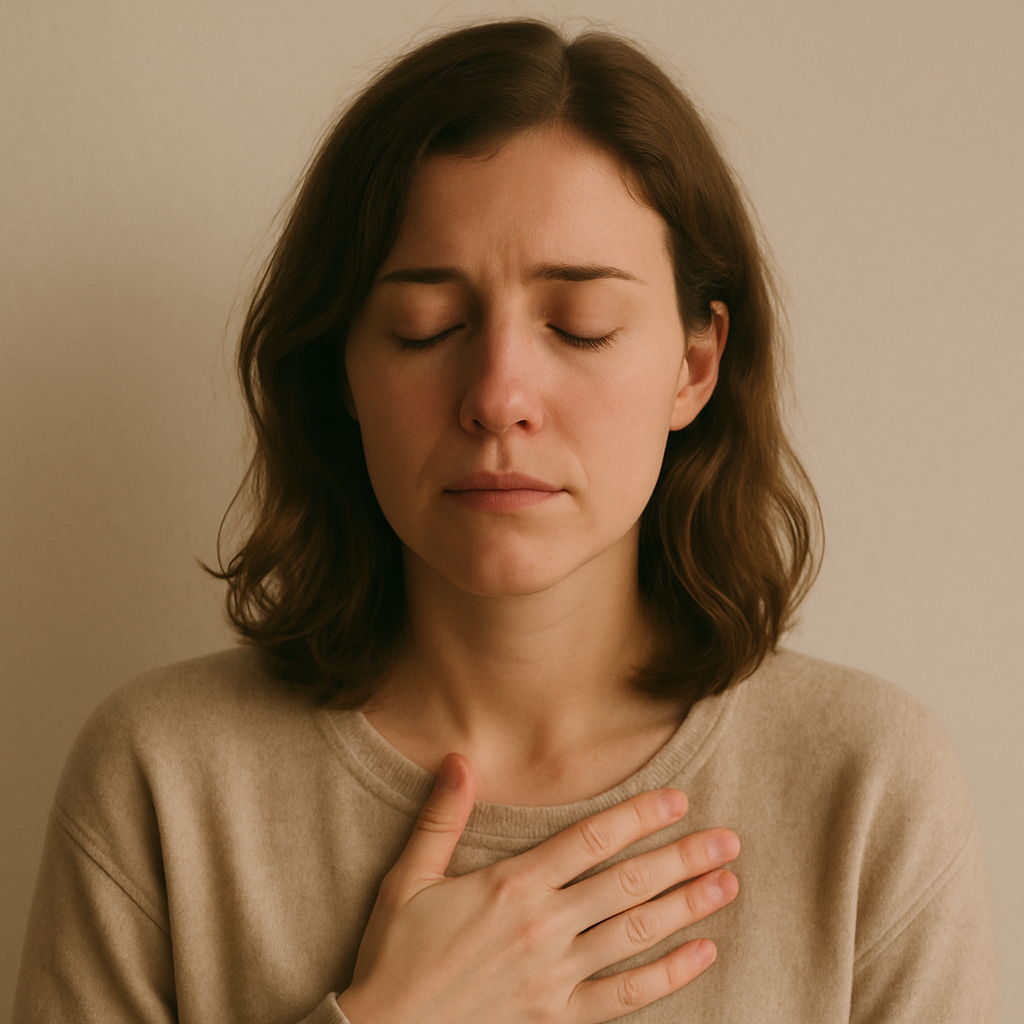
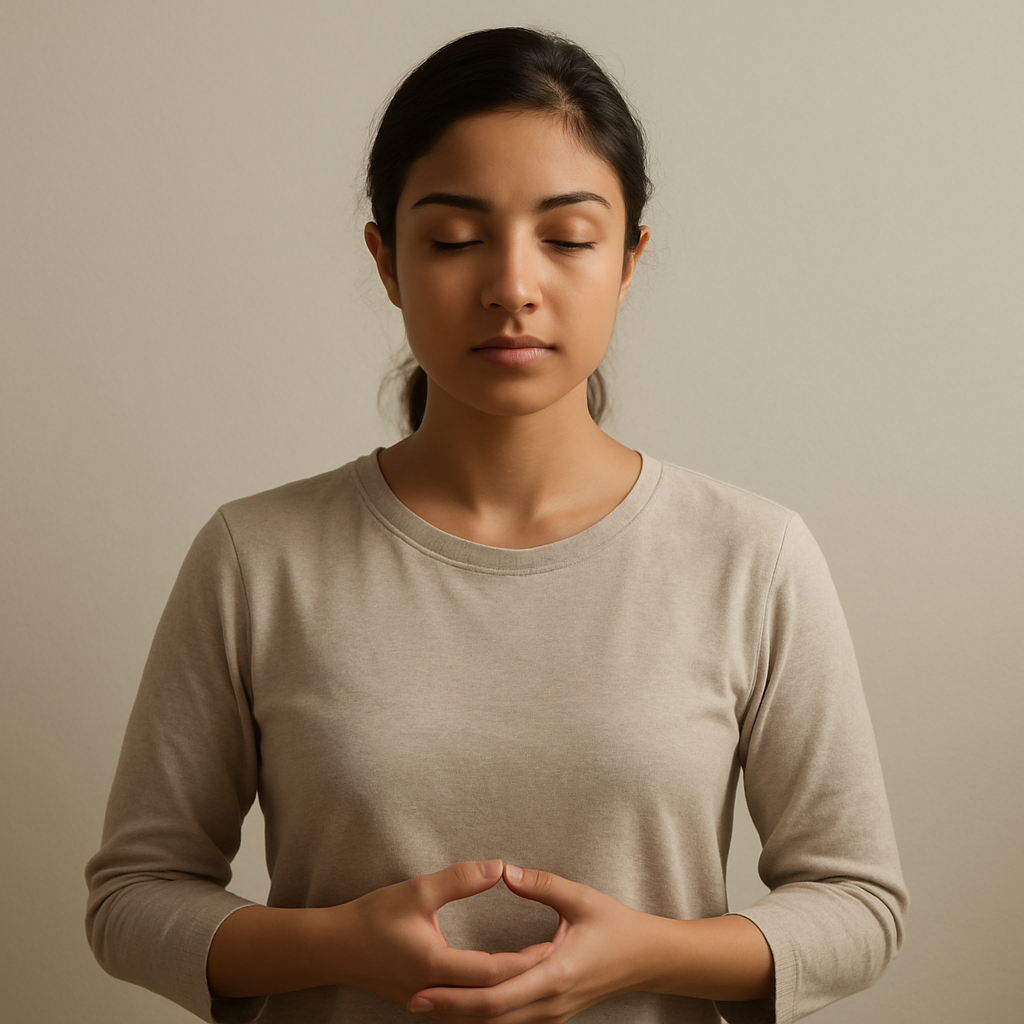
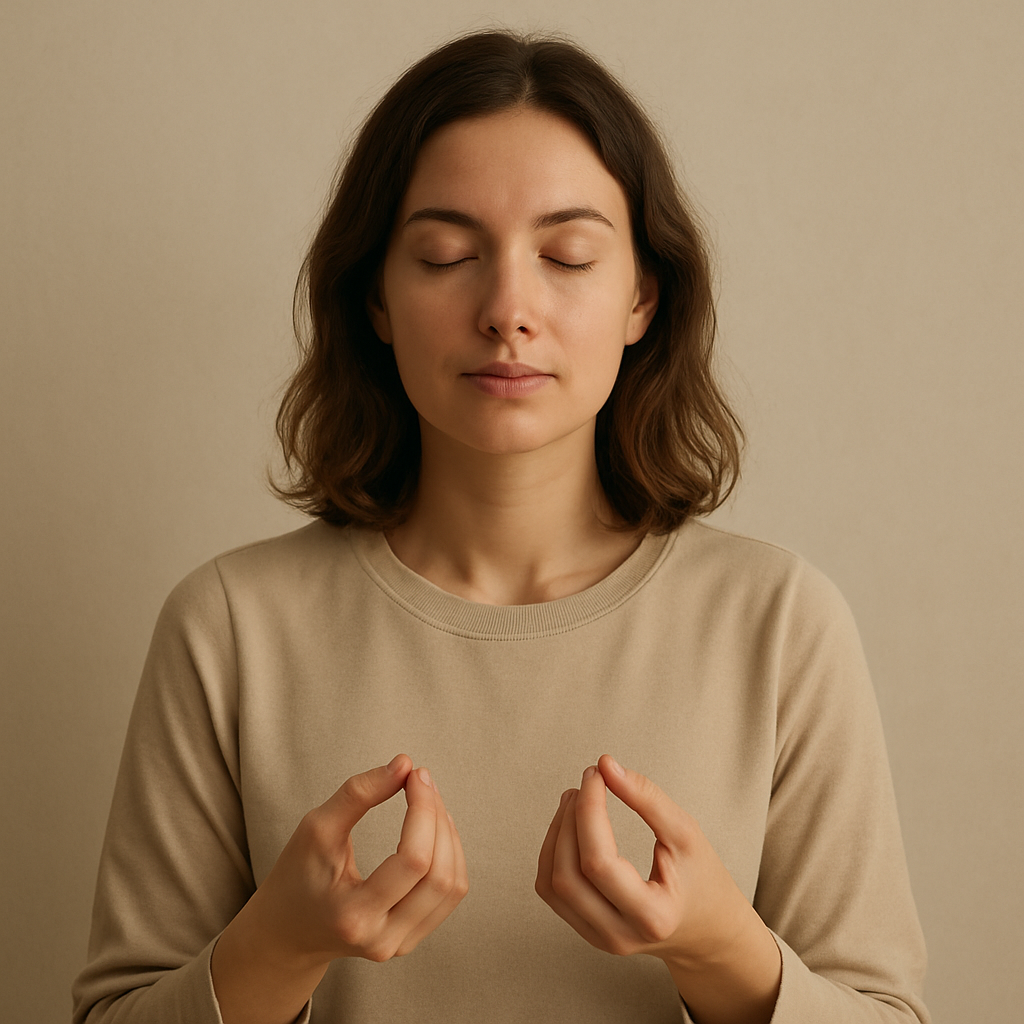
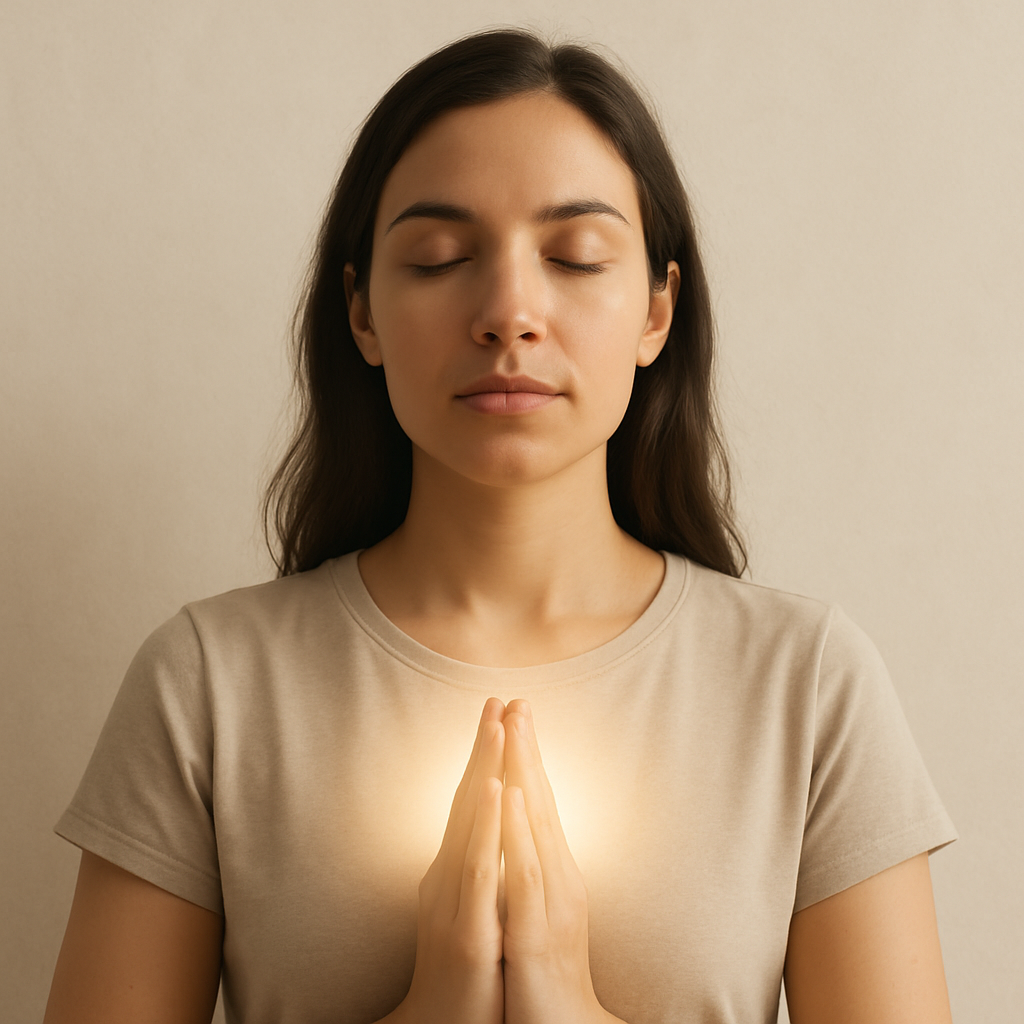
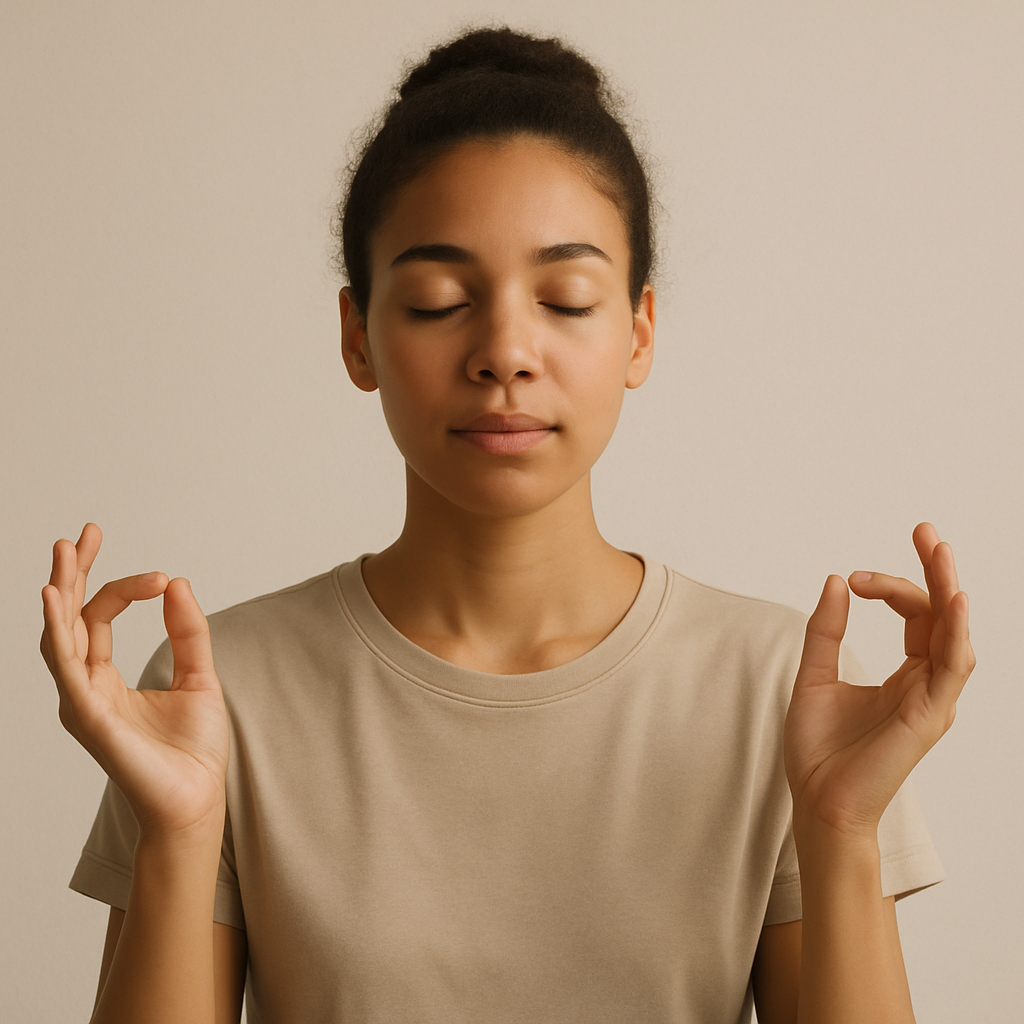
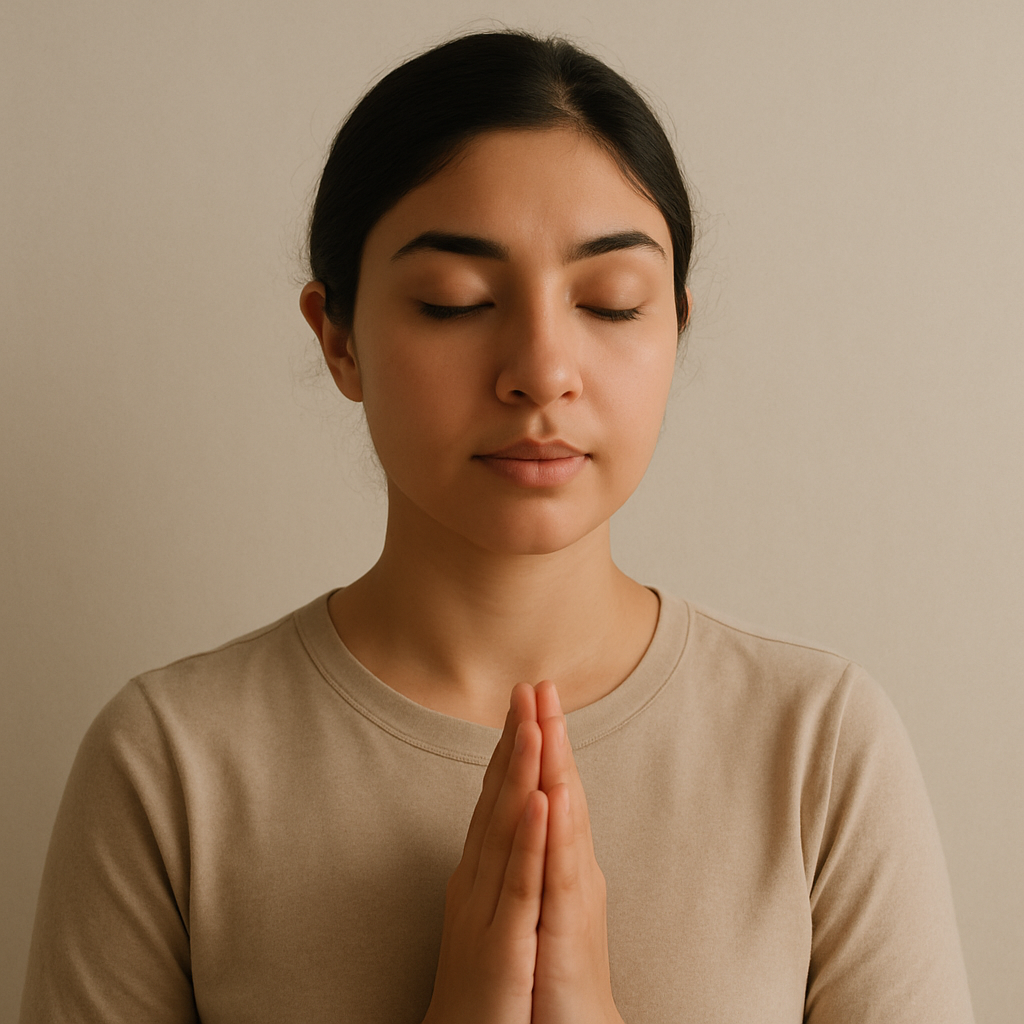
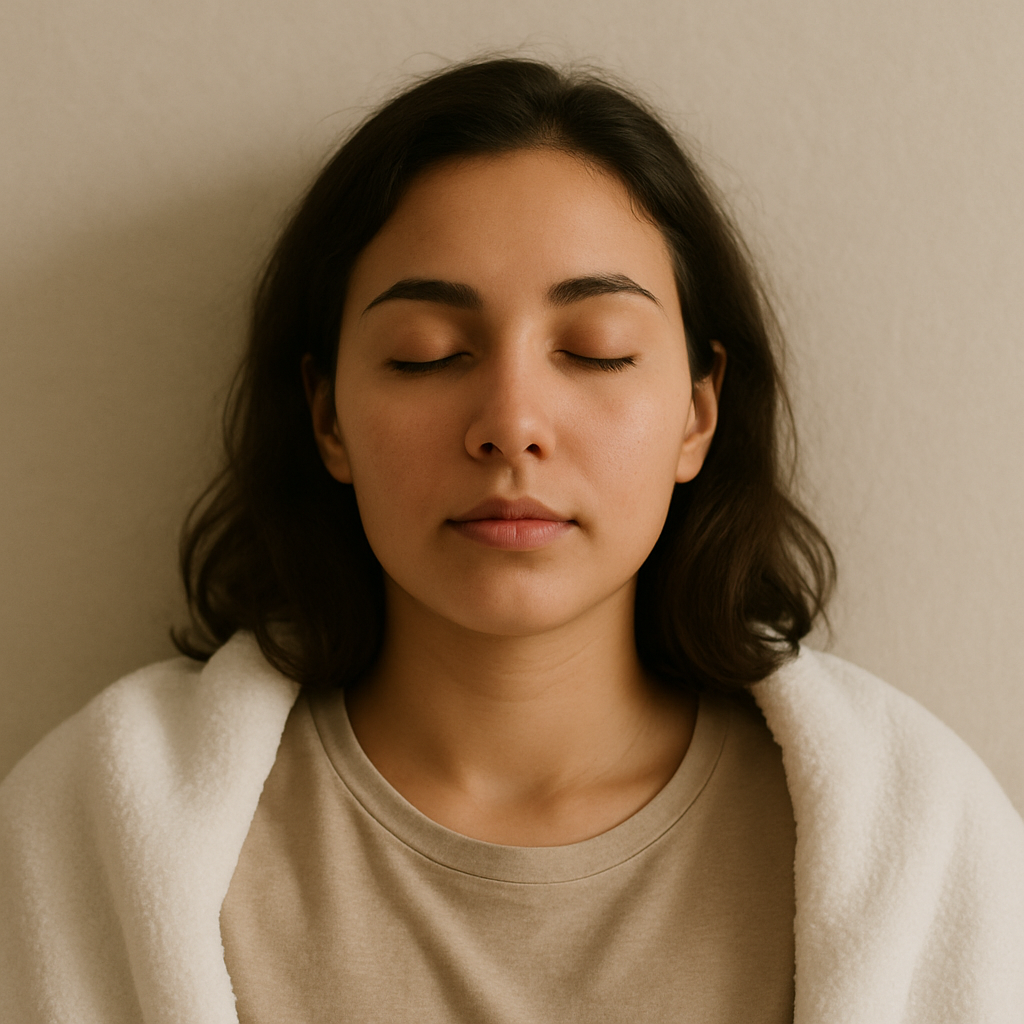
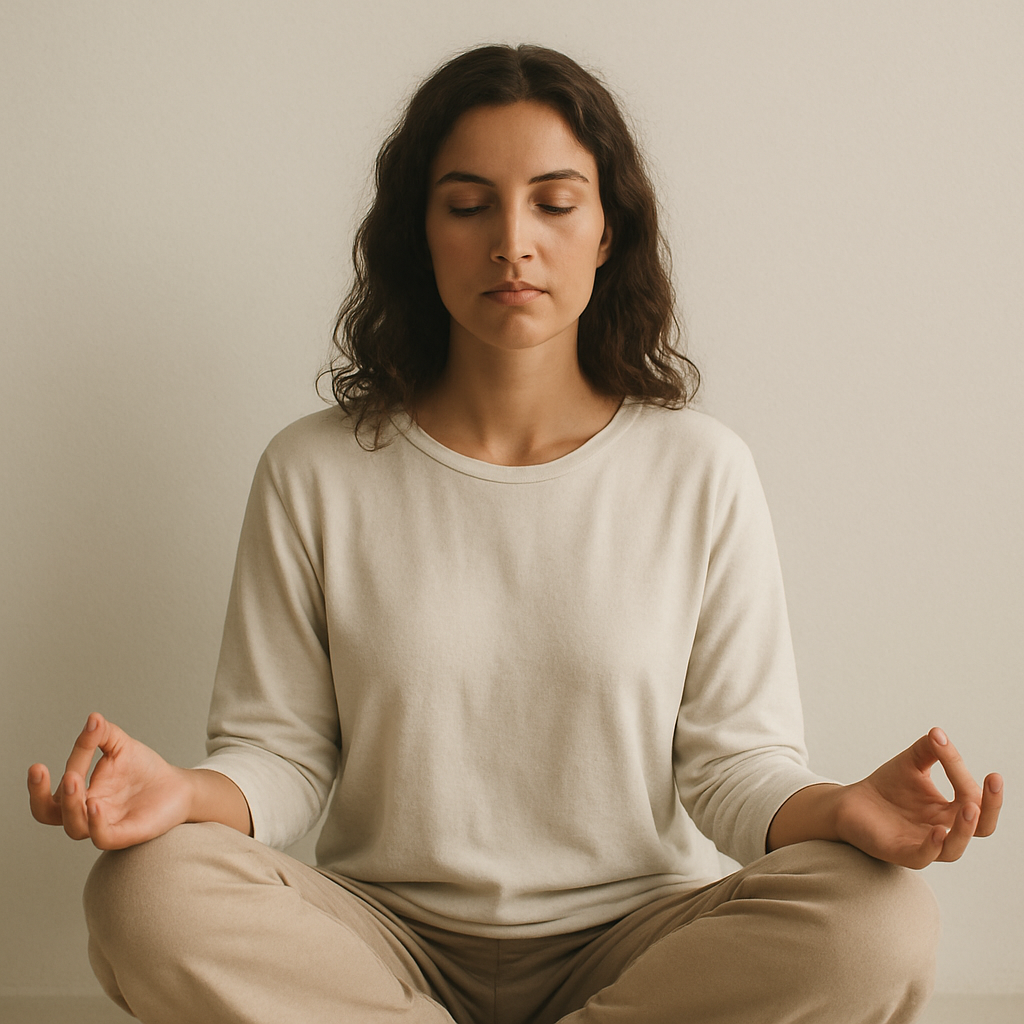
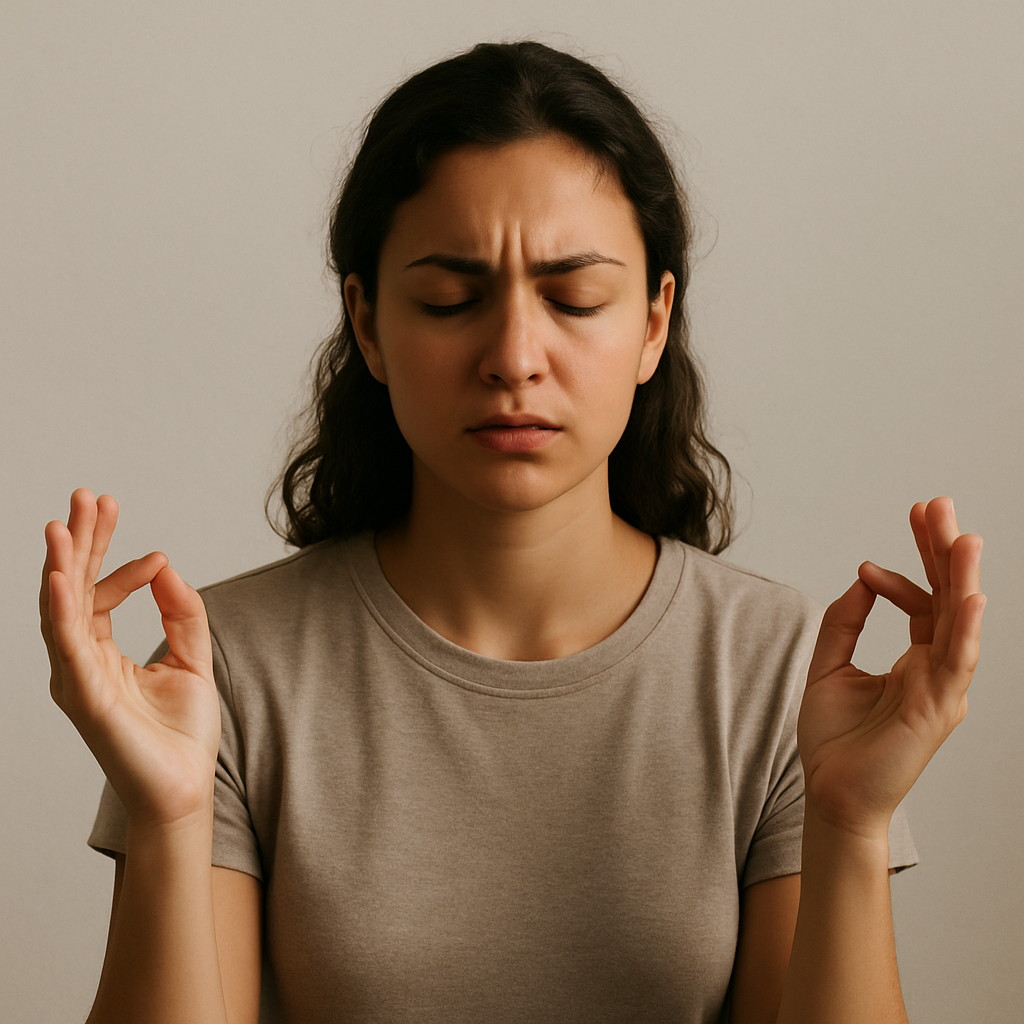
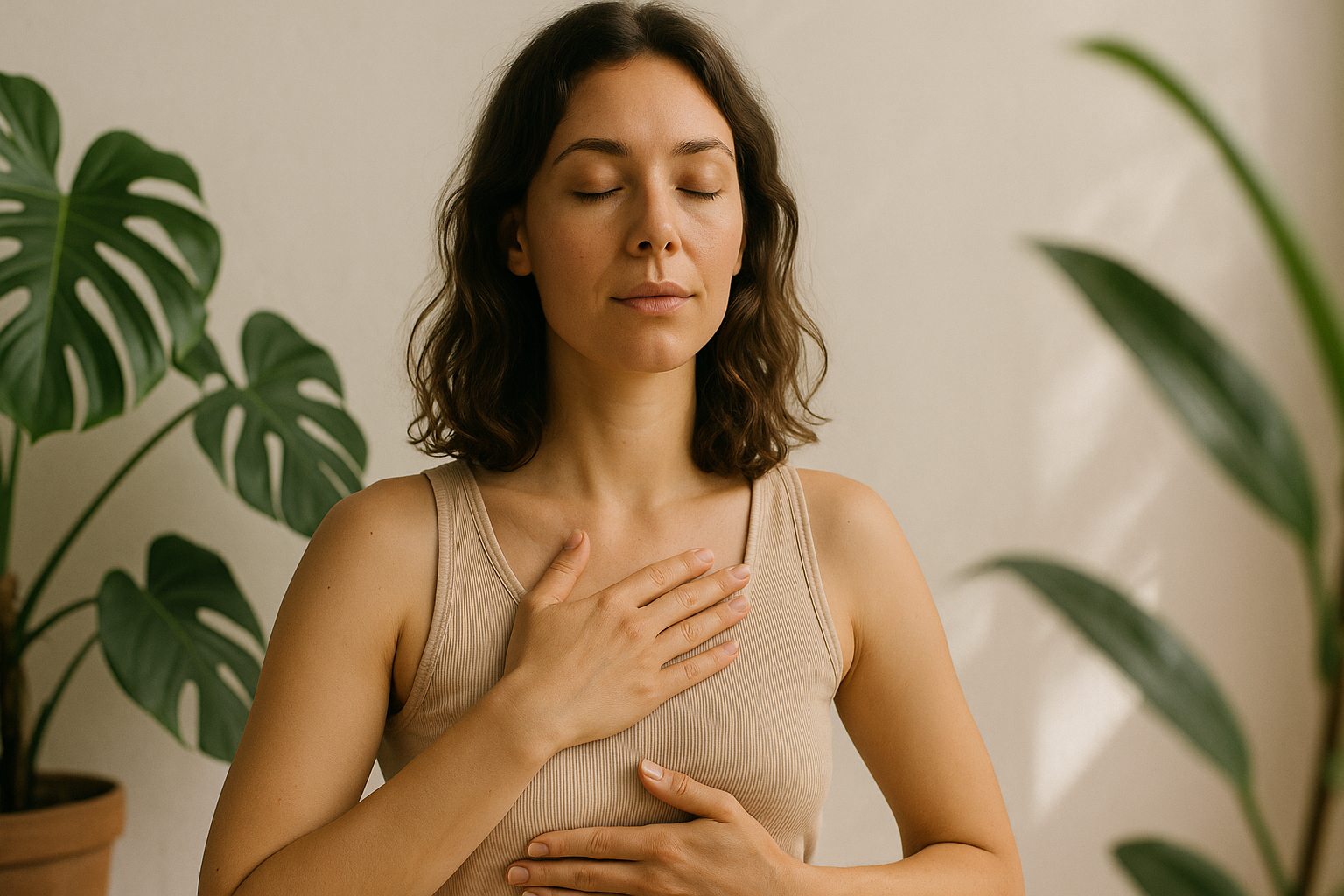
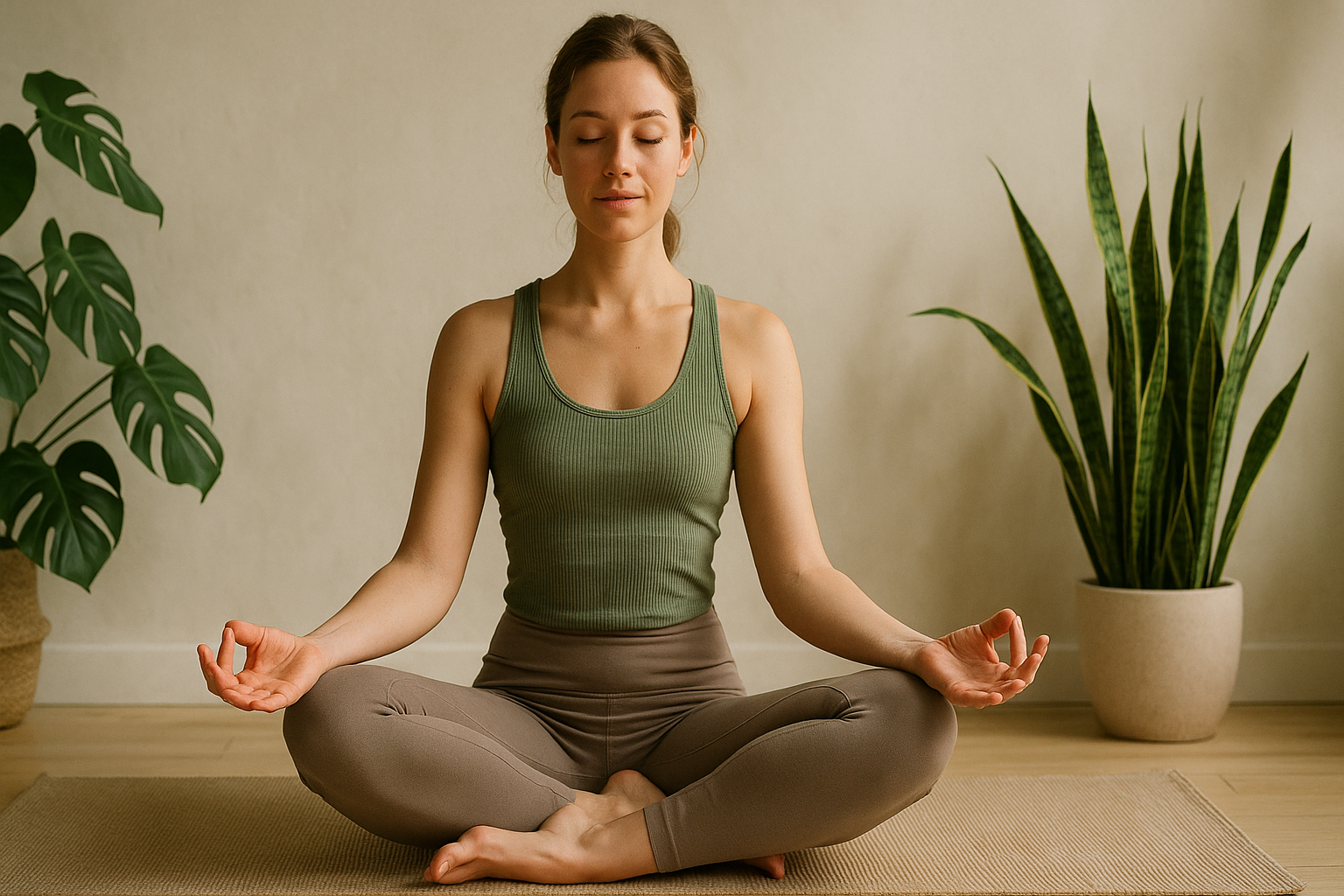
Relaxation techniques refer to a variety of practices aimed at reducing stress and promoting a state of calm. These methods can encompass mental, physical, and emotional strategies that help individuals manage stress more effectively. Common techniques include deep breathing, progressive muscle relaxation, guided imagery, and mindfulness meditation. Each of these techniques encourages the body to enter a state of rest, counteracting the effects of stress on the mind and body.
Key Active Compounds & Mechanisms
While relaxation techniques are primarily practices rather than compounds, certain methods do engage specific physiological mechanisms. For instance, deep breathing can activate the parasympathetic nervous system, which induces relaxation by lowering heart rate and blood pressure. Similarly, mindfulness meditation has been shown to influence brain activity, promoting areas associated with tranquility and emotional regulation.
Traditional Uses
Relaxation techniques have been utilized across cultures for centuries. In ancient India, meditation practices were developed to promote spiritual insight and mental clarity. Similarly, in Traditional Chinese Medicine, techniques like Tai Chi and Qi Gong were employed to harmonize the body and mind, enhancing overall well-being. Ancient Greeks also practiced forms of relaxation through philosophical contemplation and physical exercises, recognizing the importance of mental health.
What Modern Research Suggests
Modern research supports the effectiveness of various relaxation techniques in reducing stress and anxiety. Studies have shown that mindfulness meditation can significantly lower cortisol levels, a hormone associated with stress. Progressive muscle relaxation has been shown to help reduce anxiety levels in clinical populations. While more research is needed, the preliminary evidence suggests that regular practice of these techniques can lead to improved mental health outcomes.
Functional Actions
Relaxation techniques function through various mechanisms to support mental and physical health:
- Stress Reduction: Techniques such as deep breathing and meditation help lower stress levels.
- Enhanced Focus: Mindfulness practices improve concentration and cognitive function.
- Emotional Regulation: Regular practice can lead to better management of emotions and responses to stress.
Body Systems Supported
The practice of relaxation techniques can support multiple body systems, including:
- Nervous System: Promotes a state of calm, reducing anxiety and tension.
- Cardiovascular System: Lowers heart rate and blood pressure, contributing to heart health.
- Musculoskeletal System: Helps relieve muscle tension and promotes physical relaxation.
Common Forms & Educational Dosing Ranges
Relaxation techniques can be practiced in various forms, with some recommended durations for effectiveness:
- Deep Breathing: 5-10 minutes per session, several times a day.
- Progressive Muscle Relaxation: 10-20 minutes, ideally once a day.
- Mindfulness Meditation: 10-30 minutes daily, gradually increasing duration as comfort grows.
Safety, Contraindications & Interactions
Relaxation techniques are generally safe for most individuals. However, those with certain medical conditions, such as severe anxiety disorders or PTSD, should consult a healthcare professional before engaging in these practices. Some individuals may experience discomfort during deep relaxation, which can lead to increased anxiety. It is crucial to approach these techniques at a comfortable pace. Additionally, individuals taking medications for anxiety or depression should discuss their relaxation practice with their healthcare provider to ensure complementary benefits.
Pairs Well With
Relaxation techniques can be effectively combined with various complementary practices:
- Yoga: Integrating physical movement with mindfulness enhances relaxation.
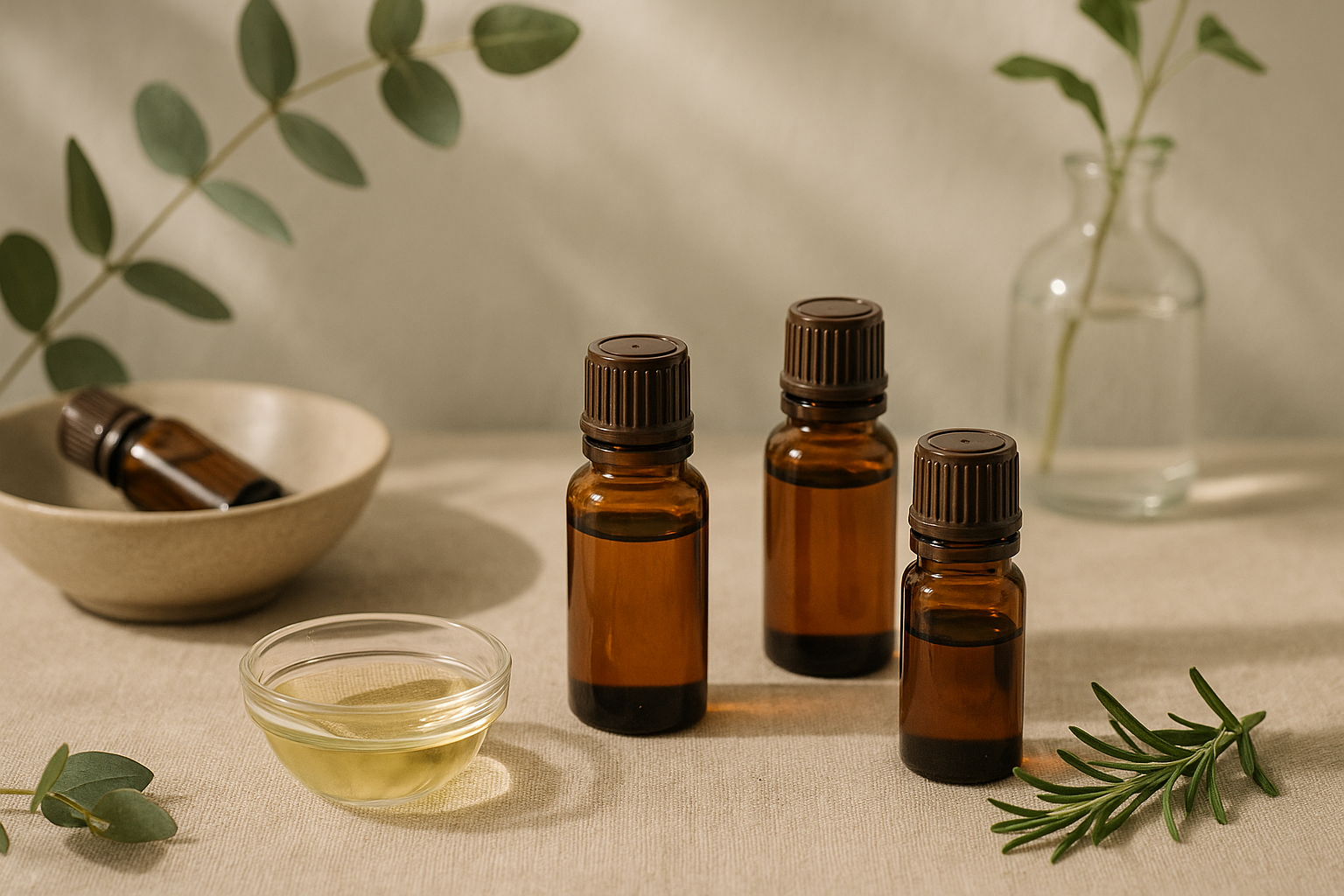
- Aromatherapy: The use of essential oils can further promote a calming environment.
- Nature Walks: Being outdoors while practicing mindfulness can amplify relaxation effects.
FAQs (5)
- What are some easy relaxation techniques I can try at home?
Simple techniques include deep breathing exercises, guided imagery, or short mindfulness meditations.
- How long should I practice relaxation techniques?
Start with 5-10 minutes daily and gradually increase as you become more comfortable with the practice.
- Can relaxation techniques help with sleep?
Yes, practices like progressive muscle relaxation and mindfulness meditation can promote better sleep by calming the mind and body.
- Are there any side effects to relaxation techniques?
While generally safe, some individuals may feel anxious or uncomfortable during certain practices. It's essential to proceed at your own pace.
- How can I stay motivated to practice relaxation techniques regularly?
Setting a specific time each day, creating a calming environment, and tracking your progress can help maintain motivation.
Frequently asked
What are some easy relaxation techniques I can try at home?
Simple techniques include deep breathing exercises, guided imagery, or short mindfulness meditations.
How long should I practice relaxation techniques?
Start with 5-10 minutes daily and gradually increase as you become more comfortable with the practice.
Can relaxation techniques help with sleep?
Yes, practices like progressive muscle relaxation and mindfulness meditation can promote better sleep by calming the mind and body.
Are there any side effects to relaxation techniques?
While generally safe, some individuals may feel anxious or uncomfortable during certain practices. It's essential to proceed at your own pace.
How can I stay motivated to practice relaxation techniques regularly?
Setting a specific time each day, creating a calming environment, and tracking your progress can help maintain motivation.