Inner Balance
Inner Balance promotes emotional and mental well-being through various meditation and mindfulness practices. Learn about its benefits, traditional uses, and modern research findings.
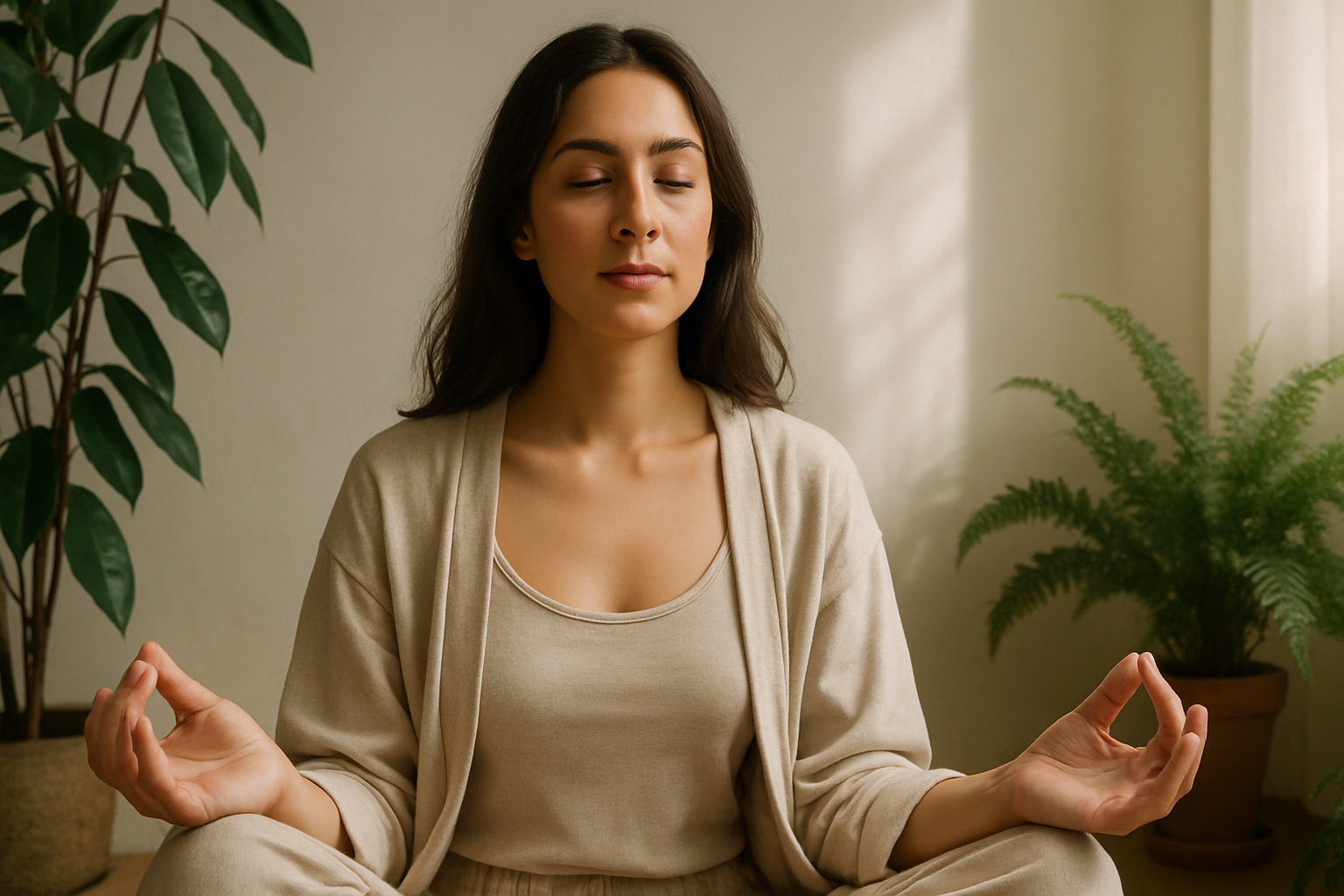
Explore the concept of Inner Balance within the realm of Meditation & Mindfulness. Discover its definitions, traditional uses, modern research, and practical applications to enhance emotional and mental well-being.
What It Is
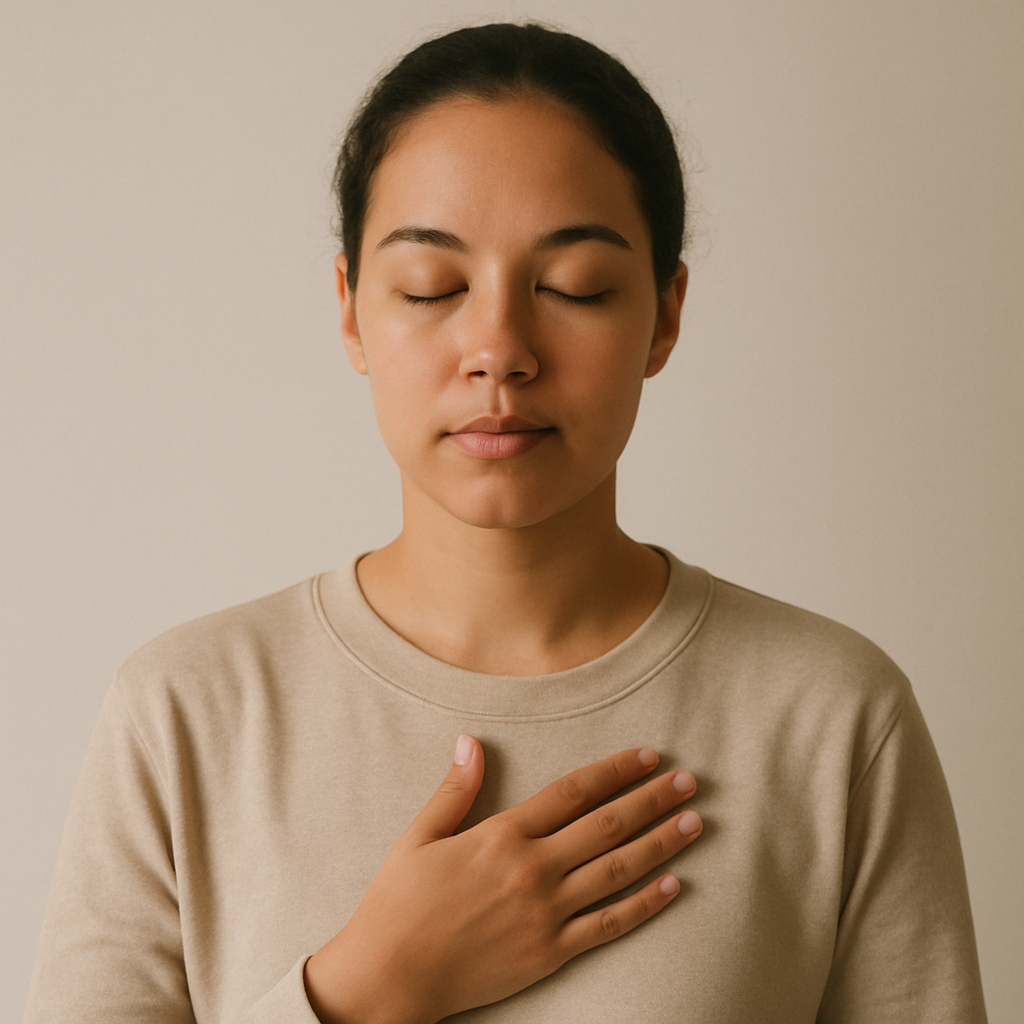
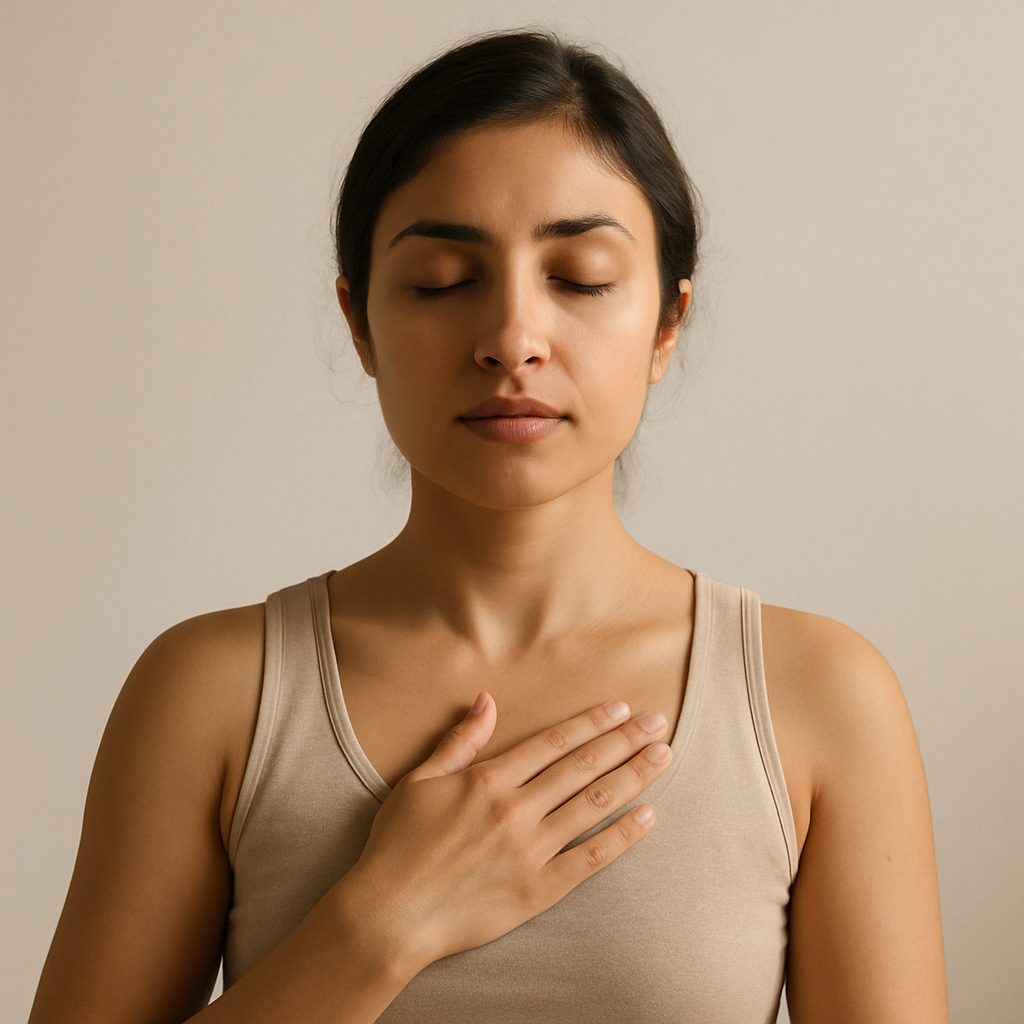
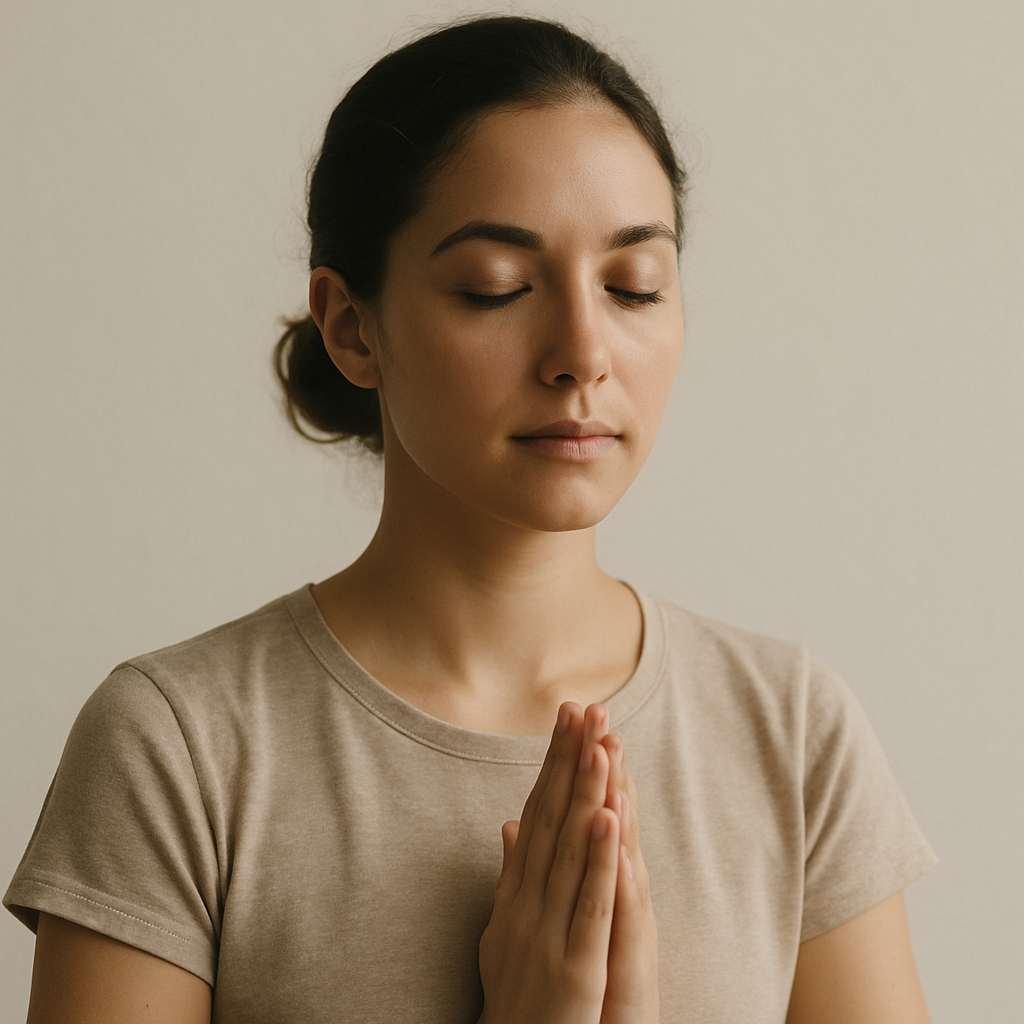
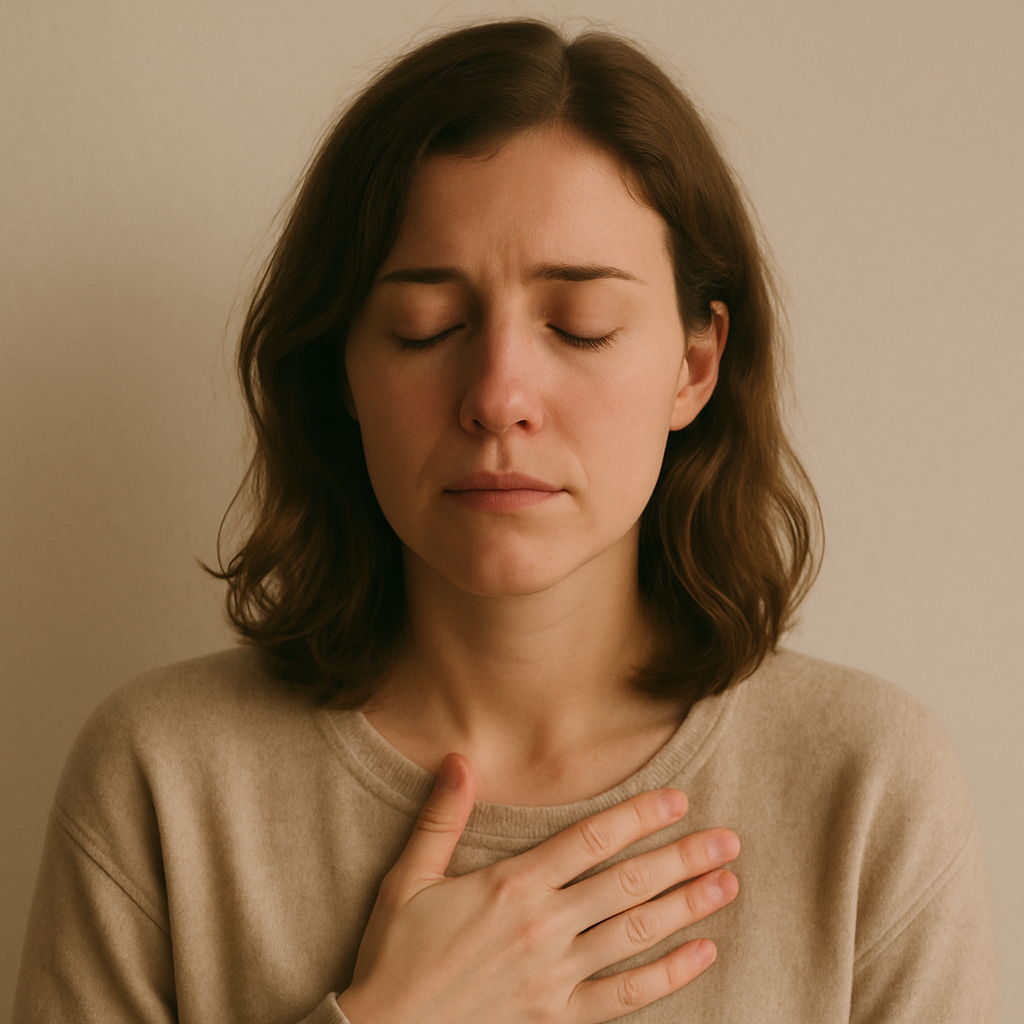
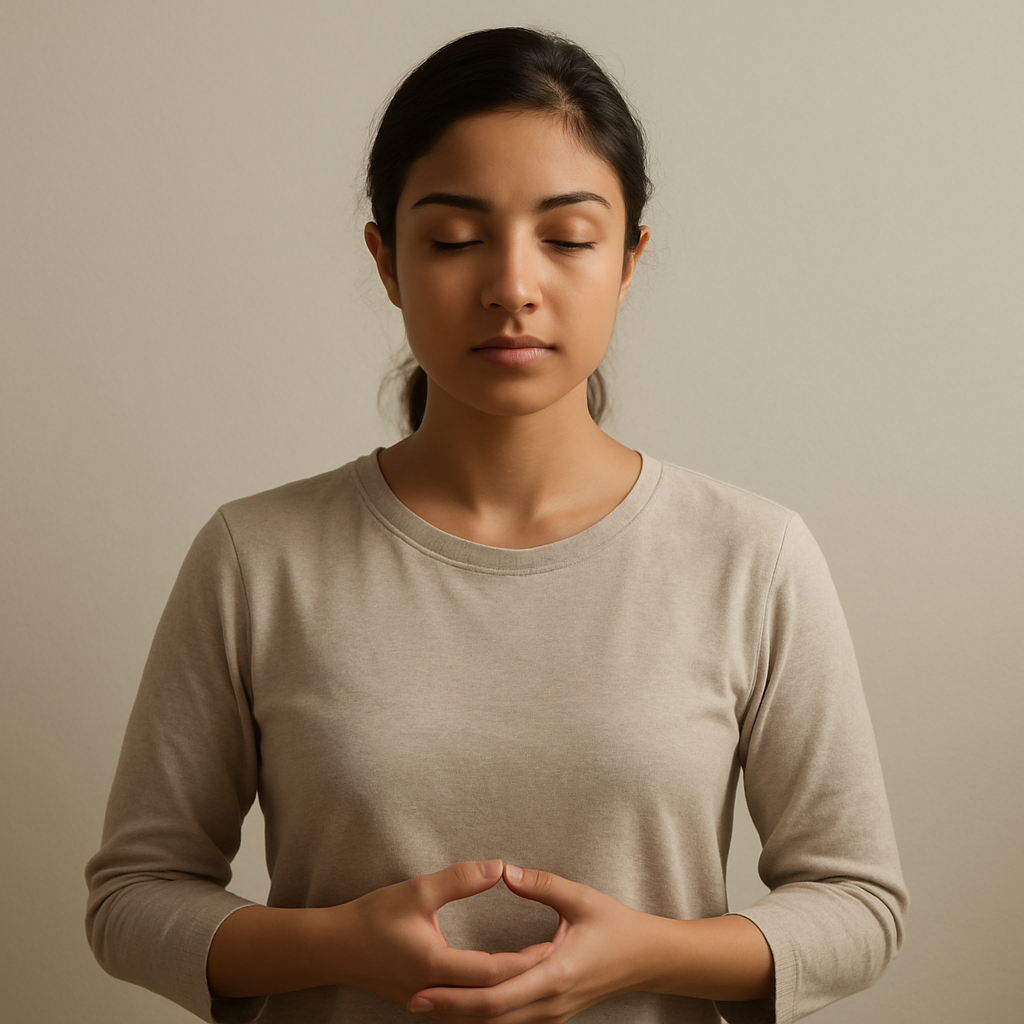
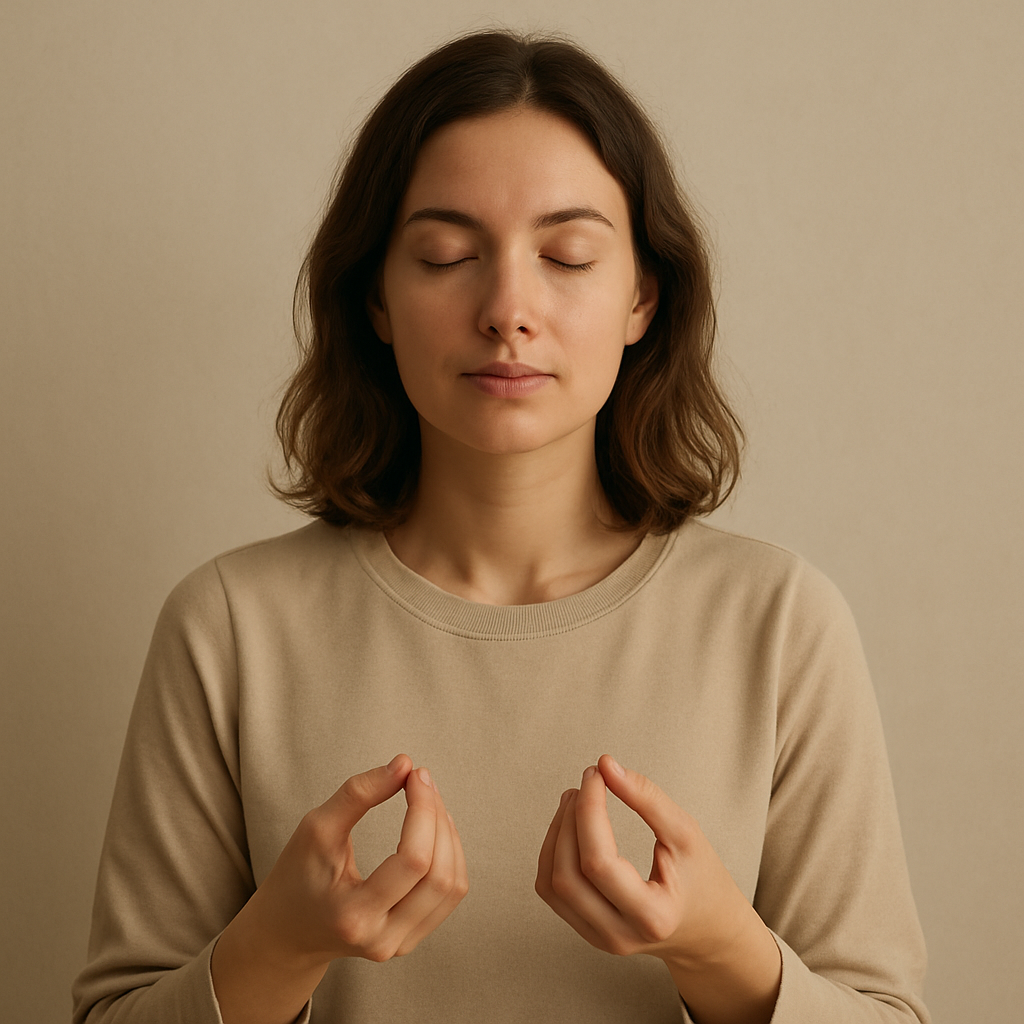
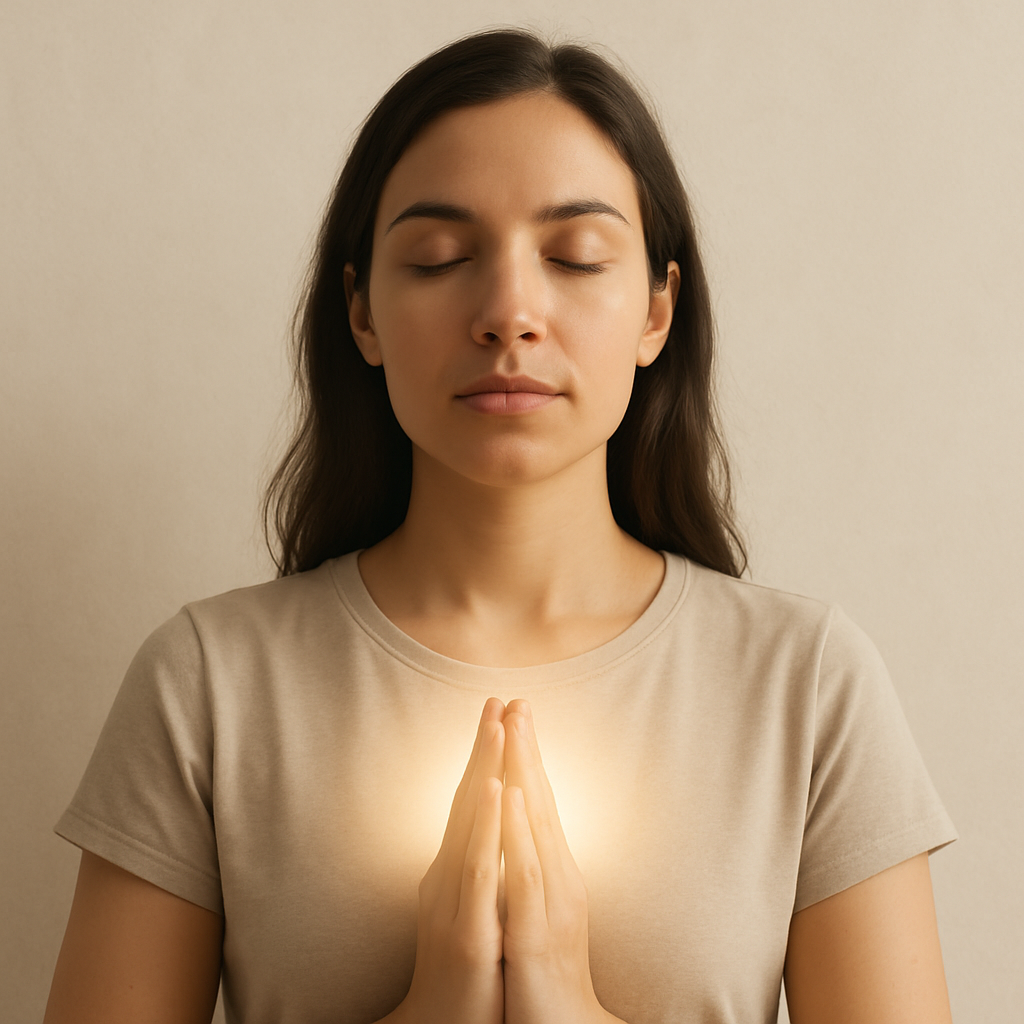
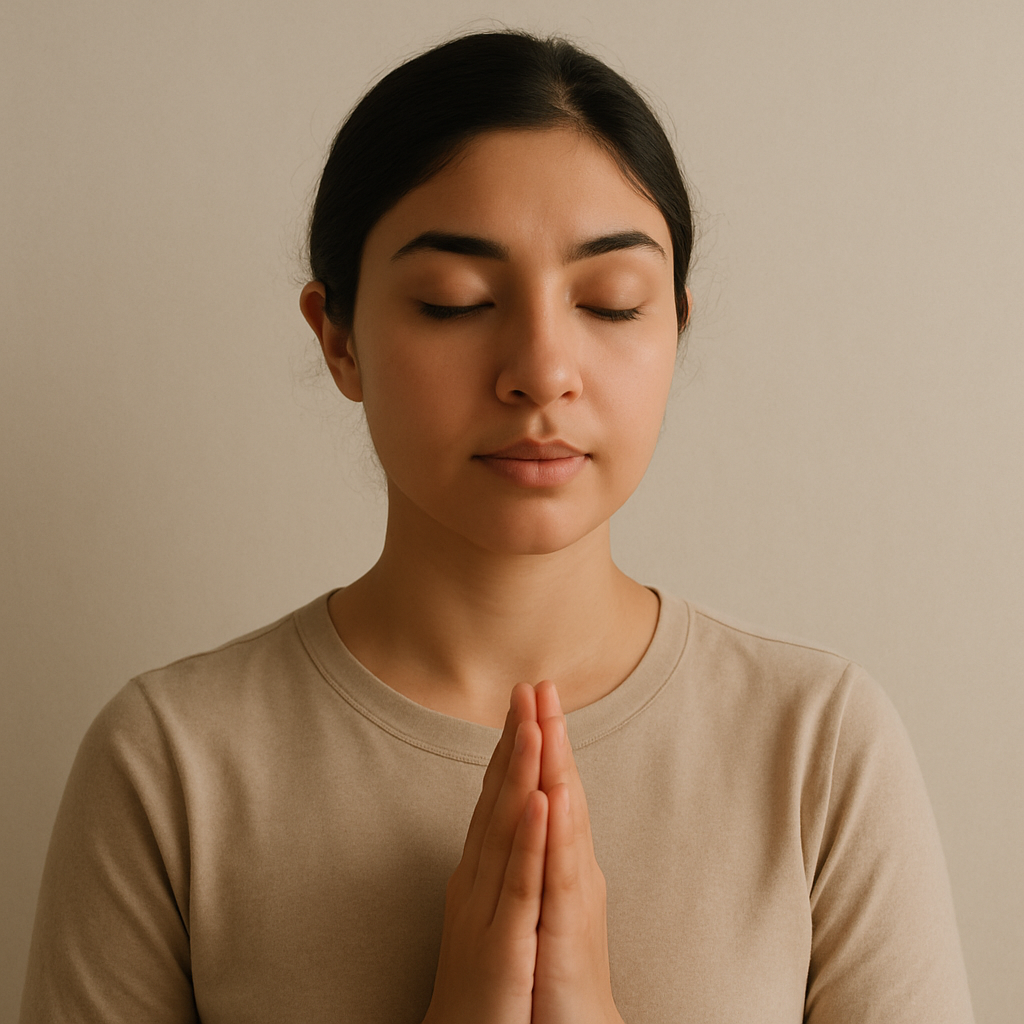
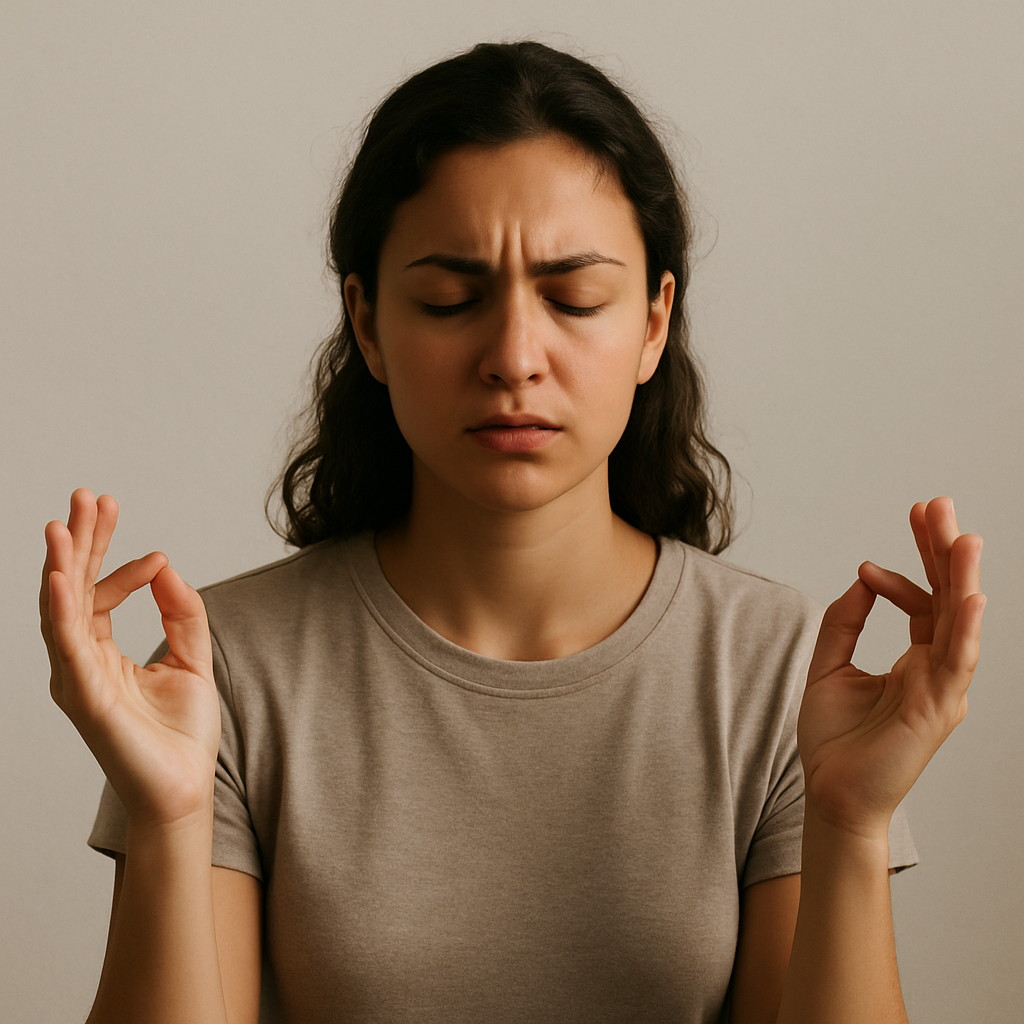
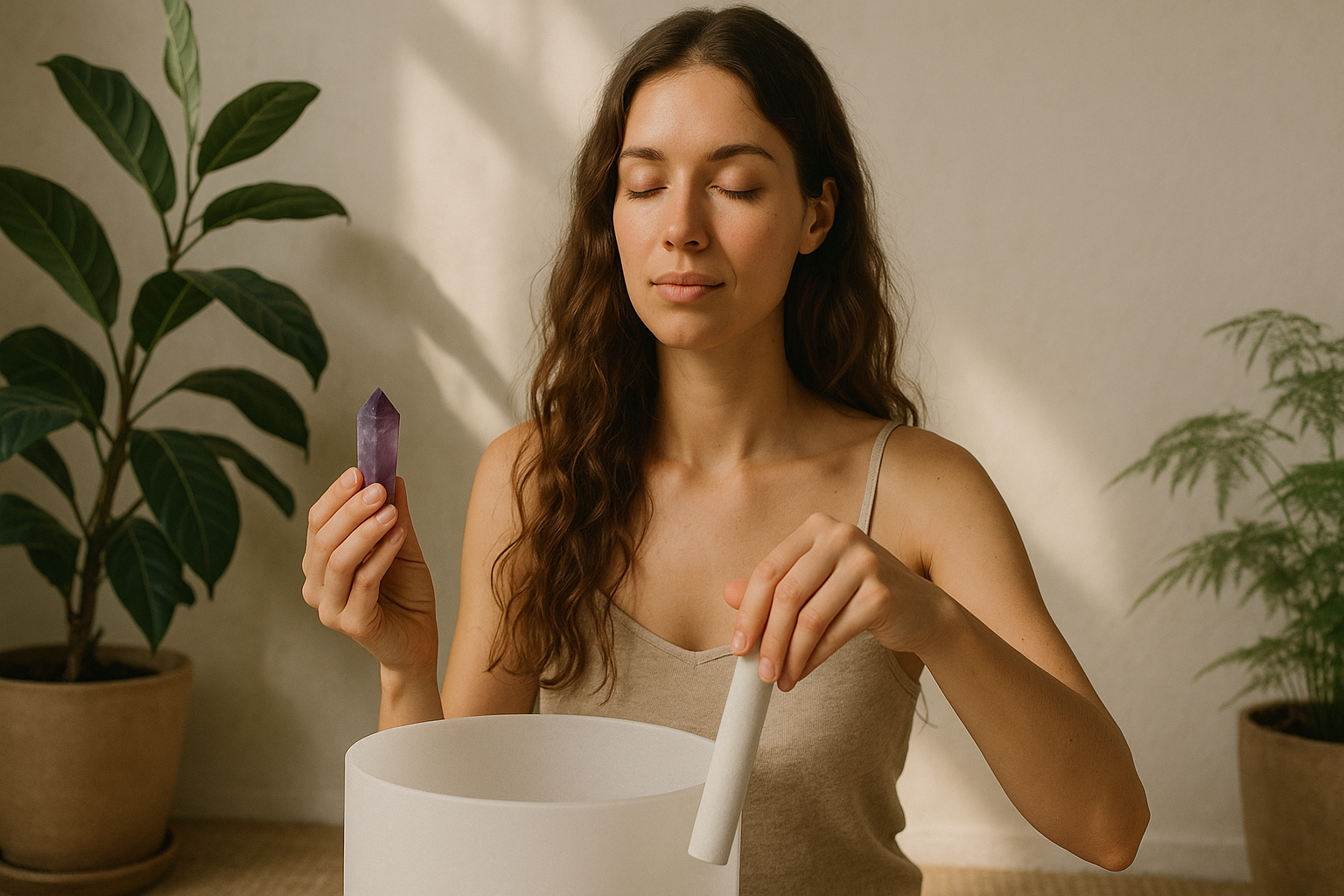
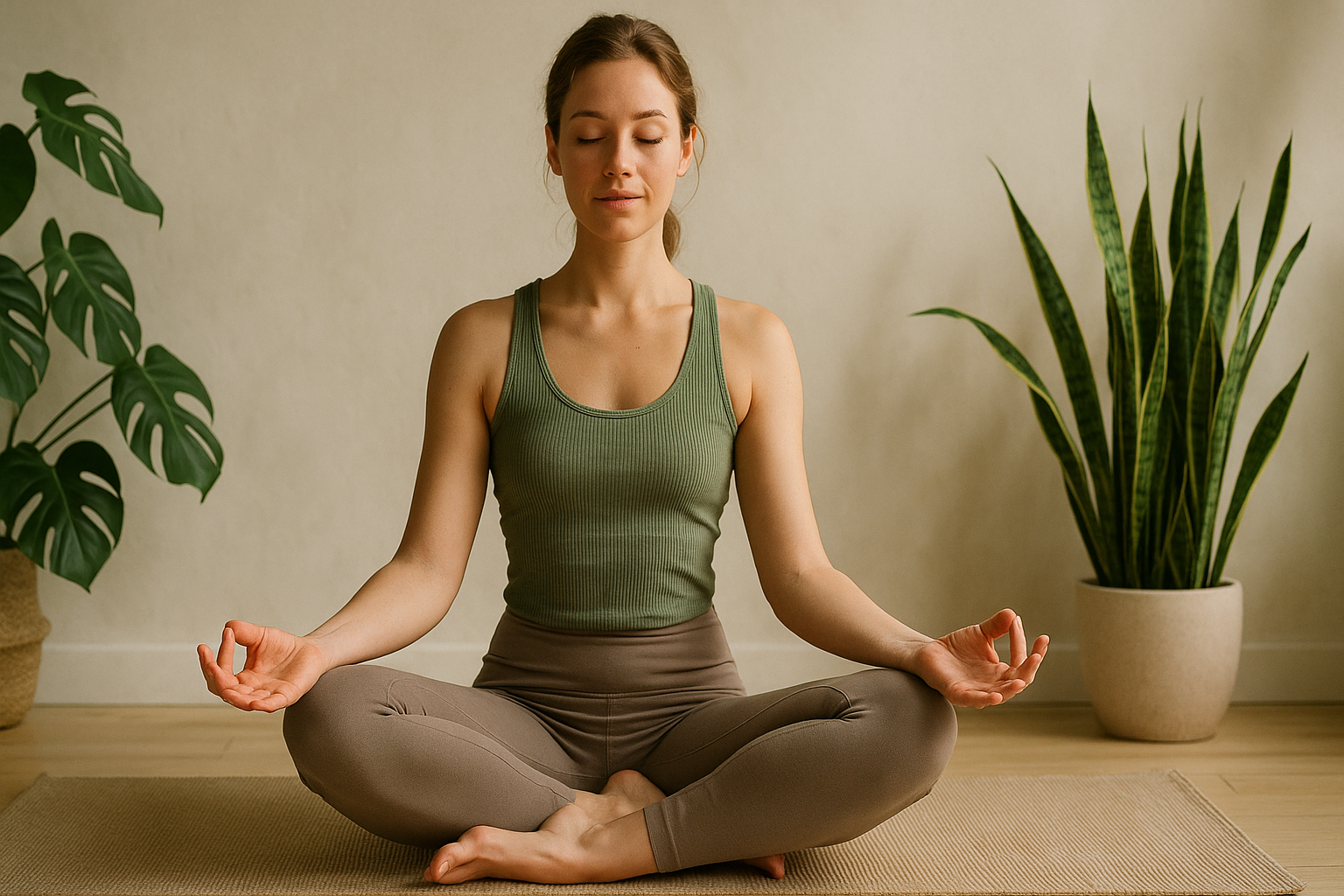
Inner Balance refers to a state of emotional and mental equilibrium achieved through meditation and mindfulness practices. It encompasses the ability to maintain a sense of calm, clarity, and focus regardless of external circumstances. This concept is rooted in various philosophical and spiritual traditions, emphasizing the importance of self-awareness and present-moment living.
Key Active Compounds & Mechanisms
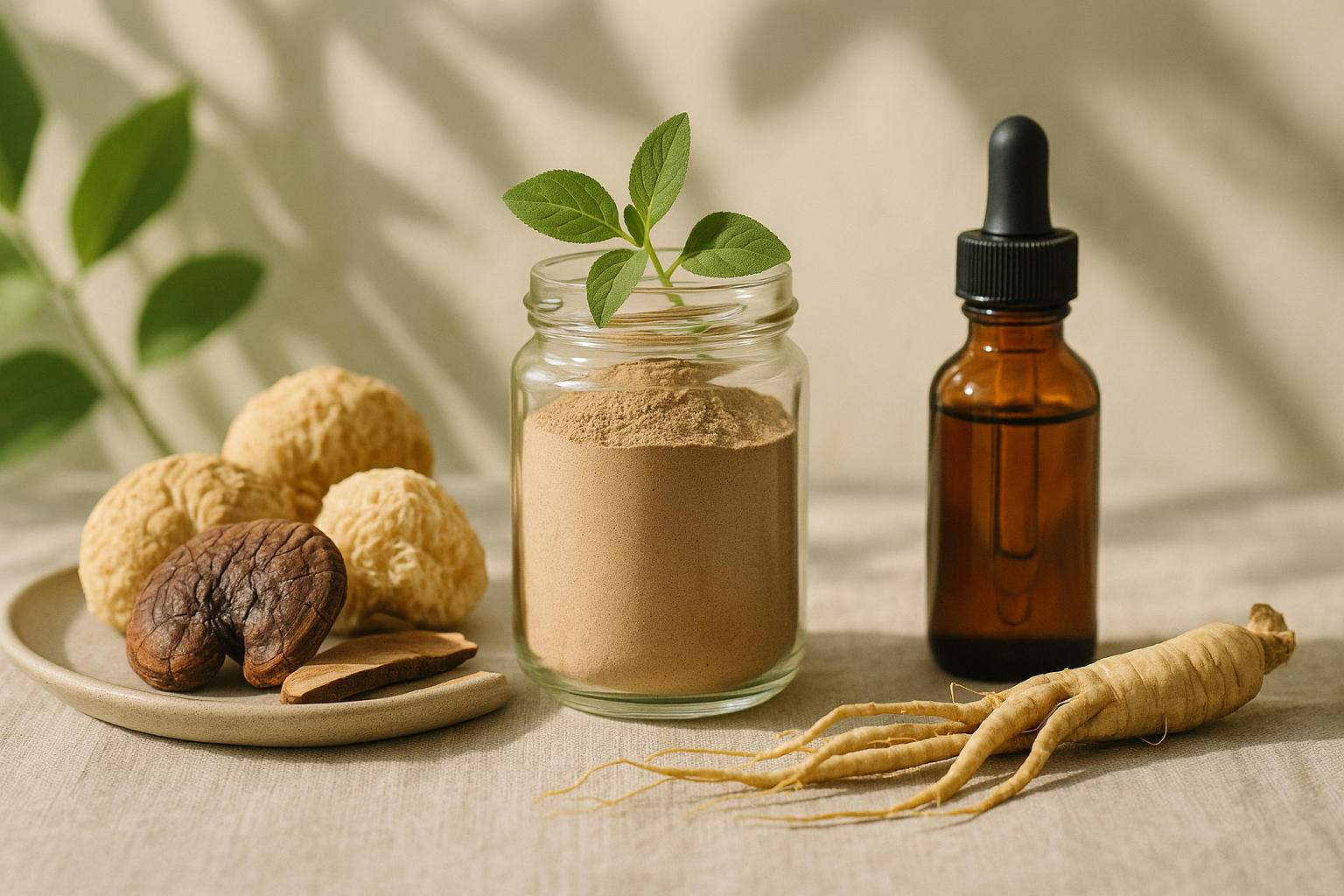
While Inner Balance is more of a psychological and emotional state than a compound, certain practices and substances can facilitate its achievement. For example, compounds such as beta-carbolines found in plants like Passiflora incarnata (passionflower) and Valeriana officinalis (valerian) are believed to have calming effects on the nervous system. These compounds work by modulating neurotransmitter activity, thus promoting relaxation and reducing anxiety.
Traditional Uses
Historically, various cultures have utilized meditation and mindfulness techniques to foster Inner Balance. In ancient India, practices such as yoga and Vipassana meditation were employed to cultivate mental clarity and emotional stability. Similarly, in Chinese medicine, acupuncture and herbal remedies have been used for centuries to harmonize the body's energy and promote mental well-being. These traditions highlight the long-standing recognition of the connection between mind and body.
What Modern Research Suggests
Recent studies suggest that mindfulness practices can significantly enhance emotional regulation and reduce symptoms of anxiety and depression. Research indicates that regular engagement in meditation can lead to structural changes in the brain, particularly in areas associated with emotional processing and self-awareness. While more research is needed to fully understand the mechanisms at play, preliminary evidence supports the efficacy of mindfulness in achieving Inner Balance.
Functional Actions
- Stress Reduction: Mindfulness practices help lower cortisol levels, reducing the body's stress response.
- Emotional Regulation: Regular meditation fosters greater awareness of thoughts and feelings, enabling better control over emotional responses.
- Enhanced Focus: Mindfulness training can improve concentration and cognitive flexibility, allowing for better task management.
Body Systems Supported
- Nervous System: Meditation and mindfulness practices support a healthier nervous system by promoting relaxation and reducing anxiety.
- Endocrine System: These practices can help regulate hormone levels, particularly stress hormones like cortisol.
- Immune System: Studies suggest that mindfulness may enhance immune function by reducing stress and inflammation.
Common Forms & Educational Dosing Ranges
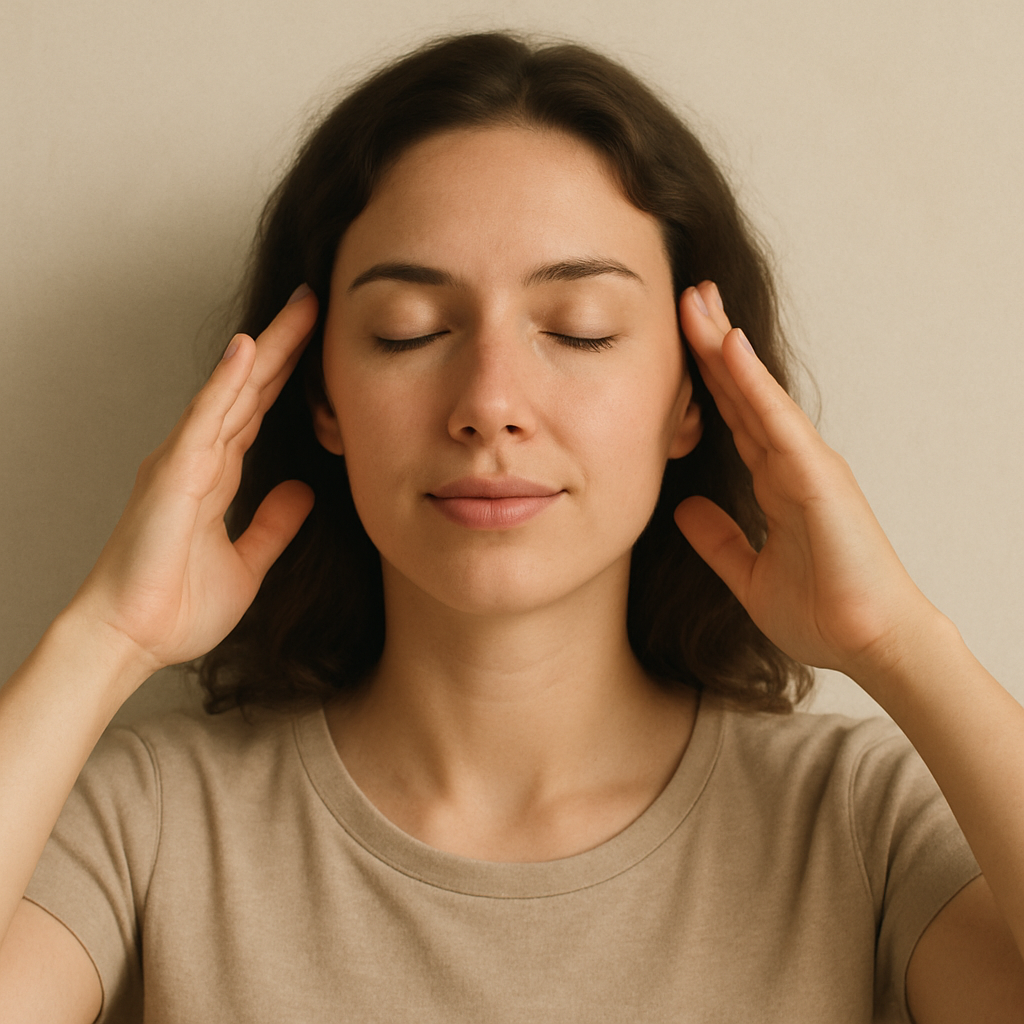
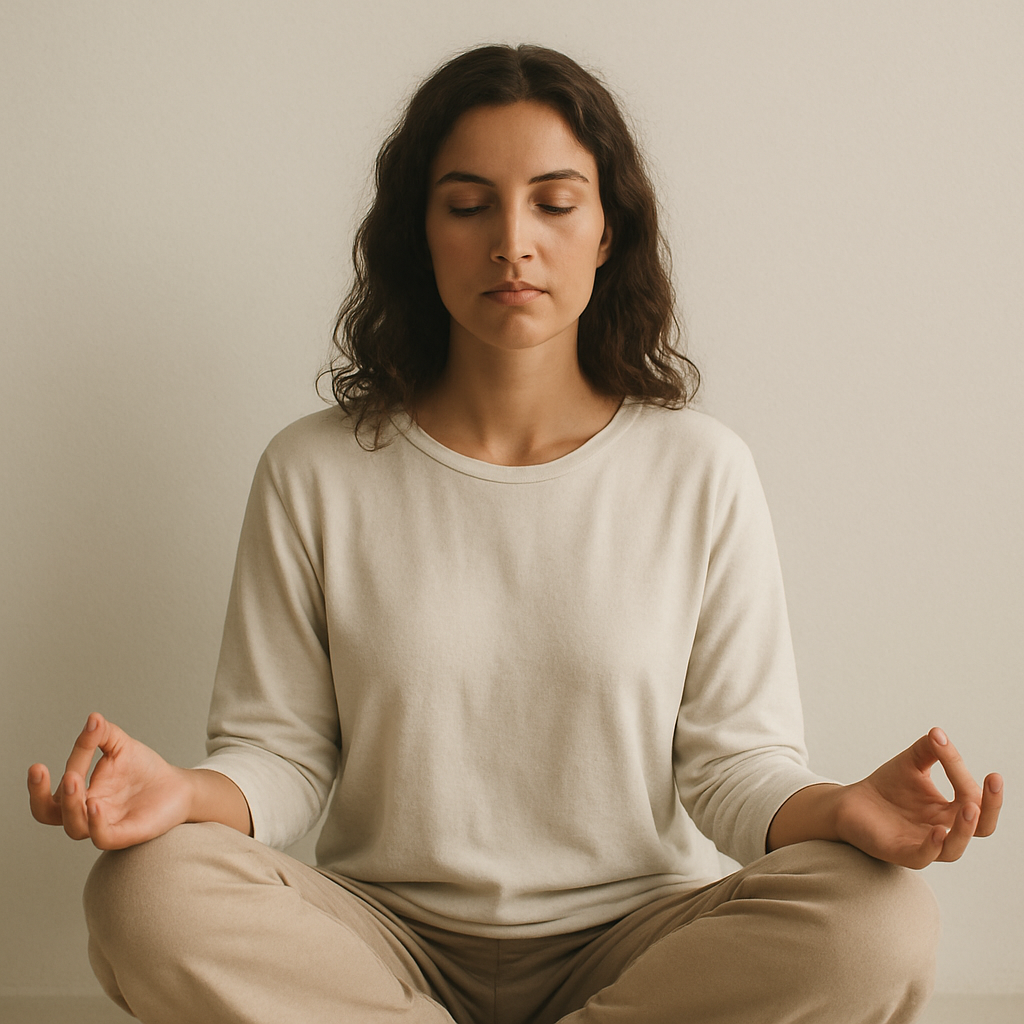
Inner Balance can be cultivated through various forms of meditation and mindfulness techniques, including:
- Mindfulness Meditation: Practiced daily for 10-30 minutes.
- Guided Visualization: Engaging in 15-20 minute sessions to visualize calming scenarios.
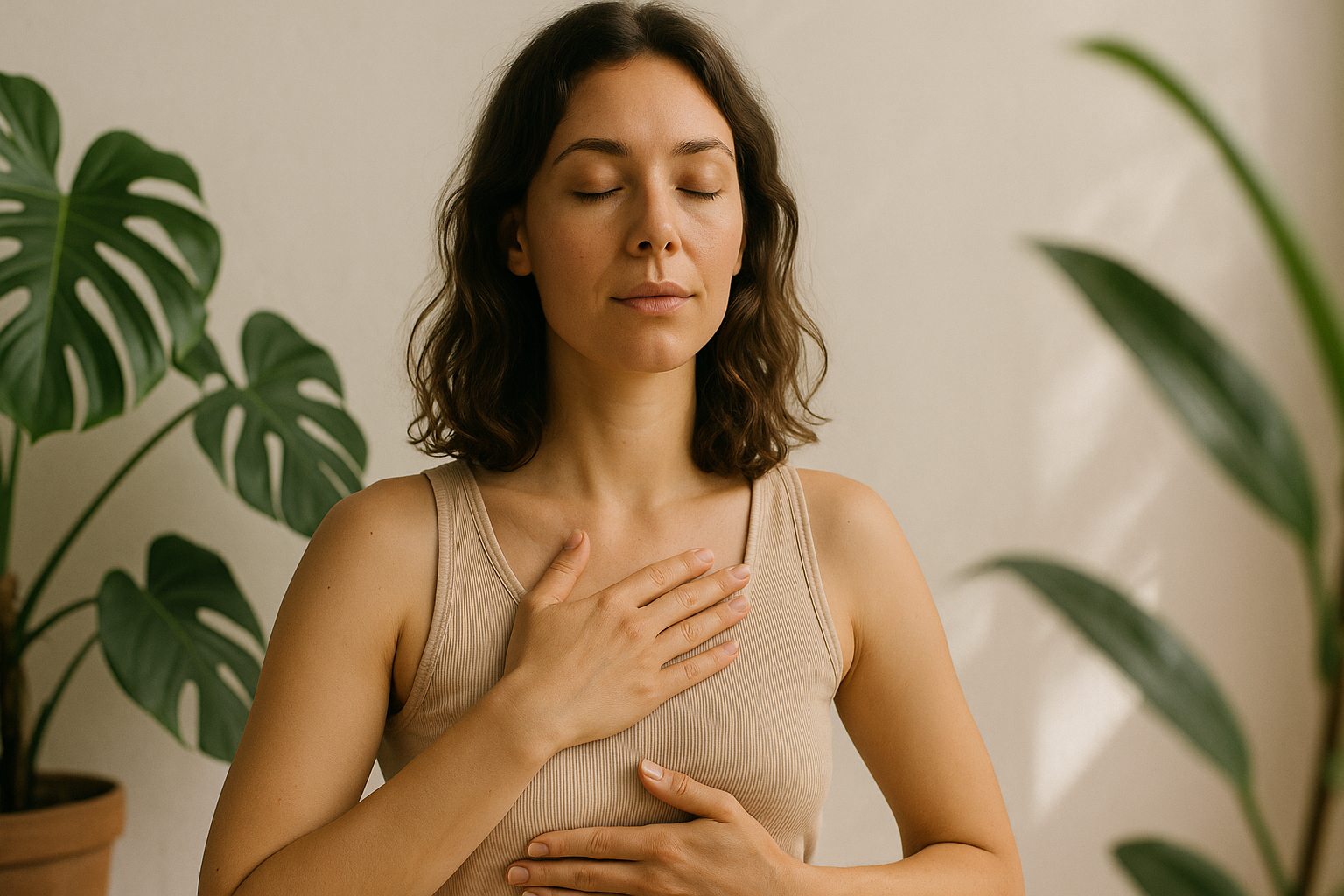
- Breath Awareness: Focusing on breath for 5-10 minutes throughout the day to recenter.
Incorporating these practices into a daily routine can help establish a solid foundation for achieving Inner Balance.
Safety, Contraindications & Interactions
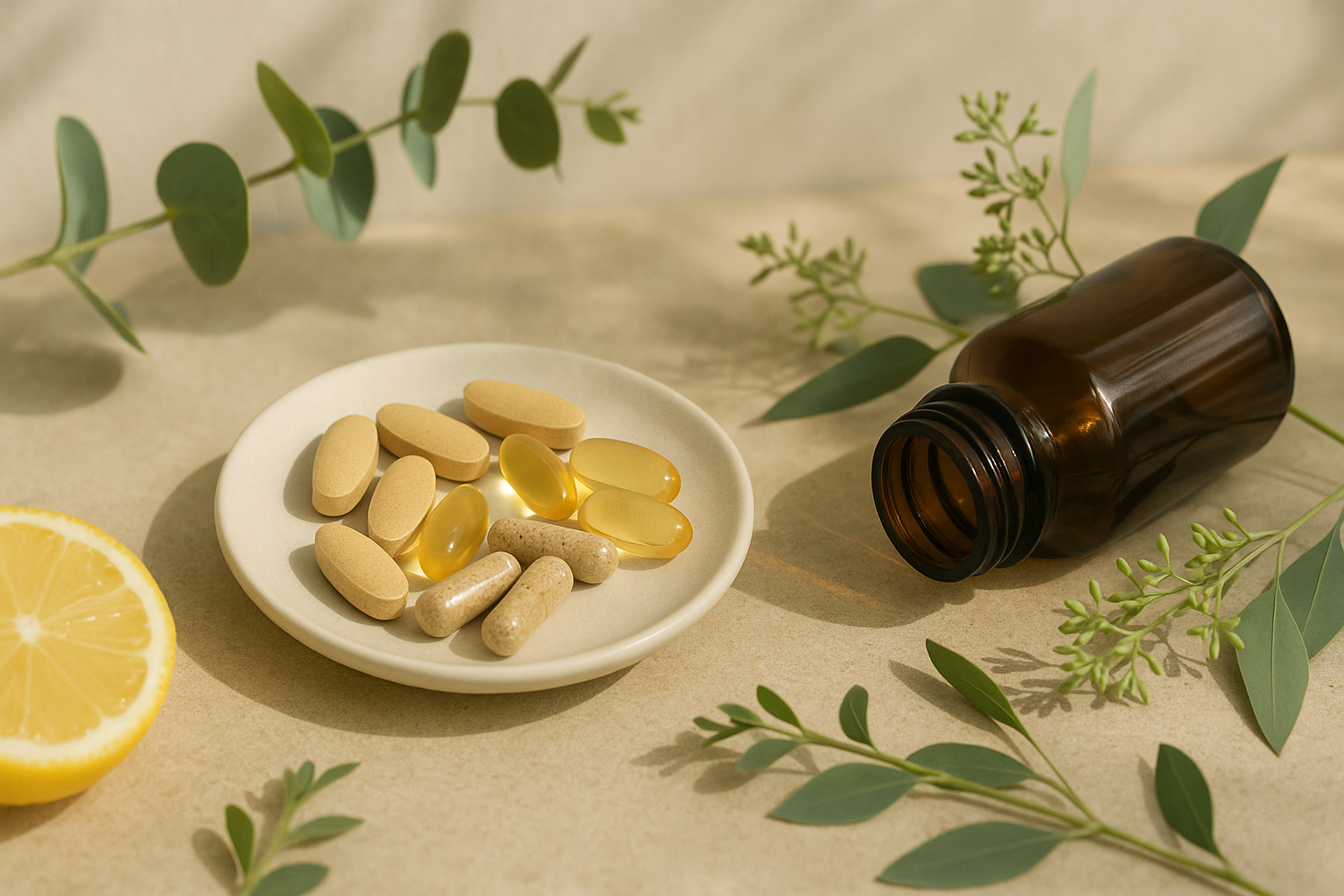
While meditation and mindfulness practices are generally safe, individuals with certain mental health conditions, such as severe anxiety or PTSD, should consult with a healthcare professional before starting any new practice. Additionally, some herbal supplements that promote relaxation, like valerian and passionflower, may interact with sedative medications. Always consult with a healthcare provider if you are taking medications or have underlying health conditions.
Pairs Well With
To enhance the experience of Inner Balance, consider pairing mindfulness practices with:
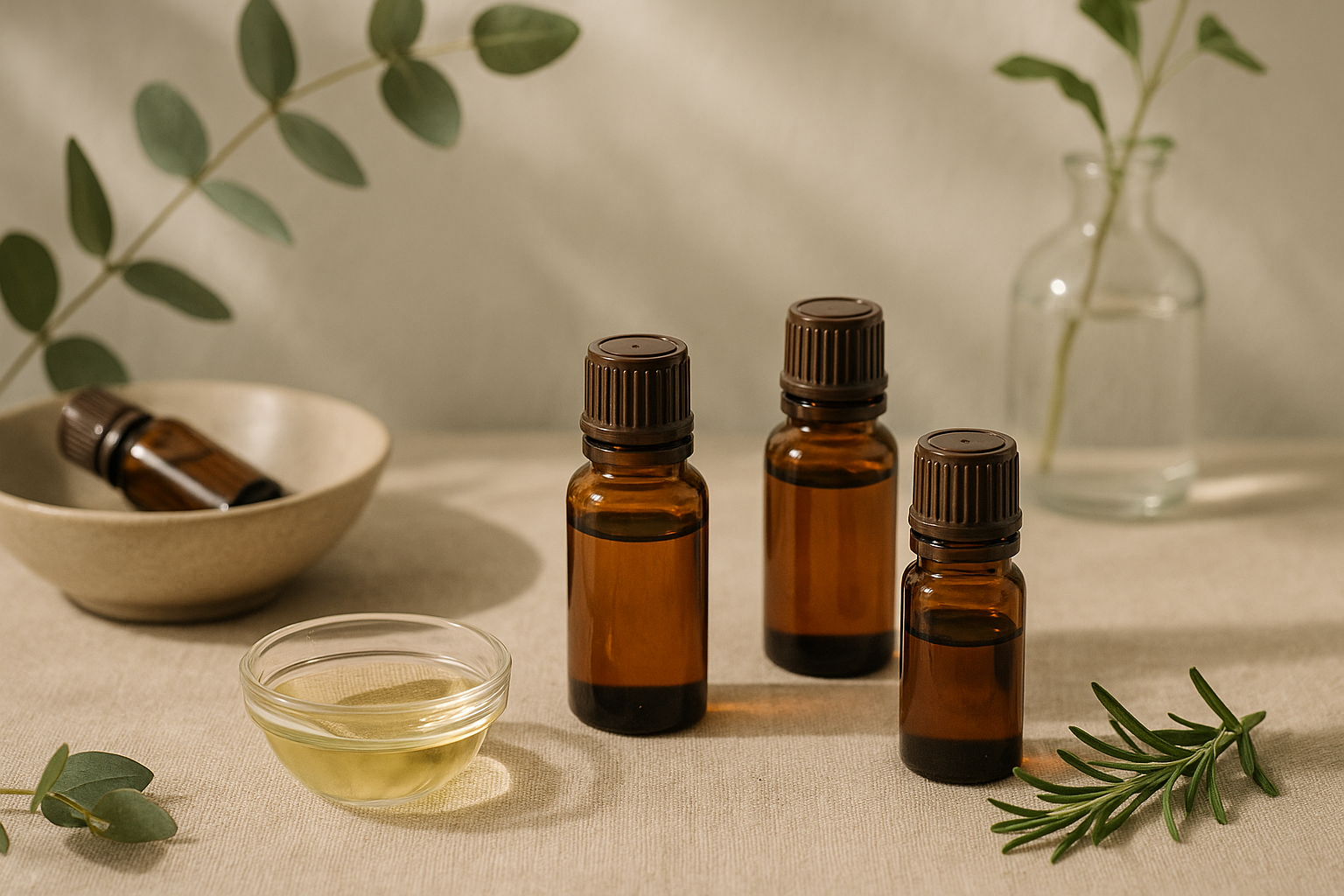
- Aromatherapy: Essential oils like lavender and chamomile can promote relaxation.
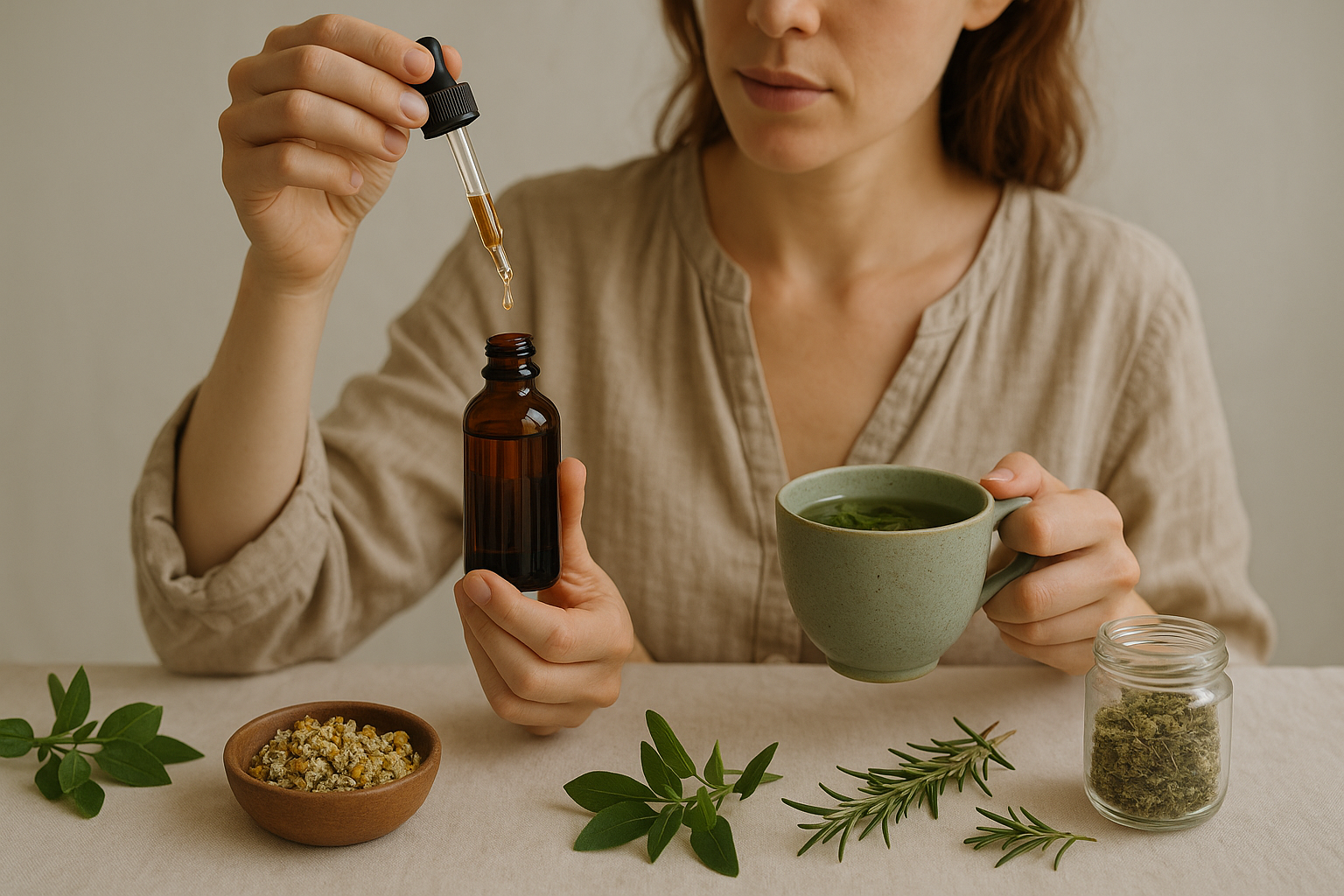
- Herbal Teas: Teas made from lemon balm or chamomile may further support calming effects.
- Physical Exercise: Gentle activities like yoga or tai chi can complement mindfulness practices.
FAQs (5)
- What is Inner Balance? Inner Balance is the emotional and mental equilibrium achieved through practices like meditation and mindfulness.
- How can I achieve Inner Balance? Regular meditation, mindfulness techniques, and breath awareness can help cultivate Inner Balance.
- Is Inner Balance related to mental health? Yes, achieving Inner Balance can significantly enhance emotional regulation and overall mental well-being.
- Are there any risks to mindfulness practices? While generally safe, individuals with severe anxiety or PTSD should consult a healthcare provider before starting.
- Can herbal remedies help with Inner Balance? Yes, certain herbs like passionflower and valerian can support relaxation and emotional stability.
Frequently asked
What is Inner Balance?
Inner Balance is the emotional and mental equilibrium achieved through practices like meditation and mindfulness.
How can I achieve Inner Balance?
Regular meditation, mindfulness techniques, and breath awareness can help cultivate Inner Balance.
Is Inner Balance related to mental health?
Yes, achieving Inner Balance can significantly enhance emotional regulation and overall mental well-being.
Are there any risks to mindfulness practices?
While generally safe, individuals with severe anxiety or PTSD should consult a healthcare provider before starting.
Can herbal remedies help with Inner Balance?
Yes, certain herbs like passionflower and valerian can support relaxation and emotional stability.