Breathing Meditation
Explore the benefits and practices of breathing meditation, a natural remedy for enhancing mindfulness and reducing stress.
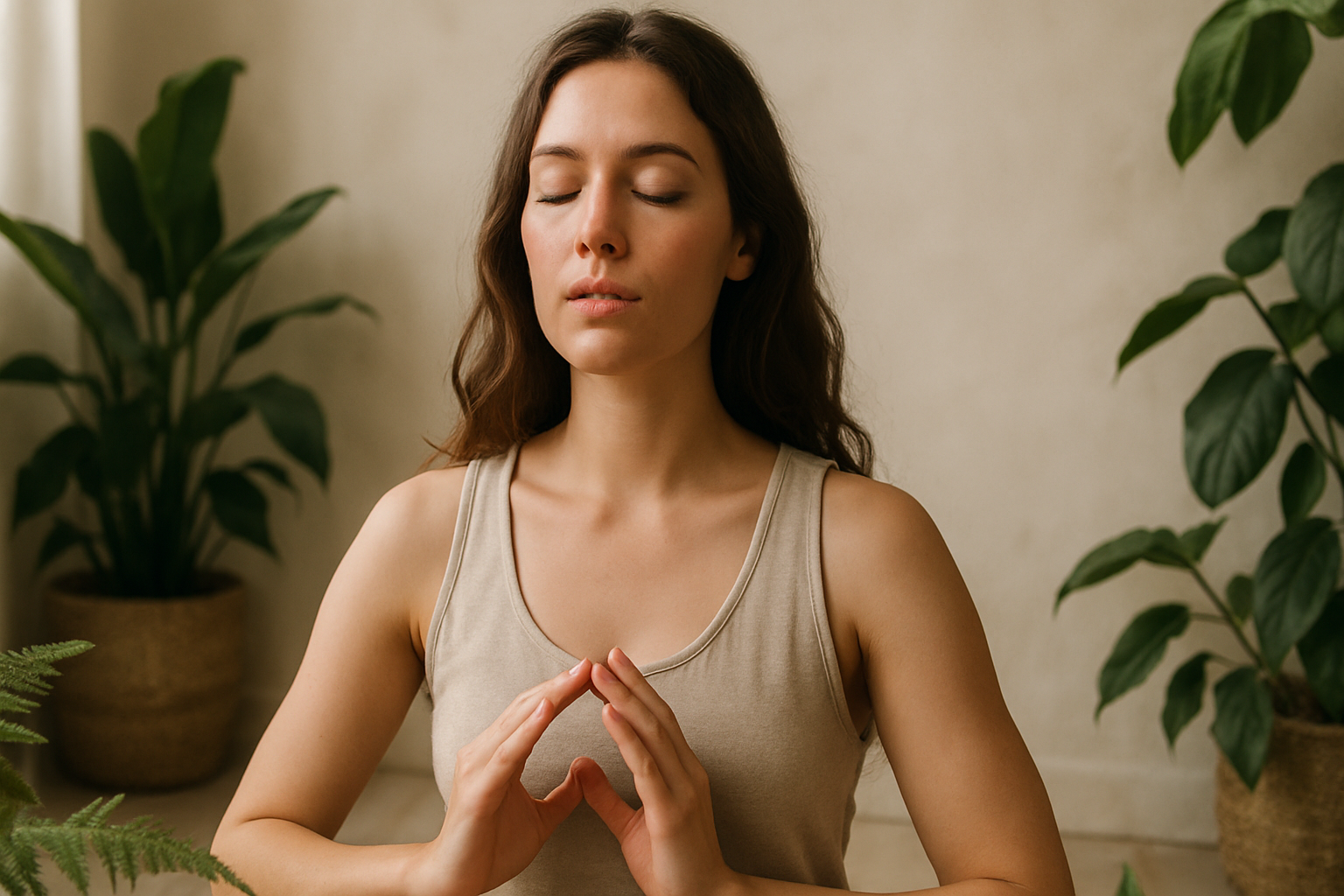
Breathing meditation is a practice that harnesses the power of conscious breath to enhance mindfulness, reduce stress, and promote overall well-being. This subcategory page explores its definition, historical significance, modern research, functional actions, body systems supported, common forms, safety considerations, and pairing suggestions.
What It Is
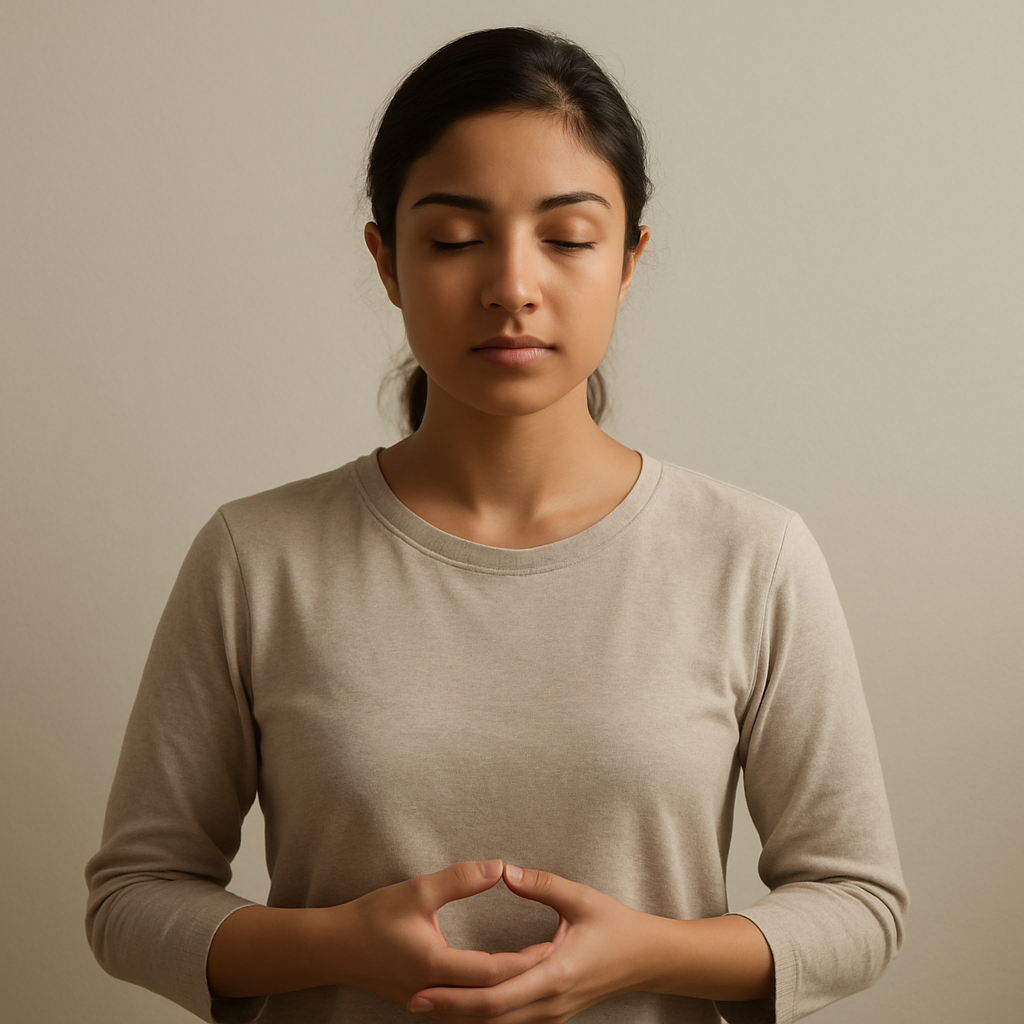
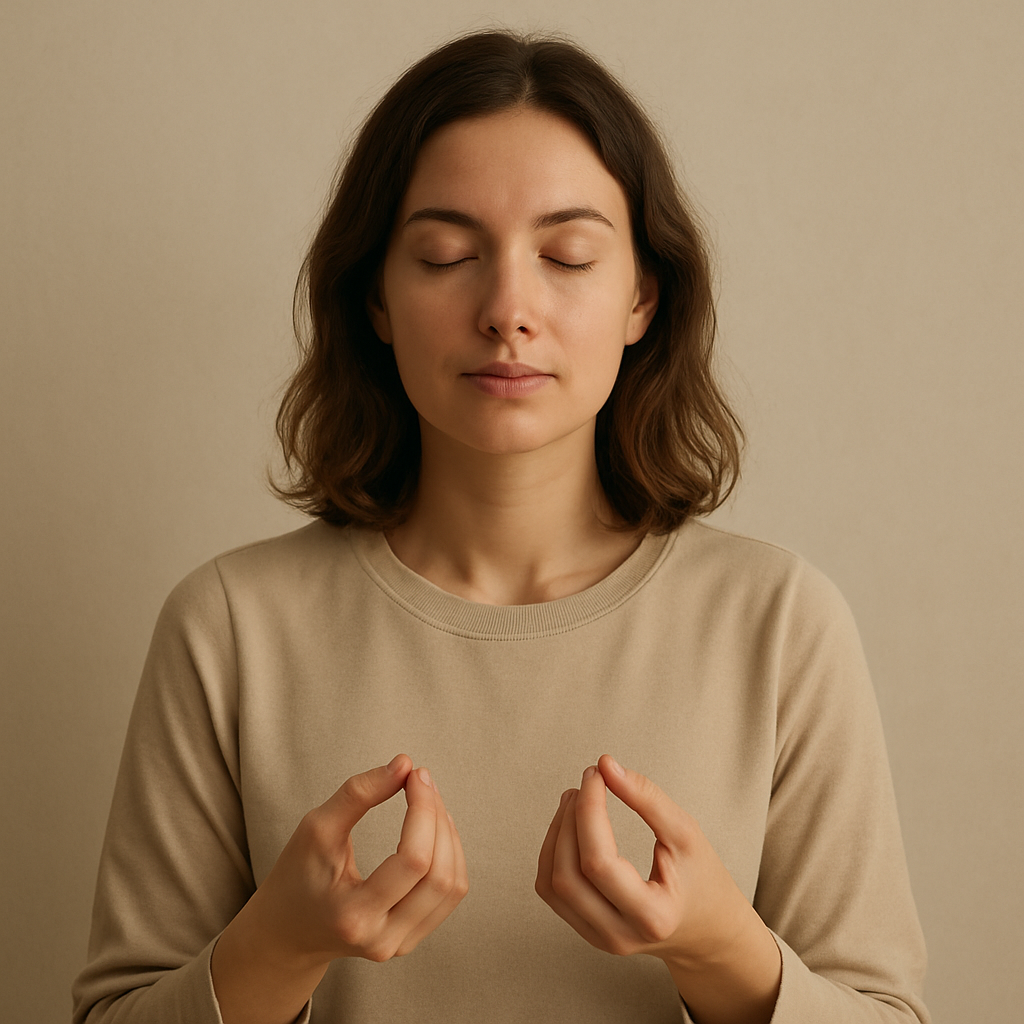
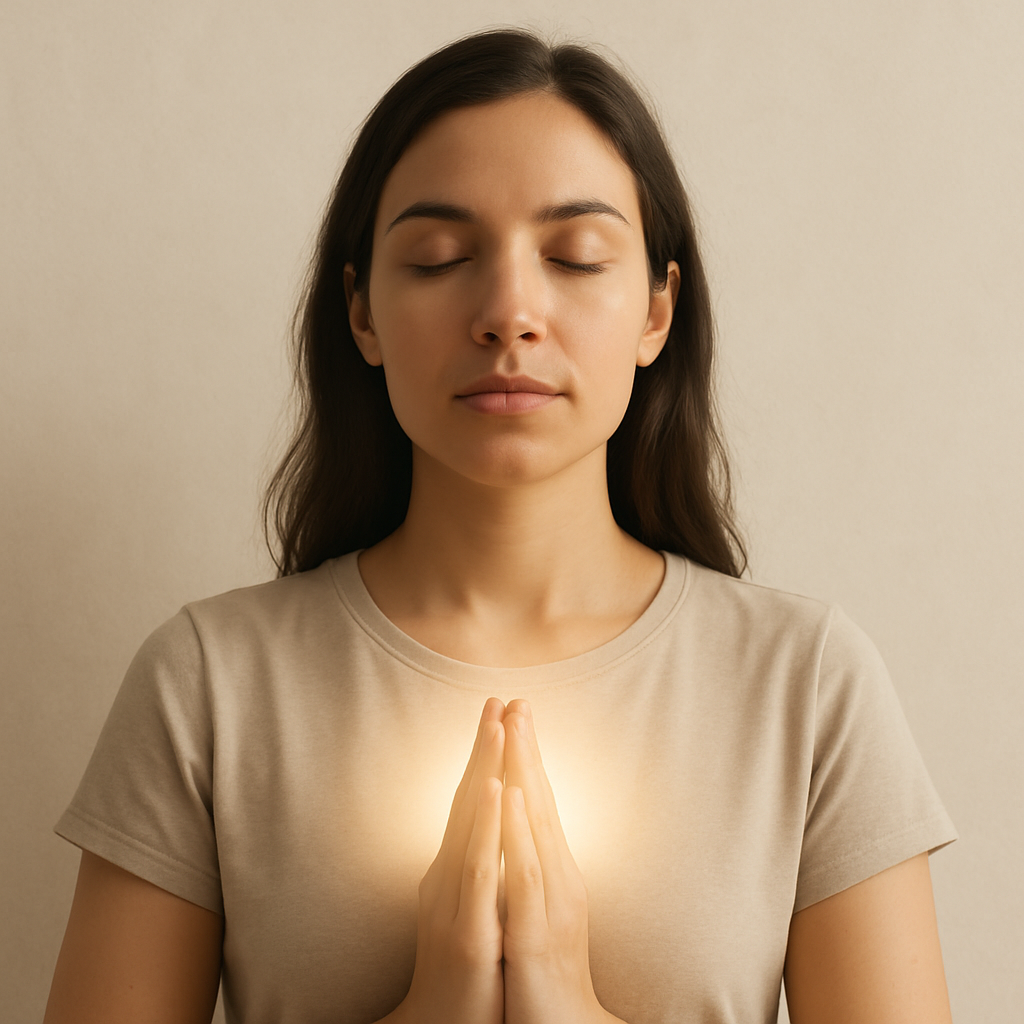
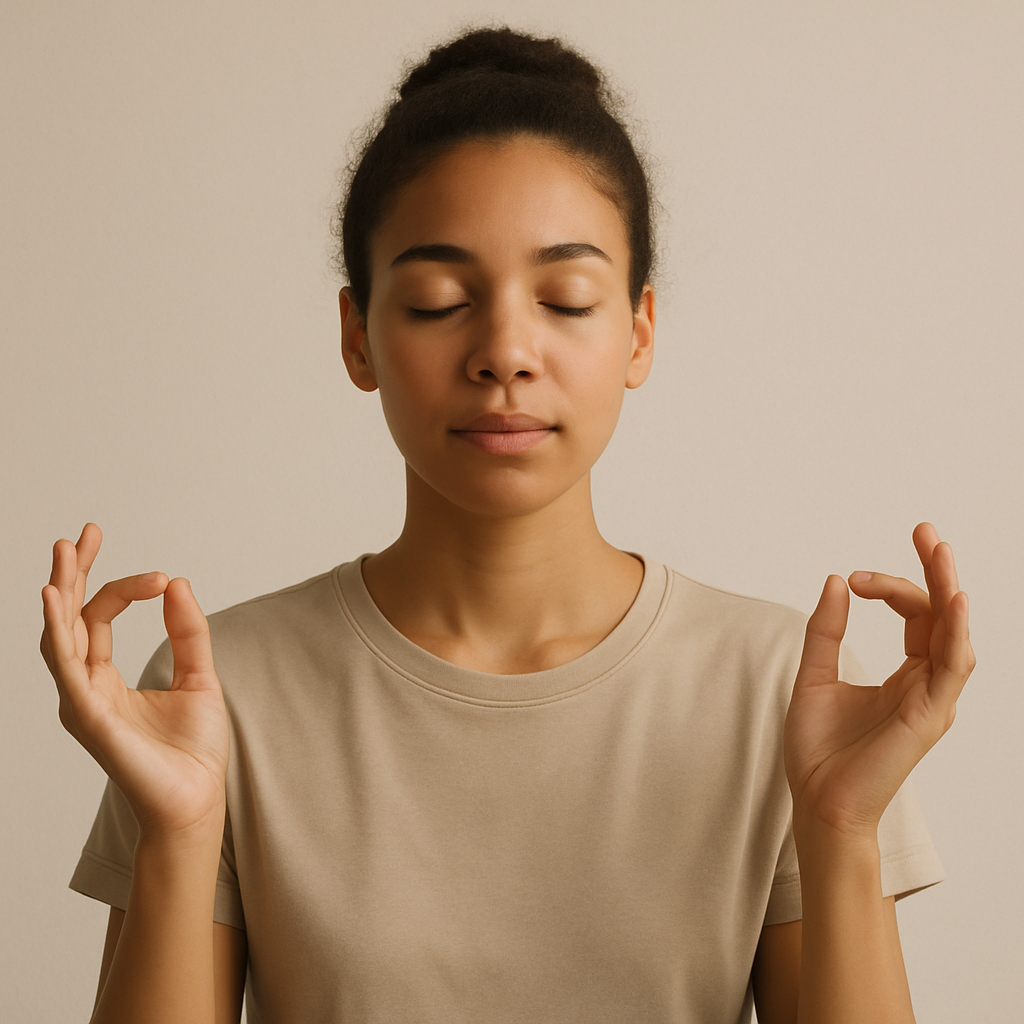
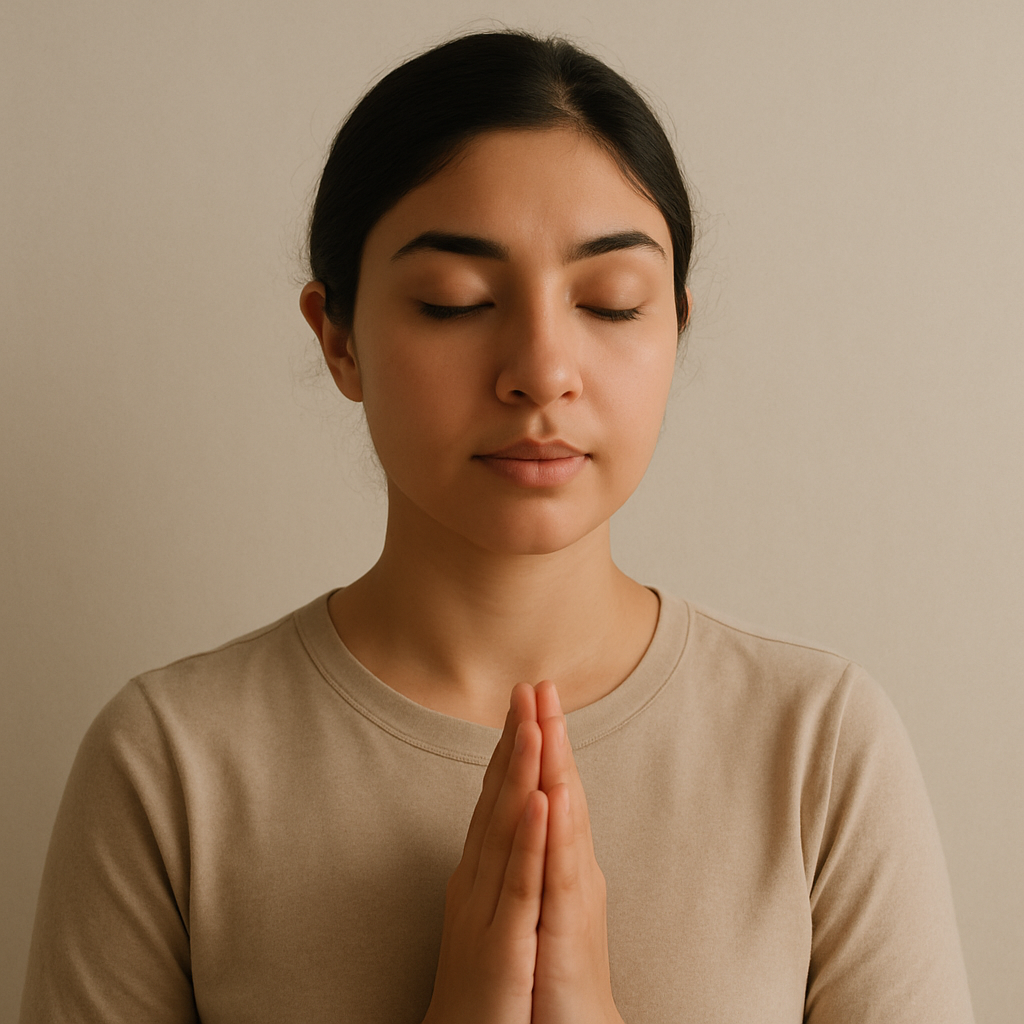
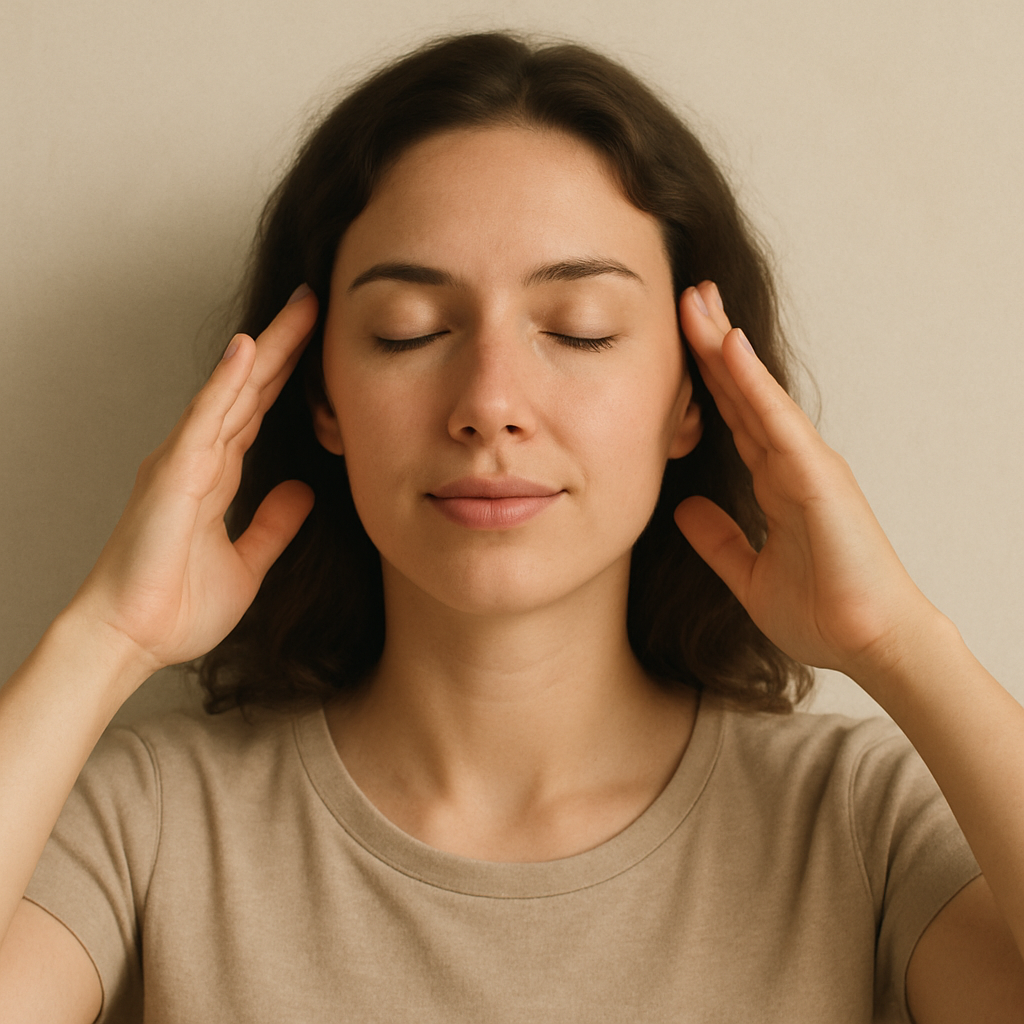
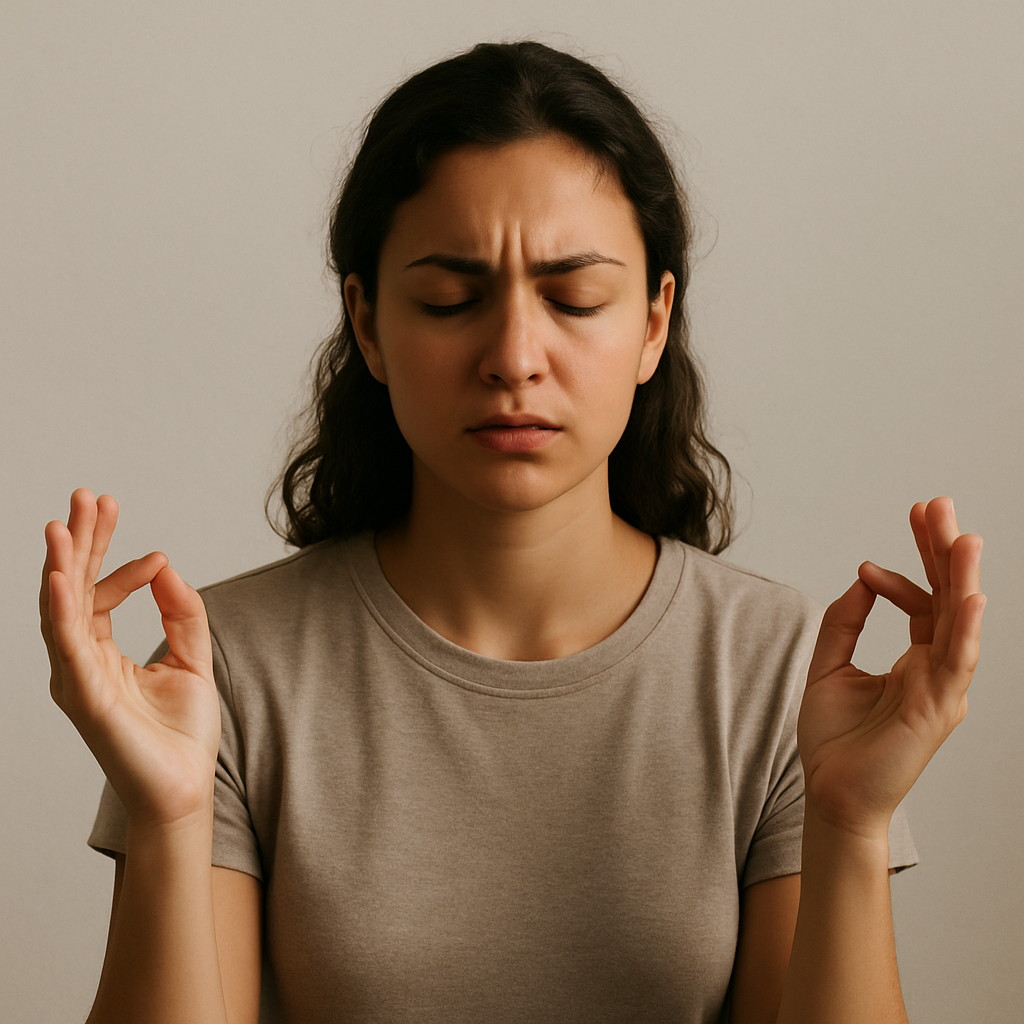
Breathing meditation is a mindfulness practice that focuses on the breath as a means to cultivate awareness and presence. This technique involves consciously observing the breath, allowing individuals to connect more deeply with their inner selves and the present moment. It is a simple yet powerful tool for promoting relaxation and mental clarity, making it accessible to people of all backgrounds and experience levels.
Key Active Compounds & Mechanisms
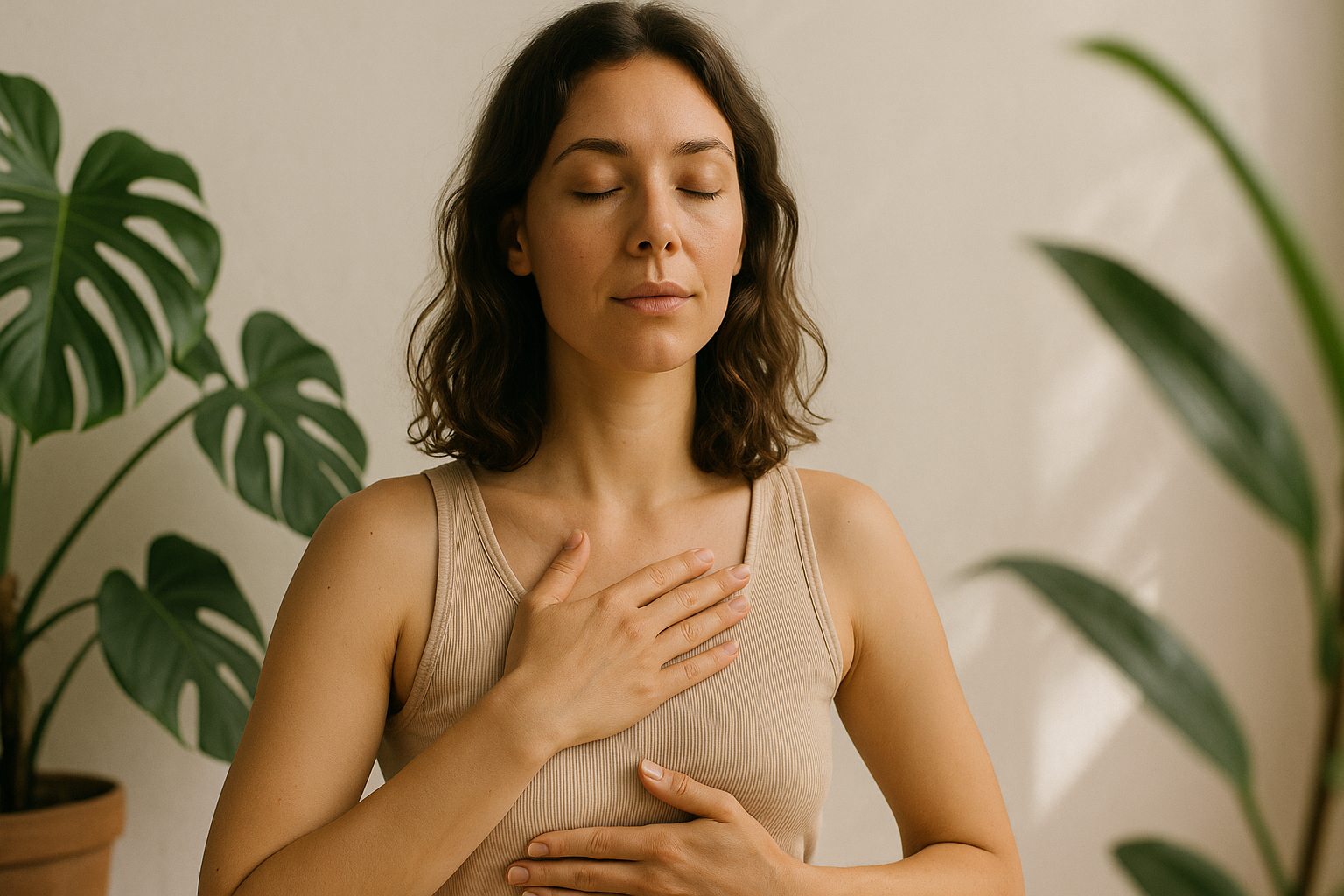
While breathing meditation does not involve any pharmacological compounds, its effectiveness lies in the physiological mechanisms it activates. When practiced, breathing meditation encourages deep diaphragmatic breathing, which stimulates the parasympathetic nervous system. This activation leads to a reduction in heart rate, lower blood pressure, and a calming effect on the mind. Additionally, it enhances oxygen flow throughout the body, promoting overall health and vitality.
Traditional Uses
Breathing meditation has roots in various ancient traditions, including Buddhism and Hinduism, where it is often linked with spiritual practices. In these cultures, breath control techniques, known as pranayama in yoga, have been used for centuries to achieve mental clarity, emotional balance, and spiritual enlightenment. Indigenous cultures around the world have also utilized breath awareness in their rituals as a means to connect with nature and the universe.
What Modern Research Suggests
Recent studies have begun to validate the benefits of breathing meditation. Research indicates that regular practice can lead to significant reductions in stress, anxiety, and depression. A systematic review published in a peer-reviewed journal highlighted that participants who engaged in breathing exercises reported improvements in their overall mental health and emotional well-being. However, more extensive clinical trials are necessary to fully understand the long-term effects and benefits.
Functional Actions
The primary functional actions of breathing meditation include:
- Enhancing mindfulness and present-moment awareness.
- Reducing stress and anxiety levels.
- Improving emotional regulation.
- Promoting relaxation and better sleep quality.
- Increasing lung capacity and respiratory efficiency.
Body Systems Supported
Breathing meditation supports several body systems, such as:
- Nervous System: Activates the parasympathetic system, promoting relaxation.
- Respiratory System: Enhances lung function and oxygen utilization.
- Circulatory System: Aids in reducing blood pressure and improving heart rate variability.
- Endocrine System: Helps regulate stress hormones, such as cortisol.
Common Forms & Educational Dosing Ranges
Breathing meditation can be practiced in various forms, including:
- Guided Breathing Sessions: Available through apps or online platforms.
- Yoga Classes: Incorporating pranayama techniques.
- Self-Practice: Individuals can create their own routines, focusing on breath awareness for 5-30 minutes daily.
For effective practice, a duration of 10-20 minutes per session is commonly recommended, with frequency varying based on personal preference and lifestyle.
Safety, Contraindications & Interactions
Breathing meditation is generally considered safe for most individuals. However, those with respiratory conditions, such as asthma or COPD, should consult a healthcare provider before starting any new meditation practice, especially if it involves breath control techniques. Additionally, individuals with a history of anxiety or panic disorders may experience discomfort during certain practices, and it is advisable to approach these techniques gradually.
Pairs Well With
Breathing meditation can be effectively paired with:
- Yoga: Enhances physical postures and mindfulness.
- Mindfulness Practices: Complements meditation and stress reduction techniques.
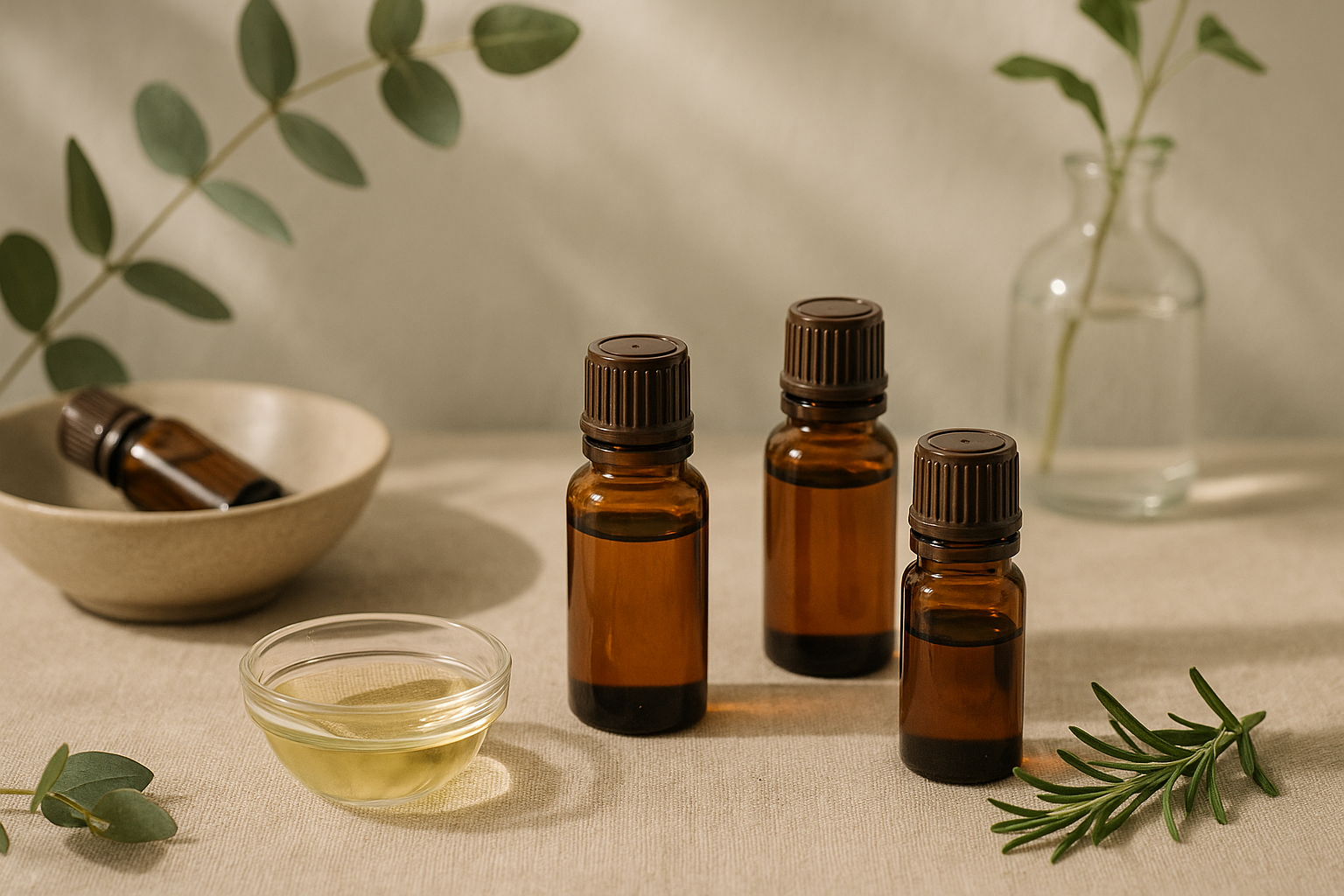
- Aromatherapy: Essential oils like lavender or chamomile can enhance relaxation.
- Nature Walks: Incorporates mindful breathing in natural settings.
FAQs (5)
- What is the best time to practice breathing meditation? Many find it beneficial to practice in the morning or before bed to set a positive tone for the day or to promote relaxation before sleep.
- How long should I practice breathing meditation? Beginners can start with 5-10 minutes per day, gradually increasing to 20-30 minutes as they become more comfortable.
- Can breathing meditation help with anxiety? Yes, many studies suggest that breathing meditation can significantly reduce anxiety levels and improve overall emotional well-being.
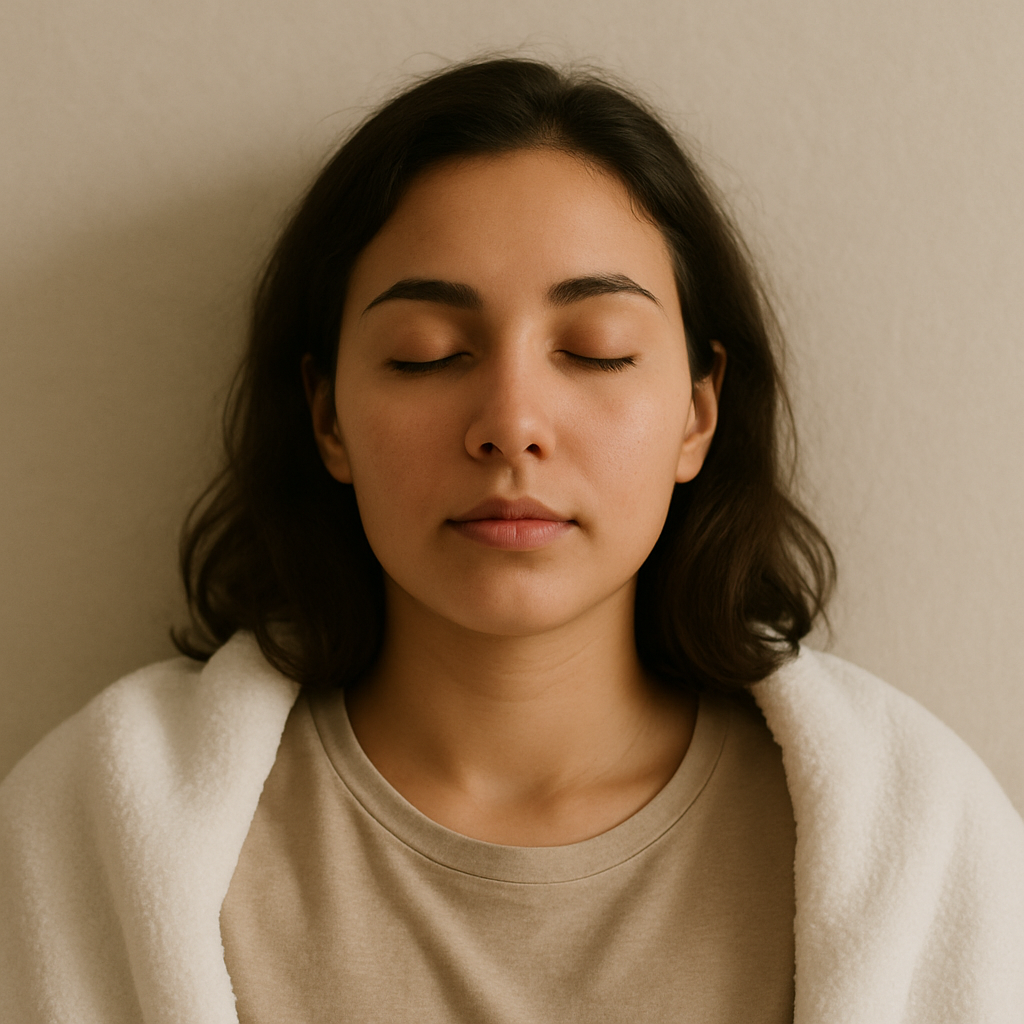
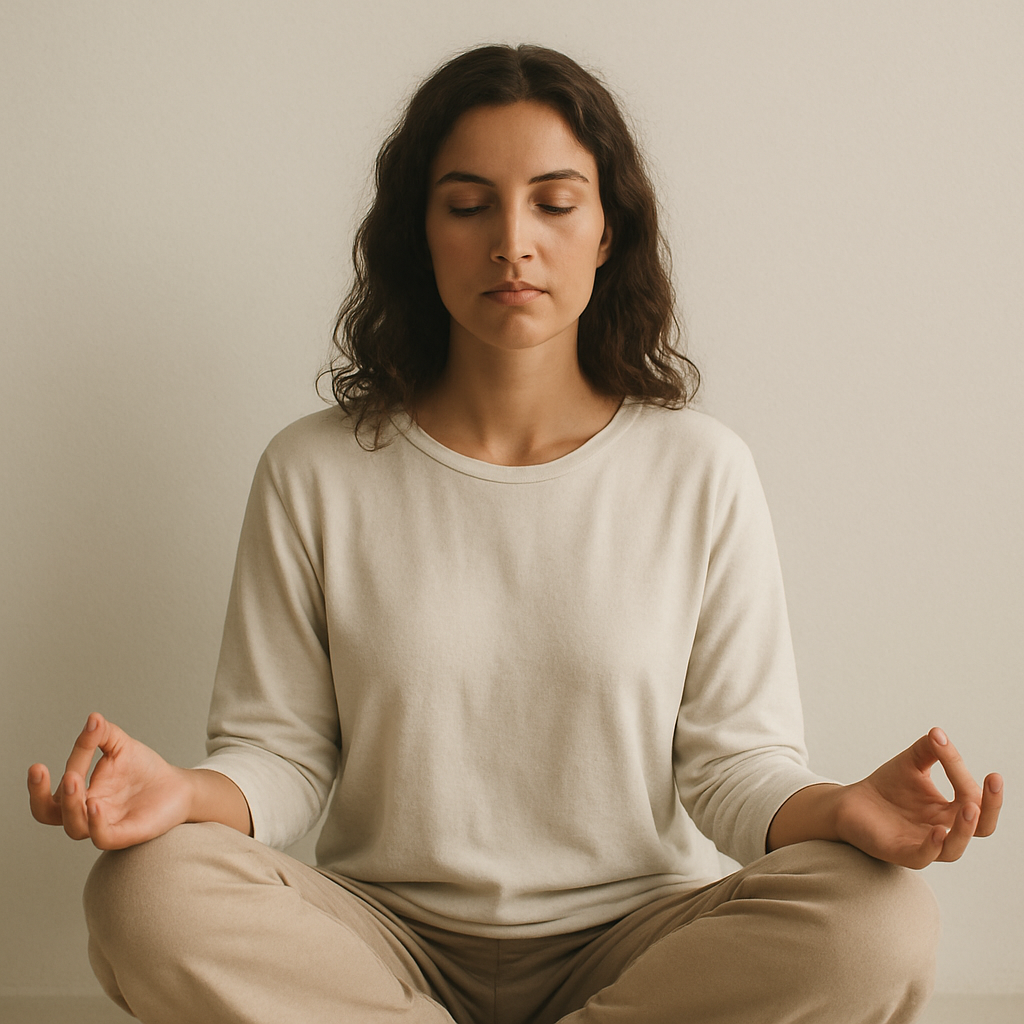
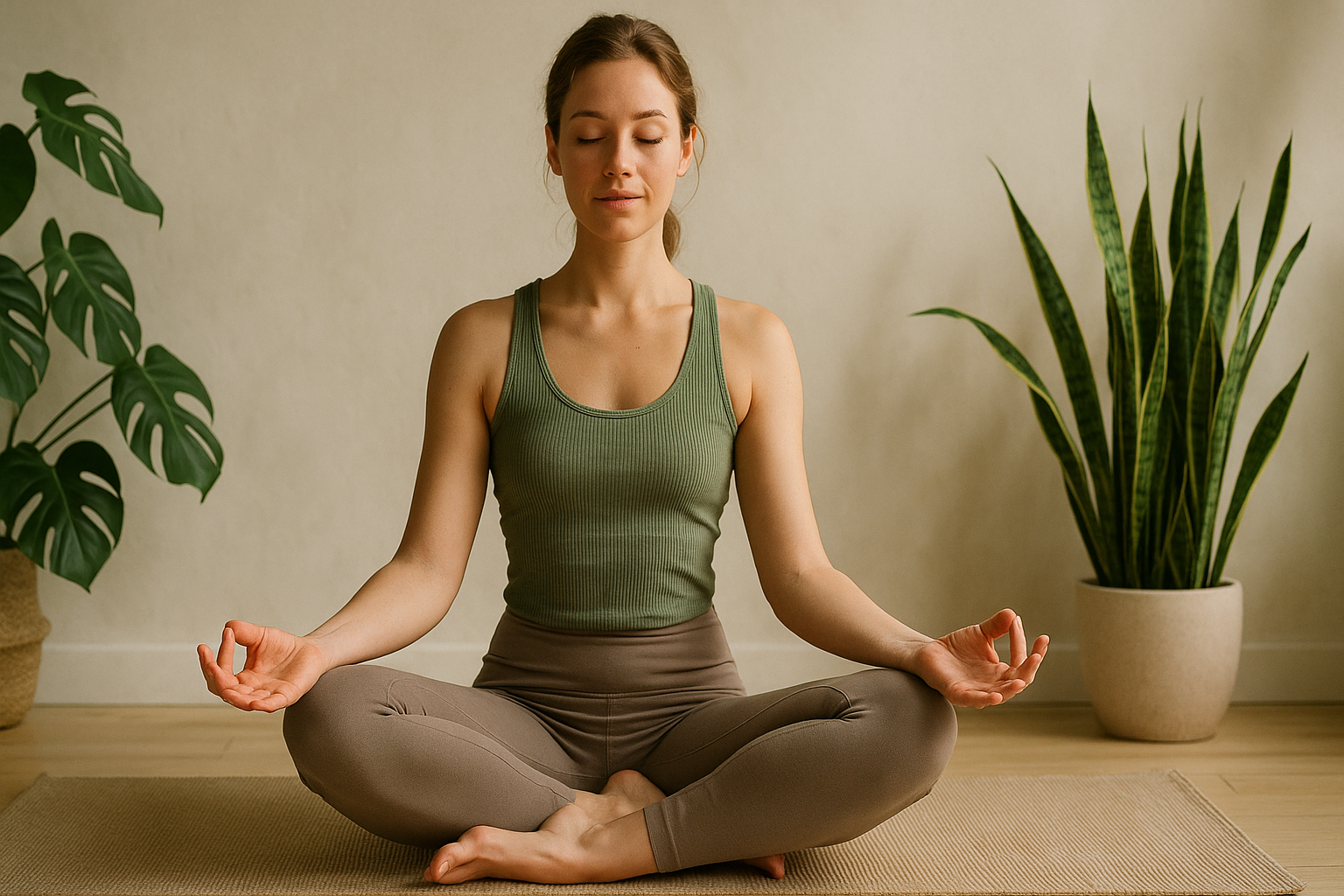
- Do I need to sit in a specific position to practice? No, while sitting cross-legged is common, you can practice in any comfortable position, including seated in a chair or lying down.
- Is breathing meditation suitable for children? Yes, breathing meditation can be adapted for children and can help them learn to manage stress and enhance focus.
Frequently asked
What is the best time to practice breathing meditation?
Many find it beneficial to practice in the morning or before bed to set a positive tone for the day or to promote relaxation before sleep.
How long should I practice breathing meditation?
Beginners can start with 5-10 minutes per day, gradually increasing to 20-30 minutes as they become more comfortable.
Can breathing meditation help with anxiety?
Yes, many studies suggest that breathing meditation can significantly reduce anxiety levels and improve overall emotional well-being.
Do I need to sit in a specific position to practice?
No, while sitting cross-legged is common, you can practice in any comfortable position, including seated in a chair or lying down.
Is breathing meditation suitable for children?
Yes, breathing meditation can be adapted for children and can help them learn to manage stress and enhance focus.