Emotional Healing
Discover the power of emotional healing through meditation and mindfulness. This guide covers definitions, mechanisms, traditional uses, and modern research.

Explore the transformative journey of emotional healing through meditation and mindfulness practices. Learn about its benefits, traditional uses, modern research, and safety considerations.
What It Is
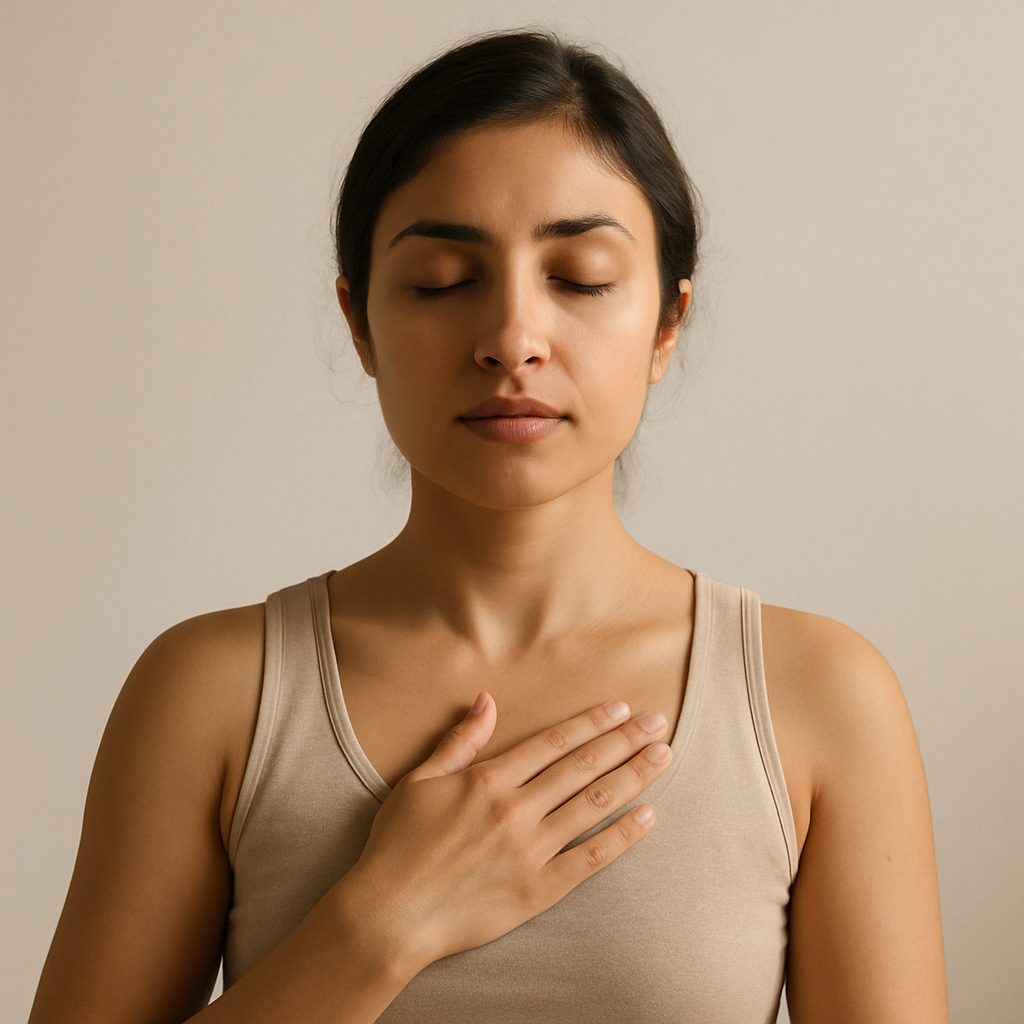
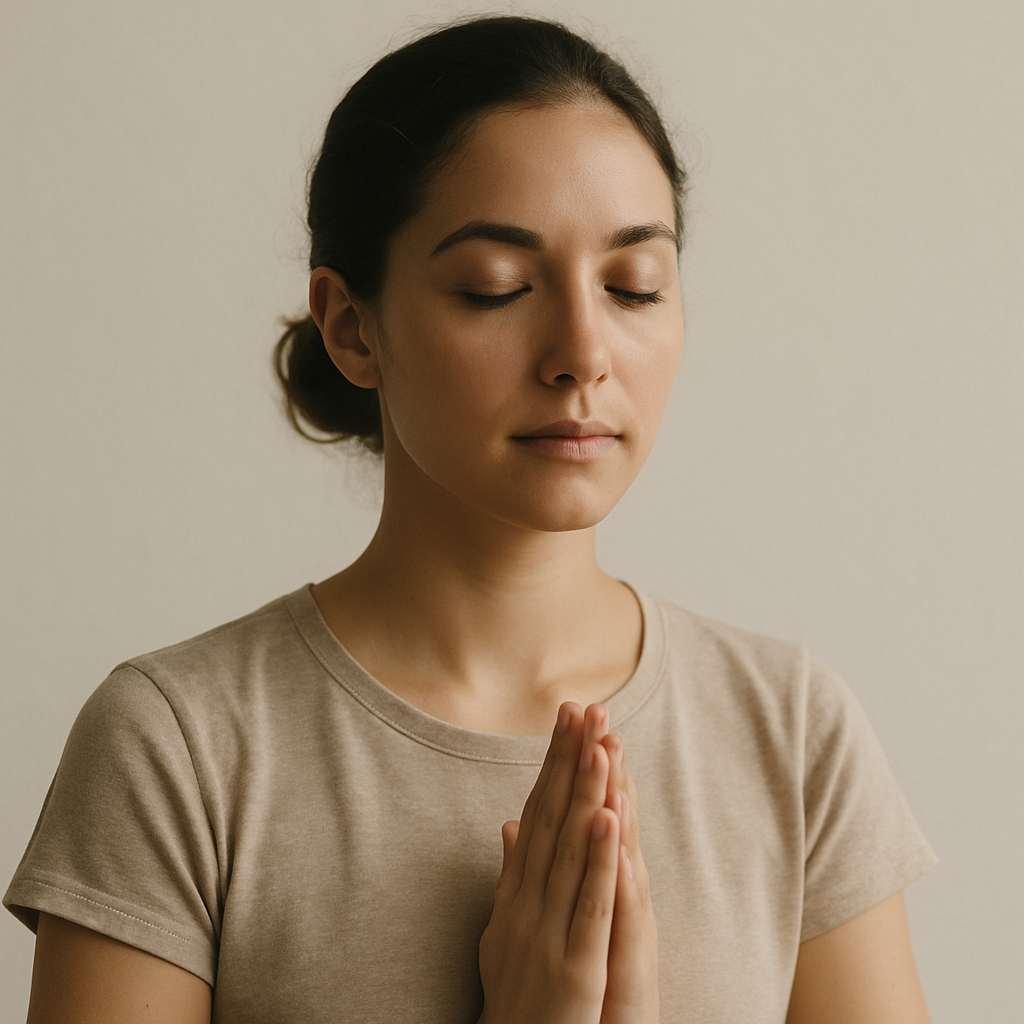
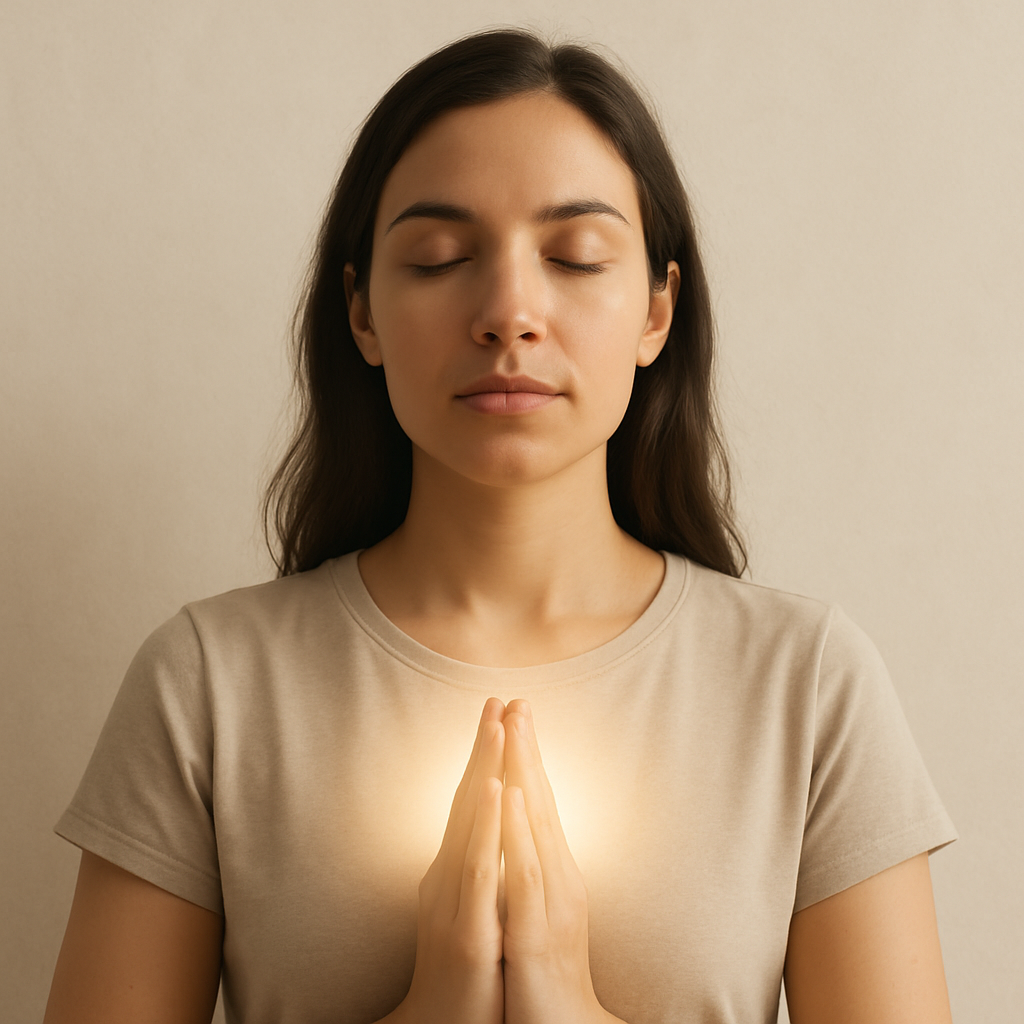
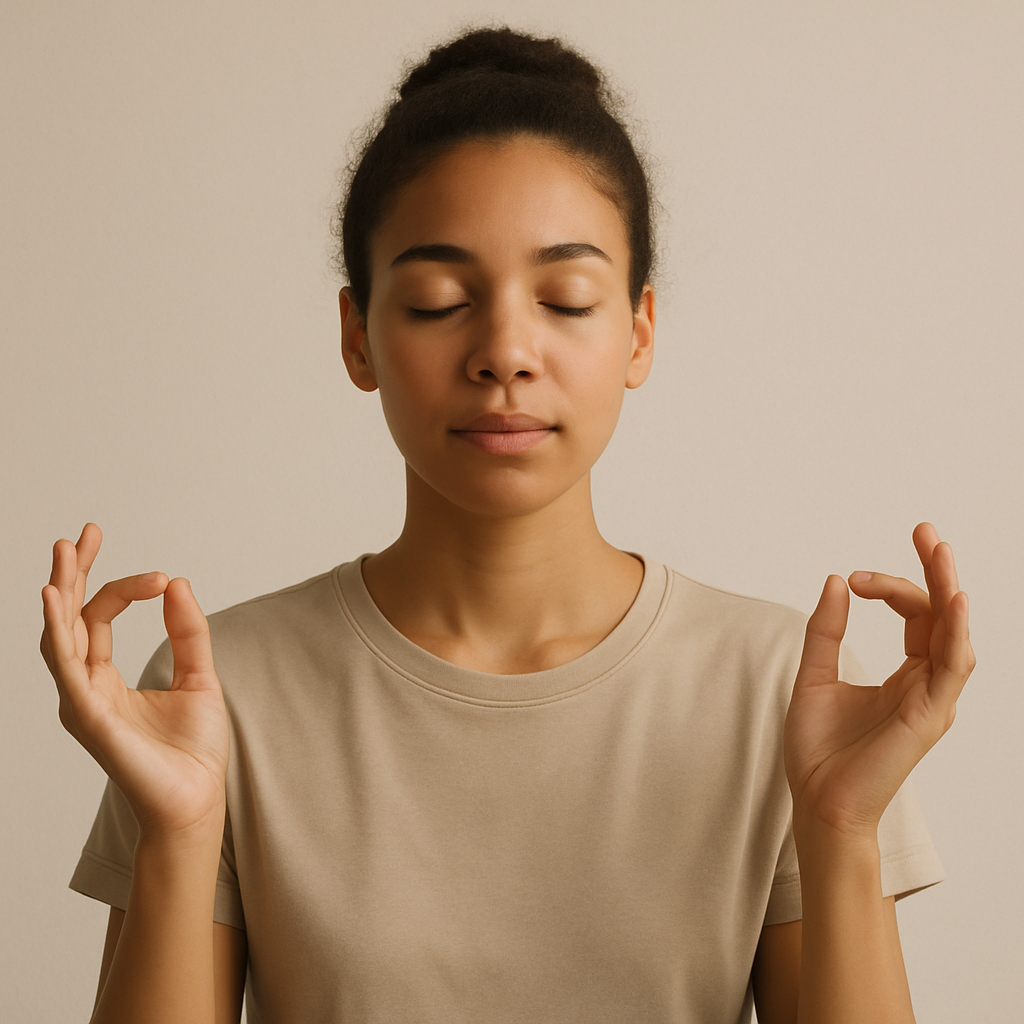
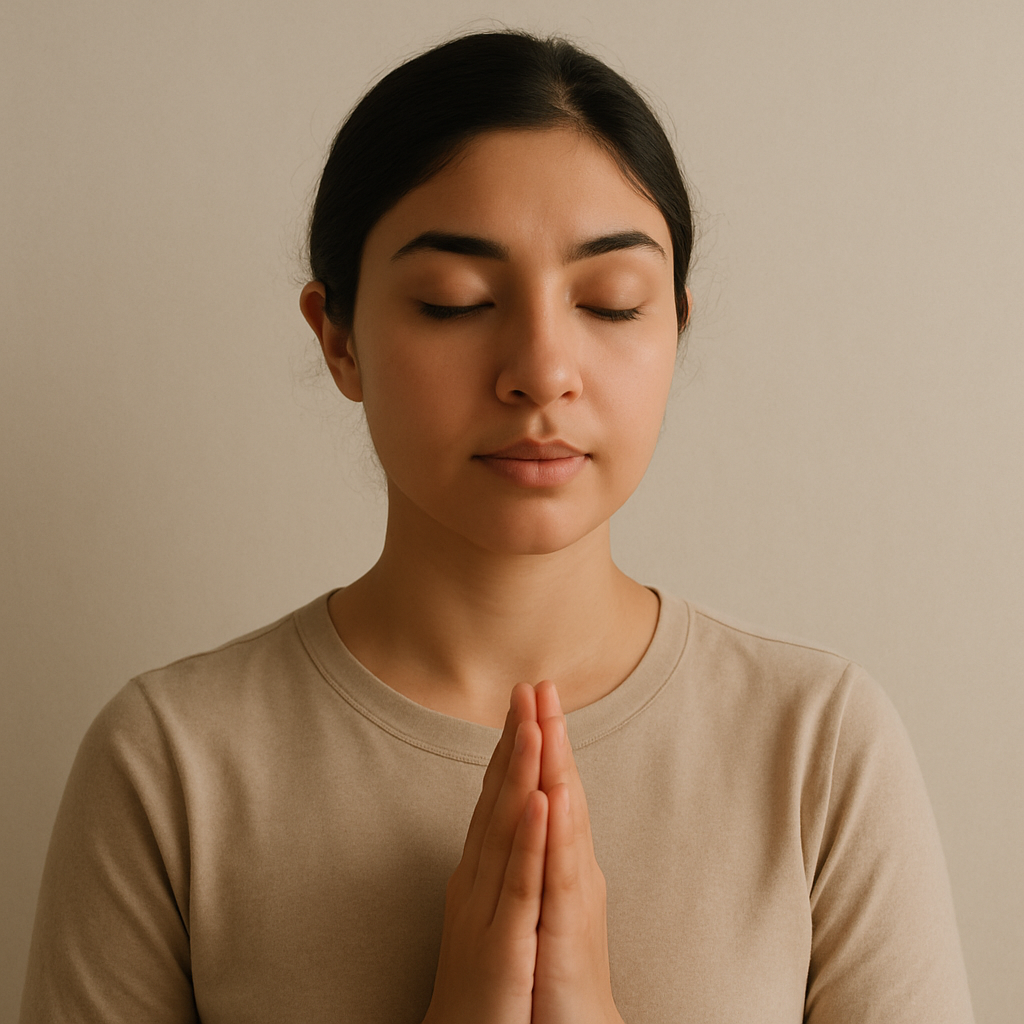
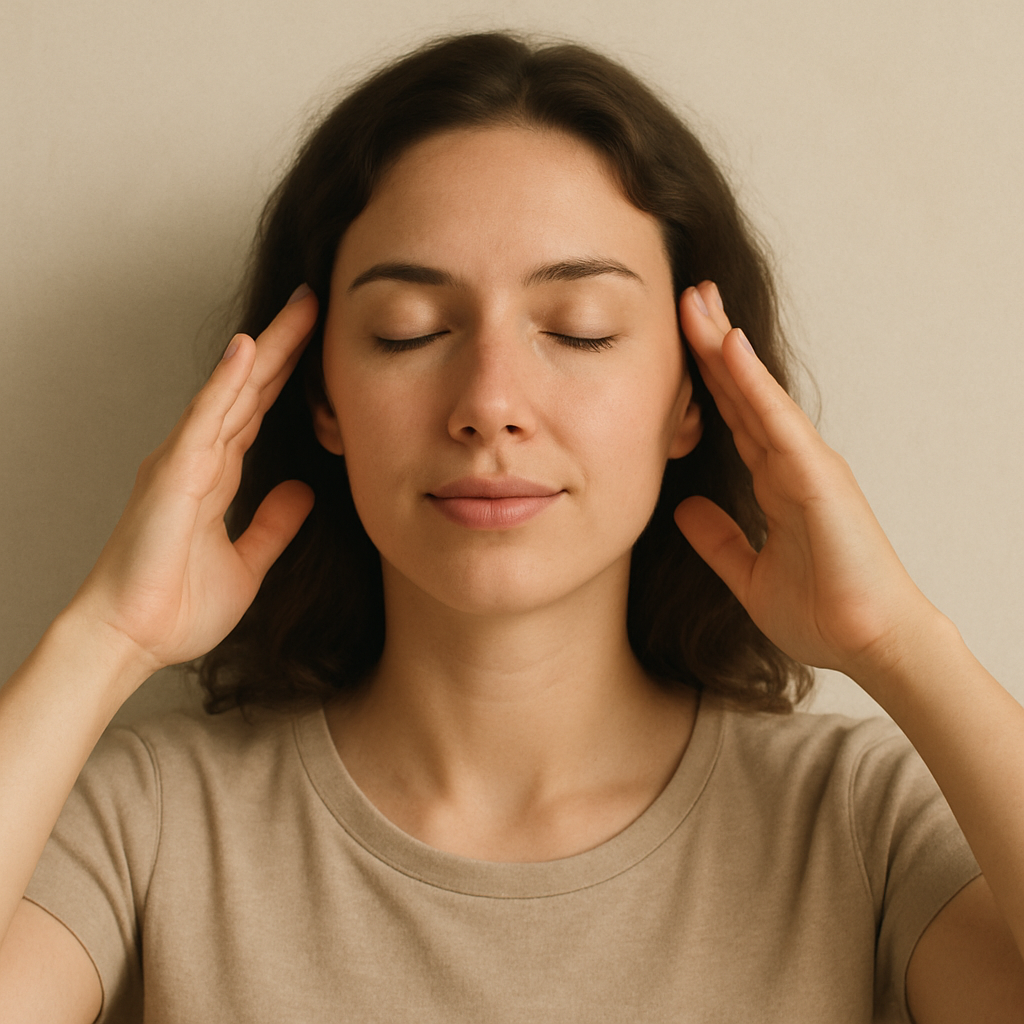
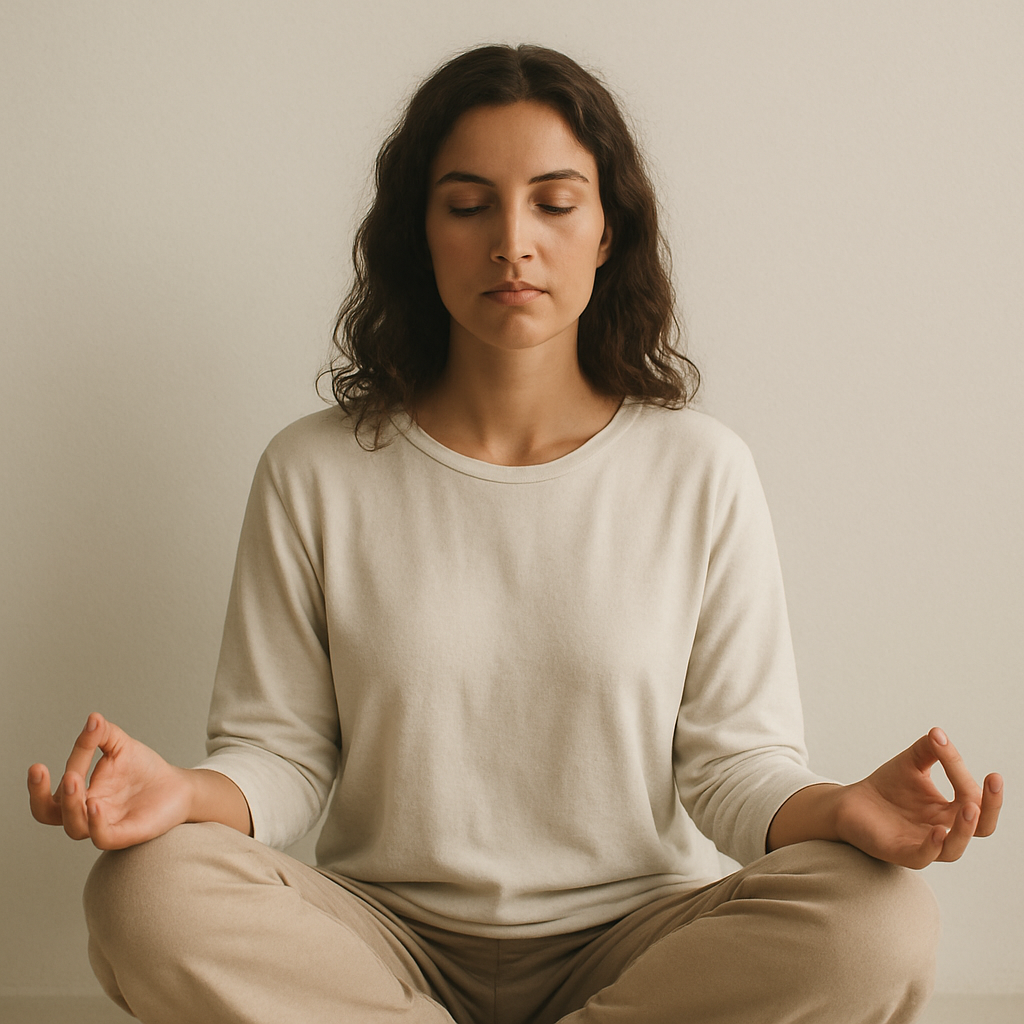
Emotional healing refers to the process of recovering from emotional trauma, distress, or pain. It encompasses various practices and techniques aimed at restoring emotional well-being and balance. In the context of meditation and mindfulness, it involves using mental focus and awareness to cultivate a positive emotional state, reduce stress, and promote self-acceptance.
Key Active Compounds & Mechanisms
While emotional healing is not attributed to specific compounds like herbal remedies, the mechanisms underlying its benefits can be understood through various psychological and physiological responses. Meditation and mindfulness are known to influence neurotransmitters such as serotonin and dopamine, which play crucial roles in mood regulation. Additionally, practices like mindfulness meditation enhance brain functions associated with emotional regulation, resilience, and self-awareness.
Traditional Uses
Throughout history, various cultures have employed meditation and mindfulness techniques for emotional healing. Ancient practices in Eastern traditions, such as Buddhism, have long emphasized the importance of mindfulness in overcoming suffering and achieving inner peace. Indigenous cultures often incorporate storytelling, rituals, and meditative practices to foster emotional healing within their communities.
What Modern Research Suggests
Recent studies support the efficacy of meditation and mindfulness in promoting emotional healing. Research has demonstrated that regular mindfulness practice can reduce symptoms of anxiety, depression, and stress-related disorders. A meta-analysis published in a leading psychological journal found that mindfulness-based interventions significantly improve emotional regulation and overall psychological well-being.
Functional Actions
The functional actions of meditation and mindfulness in emotional healing include:
- Enhancing self-awareness and emotional intelligence.
- Reducing stress and anxiety levels.
- Improving mood and promoting positive emotional states.
- Fostering resilience against emotional distress.
- Encouraging self-acceptance and compassion.
Body Systems Supported
Emotional healing through meditation and mindfulness primarily supports the following body systems:
- Nervous System: Promotes relaxation and reduces stress responses.
- Endocrine System: Balances hormone levels associated with stress and mood regulation.
- Immune System: Enhances immune function by reducing stress-related inflammation.
Common Forms & Educational Dosing Ranges
Common forms of meditation and mindfulness practices include:
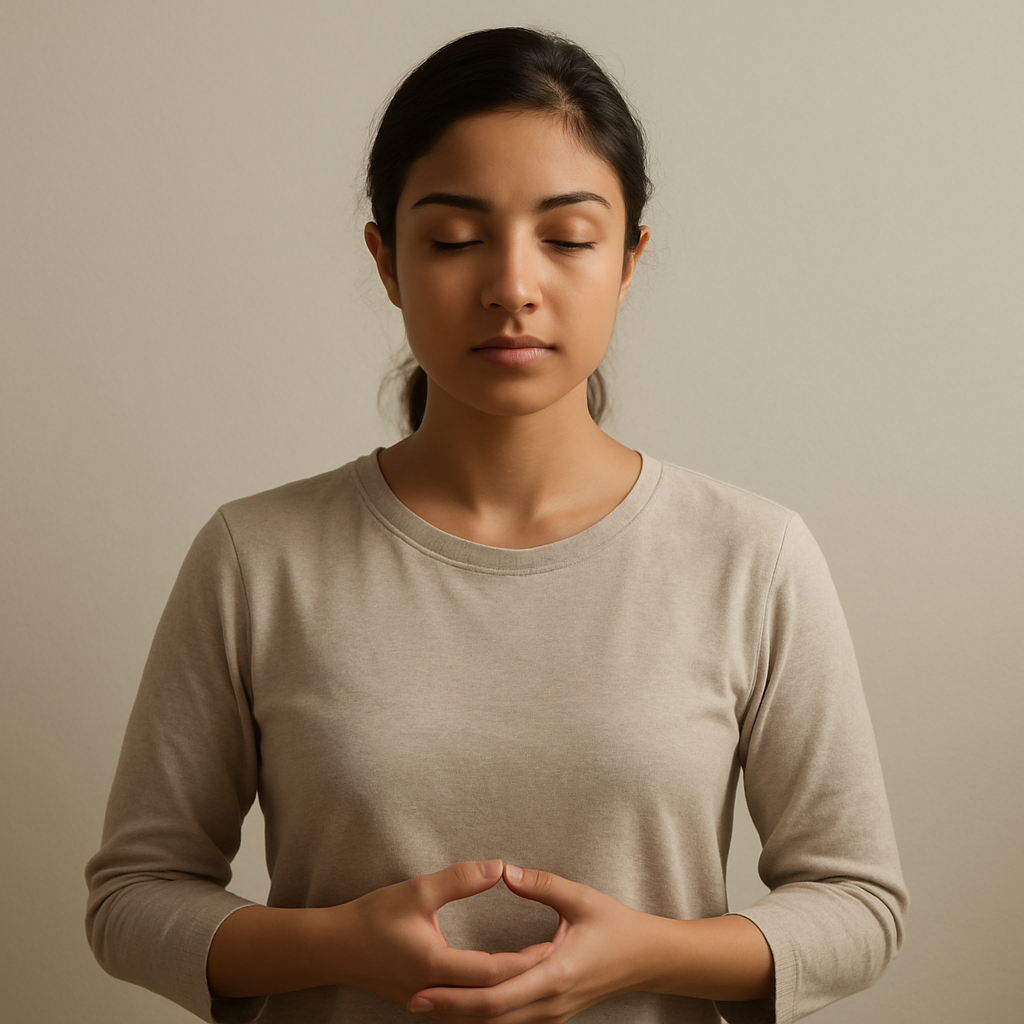
- Mindfulness Meditation: Typically practiced for 10-30 minutes daily, focusing on breath and bodily sensations.
- Guided Meditation: Involves listening to a facilitator or audio recording, usually lasting 15-30 minutes.
- Body Scan Meditation: A practice of slowly focusing attention on various body parts, often lasting 20-30 minutes.
For effective emotional healing, consistency is key. Practicing these techniques regularly can lead to significant improvements in emotional well-being.
Safety, Contraindications & Interactions
While meditation and mindfulness practices are generally safe, individuals with certain mental health conditions, such as severe depression or anxiety disorders, should consult a healthcare provider before starting. It is essential to note that these practices should not replace conventional treatment for mental health issues. Additionally, some individuals may experience temporary discomfort or heightened emotions during initial practice.
Pairs Well With
Emotional healing can be enhanced by pairing meditation and mindfulness with:
- Yoga: Integrates physical movement with mindfulness, promoting overall well-being.
- Aromatherapy: Using essential oils can enhance relaxation during meditation.
- Journaling: Complementing mindfulness with expressive writing can clarify emotions and experiences.
FAQs (5)
- What is emotional healing? Emotional healing is the process of recovering from emotional pain and distress through various practices, including meditation and mindfulness.
- How long should I meditate for emotional healing? Starting with 10-30 minutes daily can be beneficial, gradually increasing as you become more comfortable.
- Can meditation help with anxiety? Yes, studies show that mindfulness meditation can significantly reduce symptoms of anxiety.
- Is emotional healing a quick process? No, emotional healing is often a gradual process that requires consistent practice and patience.
- Can I practice mindfulness if I have a mental health condition? If you have a mental health condition, it's best to consult with a healthcare professional before starting mindfulness practices.
Frequently asked
What is emotional healing?
Emotional healing is the process of recovering from emotional pain and distress through various practices, including meditation and mindfulness.
How long should I meditate for emotional healing?
Starting with 10-30 minutes daily can be beneficial, gradually increasing as you become more comfortable.
Can meditation help with anxiety?
Yes, studies show that mindfulness meditation can significantly reduce symptoms of anxiety.
Is emotional healing a quick process?
No, emotional healing is often a gradual process that requires consistent practice and patience.
Can I practice mindfulness if I have a mental health condition?
If you have a mental health condition, it's best to consult with a healthcare professional before starting mindfulness practices.