Awareness Practice
Discover Awareness Practice, its benefits, and its role in promoting mindfulness and well-being.

Explore the transformative world of Awareness Practice within Meditation & Mindfulness, focusing on its definition, historical significance, modern research, and practical applications.
What It Is
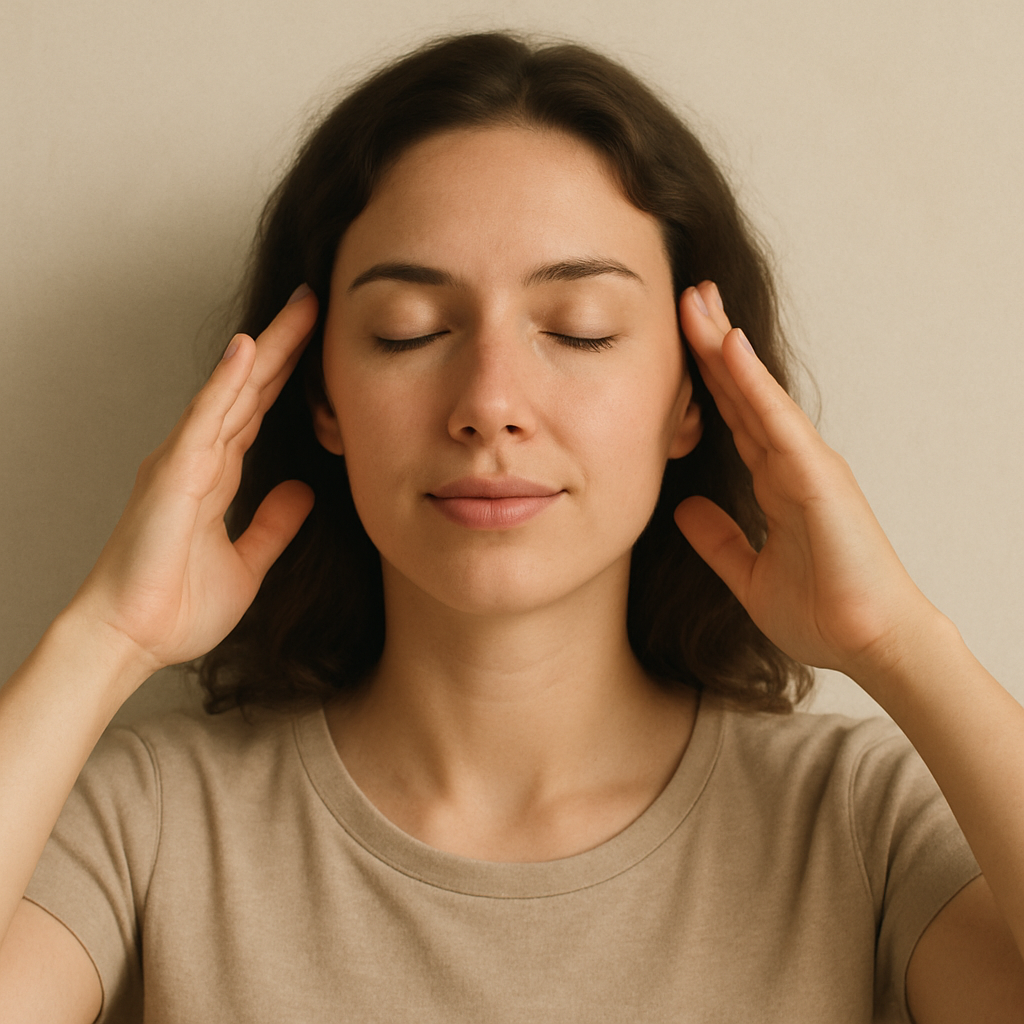
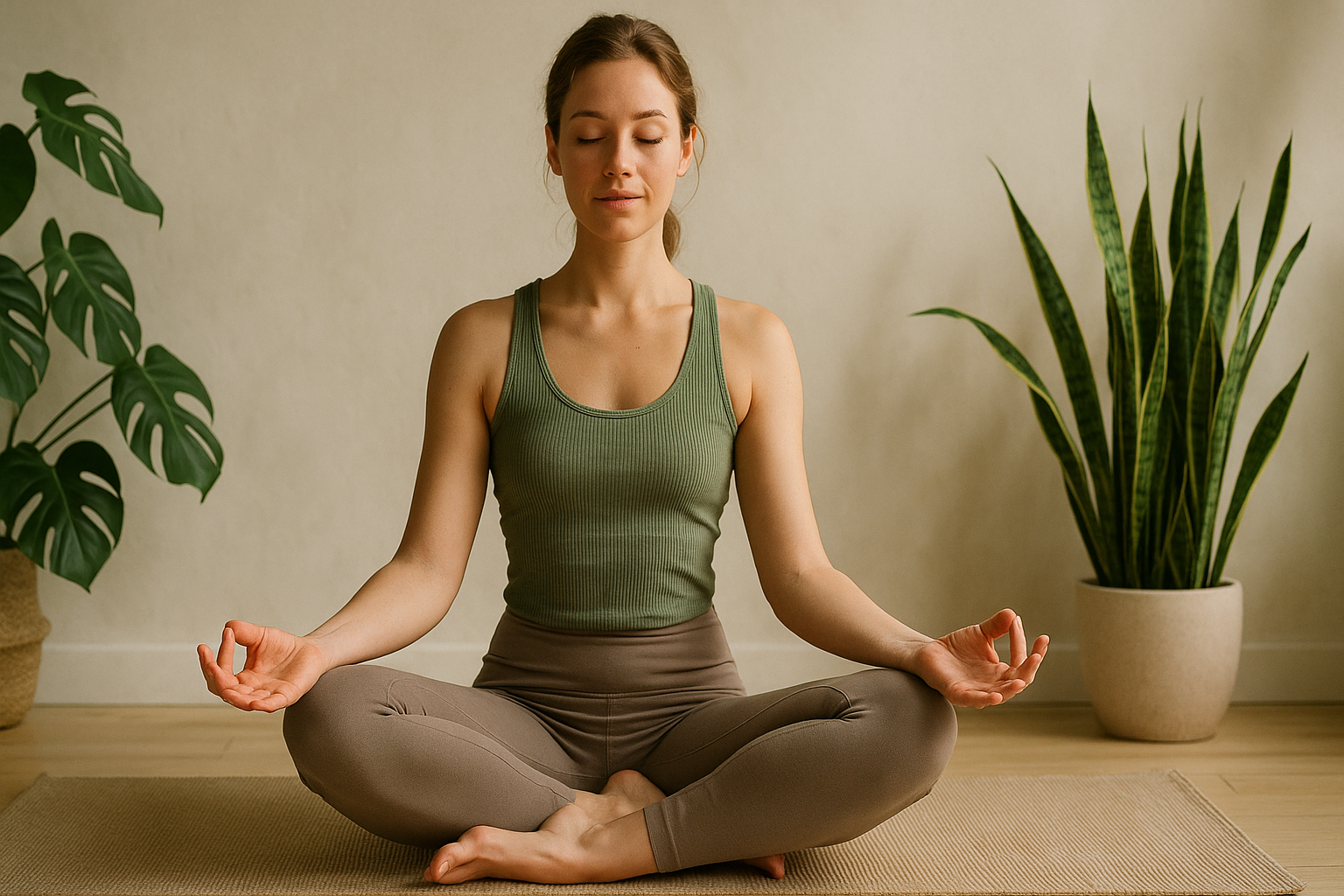
Awareness Practice is a meditation and mindfulness technique that emphasizes the cultivation of present-moment awareness. It encourages individuals to observe their thoughts, feelings, and sensations without judgment, fostering a deeper connection to oneself and the environment. This practice can be traced back to various contemplative traditions, particularly within Buddhism, where mindfulness (sati) is a fundamental aspect of meditation.
Key Active Compounds & Mechanisms
While Awareness Practice itself does not involve specific plant compounds, it can be complemented by natural remedies that enhance mental clarity and relaxation. For instance, herbs such as Lavandula angustifolia (lavender) and Valeriana officinalis (valerian) are known for their calming effects. The mechanisms behind these herbs typically involve modulation of neurotransmitters such as gamma-aminobutyric acid (GABA), which help reduce anxiety and promote relaxation.
Traditional Uses
Historically, Awareness Practice has roots in ancient spiritual traditions. In Buddhism, mindfulness meditation has been practiced for centuries as a means to achieve enlightenment and liberation from suffering. In the East, practices similar to Awareness have been found in Hinduism and Taoism, where meditation is used to connect with the divine and understand one’s true nature. These ancient practices emphasize the importance of being present and aware in every moment.
What Modern Research Suggests
Modern research supports the benefits of Awareness Practice, highlighting its positive impact on mental health. Studies have shown that mindfulness meditation can reduce symptoms of anxiety and depression, enhance emotional regulation, and improve overall well-being. Research indicates changes in brain structure and function associated with regular mindfulness practice, suggesting its potential for long-term cognitive benefits.
Functional Actions
- Enhances mental clarity and focus
- Reduces stress and anxiety levels
- Improves emotional regulation
- Promotes self-awareness and introspection
- Encourages compassion and empathy
Body Systems Supported
Awareness Practice primarily supports the following body systems:
- Nervous System: By promoting relaxation and reducing stress, it helps maintain balance within the nervous system.
- Endocrine System: Mindfulness can lower cortisol levels, which may help regulate stress hormones.
- Immune System: A reduction in stress has been linked to improved immune function.
Common Forms & Educational Dosing Ranges
Awareness Practice can be engaged in various forms, including:
- Seated Meditation: Practicing for 10-30 minutes daily.
- Walking Meditation: Engaging in mindful walking for 15-30 minutes.
- Body Scan: A practice that typically lasts 20-40 minutes, focusing on different body parts to enhance awareness.
- Mindful Breathing: Spending 5-10 minutes focusing on the breath.
Safety, Contraindications & Interactions
Awareness Practice is generally safe for most individuals. However, those with severe mental health conditions, such as PTSD or severe anxiety disorders, should consult a mental health professional before starting a mindfulness practice. Caution should also be exercised for individuals taking medications for anxiety or depression, as combining these with mindfulness practices may lead to unexpected emotional responses.
Pairs Well With
Awareness Practice complements various natural remedies and techniques, such as:
- Aromatherapy: Using essential oils like lavender or chamomile to enhance relaxation.
- Herbal Teas: Incorporating calming herbal teas, such as chamomile or lemon balm.
- Yoga: Combining mindfulness with physical movement for a holistic approach.
FAQs (5)
- What is the primary goal of Awareness Practice? The primary goal is to cultivate present-moment awareness and non-judgmental observation of thoughts and feelings.
- How often should I practice Awareness? Daily practice is recommended, starting with 5-10 minutes and gradually increasing as comfortable.
- Can Awareness Practice help with stress management? Yes, numerous studies indicate that mindfulness practices can significantly reduce stress and improve emotional resilience.
- Do I need to be a certain age to practice Awareness? No, Awareness Practice can be beneficial for individuals of all ages, including children and seniors.
- Can I practice Awareness while doing other activities? Absolutely! Awareness can be integrated into daily activities, such as eating, walking, or even washing dishes, by focusing fully on the experience.
Frequently asked
What is the primary goal of Awareness Practice?
The primary goal is to cultivate present-moment awareness and non-judgmental observation of thoughts and feelings.
How often should I practice Awareness?
Daily practice is recommended, starting with 5-10 minutes and gradually increasing as comfortable.
Can Awareness Practice help with stress management?
Yes, numerous studies indicate that mindfulness practices can significantly reduce stress and improve emotional resilience.
Do I need to be a certain age to practice Awareness?
No, Awareness Practice can be beneficial for individuals of all ages, including children and seniors.
Can I practice Awareness while doing other activities?
Absolutely! Awareness can be integrated into daily activities, such as eating, walking, or even washing dishes, by focusing fully on the experience.