Stress Meditation
Learn about stress meditation, its benefits, traditional uses, and modern research findings. Discover how to practice it effectively.
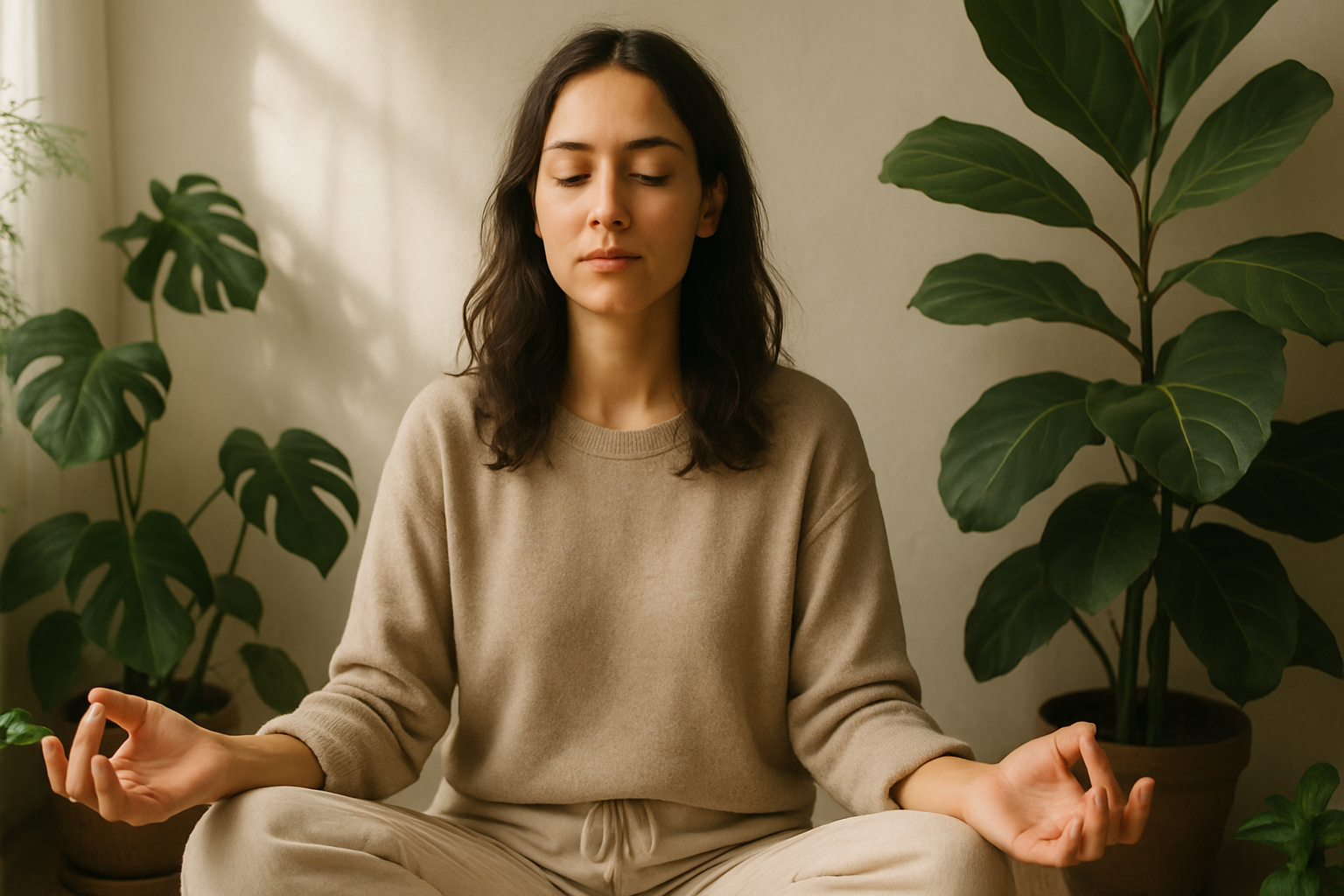
Explore the world of stress meditation, its definitions, traditional uses, modern research insights, and practical applications. Discover how to incorporate stress meditation into your routine for enhanced well-being.
What It Is
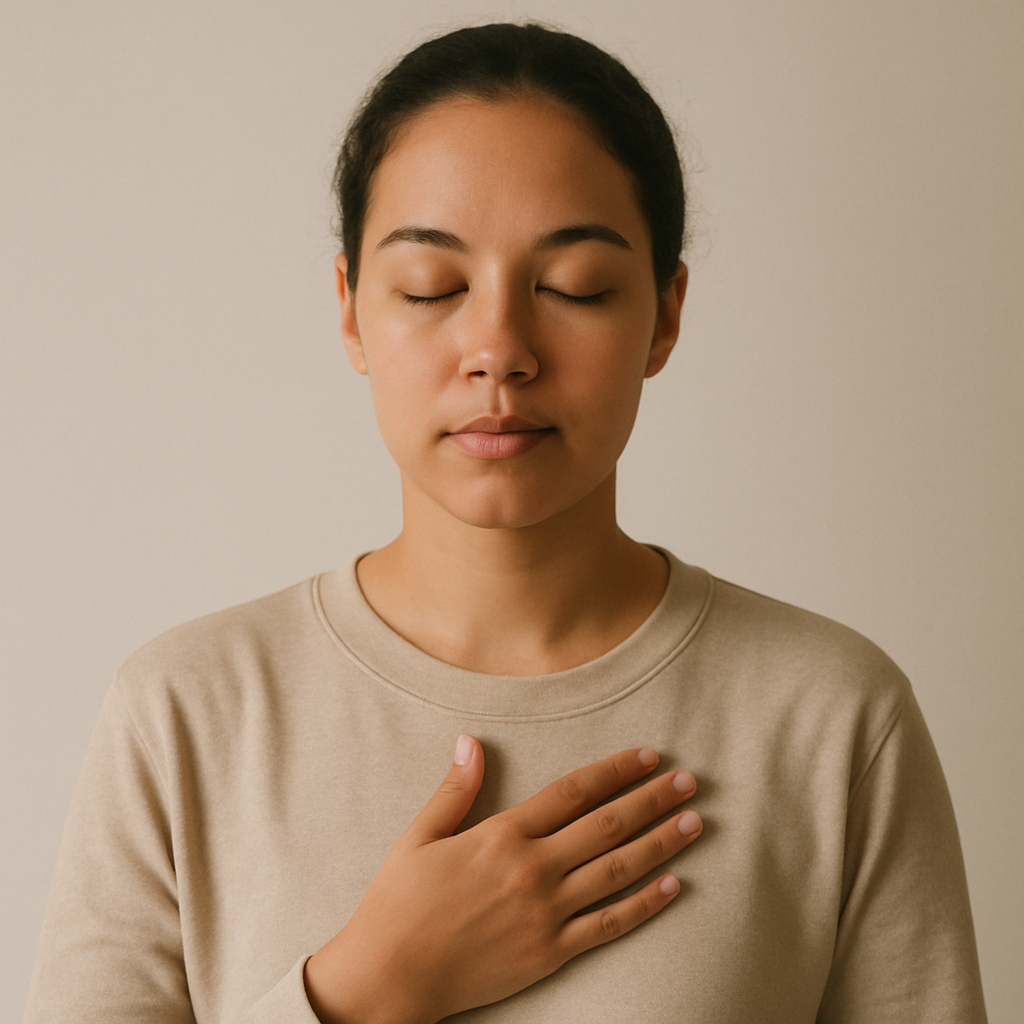
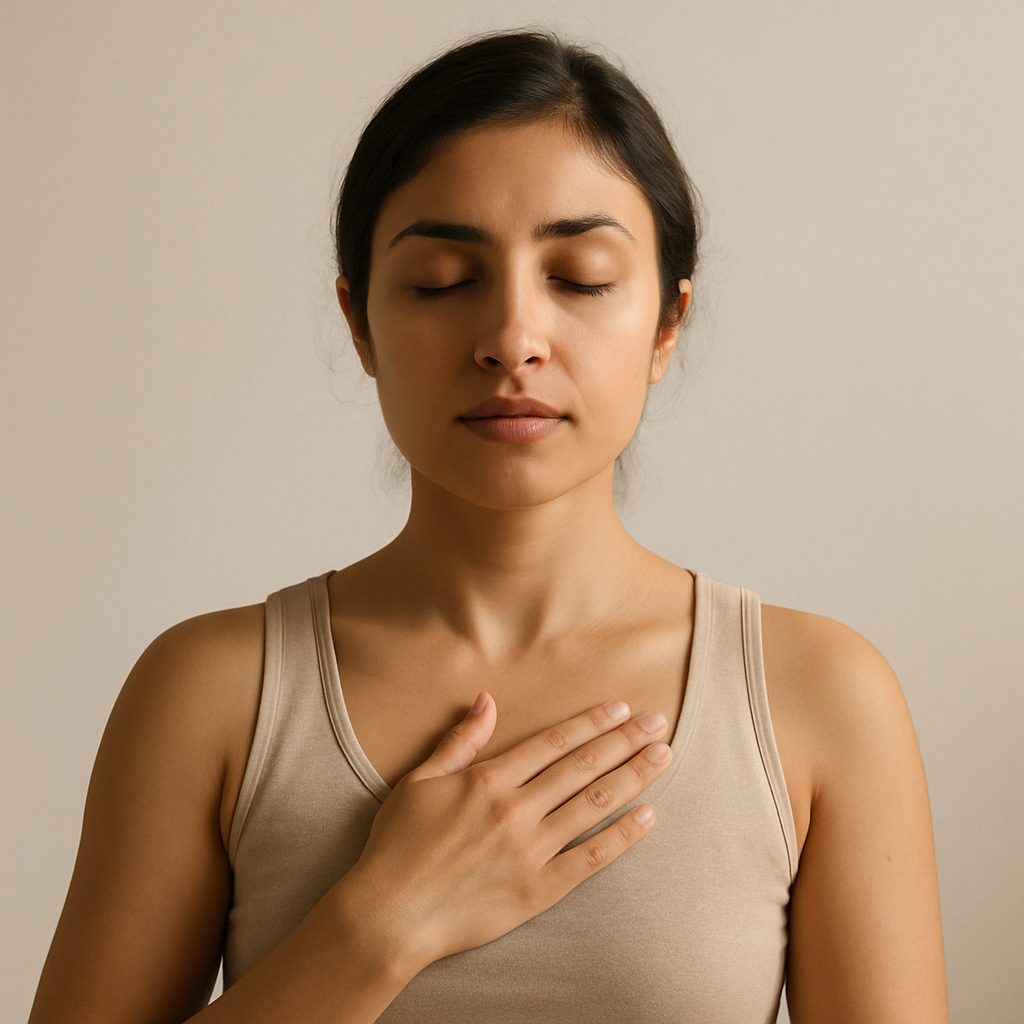
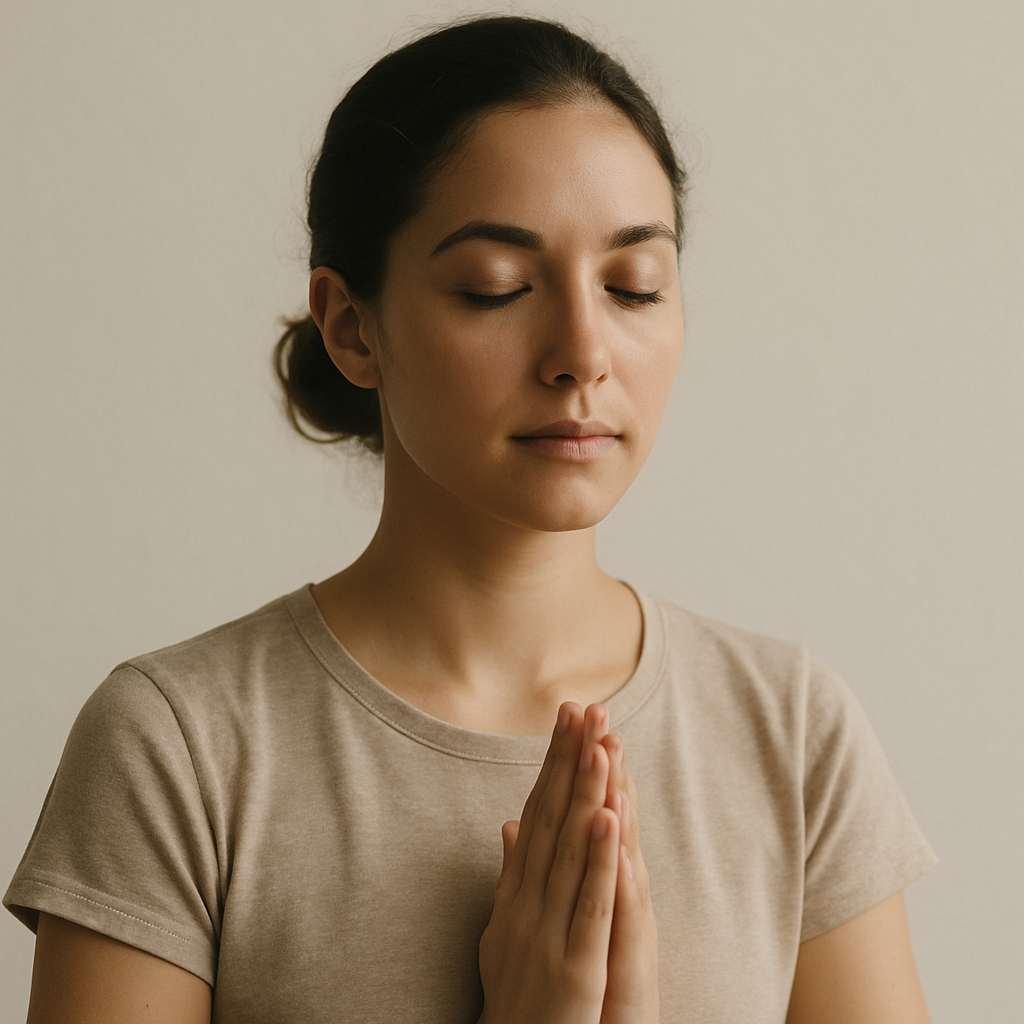
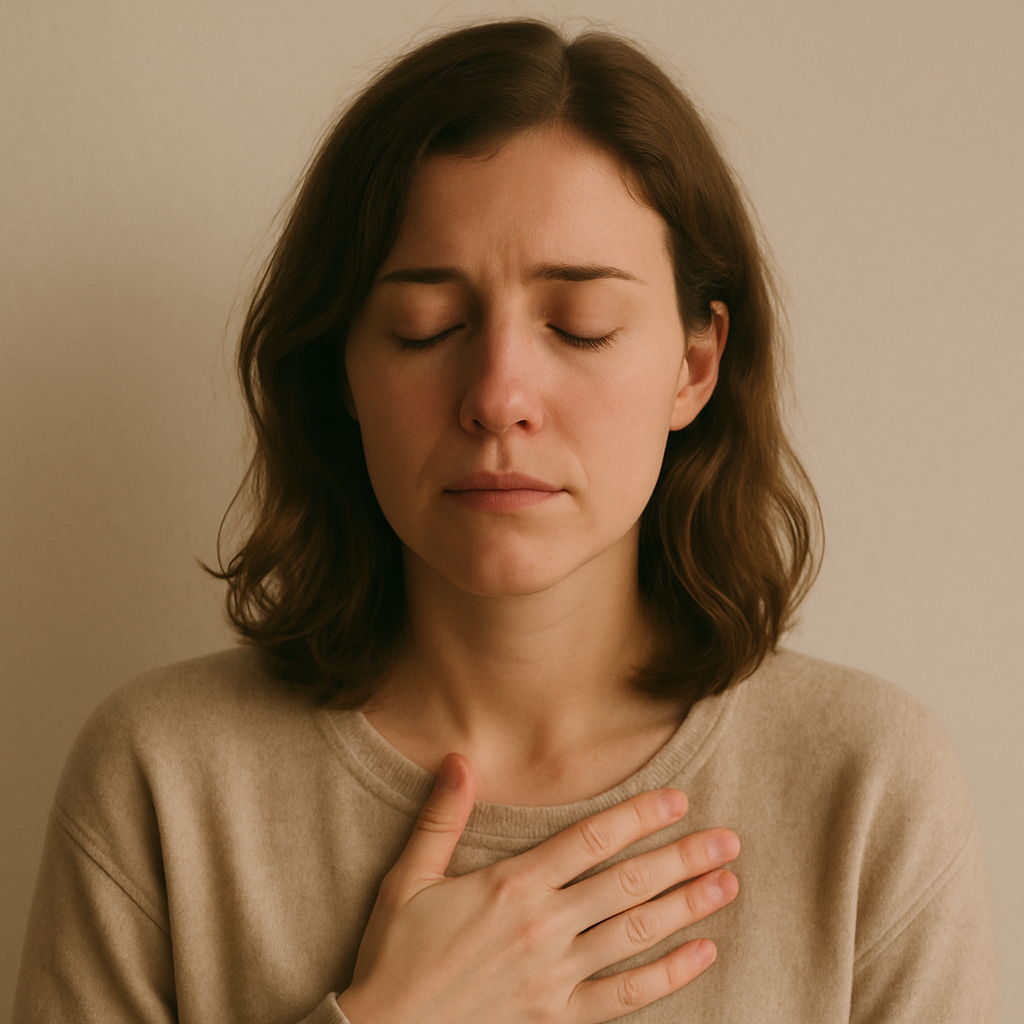
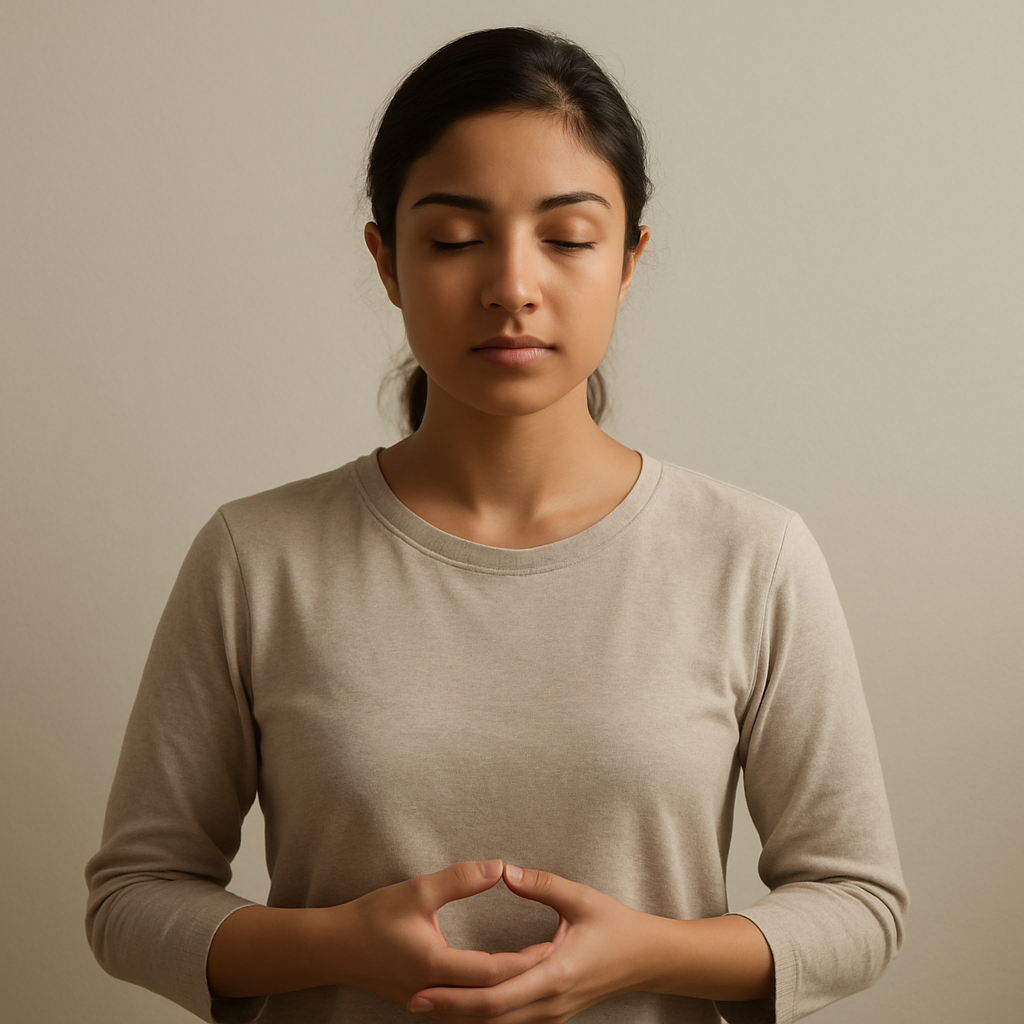
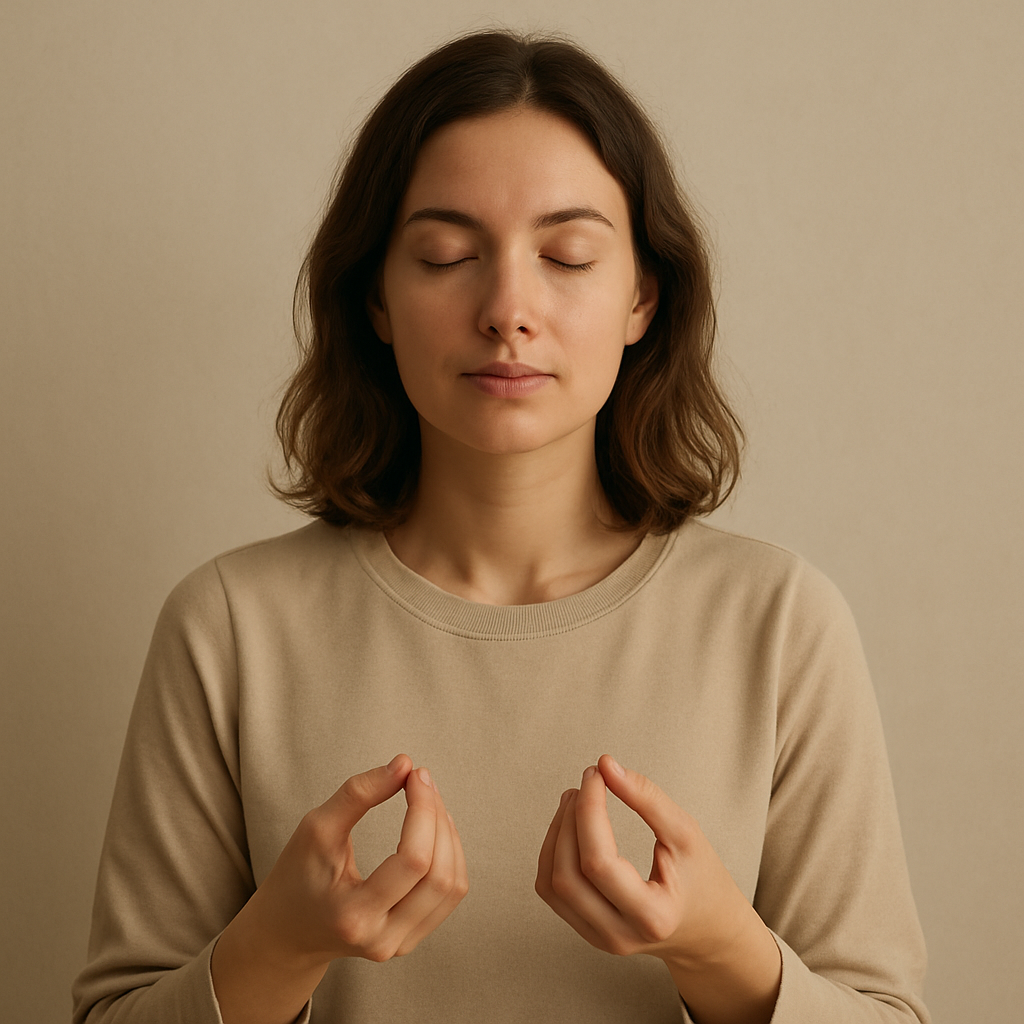
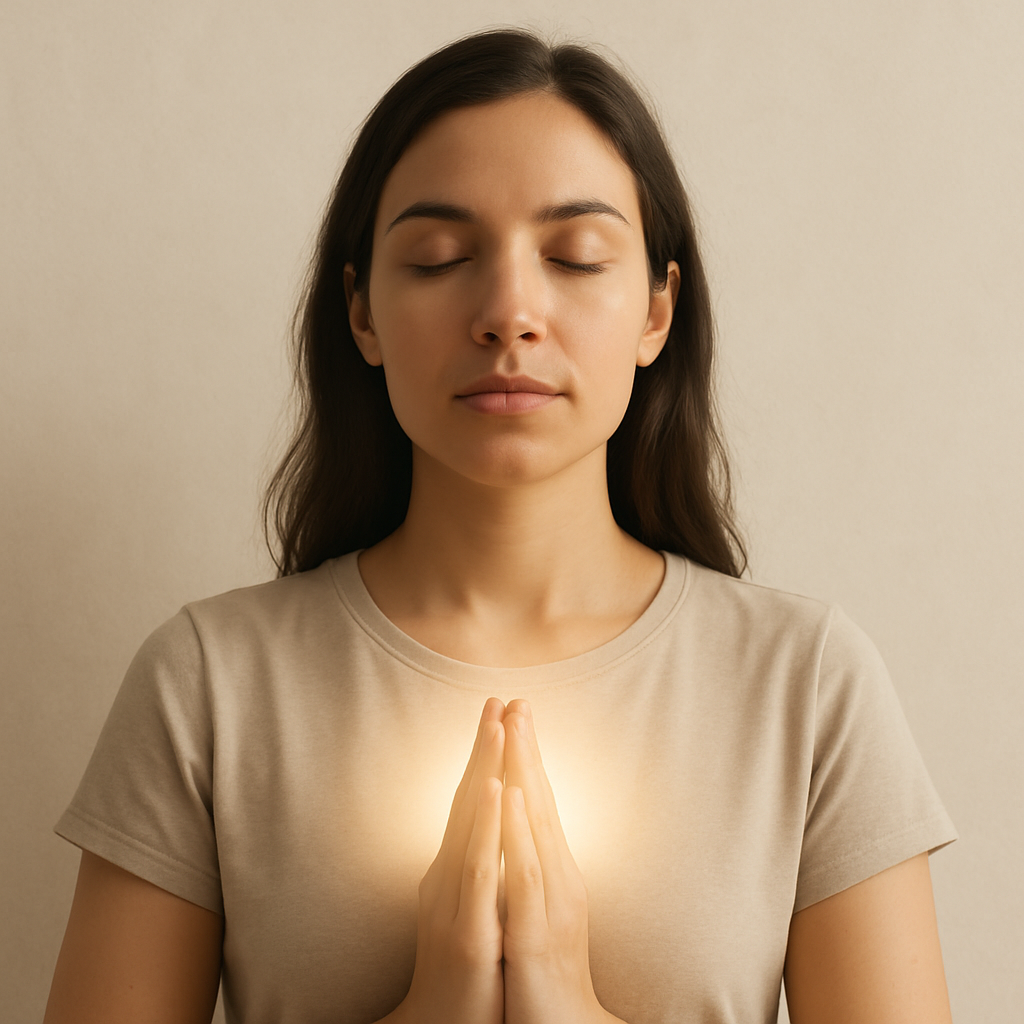
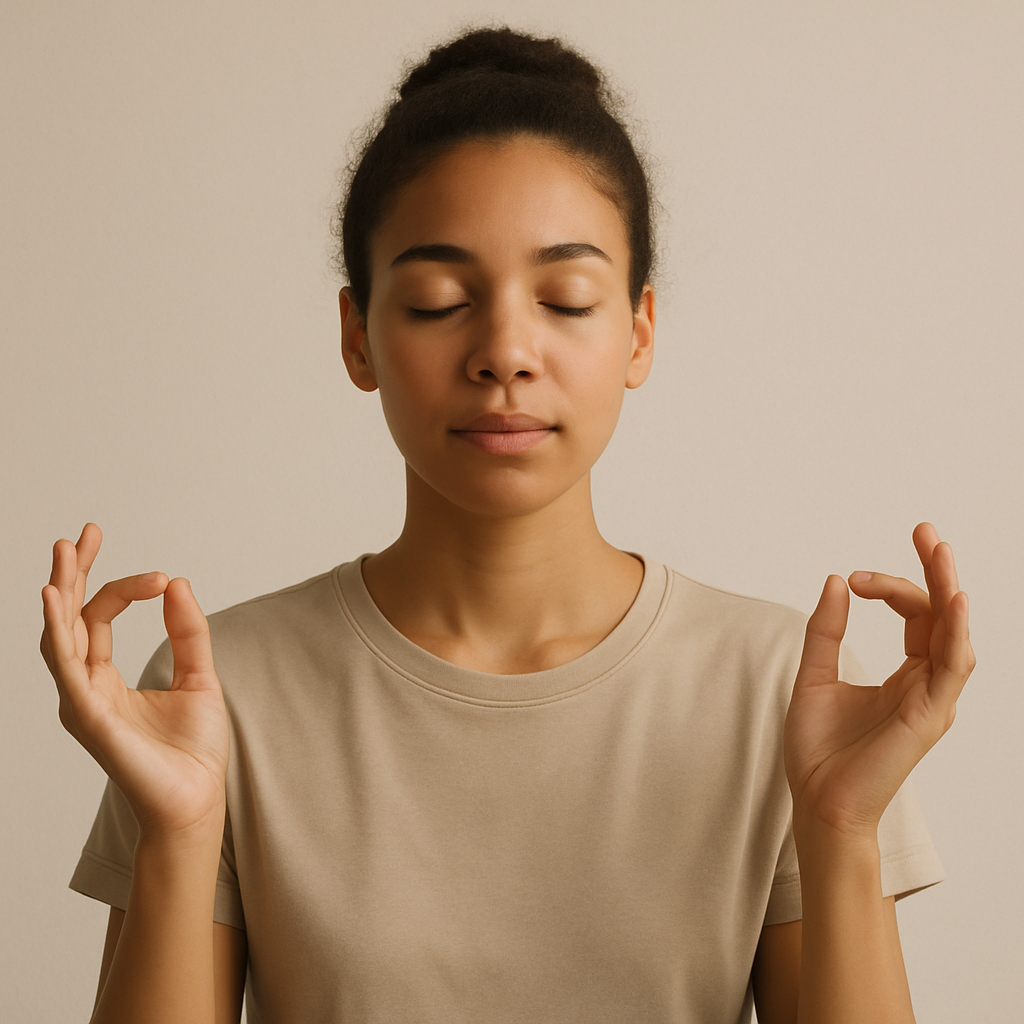
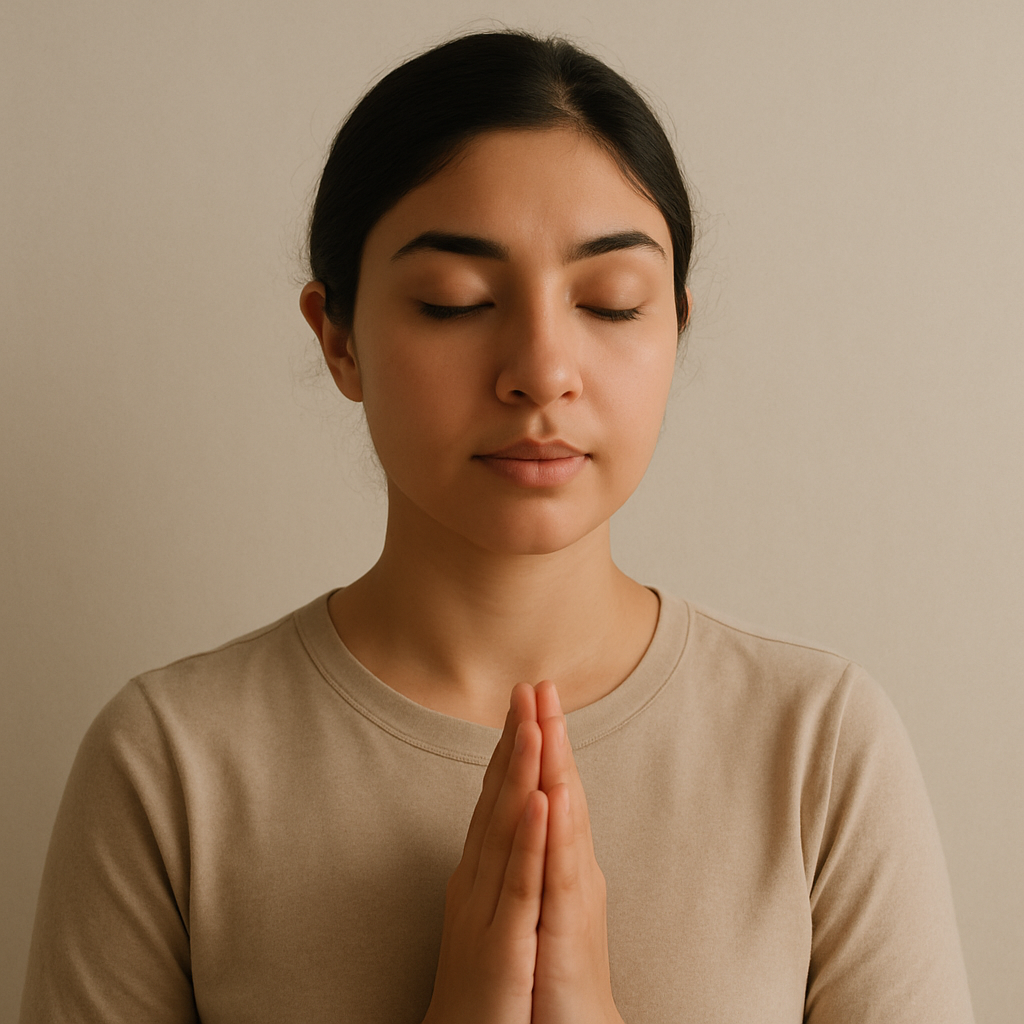
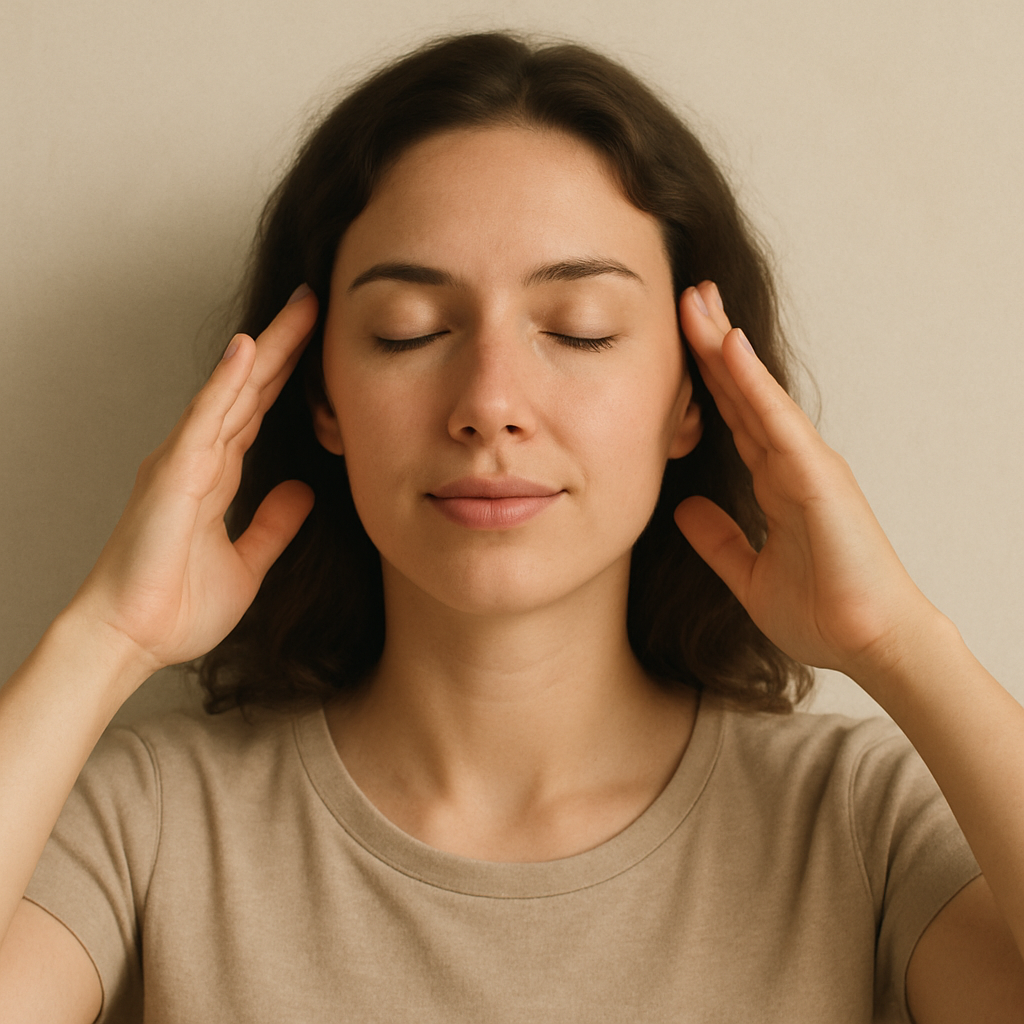
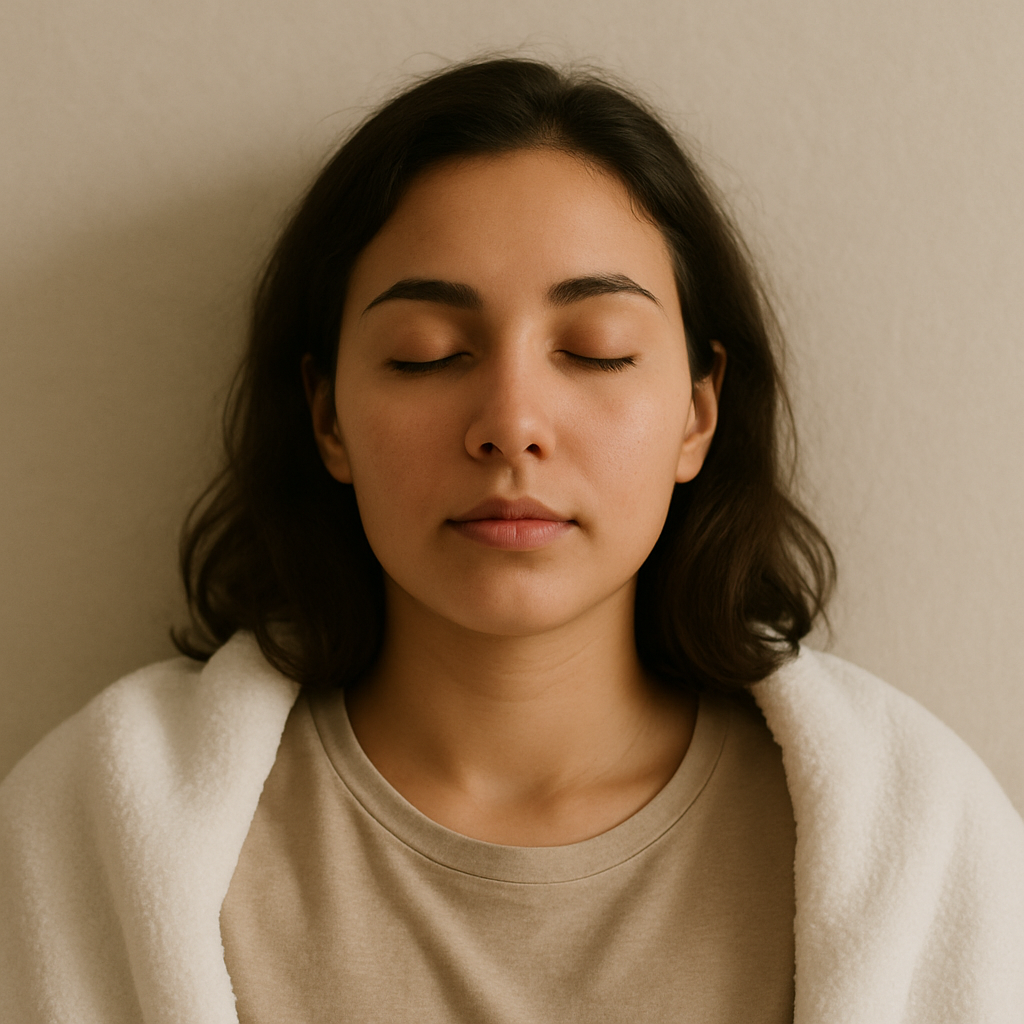
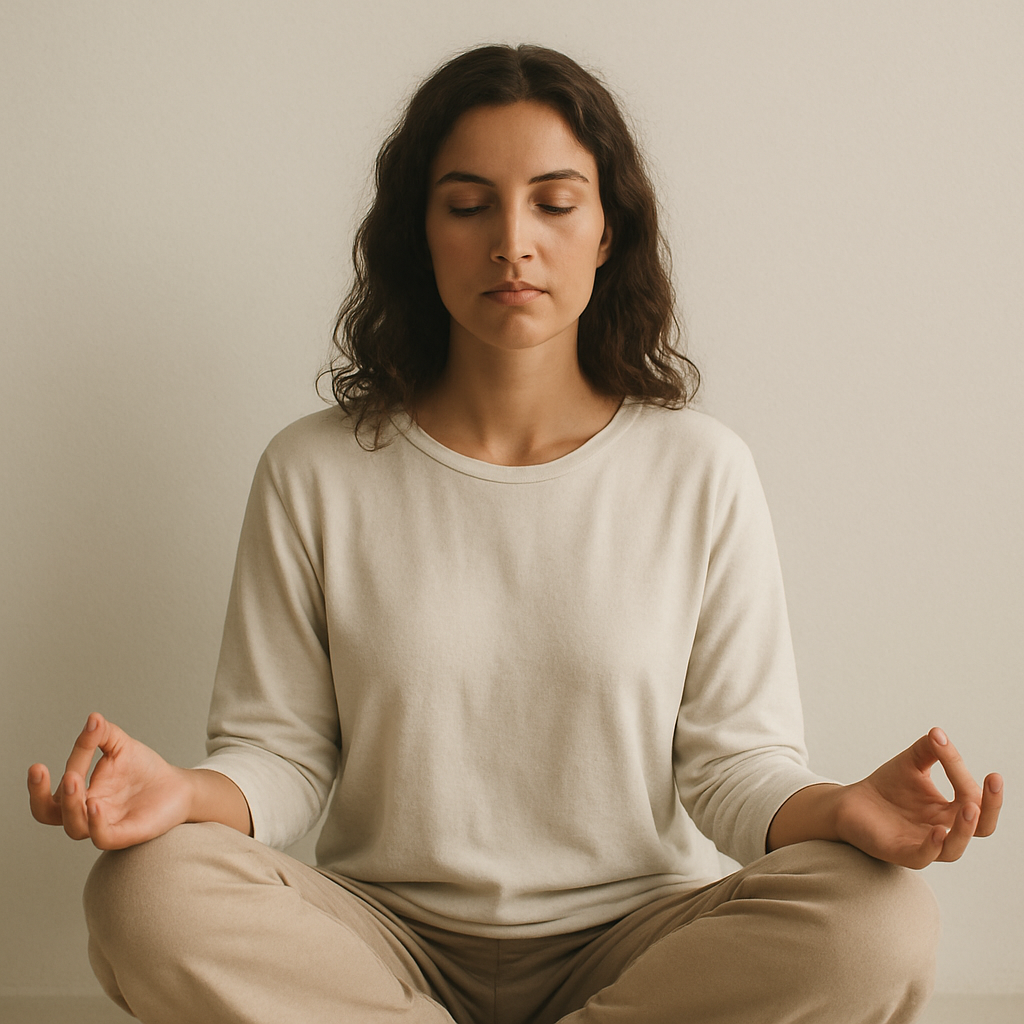
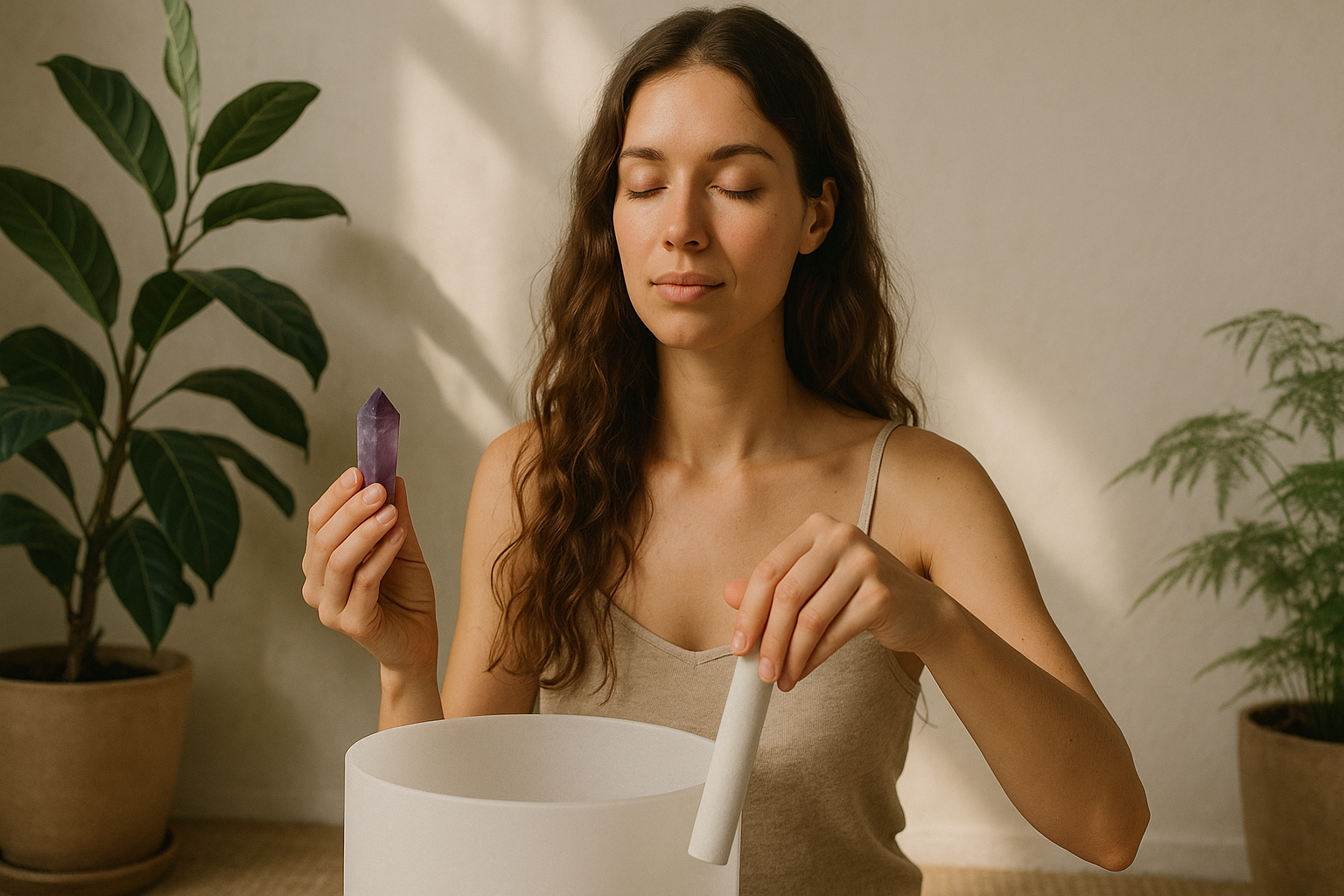
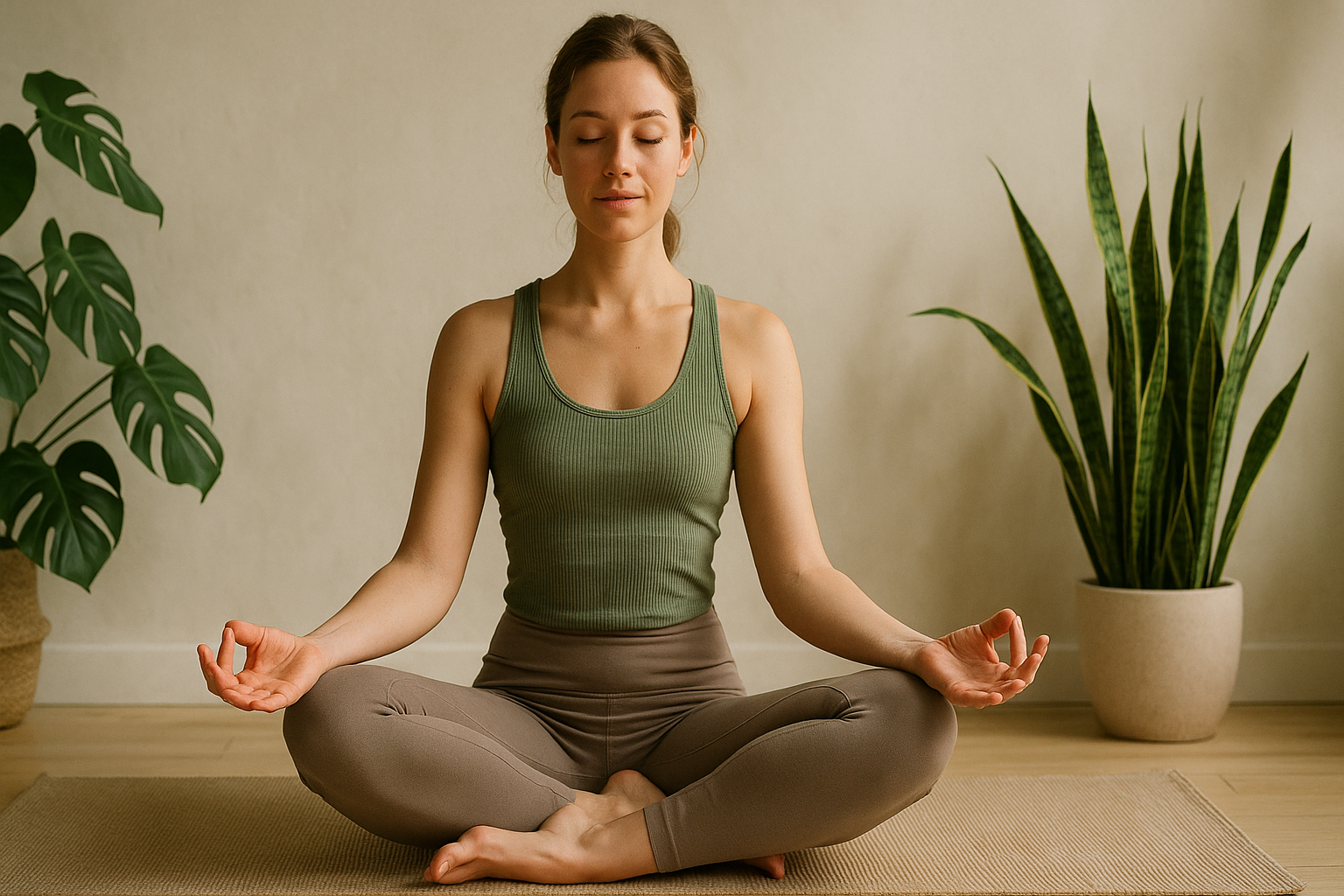
Stress meditation is a mindful practice aimed at reducing stress and promoting relaxation. It encompasses various techniques that encourage a state of calm and heightened awareness. By focusing on the present moment and calming the mind, stress meditation helps individuals manage their emotional responses to stressors. This practice can be achieved through methods such as guided imagery, breathing exercises, and body scans, allowing practitioners to center themselves and alleviate anxiety.
Key Active Compounds & Mechanisms
While stress meditation itself does not involve chemical compounds, its effects on the body can lead to the release of neurotransmitters such as serotonin and dopamine, which are known to enhance mood and promote relaxation. The practice may also reduce levels of cortisol, a hormone associated with stress. By engaging in meditation, individuals can activate the parasympathetic nervous system, which counteracts the stress response, resulting in improved emotional and physical well-being.
Traditional Uses
Historically, meditation has been an integral part of various cultures and spiritual practices. In ancient India, meditation techniques were developed within the context of Hinduism and Buddhism, focusing on achieving spiritual enlightenment and inner peace. Similarly, in ancient Chinese traditions, meditation was practiced to cultivate qi (life energy) and balance the body and mind. These traditions laid the foundation for contemporary stress meditation practices, which emphasize relaxation and mindfulness as tools for managing stress.
What Modern Research Suggests
Modern research has begun to validate the benefits of stress meditation. Numerous studies indicate that regular meditation practice can significantly reduce stress levels, anxiety, and depressive symptoms. A meta-analysis published in a well-regarded journal concluded that mindfulness meditation is effective in reducing psychological stress and improving emotional health. Additionally, brain imaging studies have shown that meditation can lead to structural changes in the brain, enhancing areas associated with emotional regulation and resilience.
Functional Actions
The primary functional actions of stress meditation include:
- Reducing Stress: Meditation helps lower stress levels by promoting relaxation and reducing the physiological response to stressors.
- Enhancing Focus: Regular practice can improve concentration and cognitive function.
- Improving Emotional Regulation: Meditation fosters greater awareness of emotions, leading to better control and management of emotional responses.
- Promoting Overall Well-Being: Engaging in meditation contributes to a greater sense of peace and happiness.
Body Systems Supported
Stress meditation primarily supports the following body systems:
- Nervous System: By activating the parasympathetic nervous system, meditation promotes relaxation and reduces stress responses.
- Endocrine System: Meditation can help regulate hormonal balance, particularly in reducing cortisol levels.
- Cardiovascular System: Regular practice may lead to lower blood pressure and improved heart health.
- Immune System: By reducing stress, meditation can enhance immune function and resilience to illness.
Common Forms & Educational Dosing Ranges
Stress meditation can be practiced in various forms, including:
- Mindfulness Meditation: Focus on breathing and awareness of thoughts and sensations.
- Guided Meditation: Listening to a recorded guide or instructor who leads you through the meditation process.
- Body Scan: A technique that involves mentally scanning the body for tension and promoting relaxation.
- Transcendental Meditation: A specific form involving the repetition of a mantra to reach a deep state of relaxation.
For beginners, starting with just 5-10 minutes of meditation daily can be beneficial. Gradually increasing the duration to 20-30 minutes can provide enhanced benefits.
Safety, Contraindications & Interactions
Stress meditation is generally considered safe for most individuals. However, those with severe mental health issues or conditions such as PTSD should consult a healthcare provider before beginning any meditation practice. Additionally, individuals taking medications for anxiety or depression should be aware that while meditation can be a supportive practice, it should not replace professional treatment. Medications that affect serotonin levels may interact with meditation practices aimed at enhancing mood and emotional regulation.
Pairs Well With
Stress meditation can be effectively paired with various complementary practices, such as:
- Yoga: Combining physical postures with meditation enhances relaxation and mindfulness.
- Aromatherapy: Using essential oils to create a calming environment can enhance the meditation experience.
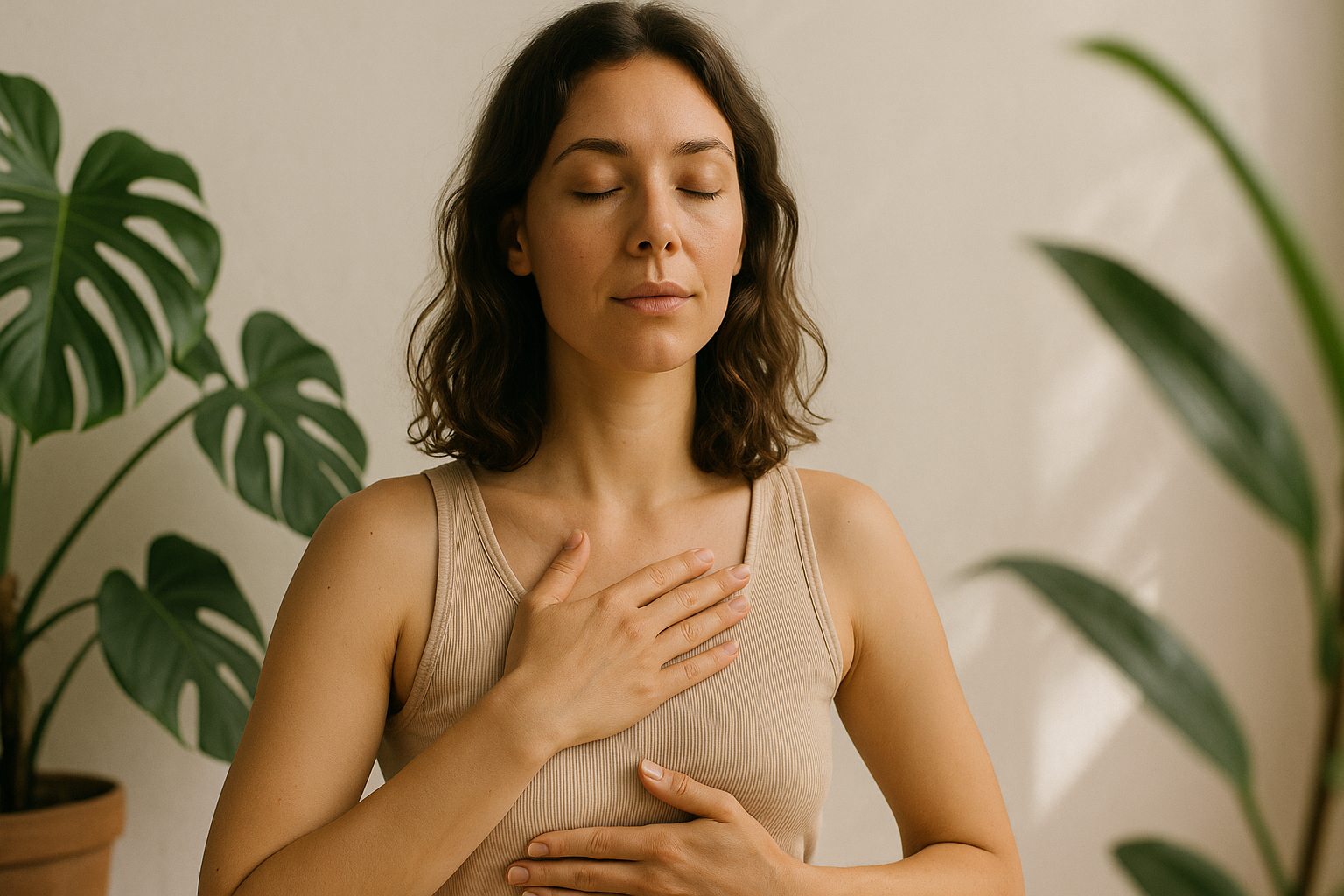
- Breathwork: Incorporating breath control techniques can deepen the meditative state.
- Nature Walks: Practicing mindfulness in nature can amplify the benefits of meditation.
FAQs (5)
- What is the best time to practice stress meditation?
Many find morning or evening to be the best times, as these periods can provide a quiet space for reflection. - How long should I meditate for stress relief?
Starting with 5-10 minutes a day is effective, gradually increasing as you become more comfortable. - Can meditation replace therapy for stress management?
While meditation can be supportive, it is not a substitute for professional therapy if needed. - Is guided meditation more effective than silent meditation?
Effectiveness varies by individual; some may find guidance helpful, while others prefer silence. - How can I stay focused during meditation?
Focusing on your breath or a mantra can help maintain concentration during your practice.
Frequently asked
What is the best time to practice stress meditation?
Many find morning or evening to be the best times, as these periods can provide a quiet space for reflection.
How long should I meditate for stress relief?
Starting with 5-10 minutes a day is effective, gradually increasing as you become more comfortable.
Can meditation replace therapy for stress management?
While meditation can be supportive, it is not a substitute for professional therapy if needed.
Is guided meditation more effective than silent meditation?
Effectiveness varies by individual; some may find guidance helpful, while others prefer silence.
How can I stay focused during meditation?
Focusing on your breath or a mantra can help maintain concentration during your practice.