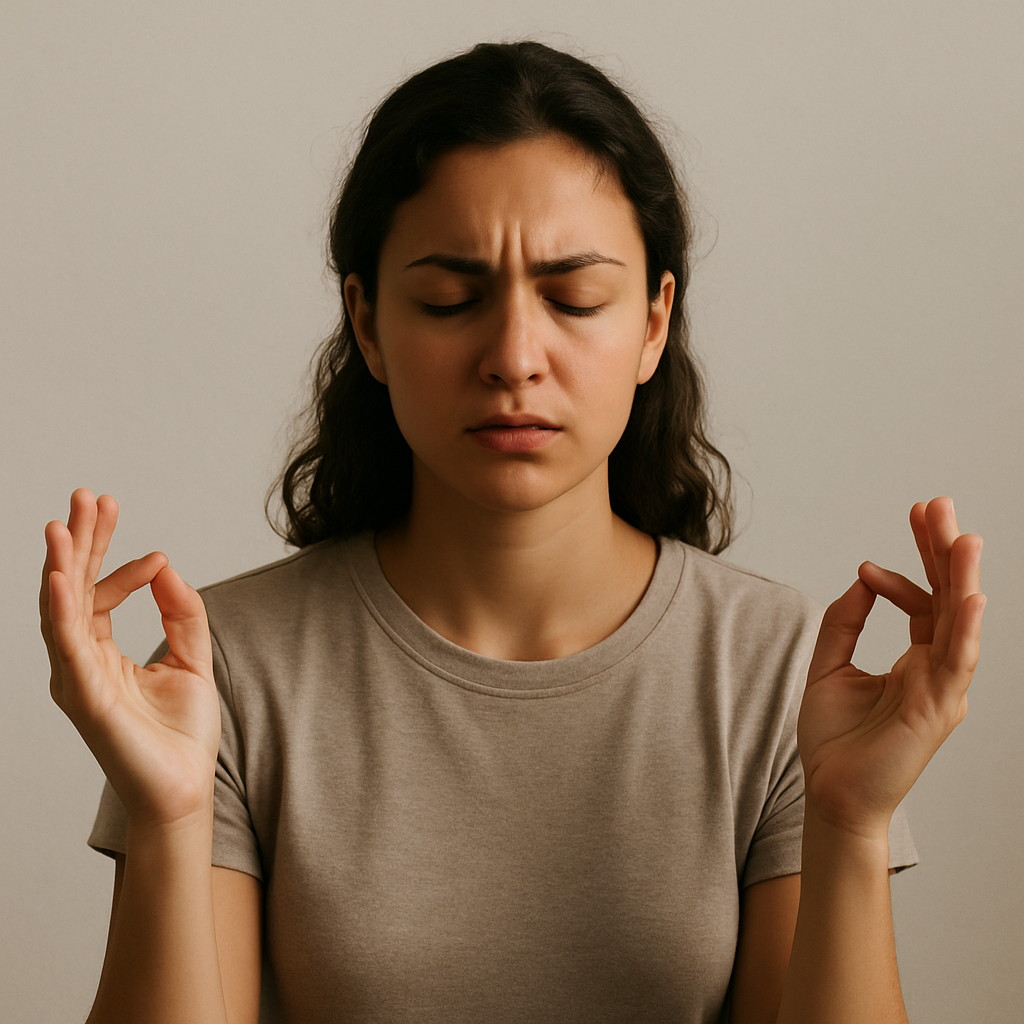
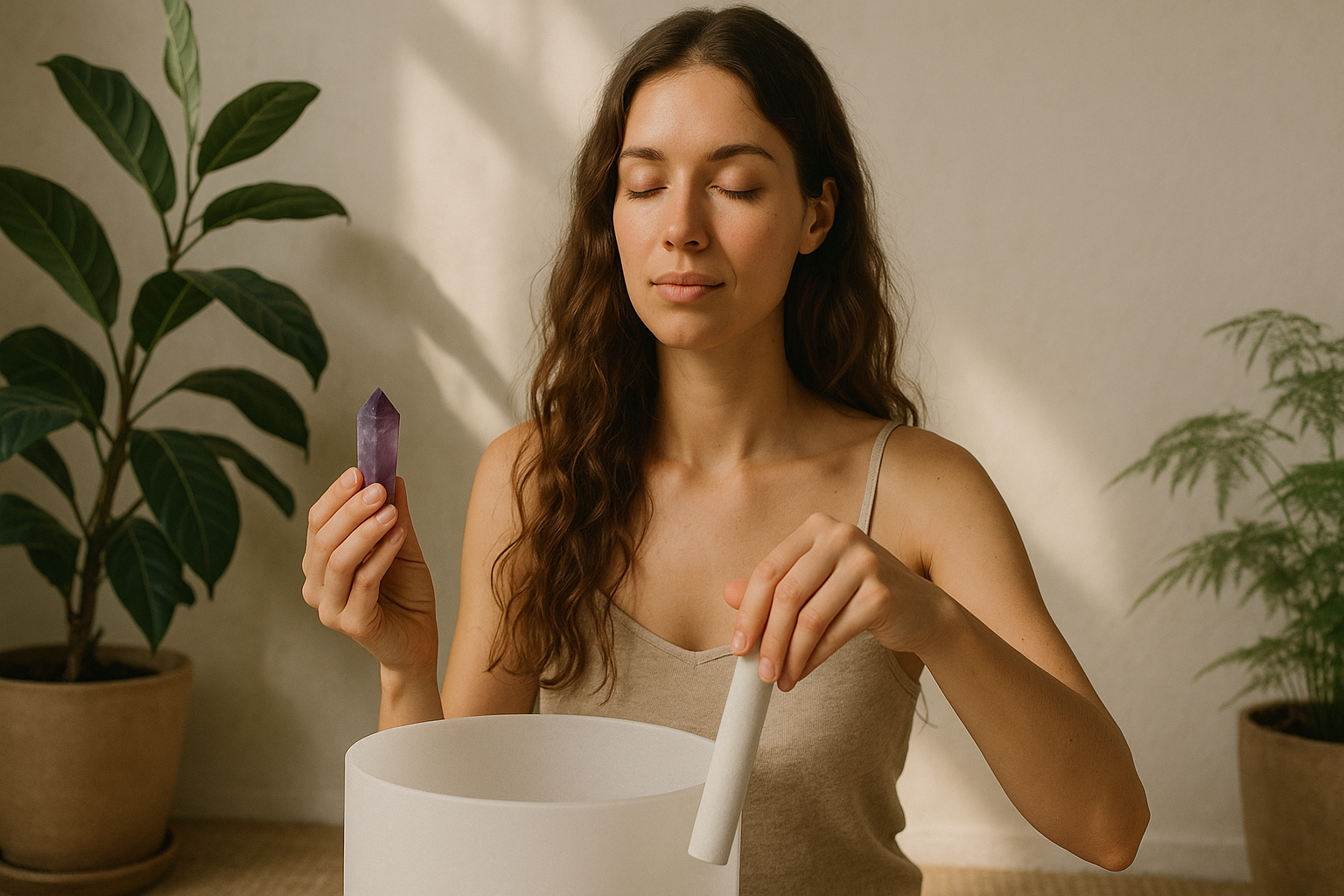
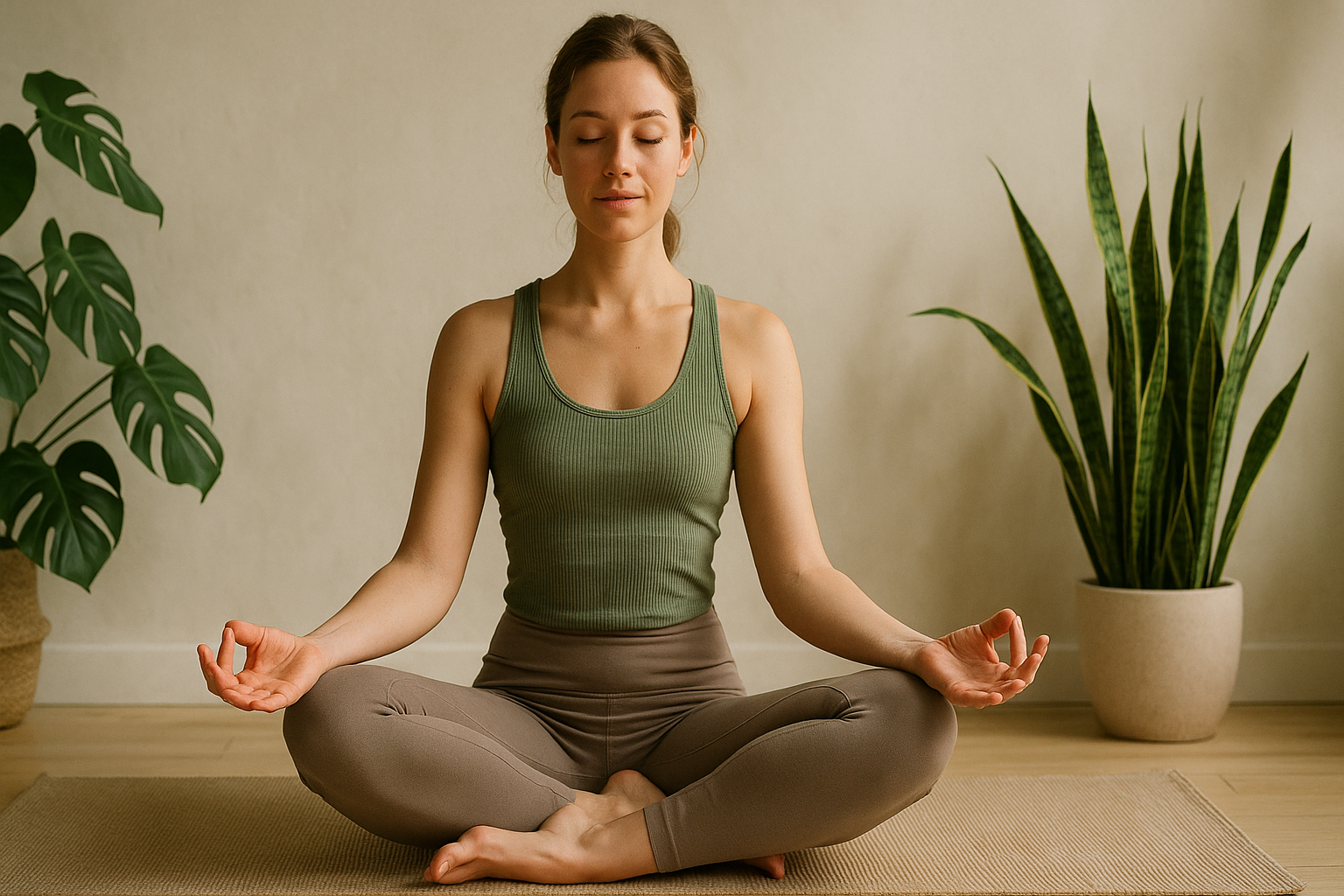
Guided Meditation
Guided meditation is a powerful technique for enhancing mindfulness and reducing stress. This page explores its definition, benefits, and practical applications.
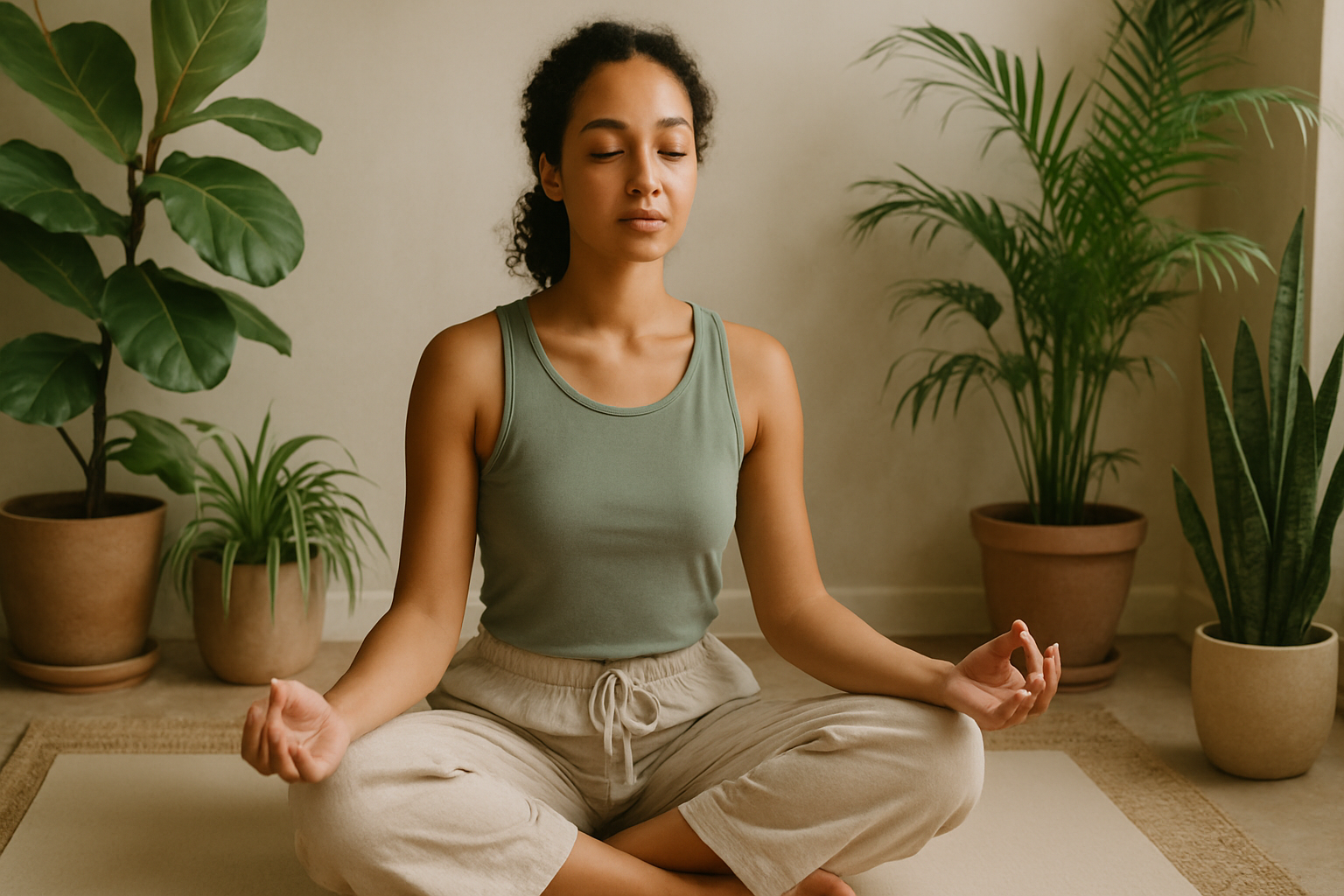
Explore the transformative practice of guided meditation, its historical roots, modern research, functional actions, and safety considerations. Discover how this natural remedy can enhance mindfulness and well-being.
What It Is
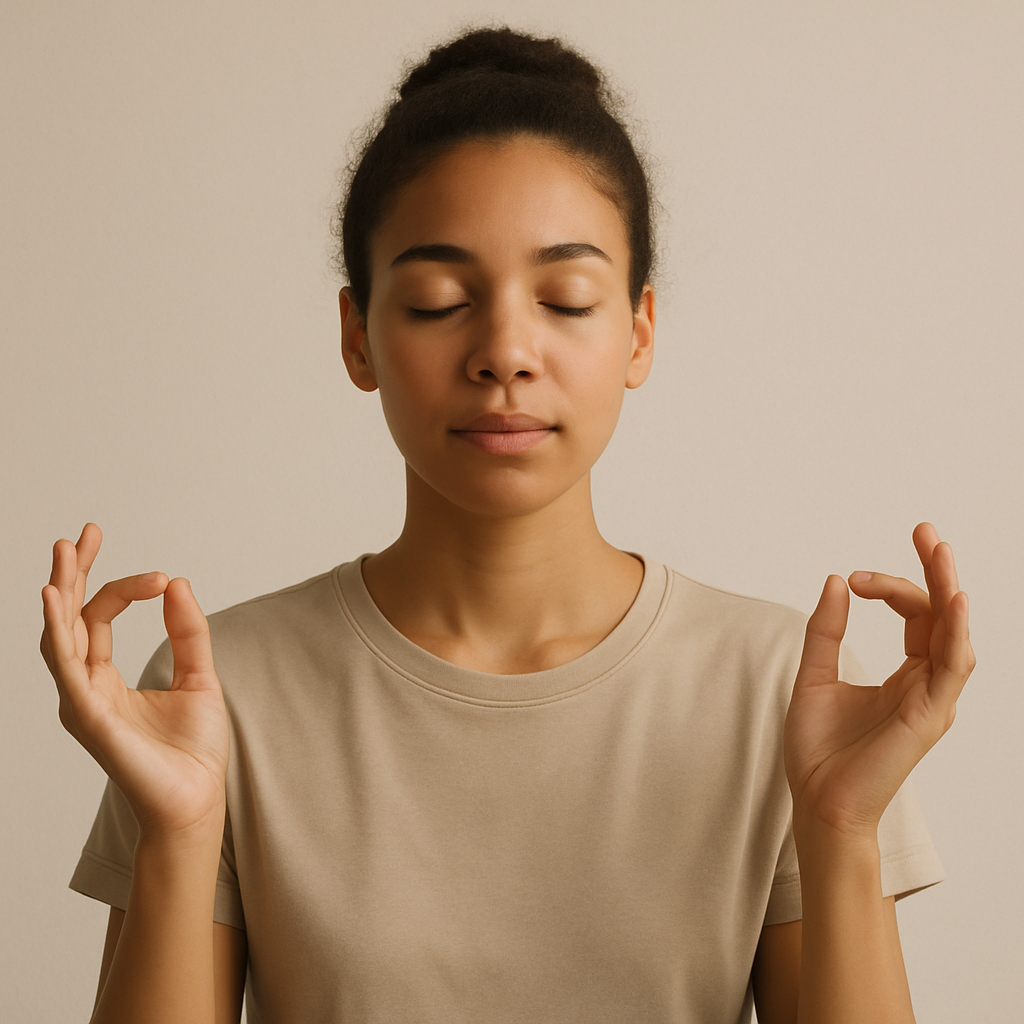
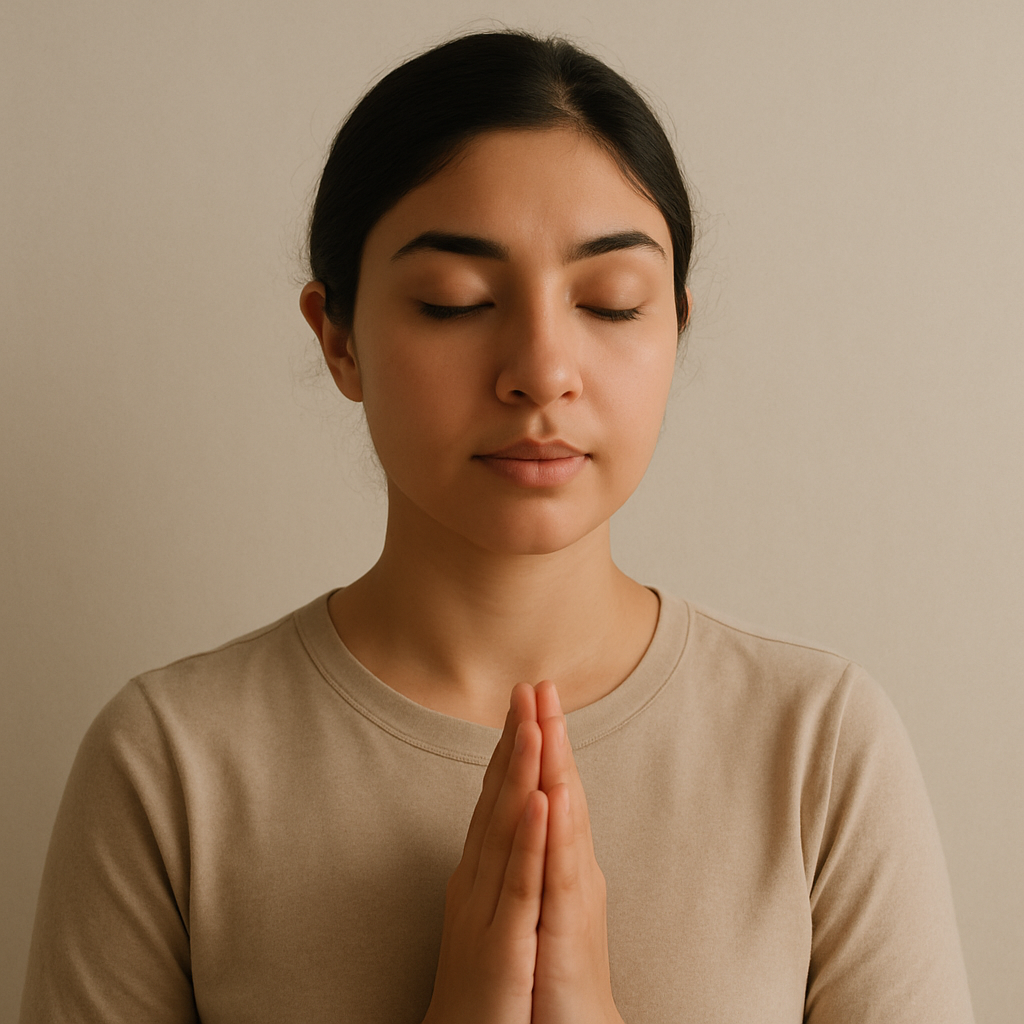
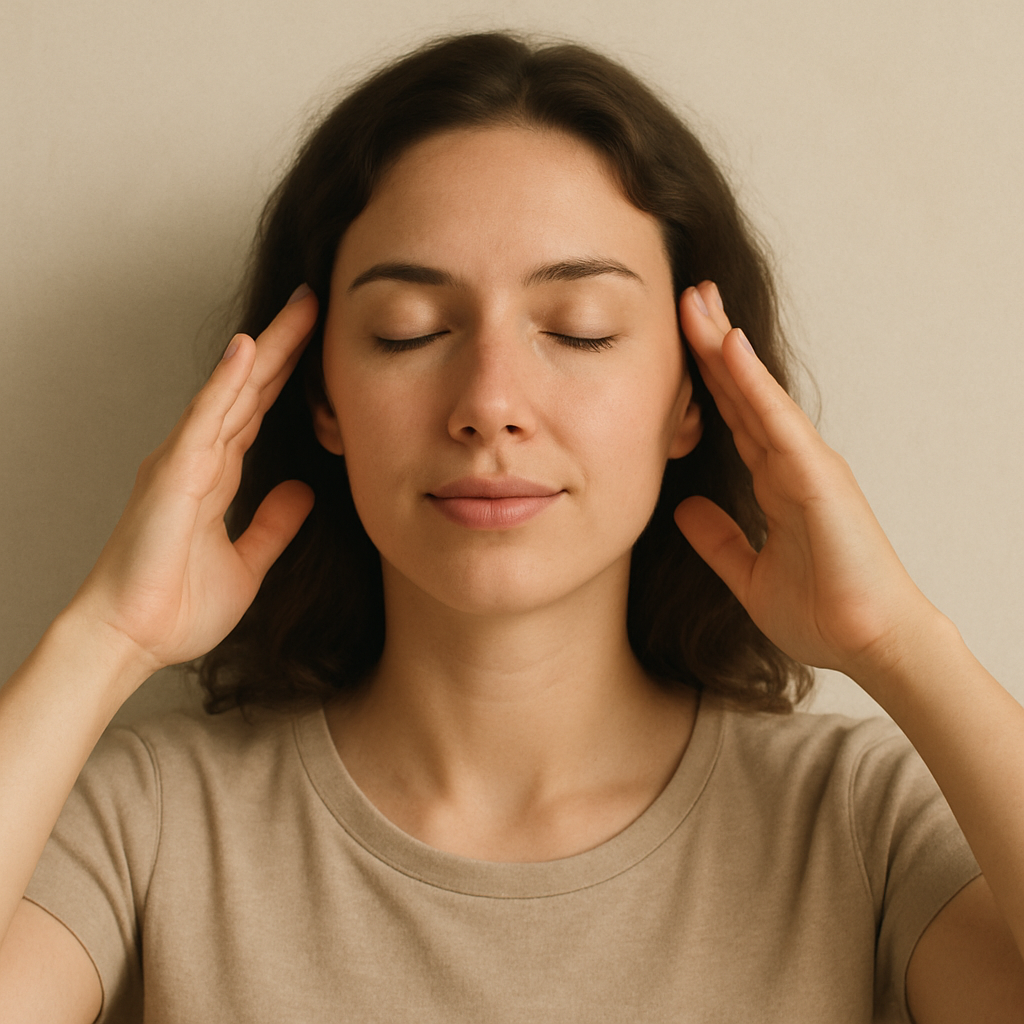
Guided meditation is a meditation practice where an individual is led through the process by a teacher or a recording. This form of meditation often includes verbal instructions, music, or soundscapes designed to promote relaxation and mindfulness. It is an accessible way for beginners to engage in meditation, as it provides direction and support throughout the session.
Key Active Compounds & Mechanisms
While guided meditation itself does not contain active compounds in the way herbal remedies do, its effectiveness is often attributed to various psychological mechanisms. These include:
- Mindfulness: The practice encourages present-moment awareness, reducing stress and anxiety.
- Relaxation Response: Guided meditation can trigger a state of deep relaxation, counteracting the stress response.
- Visualization: Many guided meditations include visualization techniques that enhance emotional and physical well-being.
Traditional Uses
Guided meditation has roots in ancient practices, particularly within Eastern spiritual traditions. For centuries, cultures in India, Tibet, and other regions have utilized meditative practices to promote mental clarity and spiritual growth. The use of a guide, whether a teacher or a spiritual leader, has been a common practice, helping practitioners navigate complex meditative states.
What Modern Research Suggests
Recent studies have begun to validate the benefits of guided meditation. Research indicates that it can:
- Reduce symptoms of anxiety and depression.
- Improve focus and attention.
- Enhance overall emotional well-being.
While more research is needed to fully understand the mechanisms behind these benefits, preliminary evidence suggests that guided meditation may be a valuable tool in mental health and wellness.
Functional Actions
The functional actions of guided meditation can be summarized as follows:
- Enhances relaxation and stress reduction.
- Promotes emotional balance and resilience.
- Encourages self-awareness and introspection.
- Supports overall mental clarity and cognitive function.
Body Systems Supported
Guided meditation can support several body systems:
- Nervous System: It helps to calm the mind and reduce stress responses.
- Endocrine System: May aid in balancing hormones associated with stress.
- Cardiovascular System: Can contribute to lower blood pressure and improved heart health through relaxation.
Common Forms & Educational Dosing Ranges
Guided meditation can be accessed in various forms:
- Audio Recordings: Available on streaming platforms or as downloadable files.
- Apps: Numerous mobile applications offer guided meditations for different needs, such as sleep, stress relief, and mindfulness.
- In-Person Classes: Meditation centers and wellness studios often provide guided sessions led by experienced instructors.
As for dosing, there is no standard dosage for guided meditation; however, practitioners may benefit from:
- Short sessions of 5-10 minutes for beginners.
- Longer sessions of 20-30 minutes for deeper exploration.
Safety, Contraindications & Interactions
Guided meditation is generally considered safe for most individuals. However, those with specific mental health conditions, such as severe anxiety or trauma-related disorders, should consult a mental health professional before engaging in meditation. It is important to be aware of the following:
- Individuals on medications that affect mood and cognition should approach guided meditation with caution.
- Those with a history of dissociative disorders may find some techniques challenging.
Pairs Well With
Guided meditation can be effectively paired with other practices and remedies to enhance its benefits, including:
- Aromatherapy: Essential oils like lavender can promote relaxation.
- Yoga: Combining gentle movement with meditation can deepen the experience.
- Mindfulness Practices: Engaging in mindfulness throughout daily activities can reinforce the principles learned during meditation.
FAQs (5)
- What is the best time to practice guided meditation? Many individuals find mornings or evenings to be the most suitable times, but it can be practiced anytime you need relaxation.
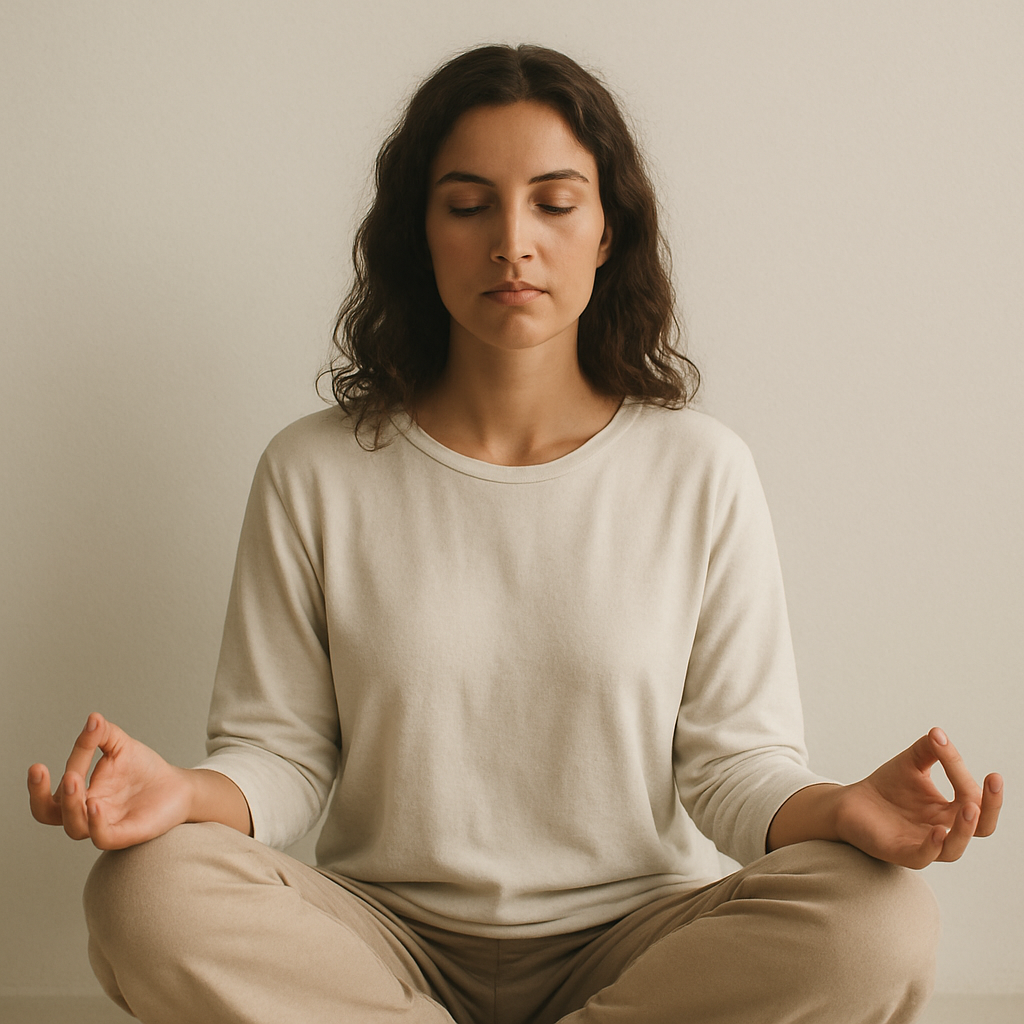
- Do I need to sit in a specific posture for guided meditation? While sitting comfortably is beneficial, the most important factor is finding a position where you can relax and focus.
- Can guided meditation help with sleep? Yes, there are specific guided meditations designed to promote relaxation and facilitate sleep.
- How often should I practice guided meditation? Regular practice, even just a few times a week, can yield significant benefits. Daily practice is encouraged for optimal results.
- Is it normal to feel distracted during meditation? Yes, it is common for thoughts to arise. The key is to gently bring your focus back to the guidance without judgment.
Frequently asked
What is the best time to practice guided meditation?
Many individuals find mornings or evenings to be the most suitable times, but it can be practiced anytime you need relaxation.
Do I need to sit in a specific posture for guided meditation?
While sitting comfortably is beneficial, the most important factor is finding a position where you can relax and focus.
Can guided meditation help with sleep?
Yes, there are specific guided meditations designed to promote relaxation and facilitate sleep.
How often should I practice guided meditation?
Regular practice, even just a few times a week, can yield significant benefits. Daily practice is encouraged for optimal results.
Is it normal to feel distracted during meditation?
Yes, it is common for thoughts to arise. The key is to gently bring your focus back to the guidance without judgment.