Water Healing
Discover the therapeutic potential of water healing in hydrotherapy, including its historical uses, modern research, and practical applications.
Explore the profound benefits of water healing, a vital aspect of hydrotherapy, which utilizes the healing properties of water for physical and mental well-being. This guide covers its definition, traditional uses, modern research findings, and safety considerations.
What It Is
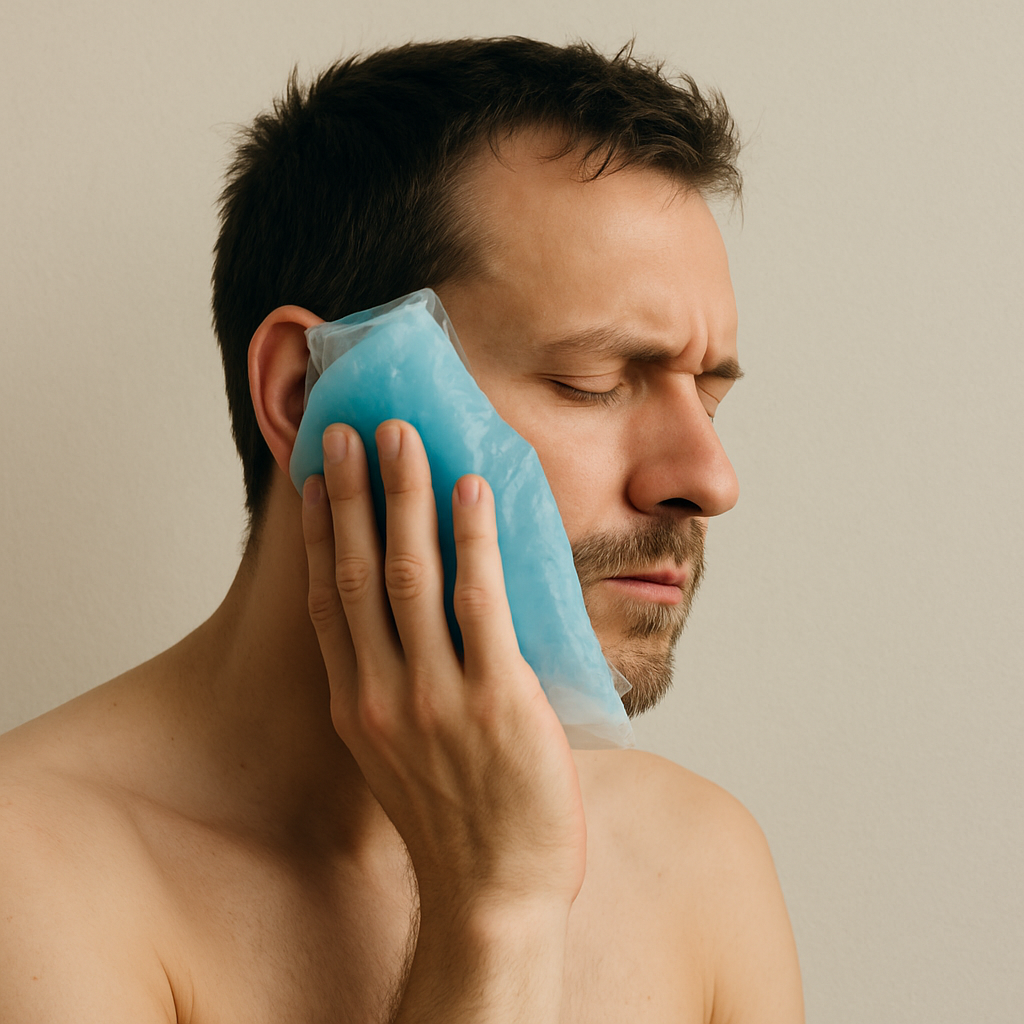
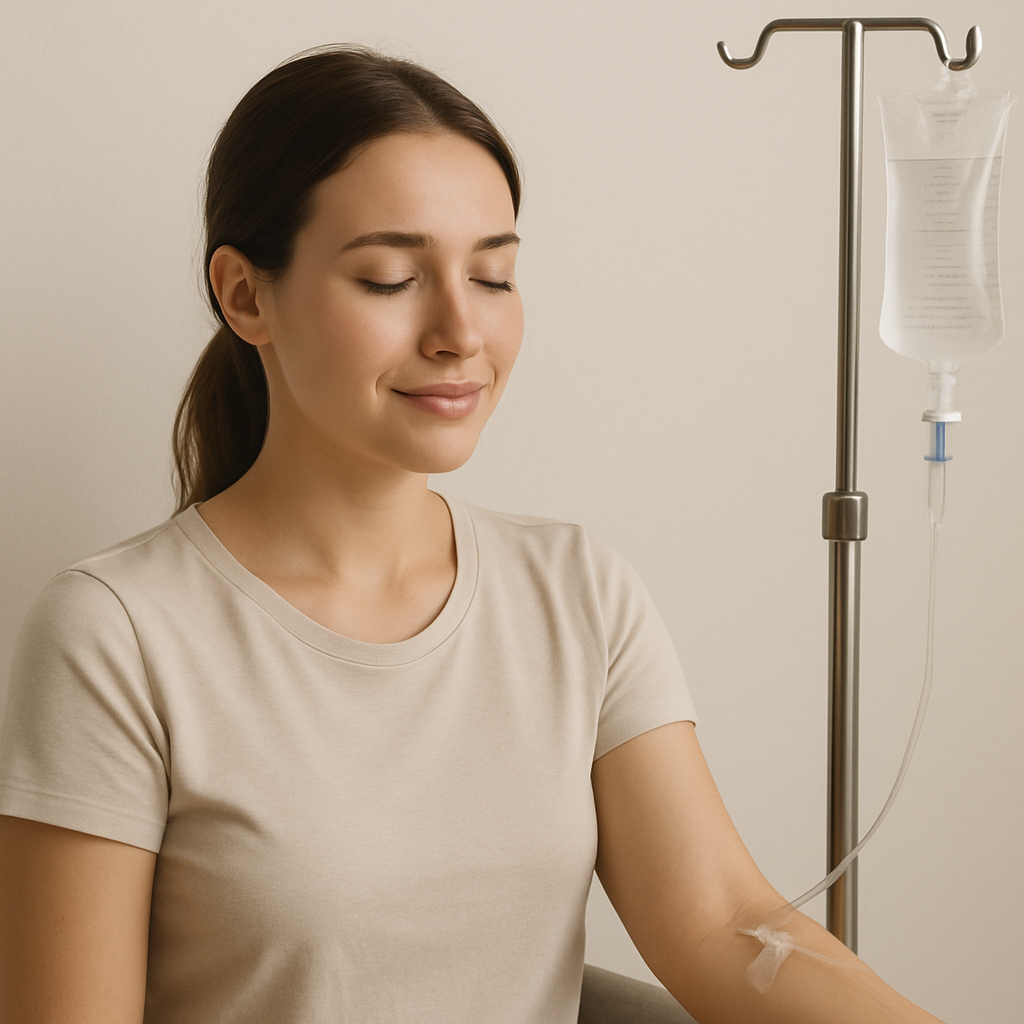
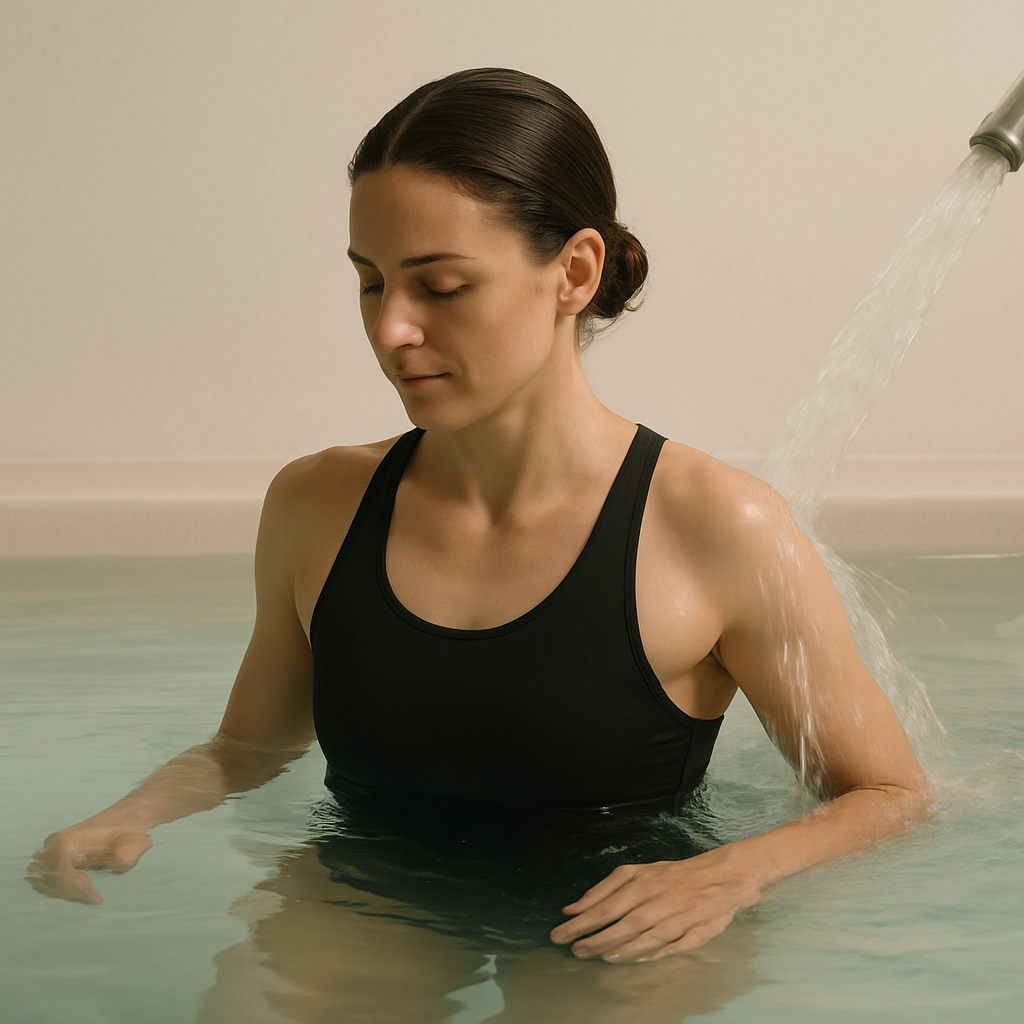
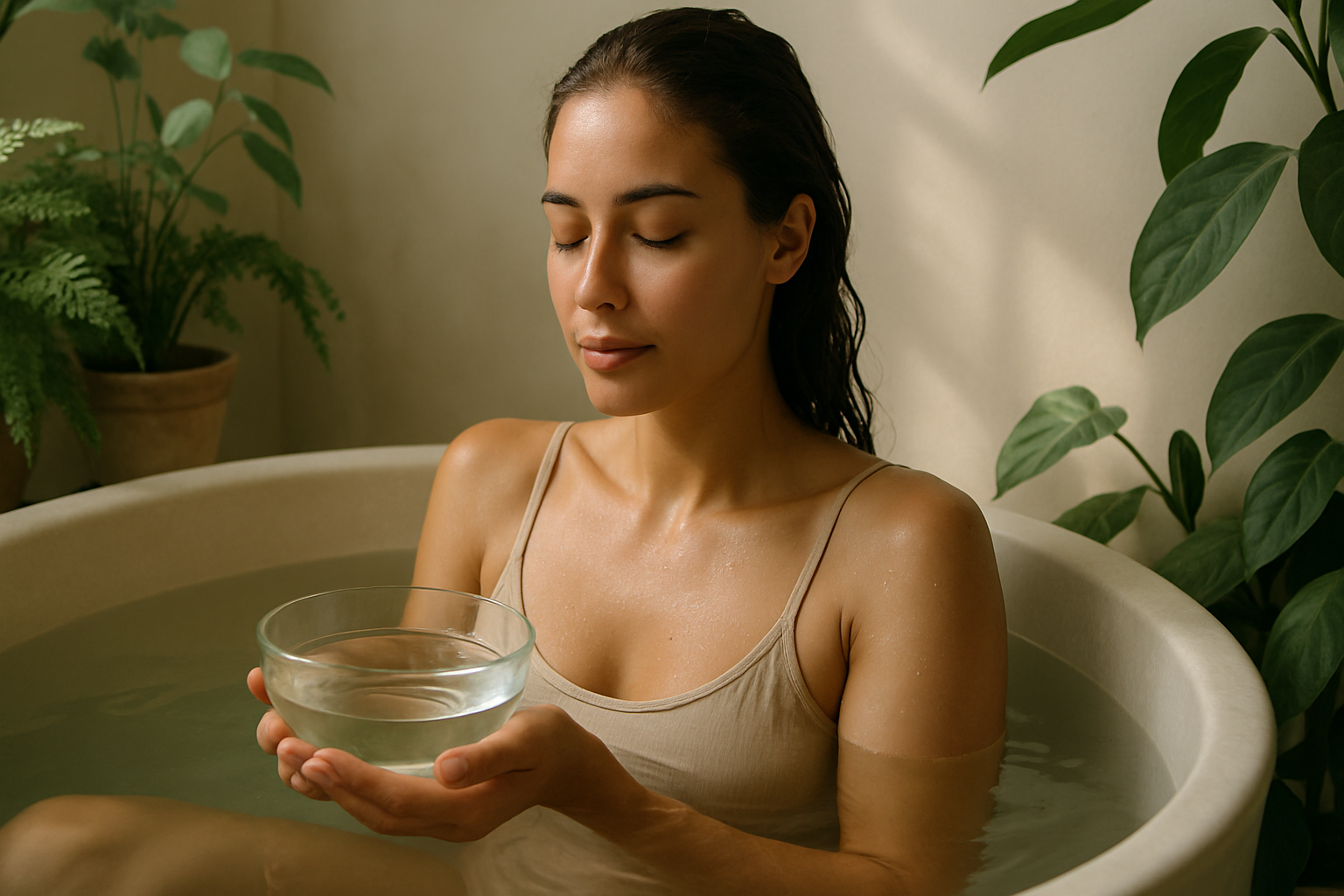
Water healing, often referred to as hydrotherapy, is a therapeutic practice that utilizes water for the treatment of various ailments and to promote overall wellness. This method encompasses a variety of techniques, including warm baths, cold compresses, steam inhalation, and even underwater exercises. Hydrotherapy derives its effectiveness from water's unique physical properties, such as temperature and buoyancy, which can influence bodily functions and promote healing.
Key Active Compounds & Mechanisms
While water itself does not contain active compounds like herbal remedies, its therapeutic effects are rooted in its physical properties. The mechanisms by which water healing operates include:
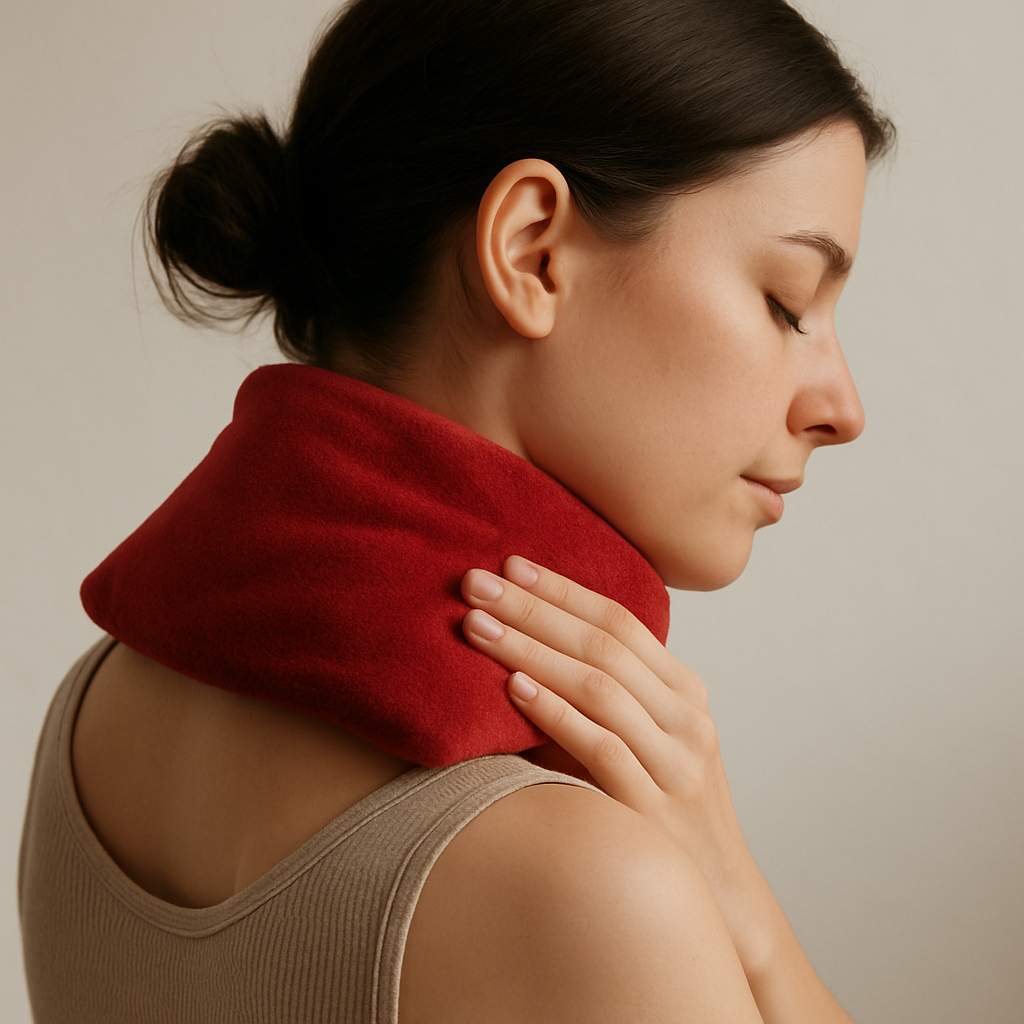
- Temperature: Hot water can increase blood circulation and relax muscles, while cold water can reduce inflammation and numb pain.
- Buoyancy: The buoyant force of water reduces the strain on joints and muscles, making movements easier and less painful.
- Hydrostatic Pressure: Water pressure can improve circulation and help with the removal of metabolic waste from tissues.
Traditional Uses
Throughout history, various cultures have utilized water for healing purposes. In ancient Rome and Greece, public baths were common for relaxation and health improvement. The Egyptians used water therapy in rituals and for physical ailments, while traditional Chinese medicine incorporates water's healing properties in various treatments. Native American tribes also practiced forms of hydrotherapy through steam baths and therapeutic pools. These historical practices highlight water's importance as a natural remedy across different civilizations.
What Modern Research Suggests
Contemporary research into hydrotherapy has yielded promising results. Studies have shown that hydrotherapy can effectively alleviate chronic pain, improve mobility in arthritis patients, and promote relaxation and stress relief. While more research is needed to understand the full extent of its benefits, preliminary findings suggest that water healing may play a significant role in physical rehabilitation and mental health improvement.
Functional Actions
The functional actions of water healing include:
- Pain Relief: Water therapy can help alleviate pain associated with conditions such as fibromyalgia and back pain.
- Muscle Relaxation: Warm water can soothe tense muscles and promote relaxation.
- Improved Circulation: Alternating between hot and cold water can stimulate blood flow.
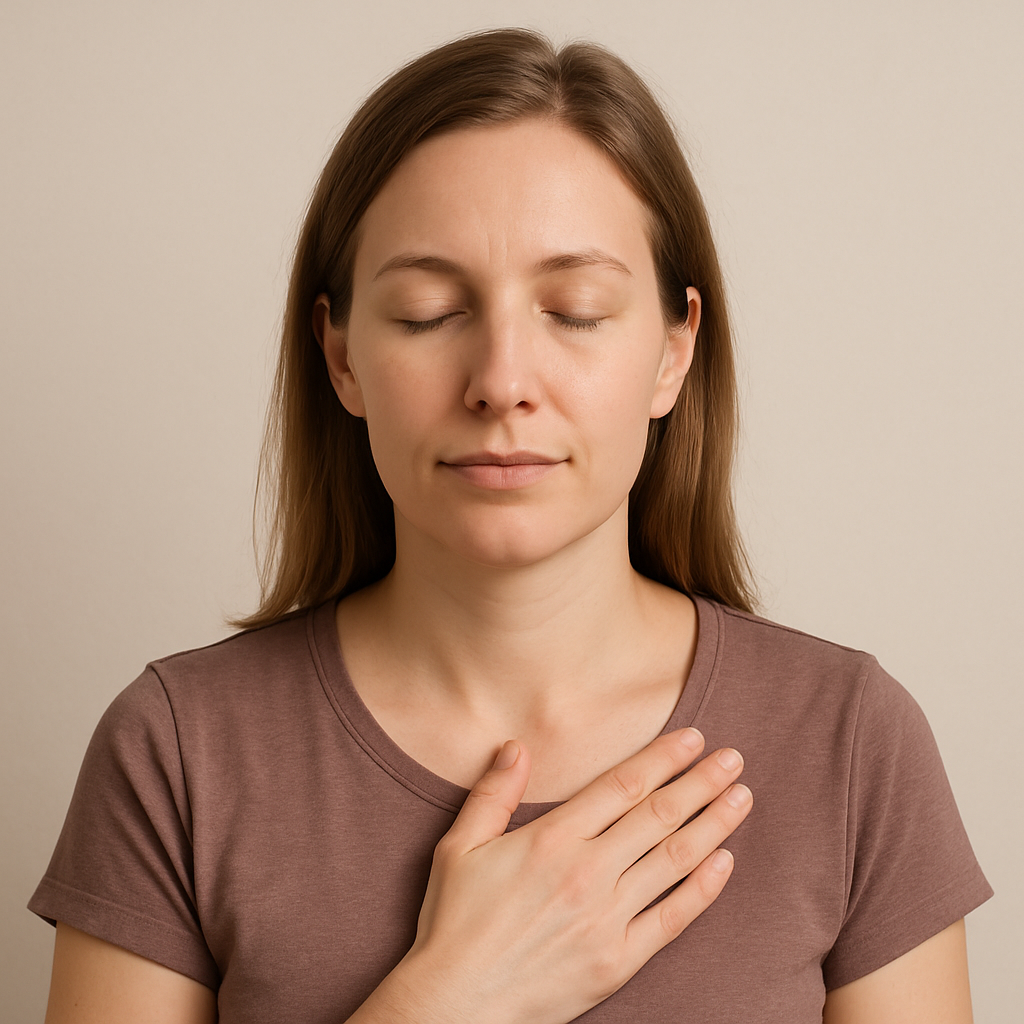
- Stress Reduction: Immersion in water can trigger the relaxation response, reducing stress and anxiety.
Body Systems Supported
Water healing supports various body systems, including:
- Musculoskeletal System: Reduces pain and improves mobility.
- Circulatory System: Enhances blood flow and promotes cardiovascular health.
- Nervous System: Alleviates stress and promotes relaxation.
- Respiratory System: Steam inhalation can relieve respiratory issues.
Common Forms & Educational Dosing Ranges
Water healing can be practiced in various forms, including:
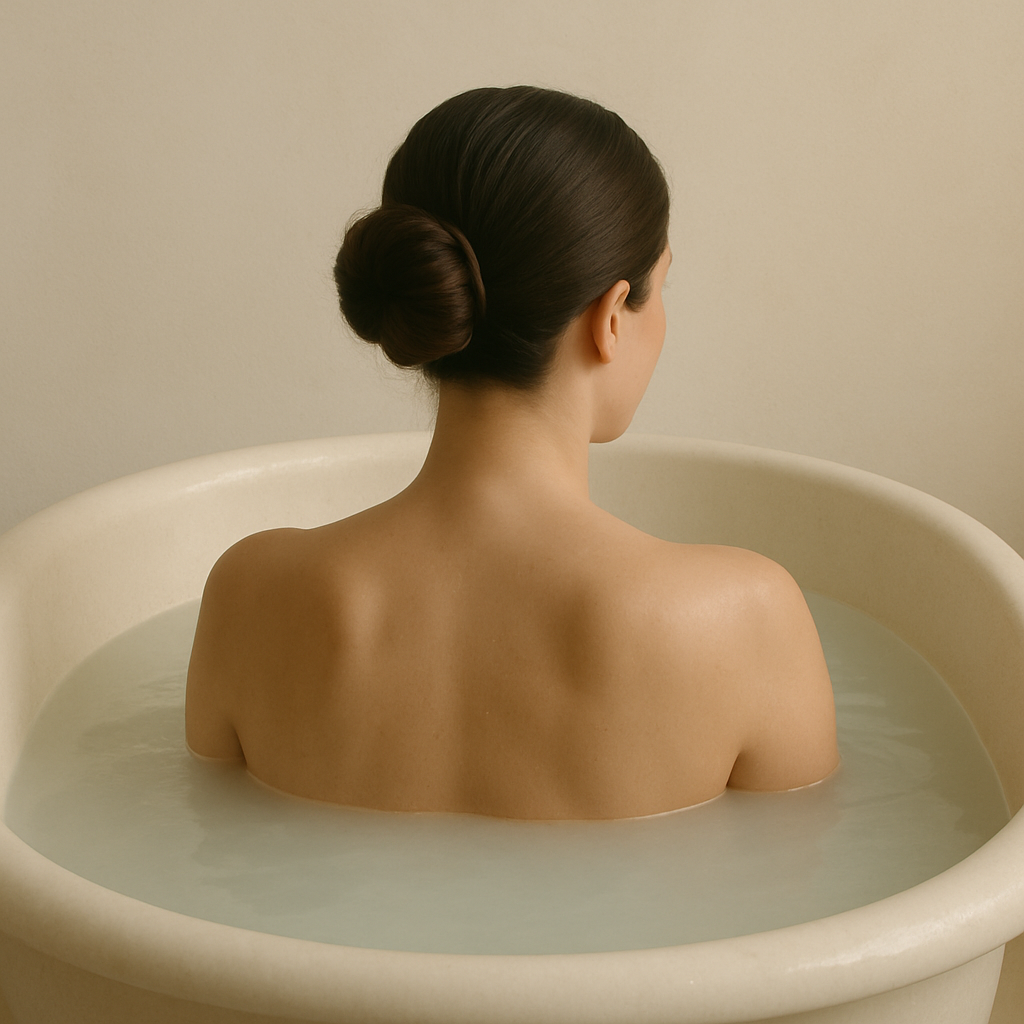
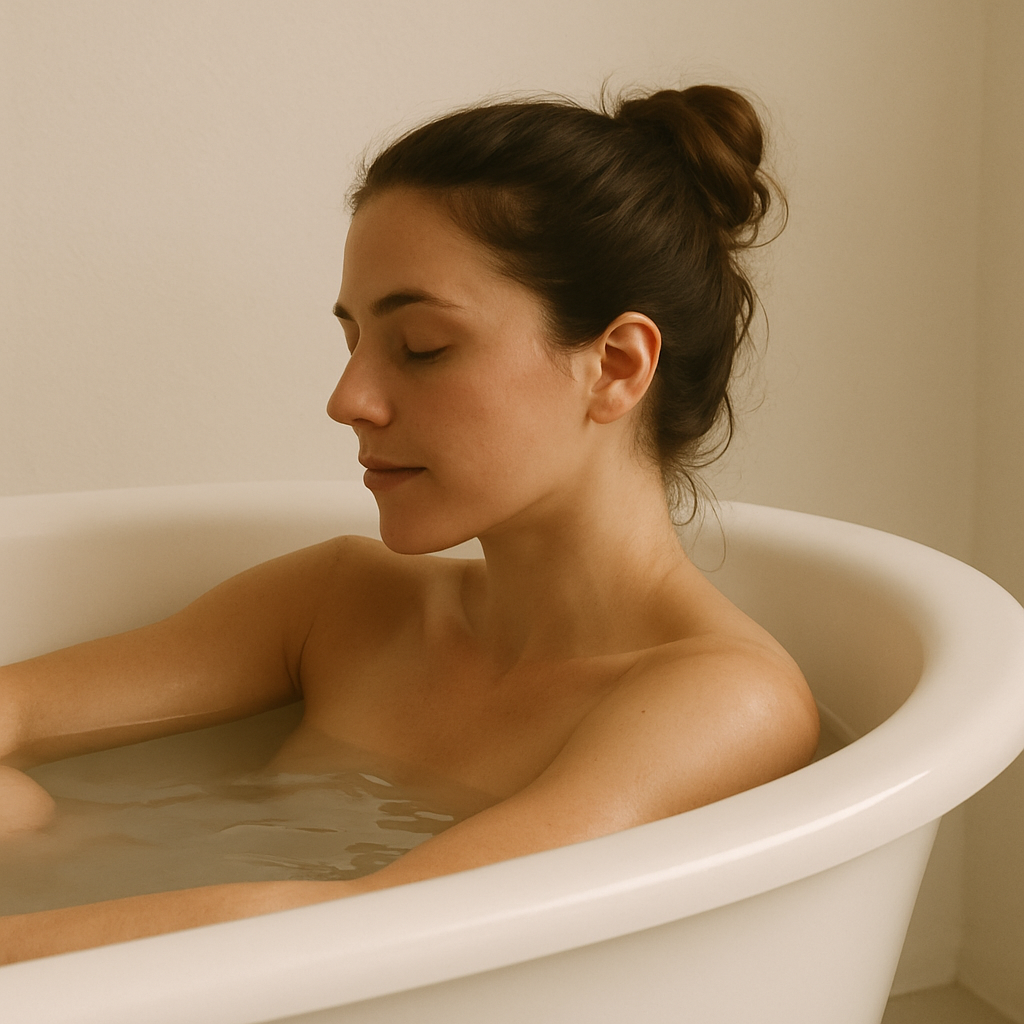
- Warm Water Baths: Typically, baths are maintained at a temperature of 92-100°F (33-38°C) for relaxation.
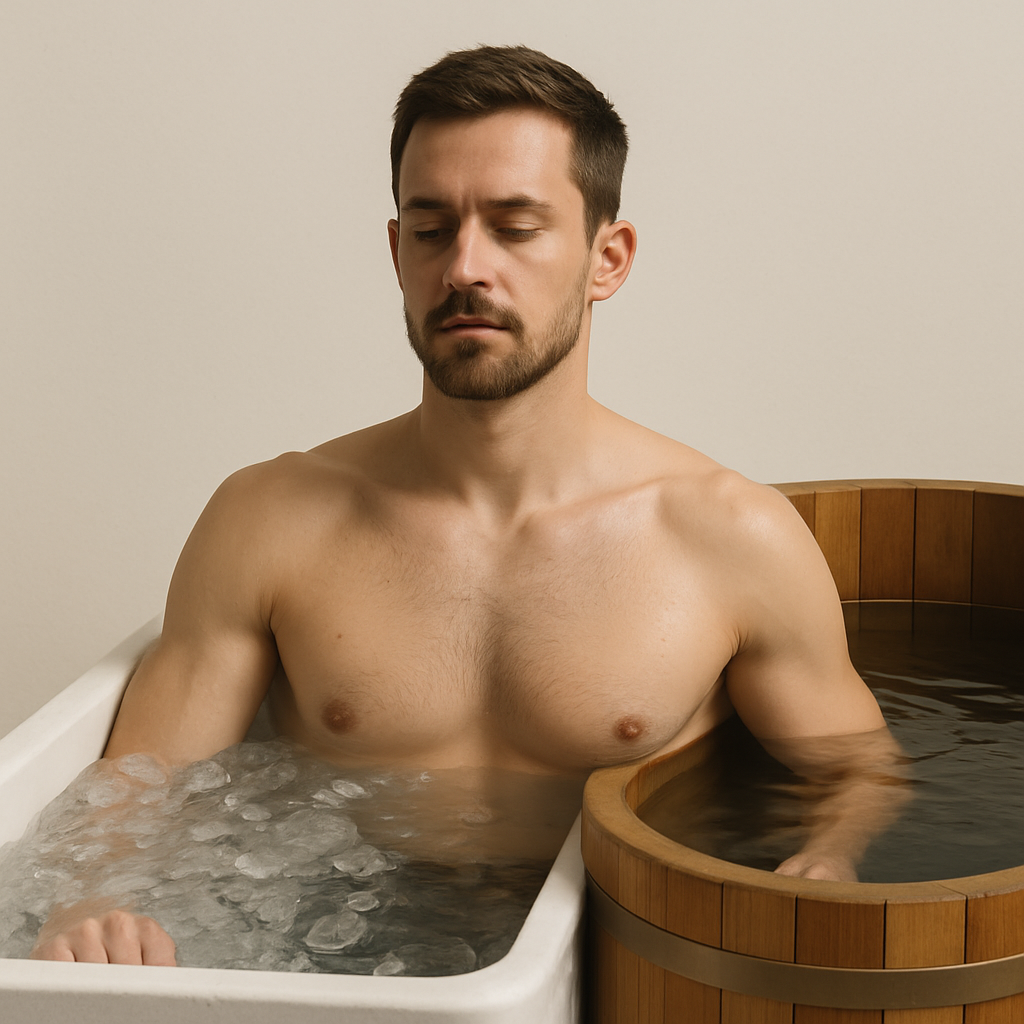
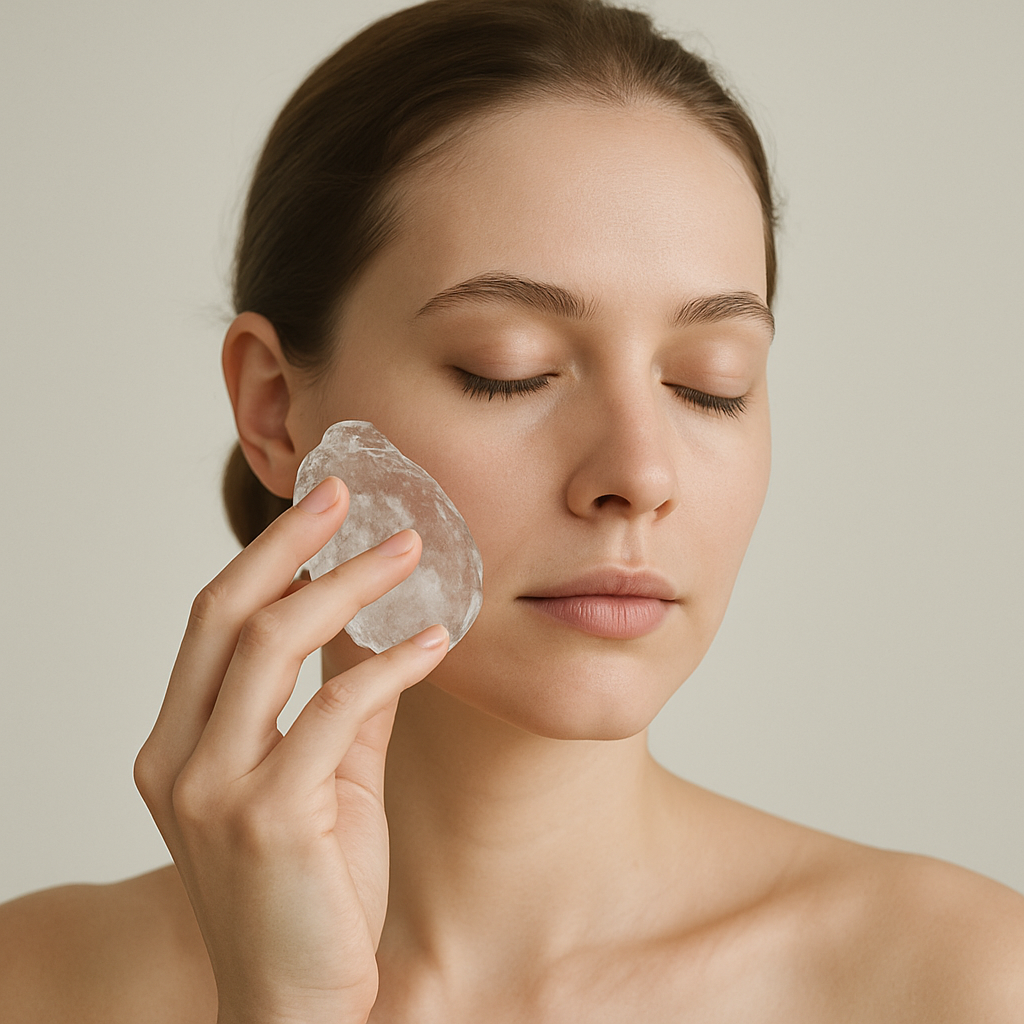
- Cold Water Immersion: Short sessions in cold water (50-60°F or 10-15°C) can last from 1 to 10 minutes, depending on tolerance.
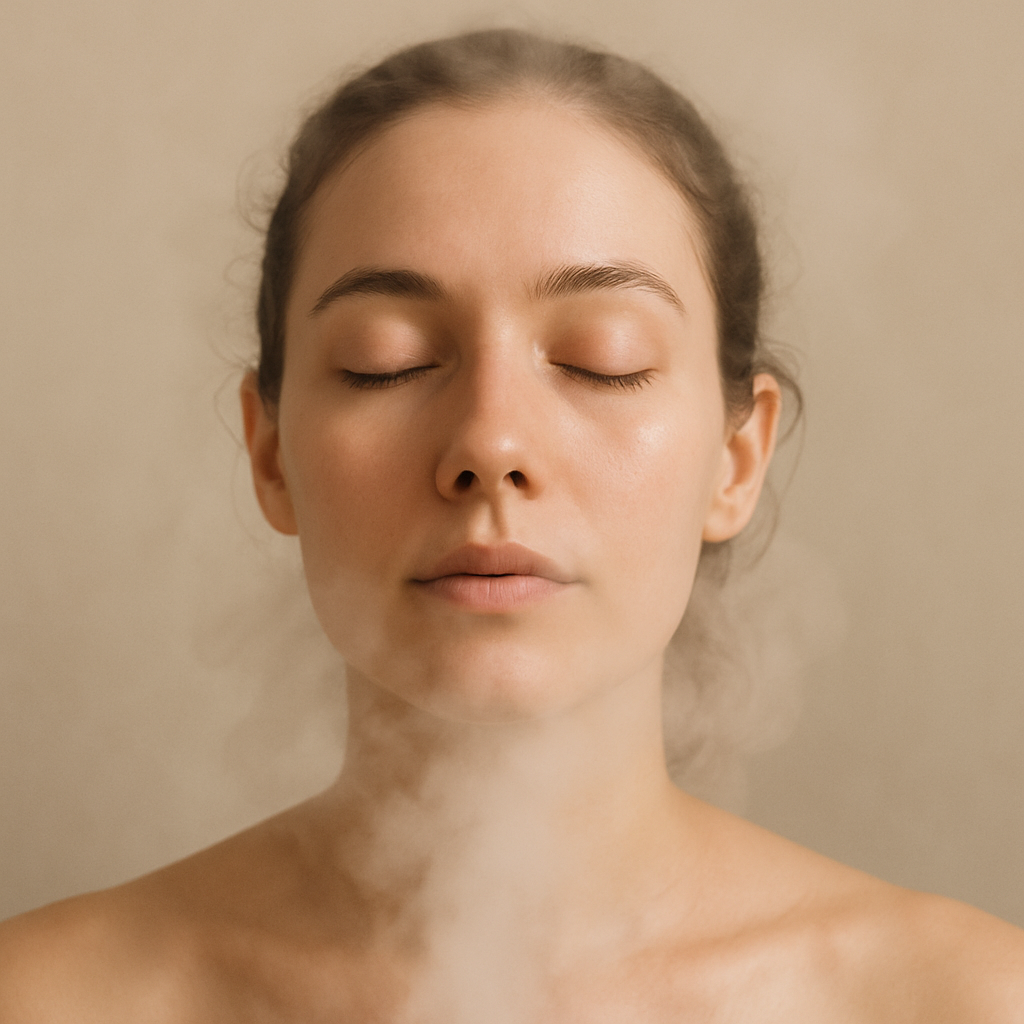
- Steam Therapy: Inhalation of steam for 10-20 minutes can help with respiratory conditions.
Safety, Contraindications & Interactions
While water healing is generally safe, certain precautions must be taken:
- Individuals with cardiovascular conditions should consult a healthcare professional before engaging in hydrotherapy, especially with extreme temperatures.
- Those with hypersensitivity to temperature changes may experience adverse effects.
- Pregnant women should seek guidance before using hydrotherapy.
- Always ensure safe water temperatures to prevent burns or shock.
Pairs Well With
Water healing can be enhanced when paired with other natural remedies, including:
- Aromatherapy: Essential oils can be added to baths for added relaxation.
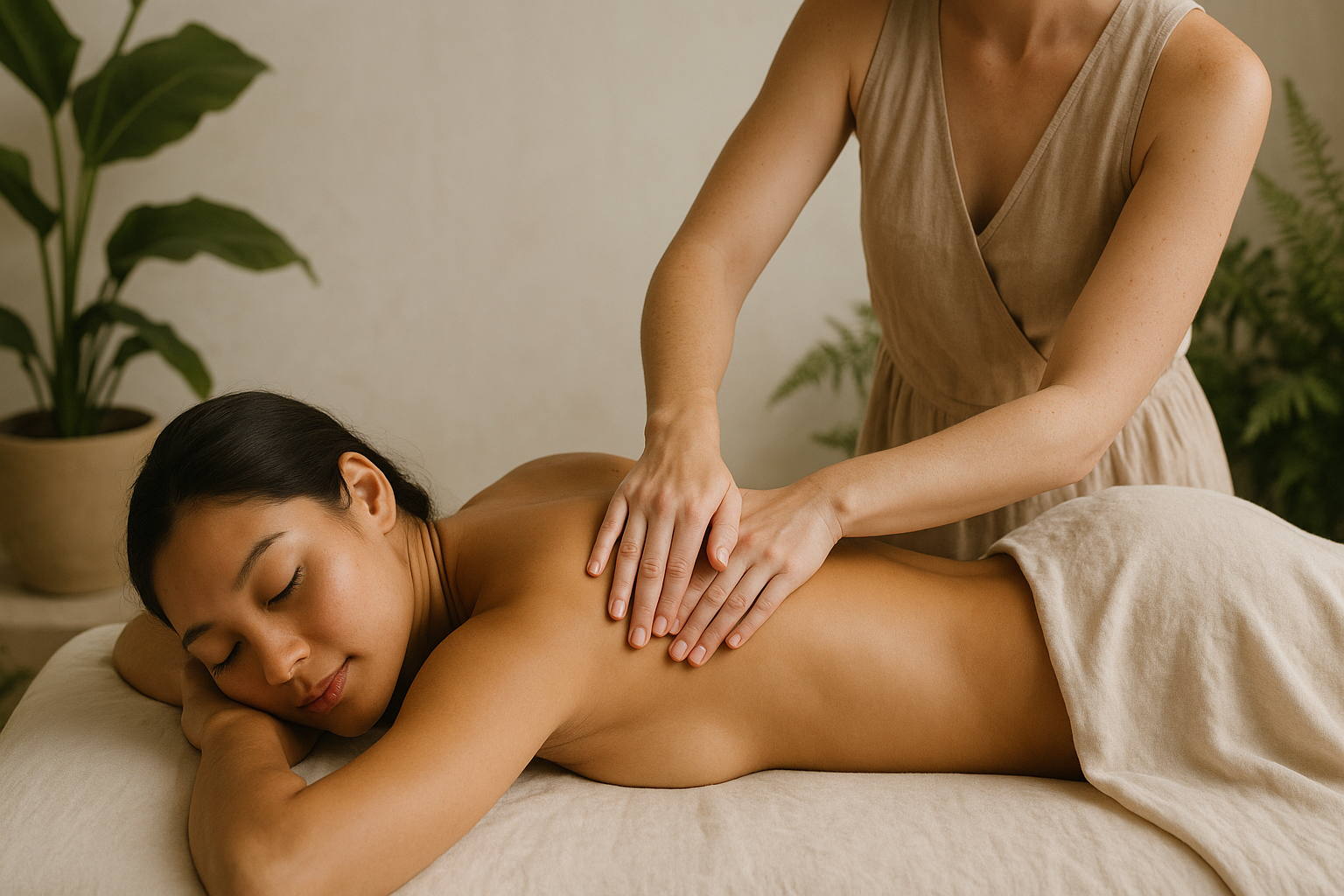
- Massage Therapy: Combining hydrotherapy with massage can enhance muscle relaxation.
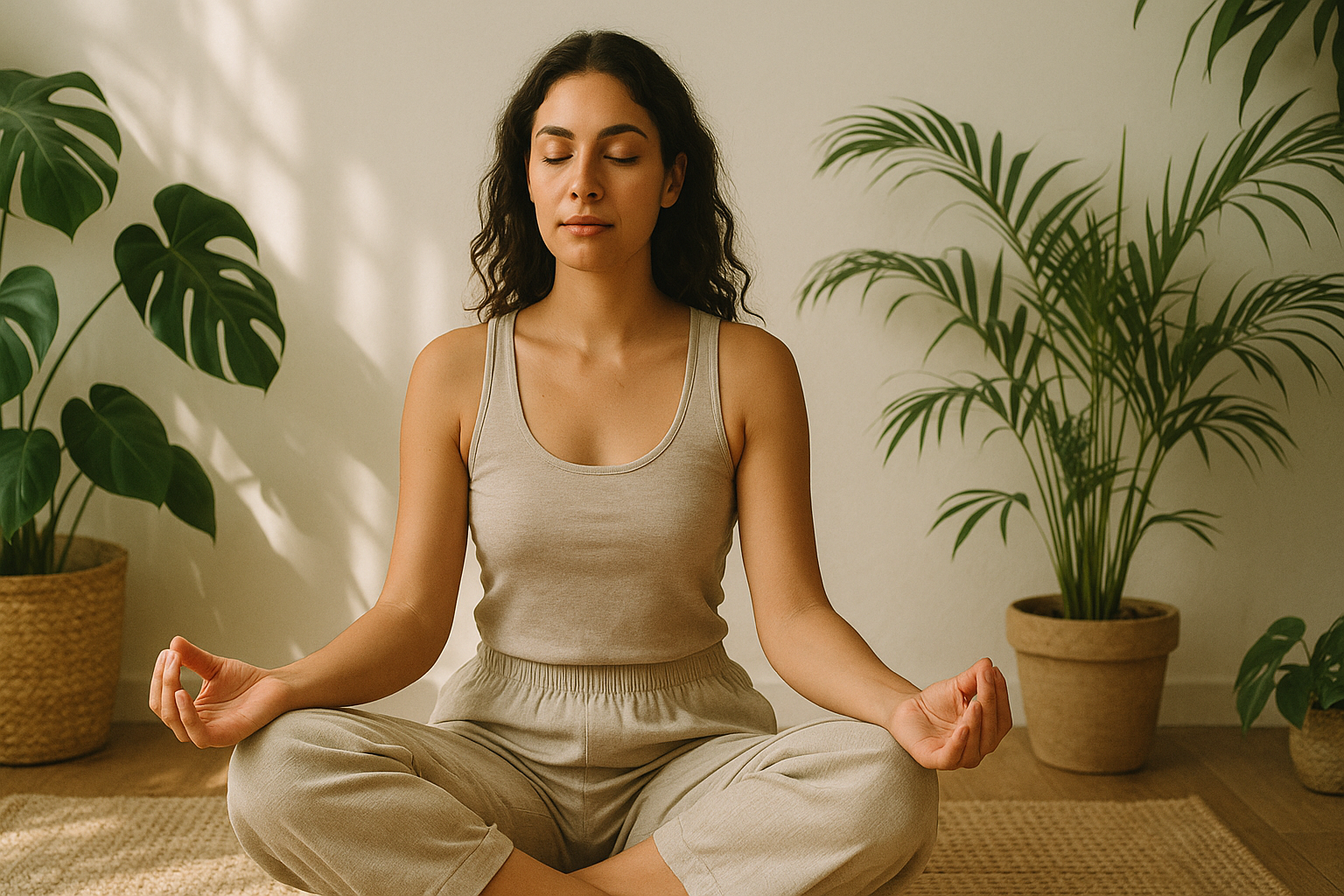
- Yoga or Tai Chi: Gentle movements in water can improve flexibility and balance.
FAQs (5)
- Is water healing suitable for everyone? While many can benefit, those with certain medical conditions should consult a healthcare provider.
- How often can I practice hydrotherapy? Frequency can vary; however, regular sessions are often beneficial for chronic conditions.
- Can hydrotherapy help with mental health? Yes, many find water immersion reduces stress and anxiety.
- Are there any risks associated with hydrotherapy? Risks include temperature sensitivity and potential water-related accidents.
- How do I create a hydrotherapy routine at home? Start with warm baths, cold compresses, and steam inhalation, adjusting temperatures and durations to your comfort.
Frequently asked
Is water healing suitable for everyone?
While many can benefit, those with certain medical conditions should consult a healthcare provider.
How often can I practice hydrotherapy?
Frequency can vary; however, regular sessions are often beneficial for chronic conditions.
Can hydrotherapy help with mental health?
Yes, many find water immersion reduces stress and anxiety.
Are there any risks associated with hydrotherapy?
Risks include temperature sensitivity and potential water-related accidents.
How do I create a hydrotherapy routine at home?
Start with warm baths, cold compresses, and steam inhalation, adjusting temperatures and durations to your comfort.