Recovery Hydrotherapy
Learn about recovery hydrotherapy, its traditional uses, modern research, and how it supports various body systems.

Explore the benefits and applications of recovery hydrotherapy, a natural remedy that utilizes water for healing and rejuvenation. Discover its mechanisms, traditional uses, modern research, and safety considerations.
What It Is
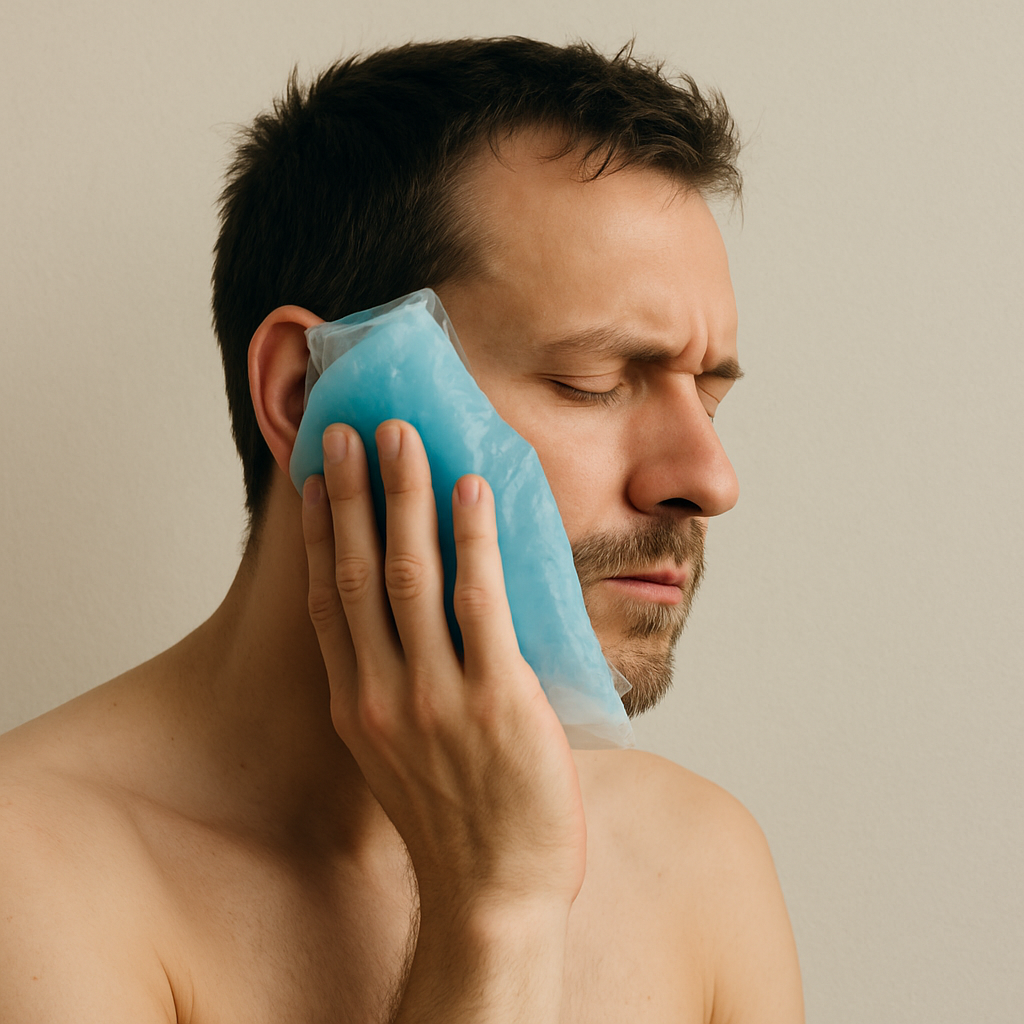
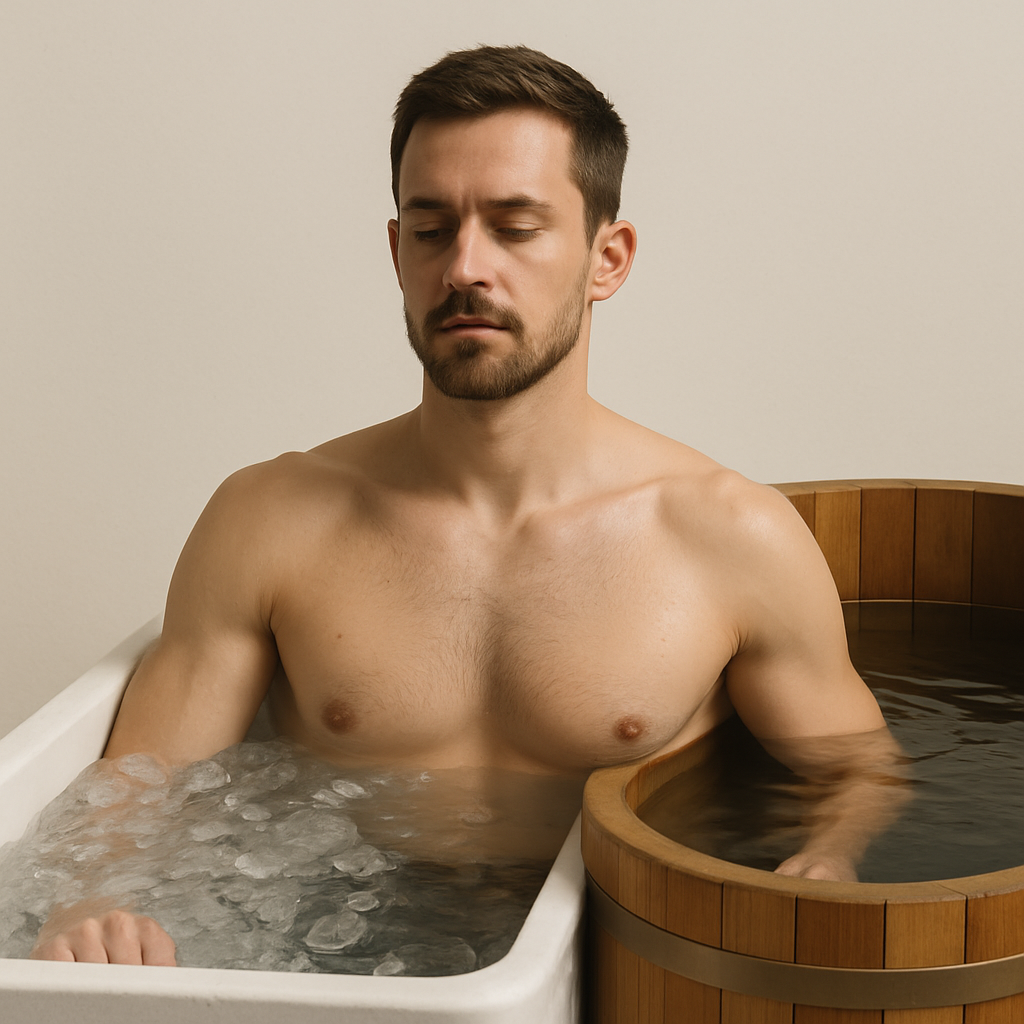
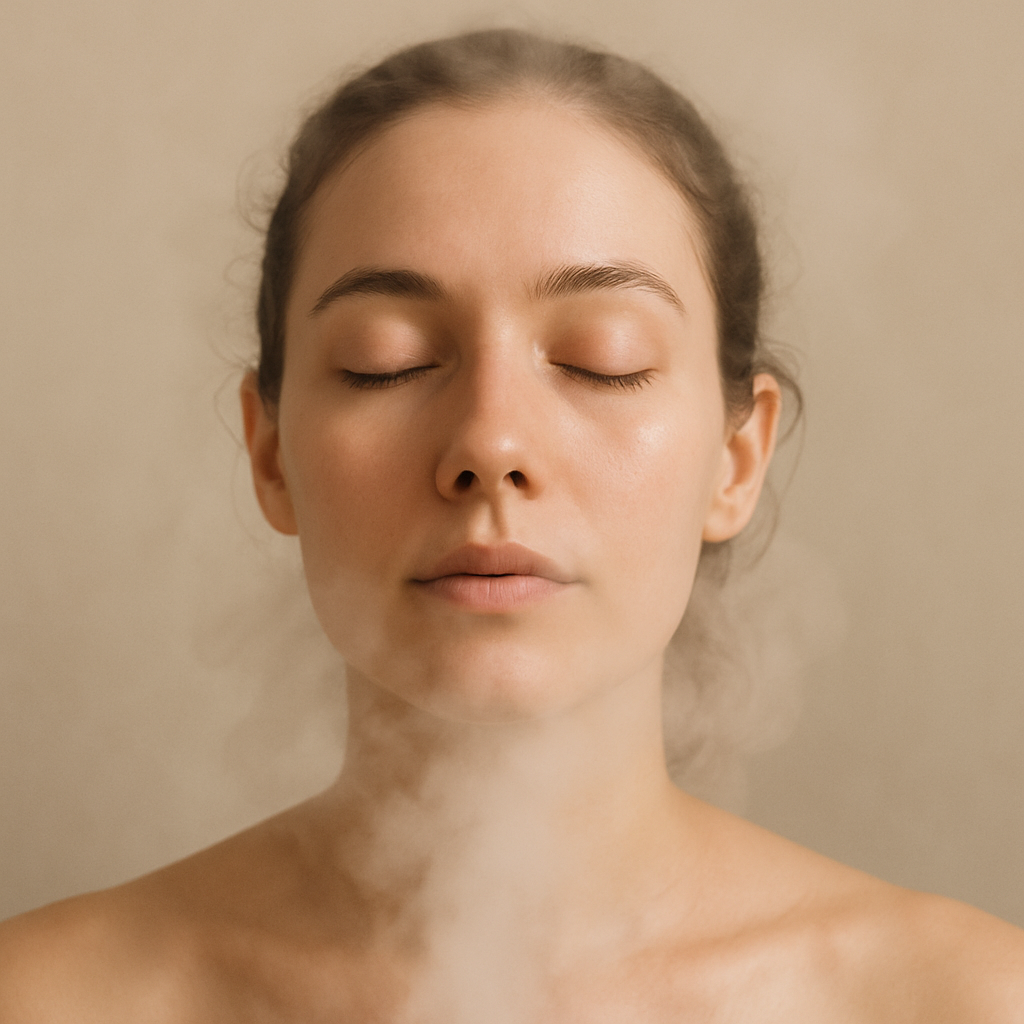
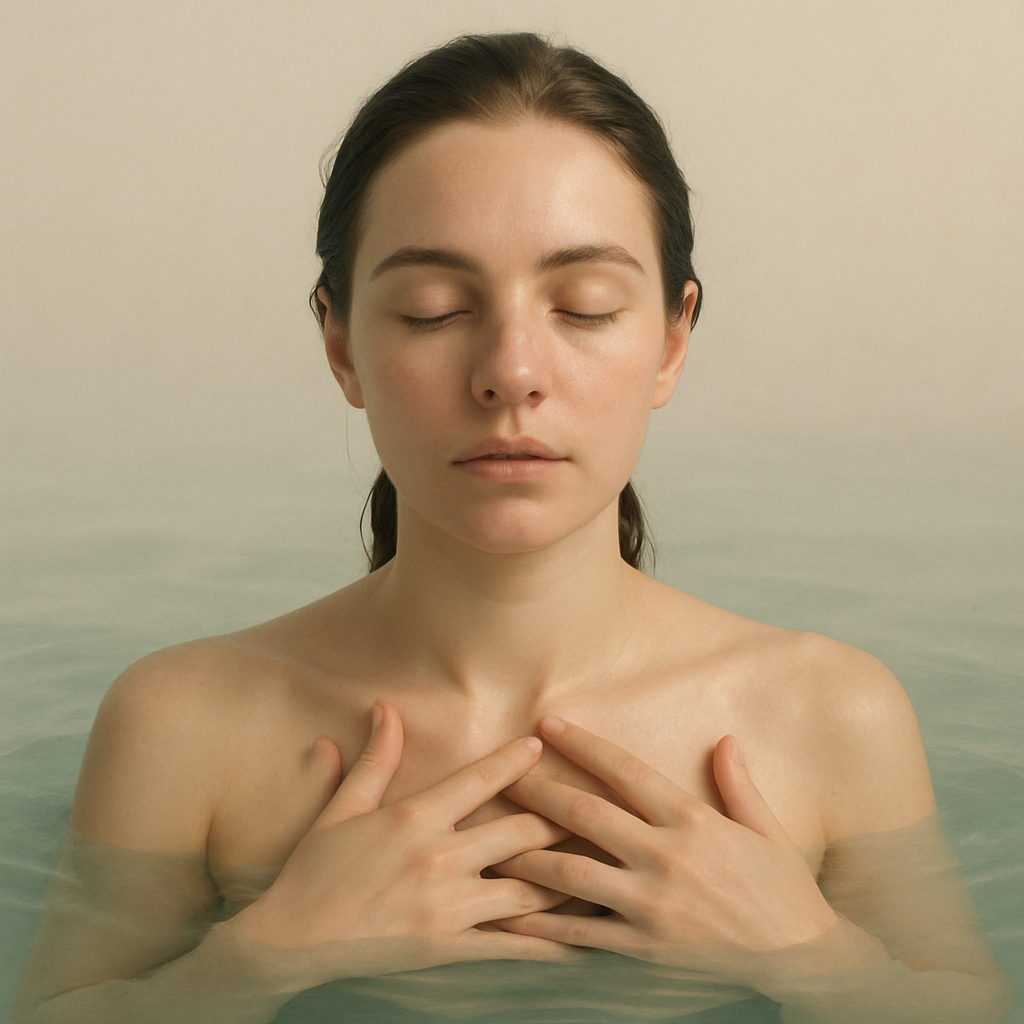
Recovery hydrotherapy refers to the therapeutic use of water for rehabilitation and recovery purposes. This form of hydrotherapy focuses on utilizing different temperatures and techniques involving water to alleviate pain, reduce inflammation, and promote healing in the body. It encompasses various practices, including immersion in hot or cold water, contrast baths, and aquatic exercises.
Key Active Compounds & Mechanisms
While recovery hydrotherapy does not have specific active compounds, its effectiveness relies on the physical properties of water. The mechanisms through which hydrotherapy operates include:
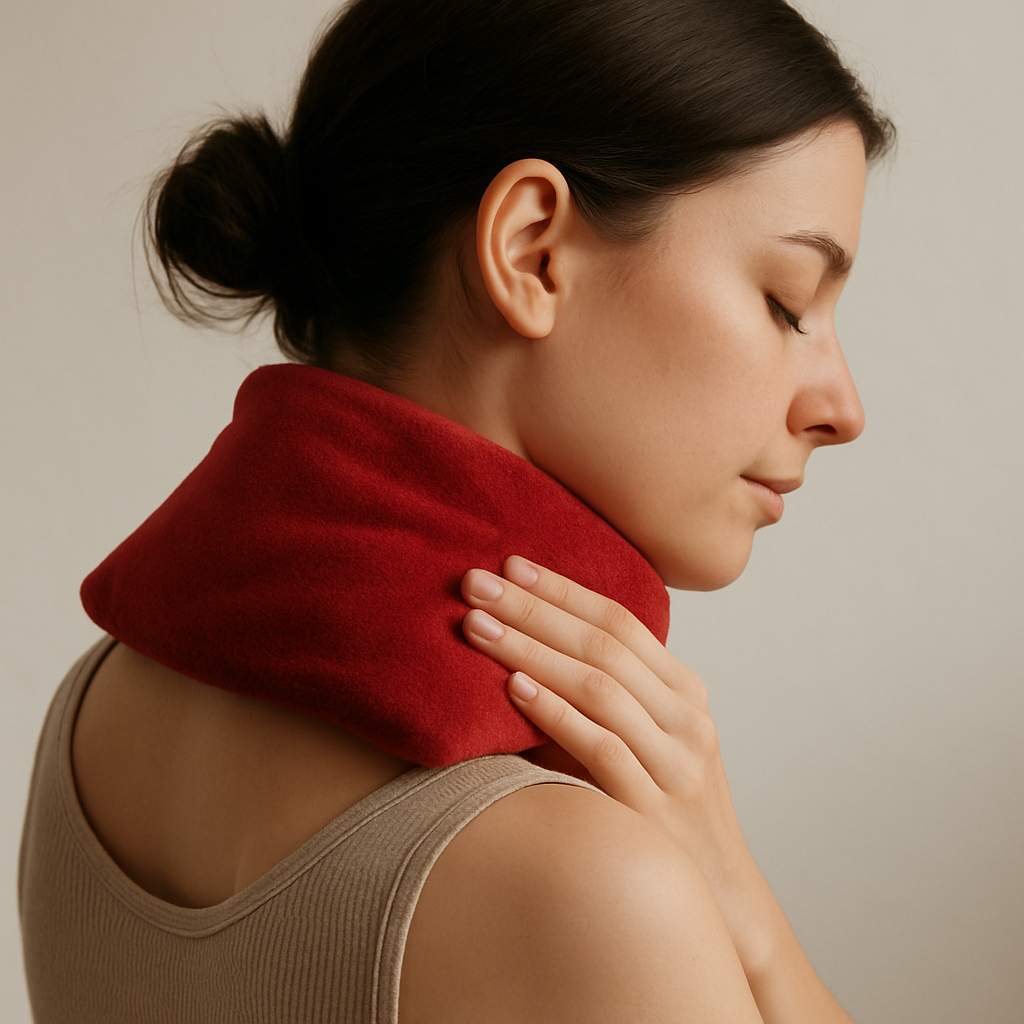
- Thermal Effects: The application of hot water increases blood flow and relaxes muscles, while cold water can reduce swelling and numb pain.
- Buoyancy: Water supports the body, reducing strain on joints and muscles, which allows for easier movement and rehabilitation.
- Hydrostatic Pressure: The pressure exerted by water can help reduce swelling and improve circulation.
- Relaxation Response: Immersion in water can trigger a relaxation response, lowering stress and promoting overall well-being.
Traditional Uses
Historically, hydrotherapy has been used across various cultures for its healing properties. Ancient civilizations, such as the Greeks and Romans, utilized baths and natural springs for therapeutic purposes. In traditional Chinese medicine, water therapies have been employed to balance energy and promote healing. Native American tribes have also used steam baths and hot springs as part of their healing rituals, often integrating them with spiritual practices.
What Modern Research Suggests
Recent studies have highlighted the potential benefits of recovery hydrotherapy in various contexts. Preliminary research suggests that:
- Cold water immersion may help reduce muscle soreness following intense exercise.
- Warm water therapy can improve flexibility and reduce pain in individuals with chronic pain conditions.
- Contrast baths, alternating between hot and cold water, may enhance recovery time post-exercise.
However, while promising, more extensive clinical trials are necessary to fully understand the extent of these benefits and establish standardized protocols for treatment.
Functional Actions
Recovery hydrotherapy serves multiple functional actions, including:
- Pain Relief: Alleviates muscle and joint pain through temperature modulation.
- Improved Circulation: Enhances blood flow, aiding in the delivery of oxygen and nutrients to tissues.
- Muscle Relaxation: Reduces muscle tension and promotes relaxation.
- Enhanced Recovery: Speeds up recovery after physical exertion or injury.
Body Systems Supported
Recovery hydrotherapy can support various body systems, including:
- Musculoskeletal System: Reduces pain and improves mobility.
- Circulatory System: Enhances blood flow and lymphatic drainage.
- Nervous System: Promotes relaxation and reduces stress levels.
Common Forms & Educational Dosing Ranges
Recovery hydrotherapy can be practiced in several forms, including:
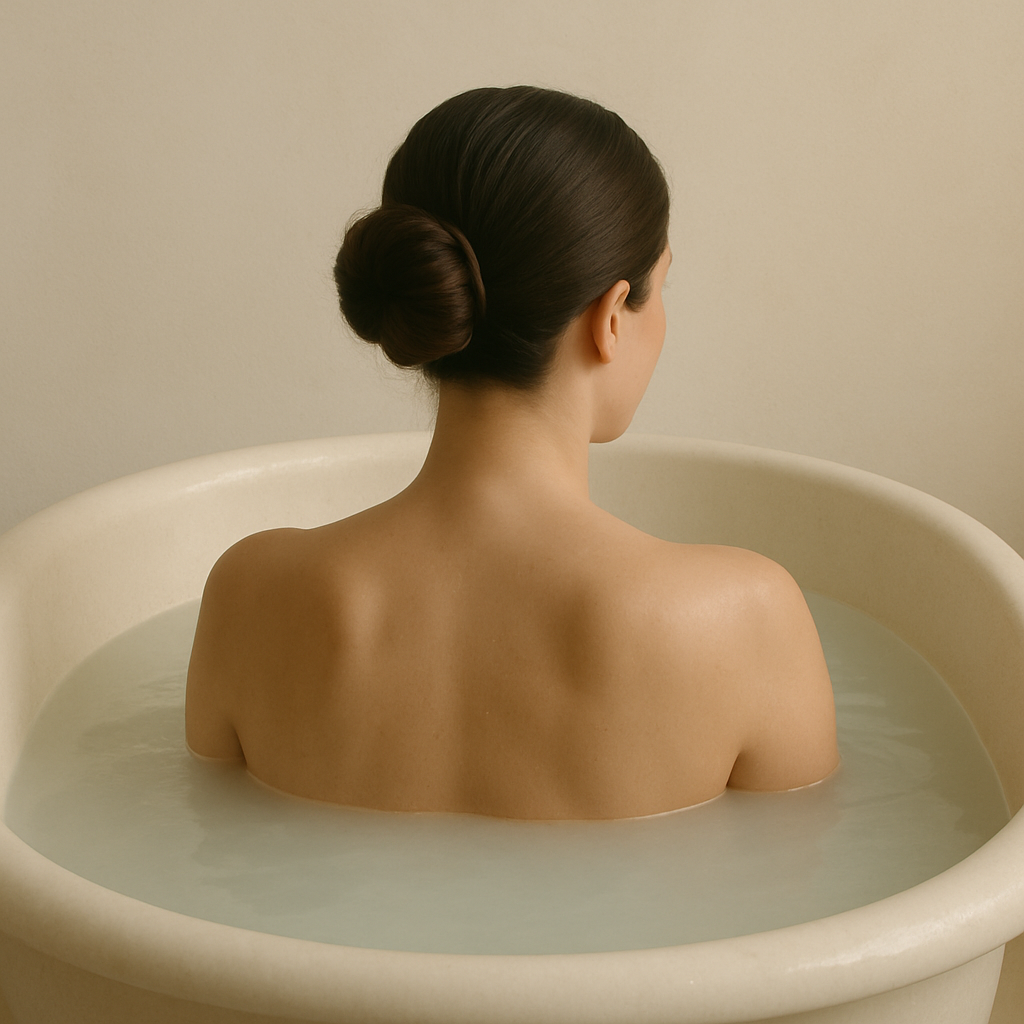
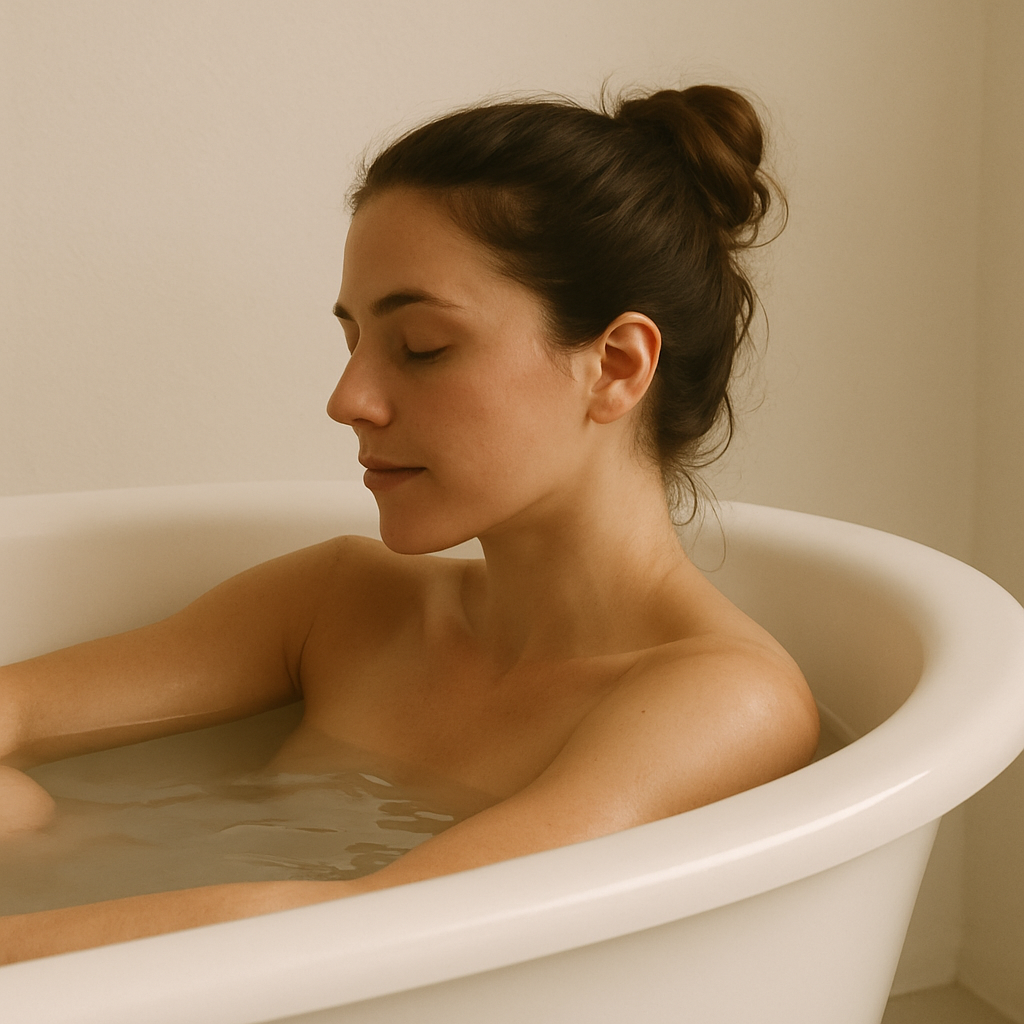
- Hot Water Baths: Typically maintained at a temperature between 92°F and 100°F (33°C to 38°C) for 15-30 minutes.
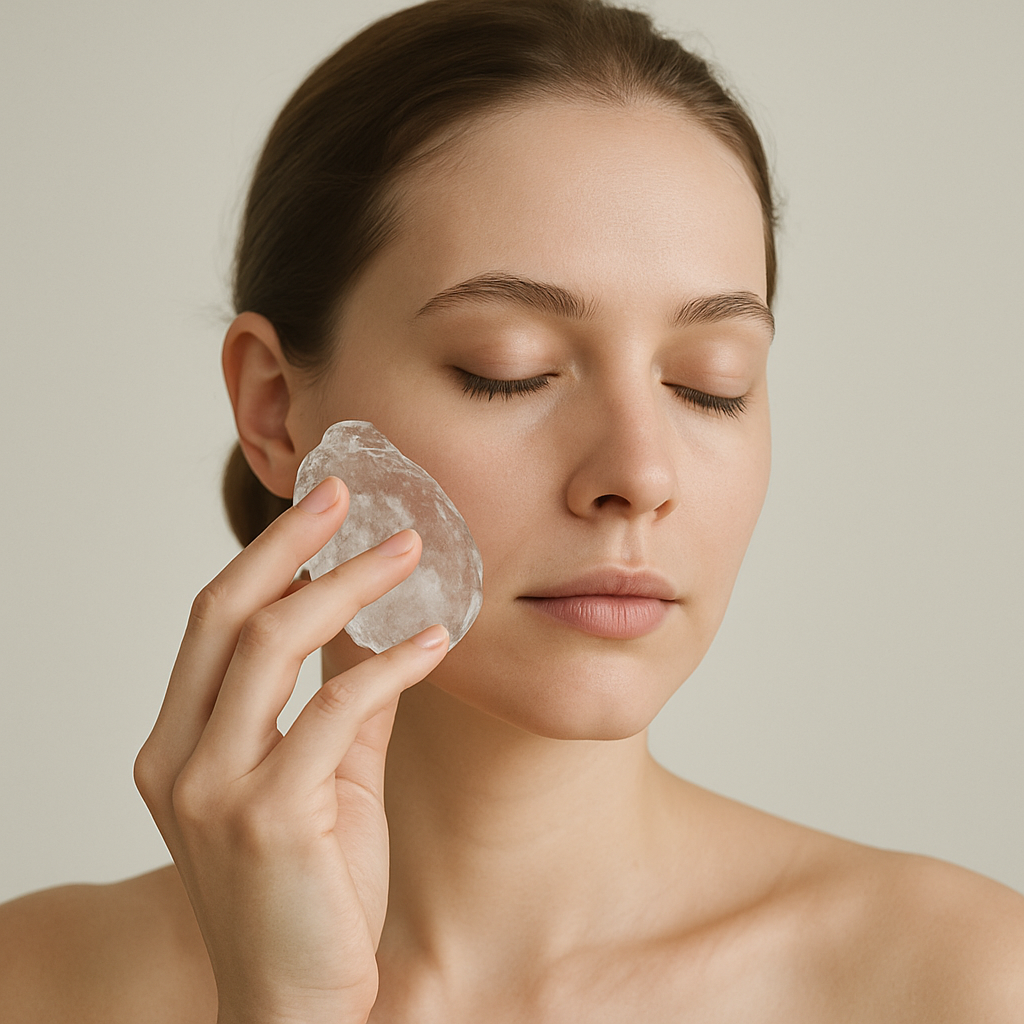
- Cold Water Immersion: Water temperature between 50°F and 60°F (10°C to 15°C) for 5-15 minutes.
- Contrast Baths: Alternating between hot and cold water for 20-30 minutes, spending about 3-4 minutes in each temperature.
- Aquatic Therapy: Conducted under the guidance of a trained therapist in a controlled environment.
Safety, Contraindications & Interactions
Recovery hydrotherapy is generally safe for most individuals; however, certain contraindications should be noted:
- Individuals with cardiovascular conditions should consult a healthcare provider before engaging in extreme temperature therapies.
- Those with open wounds or skin infections should avoid hydrotherapy until healed.
- Pregnant women should seek medical advice before using hot water therapies.
Pairs Well With
Recovery hydrotherapy can be effectively combined with other natural remedies and therapies, such as:
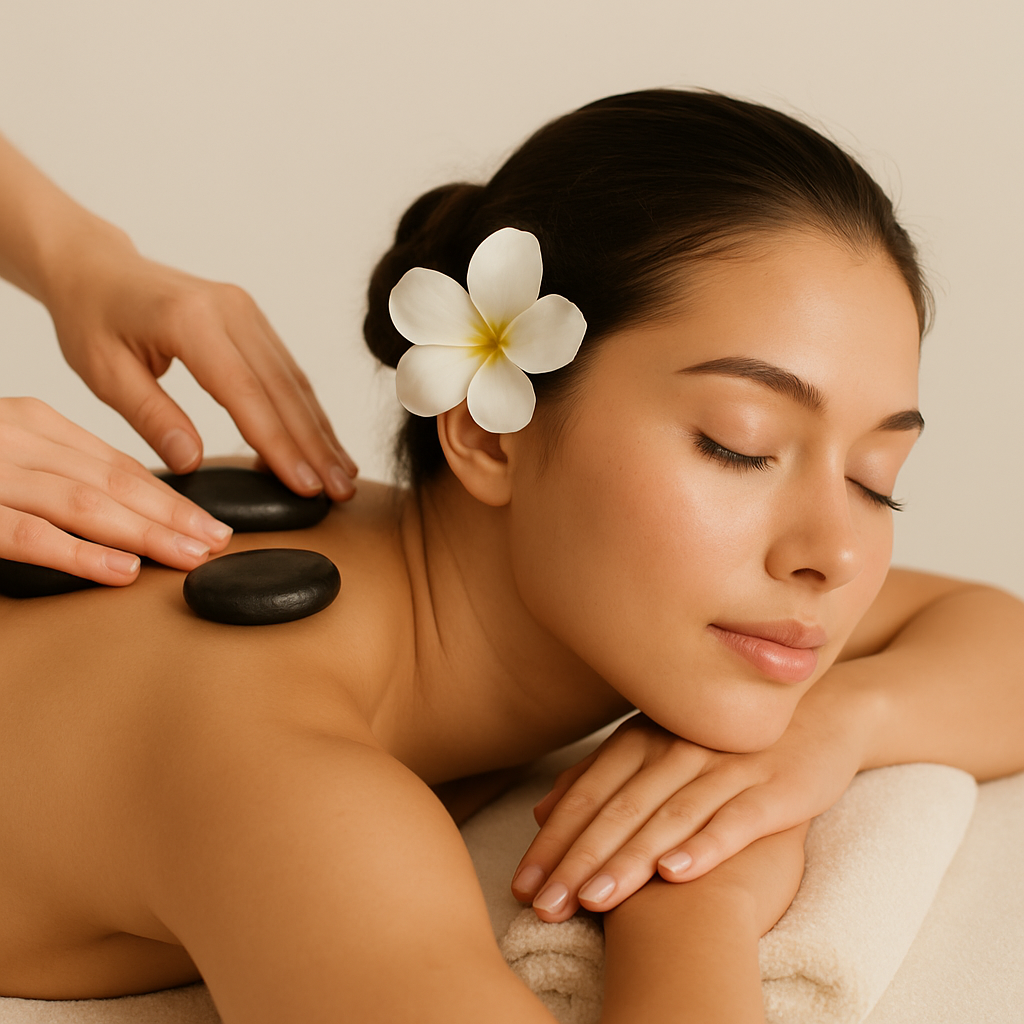
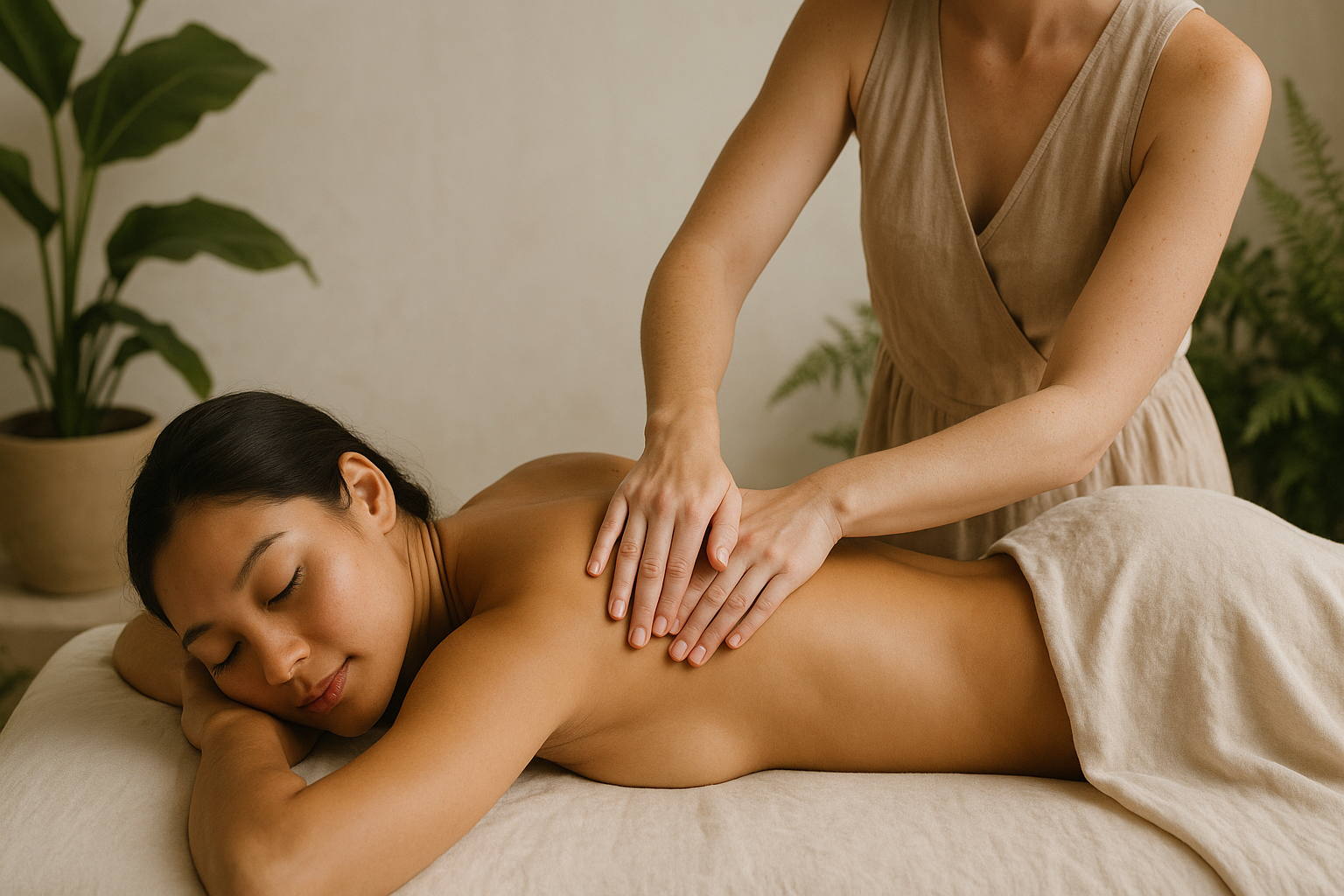
- Massage Therapy: Enhances muscle relaxation and recovery.
- Stretching and Flexibility Exercises: Improves mobility and complements hydrotherapy treatments.
- Nutritional Support: A balanced diet rich in anti-inflammatory foods can aid in recovery.
FAQs (5)
1. How often can I use recovery hydrotherapy?
Frequency depends on individual needs, but many find benefits with 2-3 sessions per week.
2. Is recovery hydrotherapy suitable for everyone?
While generally safe, individuals with specific health conditions should consult a healthcare provider.
3. Can I practice recovery hydrotherapy at home?
Yes, many forms can be done at home, such as baths and contrast showers, but professional guidance is recommended for optimal results.
4. What should I do after a hydrotherapy session?
Stay hydrated, rest, and consider gentle stretching to maximize benefits.
5. Is there any equipment needed for recovery hydrotherapy?
Basic equipment includes a bathtub, a shower, or access to a swimming pool, depending on the form of hydrotherapy chosen.
Frequently asked
How often can I use recovery hydrotherapy?
Frequency depends on individual needs, but many find benefits with 2-3 sessions per week.
Is recovery hydrotherapy suitable for everyone?
While generally safe, individuals with specific health conditions should consult a healthcare provider.
Can I practice recovery hydrotherapy at home?
Yes, many forms can be done at home, such as baths and contrast showers, but professional guidance is recommended for optimal results.
What should I do after a hydrotherapy session?
Stay hydrated, rest, and consider gentle stretching to maximize benefits.
Is there any equipment needed for recovery hydrotherapy?
Basic equipment includes a bathtub, a shower, or access to a swimming pool, depending on the form of hydrotherapy chosen.