Contrast Therapy
Contrast therapy in hydrotherapy utilizes alternating hot and cold treatments to enhance wellness. Discover its benefits, traditional uses, and modern research findings.
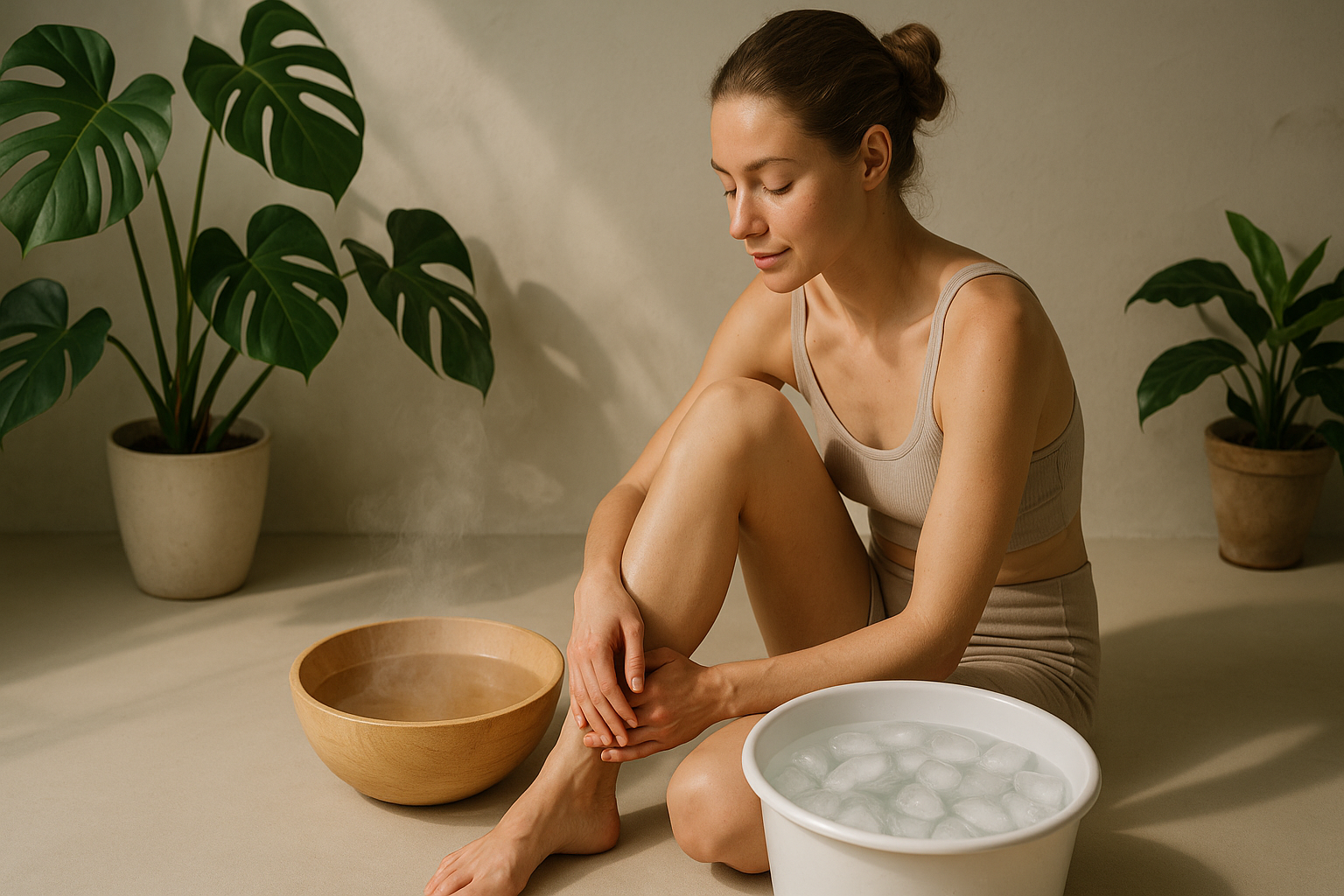
Explore the benefits, mechanisms, and applications of contrast therapy within hydrotherapy, a natural remedy that alternates between hot and cold treatments to promote healing.
What It Is
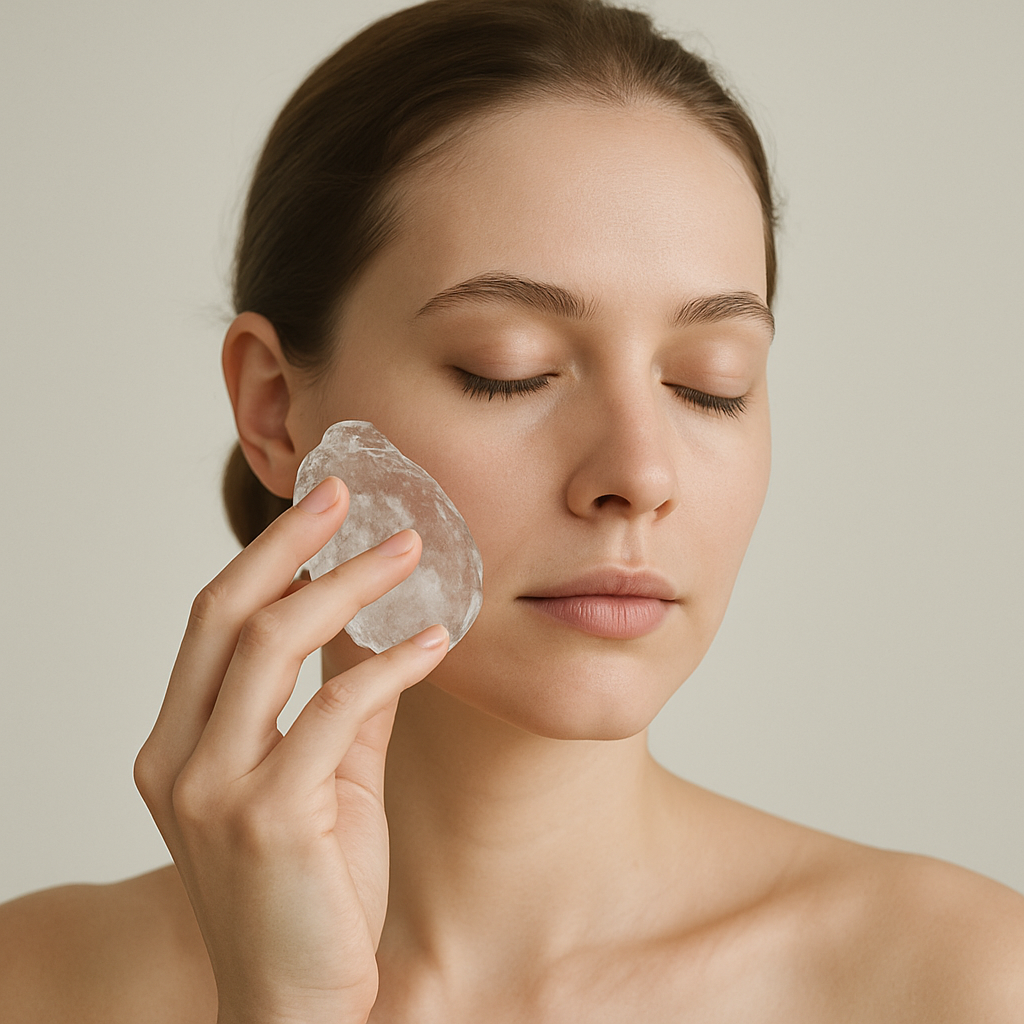
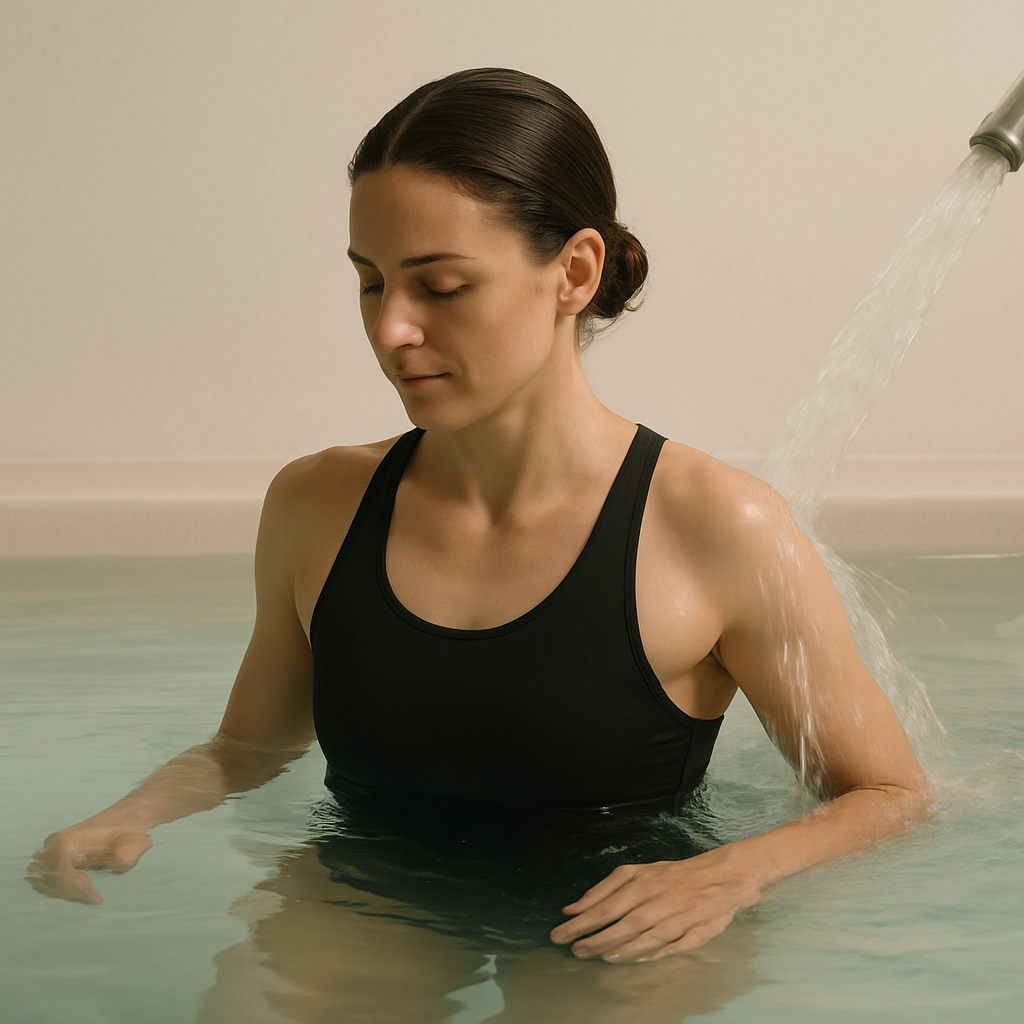
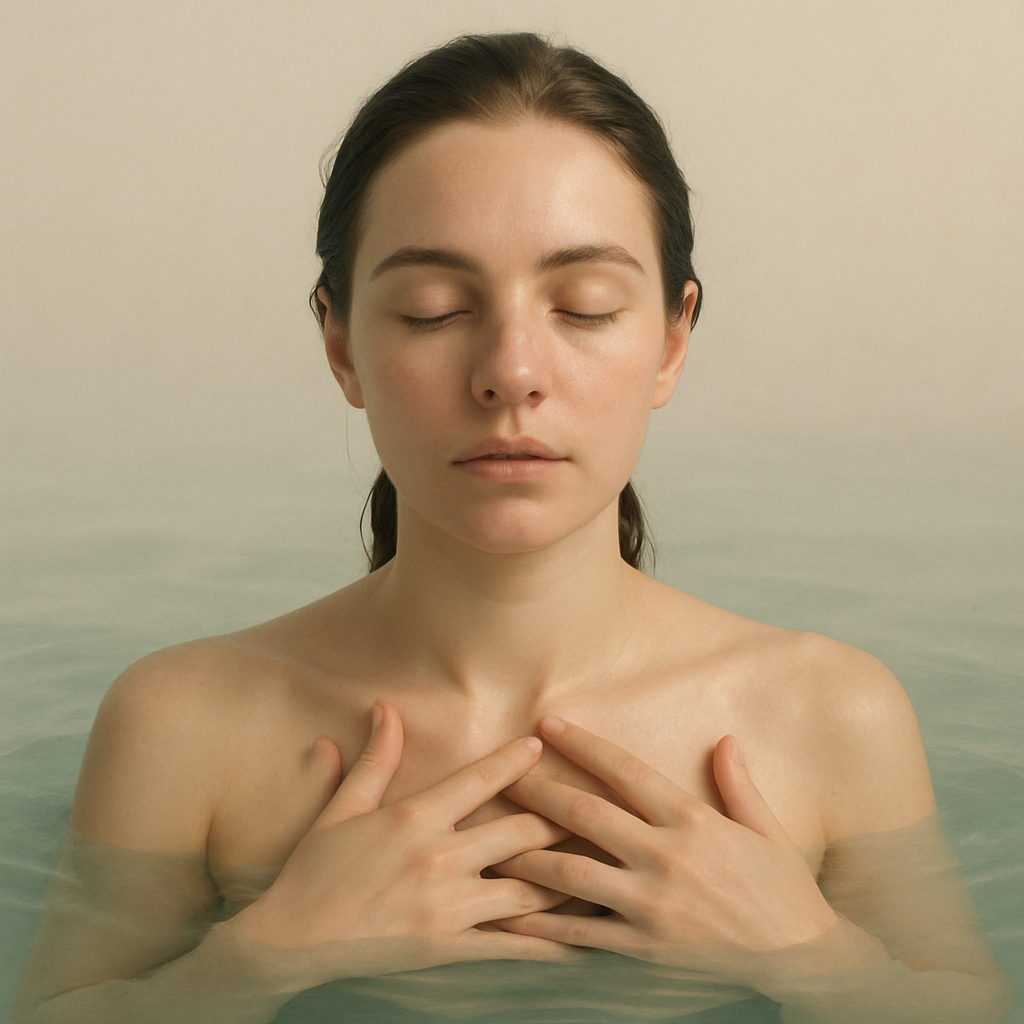
Contrast therapy is a form of hydrotherapy that involves alternating exposure to hot and cold water or temperatures. This technique is used to stimulate circulation, reduce muscle soreness, and promote overall relaxation and wellness. The hot phase typically involves immersion in warm or hot water, while the cold phase might include cold showers, ice packs, or immersion in cold water. This method is also sometimes referred to as thermal contrast therapy.
Key Active Compounds & Mechanisms
The primary mechanisms behind contrast therapy involve the body's physiological response to temperature changes. When exposed to heat, blood vessels dilate (vasodilation), which increases blood flow and promotes relaxation of muscles. Conversely, cold exposure causes blood vessels to constrict (vasoconstriction), reducing inflammation and numbing pain. These alternating effects can enhance circulation, improve lymphatic drainage, and facilitate the removal of metabolic waste from tissues.
Traditional Uses
Historically, contrast therapy has roots in various cultures around the world. Ancient Greeks and Romans utilized hot baths and cold plunges for therapeutic purposes. In traditional Chinese medicine, the concept of yin and yang is reflected in the balance of hot and cold treatments. Native American tribes also employed similar methods using natural hot springs and cold streams to may support ailments and promote wellness.
What Modern Research Suggests
Modern research into contrast therapy is still evolving, but preliminary studies suggest it may have benefits for athletic recovery, chronic pain management, and circulation improvement. Some clinical trials indicate that athletes using contrast baths may experience reduced muscle soreness and improved recovery times. However, more comprehensive studies are needed to fully understand its efficacy and mechanisms.
Functional Actions
Contrast therapy has several functional actions that contribute to its therapeutic effects:
- Enhanced Circulation: Alternating temperatures stimulate blood flow, which can improve nutrient and oxygen delivery to tissues.
- Pain Relief: Cold exposure can numb pain, while heat can soothe tense muscles, providing a dual approach to pain management.
- Reduced Inflammation: The constriction and dilation of blood vessels help to manage inflammation in affected areas.
- Muscle Recovery: Athletes often use contrast therapy to speed up recovery after intense workouts.
- Relaxation: The soothing effects of warm water can promote relaxation, while the invigorating cold can refresh and energize.
Body Systems Supported
Contrast therapy supports multiple body systems, including:
- Circulatory System: Enhances blood flow and nutrient delivery.
- Nervous System: Stimulates sensory nerves, which can help in pain management.
- Musculoskeletal System: Aids in muscle recovery and reduces soreness.
- Immune System: Improved circulation may enhance immune function by promoting lymphatic drainage.
Common Forms & Educational Dosing Ranges
Contrast therapy can be performed in various forms, including:
- Contrast Baths: Alternating between hot water (around 100°F or 38°C) and cold water (around 60°F or 15°C) for 1-2 minutes each, repeated for 15-30 minutes.
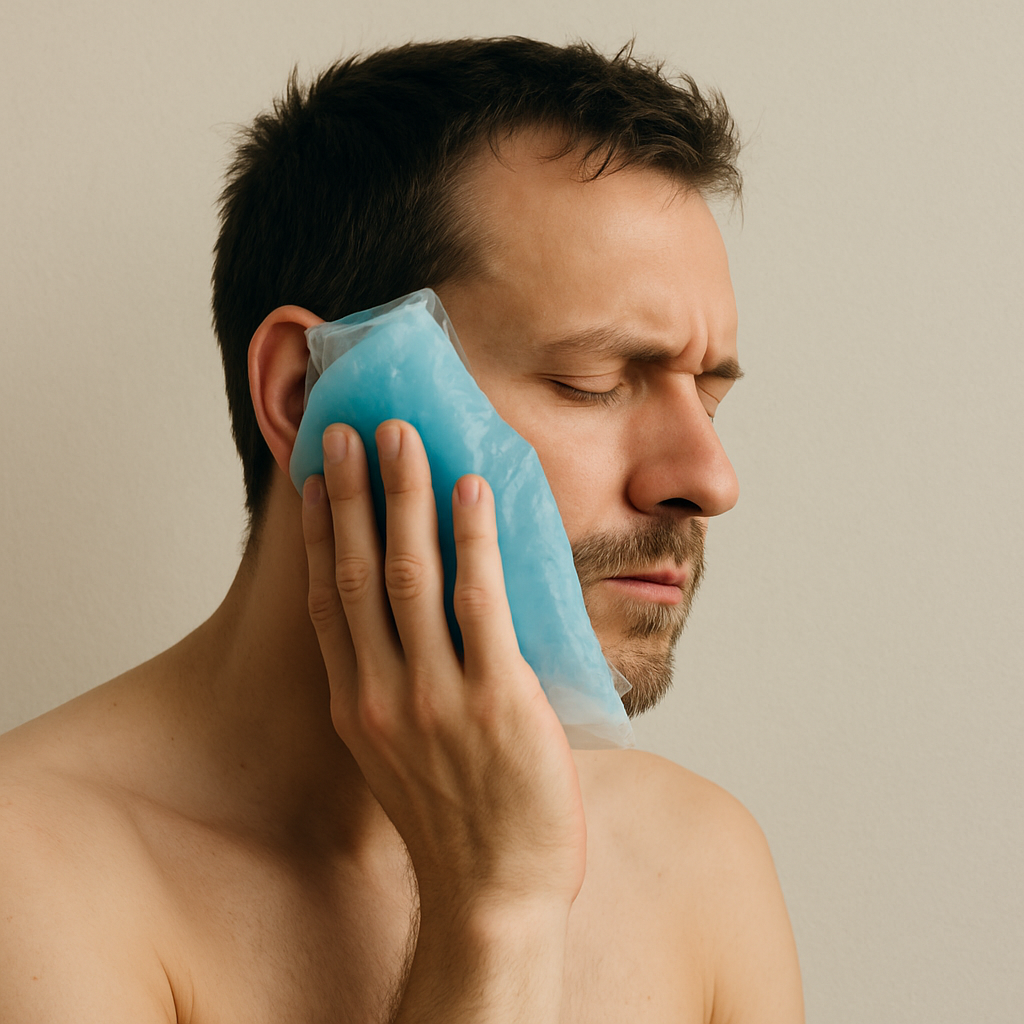
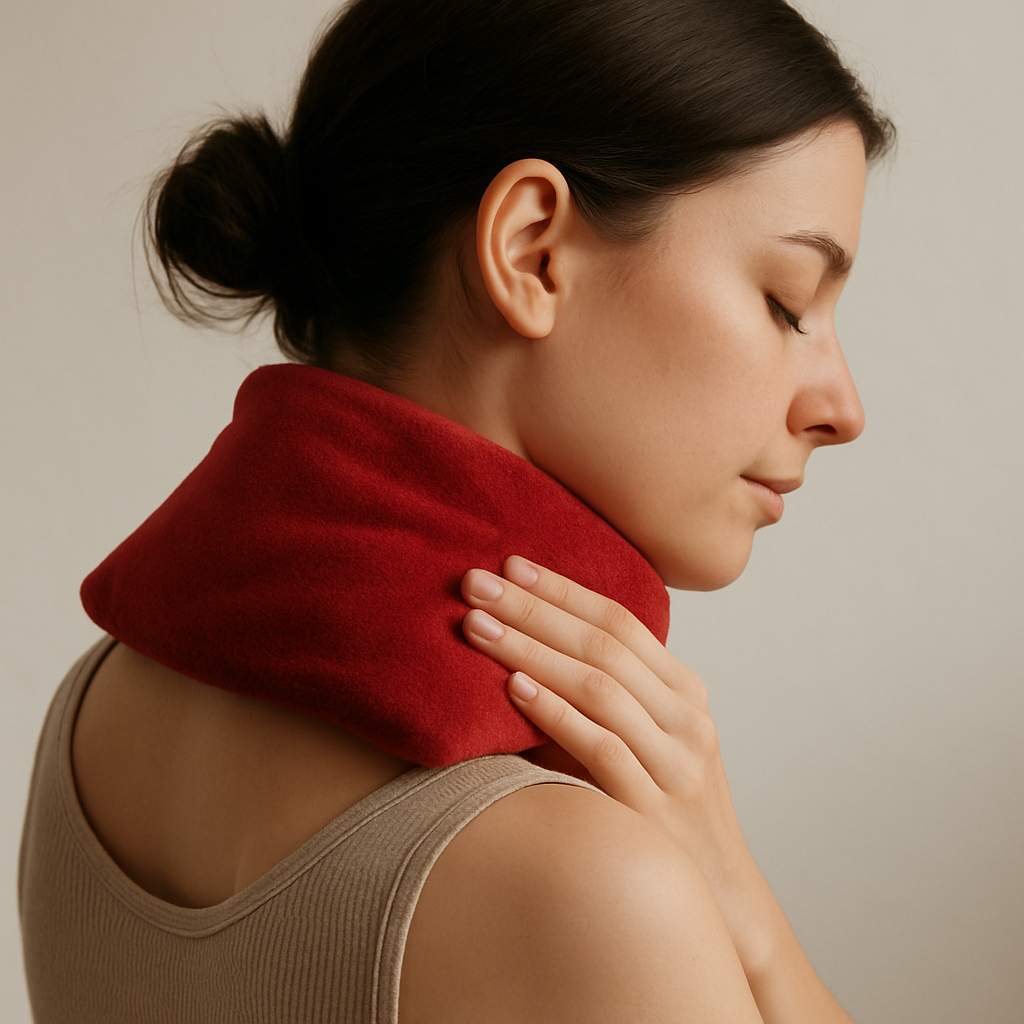
- Hot and Cold Packs: Applying hot packs followed by cold packs for 10-15 minutes each.
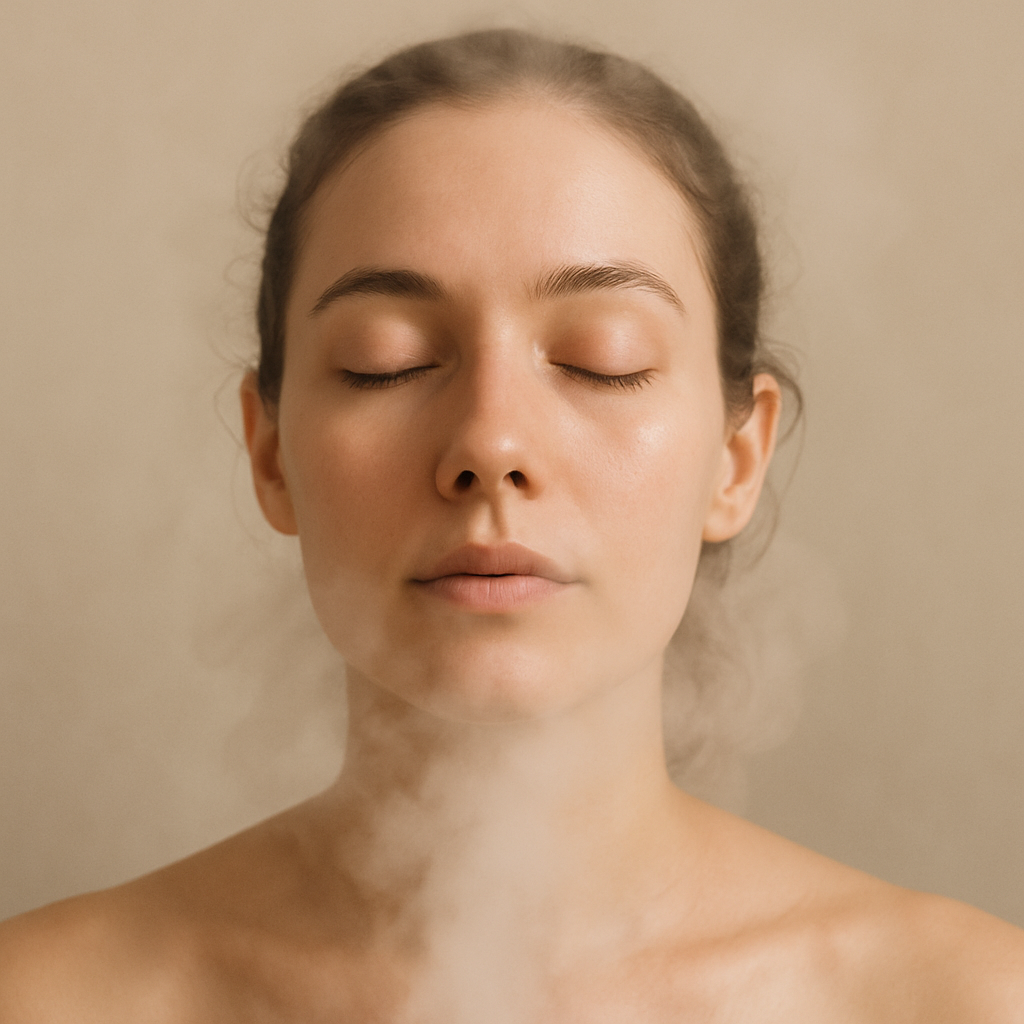
- Sauna and Cold Shower: Spending 10-15 minutes in a sauna followed by a brief cold shower.
Safety, Contraindications & Interactions
While contrast therapy is generally considered safe for most individuals, certain precautions should be observed:
- Cardiovascular Conditions: Individuals with heart disease or vascular conditions should consult a healthcare provider before starting contrast therapy.
- Pregnancy: Pregnant women should avoid extreme temperatures and consult their healthcare provider.
- Diabetes: Those with diabetes should be cautious, as temperature sensitivity may be impaired.
- Skin Conditions: Individuals with open wounds or skin conditions should avoid direct exposure to hot or cold water.
Pairs Well With
Contrast therapy can be effectively paired with other natural remedies and therapies such as:
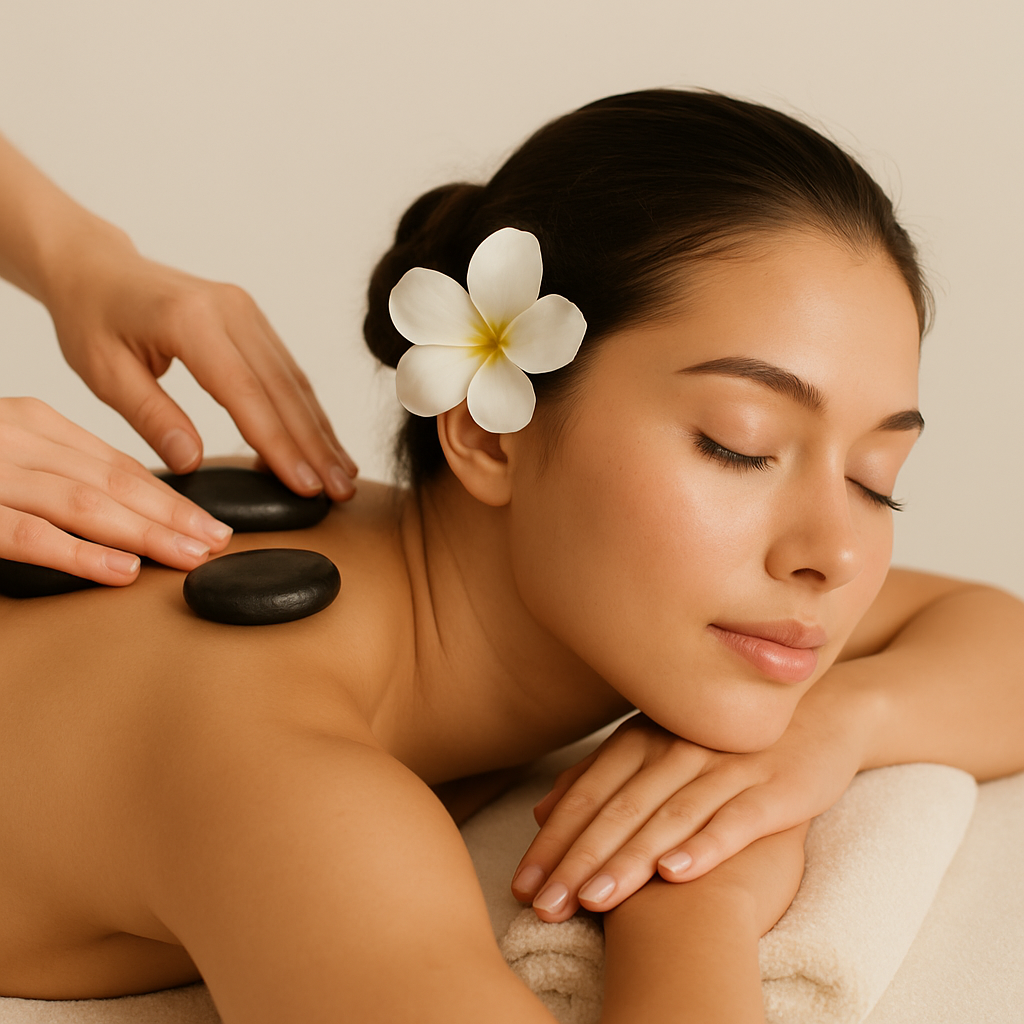
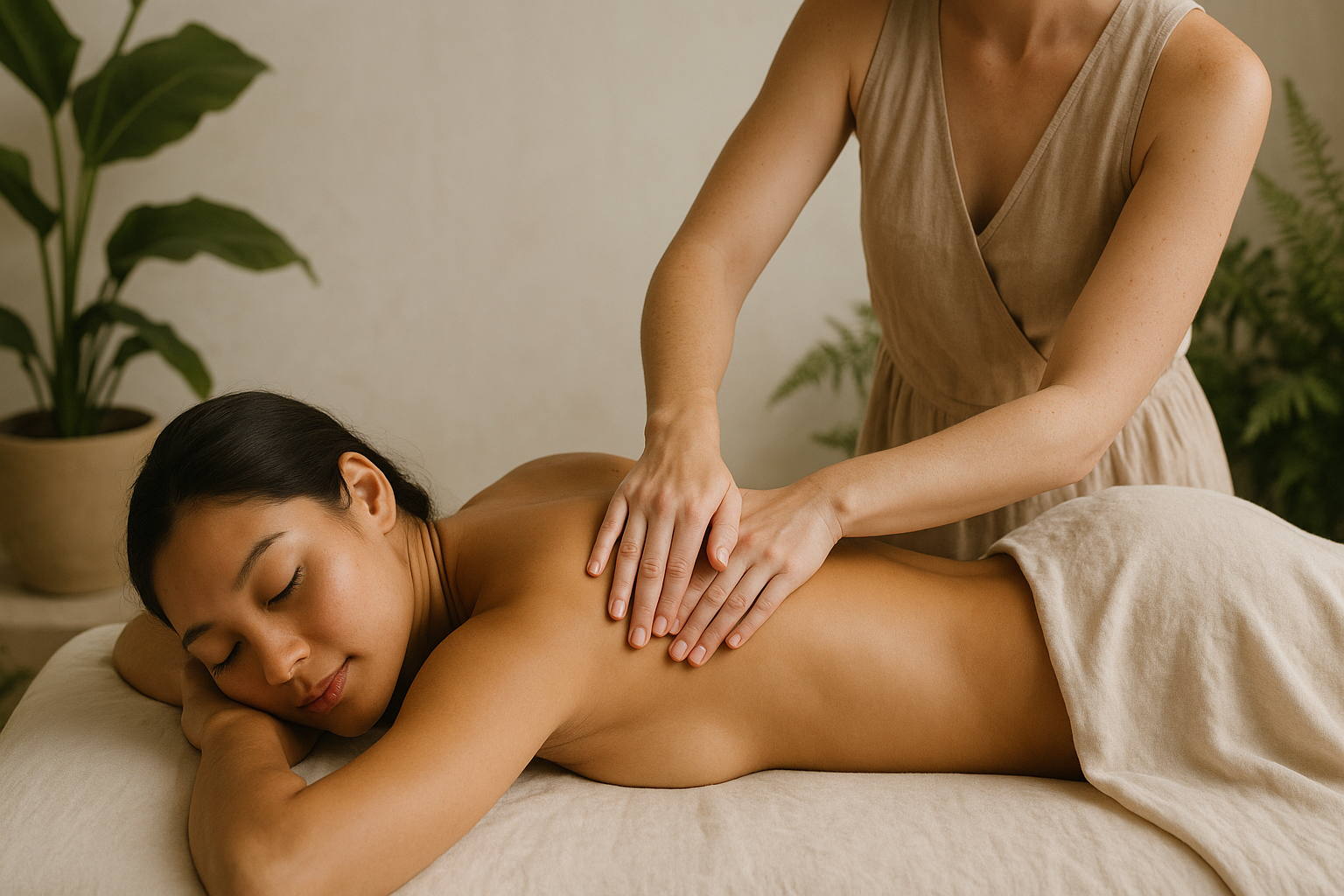
- Massage Therapy: To enhance relaxation and muscle recovery.
- Herbal Treatments: Herbal teas or supplements that promote circulation, such as ginger (Zingiber officinale) or cayenne (Capsicum annuum).
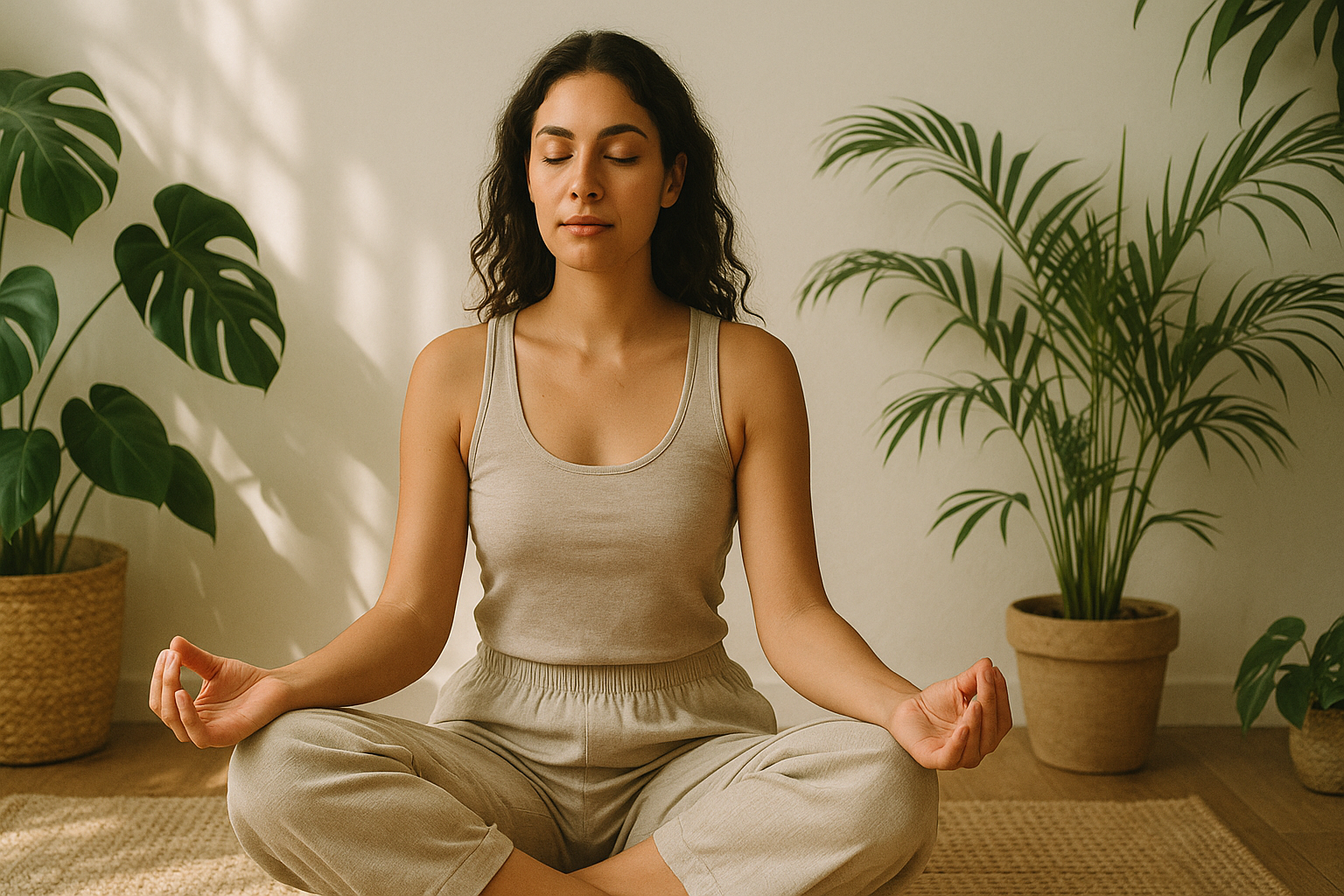
- Stretching and Yoga: To improve flexibility and further aid in muscle recovery.
- Nutrition: A balanced diet rich in anti-inflammatory foods can complement the benefits of contrast therapy.
FAQs (5)
- What is contrast therapy? Contrast therapy is a method that alternates hot and cold treatments to promote healing and recovery.
- How often can I use contrast therapy? It can be used several times a week, but consult a healthcare provider for personalized advice.
- Is contrast therapy safe for everyone? While generally safe, individuals with certain medical conditions should consult a healthcare provider before use.
- Can I use contrast therapy for pain relief? Yes, it can be effective for managing pain and reducing muscle soreness.
- What should I do after contrast therapy? Hydrate well and allow your body to rest to maximize the benefits of the treatment.
Frequently asked
What is contrast therapy?
Contrast therapy is a method that alternates hot and cold treatments to promote healing and recovery.
How often can I use contrast therapy?
It can be used several times a week, but consult a healthcare provider for personalized advice.
Is contrast therapy safe for everyone?
While generally safe, individuals with certain medical conditions should consult a healthcare provider before use.
Can I use contrast therapy for pain relief?
Yes, it can be effective for managing pain and reducing muscle soreness.
What should I do after contrast therapy?
Hydrate well and allow your body to rest to maximize the benefits of the treatment.