Thermal Therapy

What It Is
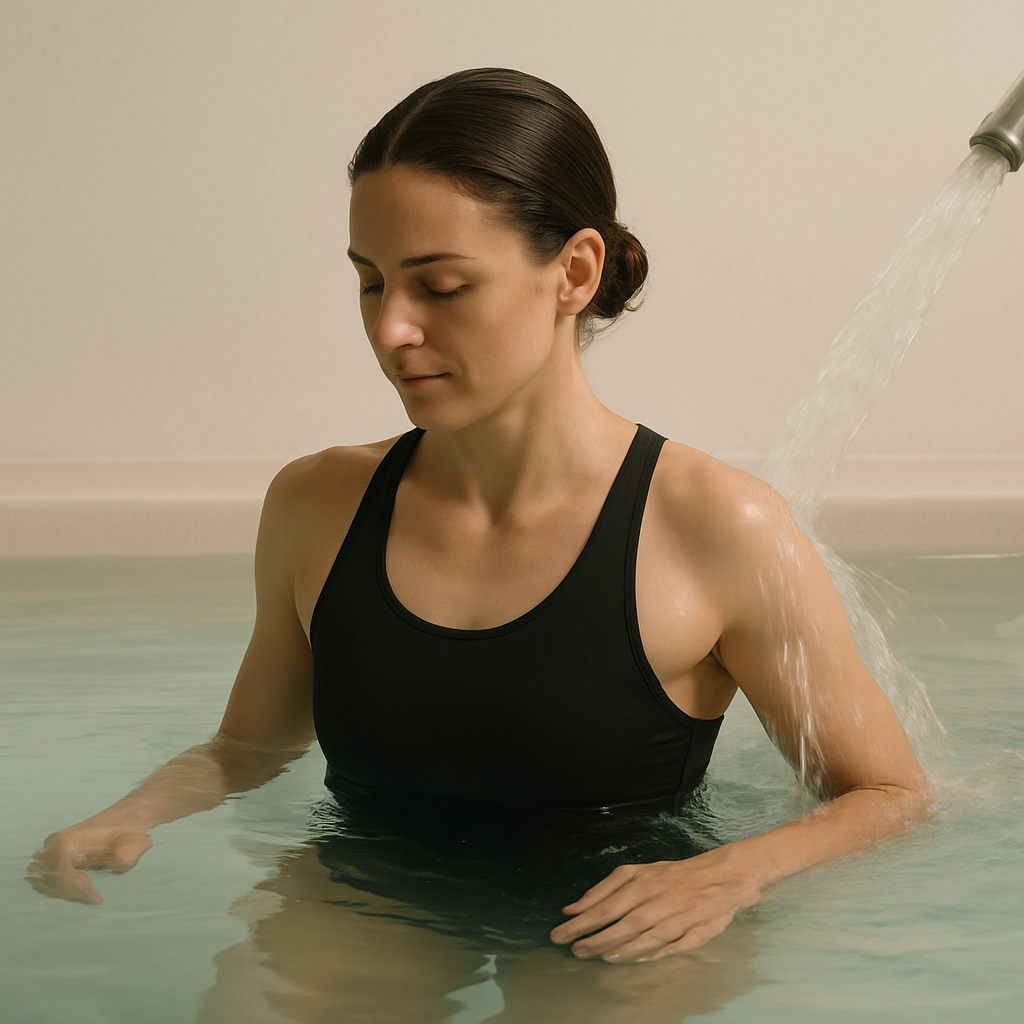
Thermal therapy, often referred to as heat therapy, is a therapeutic approach that utilizes heat to promote healing and alleviate pain. This method is a subset of hydrotherapy, leveraging the natural properties of water and heat to enhance physical well-being. It involves the application of various forms of heat, including moist heat, dry heat, and infrared heat, to specific areas of the body.
Key Active Compounds & Mechanisms
The effectiveness of thermal therapy mainly relies on the body's physiological responses to heat. When heat is applied, the following mechanisms are activated:
- Increased blood circulation: Heat expands blood vessels, improving blood flow to the area.
- Muscle relaxation: Heat can help to relax tense muscles, reducing stiffness and discomfort.
- Pain relief: Heat can help to alleviate pain by blocking pain signals sent to the brain.
- Enhanced metabolic activity: Heat stimulates cellular metabolism, promoting faster healing.
Traditional Uses
Thermal therapy has been utilized for centuries across various cultures. In Ancient Greece, bathhouses were common for communal bathing and healing. The Romans adopted this practice, developing sophisticated thermal baths that combined heat and water for relaxation and health. Traditional Chinese Medicine (TCM) also incorporates heat therapy, often using techniques like moxibustion, where dried mugwort (Artemisia vulgaris) is burned near acupuncture points to introduce heat and stimulate healing.
What Modern Research Suggests
Recent studies have supported the benefits of thermal therapy in various contexts. Research indicates that applying heat can significantly reduce muscle soreness after exercise and may assist in the management of chronic pain conditions, such as arthritis. While more extensive clinical trials are necessary, preliminary evidence suggests that thermal therapy can be an effective adjunct in pain management and physical rehabilitation.
Functional Actions
Thermal therapy functions through several key actions:
- Analgesic effects: Reducing pain perception.
- Anti-inflammatory effects: Decreasing inflammation in injured tissues.
- Muscle relaxation: Helping to alleviate muscle spasms.
- Improved flexibility: Enhancing the range of motion in joints and muscles.
Body Systems Supported
Thermal therapy supports multiple body systems, including:
- Musculoskeletal system: Aiding in the recovery of muscles and joints.
- Circulatory system: Enhancing blood flow and oxygen delivery to tissues.
- Nervous system: Modulating pain responses and promoting relaxation.
- Integumentary system: Improving skin health through increased circulation.
Common Forms & Educational Dosing Ranges
Thermal therapy can be applied in various forms, including:
- Heating pads: Typically used for localized heat application; recommended use is 15-30 minutes at a time.
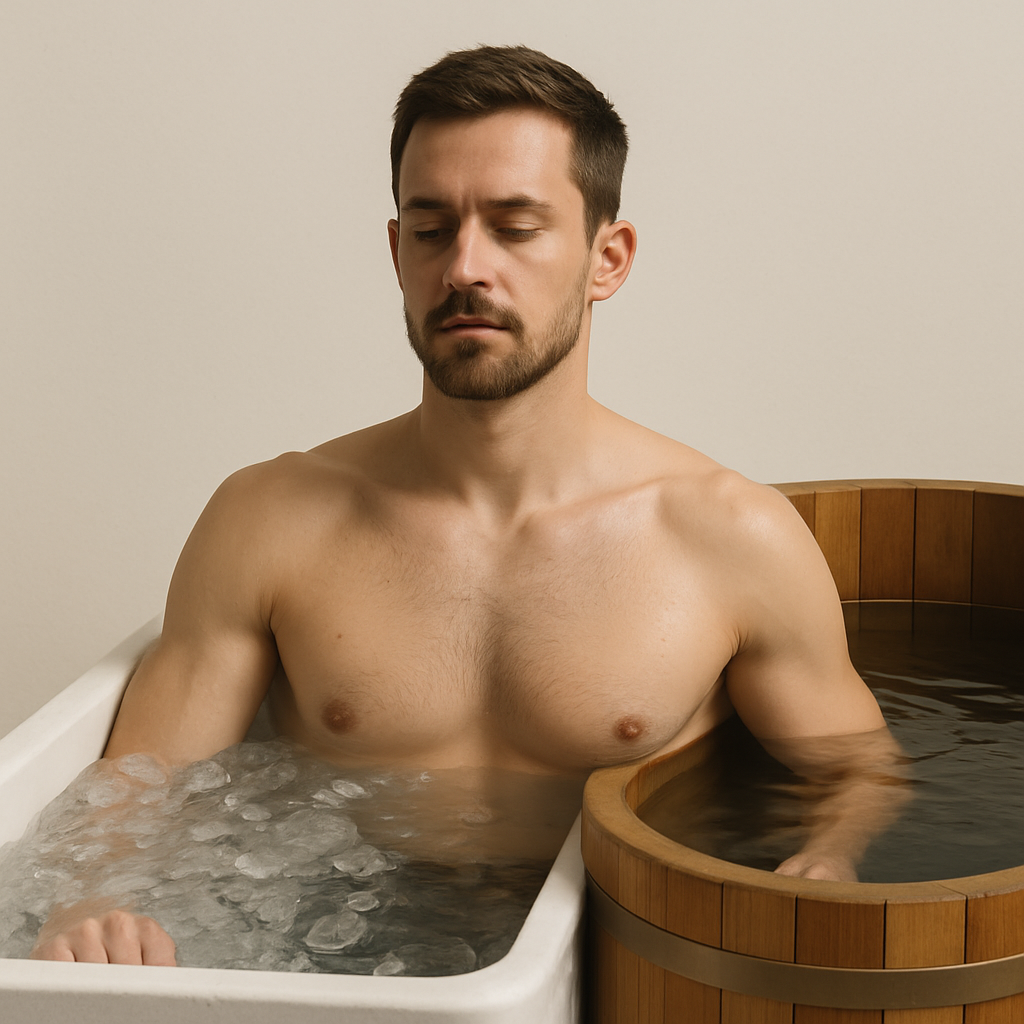
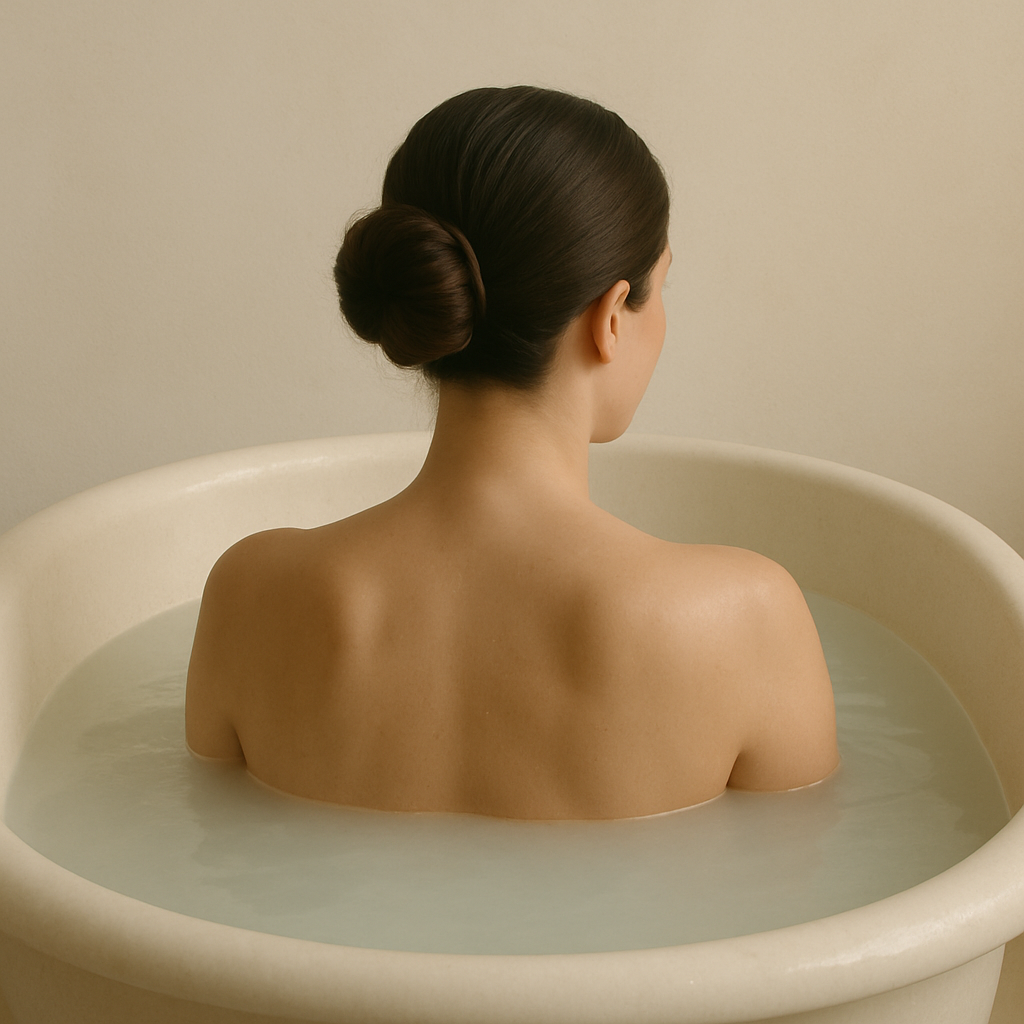
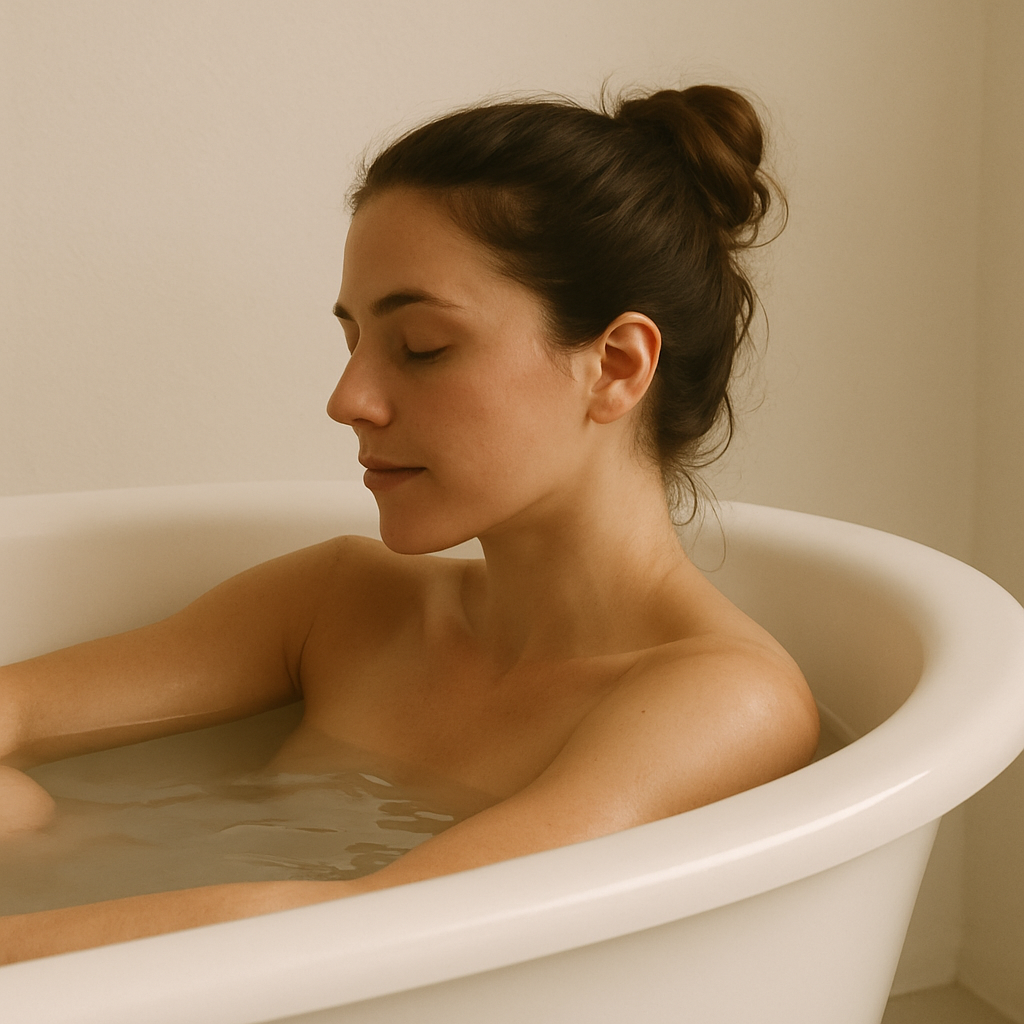
- Warm baths: Immersion in warm water can be beneficial; a temperature of 92-100°F (33-38°C) is often ideal.
- Hot compresses: Applying a warm, damp cloth to sore areas; can be used for 10-20 minutes.
- Infrared therapy: Utilizing infrared lamps to penetrate deeper tissues; sessions can last from 15-30 minutes.
Safety, Contraindications & Interactions
While thermal therapy is generally safe, certain precautions should be observed:
- Individuals with diabetes or circulatory issues should consult a healthcare provider before use.
- Heat should not be applied to areas with swelling or recent injuries.
- People with skin conditions or sensory impairments should exercise caution to avoid burns.
- Thermal therapy may interact with medications that affect circulation, such as blood thinners, leading to increased bleeding risks.
Pairs Well With
Thermal therapy can be effectively combined with other natural remedies and therapeutic practices:
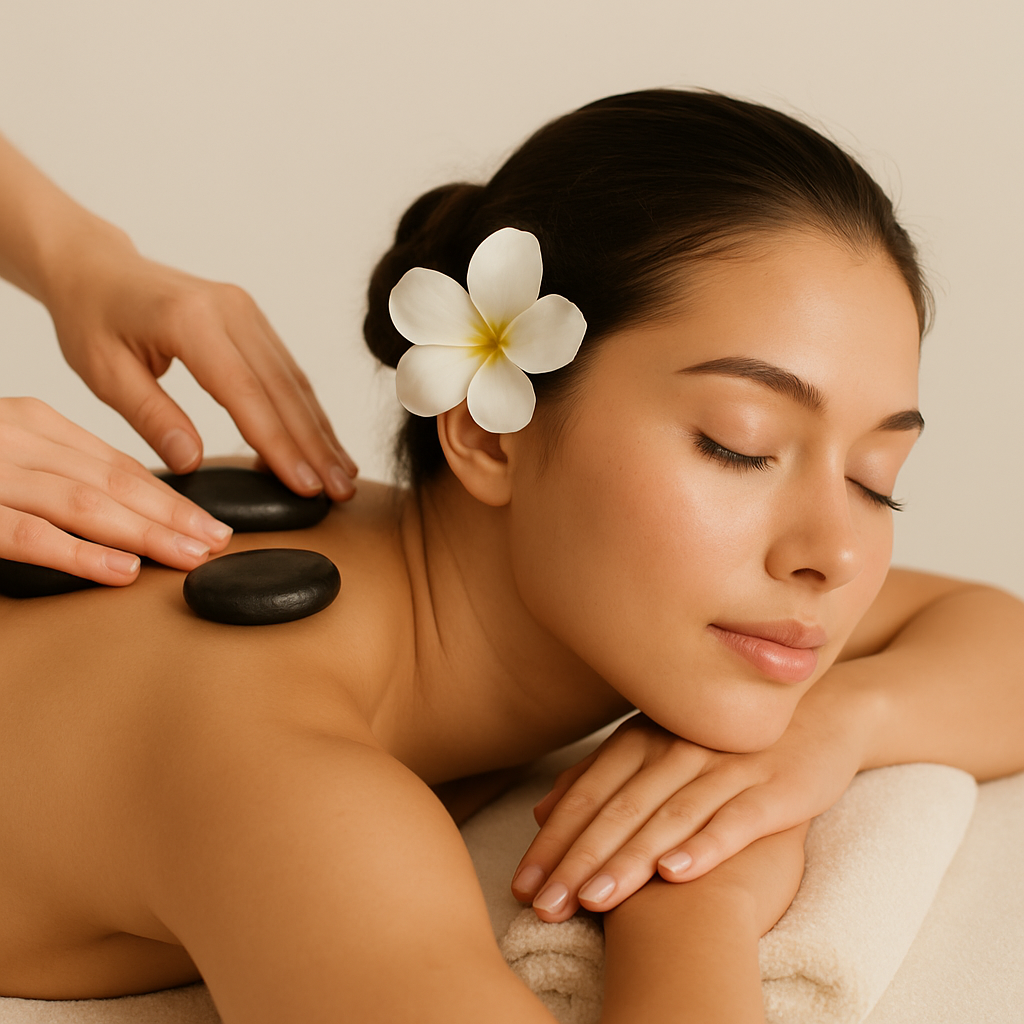
- Massage therapy: Enhances muscle relaxation and pain relief.
- Stretching exercises: Improves flexibility and range of motion.
- Aromatherapy: Using essential oils can enhance relaxation.
- Acupuncture: Combining heat with acupuncture can optimize pain relief.
FAQs (5)
- Is thermal therapy safe for everyone? While generally safe, individuals with certain medical conditions should consult their healthcare provider before use.
- How long should I apply heat for effective relief? A typical duration is 15-30 minutes, depending on the heat source and individual tolerance.
- Can I use thermal therapy for acute injuries? Heat should generally be avoided for fresh injuries; ice is often recommended instead.
- Are there any risks associated with thermal therapy? Risks include burns, especially for individuals with decreased sensitivity to heat.
- Can thermal therapy help with chronic pain? Yes, many individuals find relief from chronic pain conditions through regular use of thermal therapy.
Frequently asked
Is thermal therapy safe for everyone?
While generally safe, individuals with certain medical conditions should consult their healthcare provider before use.
How long should I apply heat for effective relief?
A typical duration is 15-30 minutes, depending on the heat source and individual tolerance.
Can I use thermal therapy for acute injuries?
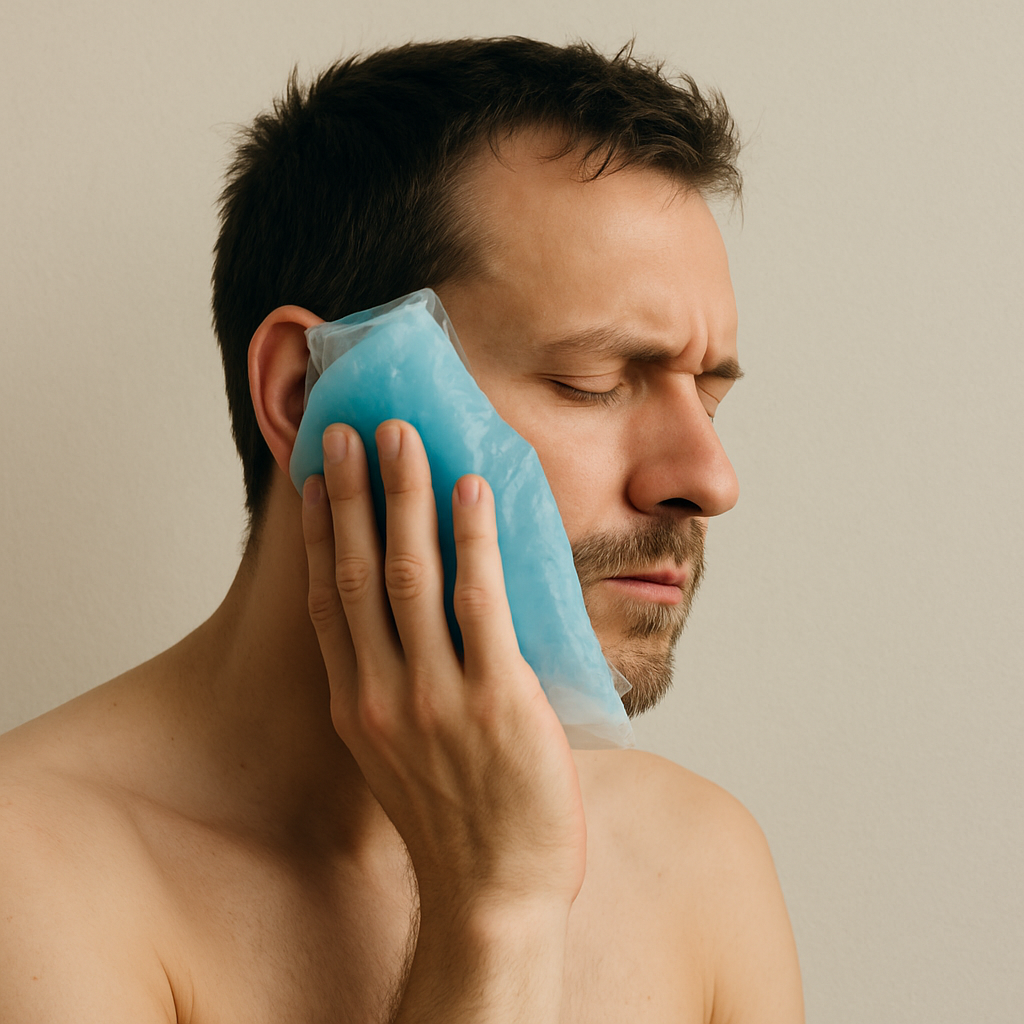
Heat should generally be avoided for fresh injuries; ice is often recommended instead.
Are there any risks associated with thermal therapy?
Risks include burns, especially for individuals with decreased sensitivity to heat.
Can thermal therapy help with chronic pain?
Yes, many individuals find relief from chronic pain conditions through regular use of thermal therapy.