Mineral Baths
Discover the therapeutic potential of mineral baths, their historical significance, and their impact on health and wellness.
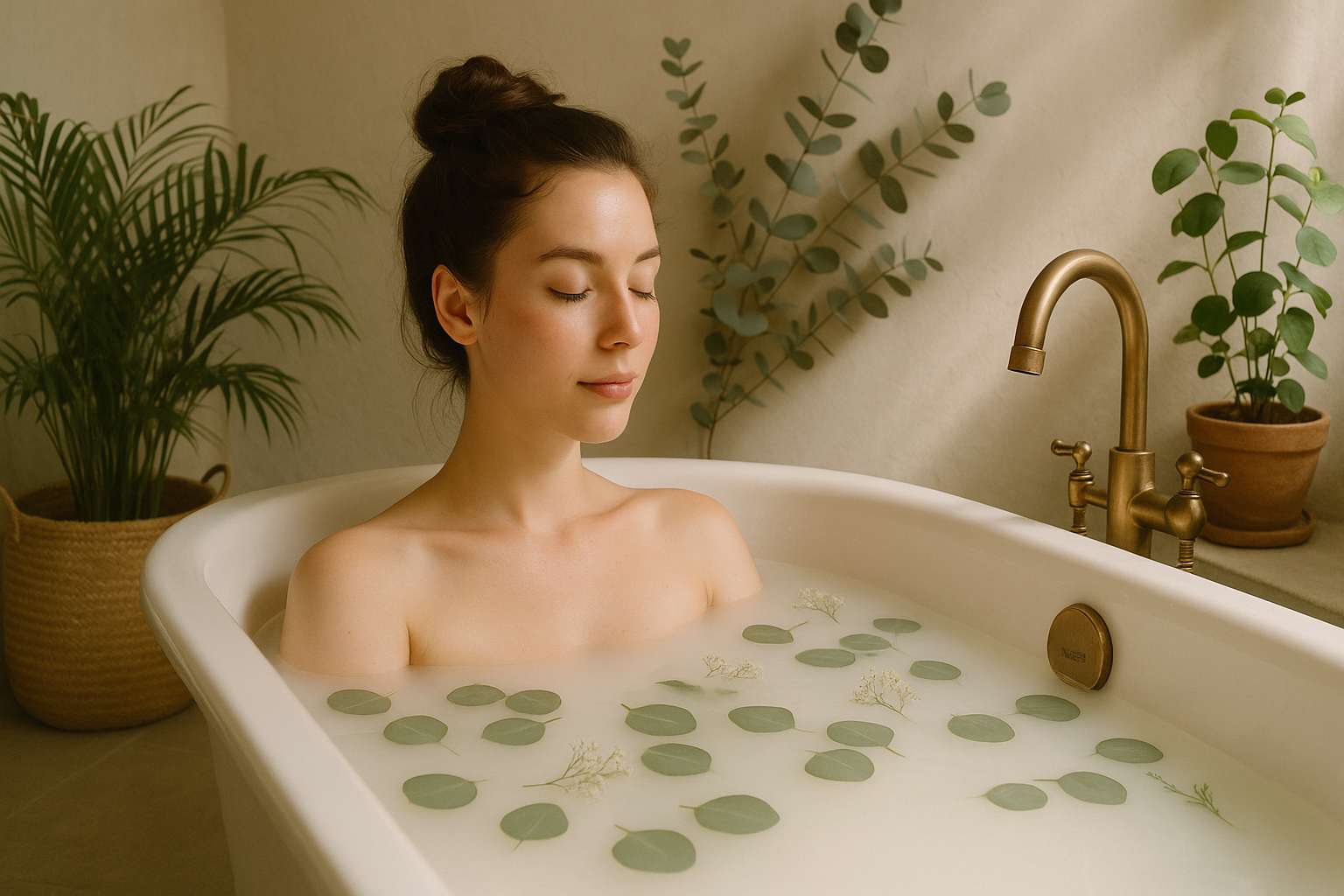
Explore the benefits and history of mineral baths, a form of hydrotherapy that utilizes natural minerals in water to promote relaxation and rejuvenation. Learn about the active compounds, traditional uses, modern research, and safety considerations.
What It Is
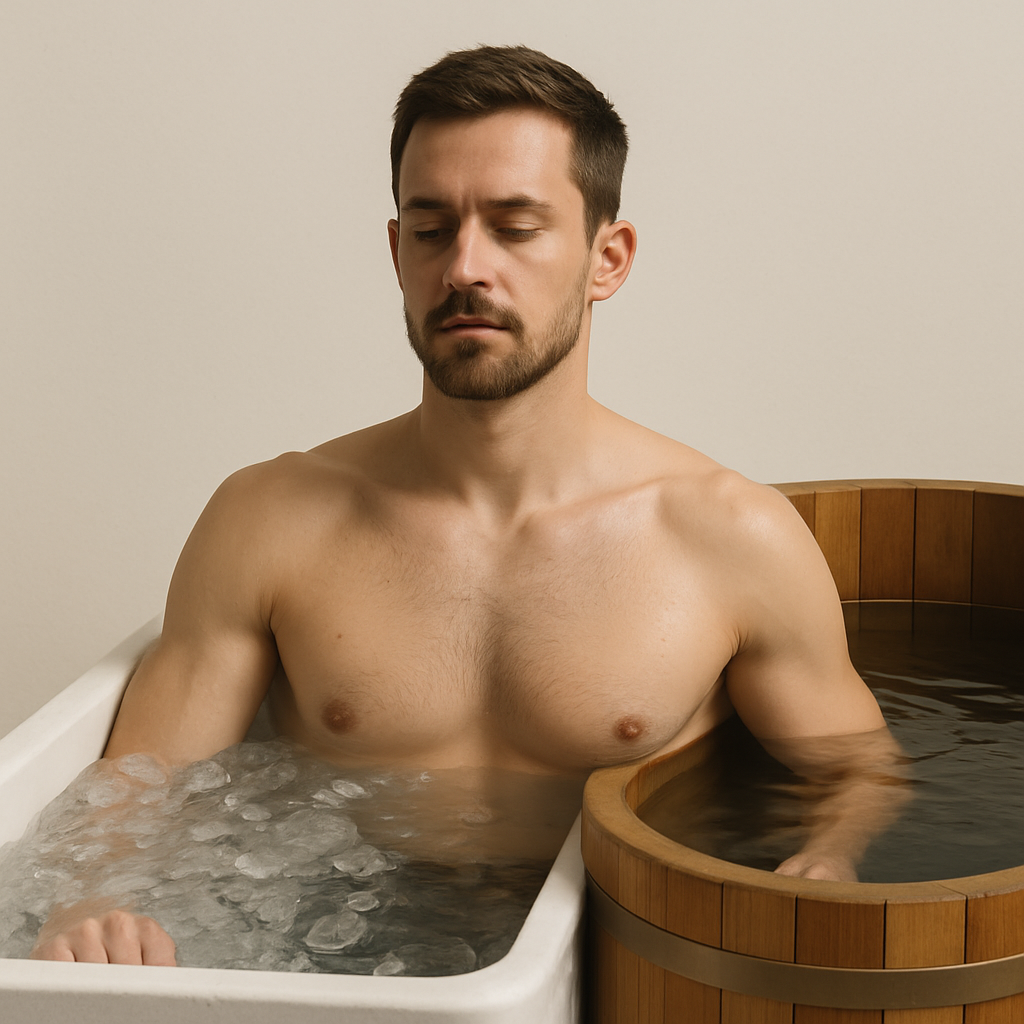
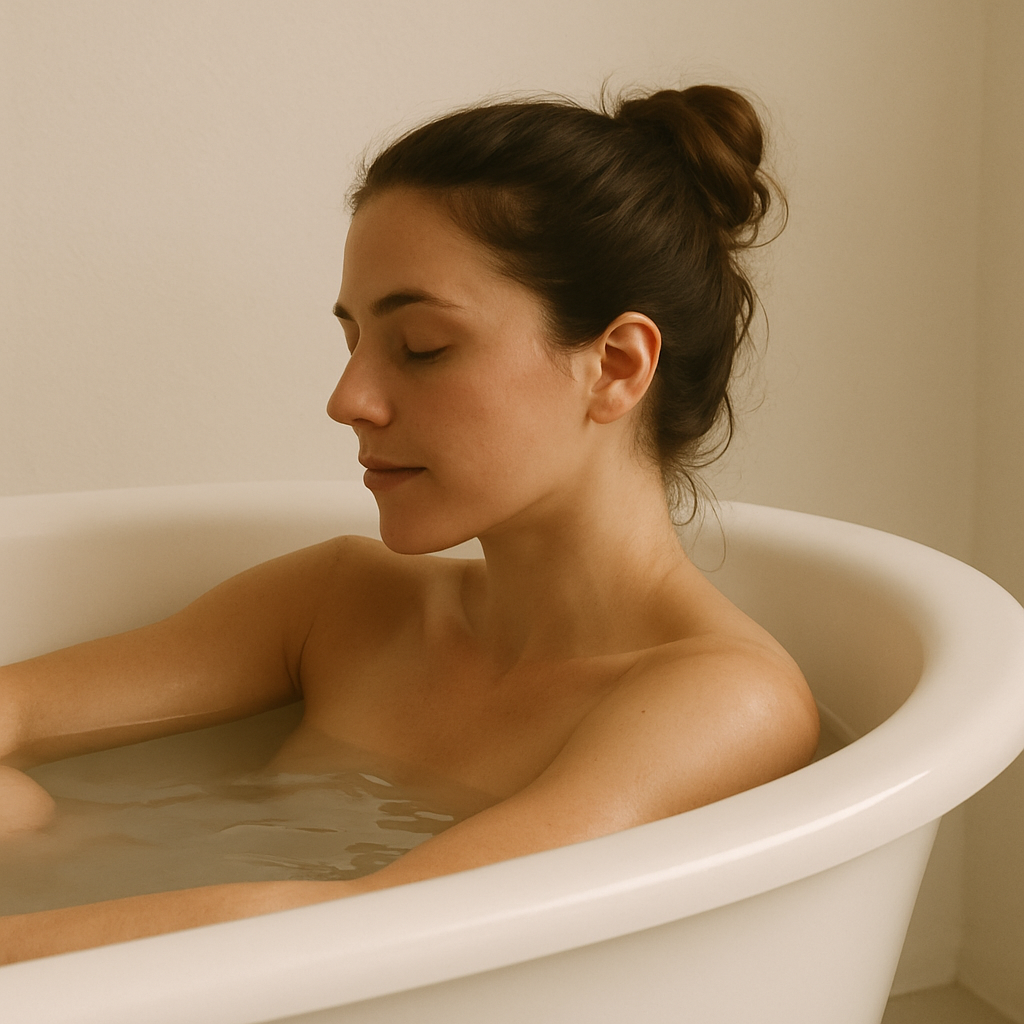
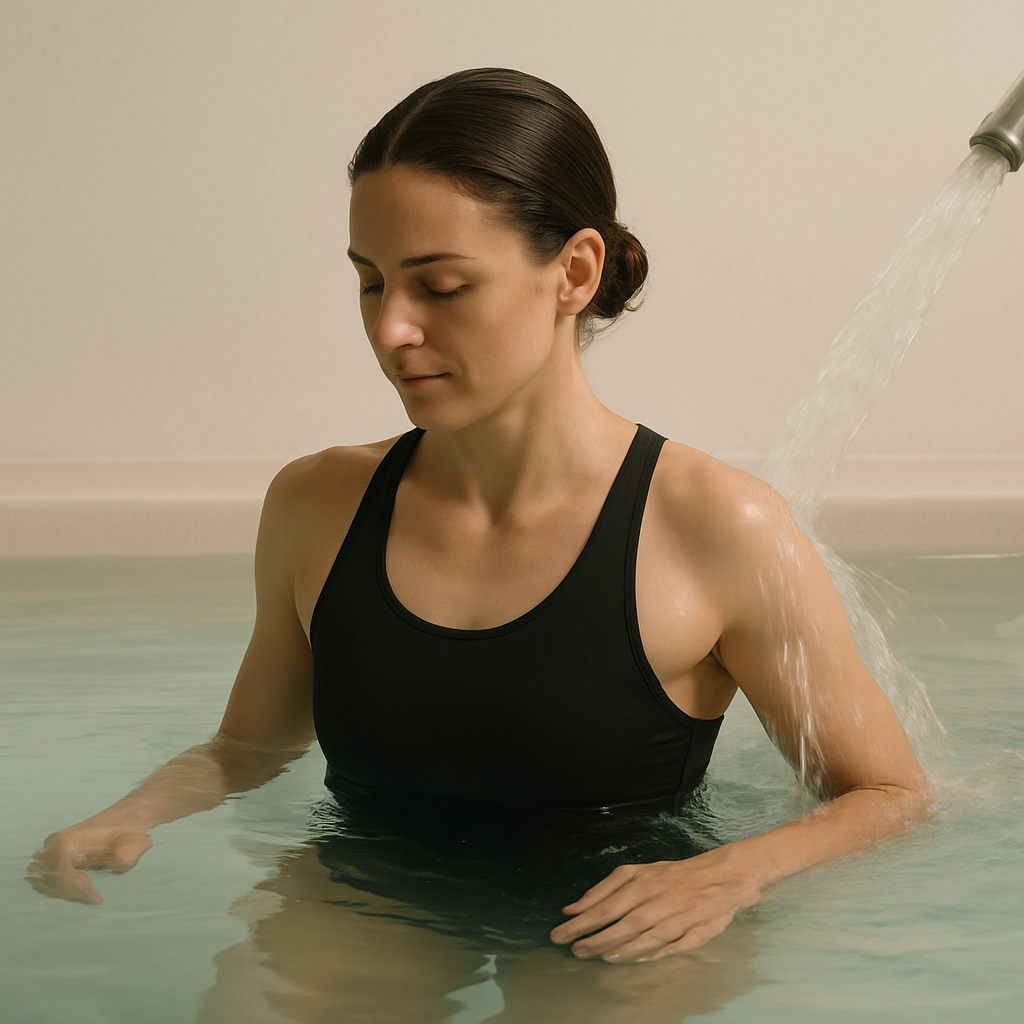
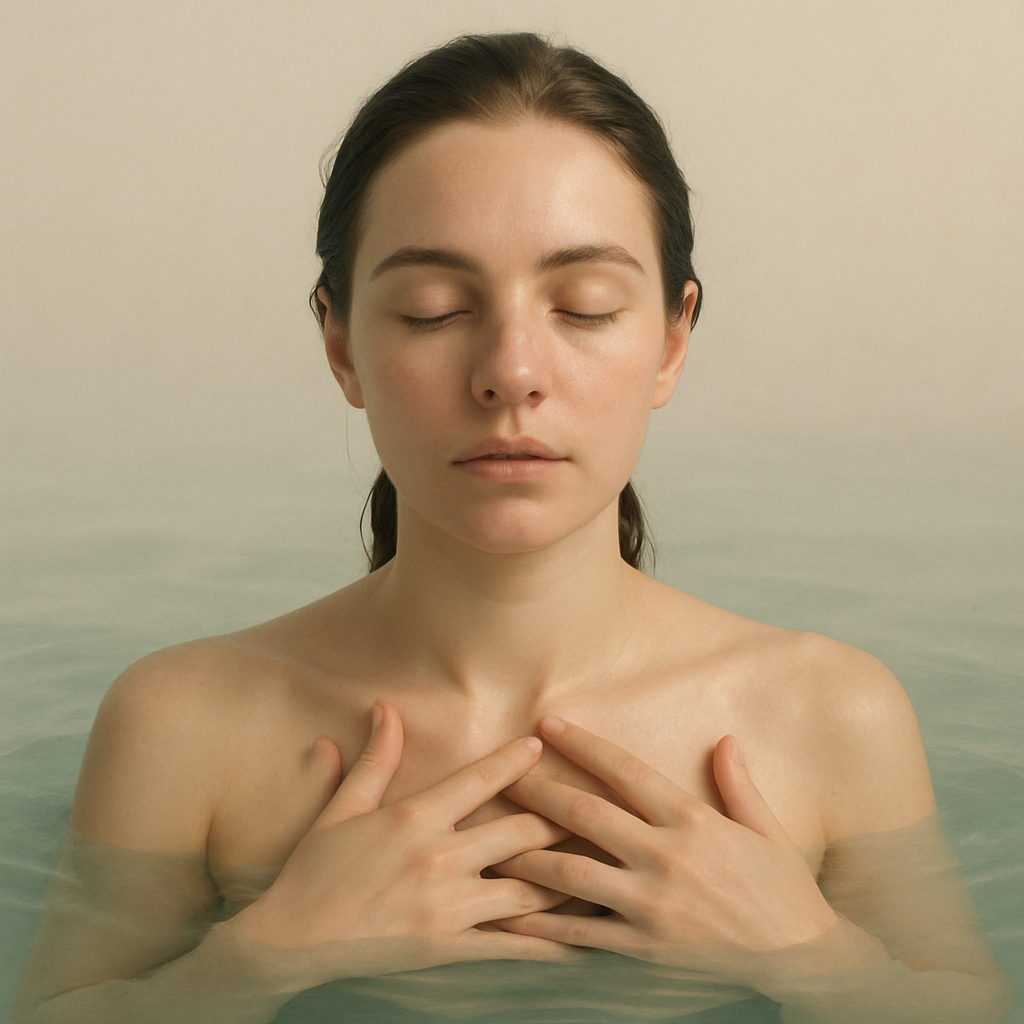
Mineral baths are a form of hydrotherapy that involves immersing the body in water infused with natural minerals. These minerals, such as magnesium, calcium, and sulfur, are believed to have therapeutic properties that can enhance relaxation, reduce muscle tension, and promote overall well-being. The practice of taking mineral baths dates back centuries and is rooted in various cultures around the world.
Key Active Compounds & Mechanisms
The therapeutic effects of mineral baths are attributed to several key active compounds, including:
- Magnesium: Known for its muscle-relaxing properties, magnesium can help alleviate tension and stress.
- Calcium: Essential for maintaining bone health, calcium can also support muscle function and nerve transmission.
- Sulfate: Often found in Epsom salt, sulfates are believed to aid in detoxification and promote healthy skin.
These minerals work synergistically to promote relaxation, improve circulation, and support the body's natural healing processes.
Traditional Uses
Throughout history, various cultures have utilized mineral baths for their healing properties. In Ancient Greece, the therapeutic benefits of hot springs were widely recognized, leading to the establishment of public bathhouses. Similarly, in Ancient Rome, baths were not only a place for hygiene but also socialization and relaxation. Traditional Chinese medicine also incorporates mineral baths, emphasizing their role in balancing the body's energy and promoting wellness.
What Modern Research Suggests
While traditional uses have long been celebrated, modern research is beginning to explore the efficacy of mineral baths. Preliminary studies have indicated that bathing in mineral-rich water may help reduce symptoms of conditions such as arthritis, fibromyalgia, and stress-related disorders. However, more rigorous clinical trials are necessary to fully understand the extent of their benefits and mechanisms of action.
Functional Actions
Mineral baths exhibit several functional actions, which may include:
- Relaxation and stress relief
- Muscle tension reduction
- Improved circulation
- Skin nourishment and hydration
- Support for detoxification processes
Body Systems Supported
Mineral baths can support various body systems, including:
- Musculoskeletal System: Helps alleviate pain and tension in muscles and joints.
- Nervous System: Promotes relaxation and may reduce anxiety and stress levels.
- Integumentary System: Nourishes and hydrates the skin, supporting its overall health.
Common Forms & Educational Dosing Ranges
Mineral baths can be enjoyed in several forms, including:
- Public mineral hot springs
- Home baths using mineral salts (e.g., Epsom salt, Dead Sea salt)
- Mineral bath products (oils, powders, etc.)
For home baths, a common dosing range is to add 1-2 cups of mineral salts to a standard bathtub filled with warm water. It is recommended to soak for 15-30 minutes to experience optimal benefits.
Safety, Contraindications & Interactions
While mineral baths are generally considered safe for most individuals, certain precautions should be taken:
- Individuals with heart conditions should consult a healthcare professional before using hot baths.
- Pregnant women should seek medical advice prior to engaging in mineral baths.
- Those with skin sensitivities or allergies to specific minerals should avoid baths containing those substances.
Additionally, mineral baths may interact with medications that affect blood pressure or blood sugar levels. Always consult a healthcare provider if you have concerns regarding interactions.
Pairs Well With
To enhance the benefits of mineral baths, consider pairing them with:
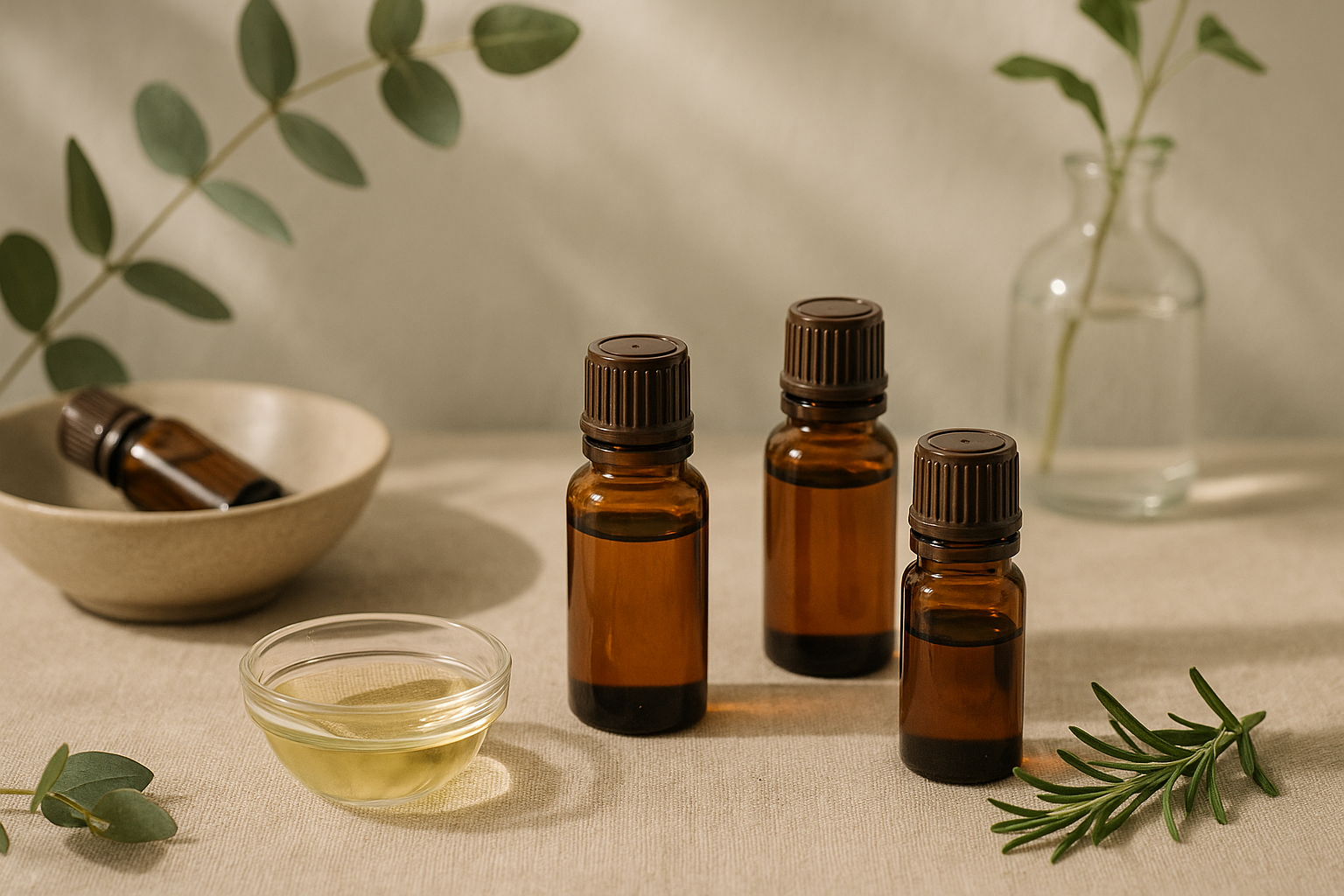
- Aromatherapy, using essential oils like lavender or eucalyptus for added relaxation.
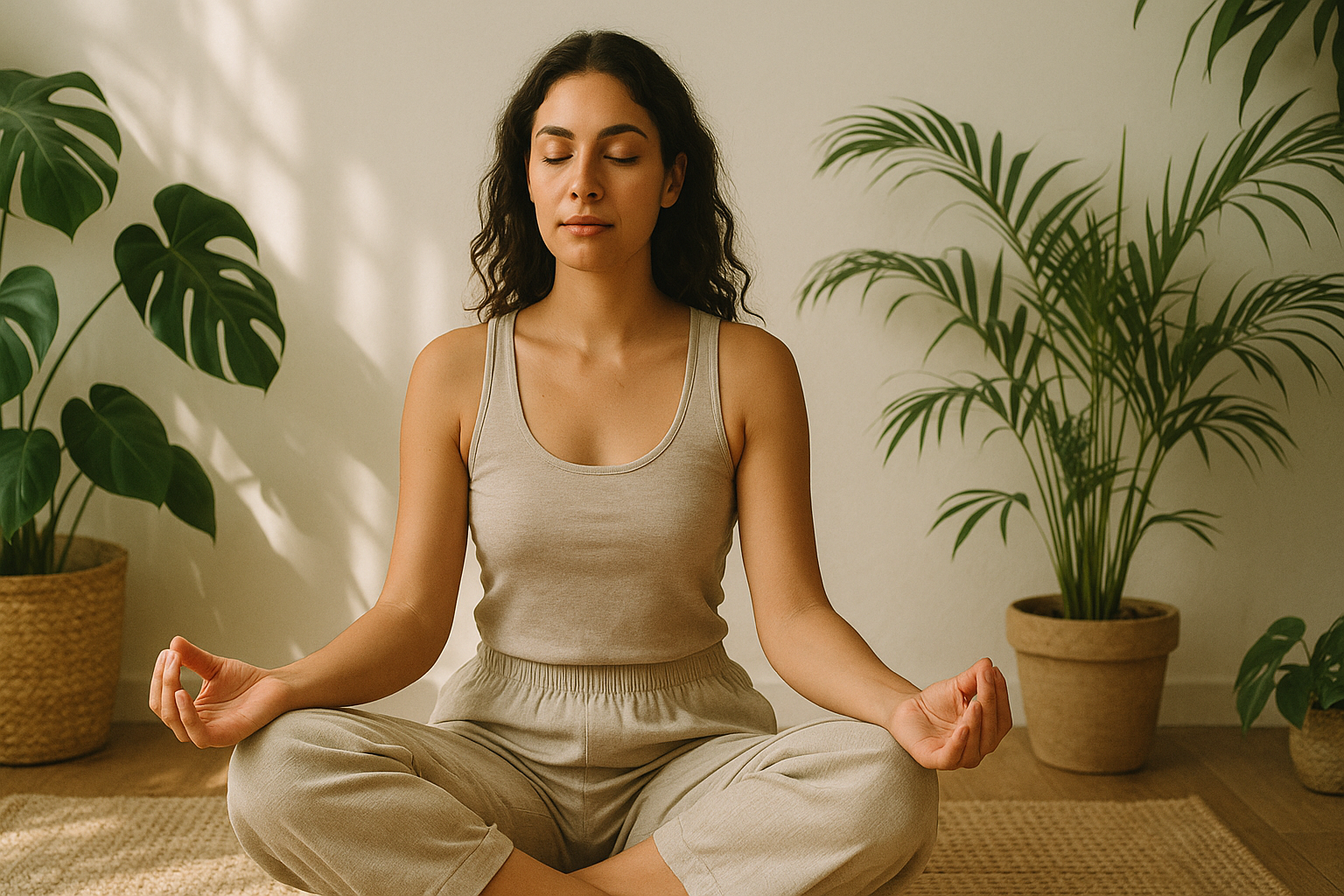
- Gentle stretching or yoga to further relieve tension.
- Hydration, by drinking water or herbal teas before and after bathing.
FAQs (5)
- What are the main benefits of mineral baths? Mineral baths may help reduce muscle tension, promote relaxation, improve circulation, and nourish the skin.
- How often can I take mineral baths? It is generally safe to enjoy mineral baths several times a week, but individual responses may vary.
- Can mineral baths help with skin conditions? Some people find that mineral baths can soothe skin irritations and provide hydration, but results can vary.
- Are there any risks associated with mineral baths? Risks include overheating, dehydration, and potential allergic reactions to certain minerals.
- Can I use mineral baths if I am pregnant? Pregnant individuals should consult a healthcare professional before using mineral baths to ensure safety.
Frequently asked
What are the main benefits of mineral baths?
Mineral baths may help reduce muscle tension, promote relaxation, improve circulation, and nourish the skin.
How often can I take mineral baths?
It is generally safe to enjoy mineral baths several times a week, but individual responses may vary.
Can mineral baths help with skin conditions?
Some people find that mineral baths can soothe skin irritations and provide hydration, but results can vary.
Are there any risks associated with mineral baths?
Risks include overheating, dehydration, and potential allergic reactions to certain minerals.
Can I use mineral baths if I am pregnant?
Pregnant individuals should consult a healthcare professional before using mineral baths to ensure safety.