Ice Therapy
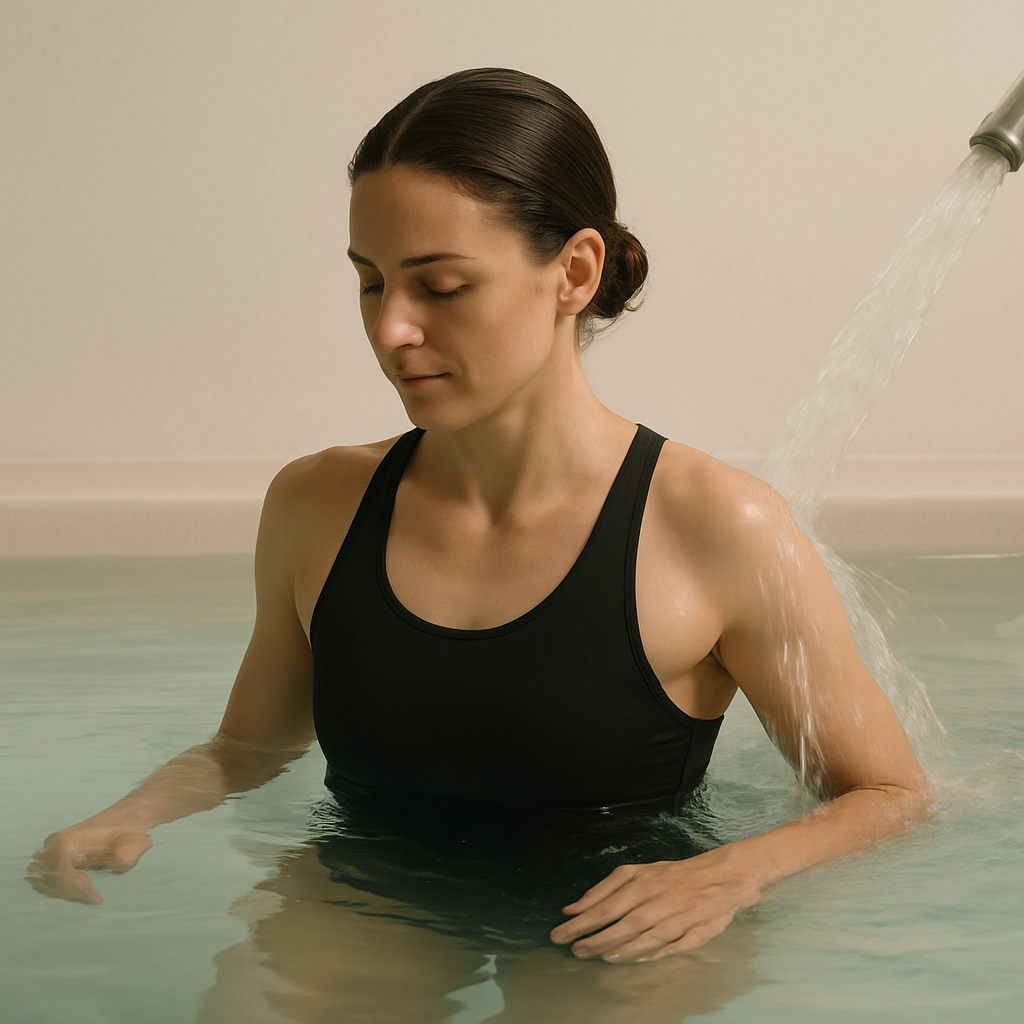
Discover the healing powers of ice therapy, its historical uses, modern research insights, and practical applications in hydrotherapy.

Explore the benefits and applications of ice therapy within hydrotherapy. Learn about its history, modern research, and safety considerations.
What It Is
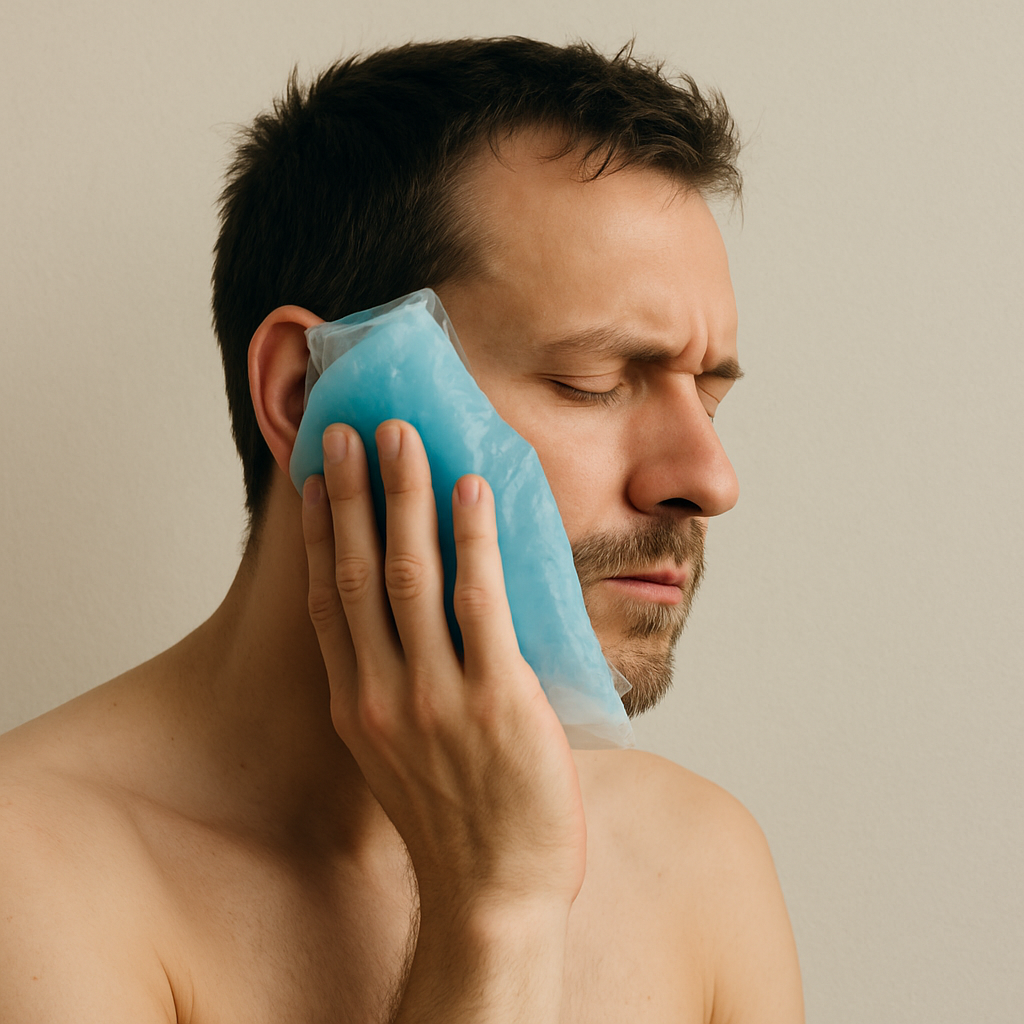
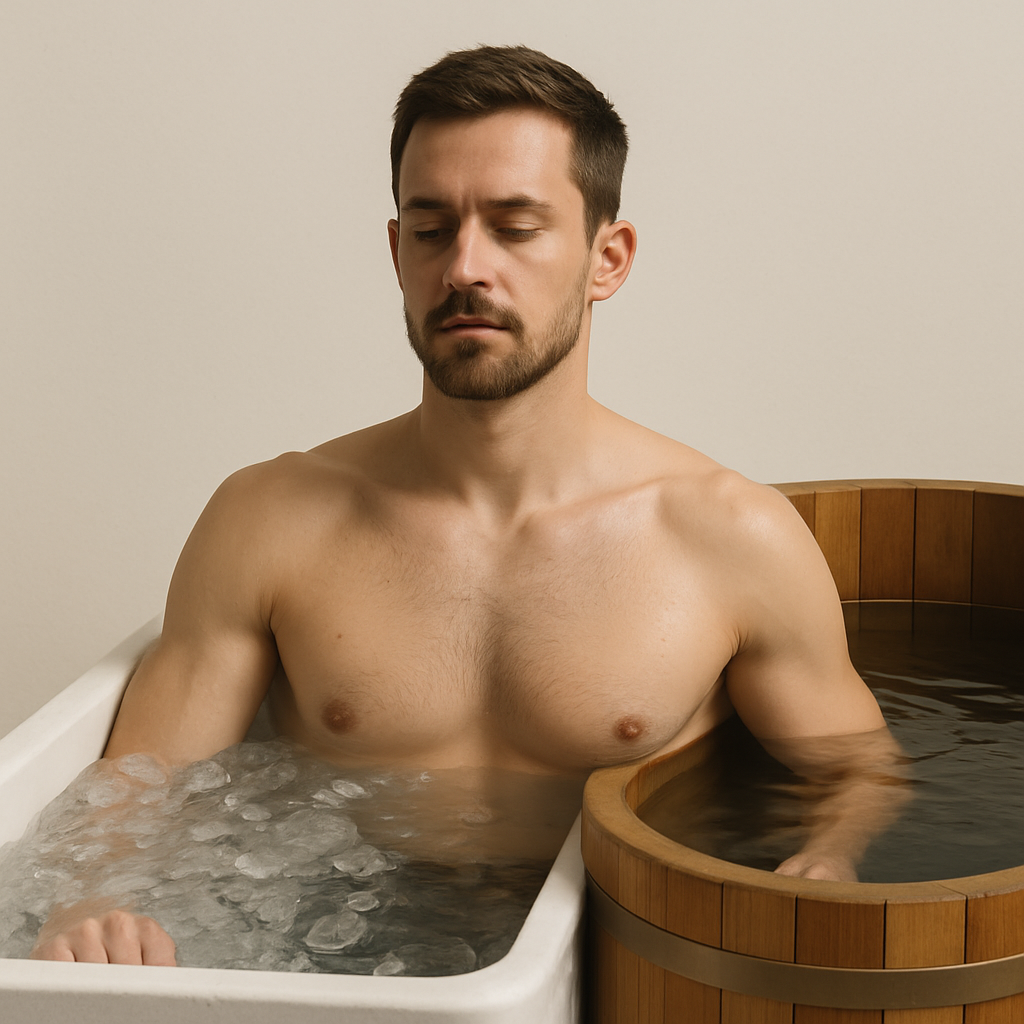
Ice therapy, also known as cryotherapy, involves the application of cold to the body for therapeutic purposes. It is a technique used to reduce inflammation, alleviate pain, and promote recovery. This method leverages the body's natural response to cold, which can help manage various conditions. Ice therapy can be applied through various means, such as ice packs, cold compresses, or immersion in cold water.
Key Active Compounds & Mechanisms
While ice therapy does not involve active compounds like herbal remedies, its effectiveness relies on the physiological responses triggered by cold exposure. The primary mechanisms include:
- Vasoconstriction: Cold application causes blood vessels to constrict, reducing blood flow to the affected area, which helps decrease swelling and inflammation.
- Reduced Nerve Activity: Cold therapy can numb nerve endings, providing immediate pain relief.
- Metabolic Rate Decrease: Cold exposure can slow down metabolic processes in tissues, aiding in the reduction of cellular damage.
Traditional Uses
Ice therapy has roots in ancient practices, where cold water and ice were utilized for healing. Historical accounts suggest:
- Ancient Greeks and Romans used snow and ice to is traditionally explored for injuries and alleviate pain.
- In traditional Chinese medicine, cold applications were employed to balance the body's yin and yang energies.
- Indigenous cultures have utilized cold therapy as a natural remedy for inflammation and pain management for centuries.
What Modern Research Suggests
Recent studies have begun to explore the benefits and limitations of ice therapy. Preliminary evidence suggests that:
- Ice therapy can effectively reduce acute injuries, such as sprains and strains, by minimizing swelling.
- Some research indicates that using ice post-exercise can help with recovery and soreness, although opinions vary on its long-term efficacy.
- Further studies are needed to fully understand the long-term effects and optimal methods of application.
Functional Actions
The functional actions of ice therapy include:
- Pain Relief: Immediate and localized pain reduction through numbing effects.
- Inflammation Control: Decreasing swelling and inflammation in acute injuries.
- Muscle Recovery: Enhancing recovery after intense physical activity by reducing soreness.
Body Systems Supported
Ice therapy primarily supports the following body systems:
- Musculoskeletal System: Provides relief from muscle pain, joint pain, and injuries.
- Circulatory System: Influences blood flow dynamics through vasoconstriction and vasodilation.
- Nervous System: Alters nerve function and pain perception.
Common Forms & Educational Dosing Ranges
Ice therapy can be applied in several forms, including:
- Ice Packs: Applied directly to the skin for 15-20 minutes.
- Cold Compresses: Soaked fabric in cold water or ice for localized treatment.
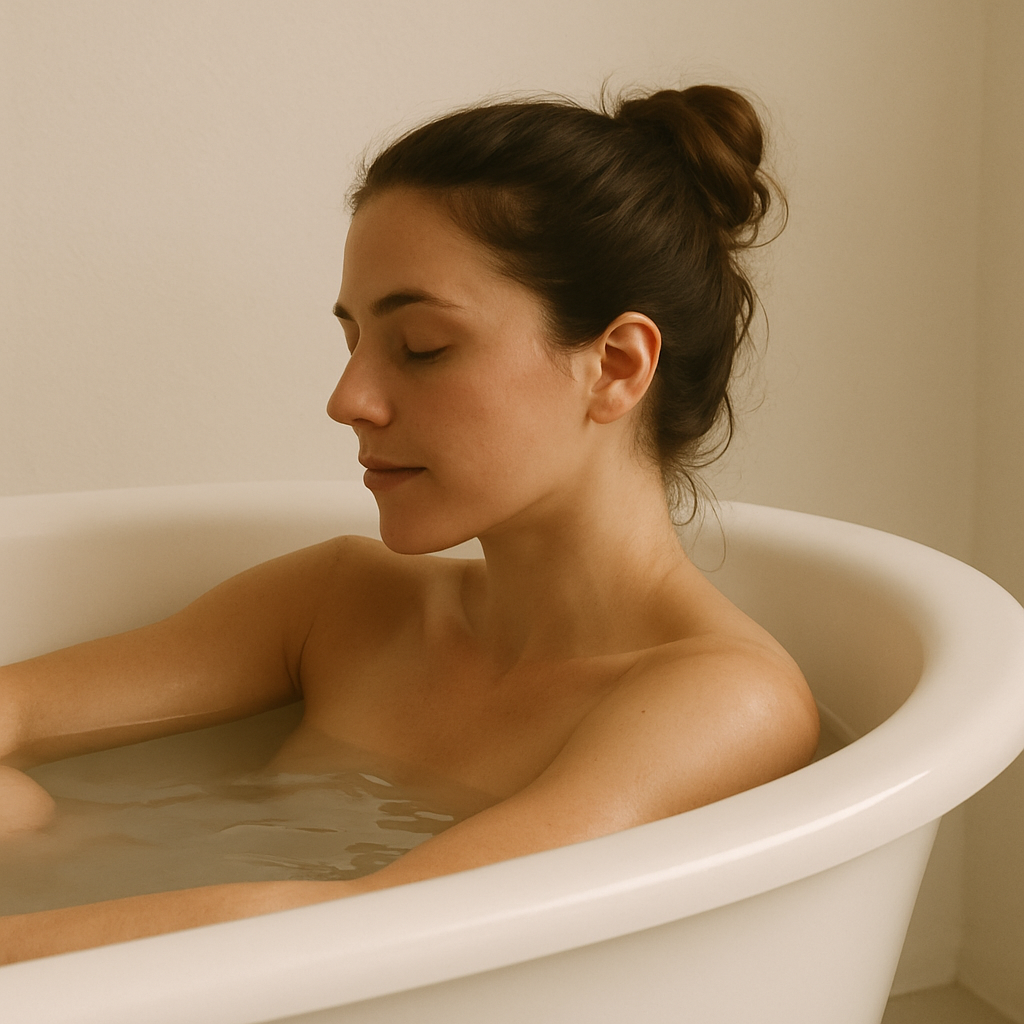
- Cold Baths: Immersion in cold water for a specified duration, usually 10-15 minutes.
It is essential to allow the skin to return to its normal temperature before reapplying to avoid frostbite.
Safety, Contraindications & Interactions
While ice therapy is generally safe, certain precautions should be considered:
- Avoid applying ice directly on the skin to prevent frostbite; always use a barrier.
- Individuals with circulatory issues, such as Raynaud's disease, should consult a healthcare provider before use.
- Those taking medications that affect circulation, such as blood thinners, should also seek advice.
Pairs Well With
Ice therapy can be effectively paired with:
- Heat Therapy: Alternating between cold and heat can enhance recovery and promote circulation.
- Physical Therapy: Incorporating ice therapy into rehabilitation programs can improve outcomes.
- Compression Therapy: Using ice with compression can further reduce swelling and promote healing.
FAQs (5)
- Q: How long should I apply ice for optimal results?
A: It is recommended to apply ice for 15-20 minutes at a time, allowing the skin to return to normal temperature between applications. - Q: Can ice therapy help with chronic pain?
A: Ice therapy is primarily effective for acute pain and inflammation. Chronic pain management may require a holistic approach. - Q: Is ice therapy safe for children?
A: Yes, but it should be supervised, and care should be taken to avoid frostbite. - Q: Can I use ice therapy if I have diabetes?
A: Individuals with diabetes should consult a healthcare provider, especially if they have neuropathy or circulation issues. - Q: How often can I use ice therapy?
A: Ice therapy can be used multiple times a day, but it is crucial to monitor skin response and avoid prolonged exposure.
Frequently asked
How long should I apply ice for optimal results?
It is recommended to apply ice for 15-20 minutes at a time, allowing the skin to return to normal temperature between applications.
Can ice therapy help with chronic pain?
Ice therapy is primarily effective for acute pain and inflammation. Chronic pain management may require a holistic approach.
Is ice therapy safe for children?
Yes, but it should be supervised, and care should be taken to avoid frostbite.
Can I use ice therapy if I have diabetes?
Individuals with diabetes should consult a healthcare provider, especially if they have neuropathy or circulation issues.
How often can I use ice therapy?
Ice therapy can be used multiple times a day, but it is crucial to monitor skin response and avoid prolonged exposure.