Athletic Recovery
Learn about athletic recovery through hydrotherapy, its mechanisms, traditional uses, and modern scientific insights.
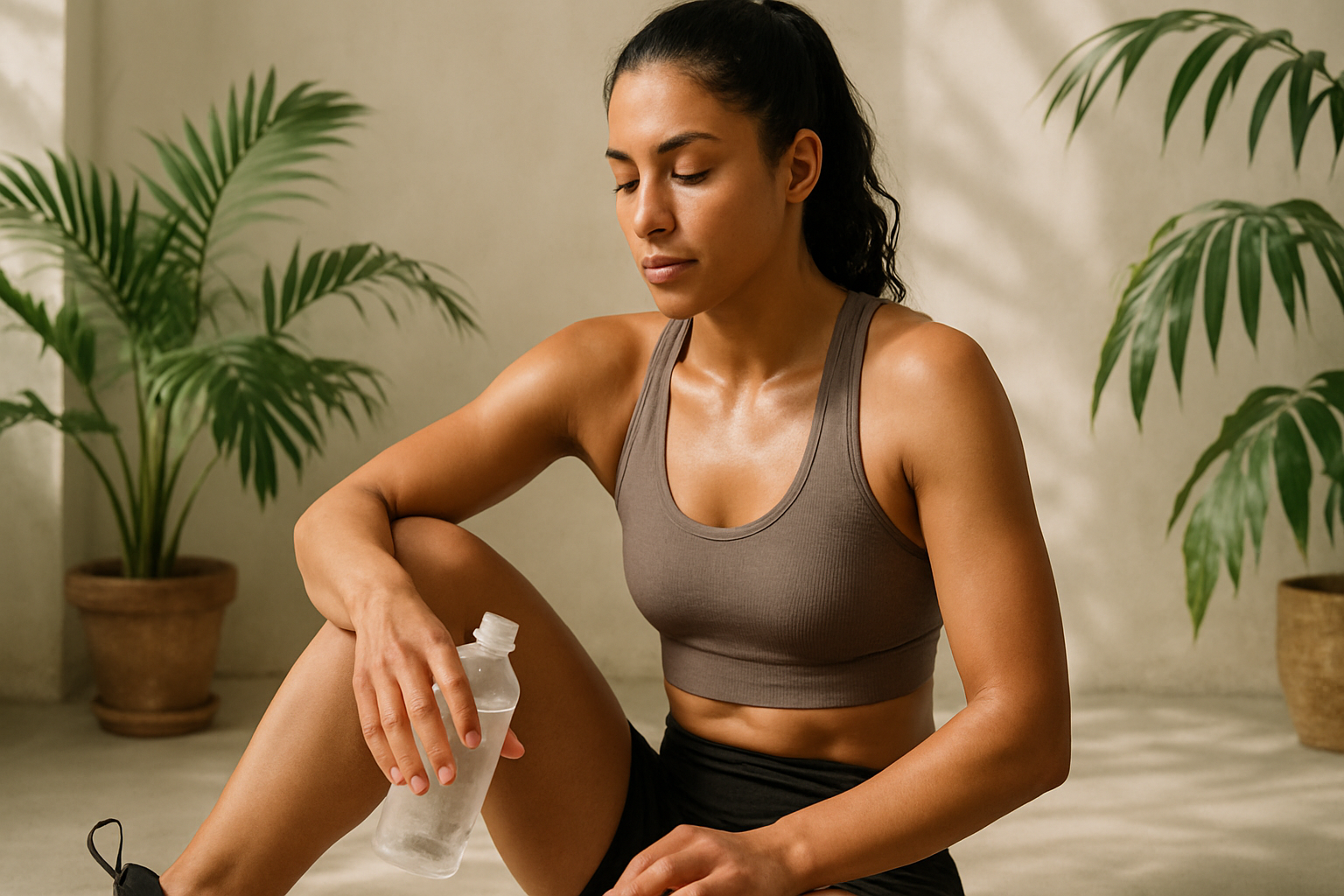
Explore the benefits of hydrotherapy for athletic recovery, including traditional uses, modern research, and safety considerations.
What It Is
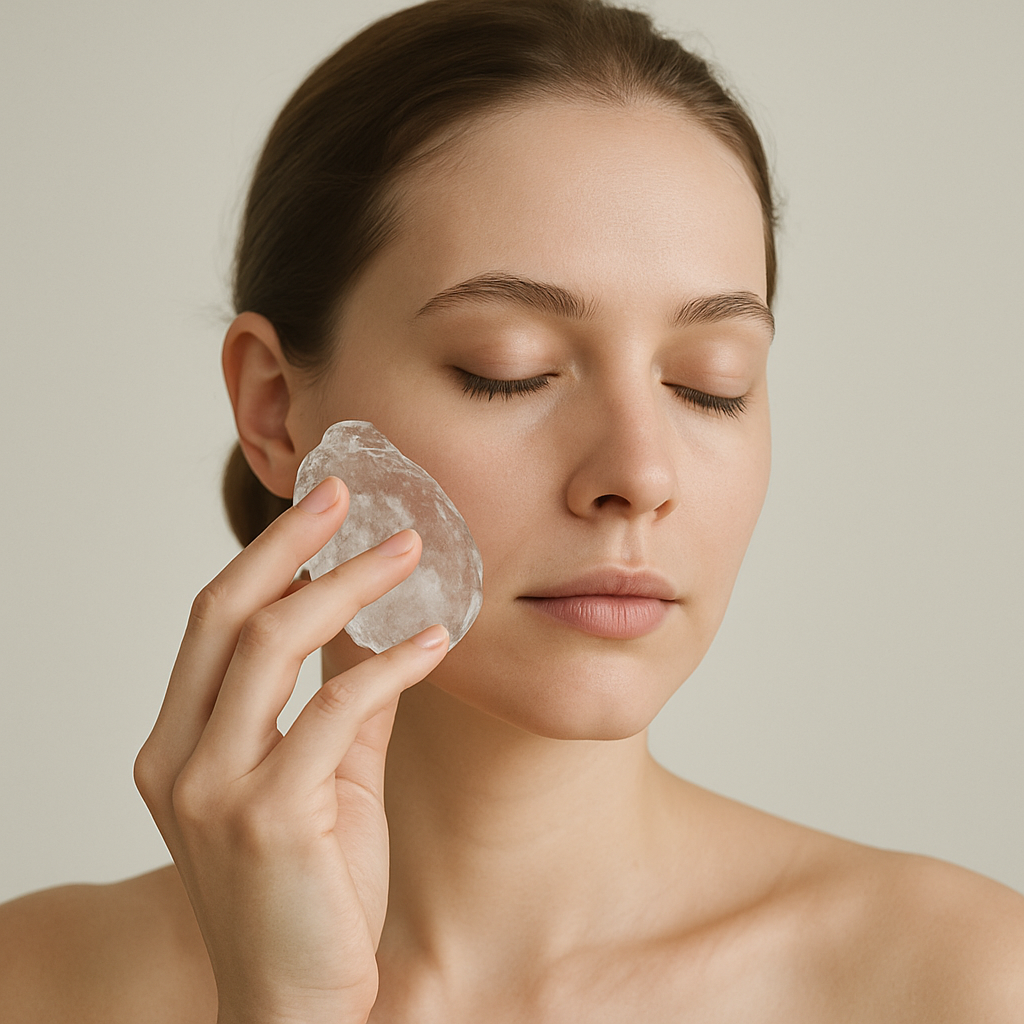
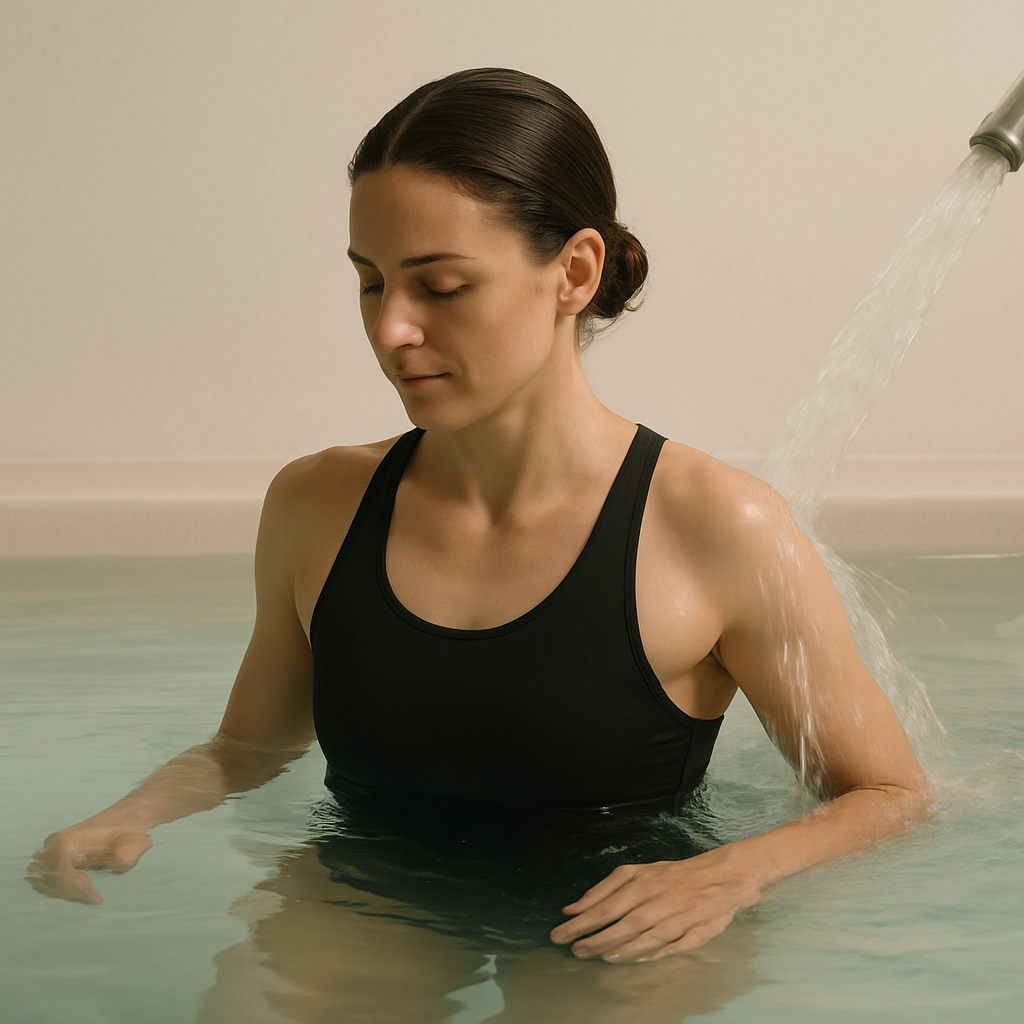
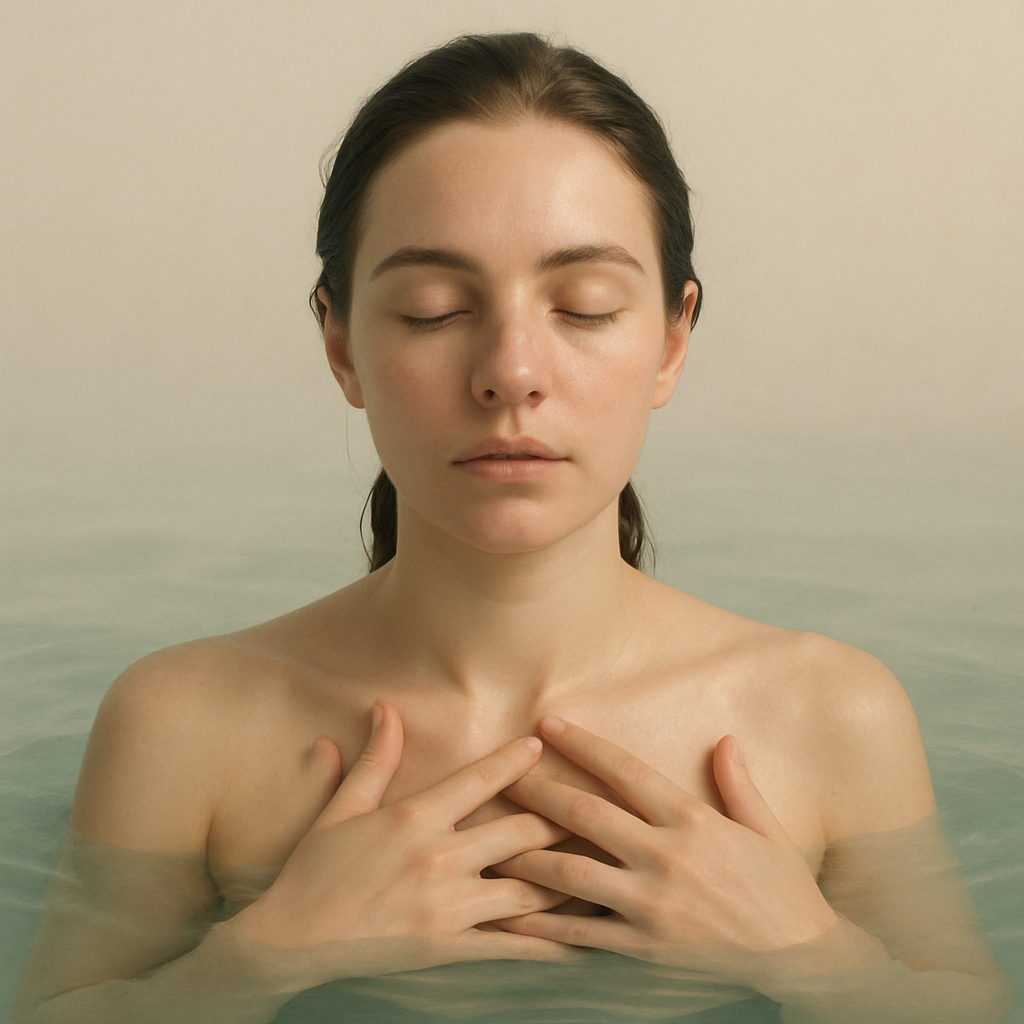
Hydrotherapy refers to the use of water for therapeutic purposes. It encompasses various practices, including immersion, contrast baths, and localized applications, aimed at enhancing recovery and promoting overall well-being. This natural remedy is particularly beneficial for athletes, aiding in muscle recovery, reducing soreness, and improving circulation.
Key Active Compounds & Mechanisms
While hydrotherapy itself does not contain active compounds like herbal remedies, its therapeutic effects stem from physical properties of water. The mechanisms include:
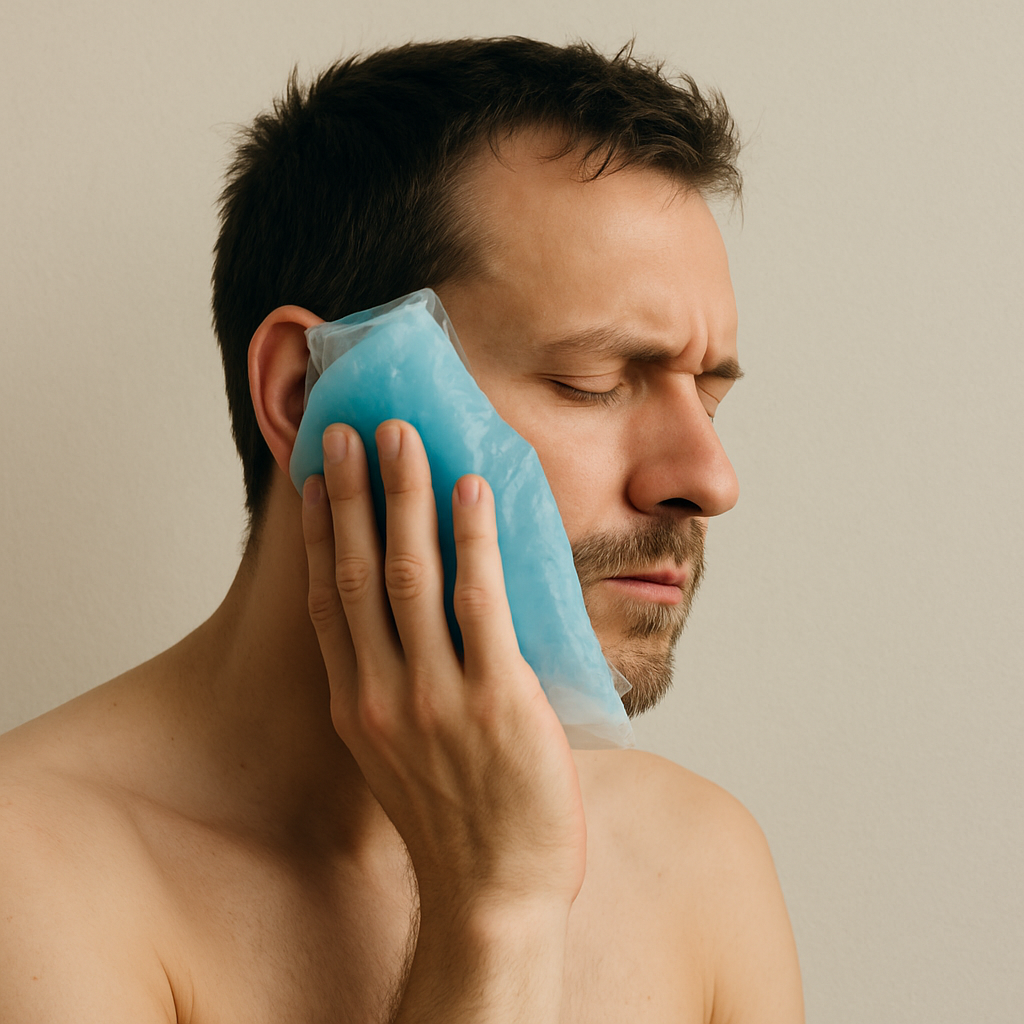
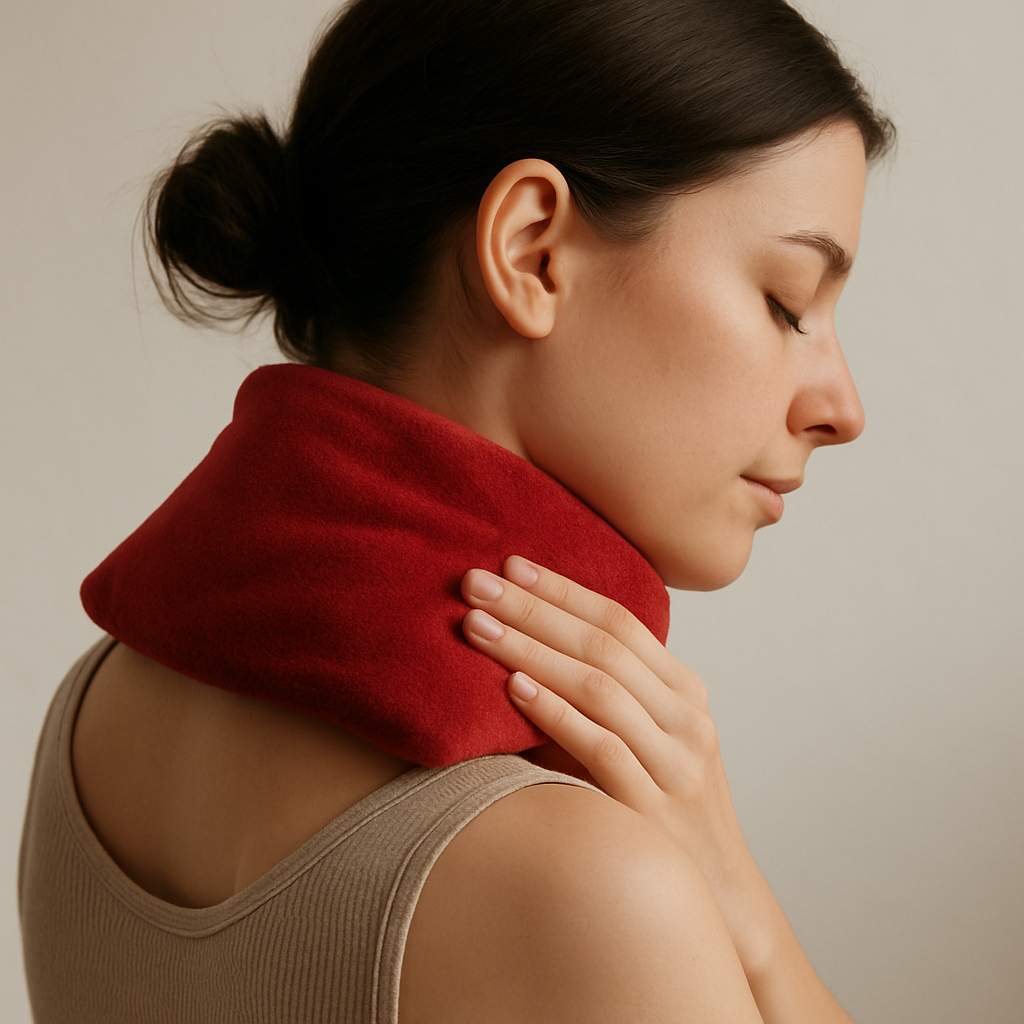
- Temperature Regulation: Warm water can help to relax muscles and improve blood flow, while cold water can reduce inflammation and numb pain.
- Buoyancy: This reduces stress on joints and muscles, allowing for easier movement and rehabilitation.
- Hydrostatic Pressure: The pressure of water can aid in reducing swelling and improving circulation.
Traditional Uses
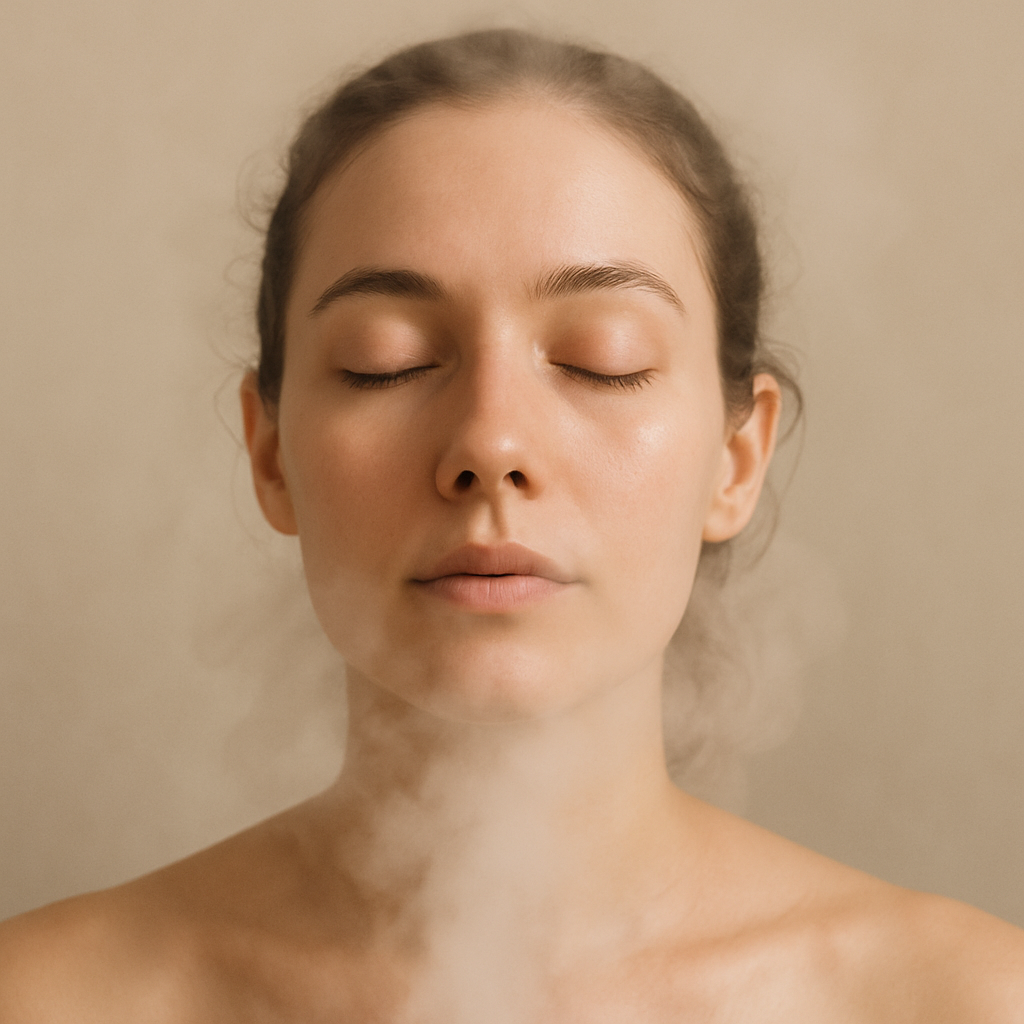
Hydrotherapy has roots in various ancient cultures. The Romans built elaborate bathhouses, utilizing steam and thermal baths for relaxation and recovery. In ancient Greece, athletes used warm baths to prepare for competitions, believing in the restorative power of water. Traditional Chinese Medicine also emphasizes the use of water therapies to restore balance and health.
What Modern Research Suggests
Contemporary studies support the efficacy of hydrotherapy in athletic recovery. Research indicates that cold water immersion can significantly reduce muscle soreness after intense exercise. Warm water immersion is associated with increased blood flow and muscle relaxation. However, further studies are needed to fully understand the optimal protocols for various athletic populations.
Functional Actions
The functional actions of hydrotherapy in athletic recovery include:
- Reducing Muscle Soreness: Cold water immersion can alleviate delayed onset muscle soreness (DOMS).
- Enhancing Circulation: Warm water applications promote blood flow and nutrient delivery to muscles.
- Supporting Muscle Relaxation: Immersion in warm water helps reduce muscle tension and spasm.
Body Systems Supported
Hydrotherapy primarily supports the following body systems:
- Musculoskeletal System: Aids in recovery from injuries and enhances overall muscle function.
- Circulatory System: Promotes better blood circulation and oxygen delivery.
- Nervous System: Helps to relax the mind and reduce stress, contributing to overall recovery.
Common Forms & Educational Dosing Ranges
Hydrotherapy can be practiced in various forms, including:
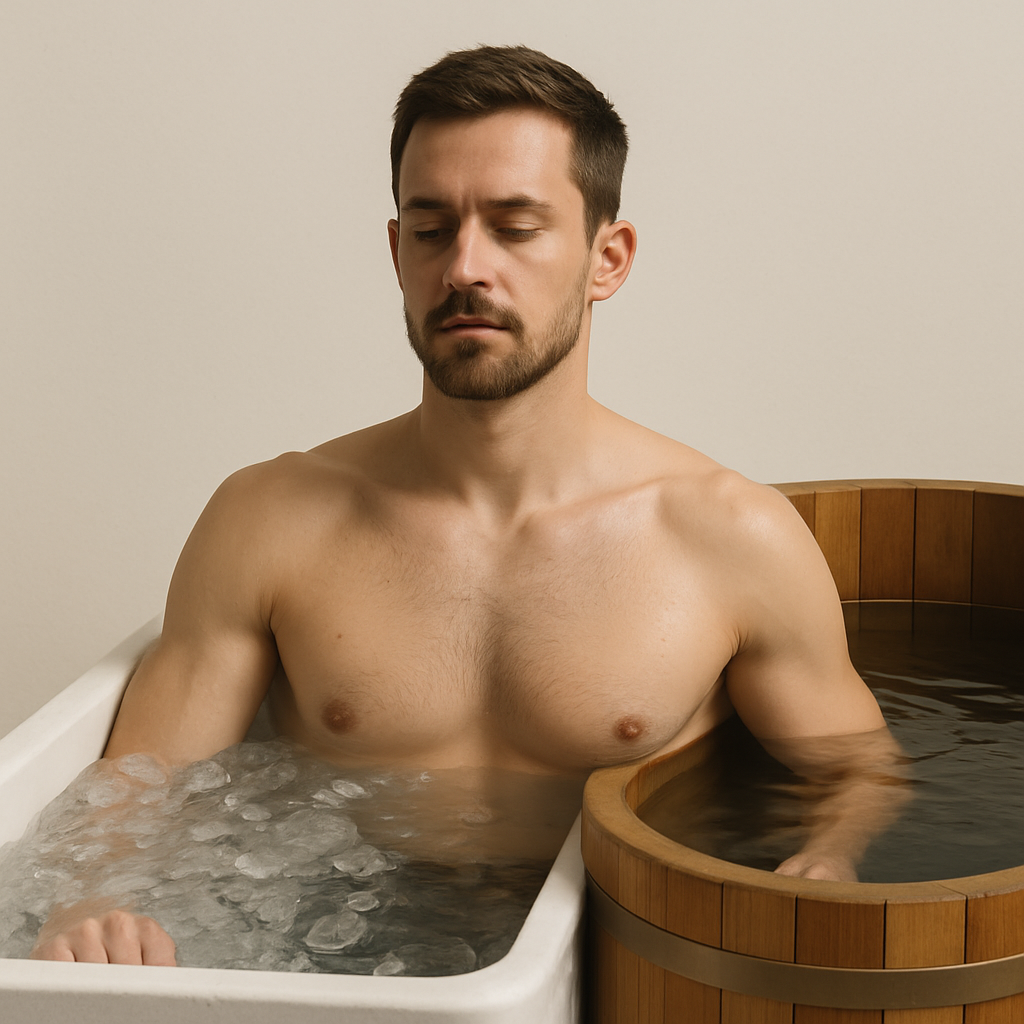
- Cold Water Immersion: Typically involves immersion in cold water (50-59°F or 10-15°C) for 10-15 minutes.
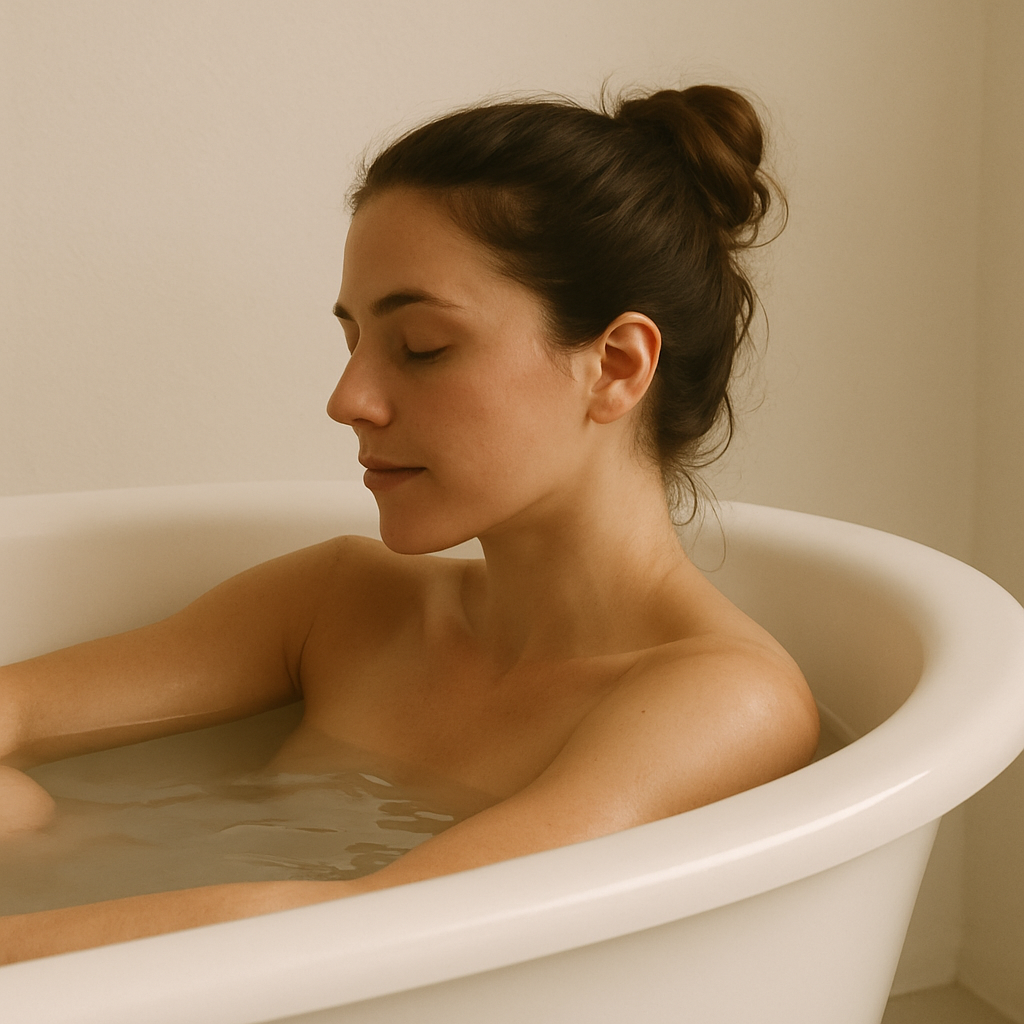
- Warm Water Immersion: Usually involves soaking in warm water (98-104°F or 37-40°C) for 15-30 minutes.
- Contrast Baths: Alternating between hot and cold water, typically for 20-30 minutes, can enhance recovery.
Safety, Contraindications & Interactions
Hydrotherapy is generally safe for most individuals; however, certain conditions may warrant caution:
- Heart Conditions: Individuals with cardiovascular issues should consult a healthcare professional before engaging in hydrotherapy.
- Skin Conditions: Open wounds or skin infections may be aggravated by immersion.
- Temperature Sensitivity: Those with conditions affecting temperature regulation should be cautious with extreme temperatures.
Pairs Well With
Hydrotherapy can be effectively paired with:
- Stretching Exercises: Enhances flexibility and reduces muscle tightness.
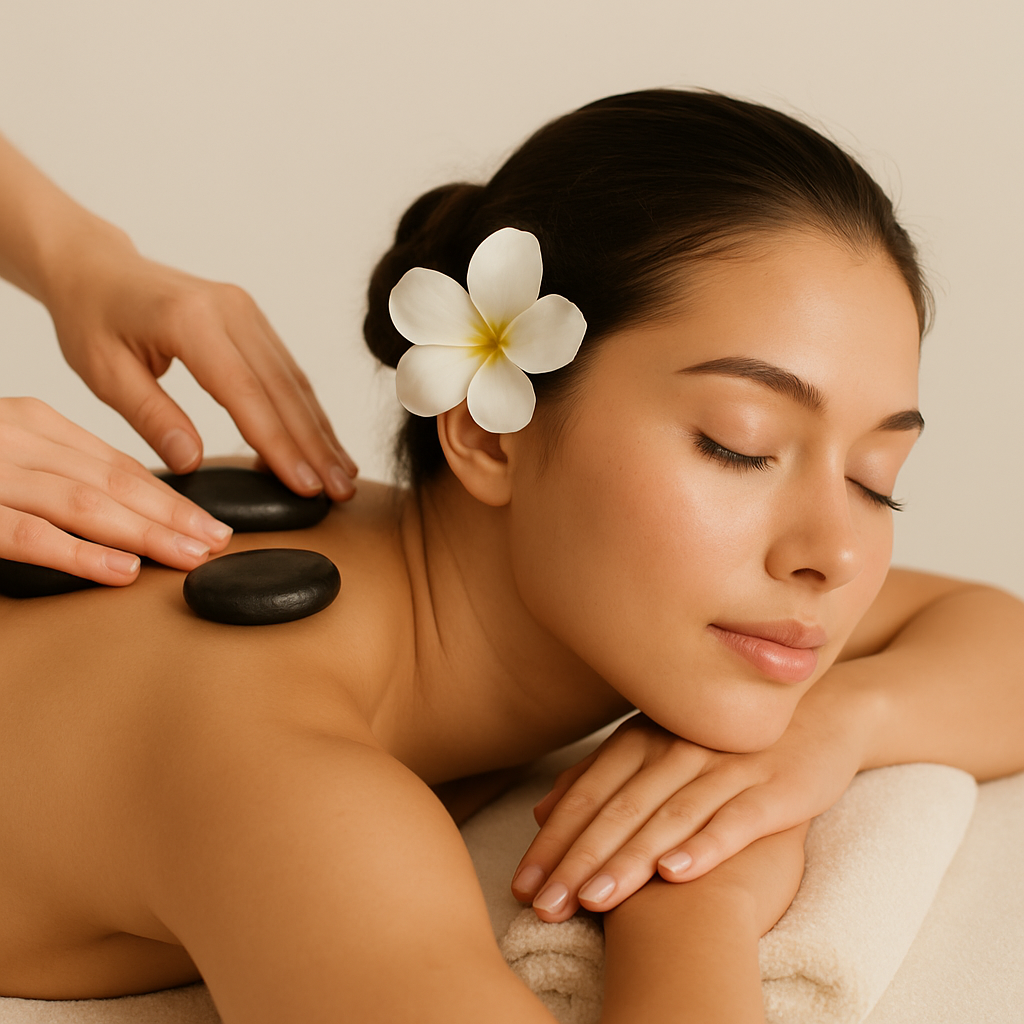
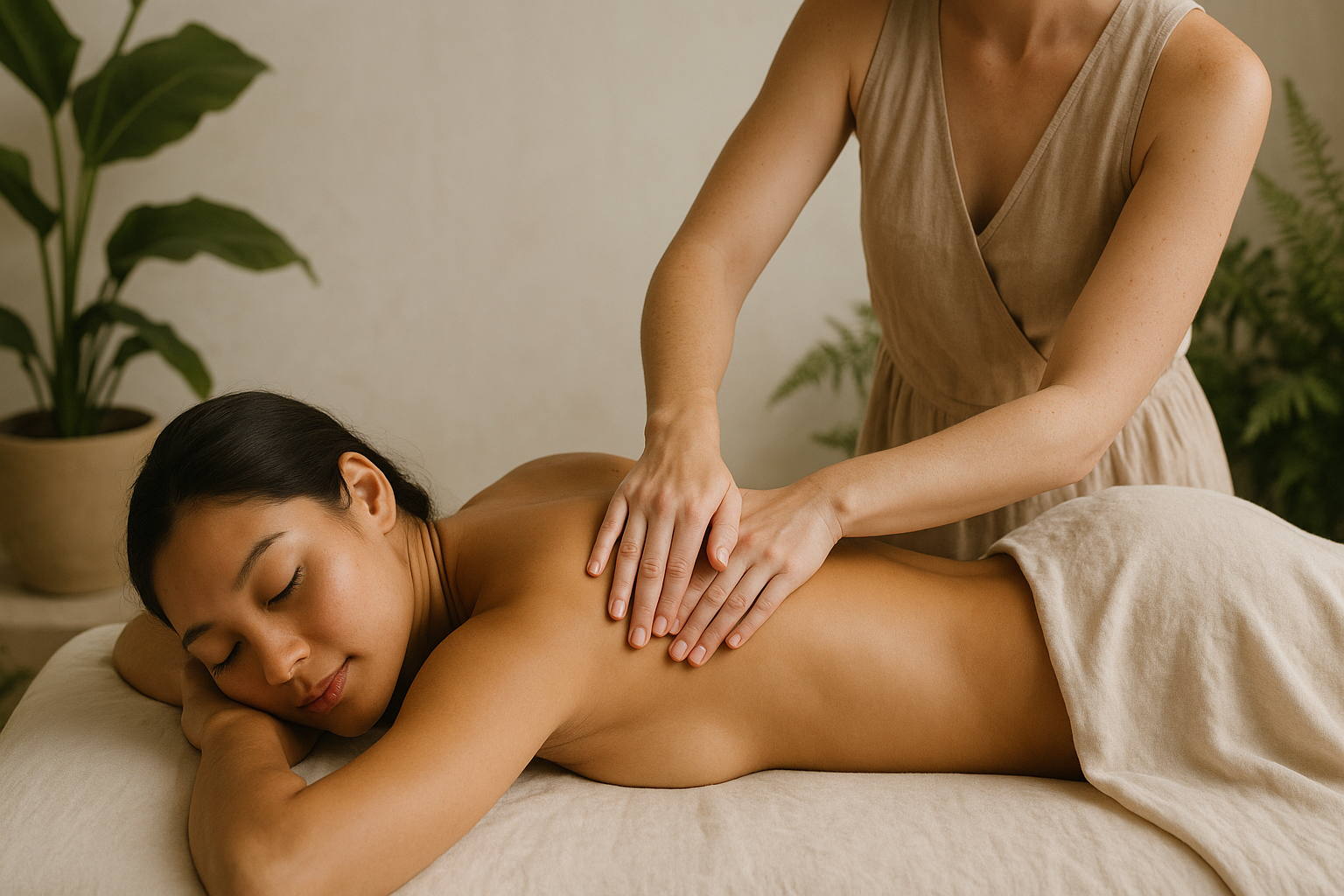
- Massage Therapy: Complements hydrotherapy by further relaxing muscles and improving circulation.
- Nutritional Support: Adequate hydration and nutrient intake are essential for optimal recovery.
FAQs (5)
- Is hydrotherapy safe for all athletes? While generally safe, athletes with specific health concerns should consult a healthcare professional.
- How often should I use hydrotherapy for recovery? Depending on training intensity, 1-3 times per week can be beneficial.
- Can hydrotherapy help with injury rehabilitation? Yes, it can aid in recovery by reducing pain and promoting circulation.
- What temperature is best for cold water immersion? Cold water should be between 50-59°F (10-15°C) for effective results.
- Can I perform hydrotherapy at home? Yes, many hydrotherapy practices can be done at home with a bathtub or a pool.
Frequently asked
Is hydrotherapy safe for all athletes?
While generally safe, athletes with specific health concerns should consult a healthcare professional.
How often should I use hydrotherapy for recovery?
Depending on training intensity, 1-3 times per week can be beneficial.
Can hydrotherapy help with injury rehabilitation?
Yes, it can aid in recovery by reducing pain and promoting circulation.
What temperature is best for cold water immersion?
Cold water should be between 50-59°F (10-15°C) for effective results.
Can I perform hydrotherapy at home?
Yes, many hydrotherapy practices can be done at home with a bathtub or a pool.